Blog

Century-Old Restaurants in New York & New Jersey: Living Landmarks of American Culinary History

Step into living history at these century-old restaurants in New York and New Jersey. These legendary establishments have survived wars, economic downturns, and changing tastes to become cherished culinary landmarks that continue to delight diners with authentic flavors and timeless hospitality.

Century-Old Restaurants in New York & New Jersey: Living Landmarks of American Culinary History

New York and New Jersey are home to dining establishments that have stood the test of time for generations. These aren’t merely restaurants—they’re living museums of American culinary history, where the recipes, traditions, and stories have been carefully preserved across decades and even centuries.

What makes these restaurants truly special isn’t just their age. It’s the unwavering commitment to quality, the recipes passed down through families, and most importantly, the genuine flavors that keep bringing people back generation after generation. From classic American steakhouses to intimate Italian trattorias and elegant French dining rooms, these establishments represent the very best of what American cuisine has to offer.

NEW YORK CITY

1. Delmonico’s: America’s First Fine Dining Restaurant (Est. 1827)
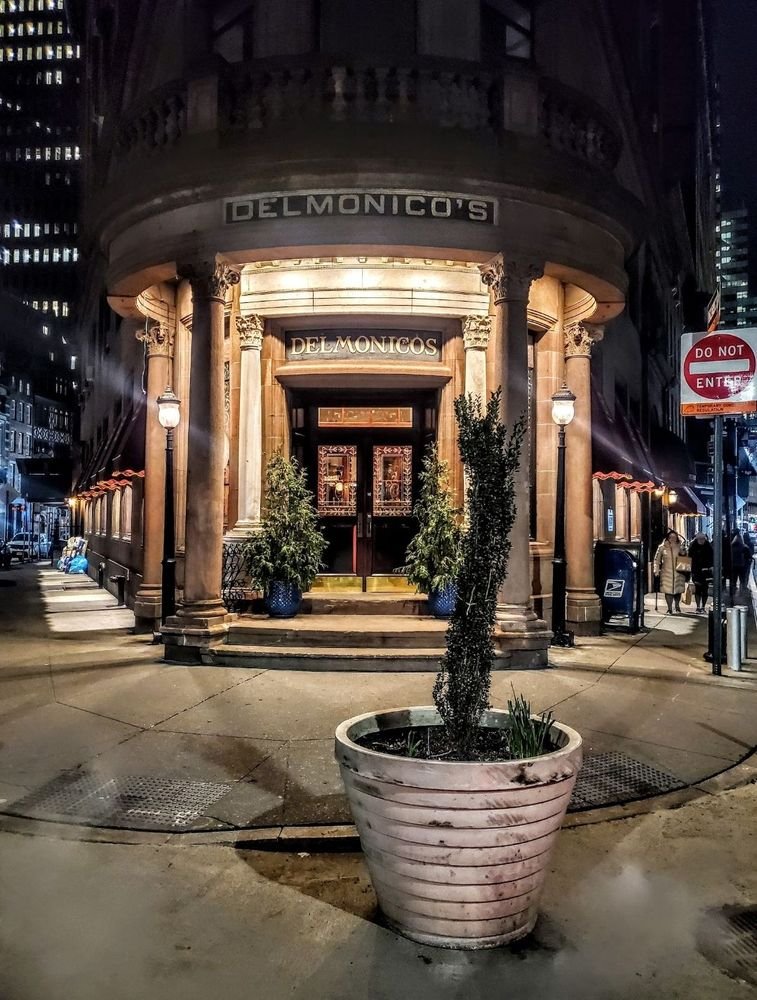
an old restaurant in new york
Delmonico’s

Location: 56 Beaver Street, Financial District, Manhattan
Established: 1827
Website: https://www.theoriginaldelmonicos.com/
Signature Dishes: Delmonico Steak, Lobster Newberg, Eggs Benedict, Baked Alaska
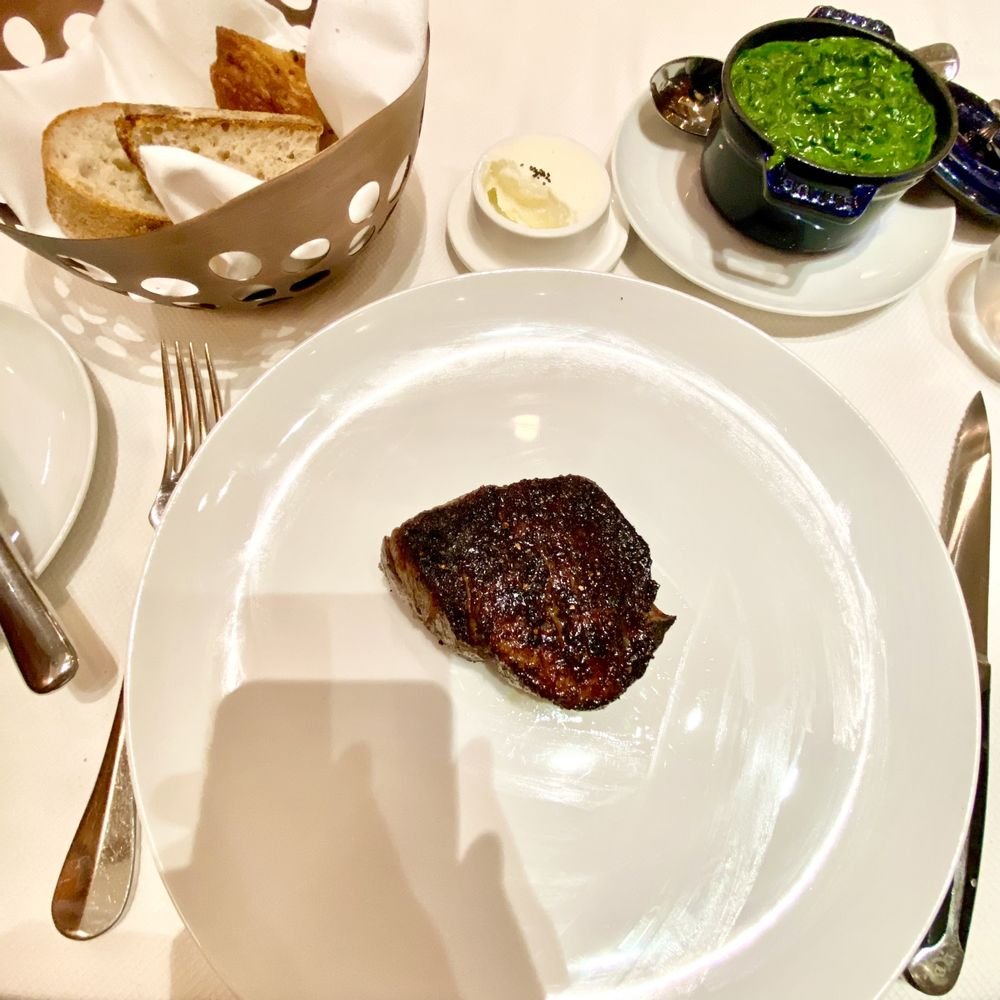
filet mignon and cream spinach

A Revolutionary Beginning

When Swiss-Italian brothers Giovanni and Pietro Delmonico opened their doors in 1827, they revolutionized American dining. What began as a small pastry café evolved into the nation’s first true fine dining establishment by 1837, fundamentally changing how Americans thought about restaurants.

Before Delmonico’s, dining out in America meant eating whatever was prepared that day at inns and taverns, at fixed prices and fixed times. Delmonico’s introduced the French concept of à la carte dining, allowing guests to choose from printed menus and dine on their own schedule—revolutionary ideas that we now take for granted.
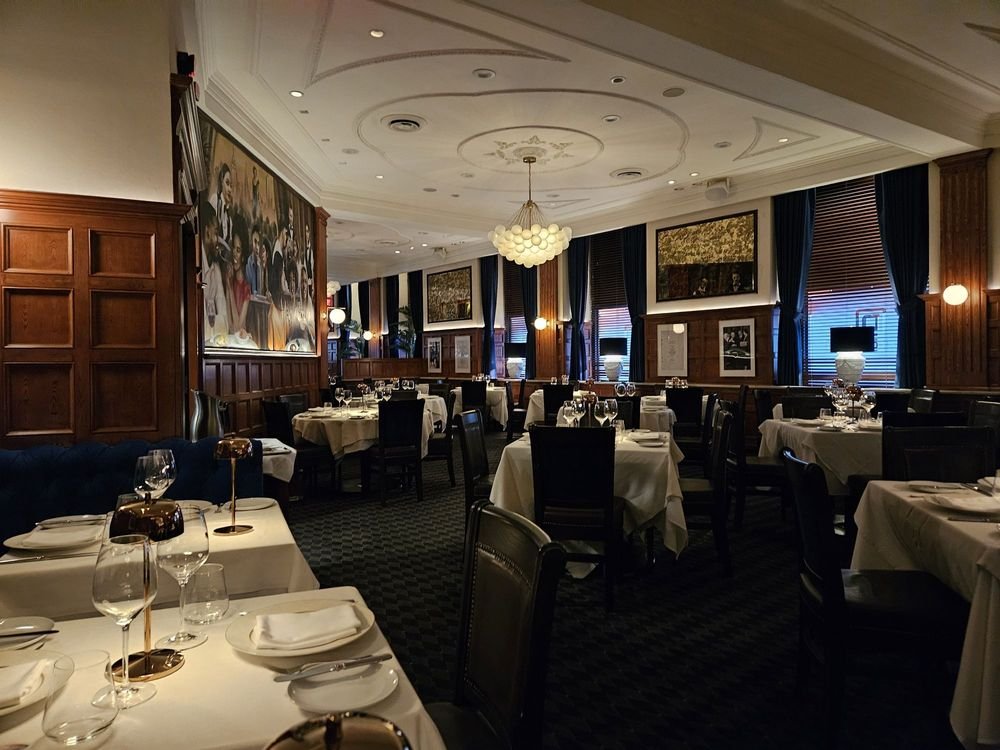
Culinary Innovation

Under legendary chef Charles Ranhofer, who joined in 1862, Delmonico’s created many dishes that became American classics: Eggs Benedict, Baked Alaska, Lobster Newberg, and Chicken à la Keene. The restaurant’s namesake Delmonico Steak—a perfectly marbled ribeye—set the standard for American steakhouses.

The Delmonico brothers even purchased a 220-acre farm in Williamsburg, Brooklyn, to grow their own vegetables, making them early pioneers of the farm-to-table movement. They cultivated artichokes, eggplant, and other vegetables that were virtually unknown to American diners at the time.

A Presidential Pedigree

Throughout its history, Delmonico’s has hosted presidents, royalty, and cultural icons. From Abraham Lincoln to Mark Twain, the restaurant has witnessed countless historic moments. Though the original family-run operations closed in 1923, the restaurant was revived in 1926 and continues to operate at its historic Beaver Street location, serving the same legendary dishes in a setting that evokes the grandeur of America’s Gilded Age.

Why Visit: For a taste of American culinary history in an elegant setting that has remained virtually unchanged for nearly two centuries.


2. Old Homestead Steakhouse: America’s Oldest Continuously Operating Steakhouse (Est. 1868)

Location: 56 Ninth Avenue, Meatpacking District, Manhattan
Established: 1868
Website: https://www.theoldhomesteadsteakhouse.com/
Signature Dishes: Porterhouse Steak, Prime Rib, Japanese Wagyu, Gotham Ribeye
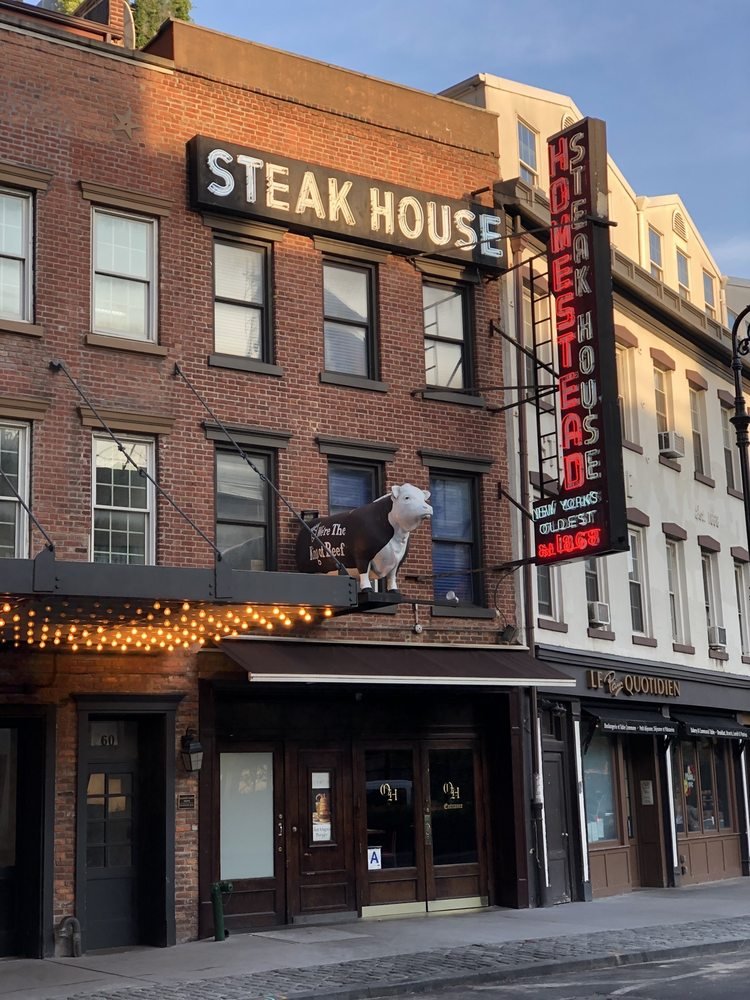
157 Years of Excellence

Founded in 1868 by a German immigrant family as the Tidewater Trading Post, Old Homestead Steakhouse is America’s oldest continuously operating steakhouse. The name came from its location near the Hudson River, where high tide would wash right up to its doors.

While the Meatpacking District has transformed from a gritty industrial area into one of Manhattan’s trendiest neighborhoods, Old Homestead has remained steadfast in its commitment to exceptional beef and old-school hospitality.
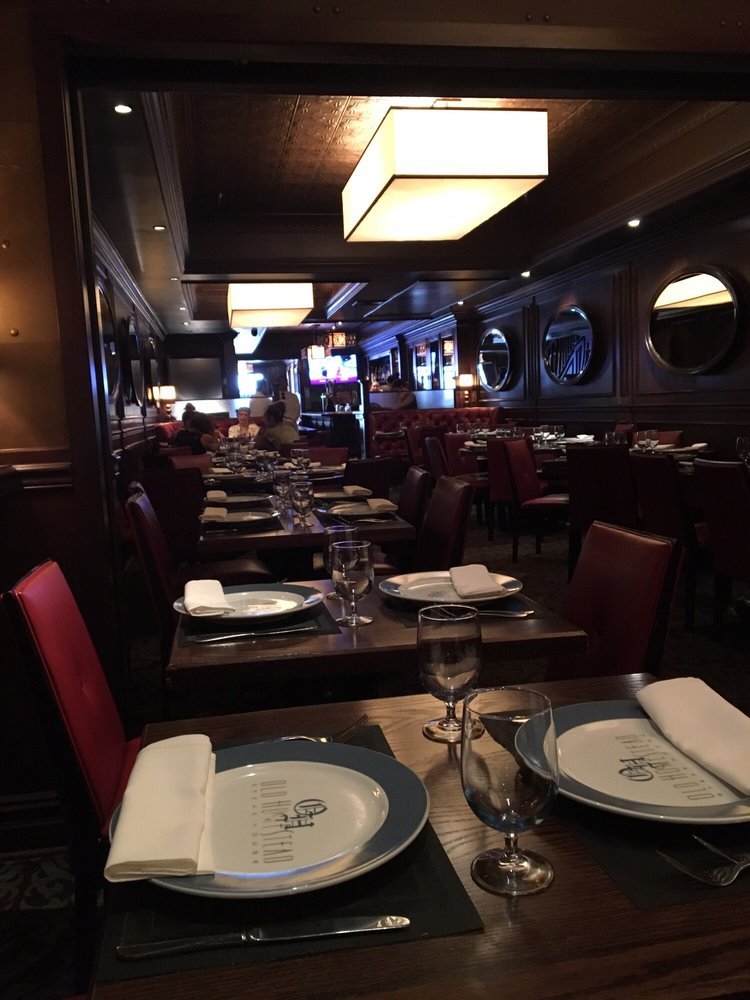
A Family Legacy

In the 1940s, Harry Sherry—who started as a dishwasher—purchased the restaurant, beginning a family legacy that continues today. His grandsons, Greg and Marc Sherry, now operate the steakhouse, having learned the business from the ground up just as their grandfather did.

Pioneering Premium Beef
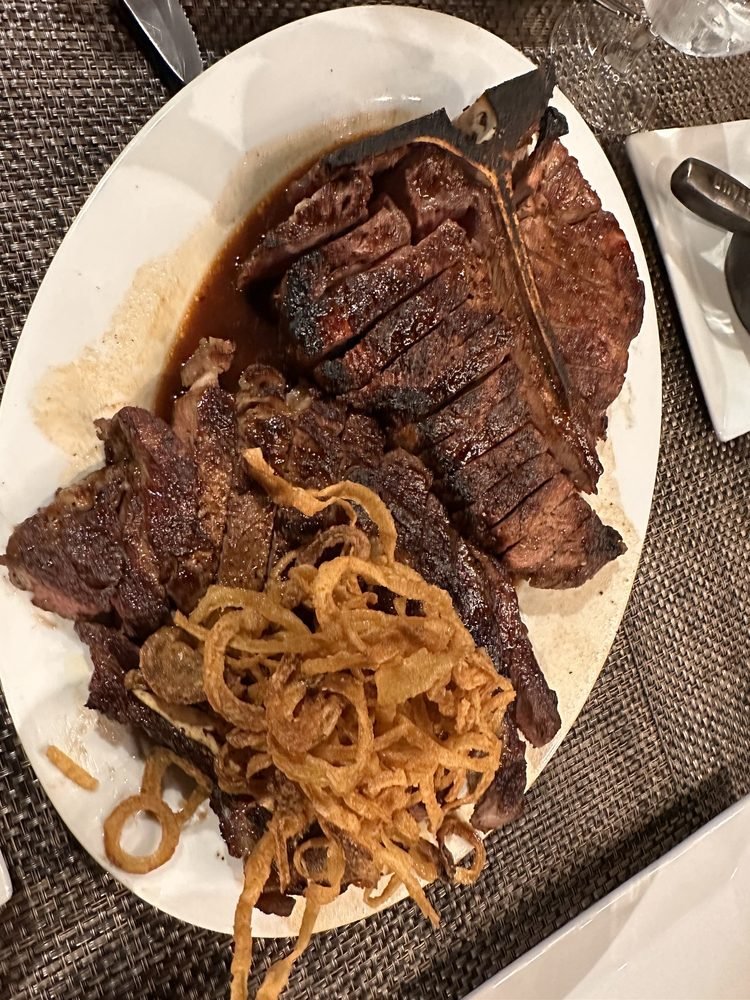
Old Homestead was the first American restaurant to import Kobe beef from Japan and later introduced Wagyu beef to American diners. The restaurant maintains close relationships with premier butchers, ensuring they receive first pick of the finest USDA Prime dry-aged beef.

The portions are legendary. Former New York Times food critic Ruth Reichl famously described the porterhouse for two as “thicker than the Manhattan phone book and twice as heavy”.

The Celebrity Cow

Don’t miss Annabelle, the life-size fiberglass cow perched above the entrance since 1958. She’s become an unofficial landmark and a favorite photo spot for tourists and locals alike.

Why Visit: For Texas-sized portions of perfectly dry-aged beef in a classic steakhouse setting that predates the Civil War.


3. Rao’s: New York’s Most Exclusive Italian Restaurant (Est. 1896)
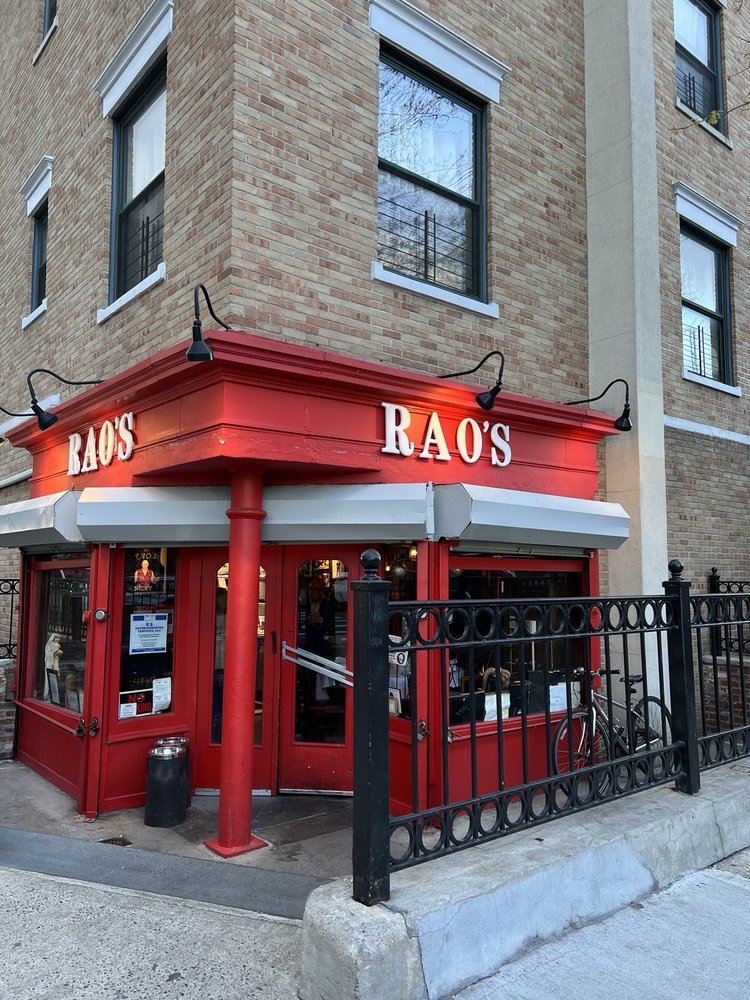
Location: 455 East 114th Street, East Harlem, Manhattan
Established: 1896
Website: https://raossince1896.com/
Signature Dishes: Lemon Chicken, Meatballs, Seafood Salad

The Restaurant You Can’t Get Into

Rao’s opened in 1896 when Charles Rao purchased a small saloon in what was then the heart of Italian Harlem. More than 125 years later, it remains one of the most exclusive dining experiences in America—not by design, but by virtue of having just ten tables and an intensely loyal following.
The Reservation Challenge

There’s no online booking system. No walk-in list. Tables are essentially “owned” by longtime patrons who have standing reservations, often for the same night each week, sometimes for decades. Getting a table requires knowing someone who knows someone—or becoming a regular at the bar and hoping the stars align.

Southern Italian Soul Food

The menu has barely changed in over a century, featuring simple, perfectly executed Southern Italian dishes. Vincent Rao became famous for his Lemon Chicken, while the meatballs are considered by many to be the best in New York—bold, saucy, and unforgettable.
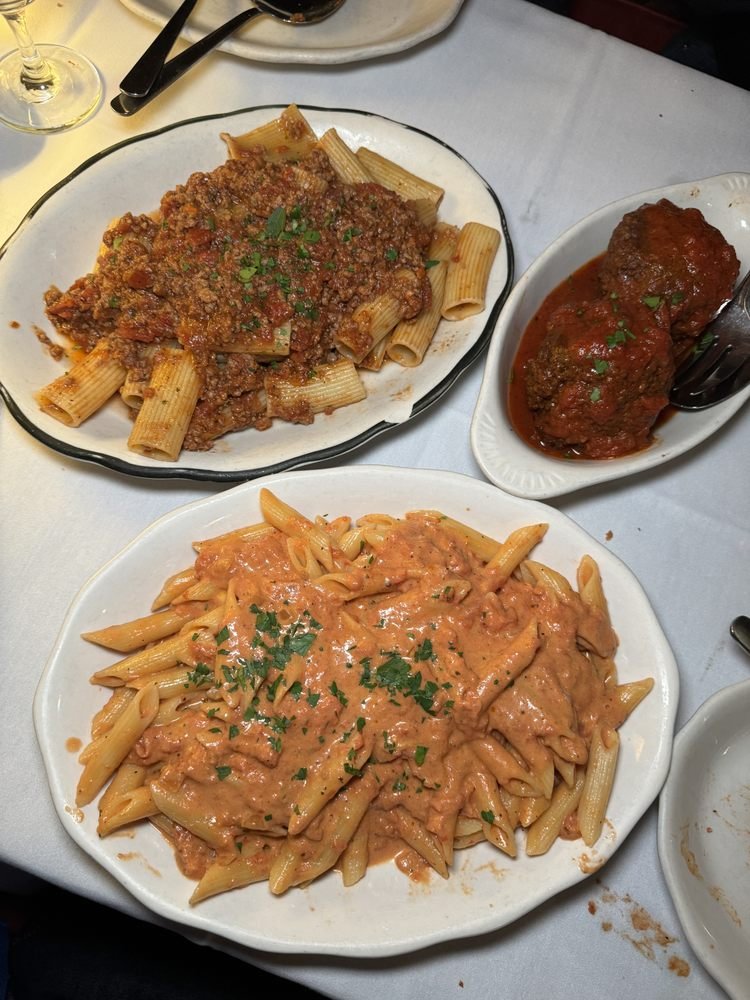
The restaurant has been run by the same family for generations, with Frank Pellegrino Sr. carrying on the tradition before his sons opened locations in Los Angeles and Miami Beach, making the Rao’s experience accessible to those who can’t crack the East Harlem location.

A Piece of Old New York

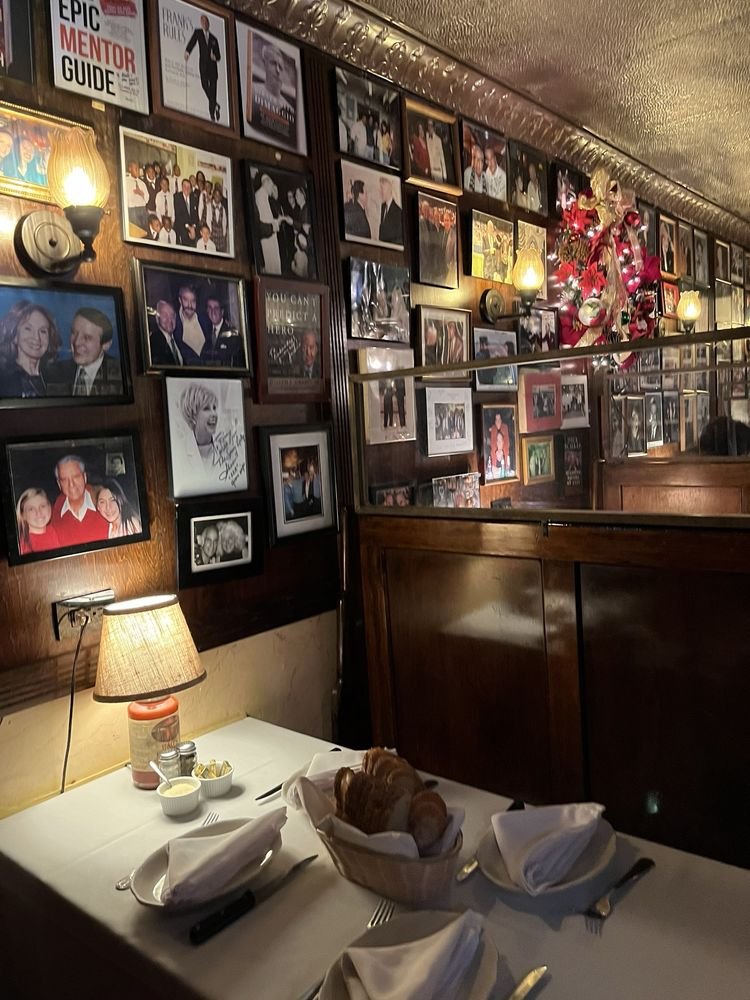
Stepping into Rao’s is like entering a time capsule. The jukebox still plays, the walls are covered with photos of celebrities and regulars, and the atmosphere feels like a Sunday dinner at a beloved relative’s house—if your relatives happened to include Frank Sinatra, Woody Allen, and various notable New Yorkers.

Why Visit: If you can get in, it’s a once-in-a-lifetime experience of authentic Italian-American cooking in a setting that has remained virtually unchanged since the 1890s.


4. La Grenouille: The Last Grande Dame of French Fine Dining (Est. 1962) [CLOSED 2024]

Location: 3 East 52nd Street, Midtown Manhattan
Established: 1962 – Closed September 2024
Signature Dishes: Dover Sole, Soufflés (Grand Marnier, Chocolate), Frog Legs
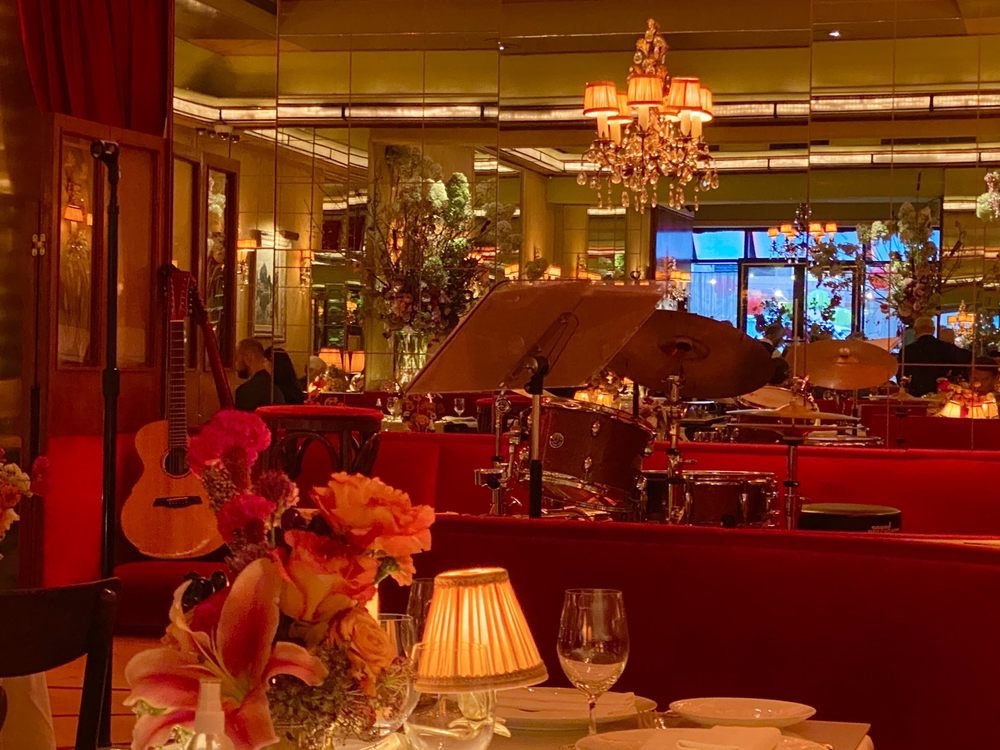
A Bittersweet Farewell

La Grenouille (“The Frog”) was the last operating New York French haute cuisine restaurant from the 1960s, having outlasted legendary establishments like Lutèce, La Caravelle, and La Côte Basque. Its closure in September 2024 marked the end of an era.

The Temple of Flowers

Founded in 1962 by Charles Masson Sr., a former apprentice to legendary restaurateur Henri Soulé, and his wife Gisèle, La Grenouille became synonymous with classic French elegance. The restaurant was famous for its extravagant floral arrangements—massive bouquets of roses, peonies, and seasonal blooms that transformed the dining room into a garden.

Charles Masson Sr. was so particular about the lighting that he hand-painted individual light bulbs with peach-colored paint to achieve the perfect warm, romantic glow.

Where “Ladies Who Lunch” Reigned

La Grenouille was the epicenter of the “Ladies Who Lunch” culture, where socialites like Babe Paley, Nan Kempner, and Jackie Kennedy Onassis would gather in designer clothes to see and be seen. The restaurant’s clientele included everyone from Salvador Dalí to Michael Bloomberg, fashion designers from the nearby Garment District, and generations of families celebrating special occasions.
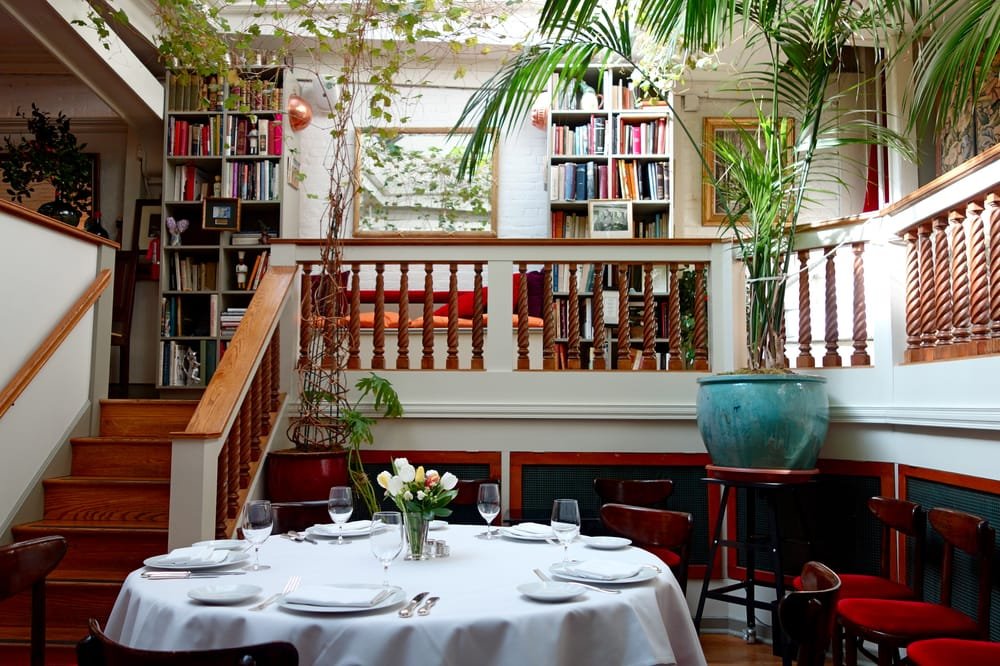
A Literary Connection

Before La Grenouille occupied the building, French aviator and writer Antoine de Saint-Exupéry wrote much of “The Little Prince” in the upper-floor studio during his exile from German-occupied France in the 1940s. A plaque outside the restaurant commemorates this literary history.

Legacy: Though La Grenouille has closed, its 62-year run represented the very best of classical French haute cuisine in America, maintaining Michelin-quality standards until the end.


NEW JERSEY

5. Colts Neck Inn Steakhouse: New Jersey’s Oldest Restaurant (Est. 1717)

Location: Colts Neck, NJ
Established: 1717
Signature Dishes: NY Strip Steak, Crab Cakes, Prime Rib

300+ Years of History

With roots dating back to 1717, Colts Neck Inn is one of the oldest continuously operating restaurants in America. What began as a colonial-era tavern and inn has evolved into one of New Jersey’s premier steakhouses, all while maintaining its historic character.

The building itself is a testament to American history, having served travelers and locals through the American Revolution, the Civil War, and into the modern era. The restaurant retains much of its original colonial charm while offering contemporary steakhouse excellence.

Why Visit: To dine in a building that’s older than the United States itself, while enjoying top-quality steaks in a setting rich with nearly three centuries of history.


6. Cranbury Inn: Pre-Revolutionary War Hospitality (Est. 1750)

Location: Cranbury Township, NJ
Established: 1750
Signature Dishes: Chicken Pot Pie, Prime Rib, Traditional American Fare

Before America Was America

Founded in 1750, Cranbury Inn predates the American Revolution by more than two decades. This historic establishment has been serving travelers and locals through every chapter of American history, from colonial times through independence, westward expansion, and into the modern age.

The restaurant specializes in traditional American comfort food, served in a setting that evokes the warmth and hospitality of early American taverns. The building’s historic architecture and period details transport diners to another era.

Why Visit: For traditional American cooking in an authentic pre-Revolutionary War setting that’s perfect for family celebrations and special occasions.


7. Chef Vola’s: Atlantic City’s Hidden Speakeasy (Est. 1921)

Location: 111 South Albion Place, Atlantic City, NJ
Established: 1921
Signature Dishes: Veal Parmigiana, Banana Cream Pie, Linguini with Clams
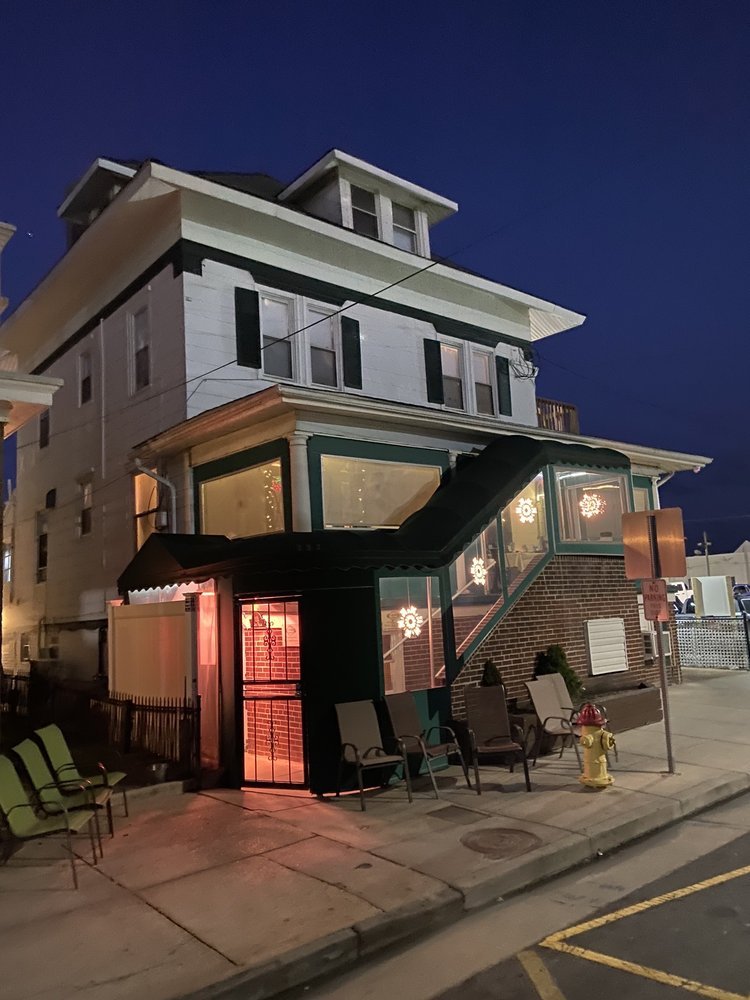
A Secret Worth Keeping

Before becoming a restaurant in 1921, the building was a rooming house owned by brothers Joe and Pina Vola. Joe cooked nightly dinners for tenants while selling liquor in the basement during Prohibition. With notorious mayor Enoch “Nucky” Johnson—the real-life inspiration for “Boardwalk Empire”—living just a block away, the speakeasy atmosphere was authentic.
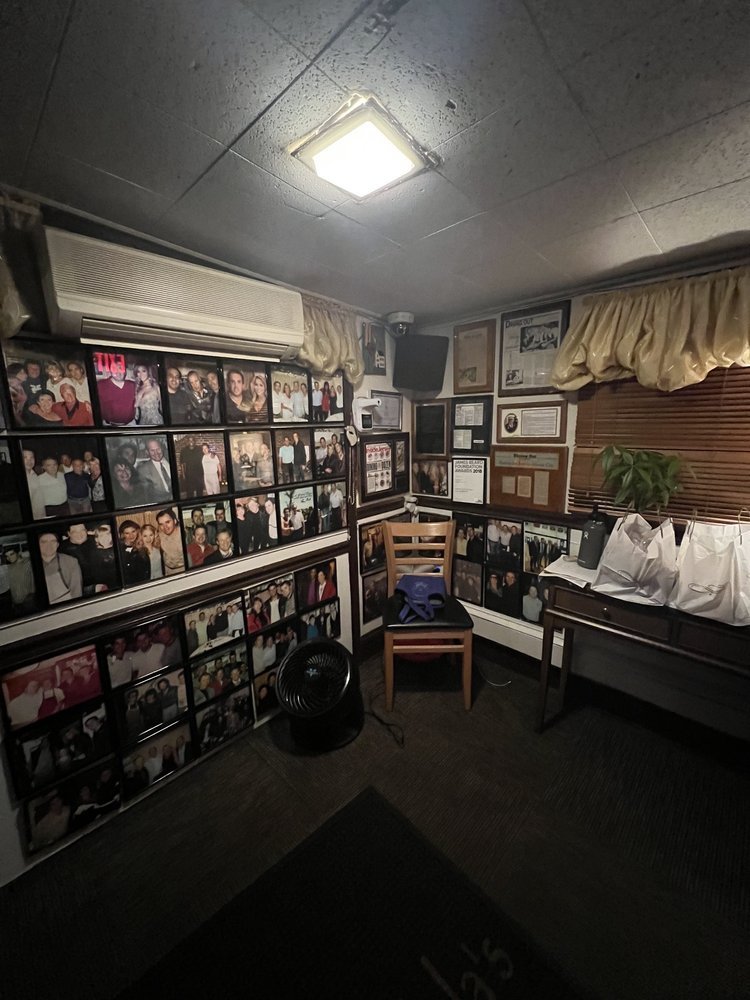
Hidden in Plain Sight

Chef Vola’s looks like just another house from the outside because it essentially is. The restaurant is unmarked, has limited online presence, and seats only 65 diners. There’s no website for reservations—you have to call, and you’ll need to book months in advance.

James Beard Recognition

The Esposito family, who purchased the restaurant in 1982, won the prestigious James Beard Foundation “America’s Classics” Award in 2011 for maintaining the menu and ambiance that would make an Italian-American grandmother feel right at home.

Celebrity Favorite

Frank Sinatra was such a fan of Chef Vola’s banana cream pie that legend has it he wanted to be buried with one. More recently, Jay-Z and Beyoncé have been spotted enjoying the massive portions of classic Italian-American fare.

The Food

Expect huge portions of Southern Italian comfort food: massive veal chops pounded thin and served Milanese-style or parmigiana, linguini with fresh clam sauce bright with herbs, chicken scarpiello, and homemade pasta with red sauce. Everything is à la carte, the restaurant is BYOB (bring your own bottle), and cash only.
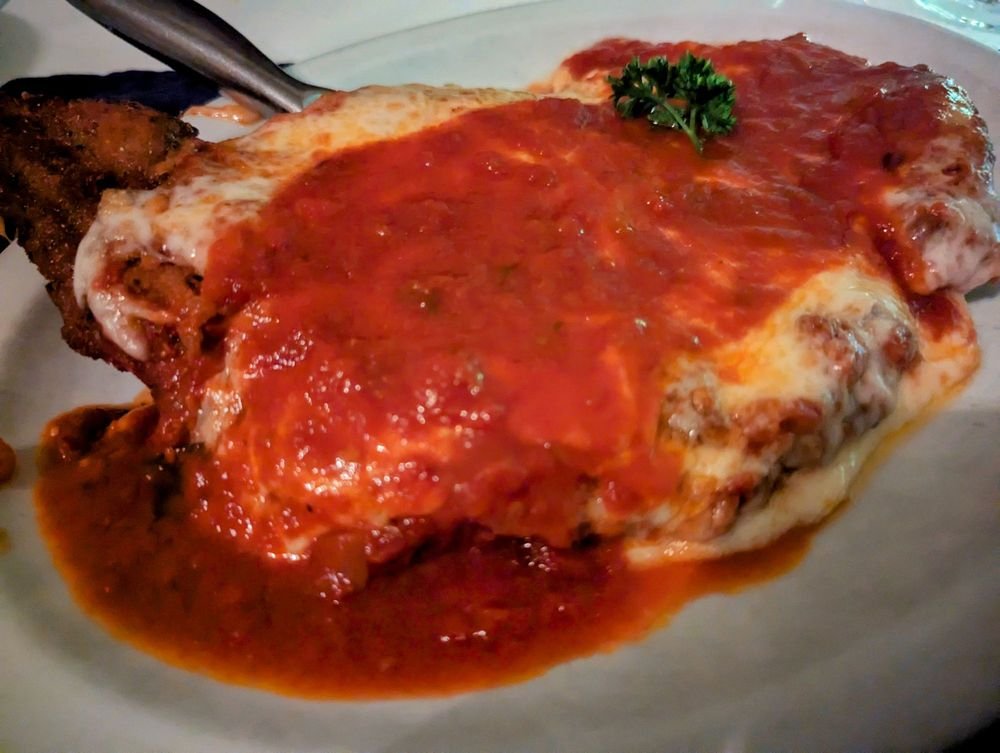
Bone in Rib Veal pounded, Parmesan style

Why Visit: For an authentic speakeasy experience and some of the best Italian-American food in New Jersey, served in generous portions that guarantee leftovers.


What Makes These Restaurants Special?

Unwavering Quality

These establishments have maintained exacting standards for decades or even centuries. They’ve survived economic depressions, world wars, Prohibition, changing food trends, and the COVID-19 pandemic by never compromising on quality.

Family Legacy

Many are family-owned, with recipes and techniques passed down through generations. The Sherry family at Old Homestead, the Espositos at Chef Vola’s, and the Pellegrinos at Rao’s represent multi-generational commitments to excellence.

Authentic Experiences

In an era of chain restaurants and mass production, these establishments offer something money can’t buy: authenticity. The atmosphere, the recipes, even the buildings themselves are genuine artifacts of American culinary history.

Community Pillars

These aren’t just restaurants—they’re institutions that have become integral parts of their communities. They’ve hosted countless proposals, anniversaries, business deals, and family celebrations across generations.

Media Recognition

From James Beard Awards to features on the Food Network, these restaurants have been recognized by critics, chefs, and food writers as exemplars of American dining.


Tips for Visiting Century-Old Restaurants

Make Reservations Early

Popular establishments like Rao’s require connections, while others like Chef Vola’s need months of advance notice. Even the more accessible restaurants appreciate reservations, especially on weekends.

Respect the Dress Code

Many historic fine dining establishments maintain dress codes. Jackets may be required for gentlemen at places like Delmonico’s and Old Homestead (though the latter has relaxed this in recent years).

Bring Cash

Some establishments, particularly Chef Vola’s, remain cash-only. Even those that accept cards appreciate having cash for tips.

Embrace the Experience

Don’t rush. These restaurants are about more than just eating—they’re about experiencing a piece of history. Take time to appreciate the atmosphere, the service, and the stories these walls could tell.

Ask Questions

The staff at these establishments are usually passionate about their restaurant’s history. Don’t hesitate to ask about the building, the recipes, or notable patrons from the past.

Order the Classics

While many offer contemporary additions, the signature dishes that have been served for decades are usually the best choice. There’s a reason they’ve remained on the menu for so long.


The Importance of Preserving Culinary Heritage

In a world of fast food and trendy pop-ups, these century-old restaurants serve as important reminders of America’s rich culinary heritage. They prove that quality, consistency, and genuine hospitality never go out of style.

These establishments have witnessed America’s transformation from a young nation to a global superpower. They’ve served soldiers heading off to war and celebrating homecomings. They’ve hosted business magnates making deals that shaped industries. They’ve been the backdrop for countless first dates, marriage proposals, and anniversary celebrations.

When you dine at these restaurants, you’re not just enjoying a meal—you’re participating in a living tradition, sitting in seats that have been occupied by presidents and celebrities, eating dishes prepared from recipes that predate your grandparents.


Your Hidden Gems

Every region has its own treasured restaurants—places that may not have centuries of history but deserve to be preserved for future generations. What are your favorite long-standing restaurants in New York and New Jersey? Which local establishments do you hope will still be serving their signature dishes 100 years from now?

Share your recommendations in the comments below. These stories of culinary perseverance and excellence deserve to be celebrated and preserved.


Planning Your Historic Dining Tour?

Whether you’re a local looking to explore your city’s culinary heritage or a visitor seeking authentic American dining experiences, these century-old restaurants offer windows into the past while delivering exceptional meals that satisfy modern palates. From the pioneering elegance of Delmonico’s to the speakeasy charm of Chef Vola’s, each establishment tells a unique story of American food culture.

Book your reservations early, bring your appetite, and prepare to taste history.


Have you dined at any of these legendary establishments? Share your experiences in the comments below!

Additional Readings:

NYC Hotel Week 2025: Your Complete Guide to 25% Off New York City Hotels

New York’s Top 12 Hot Chocolates: From Christmas Market Mugs to Chocolatier Cups
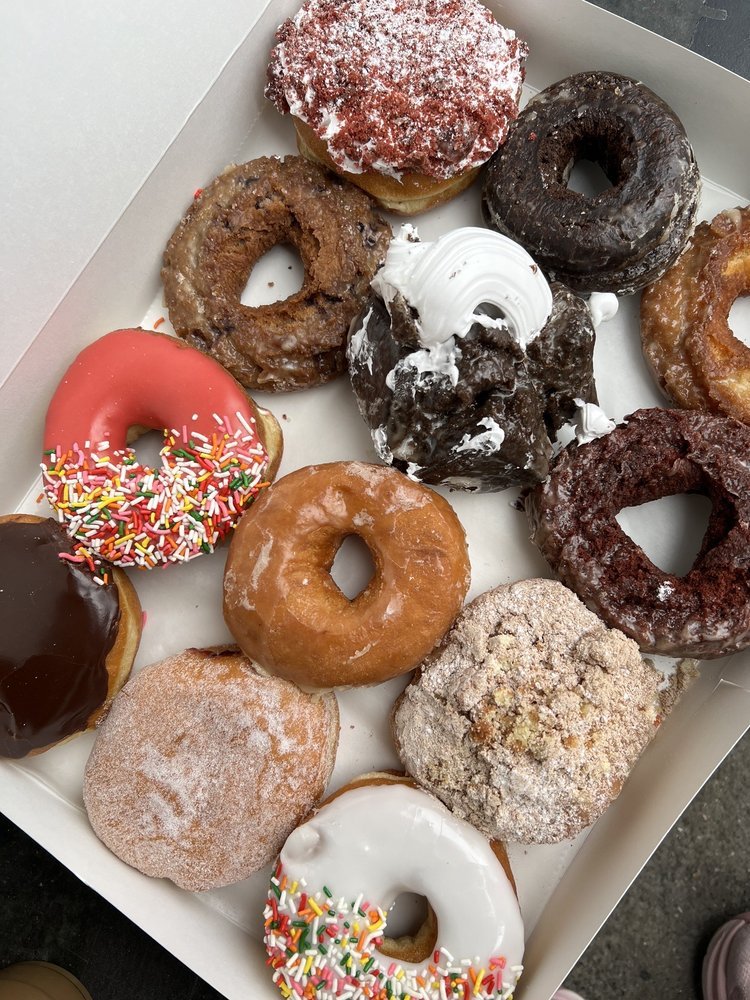
A Day in New York Starts With Donuts: 11 Must-Try NYC Donut Shops in 2025

From legendary Brooklyn institutions to Instagram-worthy artisanal creations, New York City’s donut scene in 2025 offers something for every sweet tooth. This comprehensive guide explores 11 must-visit donut shops where traditional craftsmanship meets modern innovation, revealing why donuts have become as iconic to NYC as yellow cabs and bagels.

A Day in New York Starts With Donuts: 11 Must-Try NYC Donut Shops in 2025

A New York morning isn’t complete without coffee in one hand and a donut in the other. Sugar glistens on glazed surfaces, reflecting the city lights, while freshly fried dough emerges from hot oil with the same speed and precision that defines New York itself. In 2025, donuts have evolved far beyond quick snacks—they’ve become a culinary language spoken across all five boroughs, where neighborhood bakery memories, social media aesthetics, and pop culture narratives converge into something uniquely New York.

The Deep-Fried History: How Donuts Became a New York Staple

donut
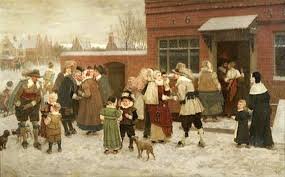
Dutch Settler, painting

Dutch Origins Meet American Innovation

The donut’s journey to New York begins in the 19th century with Dutch immigrants who brought olykoek—literally “oily cake”—to American shores. New York quickly transformed this simple fried pastry into an essential fuel for its growing workforce. By the mid-20th century, donut shops appeared on nearly every corner, serving night shift workers, taxi drivers, police officers, and firefighters who made donuts synonymous with the city’s round-the-clock rhythm.

From Working-Class Snack to Artisanal Obsession

Today’s NYC donut scene operates on three distinct levels. First, there are the traditional neighborhood shops that have served local communities for decades with classic glazed and jelly-filled varieties. Second, emerging artisanal brands are reimagining dough, fermentation techniques, and cream fillings with chef-driven precision. Third, social media-first donut creators craft Instagram-worthy visual spectacles where color, texture, and collaborations take center stage. This evolution reflects how donuts have moved from pure utility to become objects of both gastronomic and aesthetic appreciation.

Why Donuts Matter in New York Culture

Cinema, Television, and the Donut as Symbol

Donuts have appeared repeatedly in New York films and television shows, becoming visual shorthand for the city itself. Whether it’s a pink box on a patrol car dashboard, remnants on a diner counter at dawn, or a detective’s coffee-and-donut combo, these scenes have cemented donuts as symbols of New York’s exhaustion, speed, and comfort. The donut represents both the city’s working-class roots and its constant need for quick, accessible energy.

The 24-Hour City Demands 24-Hour Fuel

In a metropolis that never sleeps, donuts function as the perfect around-the-clock sustenance. They’re portable, affordable, calorie-dense, and available at any hour. From overnight subway workers to students cramming in 24-hour cafes, the donut-and-coffee pairing has remained constant through decades of urban change. This practical function has evolved into cultural significance, where donuts represent New York’s democratic accessibility—anyone can grab one, anytime, anywhere.

Modern Evolution: Craft Meets Instagram

Today’s NYC donuts exist at the intersection of several trends. Artisanal bakers experiment with sourdough starters, gluten-free flours, and vegan ingredients. Meanwhile, visual-first creators design donuts as social media content, where vibrant colors, glossy finishes, and creative toppings generate shares and likes. The result is a donut landscape where a $2 classic glazed from a 70-year-old bakery coexists with a $7 matcha-ube fusion creation designed for maximum Instagram impact.

The 11 Best Donut Shops in NYC: 2025 Edition

1. Doughnut Plant – Multiple Locations, Manhattan & Beyond

new york donut
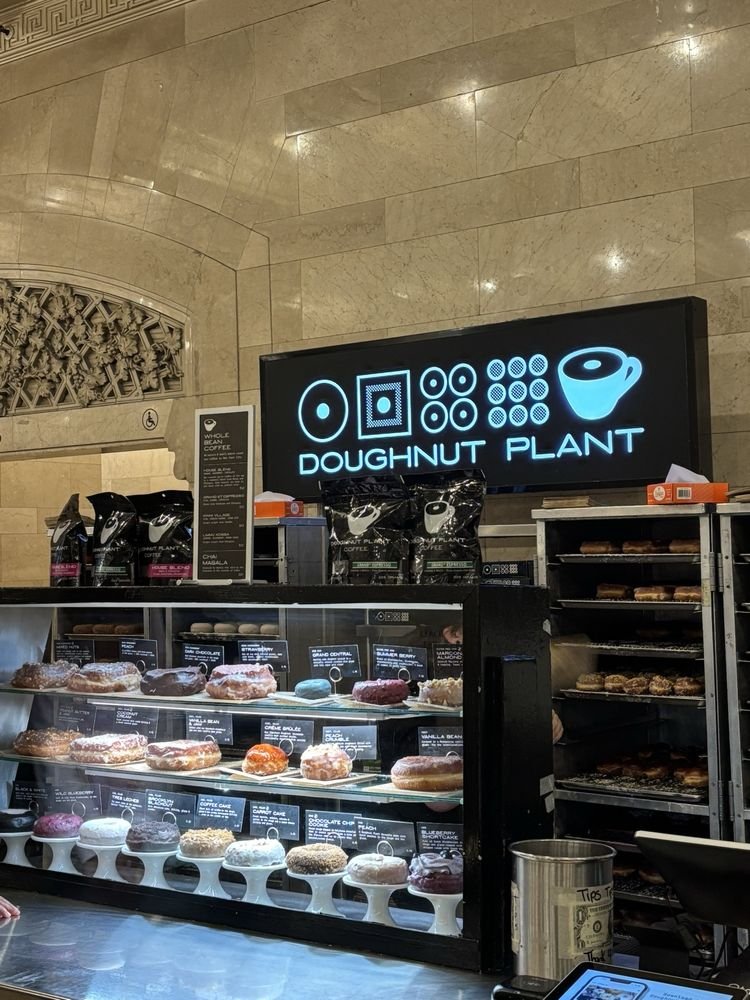
Doughnut Plant, Grand Central

What Makes It Special: Since 1994, Doughnut Plant has pioneered artisanal donuts in New York City. Founder Mark Isreal transformed his grandfather’s recipe in a Lower East Side apartment into what the New York Times called “Doughnuts of the Gods.” The shop refuses to use artificial ingredients, preservatives, or even eggs—all jams, fillings, and glazes are made in-house.

Signature Offerings: The Crème Brûlée donut, created in 2008, features the perfect brittle caramelized top layer. Their square donuts stuffed with house-made fillings (peanut butter banana, coconut cream) have become iconic. The tres leches cake donut and Brooklyn Blackout are fan favorites.

What to Know: Multiple locations including Grand Central Terminal (Lower Level Dining Concourse near Track 112), the original Lower East Side shop (379 Grand St), and Queens. They offer vegan and gluten-free options. Hours vary by location; Grand Central opens at 6 AM weekdays.

Price Range: $$-$$$

Website: doughnutplant.com


2. Peter Pan Donut & Pastry Shop – Brooklyn (Greenpoint)

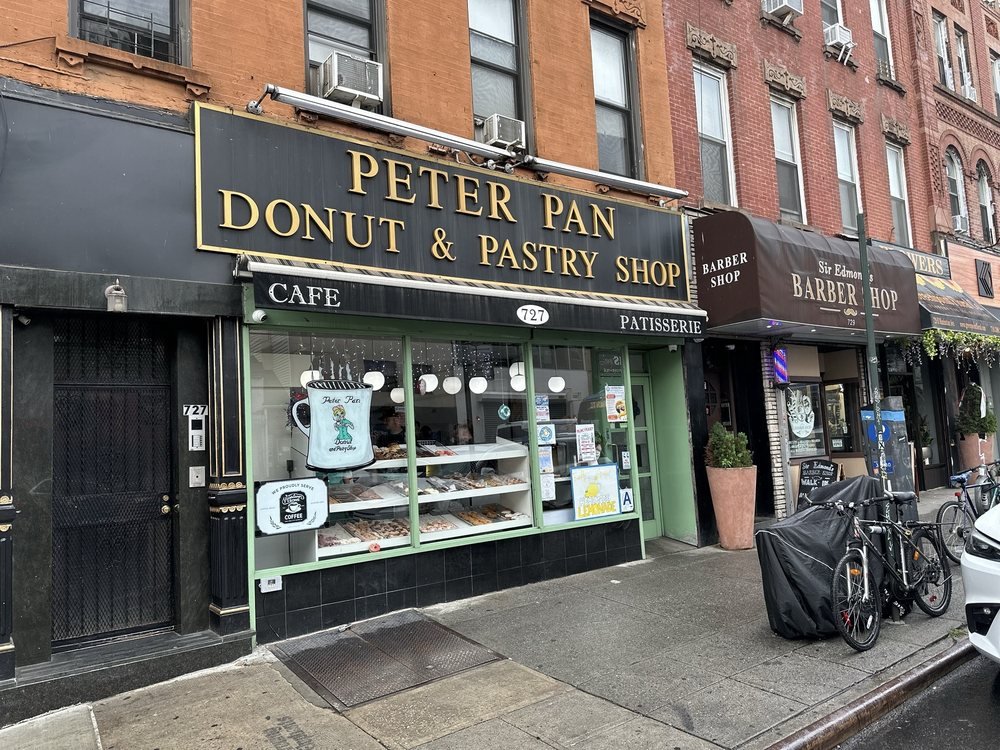
Peter Pan Donut & Pastry Shop

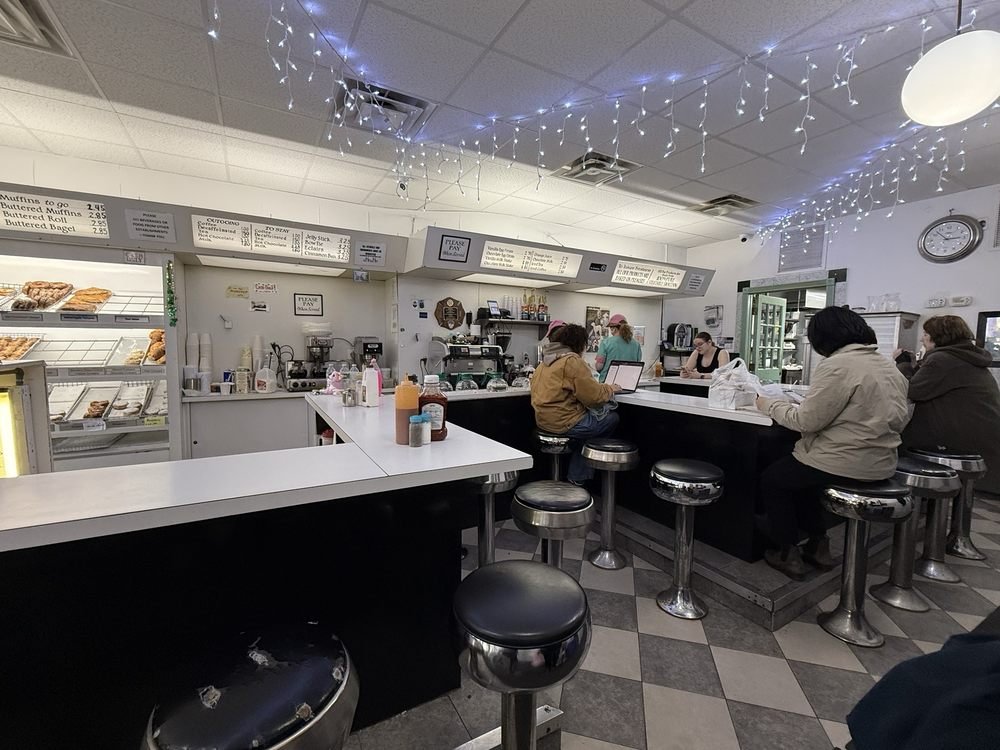
What Makes It Special: Operating from the same Greenpoint location since the 1950s, Peter Pan represents authentic old-school New York donut culture. The retro interior, unchanged recipes, and cash-only policy preserve a piece of mid-century Brooklyn. Recent reviews note recipe changes in the past year, but it remains a neighborhood institution.

Signature Offerings: Classic glazed donuts, jelly-filled varieties, sour cream donuts, and red velvet. Their blueberry buttermilk and cream crumb old fashioned have loyal followings. The boston cream and apple fritters are massive.

What to Know: Cash only. Opens as early as 4:30 AM weekdays. Lines can form on weekends but move quickly. The counter seating creates a classic diner atmosphere perfect for morning coffee and conversation.

Price Range: $ (very affordable)

Address: 727 Manhattan Ave, Brooklyn, NY 11222
Phone: (718) 389-3676
Website: peterpandonuts.com


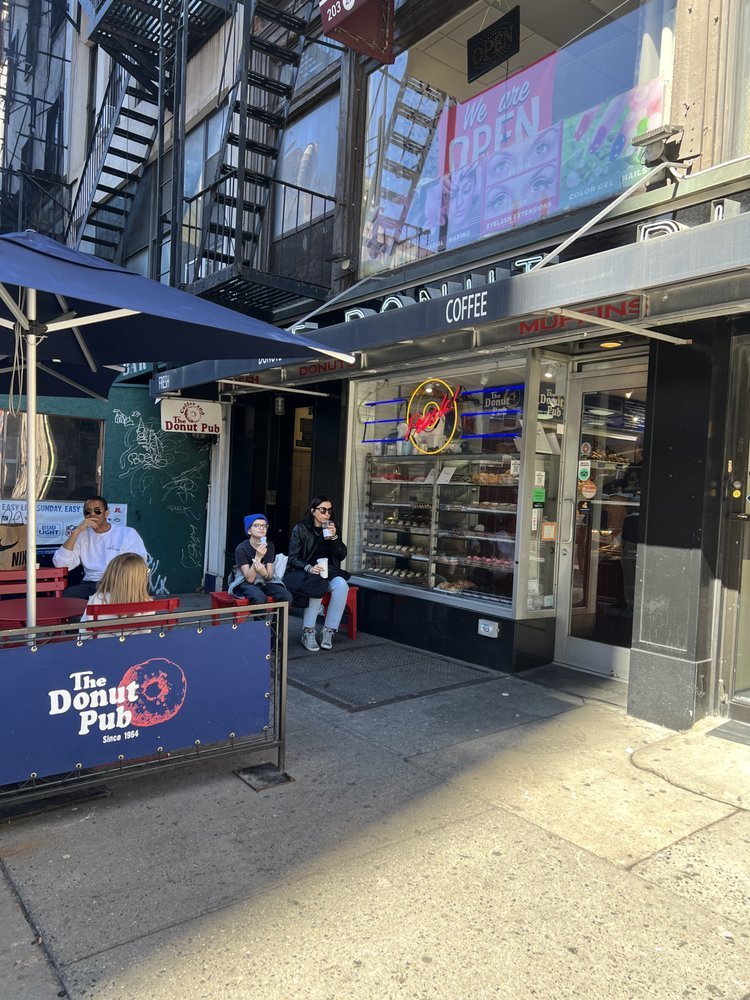
3. The Donut Pub – Manhattan (Chelsea)

The Donut Pub

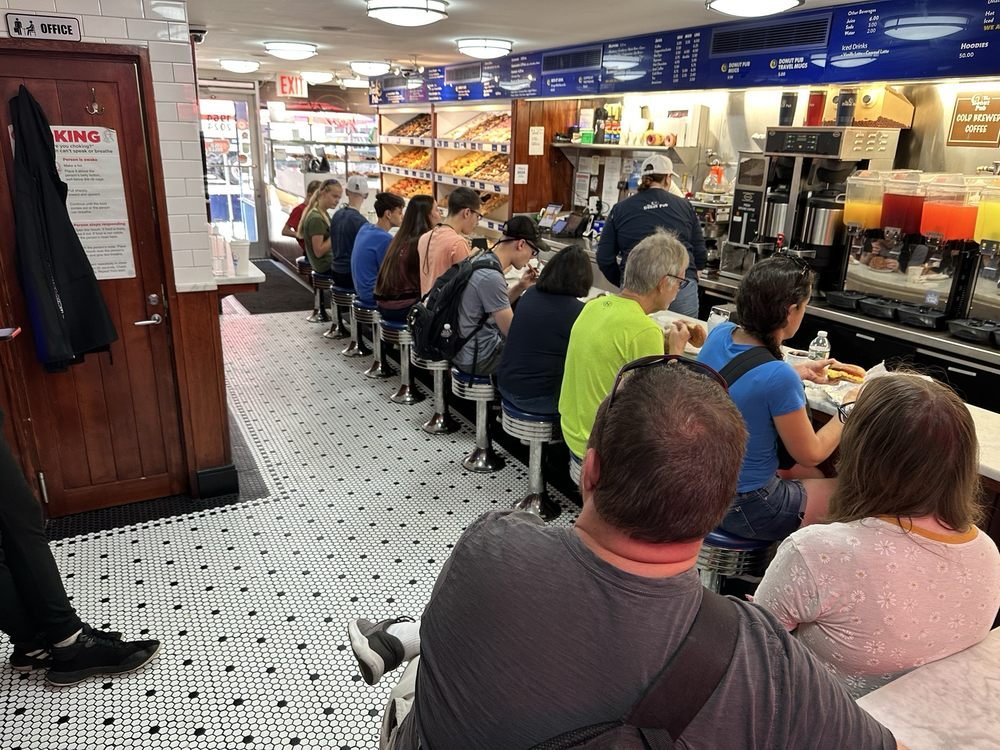
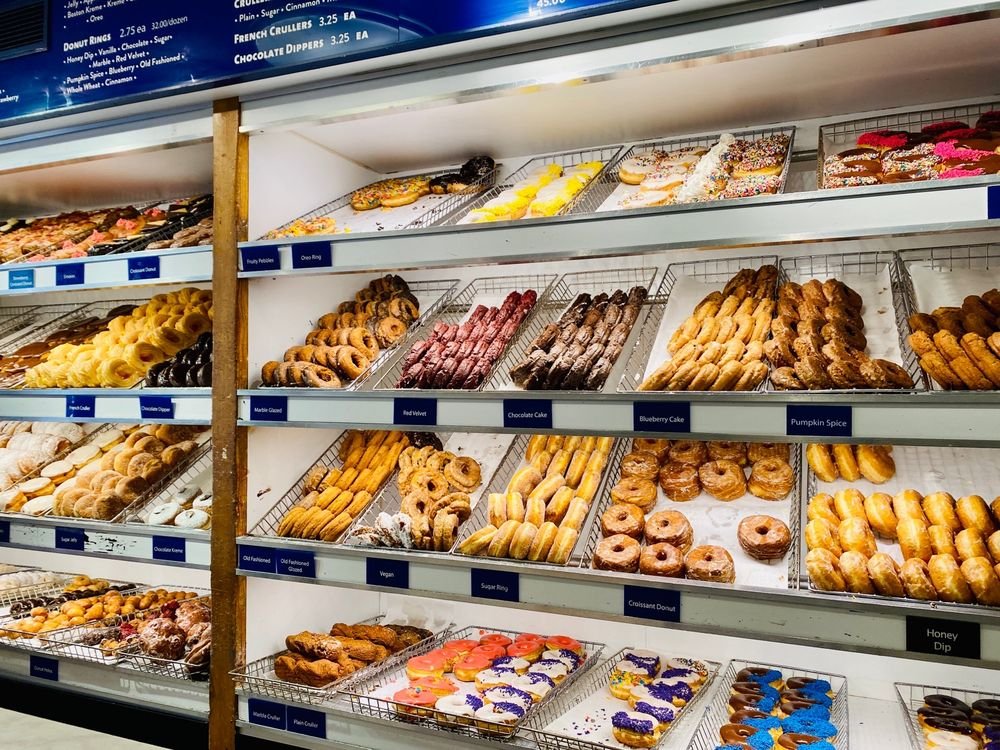
What Makes It Special: Open 24/7, The Donut Pub has fueled New York’s night shift workers for decades. They offer alphabet-shaped donuts for celebrations, rotating special flavors, and their own take on hybrid pastries including a maple bacon croissant donut.

The Donut Pub

Signature Offerings: French cruller, maple bacon, cannoli kreme, chocolate dipper. Their consistency across decades makes them reliable comfort food.

What to Know: Never closes—truly 24/7/365. Available for nationwide shipping via Goldbelly. Multiple menu options beyond traditional donuts.

Price Range: $$

Address: 203 W 14th St, New York, NY
Website: donutpub.com


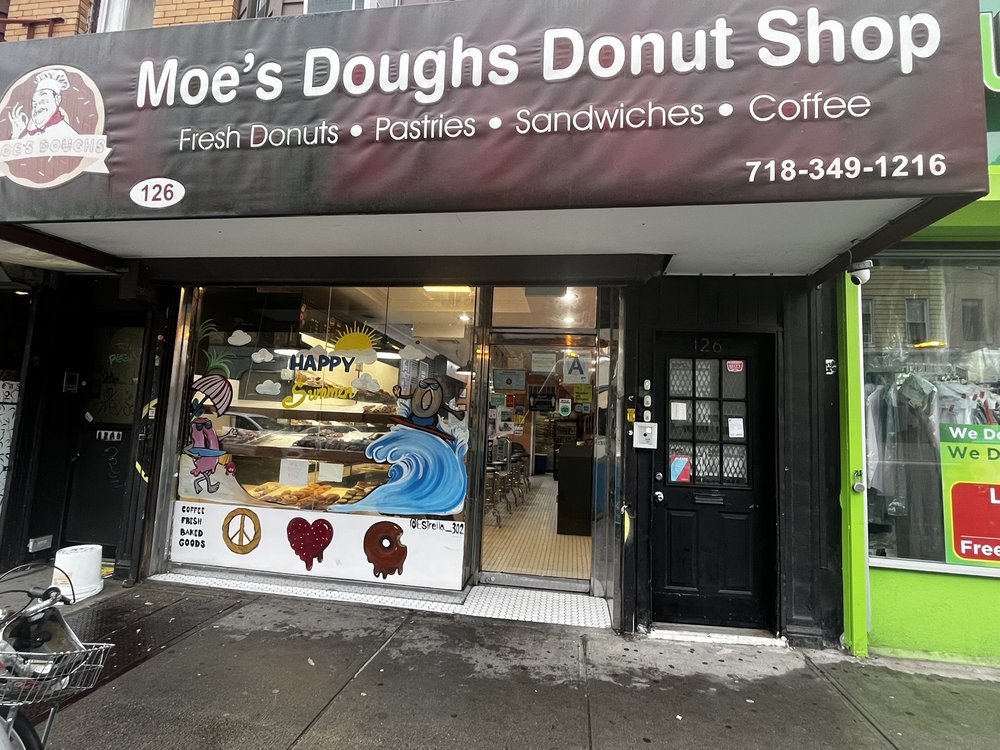
4. Moe’s Doughs – Brooklyn (Greenpoint)

Moe’s Doughs

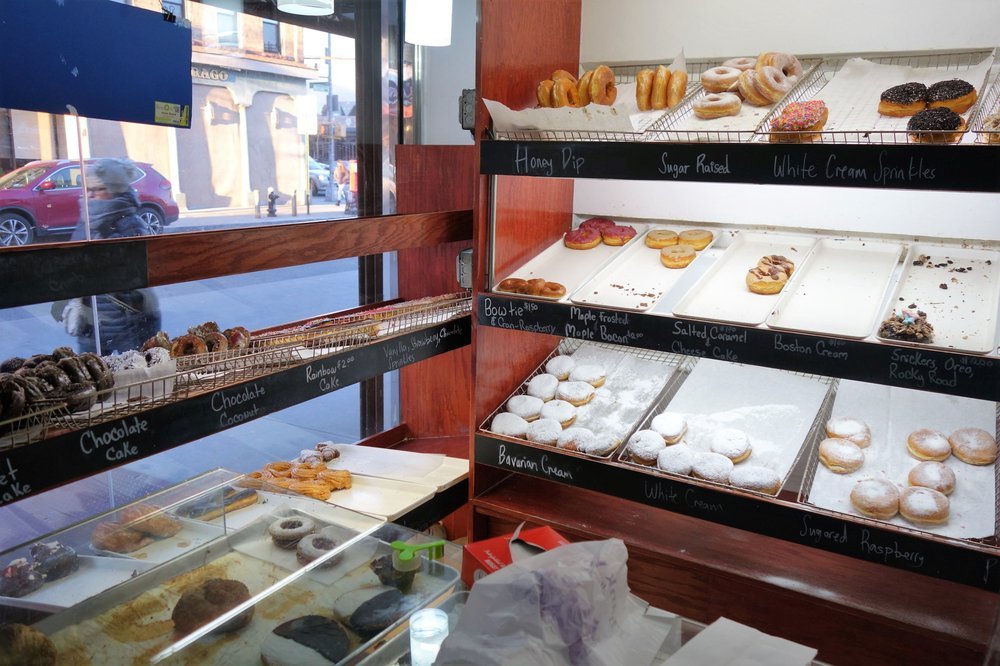
What Makes It Special: This halal donut shop run by Moe, who has nearly 30 years of donut-making experience, offers over 70 handmade flavors. The rainbow cake donut and creative cream combinations attract younger crowds and compete directly with nearby Peter Pan.

Moe’s Doughs

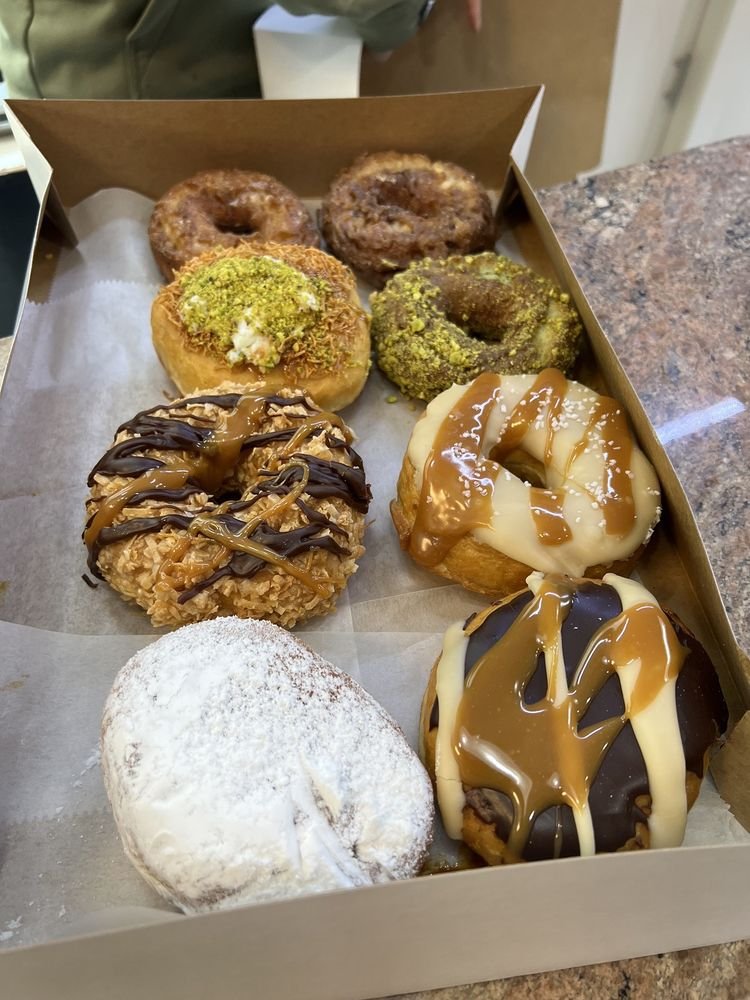
Signature Offerings: Rainbow cake donut, boston cream, massive apple fritters (described as “dinner plate” sized), and unique Middle Eastern-inspired flavors including a knafeh donut.

What to Know: Oversized portions. Lines can be long but service is fast. Great alternative when Peter Pan sells out.

Price Range: $-$$

Address: 126 Nassau Ave, Brooklyn, NY 11222


5. Fan-Fan Doughnuts – Brooklyn (Clinton Hill)

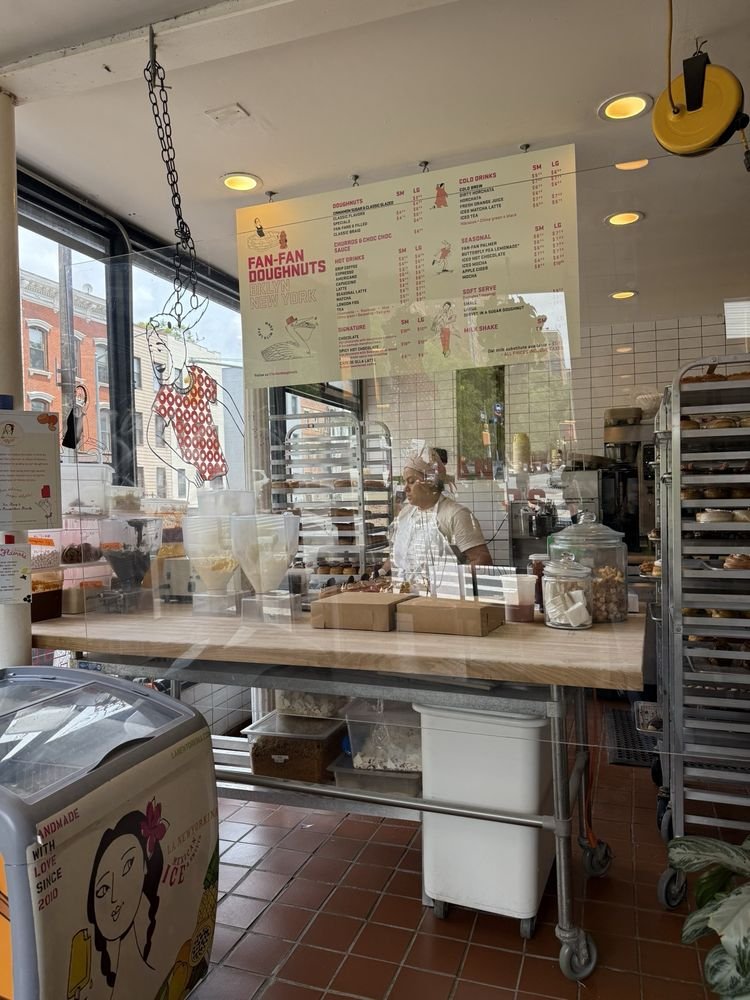
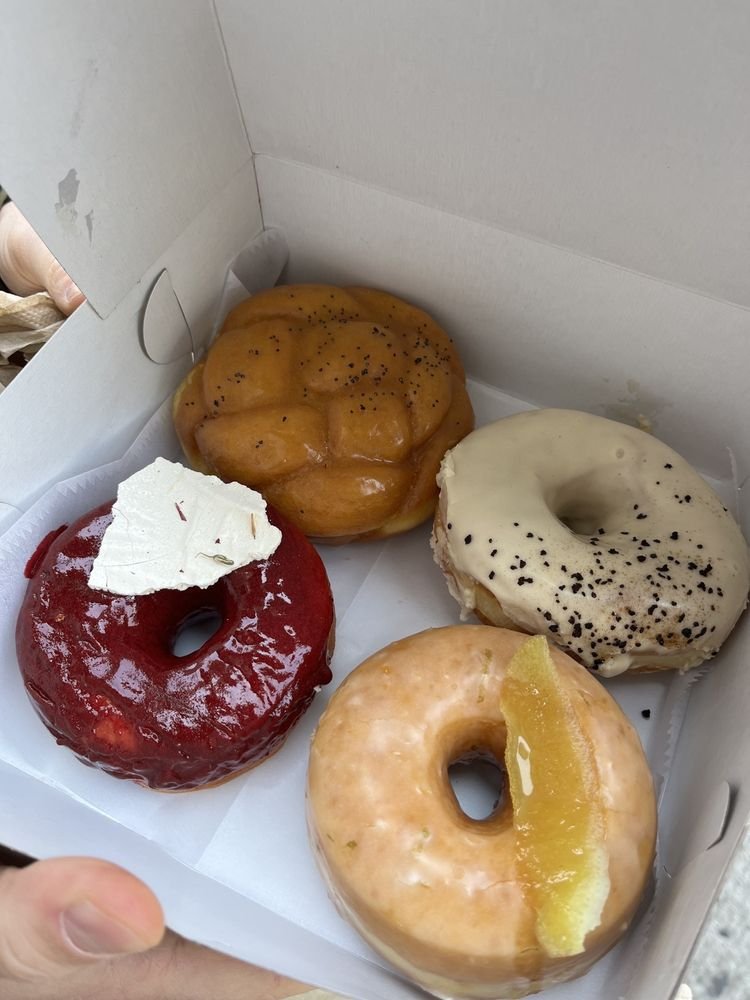
What Makes It Special: Filipino-influenced artisanal donuts featuring seasonal ingredients, global spices, and inventive flavor combinations. The denser dough holds up to complex fillings and toppings better than traditional yeast donuts.

Signature Offerings: Danny Boy (salted brown butter caramel with nuts), La Donna, Guava and Cheese (cream cheese filling with guava glaze and graham cracker crumbs), Mango Lassi. Weekend-only availability creates scarcity and lines.

What to Know: Only open weekends. Arrive early as popular flavors sell out quickly. The fan-fan shape (elongated like a long john) is their signature.

Price Range: $$-$$$

Address: 448 Lafayette Ave, Brooklyn, NY 11205
Website: fanfandoughnuts.com


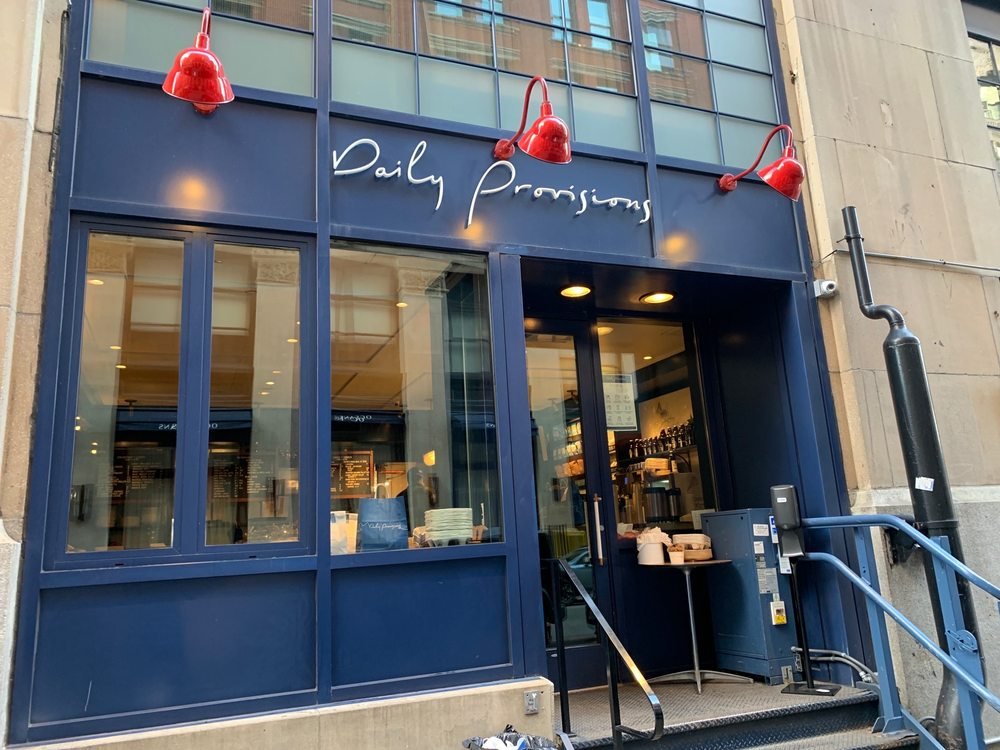
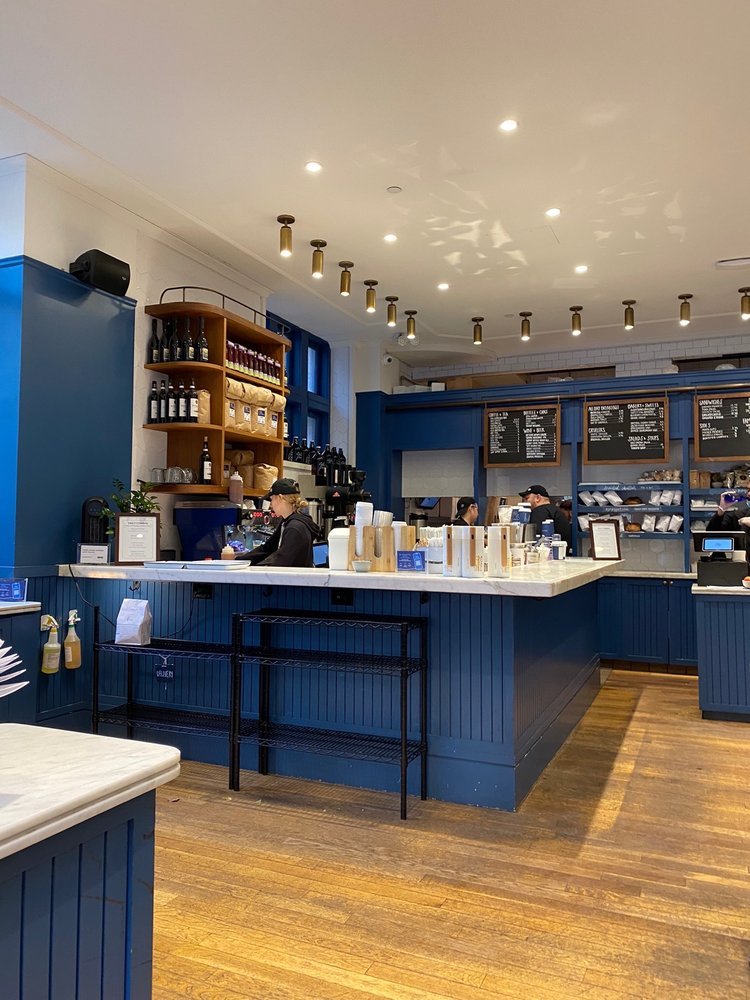
6. Daily Provisions – Multiple Locations, Manhattan

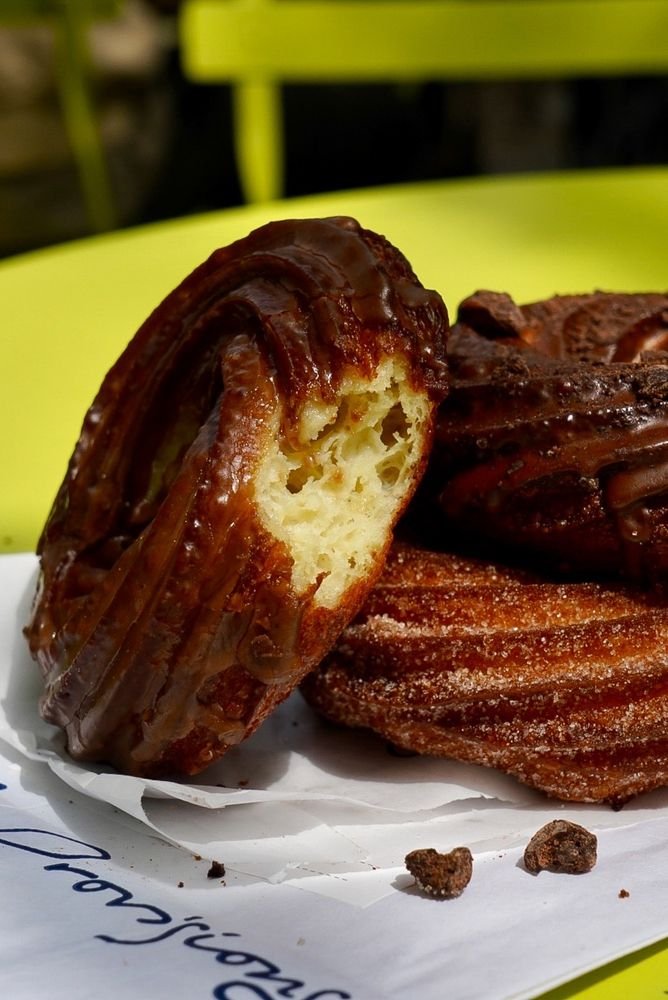
What Makes It Special: From the team behind Union Square Cafe, Daily Provisions merges brunch culture with quality baked goods. Their croissant-donut hybrid (cruller) bridges French pastry technique with American donut tradition.

Signature Offerings: Cruller donut made with laminated dough, breakfast sandwiches, excellent coffee. Perfect for a complete morning meal beyond just sweets.

What to Know: Multiple Manhattan locations. Opens around 8 AM, making it ideal for a civilized breakfast rather than an early-morning sugar rush. Pairs well with their savory menu items.

Price Range: $$$

Website: dailyprovisionsnyc.com


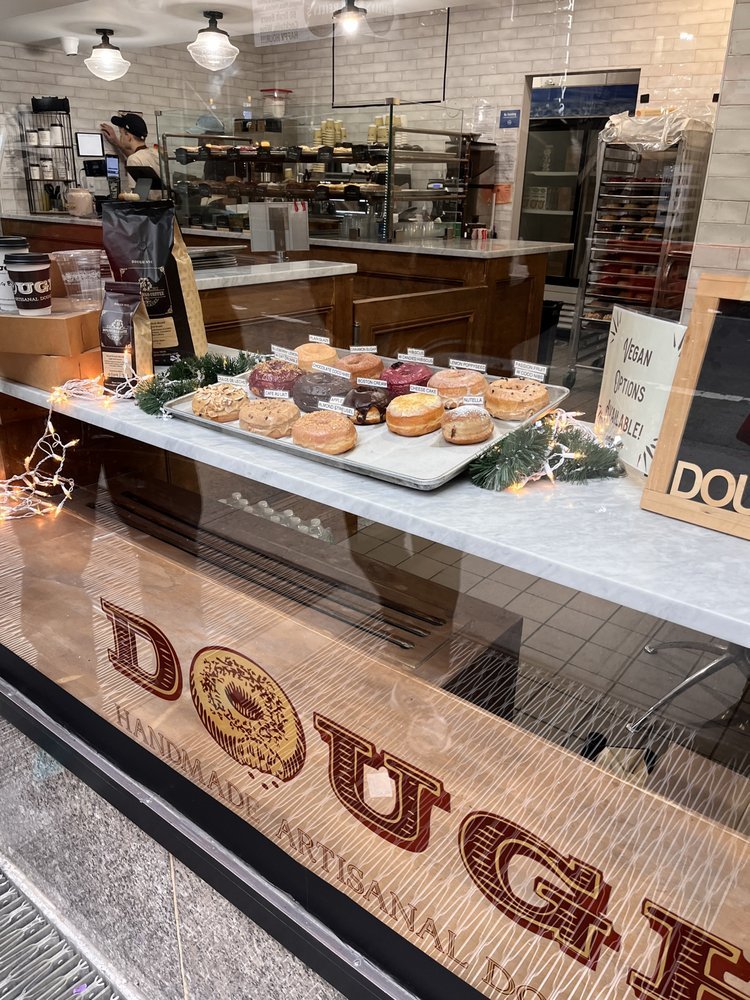
7. Dough Doughnuts – Multiple Locations, Brooklyn & Manhattan

What Makes It Special: Oversized donuts with bold, experimental flavors made in small batches throughout the day. Vegan options available. Their hibiscus donut has become legendary.

Signature Offerings: Dulce de leche with almonds, hibiscus (available vegan), strawberry boston cream, café au lait with pecan crumbs.

What to Know: Donuts are notably larger than average. Seasonal menu rotations keep offerings fresh. Multiple Brooklyn and Manhattan locations.

Price Range: $$-$$$

Address: 10 W 19th St (and other locations), New York, NY
Website: doughdoughnuts.com


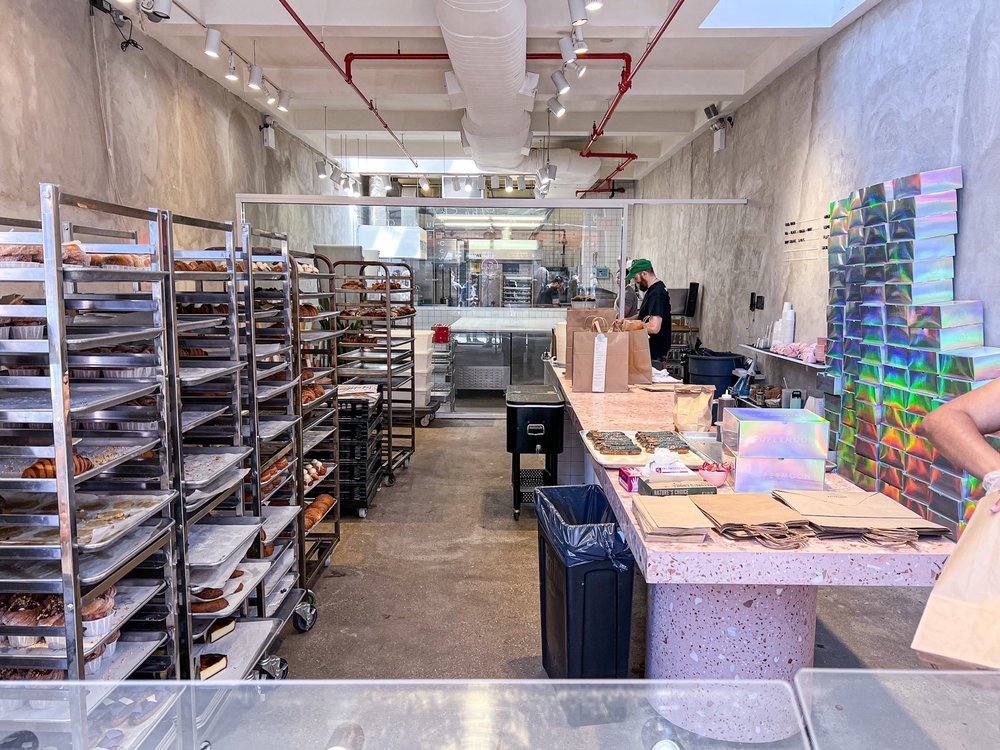
8. Supermoon Bakehouse – Lower East Side

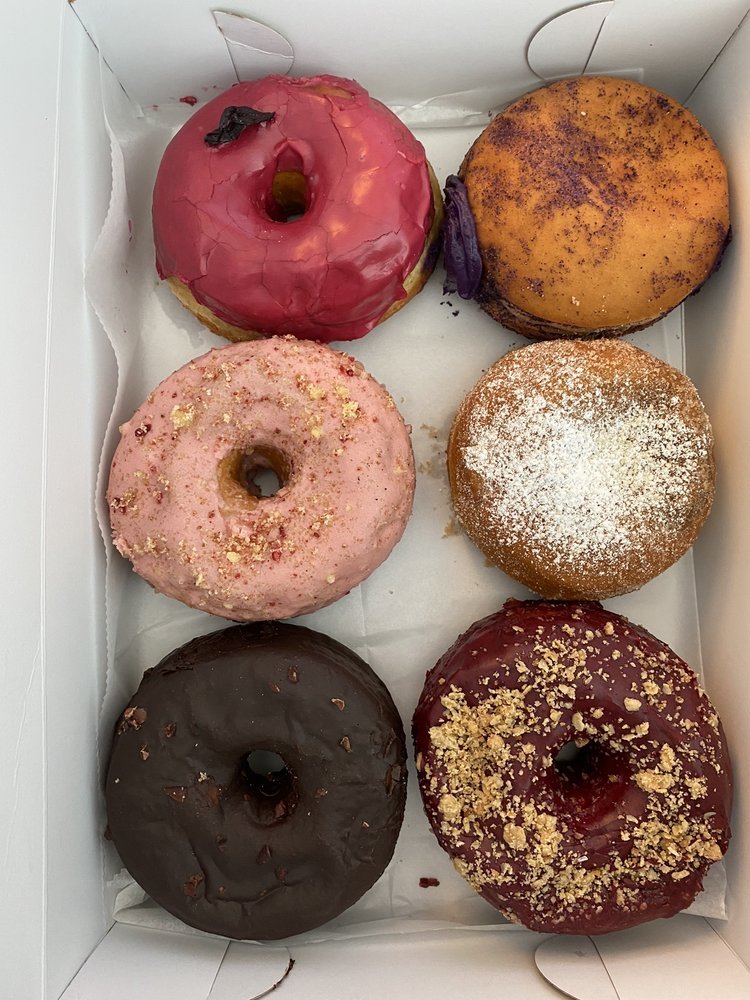
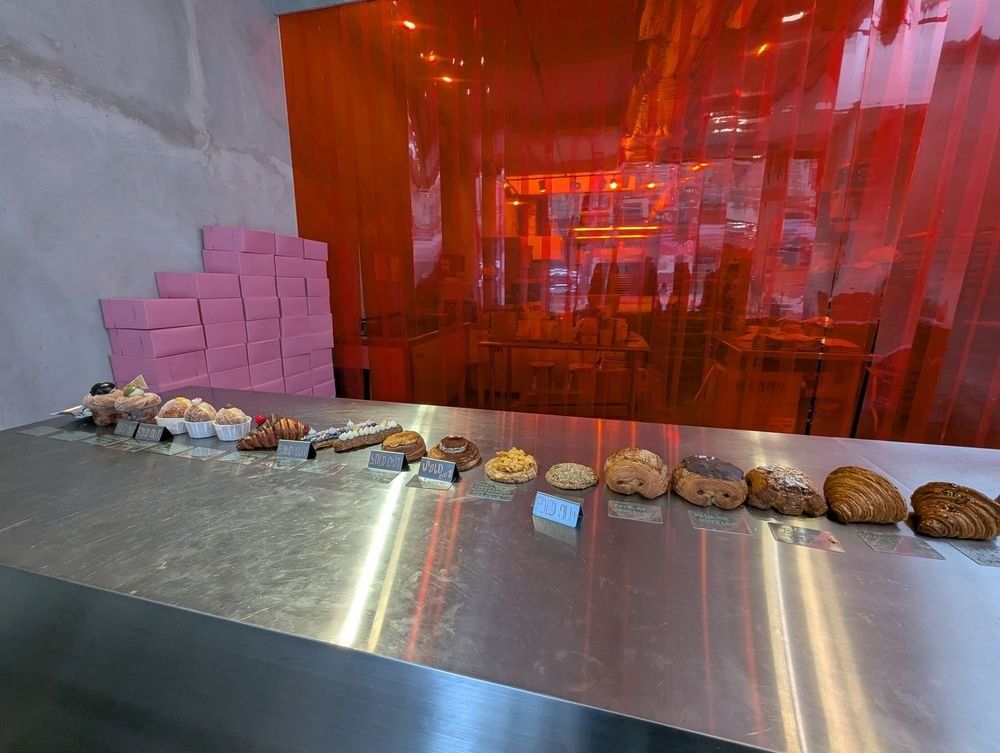
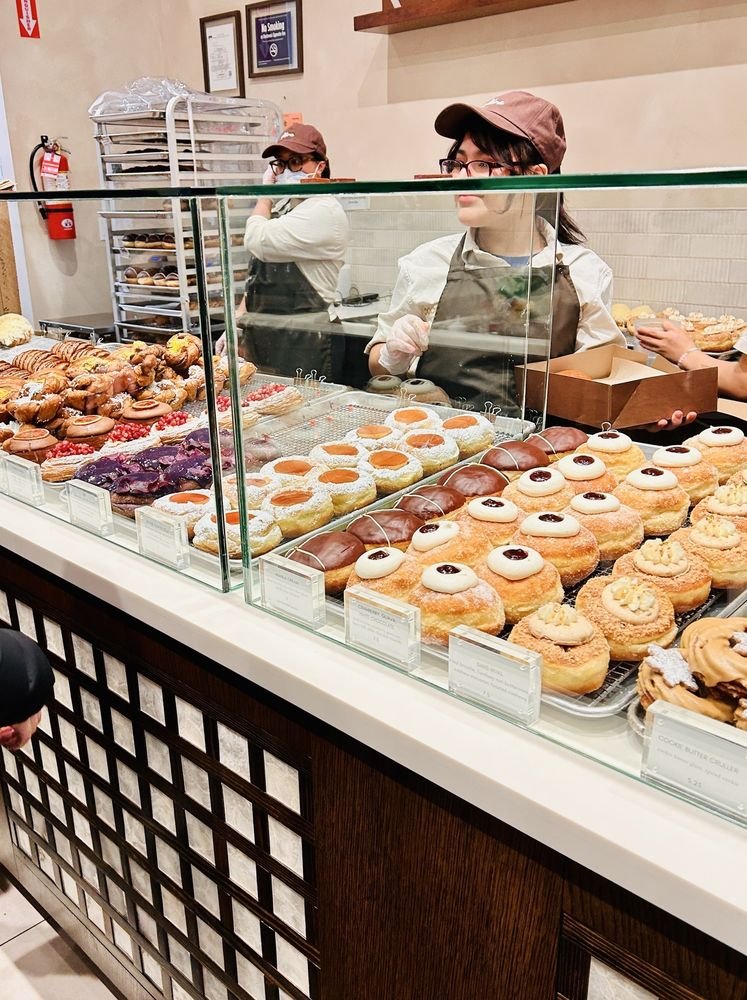
What Makes It Special: Famous for croissants but their donuts are a “sleeper hit” according to food critics. Displayed like gallery art on terrazzo bars in jewel-like boxes. Asian-inspired flavors with tropical fruit fillings.

Signature Offerings: Berries & cream donut, passionfruit curd doughnut, seasonal croissant-donut hybrids. Orb-like shapes stuffed with calamansi, yuzu, and other exotic ingredients.

What to Know: Popular items sell out early—arrive before 10 AM. Limited daily production means calling ahead is wise. Neon pink “Bite Me NYC” sign is Instagram famous.

Price Range: $$$

Address: 120 Rivington St, New York, NY
Website: supermoonbakehouse.com


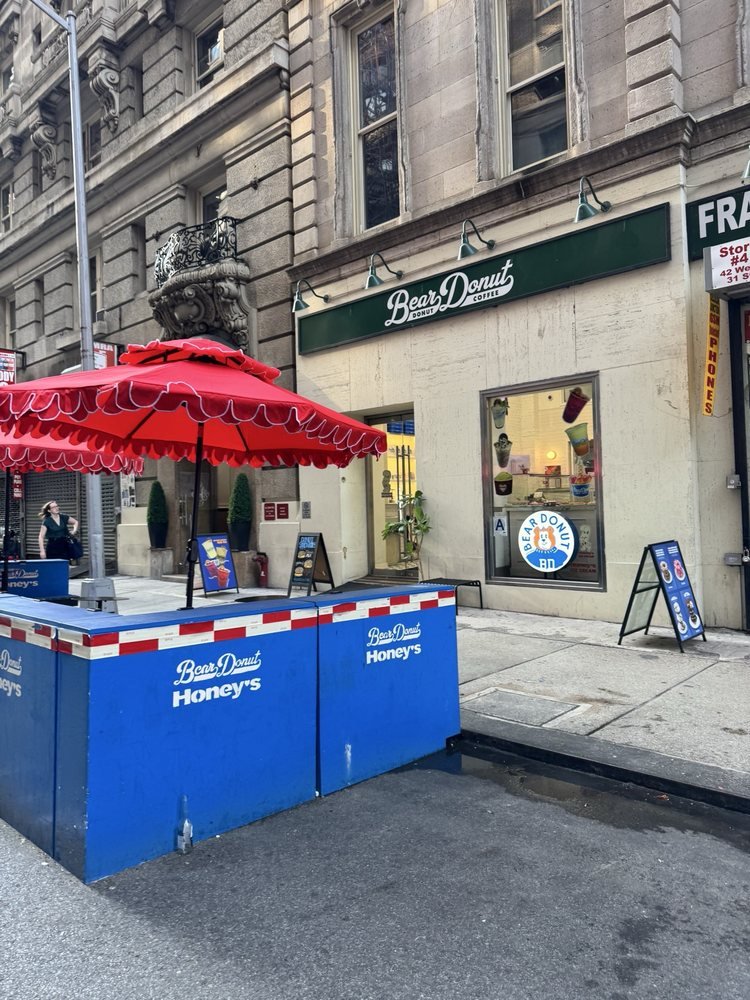
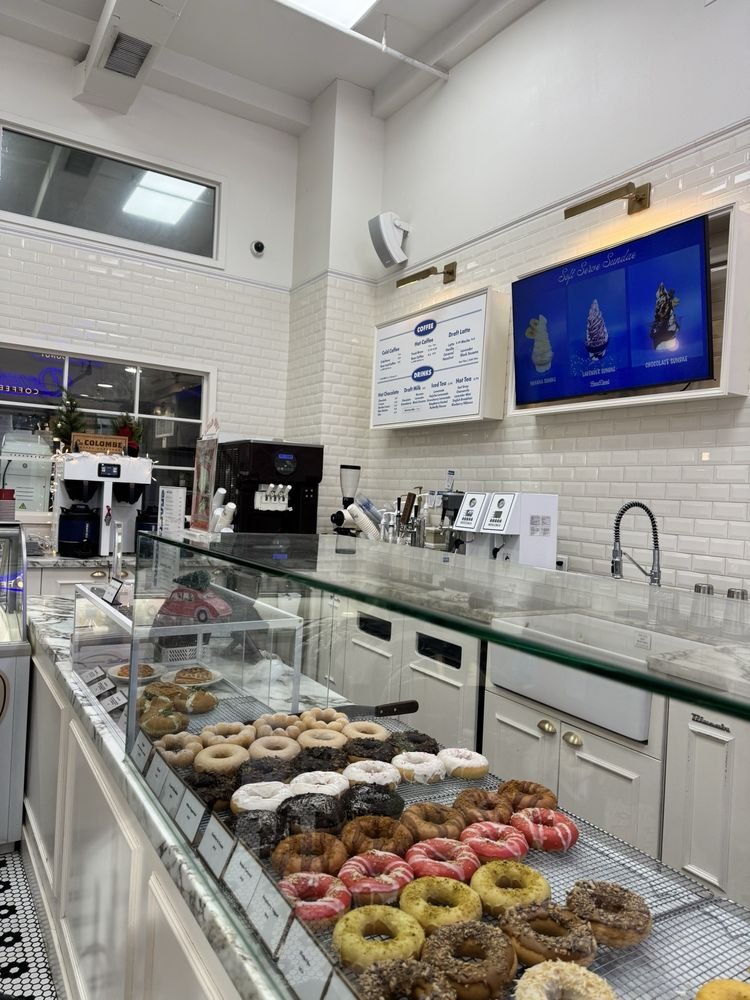
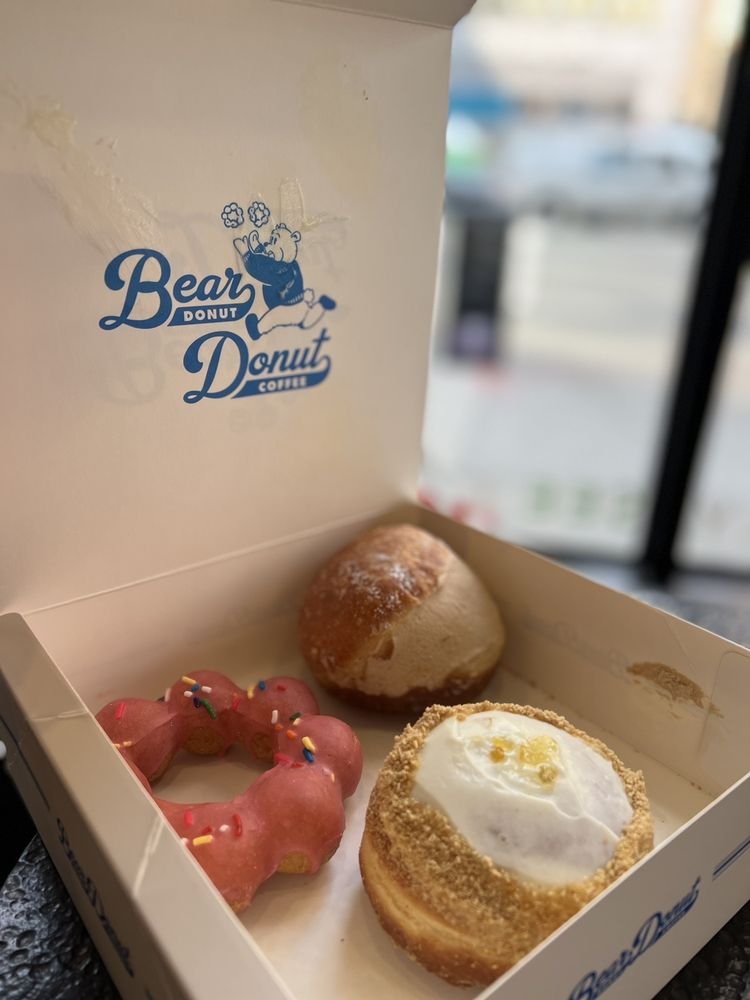
9. Bear Donut – Manhattan (Koreatown)

What Makes It Special: Reimagined retro concept offering “brionuts” (brioche-donut hybrids), bubble ring shapes, and Asian-inspired flavors like milk tea, matcha, and ube. Optional soft-serve ice cream topping.

Signature Offerings: Double milk tea brionut, crunch chocolate glazed, classic glazed donut cone with ube soft serve, tiramisu brionut, scallion cream cheese (savory option).

What to Know: Brionuts are morning specialties. The soft-serve donut cone is unique to NYC. Fresh daily with creative seasonal rotations.

Price Range: $$-$$$

Address: 40 W 31st St, New York, NY
Website: beardonuts.com


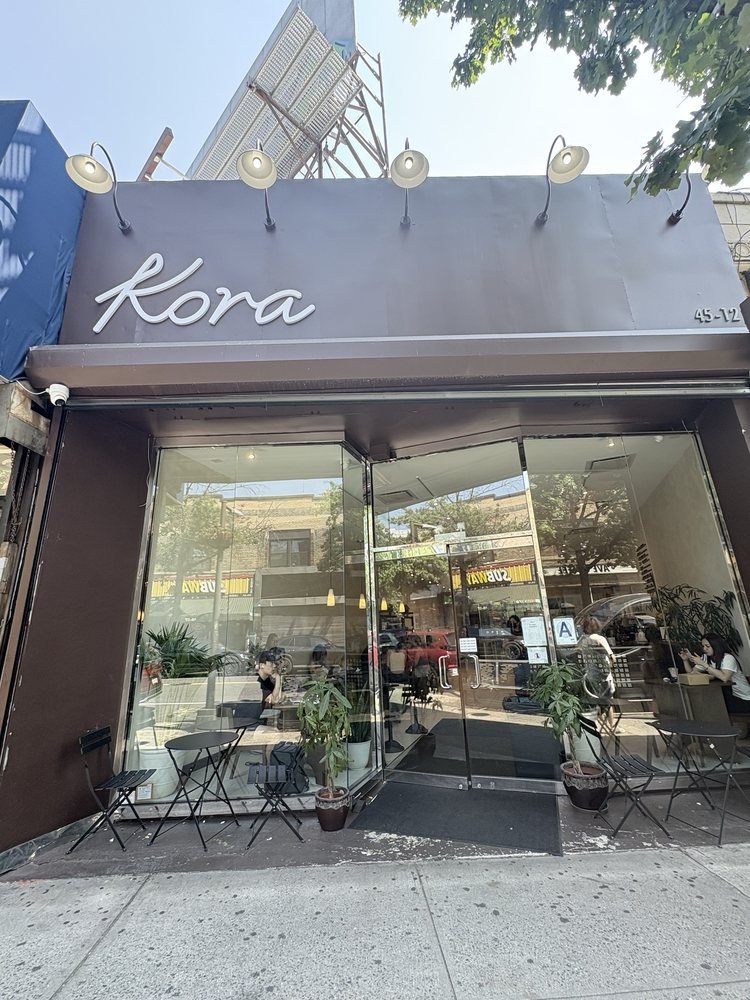
10. Kora – Queens (Sunnyside)

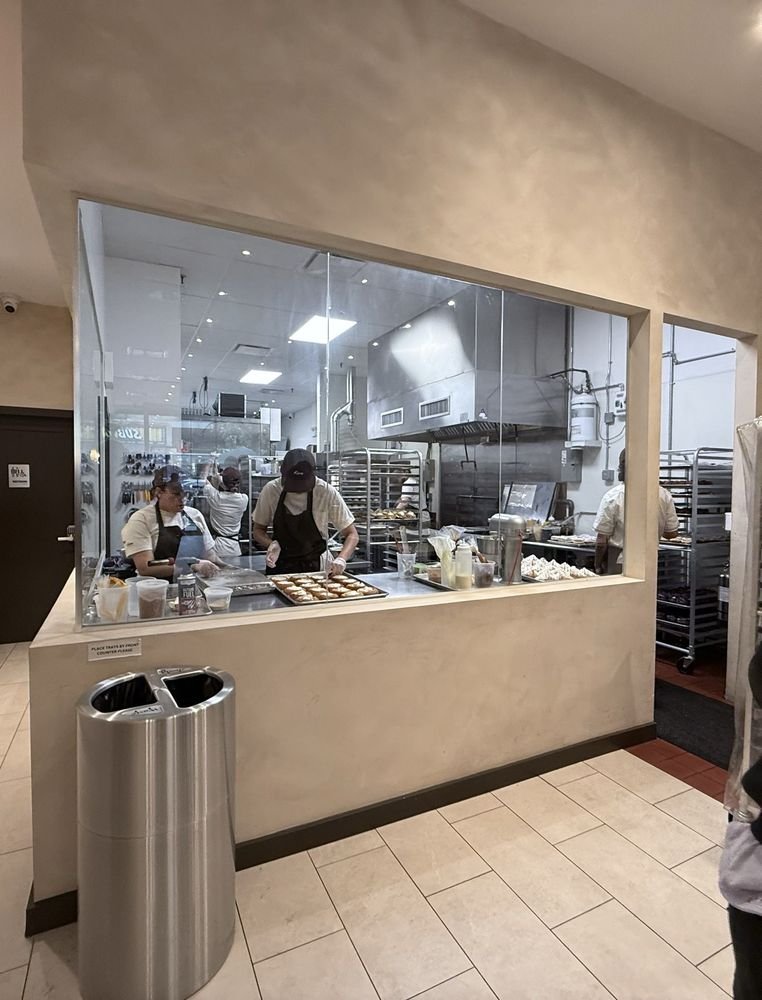
What Makes It Special: Minimalist approach focusing on perfecting basic glazed donuts. Filipino bakery recognized by The Infatuation as having “NYC’s best, most meticulously constructed donuts.”

Signature Offerings: Plain glazed (perfected), minimal menu emphasizing quality over variety.

What to Know: Simplicity is the point—these are donuts stripped to their essence and executed flawlessly. Great value for exceptional quality.

Price Range: $-$$

Address: 45-12 Greenpoint Ave, Sunnyside, NY 11104
Website: koradonuts.com


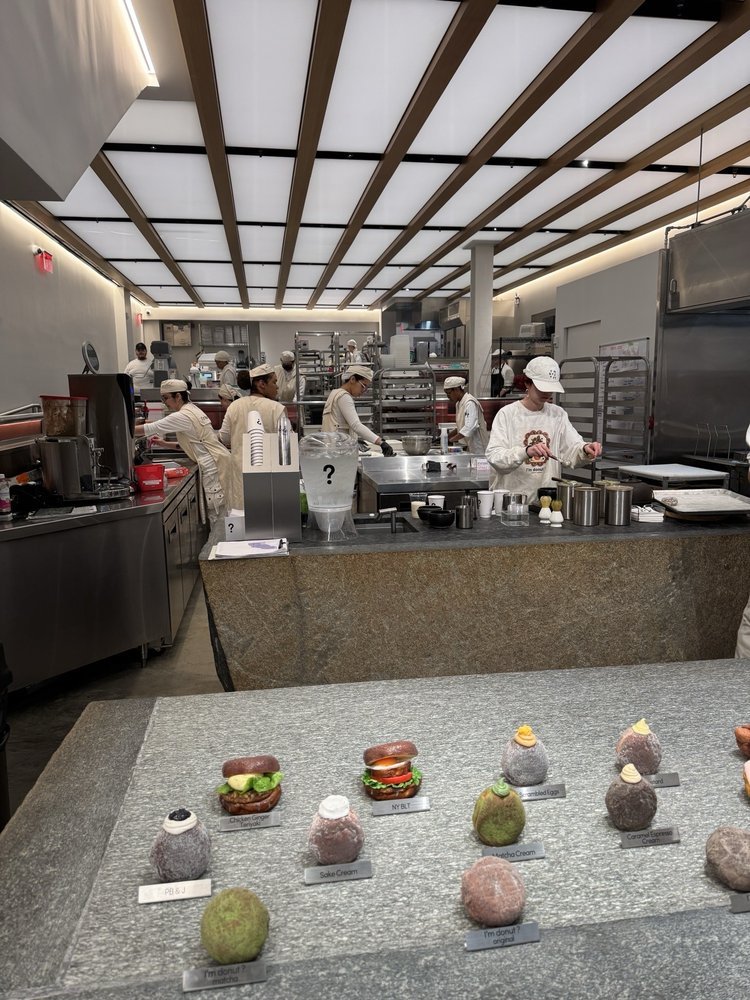
11. I’m donut? – Manhattan (Times Square)

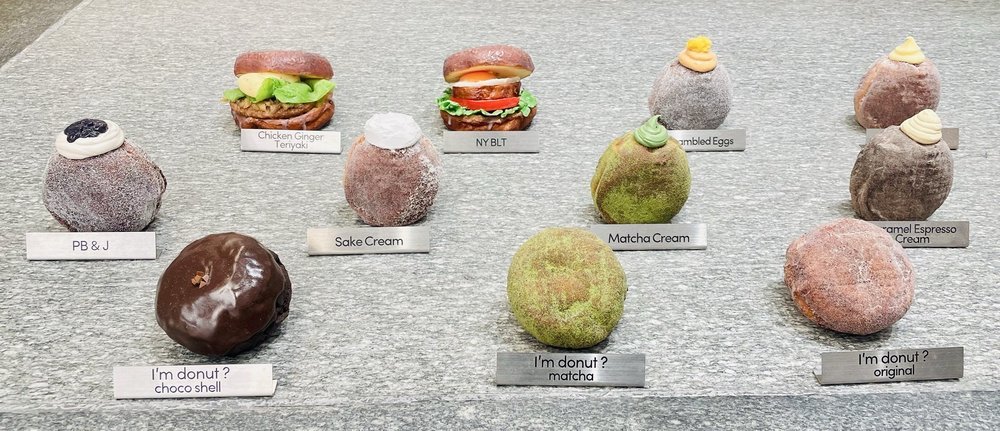
What Makes It Special: Japanese-inspired donut brand that debuted in Times Square in 2025. Mochi-textured donuts offer chewy, bouncy texture distinct from traditional American donuts. Savory options break donut conventions.

Signature Offerings: Glazed mochi donut, BLT donut (savory), specialty Asian flavors. The mochi texture appeals to those who find traditional fried donuts too heavy.

What to Know: Newest addition to NYC’s donut scene. Multiple mochi donut competitors exist (Alimama Tea, Mochi Mochi Donut) but I’m donut? offers unique savory options.

Price Range: $$-$$$

Location: Times Square, New York, NY
Website: imdonut.nyc


Honorable Mentions: More Great NYC Donuts

While the above 11 represent the best of NYC’s current donut landscape, several other shops deserve recognition:

  • Alimama Tea (Chinatown): Mochi donuts with taro, matcha, and caramel dark chocolate flavors
  • Shaikh’s Place (Sheepshead Bay): 24/7 operations with $10 dozen donuts
  • Doughnuttery: Mini donuts with international ingredients, fresh-made to order
  • The Doughnut Project: Experimental flavors and collaborations
  • Angelina Bakery: Italian-style donuts and pastries

NYC Donut Trends in 2025

The Mochi Donut Explosion

Chewy, ring-shaped mochi donuts with their distinctive bubble texture have proliferated across NYC. Shops like Alimama Tea pioneered this trend, but now multiple locations serve these gluten-free, bouncy alternatives to traditional fried donuts.

Craft Ingredients and Transparency

Following the “farm-to-table” movement, donut shops now emphasize ingredient sourcing. Doughnut Plant’s no-preservatives approach has become standard. Vegan, gluten-free, and organic options are expected rather than exceptional.

The Hybrid Pastry Era

Croissant-donuts (cronuts), brionuts, and other hybrid creations blur the lines between French patisserie and American donut culture. Daily Provisions and Bear Donut exemplify this fusion approach.

Savory Donuts Go Mainstream

No longer novelties, savory donuts featuring bacon, cheese, herbs, and even BLT combinations are becoming permanent menu items rather than limited experiments.

How to Plan Your NYC Donut Tour

Timing Matters

  • Early Birds (4:30-7 AM): Peter Pan, traditional shops with fresh morning batches
  • Civilized Breakfast (8-10 AM): Daily Provisions, Doughnut Plant locations
  • Weekend Warriors (9 AM-12 PM): Fan-Fan, Supermoon (arrive early before sellouts)
  • Night Owls (Midnight-4 AM): The Donut Pub, Shaikh’s Place

Budget Planning

  • Budget-Friendly ($1-3 per donut): Peter Pan, Kora, Moe’s Doughs
  • Mid-Range ($4-6): Doughnut Plant, Dough, Bear Donut
  • Splurge ($6-8): Supermoon Bakehouse, Fan-Fan, specialty items

Neighborhood Donut Crawls

Brooklyn Focus: Start at Peter Pan (Greenpoint), walk to Moe’s Doughs, then Fan-Fan in Clinton Hill.

Manhattan Classic: Daily Provisions for breakfast, Doughnut Plant LES for lunch dessert, The Donut Pub for late-night.

International Flavors: Bear Donut (Korean), I’m donut? (Japanese), Alimama Tea (Asian fusion).

What Makes a Great NYC Donut?

After visiting these 11 shops and sampling dozens of varieties, several qualities separate exceptional NYC donuts from merely good ones:

  1. Freshness: The best shops make batches throughout the day rather than once in the morning
  2. Texture Balance: Whether cake or yeast, the exterior should have slight resistance while the interior stays tender
  3. Filling Generosity: Premium shops don’t skimp—fillings should be abundant without overwhelming the dough
  4. Glaze Quality: Should set properly but not harden into thick shells
  5. Flavor Clarity: Each ingredient should be identifiable rather than muddy

The Future of NYC Donuts

As we move through 2025, NYC’s donut culture continues evolving. Social media will keep pushing visual innovation, but there’s also a counter-movement toward simplicity and perfection of basics (as seen at Kora). Expect more regional and international influences, especially from Filipino, Japanese, and Korean donut traditions. Sustainability and ingredient transparency will become standard expectations rather than marketing differentiators.

The traditional neighborhood donut shop isn’t disappearing—Peter Pan’s 70+ years prove that classic execution will always have a place. Instead, NYC’s donut landscape is expanding to accommodate both nostalgia and innovation, giving residents and visitors an unprecedented range of options.

Final Thoughts: Why NYC Does Donuts Differently

New York’s donuts aren’t just food—they’re cultural artifacts that tell the story of immigration, labor, innovation, and urban life. From Dutch immigrants to Filipino artisans, from overnight workers to Instagram influencers, donuts have absorbed and reflected every wave of change that has swept through the city.

In 2025, you can still find a classic glazed for $1.50 at a Greenpoint institution that’s been operating since the Eisenhower administration. You can also spend $7 on a yuzu-passionfruit creation displayed like fine jewelry. Both are authentically New York. Both deserve their place in the city’s food landscape.

The best NYC donut isn’t in a single shop or style—it’s in the democratic abundance of choices, the constant innovation layered atop tradition, and the way a simple fried circle of dough can contain the entire history and future of the world’s greatest city.

Whether you’re starting your day with coffee and a classic or documenting avant-garde flavor combinations for your followers, NYC’s donut scene offers something perfect for you. The only wrong choice is not trying any at all.


Have you tried any of these NYC donut shops? Share your favorites in the comments below!


Additional Reading: