No Foreign Transaction Fee Card for NYC: Complete 2026 Spending & Money Transfer Guide

From Soho coffee runs to Manhattan lease deposits, here’s how to pick the right no foreign transaction fee card for NYC and the smartest way to arrange a money transfer for your NYC apartment deposit — without losing 3–10% to hidden bank fees.

no foreign transaction fee card for NYC

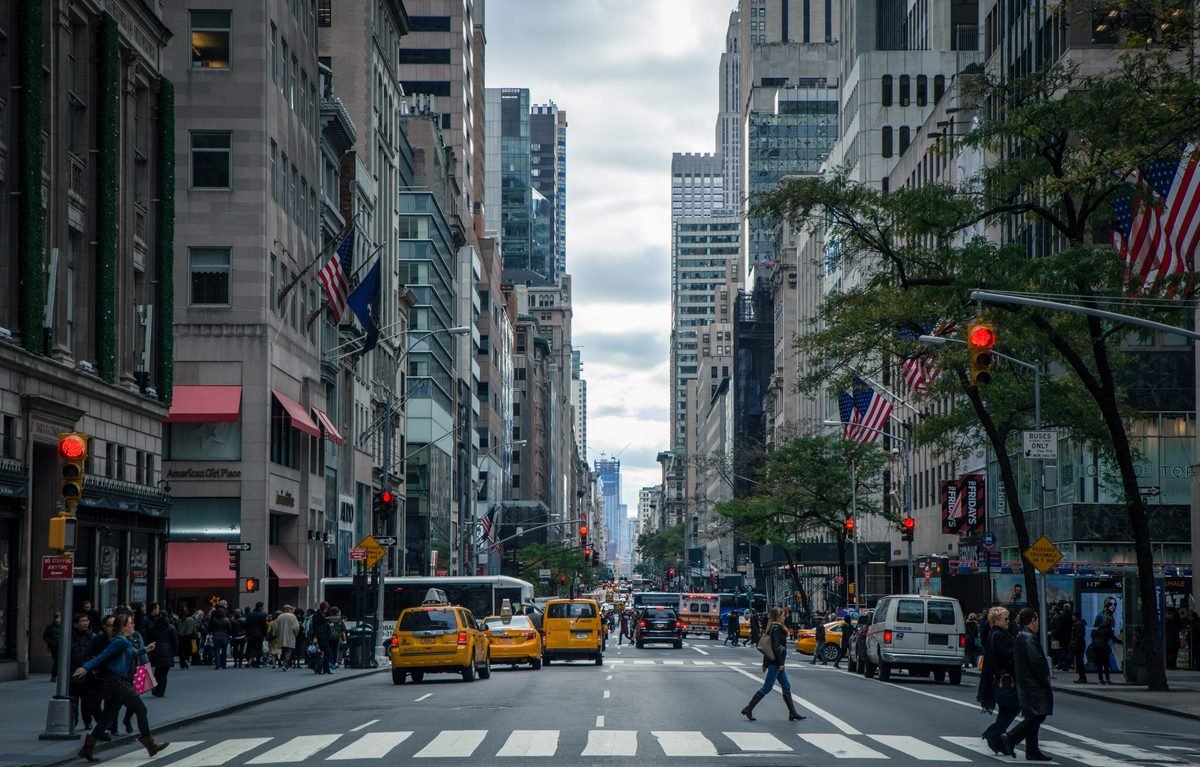
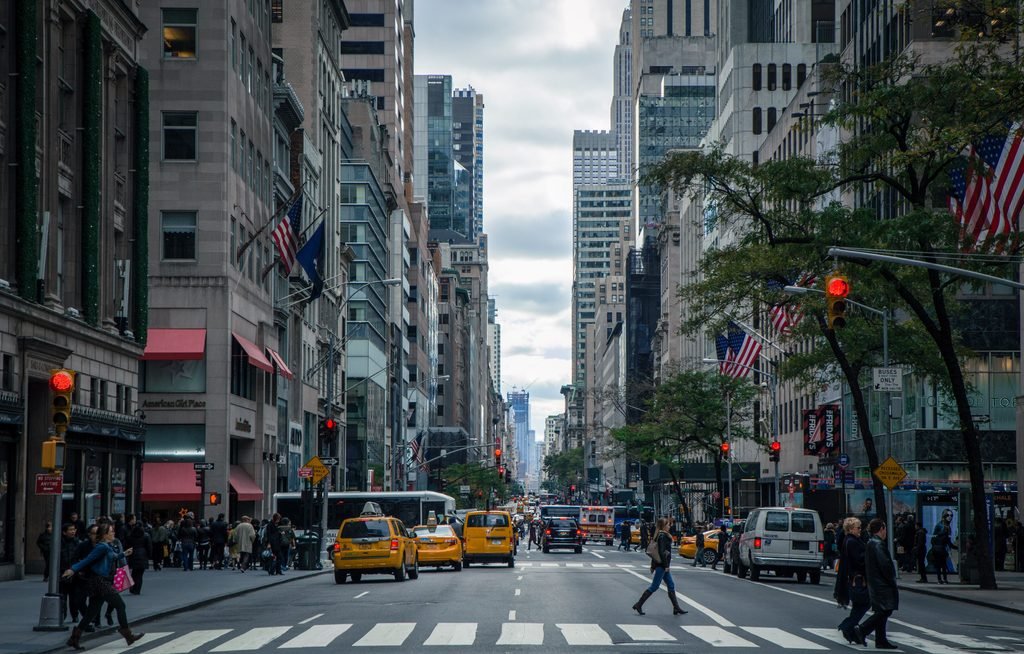
New York City moves fast, and so does your money. Between $10 artisan coffees in Soho, boutique shopping on Fifth Avenue, and dinner in Tribeca, every swipe is an opportunity for hidden bank charges to quietly eat into your budget. If you’re an international traveler, digital nomad, or expat, choosing the right no foreign transaction fee card for NYC — and knowing how to arrange a money transfer for your NYC apartment deposit — can be the difference between a smooth trip and a $300+ surprise on your statement.

This 2026 guide breaks down exactly which cards to carry, which transfer platforms to use for larger payments like rent or tuition, and how to combine both for maximum savings.

Why You Need a No Foreign Transaction Fee Card for NYC
Why You Need a No Foreign Transaction Fee Card for NYC

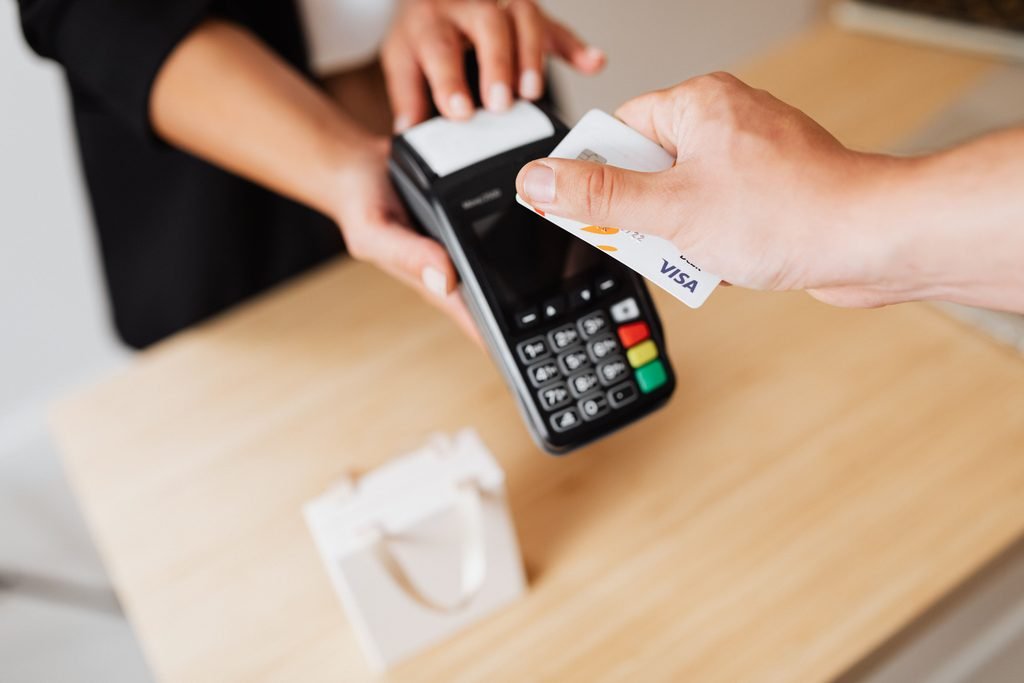
Most standard international debit and credit cards charge 2.5–3% on every purchase made outside your home currency. On a $10,000 trip, that’s roughly $300 handed straight to your bank for doing nothing but converting currency.

There are three fee traps to watch for in Manhattan specifically:

  • Foreign transaction fees (avg. 3%) — charged on every non-domestic swipe.
  • Dynamic Currency Conversion (DCC) — when a terminal asks “charge in USD or your home currency?”, always choose USD. Paying in your home currency lets the merchant’s bank apply an inflated exchange rate with markups as high as 5–12%.
  • SWIFT wire markups — sending money the traditional way often means outgoing fees ($30–$50), receiving fees ($15–$30), and a spread of up to 4% baked into the exchange rate.

A card with zero foreign transaction fees eliminates the first two problems instantly, which is why finding the right no foreign transaction fee card for NYC should be step one before you land.

Best No Foreign Transaction Fee Cards for NYC in 2026
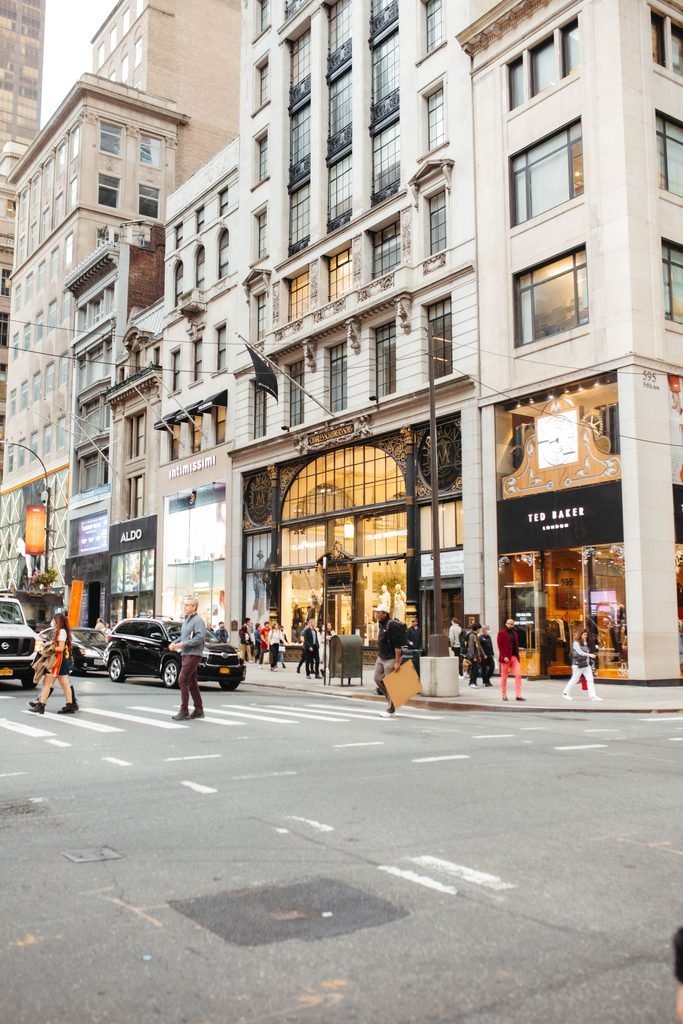
Best No Foreign Transaction Fee Cards for NYC

The market for these cards is large, but a few consistently stand out for international spenders in the city.

Top Credit Cards

  • Capital One Venture X / Venture Rewards — Capital One’s Venture card lineup earns rewards on everyday purchases with no foreign transaction fees, making it a strong daily-spend option for NYC dining and shopping.
  • Chase Sapphire Preferred / Reserve — Chase Sapphire Preferred pairs a mix of high rewards rates with a modest annual fee, and it earns bonus points on dining and travel worldwide with no FX fees.
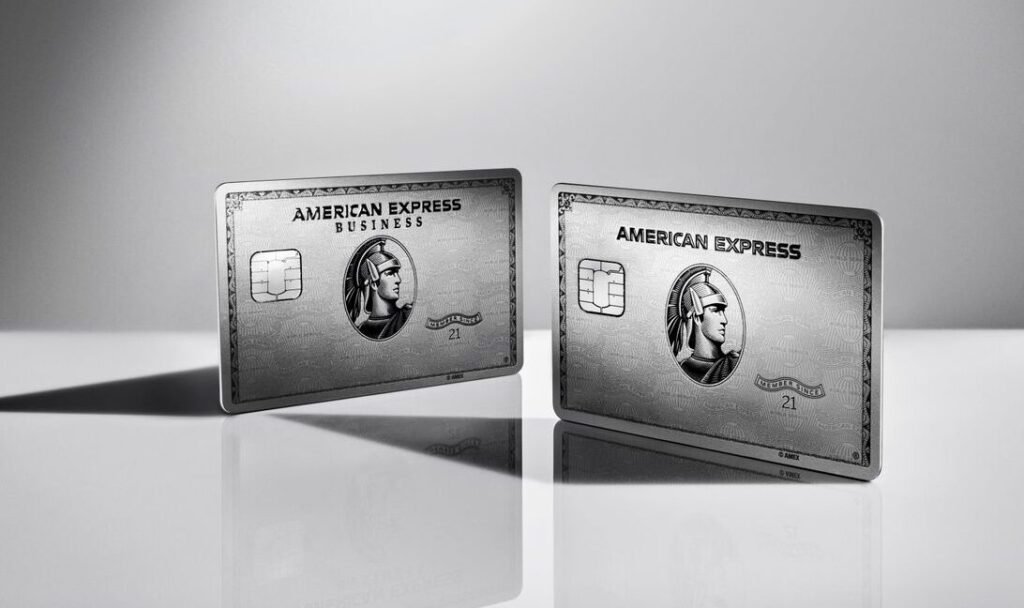
  • American Express Platinum — Offers 0% FX fees plus lounge access and concierge perks, though it’s worth carrying a Visa or Mastercard backup since Amex isn’t accepted everywhere in smaller boutiques.
  • No-annual-fee options — If you don’t want to pay a yearly fee, a no-annual-fee Visa like Bank of America Travel Rewards or Wells Fargo Autograph removes the standard 3% penalty without creating a yearly cost to recover.

Best Debit Card for ATM Cash

Charles Schwab Bank High Yield Investor Checking remains the gold standard for travelers who need cash — it charges no foreign transaction fees and automatically rebates ATM fees worldwide at the end of each month, which is hard to beat if you want walking-around cash for tips or street vendors.

(Tip: always confirm current terms directly with the issuer — rates-and-fees disclosures change, and some card families include both fee-free and fee-charging versions of the same product.)

When a Card Isn’t Enough: Money Transfer for NYC Apartment Deposit
money transfer for NYC apartment deposit

Cards are perfect for daily spending, but they fall apart the moment you need to pay something big — a security deposit on a Manhattan lease, a semester’s tuition, or an extended-stay rental prepayment. Landlords and universities rarely accept credit cards without a steep processing surcharge (often 2–3% tacked on separately), so a money transfer for your NYC apartment deposit needs a different tool entirely.

Wise and Revolut vs. Traditional Bank Wires

Transfer MethodFX Rate TypeTypical FeesSpeed
Traditional SWIFT wireBank rate + 2–4% markup$30–$60 + receiving bank fee2–5 business days
WiseReal mid-market rateLow, transparent % feeInstant to 24 hours
RevolutReal mid-market rateFree up to a monthly limitInstant to 24 hours

Traditional bank wires route money through several intermediary banks, each applying its own fees and exchange rate, while Wise instead uses a network of local bank accounts so funds never actually cross borders — which is what keeps costs down. Wise applies the real mid-market conversion rate to every currency and shows you the fee upfront before you confirm the transfer, so there’s no guessing what lands on the other side.

This is especially useful for a money transfer for an NYC apartment deposit, since many providers let you generate local US account and routing details — effectively letting you pay a landlord or property manager as if you already had a US bank account, without opening one.

Students and long-term renters report similar savings: paying tuition or housing costs by credit card from abroad often adds 2–3% in fees, and a standard bank wire brings a poor exchange rate on top of extra charges, which is why services like Wise have become the default for larger one-time NYC payments.

Strategy Matrix: Cards vs. Transfers

ParameterNo Foreign Transaction Fee CardWise / Revolut Transfer
Best forDaily purchases, restaurants, hotels, transitRent deposits, tuition, large one-off payments
FX surcharge0% (on qualifying travel cards)~0.3–0.7% real mid-market fee
Consumer protectionHigh — fraud protection, chargebacksLimited — direct bank-to-bank
Rewards earnedYesNo

The winning approach for most people combining short-term travel with a longer NYC stay: carry a no foreign transaction fee card for NYC for everything you swipe day-to-day, and reserve a Wise or Revolut transfer for anything landlord-, tuition-, or lease-sized.

Practical Tips for Spending Smart in Manhattan

  • Use Apple Pay / Google Pay wherever possible. Manhattan is close to cashless — subway turnstiles run on the OMNY contactless system, and the vast majority of taxis, kiosks, and stores accept tap-to-pay.
  • Keep a small cash buffer. $50–$100 in small bills covers coat checks, bellhops, and cash-only bagel carts.
  • Always request a digital receipt. It’s the easiest way to confirm no accidental currency conversion or merchant markup slipped into your bill.
  • Double-check card acceptance before relying on Amex alone. Carry a Visa or Mastercard backup for smaller independent businesses.
  • Verify fees before you fly. Foreign transaction fee terms can change between card products from the same issuer, so check the current rates-and-fees disclosure rather than relying on older reviews.

Final Verdict

Getting the most out of a New York trip or move comes down to a simple two-part system: a no foreign transaction fee card for NYC for everyday spending, dining, and transit, paired with a mid-market platform like Wise or Revolut whenever you need a money transfer for your NYC apartment deposit, tuition, or another large payment. Get that pairing right, and every dollar goes toward the city itself — not toward bank fees.


This post is for general informational purposes and isn’t financial advice. Card terms, fees, and exchange rates change frequently — confirm current details directly with the issuer or provider before applying or transferring funds.
Amex Fine Hotels + Resorts NYC: Unlock $1,000+ Perks at The Plaza & Carlyle

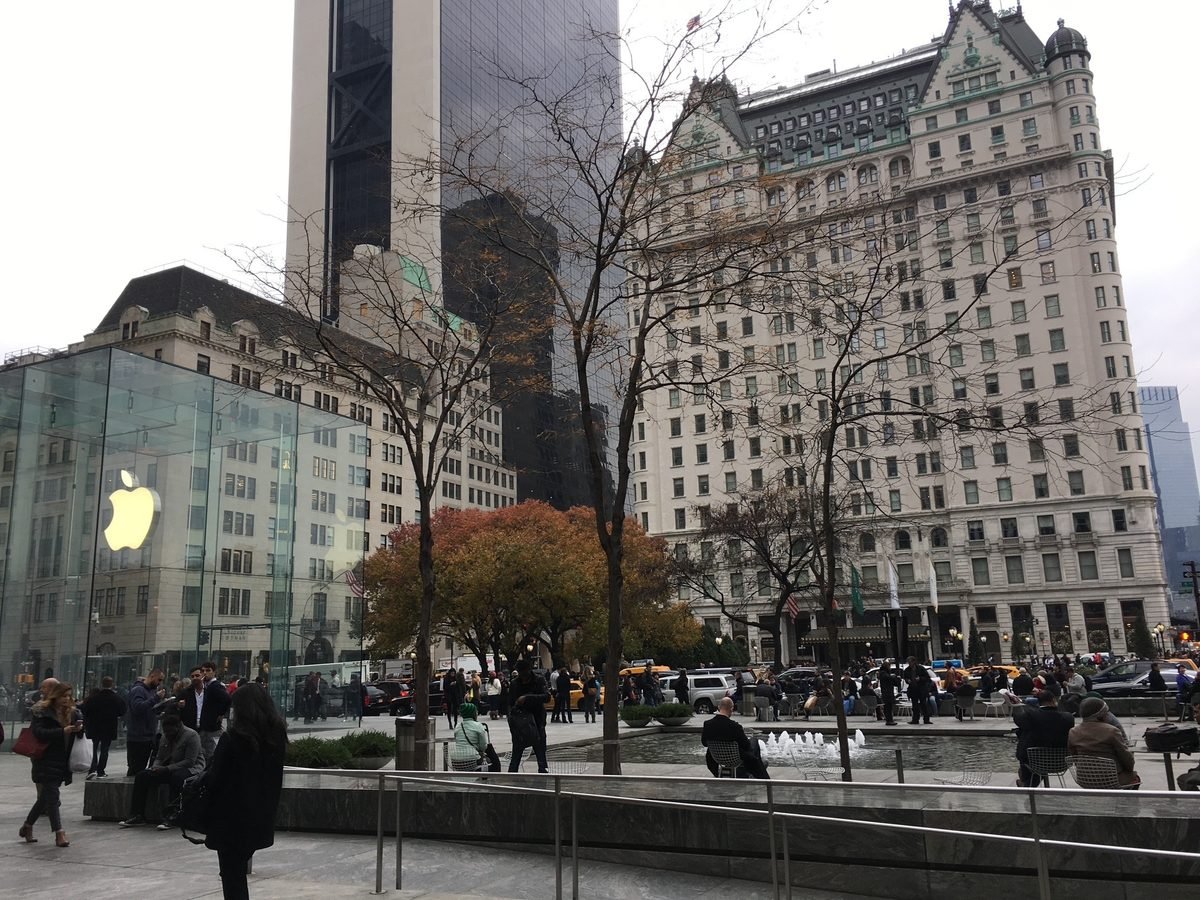
    mex Fine Hotels + Resorts NYC — The Plaza Hotel Fifth Avenue exterior

    Booking a room at one of Manhattan’s iconic heritage hotels — The Plaza Hotel on Fifth Avenue or The Carlyle, A Rosewood Hotel on the Upper East Side — is a bucket-list luxury experience. But with room rates in New York City routinely starting between $900 and $1,500 a night, knowing how to get the absolute maximum value out of your stay matters just as much as the destination itself.

    While most guests pay full price for a standard room and then spend hundreds more on breakfast, valet, and cocktails, savvy travelers book through Amex Fine Hotels + Resorts NYC properties to unlock more than $1,000 in complimentary perks per stay. This guide breaks down exactly how Amex Platinum Plaza Hotel perks — and the equivalent benefits at The Carlyle — work, what they’re actually worth, and how to stack them for maximum savings in 2026.

    What Is Amex Fine Hotels + Resorts, and Why Does It Matter in NYC?

    www.americanexpress.com

    American Express Fine Hotels + Resorts (FHR) is a curated booking program open to Platinum Card, Business Platinum Card, and Centurion cardholders. It grants VIP-style treatment — similar to hotel elite status — at more than 1,800 luxury properties worldwide, without requiring any brand loyalty points or nights. Amex itself values the standard FHR benefit package at roughly $550 per stay, and at flagship Manhattan properties like The Plaza and The Carlyle, the real-world value often runs even higher.

    This is exactly why Amex Fine Hotels + Resorts NYC bookings have become a favorite trick among frequent New York travelers: the city’s room rates are so high that the same fixed perks (breakfast, credits, late checkout) represent a much larger percentage discount than they would at a mid-tier resort elsewhere.

    The Anatomy of a $1,000+ Luxury Hotel Perks Package

    When you book an eligible property through FHR, every stay automatically includes a suite of hard-value benefits:

    • Daily complimentary breakfast for two ($120–$160/day value in NYC) — served in the hotel’s signature dining room or via in-room dining.
    • $100 property experience credit, applied directly to your final bill and typically usable at the hotel’s spa, restaurants, or bars.
    • Guaranteed 4 PM late checkout — versus the standard 11 AM or 12 PM checkout most NYC hotels enforce, this alone can be worth $300+ if it saves you a day-use room or lets you skip a hotel’s storage fees.
    • Room upgrade at check-in, subject to availability — a one- or two-category bump can move you from a standard interior room to a Central Park–view room or a suite, a swing that’s frequently worth $400–$800 or more per night.
    • Noon early check-in, when available, plus complimentary Wi-Fi.

    For a deeper dive into how the program works across its full hotel portfolio, AwardWallet’s Fine Hotels + Resorts guide is a useful reference.

    Amex Platinum Plaza Hotel Perks: What to Expect at The Plaza

    The Plaza Hotel is one of FHR’s most recognizable New York bookings, and the Amex Platinum Plaza Hotel perks here are tailored to the property’s old-world glamour:

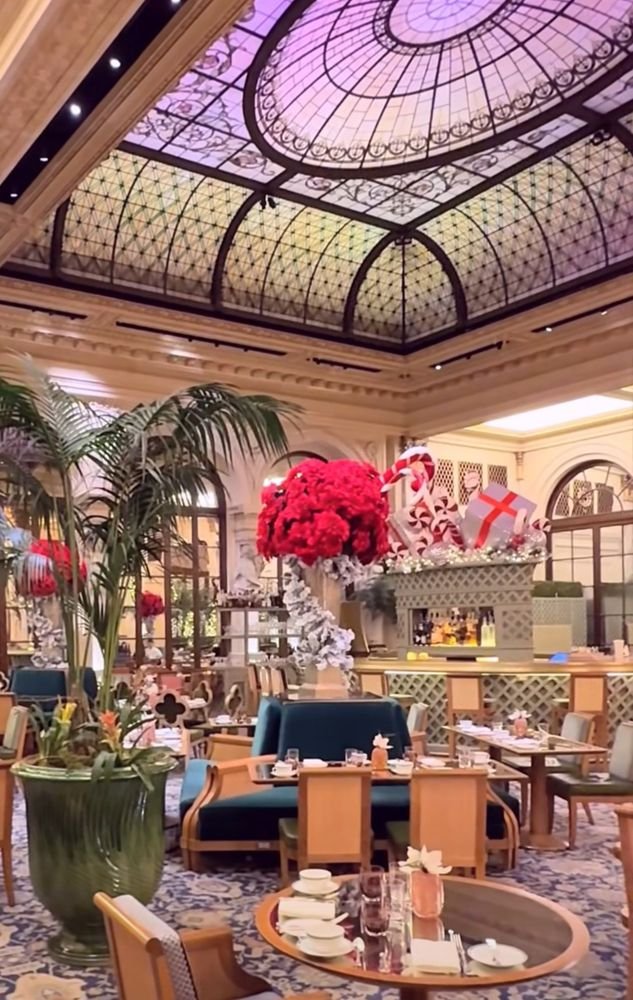
    • Breakfast for two daily at The Palm Court, the hotel’s landmark restaurant beneath its stained-glass dome — a meal that can easily run $50+ per person à la carte.
    • $100 property experience credit, which guests often apply toward treatments at the on-site 111SKIN Spa/Clinic or a round of drinks at the Champagne Bar.
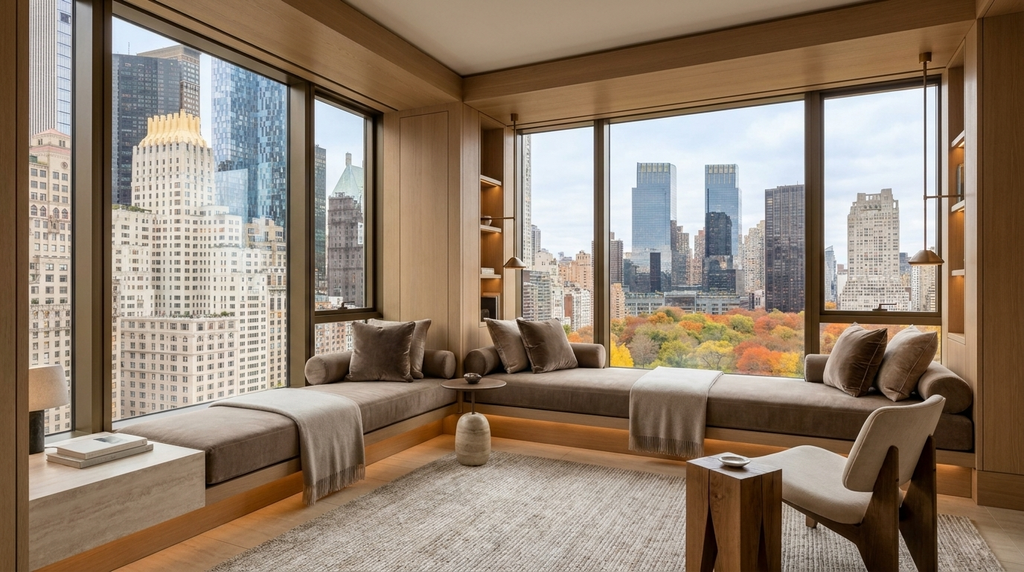
    • Room upgrade potential from a standard Deluxe Room to a Central Park–view room or one of the hotel’s Louis XV–style suites — a jump that can add $500 or more in nightly value.

    Combine the guaranteed 4 PM checkout with a spa appointment on departure day, and you can turn a one-night stay into a nearly full-day Manhattan experience before ever needing to think about your flight home.

    Amex Fine Hotels + Resorts NYC at The Carlyle: A Different Kind of Luxury

    Bemelmans Bar

    Just a few miles north on the Upper East Side, The Carlyle, A Rosewood Hotel offers its own take on the same FHR framework, with perks that lean into the hotel’s literary, jazz-age reputation:

    • Daily breakfast for two, typically served at Dowling’s or via in-room dining.
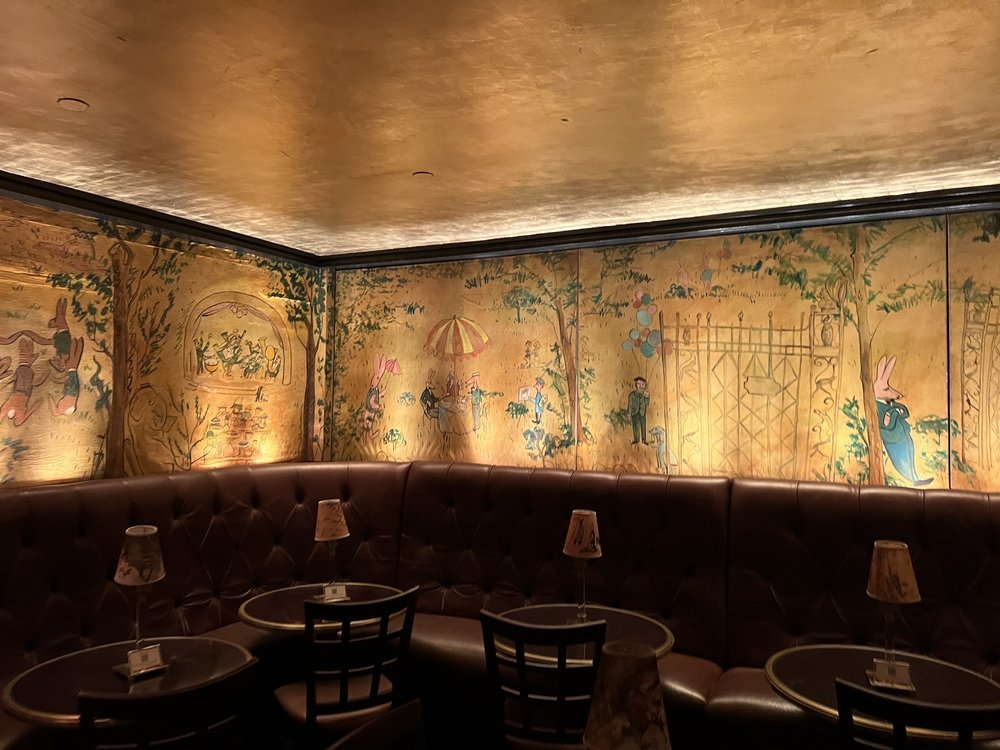
    • $100 food & beverage credit, a favorite redemption at Bemelmans Bar, the hotel’s famed piano lounge known for its Ludwig Bemelmans murals and live jazz.
    • Guaranteed 4 PM late checkout, which pairs well with the hotel’s noon early check-in benefit — together giving you up to 28 continuous hours in your room on a single overnight booking.

    Because The Carlyle skews slightly quieter and more residential than The Plaza’s Fifth Avenue bustle, its FHR perks tend to be redeemed more for food and drink than for spa services — worth keeping in mind when you decide where your $100 credit will go furthest.

    Financial Leverage: Stacking Your Amex Platinum Plaza Hotel Perks With Card Credits

    Fine Hotels + Resorts NYC

    The daily FHR perks are only part of the equation. Amex Platinum cardholders can now stack these benefits with the card’s revamped hotel statement credit, which was significantly expanded as part of Amex’s late-2025 Platinum refresh:

    • $600 annual hotel credit (up from the previous $200), split into two $300 semi-annual increments, applicable toward prepaid Fine Hotels + Resorts or The Hotel Collection bookings made through Amex Travel. Coverage of the change from Business Traveller and The Points Guy confirms this is now one of the card’s headline benefits.
    • 5x Membership Rewards points on prepaid FHR bookings made through Amex Travel.
    • Seasonal “3rd or 4th night free” promotions, which occasionally appear on Plaza and Carlyle listings and can lower your average nightly rate by roughly a third while you keep every dollar of the standard FHR perks.

    Note that the Amex Platinum annual fee rose to $895 alongside this refresh, so the math only works in your favor if you’re actually booking one or two qualifying hotel stays a year to capture the $600 credit — which, for anyone planning even a single trip to Manhattan, is easy to justify against a $900+ nightly rate at The Plaza or The Carlyle.

    Pro Tips for Maximizing Your Amex Fine Hotels + Resorts NYC Stay

    1. Note any special occasion when booking. Add a birthday or anniversary note through your Amex Travel portal — FHR properties frequently match upgrade availability with a welcome gift like champagne or a handwritten card.
    2. Link your hotel loyalty profile first. If the property also participates in a brand loyalty program, attach your account so you earn points and night credits on top of the FHR perks.
    3. Schedule your $100 credit strategically. At The Plaza, book a 1 PM spa treatment on departure day, then use the guaranteed 4 PM checkout to shower, pack, and leave without rushing. At The Carlyle, save the credit for an evening at Bemelmans Bar rather than splitting it across small charges.
    4. Book directly through Amex Travel, not a third-party site. FHR perks are only guaranteed when the reservation is made through the official Amex Travel portal — a booking made elsewhere, even at the same hotel, won’t qualify.

    Final Verdict

    Paying full retail for a Manhattan luxury hotel stay without using your card’s status means leaving real money on the table in the form of skipped breakfasts, missed room upgrades, and an early checkout you didn’t need to accept. By booking through Amex Fine Hotels + Resorts NYC and understanding exactly how the Amex Platinum Plaza Hotel perks (and their Carlyle equivalents) stack against the card’s $600 hotel credit, a single well-planned stay at The Plaza or The Carlyle can easily return $1,000 or more in tangible value — turning an already special trip into one of the best redemptions in your entire card portfolio.

    This post is for informational purposes only. Hotel benefits, credit amounts, and card terms are set by American Express and the respective properties and are subject to change; confirm current details on Amex’s official Fine Hotels + Resorts page before booking.

    Related posts you might enjoy:

    5 Best Boutique Hotels Near the Village Halloween Parade (2026 Guide)

    Planning a spooky getaway? These are the best boutique hotels near the Village Halloween Parade — from SoHo lofts to Tribeca hideaways — all within walking distance of Greenwich Village’s Halloween festivities.

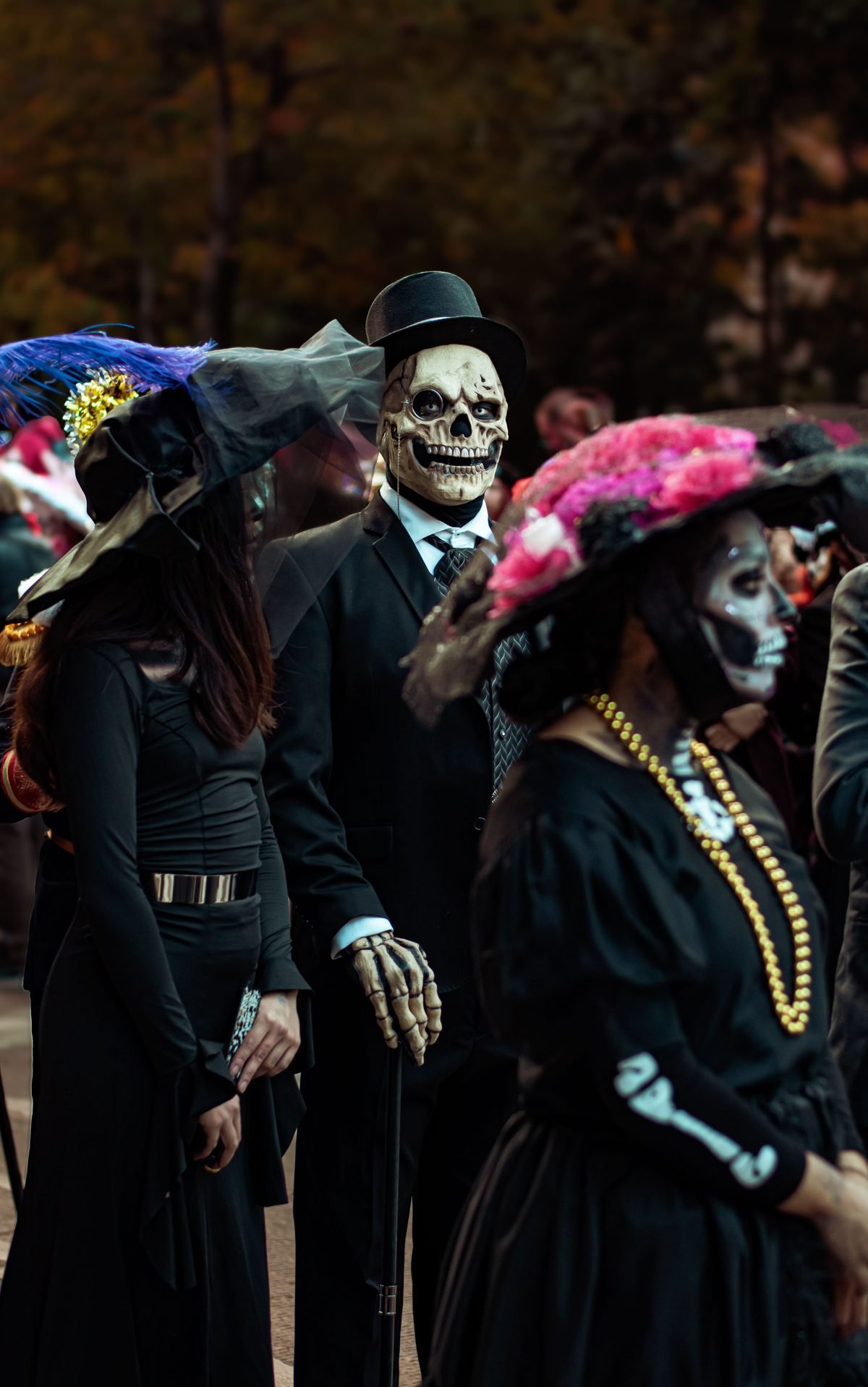
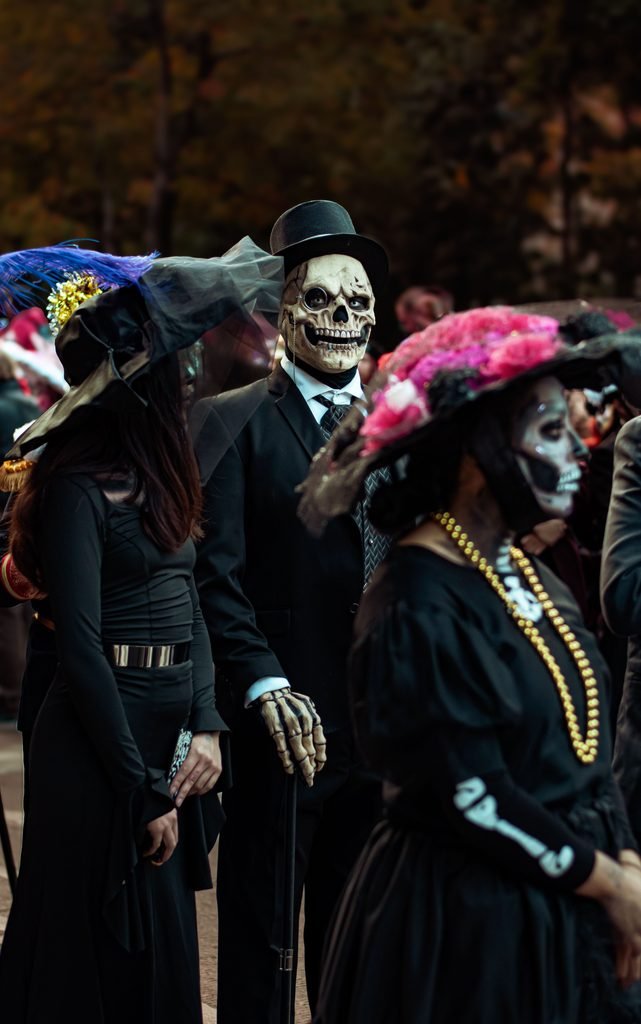
    Crowds and giant puppets at the Village Halloween Parade near boutique hotels in NYC

    Every October 31st, more than two million spectators pour into Lower Manhattan for the Village Halloween Parade — the largest Halloween celebration on earth. If you’re hunting for boutique hotels near the Village Halloween Parade, location is everything: heavy street closures and packed subway platforms make walkability the single most important factor for an easy, elevated Halloween weekend in New York City.

    This guide rounds up the best hotels near Greenwich Village Halloween Parade route — from industrial-chic SoHo landmarks to hushed Tribeca hideaways — plus everything you need to know about the 2026 parade route, timing, and booking strategy.


    What to Know About the 2026 Village Halloween Parade

    Before booking, it helps to know exactly what you’re walking into. The 2026 edition is the parade’s 53rd year, and organizers have confirmed the theme as “Body & Soul,” with giant illuminated puppets, Day of the Dead-inspired skeletons, and more than 50 marching bands.
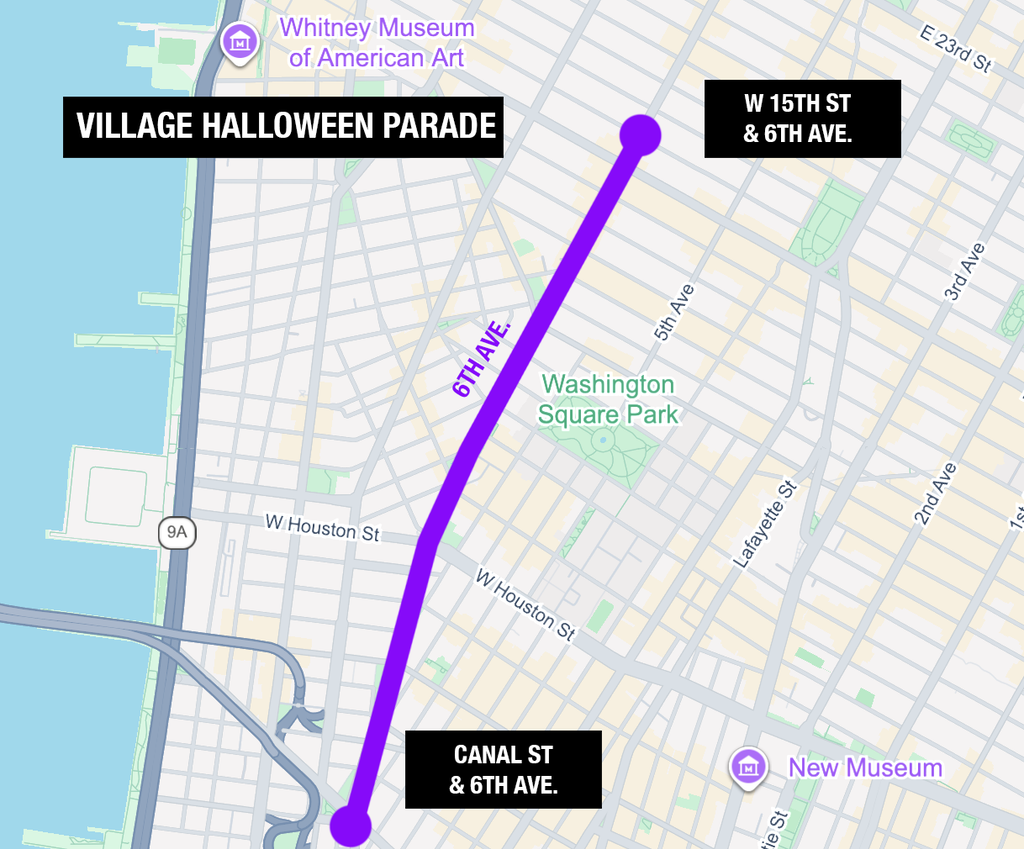
    Village Halloween Parade route map along Sixth Avenue in Greenwich Village

    Key details for October 31, 2026:

    • Start time: 7:00 PM, rain or shine
    • Route: North on Sixth Avenue from Canal Street to 15th Street
    • Best viewing spots: Along Sixth Avenue between King Street and West 15th Street (the stretch from Bleecker to 14th Street gets especially crowded)
    • To march in costume: Line up at Canal Street and Sixth Avenue between 6:30 and 9:00 PM — costumes are mandatory to enter the route

    Because Sixth Avenue effectively shuts down for hours and nearby subway stations get overwhelmed, staying at one of the boutique hotels near the Village Halloween Parade listed below means you can walk to the action instead of fighting traffic or crowded trains.


    Quick Comparison: Best Hotels Near the Parade Route

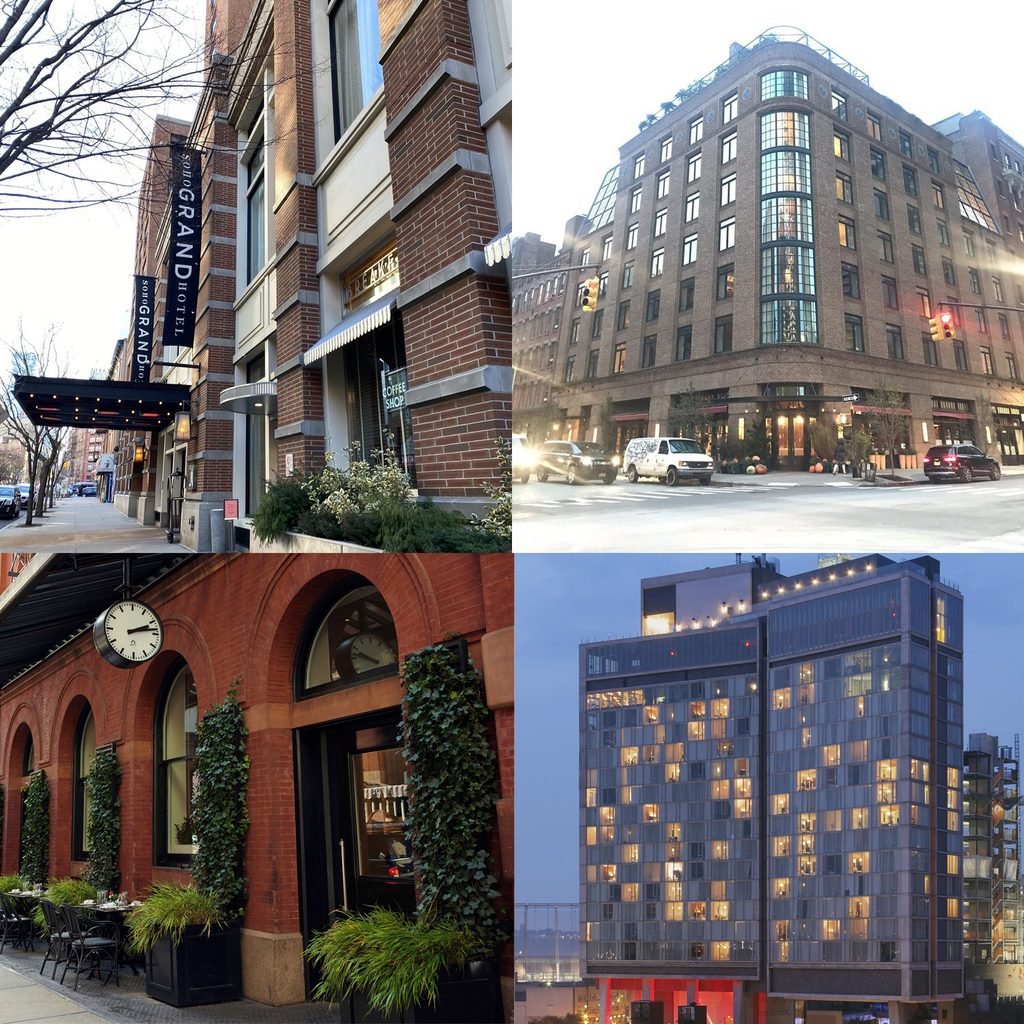
    Comparison of boutique hotels near the Village Halloween Parade in NYC
    Hotel NameNeighborhoodVibe / DesignWalk to Parade RouteEst. Nightly Rate
    SoHo Grand HotelSoHoIndustrial Chic~8 minutes$550–$950
    The Greenwich HotelTribecaArtisanal Luxury~12 minutes$850–$1,400
    The MercerSoHoLoft-Style Elegance~10 minutes$750–$1,200
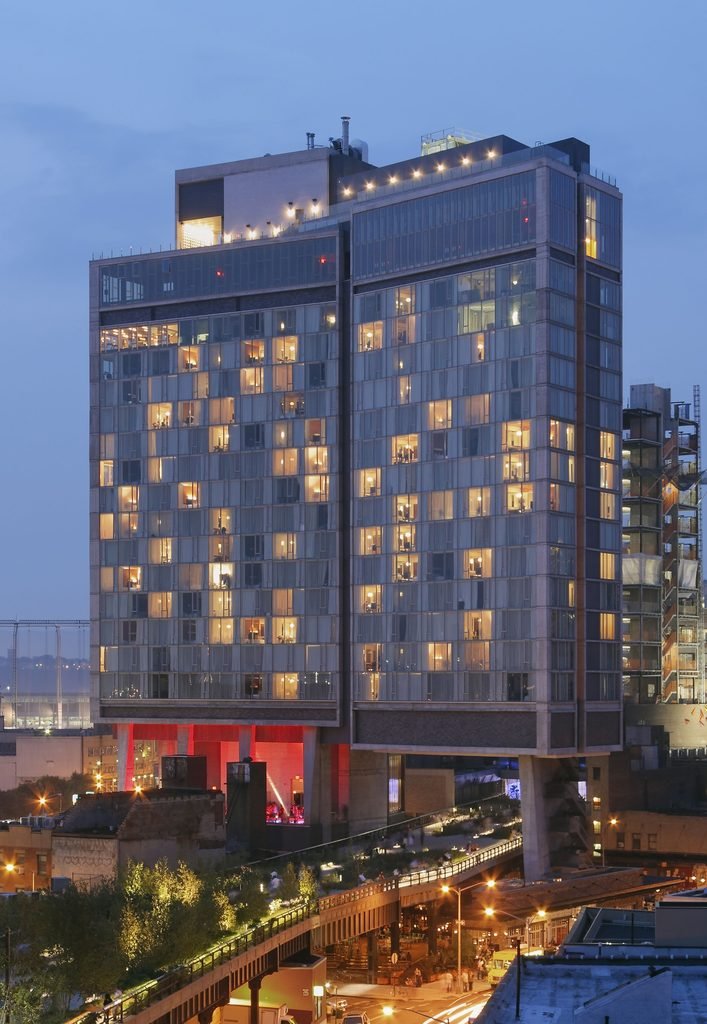
    The Standard, High LineMeatpacking DistrictModern Architectural~15 minutes$450–$800

    1. SoHo Grand Hotel — Downtown Sophistication Near the Start of the Route

    If you want one of the most convenient hotels near the Greenwich Village Halloween Parade, SoHo Grand Hotel is hard to beat. It sits at 310 West Broadway, just blocks from the parade’s Canal Street gathering point, and is known for its cast-iron industrial design, resident dog mascots, and lively Grand Bar & Lounge, which tends to fill up with costumed guests on Halloween night.

    SoHo Grand Hotel lobby, a boutique hotel near the Village Halloween Parade route
    SoHo Grand Hotel lobby, a boutique hotel near the Village Halloween Parade route
    SoHo Grand Hotel lobby, a boutique hotel near the Village Halloween Parade route
    • Location: 310 West Broadway, New York, NY 10013
    • Best for: Travelers who want nightlife and a short walk to the lineup
    • Booking tip: Upper-floor rooms offer skyline views over Downtown Manhattan — book early, since SoHo fills up fast in late October

    2. The Greenwich Hotel — Quiet Luxury Steps from Tribeca

    Co-owned by Robert De Niro, The Greenwich Hotel is the antidote to parade chaos: an 88-room hideaway with a subterranean pool, the Shibui Spa, and Italian dining at Locanda Verde. It’s a favorite pick among boutique hotels near the Village Halloween Parade for guests who want to experience the spectacle, then retreat somewhere calm and private.

    • Location: 377 Greenwich Street, New York, NY 10013
    • Best for: Luxury travelers who prefer a serene sanctuary after the crowds
    • Key feature: Individually designed rooms with hand-laid Moroccan and Mexican terracotta tile work

    3. The Mercer — Classic SoHo Loft Living

    In the heart of SoHo’s shopping district, The Mercer offers loft-style rooms with soaring ceilings and oversized windows — a design-lover’s favorite among hotels near Greenwich Village Halloween Parade routes. Its position near Sixth Avenue means a short walk gets you straight to prime viewing spots, and the neighborhood’s restaurant scene makes it easy to grab a bite before the 7 PM kickoff.

    Loft-style guest room at The Mercer Hotel in SoHo near the parade route
    Loft-style guest room at The Mercer Hotel in SoHo near the parade route
    • Location: 147 Mercer Street, New York, NY 10013
    • Best for: Design enthusiasts and foodies who want a boutique SoHo base

    4. The Standard, High Line — Meatpacking’s Party Scene

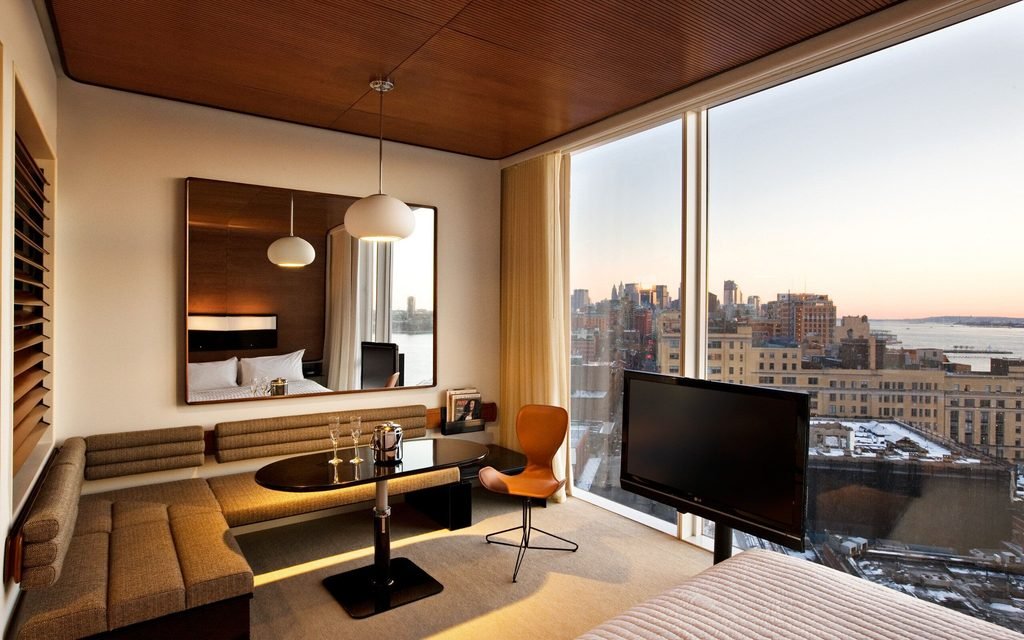
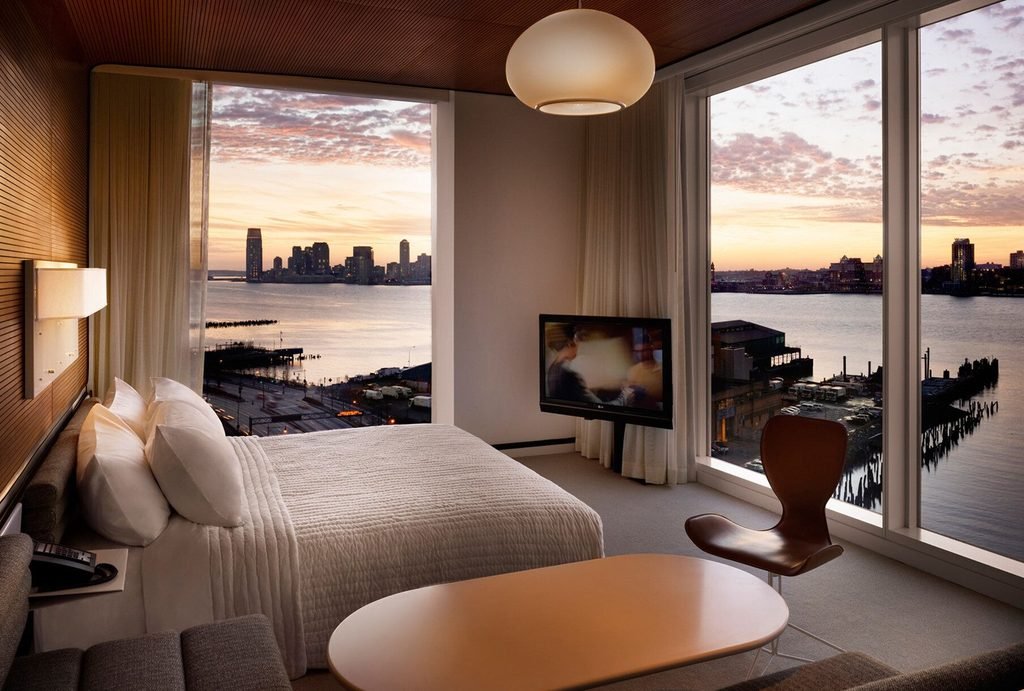
    Straddling the High Line, The Standard is known for Hudson River views and its rooftop venue, Le Bain. It’s a bit farther from the parade start but puts you close to Chelsea’s gallery scene and West Village nightlife for pre- or post-parade plans.

    The Standard High Line hotel rooftop with Hudson River views in Meatpacking District
    The Standard High Line hotel rooftop with Hudson River views in Meatpacking District
    The Standard High Line hotel rooftop with Hudson River views in Meatpacking District
    • Location: 848 Washington Street, New York, NY 10014
    • Best for: Rooftop views, late-night parties, and easy access to Chelsea

    5. Washington Square Hotel — Budget-Friendly & Steps from the Action

    For travelers who want a genuinely boutique feel without luxury-hotel pricing, the Washington Square Hotel sits directly on Washington Square Park, a short walk from the parade’s midpoint on Sixth Avenue. It’s one of the few true boutique properties actually inside Greenwich Village itself, making it a practical alternative among hotels near the Greenwich Village Halloween Parade for guests booking last-minute.

    Washington Square Hotel near Washington Square Park, walking distance to the Halloween parade
    Washington Square Hotel near Washington Square Park, walking distance to the Halloween parade
    • Location: 103 Waverly Place, New York, NY 10011
    • Best for: Budget-conscious travelers who still want a walkable, character-filled stay

    Insider Tips for Booking Your Halloween NYC Stay

    1. Book 30–60 days in advance. Availability at SoHo, Tribeca, and Greenwich Village hotels drops fast once the parade’s theme is announced each September.
    2. Plan around the road closures. Sixth Avenue closes to traffic from Canal Street to 15th Street starting in the late afternoon on October 31st — walking from a nearby hotel is far faster than a cab.
    3. Check cancellation policies. Favor bookings with free cancellation up to 48 hours out, since NYC weather and travel plans can shift quickly in late October.
    4. Skip the subway near showtime. Stations along the Sixth Avenue line get extremely congested after 6 PM — another reason walkable boutique hotels near the Village Halloween Parade are worth the premium.

    Related posts you might enjoy:

    NYC Airport Lounge Credit Cards: Centurion Lounge vs Chase Sapphire Lounge (2026 Guide)

    Which NYC airport lounge credit cards are actually worth the annual fee? We compare the Centurion Lounge vs Chase Sapphire Lounge at JFK, LaGuardia and Newark, update the 2026 access rules, and run the real numbers.

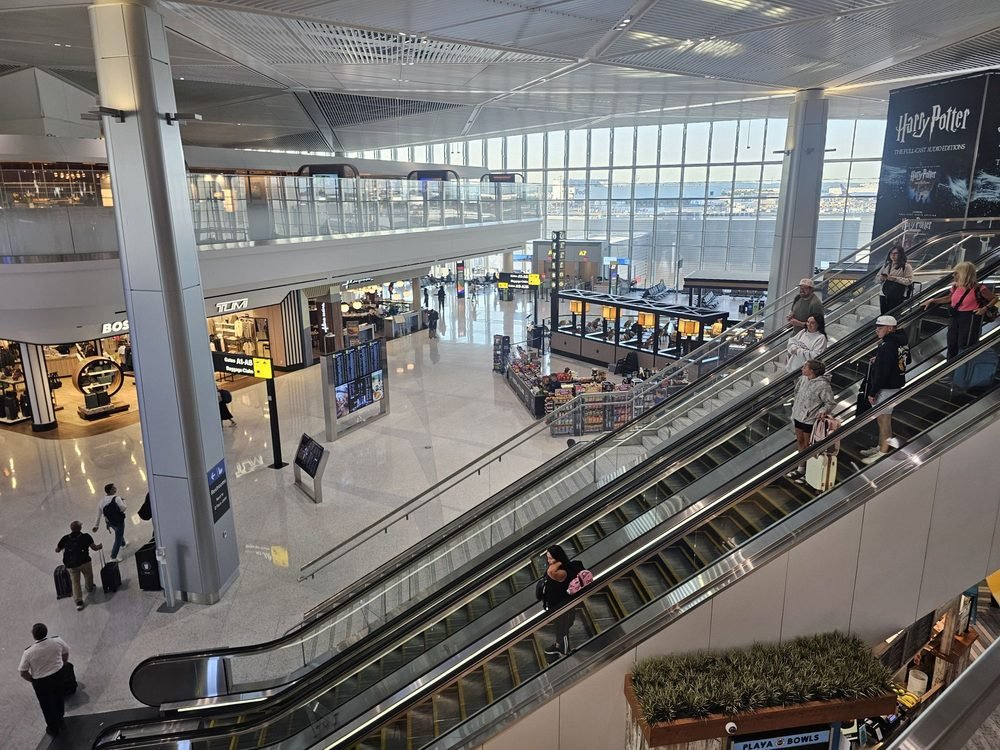
    Crowded gate area at a New York airport before boarding

    If you fly through JFK, LaGuardia or Newark often, you already know the drill: packed gates, few outlets, and a $17 sandwich. The right NYC airport lounge credit cards can turn that dead time into a hot meal, a quiet desk and a decent cocktail. The catch is that the rules keep changing, and the biggest choice is Centurion Lounge vs Chase Sapphire Lounge. This guide covers which card opens which door, what changed in 2026, and whether the annual fees pay off.

    Which NYC Airport Lounge Credit Cards Actually Get You In?

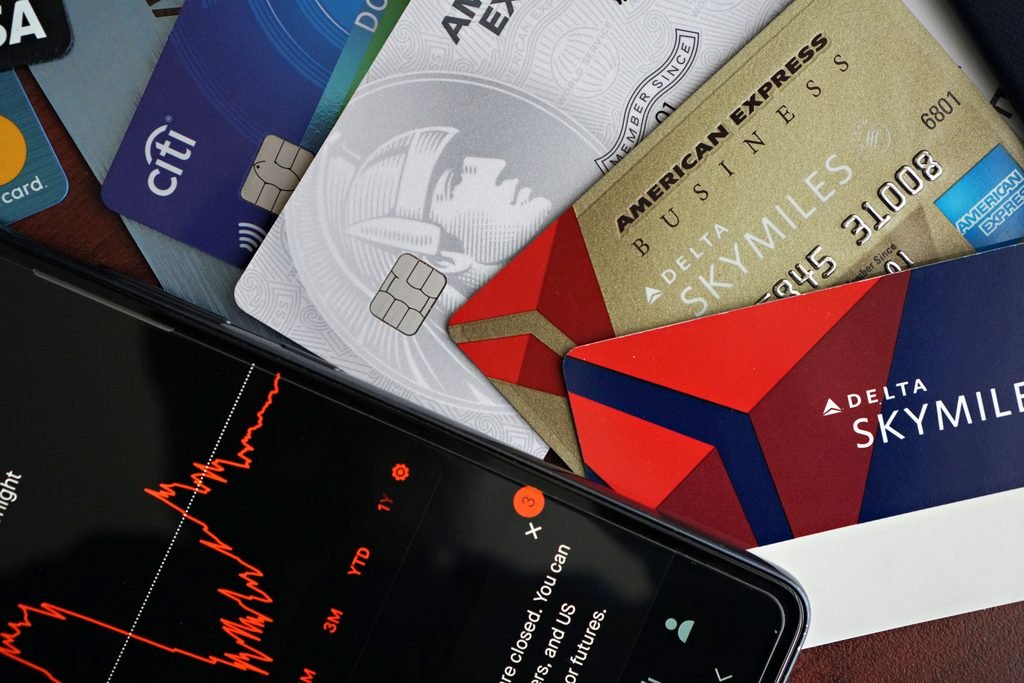
    Premium travel credit cards used for NYC airport lounge access

    Three premium cards dominate New York lounge access:

    • The Platinum Card® from American Express ($895 annual fee): Centurion Lounges, Delta Sky Club visits and a Priority Pass Select membership, all part of Amex’s Global Lounge Collection.
    • Chase Sapphire Reserve® ($795 annual fee): access to the Chase Sapphire Lounge network plus Priority Pass Select.
    • Capital One Venture X: Capital One’s own lounges, including one at JFK Terminal 4.

    Here is how the two main cards compare on the points that matter most in New York:

    FeatureAmex PlatinumChase Sapphire Reserve
    Annual fee$895$795
    NYC loungesCenturion (JFK, LGA), Delta Sky Club (JFK, LGA, EWR)Chase Sapphire Lounge (JFK, LGA)
    Free guests2, but only after $75,000 in annual spend2 per visit; extras $27 each
    Priority Pass SelectYes (enrollment required)Yes (activate through Chase)
    Delta Sky Club10 visits a year on same-day Delta flightsNot included
    Layover windowUp to 5 hoursUp to 5 hours since Aug. 15, 2026

    Centurion Lounge vs Chase Sapphire Lounge: JFK and LaGuardia Compared

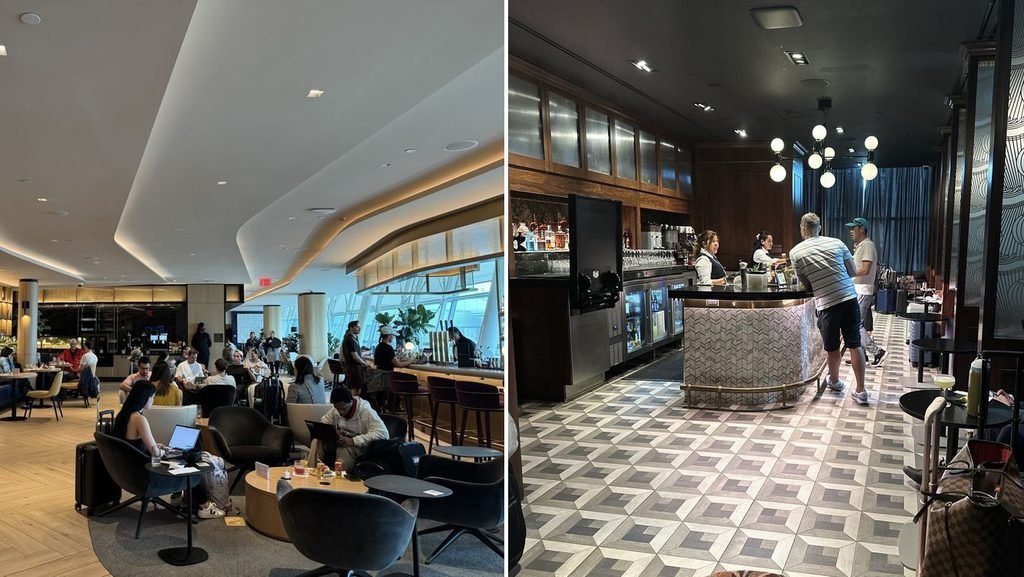
    Centurion Lounge vs Chase Sapphire Lounge interior comparison

    Terminals 4 at JFK and B at LaGuardia are the two places where you can compare the Centurion Lounge vs Chase Sapphire Lounge side by side, because the two sit right next to each other in both.

    JFK Terminal 4

    JFK Terminal 4 where Centurion and Sapphire lounges are located

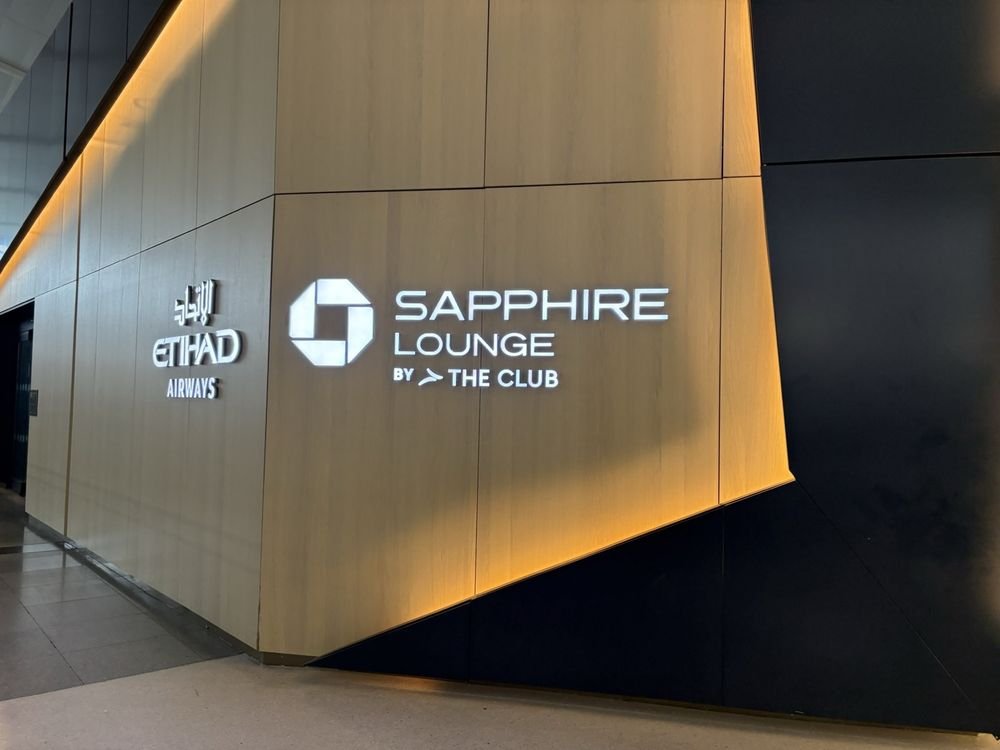
    The Chase Sapphire Lounge sits one floor up, beside the Amex lounge. It was converted from the old Etihad lounge, and reviewers like its table service and modern design, though it runs small (see Thrifty Traveler’s review). The Centurion next door has showers, a coffee-bar concept and a full bar, and is rated solid but on the smaller side (TravelUpdate).

    Both can fill up. One traveler was quoted about an hour’s wait at the Sapphire lounge on a weekday evening. Community reports suggest the late-afternoon window, roughly 4 to 7 p.m., is the worst. Terminal 4 also has a Capital One Lounge, which limits Venture X access to the cardholder alone since February 2026, with guests at $45 each (Exit Row Please).

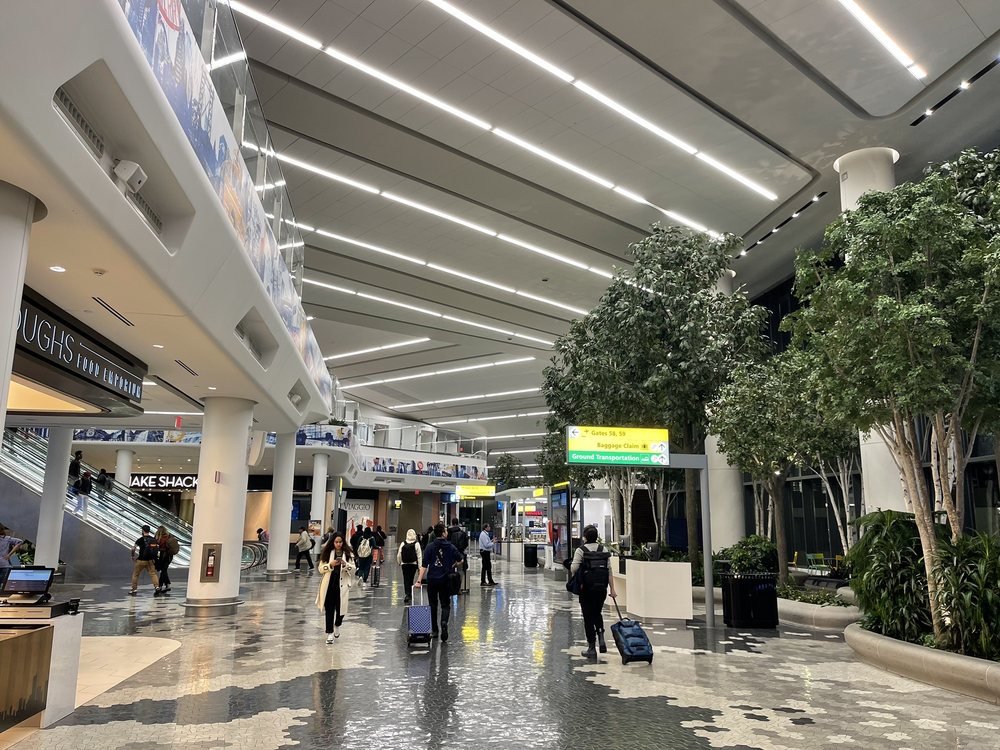
    LaGuardia Terminal B

    LaGuardia Terminal B departure hall near the lounges

    LaGuardia is where this rivalry is at its best. The Chase Sapphire Lounge is on Level 4 of Terminal B and open roughly 4:30 a.m. to 9:30 p.m. (Upgraded Points’ LGA guide). Reviewers rank it among the best domestic lounges in the U.S., with the caveat that it lacks natural light (Exit Row Please). The Centurion is a few steps away.

    Both lounges are past security in Terminal B, which serves American, Air Canada, JetBlue, Southwest and United. Terminal C, where Delta flies, is a separate building with its own Delta Sky Club, and the terminals are not connected airside.

    Which one wins? For food and a calmer room, many reviewers give a slight edge to the Chase lounges. The Centurion counters with showers and access from Amex’s wider network. If you carry both cards, check the wait times in each app and use whichever is shorter.

    Newark (EWR): What Your Card Gets You Today

    Newark Terminal A, future home of the EWR Centurion Lounge

    Newark is the weak spot. As things stand, Amex Platinum holders mainly get the Delta Sky Club in Terminal A, with 10 visits a year when flying Delta the same day (LayoverIndex). Priority Pass coverage is thin, and Chase has no lounge here.

    That should improve soon. Amex is building a roughly 17,000-square-foot Centurion Lounge in Terminal A, with a terrace facing the Manhattan skyline and a piano and jazz bar. It is listed as expected in 2026 (Centurion Lounge) and was not open at the time of writing, so confirm before you count on it.

    Do NYC Airport Lounge Credit Cards Pay for Themselves? The Real Math

    Sticker shock is real: $895 for the Platinum, $795 for the Reserve. You will see guides that add up every credit and claim a $2,500 return. That only works if you use every credit, and NerdWallet’s review points out that many credits are tied to specific brands and take effort to use.

    A fairer way to run NYC airport lounge credit cards through the numbers is to count only what you would buy anyway. The figures below are illustrative estimates, not guarantees.

    BenefitFull-use caseRealistic case
    Lounge visits (a meal and drinks is often worth $30–$60 per visit, per TopCardReviews)12 × $50 = $6006 × $40 = $240
    Hotel credit ($600, on eligible bookings)$600$300
    Digital entertainment ($300)$300$150
    Uber Cash ($200)$200$120
    Resy dining ($400)$400$200
    Airline fee credit ($200)$200$100
    Total$2,300$1,110

    Against an $895 fee, the realistic case is a small win, and only if you already spend in these categories. Lounge access alone, six visits at about $40 each, comes to only $240. The card is worth it if you fly several times a year and use the credits, and not much otherwise.

    The Chase Sapphire Reserve is simpler, since it has fewer brand-specific credits and a generous guest policy of two free guests per visit, which Chase has kept in place (The Points Guy). That makes it strong for families and couples.

    2026 Changes You Need to Know Before You Fly

    • Amex, July 8, 2026: guests must be on the same flight as the cardholder, and free guest access requires $75,000 in yearly spend. Otherwise guests pay $50 for adults and $30 for children (Upgraded Points). Layover access is now up to 5 hours.
    • Chase, August 15, 2026: Sapphire Lounges left Priority Pass and LoungeKey, so a Priority Pass card from another issuer no longer works there. Eligible Chase cardholders are unaffected (Upgraded Points).
    • Capital One, February 2026: Venture X lounge access is for the cardholder only.

    Pro Tips for Using NYC Airport Lounges

    1. Check the app before you go. Waitlists can hit an hour at JFK Terminal 4, so join the queue remotely if the lounge offers it.
    2. Set up Priority Pass early. Enrollment is required, so do it before departure day.
    3. Know the time windows. Access generally opens 3 hours before an originating flight.
    4. Match the lounge to your terminal. LaGuardia’s terminals aren’t connected airside, so don’t plan to hop between them.
    5. Carry two cards if you can. If one lounge has a queue, the other may not.

    Final Verdict

    Traveler relaxing in an airport lounge before a New York flight

    If you fly out of New York more than three or four times a year, NYC airport lounge credit cards can pay off, but only if you’re honest about which credits you’ll use. Pick the Amex Platinum if you fly Delta or want the widest lounge network. Pick the Chase Sapphire Reserve if you travel with guests and want a simpler benefit set. In the Centurion Lounge vs Chase Sapphire Lounge matchup at JFK and LaGuardia, neither is a clear winner, so use whichever line is shorter.

    Card fees, credits and lounge rules change often. Confirm current terms with the issuer before you apply. This post is for information only and is not financial advice.

    Related posts you might enjoy:

    Glamorous Hotel Bars NYC: 5 Manhattan Hotel Lounges Worth Dressing Up For

    ou don’t need a suite to enjoy peak New York luxury. This guide to the most glamorous hotel bars NYC has to offer rounds up five Manhattan hotel lounges, from a mural-covered Upper East Side classic to a 64th-floor skyline terrace, plus reservation and dress code tips.

    You don’t need a multi-thousand-dollar room to taste New York luxury. Some of the glamorous hotel bars NYC is known for are open to anyone with a reservation, a good outfit, and a little patience. This guide covers five of the best Manhattan hotel lounges (plus one Grand Central legend), with the details that matter before you go: what each room feels like, what to order, and how to get in.

    Why Manhattan Hotel Lounges Are Worth Dressing Up For

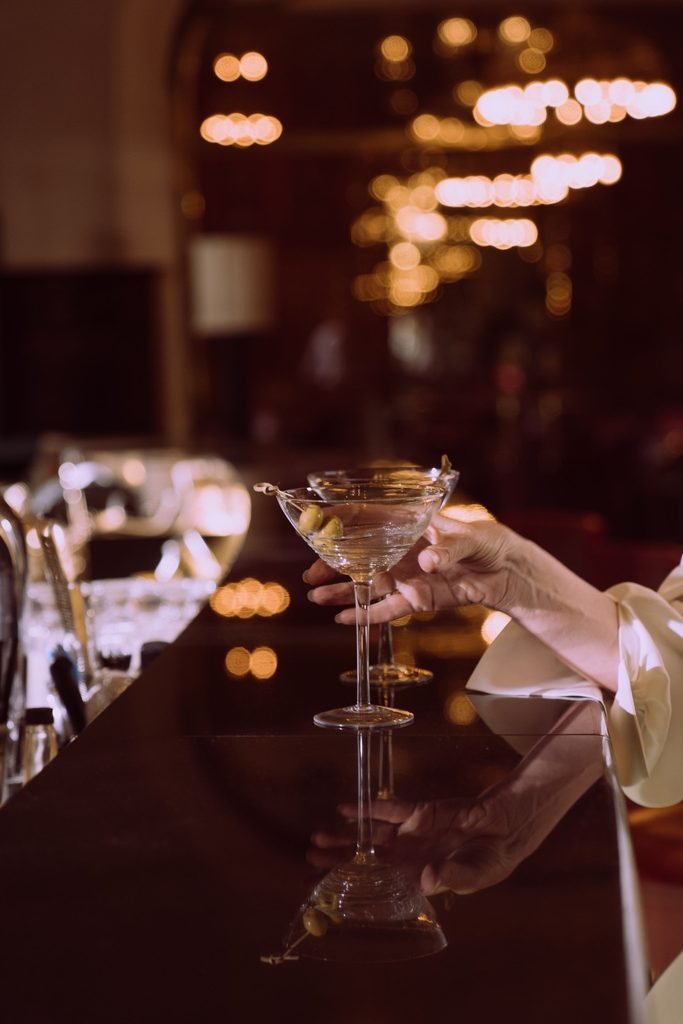
    Martini served in a crystal glass at a Manhattan hotel lounge

    Hotel bars have always been where New York’s travelers, fashion crowd, and regulars mix. The best ones pair real architecture with serious drinks. You’ll find hand-painted murals, a Victorian skylight, and terraces perched hundreds of feet above the street. They also tend to be more forgiving than a tasting-menu restaurant: you can stay for one martini and still feel like you’ve had an occasion.

    A quick note on the list. Four of these venues are inside hotels. The fifth, The Campbell, sits in Grand Central Terminal. It earns its place because it delivers the same old-world glamour.

    The 5 Most Glamorous Hotel Bars NYC Has to Offer

    1. Bemelmans Bar at The Carlyle: Classic Upper East Side Glamour

    Ludwig Bemelmans hand-painted Central Park murals inside Bemelmans Bar at The Carlyle

    Bemelmans Bar is inside The Carlyle, A Rosewood Hotel, at 35 East 76th Street. The room has chocolate-brown leather banquettes, a black granite bar, a gold-leaf ceiling, and murals of Central Park by Madeline creator Ludwig Bemelmans, said to be the only surviving Bemelmans commission open to the public. There are only about 69 seats.

    What to order: the martini. It arrives half in the glass and half in an iced sidecar, with chilled garnishes.

    Insider tip: Most of the room is actually for walk-ins, not reservations. Waits can reach 1.5 to 2 hours at peak times, especially when live music starts at 5:30 p.m. and 9 p.m. Arriving on a weekday afternoon before the music begins gives you the best odds. Budget for a cover charge too: roughly $10 per person once the pianist starts, and $15–$35 when the jazz trio plays. You can also check the bar’s official page at Rosewood Hotels for current details, or read Resy’s guide to getting into Bemelmans Bar.
    2. The Bar Room at The Beekman: Victorian Grandeur Downtown

    Nine-story Victorian atrium skylight above The Bar Room at The Beekman

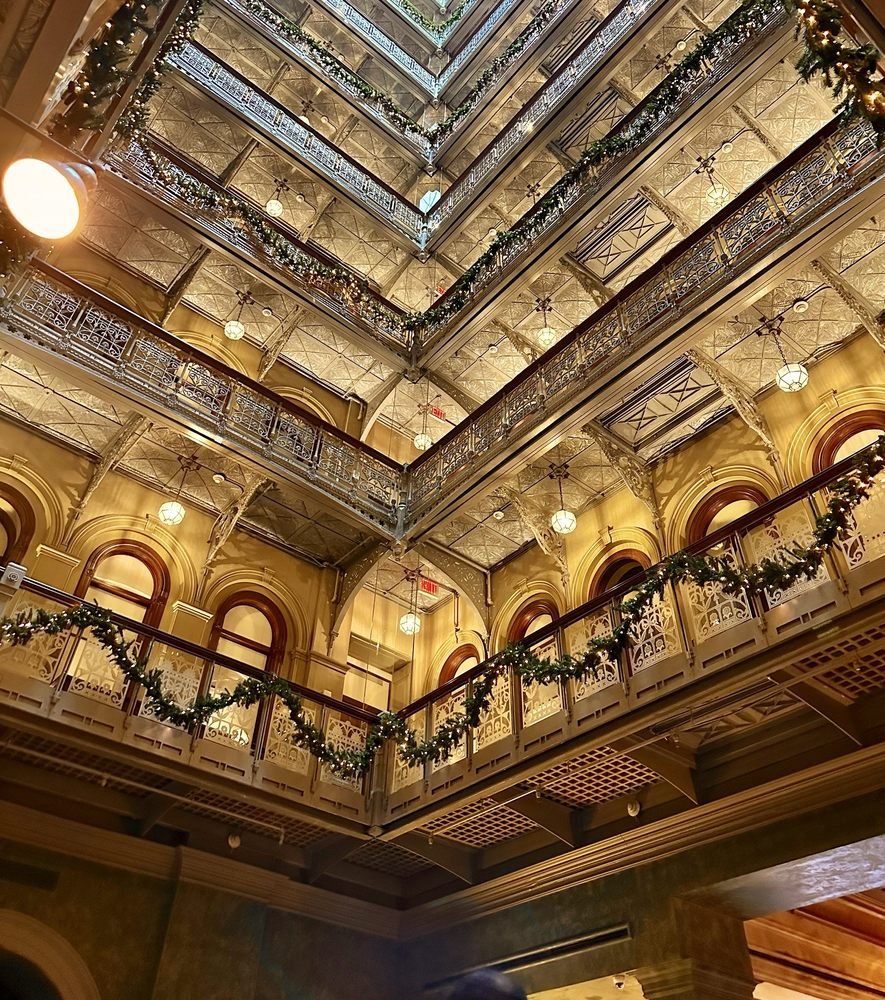
    Few Manhattan hotel lounges can match this ceiling. The Bar Room sits under a nine-story Victorian-era atrium in an 1881 landmark building, with jewel-toned furnishings and food from chef Tom Colicchio. The 2016 restoration, designed by Martin Brudnizki, added burgundy leather, teal stools, vintage rugs, and high bookshelves for a Gilded Age, literary feel.

    What to order: Oysters on the half shell, caramelized onion dip, or the signature wagyu burger alongside a seasonal cocktail. On weekends, brunch is served with live jazz on Saturdays and Sundays.

    Insider tip: This is the most relaxed room on the list, good for late-afternoon drinks or a business meeting that turns into dinner at Temple Court next door. If the night keeps going, the hotel also has a cellar-level cocktail lounge and nightclub called Laissez Faire. Explore more on The Beekman’s dining page.

    3. Nubeluz at The Ritz-Carlton NoMad: A Jewel Box in the Sky

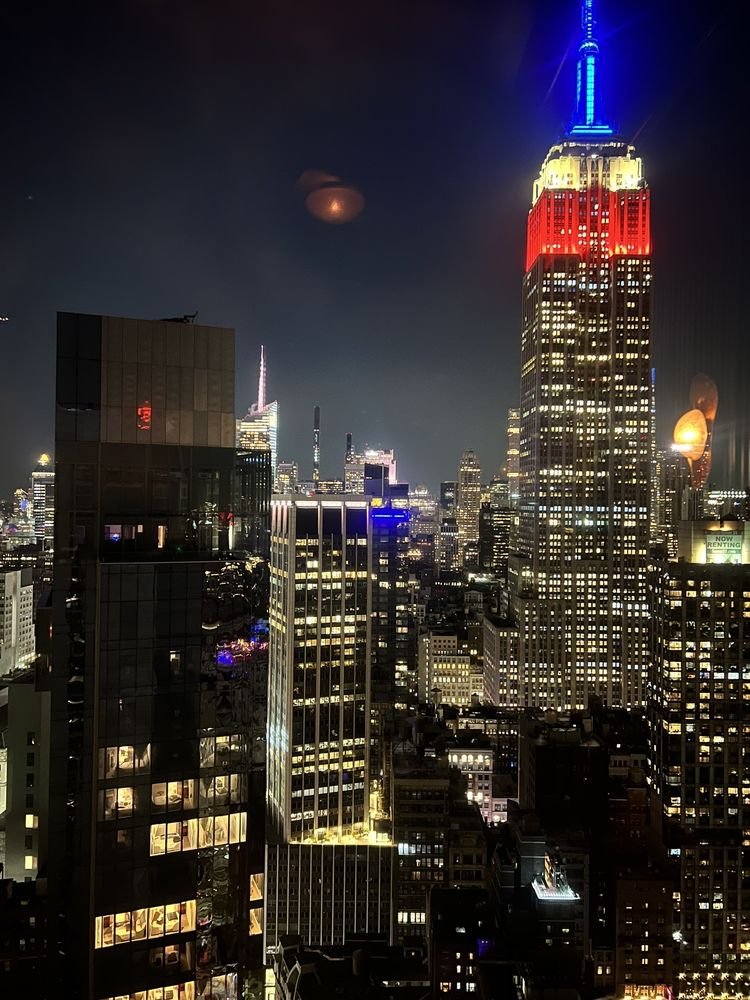
    Empire State Building view from the Nubeluz terrace in NoMad

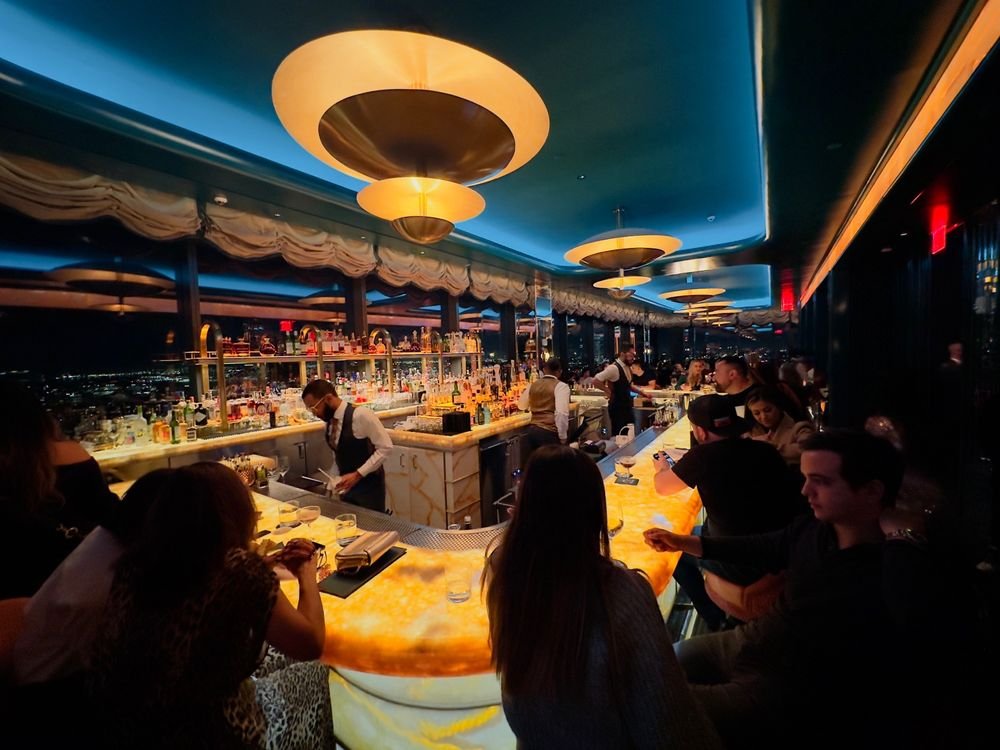
    Nubeluz is one of the most photogenic, glamorous hotel bars NYC has added in recent years. It sits on the 50th floor, about 500 feet above NoMad, with 270-degree views, two outdoor terraces, and interiors by Martin Brudnizki Design Studio featuring mirrors, shimmering textiles, and onyx bar tops. The name blends the Spanish words for cloud and light. It’s a José Andrés venue, so expect a food program to match: oysters, caviar service, and other bar bites alongside classic-inspired cocktails.

    Insider tip: Book ahead through OpenTable and read the dress code first. Athletic wear, baseball hats, flip-flops, clogs, and shorts are not allowed. Step onto the terrace for a skyline shot of the Empire State Building. See the venue’s own site, Nubeluz by José Andrés, for current hours.

    4. Overstory: The Financial District’s Sky-High Cocktail Bar

    Overstory cocktail bar terrace on the 64th floor of 70 Pine Street

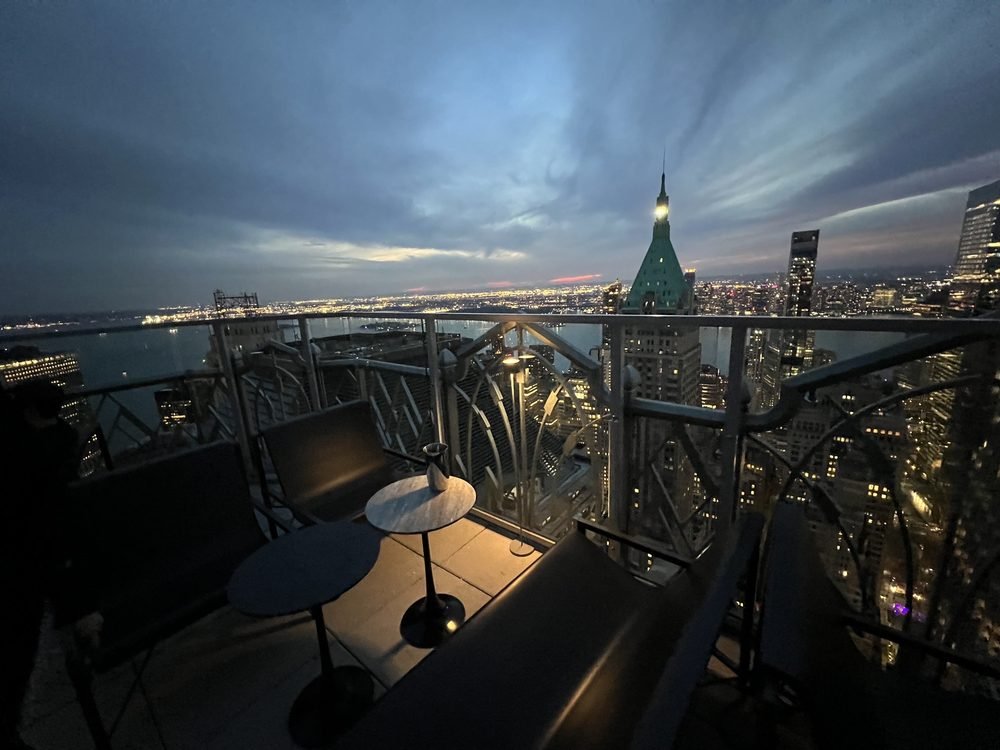
    Overstory is the top-floor sibling of the two-Michelin-star restaurant Saga. It occupies the 64th floor of 70 Pine Street, ringed by a terrace with 360-degree skyline views, and guests reach it via a dedicated elevator and a travertine stairwell. The building is a landmark Art Deco tower; you can read its history on Wikipedia’s 70 Pine Street page. The bar has also earned a spot on The World’s 50 Best Bars list, which credits it with a top-three ranking in 2023.

    Insider tip: Skip the myth that you must book weeks ahead. Most seating is held for walk-ins, though reserved tables carry a $75 per-person minimum spend. Walk-in parties larger than six are not accommodated. Check Overstory on Resy for reservation availability and hours on the official Overstory site.

    5. The Campbell: A Grand Central Time Capsule

    Painted ceiling and stone fireplace inside The Campbell at Grand Central

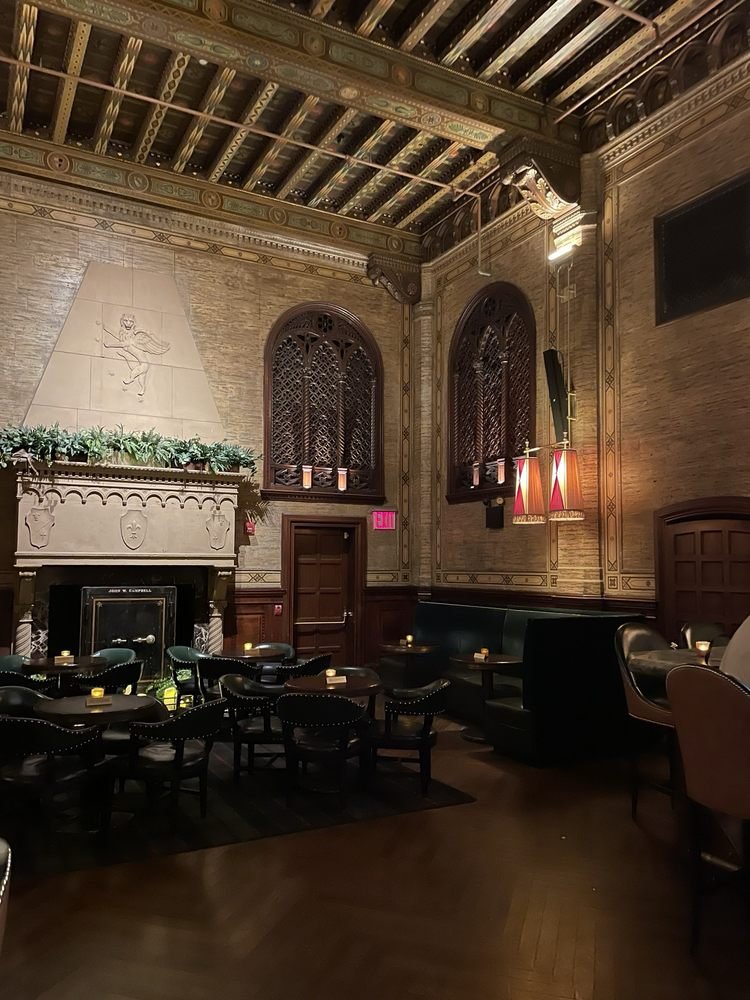
    The Campbell is technically a terminal bar rather than a hotel lounge, but it belongs in any conversation about Manhattan hotel lounges because of its Jazz Age setting. The space was converted by financier John W. Campbell into a private office and reception hall in 1923, and it keeps its 25-foot hand-painted ceilings and grand stone fireplace. It reopened under the name The Campbell in 2017 and has appeared in Gossip Girl.

    Insider tip: It’s open daily from noon to 2 a.m., with a smart casual to business professional dress code. Shorts, flip-flops, and athletic wear aren’t allowed during dinner service, and guests under 21 are welcome until 9 p.m. It’s a natural stop before a show or after a train ride; details live on The Campbell’s website.

    Manhattan Hotel Lounges at a Glance

    VenueNeighborhoodHighlightReservation StyleVibe
    Bemelmans BarUpper East SideMurals, live piano and jazzMostly walk-in, expect a lineOld-school elegant
    The Bar RoomFinancial DistrictNine-story atriumEasy for most visitsRelaxed, business casual
    NubeluzNoMad270° views, terracesReservations recommendedUpscale chic
    OverstoryFinancial District64th-floor terraceWalk-ins plus Resy ($75 minimum)Sophisticated casual
    The CampbellMidtown (Grand Central)1920s office, fireplaceReservations recommended for eveningsSmart casual

    How to Visit Glamorous Hotel Bars NYC Like a Local

    • Know each bar’s booking rules. They vary widely. Bemelmans and Overstory lean on walk-ins, while Nubeluz is easiest with a reservation.
    • Dress the part. Even though New York has relaxed overall, most of these rooms still ban athletic wear and flip-flops.
    • Go early. Weekday late afternoons mean shorter lines, more attentive service, and a better look at the architecture.
    • Plan for the bill. Cocktails at this level often start around $20, and covers or minimums can add to it.
    • Pair bars. Overstory and Temple Court are both Lower Manhattan, so a downtown crawl works well. Add a Midtown stop at The Campbell.

    FAQ

    Which Manhattan hotel lounge has the best views?
    Overstory (64th floor) and Nubeluz (50th floor) are the top picks, each with terraces overlooking the skyline.

    Are these glamorous hotel bars in NYC open to non-guests?
    Yes. Anyone can visit, though reservations, covers, or minimum spends may apply.

    What’s the easiest one to get into?
    The Bar Room at The Beekman is generally the most relaxed. Bemelmans is the hardest at peak hours.

    Best Luxury Neighborhoods in Manhattan and Brooklyn: A 2026 Guide to High-End NYC Living

    Looking for the best luxury neighborhoods in Manhattan and Brooklyn? This 2026 guide breaks down pricing, lifestyle, and market data for the five most sought-after high-end NYC neighborhoods, from West Village to DUMBO.

    best luxury neighborhoods in Manhattan and Brooklyn skyline

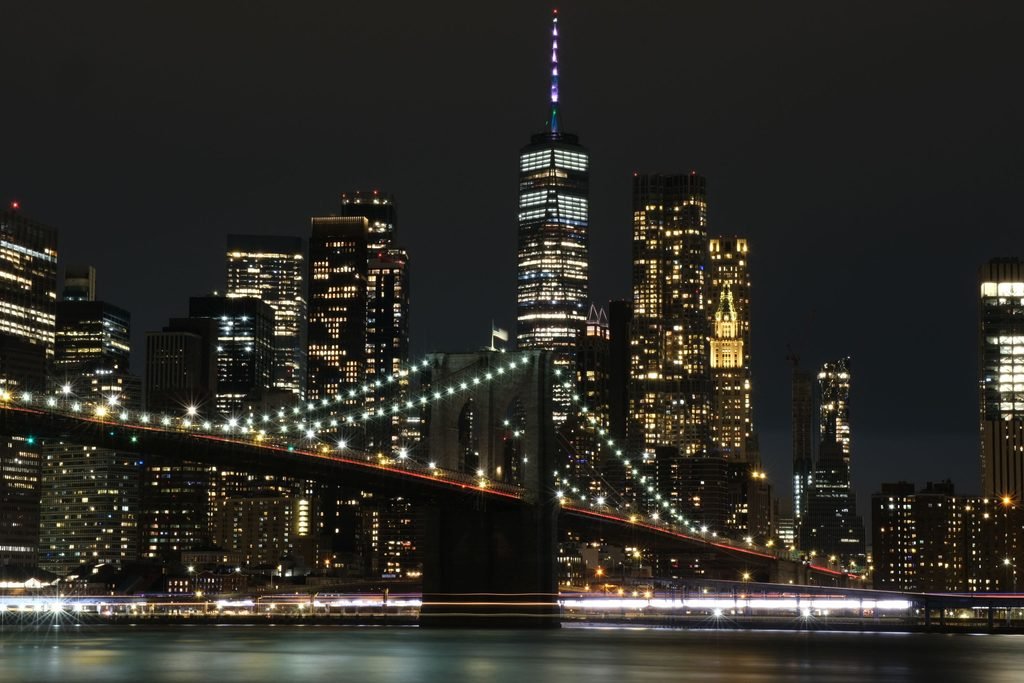
    Before diving into individual neighborhoods, it helps to understand the broader context. Despite affordability concerns dominating headlines after the 2025 mayoral election, the top end of the New York market has kept moving. Brokers report that Manhattan’s luxury tier — generally properties above $4 million — continued to drive both sales volume and price gains into 2026, even as the broader co-op market cooled (The Real Deal). Manhattan luxury inventory actually tightened by double digits year-over-year, which has kept upward pressure on pricing at the high end (Purllow 2026 NYC Luxury Report).

    Buyer behavior is also shifting. According to Sotheby’s International Realty’s 2026 Luxury Outlook, wealthy buyers are prioritizing privacy and multi-generational flexibility, with a growing share of purchases made by buyers planning to house extended family under one roof (Bloomberg). In practice, that means more demand for full-floor units, private elevators, and multiple bedroom configurations — all things you’ll find concentrated in the neighborhoods below.

    With that backdrop, here are the top five best luxury neighborhoods in Manhattan and Brooklyn for 2026.

    1. West Village: Historic Charm Meets Unmatched Luxury

    West Village brownstone street NYC luxury neighborhood

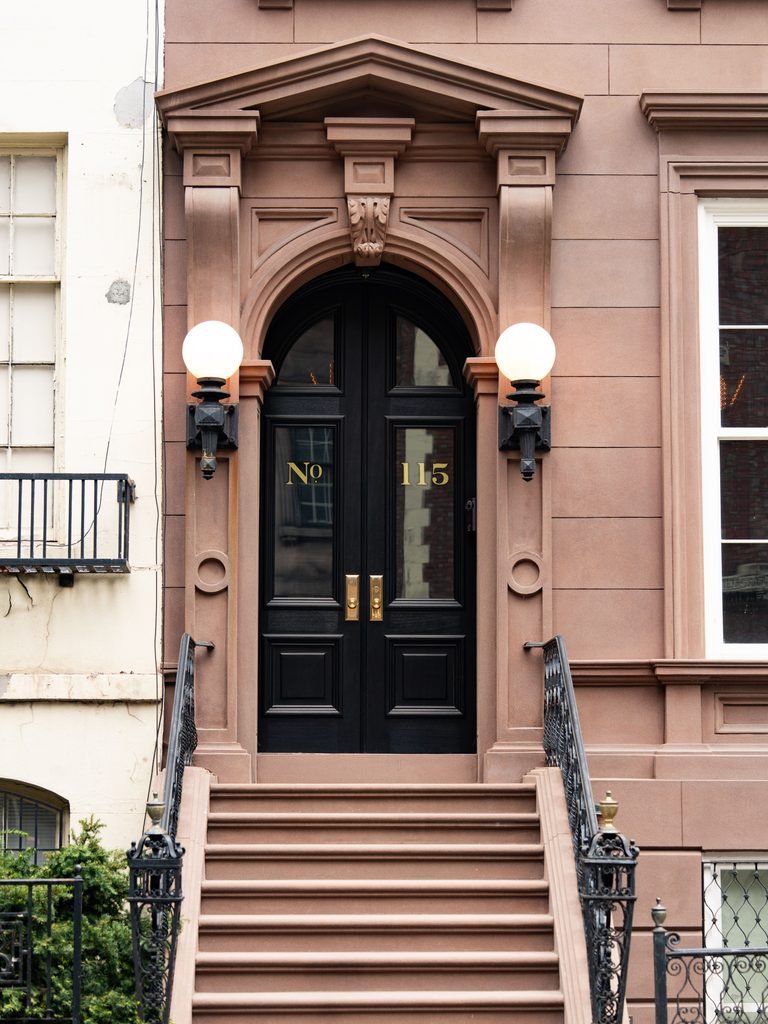
    The West Village remains the undisputed crown jewel of Manhattan residential real estate. Known for its tree-lined cobblestone streets, intimate cafes, and historic brownstones, this neighborhood offers a relaxed, small-town atmosphere right in the heart of Lower Manhattan.

    Vibe & Lifestyle: Quiet, artistic, and endlessly fashionable. Home to boutique designer shops, Michelin-starred bistros, and picturesque residential blocks.

    Real Estate Snapshot: Extremely tight inventory and high demand keep valuations resilient. Pre-war townhouses and meticulously restored condo conversions dominate the market.

    Market Outlook: Expect average rental prices around $5,500–$8,500/month for a one-bedroom, with luxury townhouse sales frequently exceeding $15 million to $30+ million.

    2. SoHo: High-Fashion Epicenter and Iconic Loft Living

    SoHo cast iron loft luxury real estate NYC

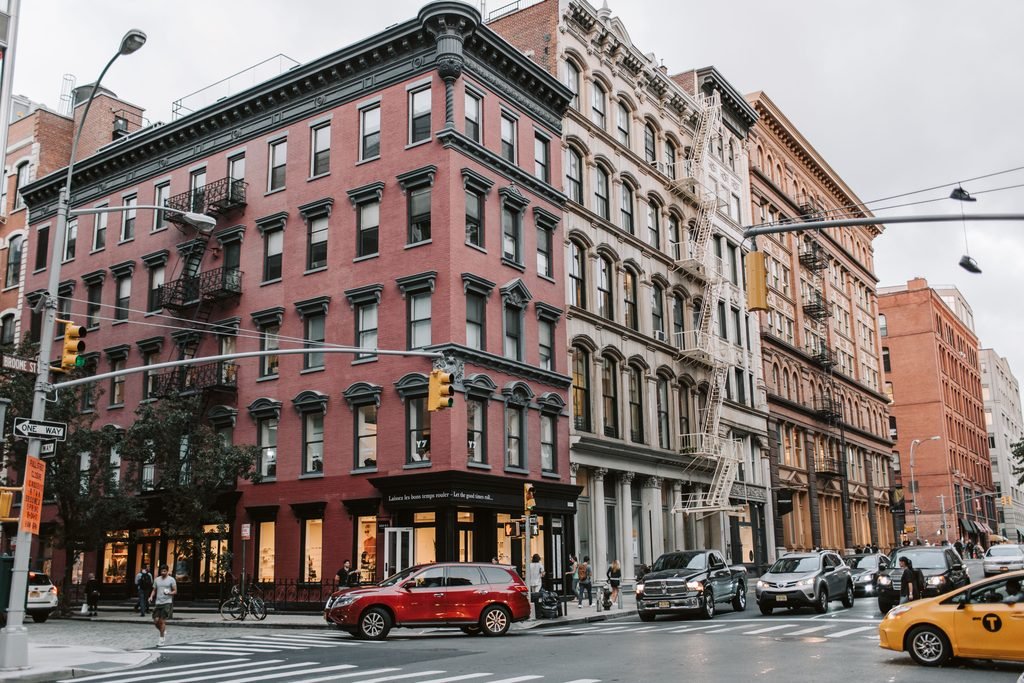
    South of Houston Street, SoHo is globally renowned for its iconic cast-iron architecture, high-fashion flagship stores, and expansive artist-style lofts. It’s the ideal neighborhood for residents who thrive in an energetic, style-forward urban setting.

    Vibe & Lifestyle: Trendy, fast-paced, and cosmopolitan, with world-class shopping, contemporary art galleries, and premier dining right outside your door.

    Real Estate Snapshot: Soaring ceilings, oversized historic windows, and custom open-concept interiors define the housing stock. High-end loft conversions and boutique luxury condominiums are highly coveted.

    Market Outlook: High-end two-bedroom lofts range between $8,000–$14,000/month for lease, while median sales prices hover around $3,000–$3,500 per square foot. SoHo has also seen some standout trades in 2026, including penthouse sales in the eight-figure range, reinforcing its status as one of the more resilient high-end NYC neighborhoods 2026 has produced (Engineers and Architects of America market update).

    3. Tribeca: Exclusive, Quiet Luxury for High-Net-Worth Residents

    Tribeca luxury condo quiet street Manhattan

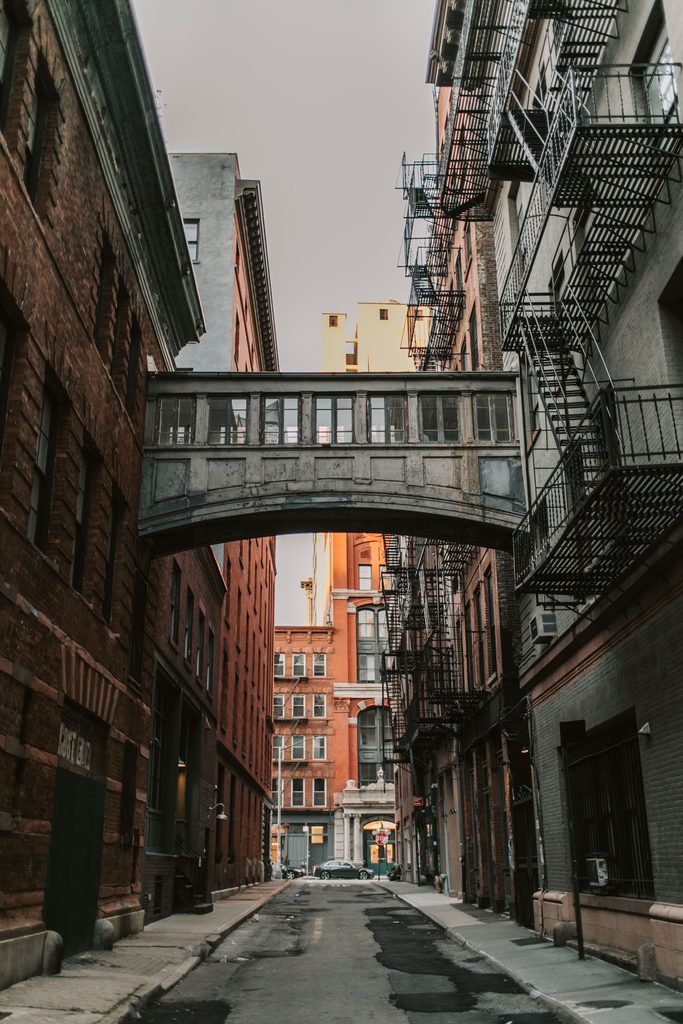
    For those prioritizing privacy, space, and understated sophistication, Tribeca stands unmatched. Historically an industrial warehouse district, Tribeca has transformed into Manhattan’s most exclusive residential enclave, popular among executives, celebrities, and families.

    Vibe & Lifestyle: Discreet, polished, and serene. Quiet cobblestone streets host world-renowned restaurants, private members’ clubs, and top-tier private schools.

    Real Estate Snapshot: Doorman luxury condominiums, full-floor penthouses, and converted historic warehouses with private elevator access are the neighborhood’s signature.

    Market Outlook: Median sales prices regularly exceed $4.5 million, with luxury rentals averaging $9,000–$18,000/month for multi-bedroom residences. Tribeca’s inventory of full-floor and multi-bedroom layouts aligns closely with the growing buyer preference for multi-generational living noted in Sotheby’s 2026 outlook.

    4. DUMBO, Brooklyn: Waterfront Views and Industrial-Chic Design

    DUMBO Brooklyn waterfront view high-end NYC neighborhood

    Just across the East River, DUMBO (Down Under the Manhattan Bridge Overpass) offers one of the most dynamic luxury markets in NYC. Boasting unmatched views of the Manhattan skyline and Brooklyn Bridge Park, DUMBO blends historic cobblestone charm with cutting-edge modern development.

    Vibe & Lifestyle: Tech-forward, creative, and scenic, with excellent waterfront green spaces, artisan coffee shops, and design-focused boutiques.

    Real Estate Snapshot: Luxury high-rise condominiums with full amenity packages (concierge, private gyms, rooftop decks) sit alongside converted timber-and-brick industrial lofts.

    Market Outlook: One-bedroom luxury condos start around $1.3 million–$2.2 million, with rents ranging from $4,800–$7,500/month. Interestingly, industry data shows the luxury price threshold in Brooklyn neighborhoods like DUMBO sits closer to $2 million — noticeably lower than Manhattan’s $4 million-plus threshold — which is part of why more buyers priced out of Manhattan are turning to Brooklyn’s waterfront for comparable square footage (Purllow 2026 NYC Luxury Report).

    5. Chelsea: Art, High Line Access, and Architectural Landmarks

    Chelsea High Line luxury real estate Manhattan

    Chelsea seamlessly bridges classic Manhattan character with modern architectural innovation. Stretching from the Hudson River toward Midtown, it’s celebrated for the High Line park, the West Chelsea art district, and world-class architecture designed by starchitects like Zaha Hadid and Frank Gehry.

    Vibe & Lifestyle: Culturally rich, active, and highly walkable, with convenient access to Hudson River Park, Chelsea Market, and more than 200 art galleries.

    Real Estate Snapshot: Diverse options range from classic pre-war co-ops and brownstones to ultra-modern glass tower condominiums along the High Line corridor.

    Market Outlook: Average one-bedroom rents range from $4,500–$6,500/month, while new construction condo sales average $2,200–$2,800 per square foot.

    NYC Luxury Real Estate Market Comparison (2026 Snapshot)

    NeighborhoodPrimary Property TypeAvg. 1-Bed Rent (Monthly)Median Sales Price / Sq. Ft.Primary Appeal
    West VillageBrownstones & Pre-war Condos$5,500 – $8,500$2,400+Historic charm, privacy
    SoHoCast-Iron Lofts & Luxury Condos$6,000 – $9,500$3,000+Fashion, dining, architecture
    TribecaConverted Warehouses & High-Rise$7,000 – $12,000$2,800+Privacy, space, prestige
    DUMBOIndustrial Lofts & Modern Condos$4,800 – $7,500$1,800+Skyline views, waterfront
    ChelseaStarchitect Condos & Co-ops$4,500 – $6,500$2,200+Arts, High Line, central location

    What’s Driving Demand Across These High-End NYC Neighborhoods in 2026

    A few forces are shaping this year’s market and are worth keeping in mind as you compare the best luxury neighborhoods in Manhattan and Brooklyn:

    • Constrained trophy inventory. True trophy properties — prewar penthouses, full-floor residences, townhouses — represent only a small slice of total listings, so when one comes to market, competition among qualified buyers is intense.
    • International capital. Buyers from the Middle East, Asia, and Europe continue to treat Manhattan real estate as a stable long-term store of value, regardless of currency fluctuations.
    • A widening city-vs-borough price gap. Brooklyn’s luxury threshold sits meaningfully below Manhattan’s, which is pushing more affluent buyers toward neighborhoods like DUMBO and Brooklyn Heights for better value per square foot.
    • Policy-driven caution at the very top. Anti-wealth political rhetoric following the 2025 mayoral race and an ongoing pied-à-terre tax debate have made some ultra-high-net-worth buyers more selective about eight-figure trophy purchases, even as the broader luxury tier keeps performing well (CooperatorNews).

    Tips for Buyers and Renters Exploring High-End NYC Neighborhoods in 2026

    • Move fast on well-priced listings. Turnkey properties in tight-inventory neighborhoods like the West Village and Tribeca tend to go under contract quickly, while overpriced listings can sit for 90+ days — data worth tracking if you’re negotiating.
    • Compare Manhattan and Brooklyn side by side. If West Village or Tribeca pricing feels out of reach, DUMBO and nearby Brooklyn Heights offer a comparable luxury lifestyle at a noticeably lower per-square-foot cost.
    • Factor in co-op vs. condo dynamics. Co-op board approval requirements can add time and complexity in neighborhoods like Chelsea and the West Village, so build that timeline into your search from the start.
    • Work with a specialist. An experienced Manhattan or Brooklyn real estate agent is essential for accessing off-market listings, navigating co-op board approvals, and structuring high-yield investment purchases in this micro-market-driven landscape.

    Final Thoughts

    Navigating New York City’s real estate landscape in 2026 requires weighing both investment performance and lifestyle fit. Whether you choose the timeless residential feel of the West Village, the discreet prestige of Tribeca, or the sleek waterfront modernity of DUMBO, each of these high-end NYC neighborhoods offers a distinct version of the New York luxury lifestyle. The right fit ultimately comes down to how you want to live day to day — and working with an experienced local agent will help you get there with the least friction.

    Thinking about buying or renting in one of these neighborhoods? Reach out to a local luxury real estate specialist to get access to off-market listings before they hit the public market.

    Related posts you might enjoy:

    Luxury Corporate Housing NYC: The 2026 Guide to Extended Stay Serviced Apartments in Manhattan

    Thinking beyond the hotel room for your next NYC assignment? This guide breaks down luxury corporate housing NYC options and extended stay serviced apartments Manhattan travelers actually book — from AKA and Blueground to the legal fine print of Local Law 18 — so you can land a compliant, comfortable home base for weeks or months in the city.

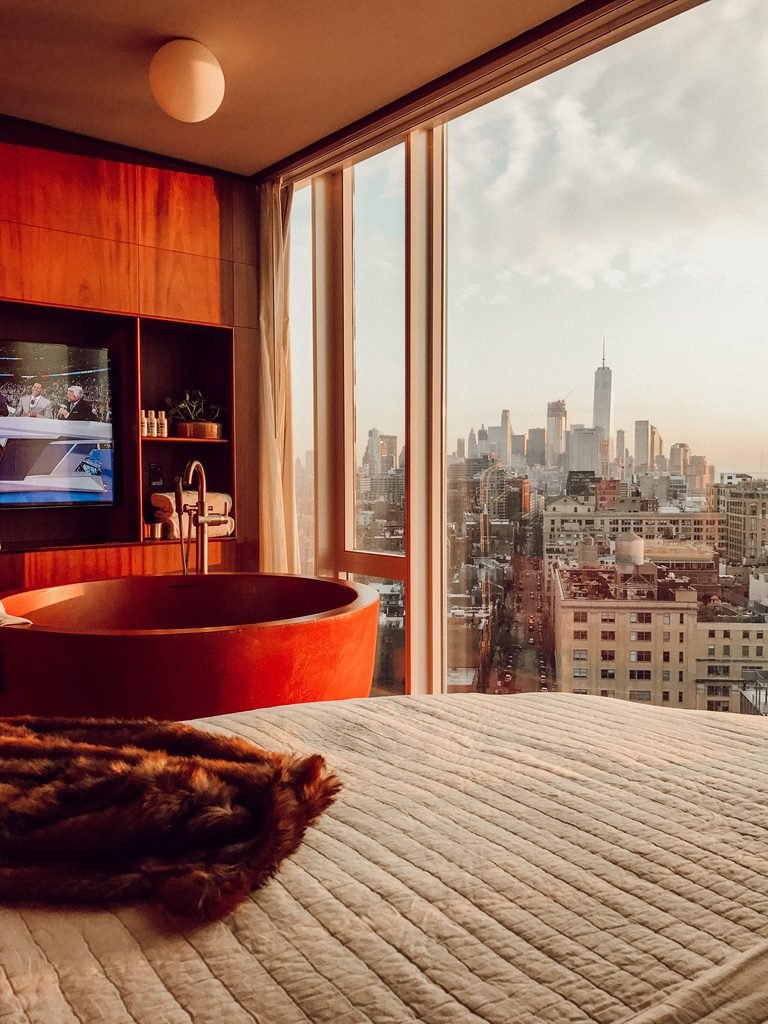
    luxury corporate housing NYC skyline view

    Planning a long-term business trip, an executive relocation, or a one-month-plus stay in New York City? A few nights at a five-star hotel feels great — but weeks or months of room service, cramped closets, and $18 breakfasts wear thin fast.

    That’s why more executives, relocating employees, and digital nomads are booking luxury corporate housing NYC providers instead. These properties combine the space and privacy of a high-end residential apartment with the service standards of a boutique hotel, and they’ve become the default choice for anyone whose New York stay runs past the 30-day mark.

    Below is an insider’s guide to finding the right extended stay serviced apartments Manhattan has to offer, including the top brands, the neighborhoods worth targeting, real cost comparisons, and the legal details that catch first-time renters off guard.

    Why Choose Luxury Corporate Housing NYC Over a Hotel?

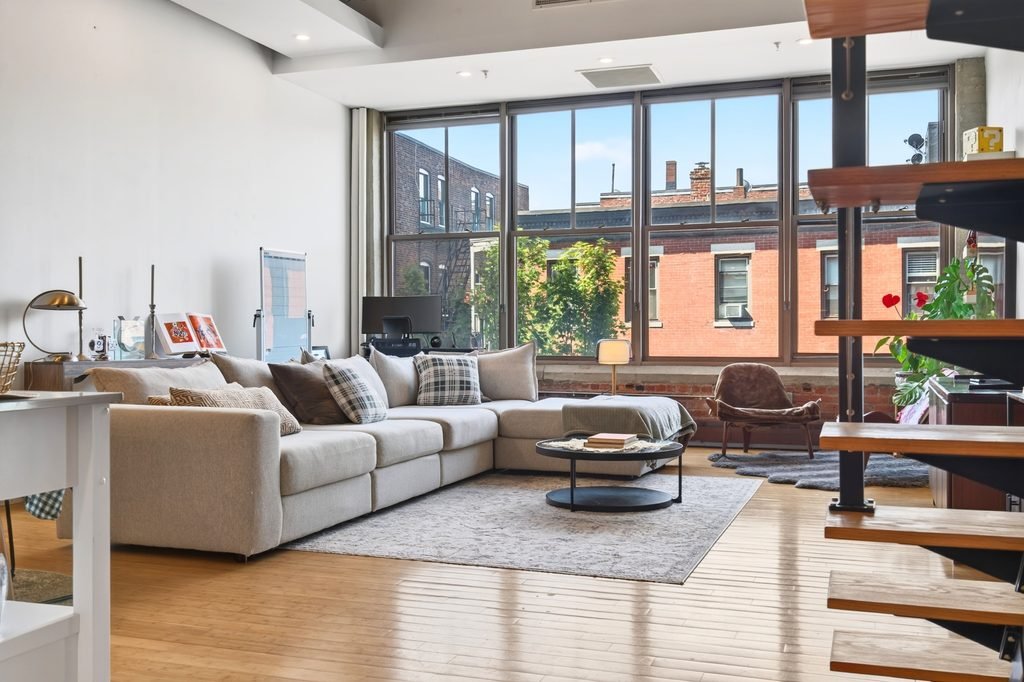
    extended stay serviced apartments Manhattan living room

    For stays longer than 30 days, a fully furnished executive suite beats a hotel room on nearly every metric that matters for daily living:

    • Turnkey living. Chef-caliber kitchens, in-unit washer/dryers, high-speed Wi-Fi, and a real workspace — not a desk wedged next to the minibar.
    • Flexible 30+ day leases. You get the flexibility of a short-term stay without signing a traditional 12-month New York lease, while staying fully compliant with local rental law (more on that below).
    • Five-star amenities. Doorman security, concierge service, on-site fitness centers, resident lounges, and regular housekeeping.
    • Real cost savings. According to a 2026 industry breakdown, a four-person team based in Midtown for 10 weeks spends roughly $112,000 in extended-stay hotels versus about $70,000 in a corporate apartment over the same period — a meaningful difference for any relocation or project budget.

    Understanding NYC’s 30-Day Rule Before You Book

    Before you fall in love with a listing, it’s worth understanding why nearly every legitimate corporate housing option in the city requires a minimum 30-night stay.

    New York’s Local Law 18, enacted in 2022 and enforced by the Mayor’s Office of Special Enforcement since September 2023, created a strict registration system for rentals under 30 nights. Under the law, a host offering a stay shorter than 30 days must be a natural person who lives in the unit full-time, must be present during the guest’s stay, and can host no more than two paying guests. Whole-apartment, host-absent short stays are effectively illegal in ordinary residential buildings — a rule change that caused Airbnb’s active NYC listings to fall from roughly 22,000 to about 2,300 within months of enforcement beginning.

    The good news for business travelers: rentals of 30 days or longer sit entirely outside Local Law 18’s scope. This is precisely the lane that luxury corporate housing NYC operators occupy, which is why “30-night minimum” has become the industry standard rather than a marketing quirk. When you’re comparing extended stay serviced apartments Manhattan providers, always confirm the lease is written as a genuine 30-day-or-longer tenancy — this is what keeps your booking legal and protects you from a sudden cancellation.

    One more line item to watch: stays under 180 days can be subject to New York’s roughly 14.75% hotel/occupancy tax, so ask upfront whether your quoted monthly rate already includes it.

    Top Luxury Corporate Housing Brands in NYC

    1. AKA Hotels & Hotel Residences

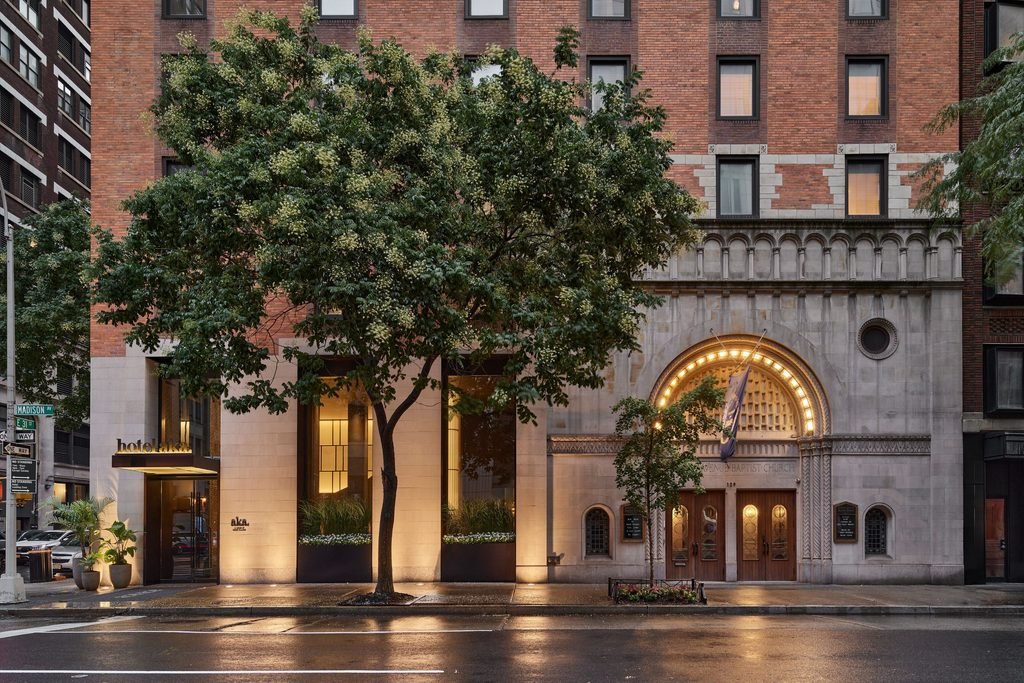
    AKA hotel residence New York
    Hotel AKA NoMad

    AKA sets the benchmark for ultra-luxury corporate stays in New York, with hotel residences in Central Park, Midtown, Times Square, and Sutton Place. Suites include full kitchens, private screening rooms, and Technogym fitness centers, with a dedicated resident services team available around the clock.

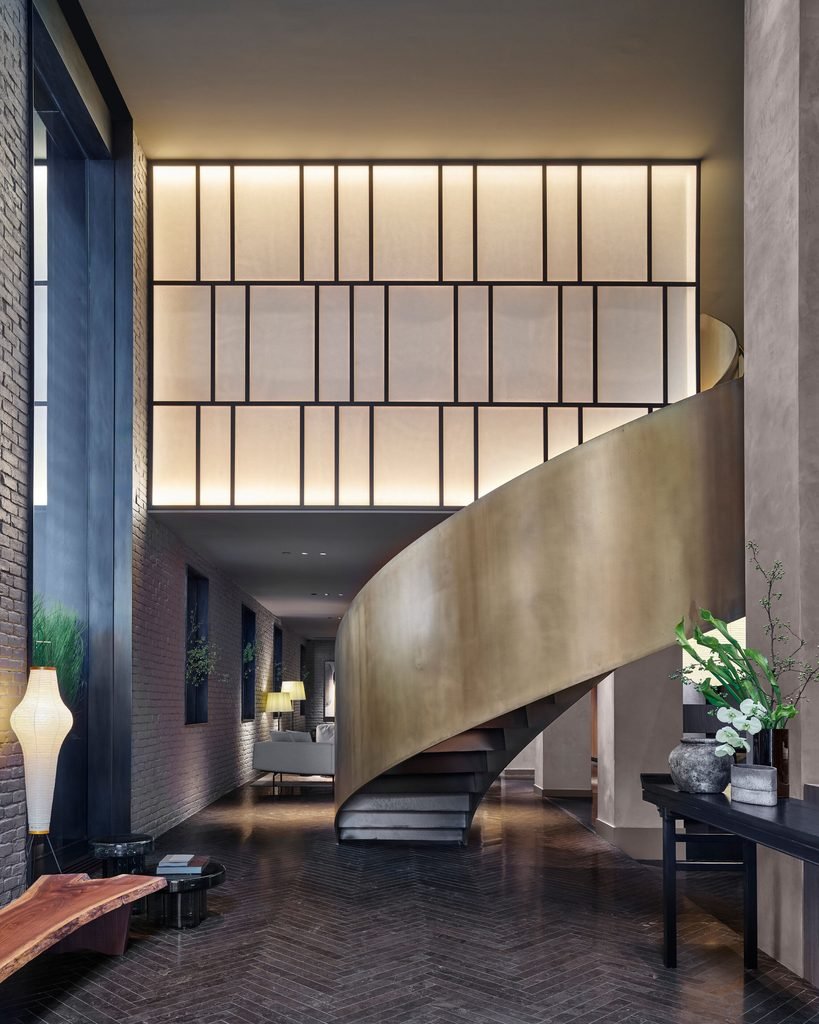
    AKA hotel residence New York
    Hotel AKA NoMad

    AKA hotel residence New York
    Hotel AKA NoMad
    • Vibe: Sophisticated, timeless luxury with business lounges and personalized concierge support.
    • Best for: C-suite executives and high-net-worth individuals who want hotel-level service with residential-level space.

    2. Blueground

    Blueground offers professionally managed, design-forward apartments inside some of Manhattan’s top residential buildings, booked and managed almost entirely through its app.

    • Vibe: Sleek, modern interiors with a fully digital, self-service rental experience.
    • Best for: Tech leaders, creative professionals, and expats who want a flexible 1-to-12-month lease without the friction of a traditional broker.

    3. Sonder

    Sonder blends contemporary design with a tech-first, contactless approach, with furnished units concentrated in Flatiron, Battery Park, and the Financial District.

    • Vibe: Chic, boutique-inspired spaces built for the digital-nomad crowd.
    • Best for: Mid-to-senior level executives who value efficiency, self check-in, and a strong design aesthetic.

    Best NYC Neighborhoods for Extended Stay Serviced Apartments in Manhattan

    Your ideal neighborhood depends heavily on where you’ll be working and how you like to spend a weekend.

    NeighborhoodVibe & AdvantageBest For
    Midtown / Hudson YardsWalkable to corporate HQs, transit hubs, and upscale diningFinance, legal, and consulting executives
    Financial District (FiDi)Modern high-rises, quieter weekends, easy subway accessWall Street professionals and corporate expats
    SoHo & FlatironVibrant dining, boutique shopping, high-end residential livingCreative directors, tech founders, lifestyle travelers

    If your work is downtown, FiDi or Flatiron will save you a daily commute; if you’re near a Midtown headquarters, the density of options around Hudson Yards is hard to beat.

    Key Considerations Before Booking

    • Confirm the 30-day minimum. As covered above, this is what keeps your stay compliant with Local Law 18 and avoids the risk of a listing being pulled mid-stay.
    • Ask what’s bundled. Premium corporate stays typically fold utilities and Wi-Fi into one monthly invoice — but building amenity fees (gym, pool, rooftop) aren’t always included, so ask before you sign.
    • Negotiate for longer stays. Most corporate housing providers offer discounted tiers for corporate accounts or stays past 60–90 days. Always ask about enterprise pricing before booking.
    • Book 3–4 weeks ahead. Quality furnished inventory in Manhattan and Brooklyn moves quickly, especially during fall and spring corporate relocation seasons.

    Final Thoughts

    Finding the right luxury corporate housing NYC option doesn’t mean giving up comfort or a real workspace for the sake of flexibility. Whether you land with AKA’s white-glove residences, Blueground’s app-driven apartments, or Sonder’s design-forward units, choosing the right extended stay serviced apartments Manhattan market has to offer gives you both a functional home office and a genuinely comfortable base for however long your New York chapter lasts.

    Luxury Boutique Hotels in SoHo & TriBeCa: Where NYC’s Discreet Elite Actually Stay

    kip the midtown mega-hotels. This guide to the finest luxury boutique hotels in SoHo & TriBeCa reveals the discreet luxury hotels NYC fashion editors, CEOs, and celebrities quietly prefer — plus insider booking tips for 2026.

    luxury boutique hotels in SoHo TriBeCa

    When high-net-worth travelers, fashion executives, and camera-shy celebrities land in New York City, they rarely check into a 1,000-room midtown tower. Instead, most head straight downtown to SoHo and TriBeCa — two historic neighborhoods where cobblestone streets, converted cast-iron warehouses, and unmarked doorways hide some of the most luxury boutique hotels in SoHo TriBeCa has to offer.

    If you’re searching for discreet luxury hotels NYC regulars swear by — the kind with no paparazzi, no lobby crowds, and no chain-hotel sameness — this is your neighborhood. Rates here typically run from $700 to $2,400+ a night, but what you’re paying for isn’t square footage. It’s privacy, craftsmanship, and a level of personalized service that mega-hotels simply can’t replicate.

    Below is a curated, fully updated 2026 guide to the top luxury boutique hotels in SoHo TriBeCa insiders book — along with what makes each one worth the splurge.

    Why SoHo & TriBeCa Are New York’s Capital of Discreet Luxury

    SoHo and TriBeCa share a similar DNA: 19th-century cast-iron and warehouse buildings, quiet residential-feeling side streets, and a longstanding population of artists, designers, and old-money families who value privacy over visibility. That reputation is exactly why so many discreet luxury hotels NYC travelers seek out are clustered here rather than in Midtown or the Financial District.

    Unlike the glass towers near Times Square, these boutique properties tend to have fewer than 150 rooms, unmarked or minimally signed entrances, and guest-only spaces — private courtyards, member-style screening rooms, and hidden bars — designed specifically to keep well-known faces out of the public eye. It’s a formula that’s made the area a go-to for New York Fashion Week, film premieres, and quiet business trips alike.

    1. The Greenwich Hotel (TriBeCa) — Maximum Privacy & Artistic Craftsmanship

    Co-owned by Robert De Niro, The Greenwich Hotel is arguably the blueprint for what a discreet luxury hotel in NYC should feel like. Tucked onto a quiet, tree-lined TriBeCa street, the 88-room property reads more like a private European estate than a hotel.

    Design & vibe: No two rooms are alike — expect Tibetan rugs, reclaimed oak-beam ceilings, leaded glass windows, and hand-cut Moroccan tiles sourced during the owners’ personal travels.

    Signature amenities:

    • Shibui Spa — an underground, lantern-lit swimming pool built inside a 250-year-old reconstructed Japanese farmhouse.
    • Locanda Verde — chef Andrew Carmellini’s celebrated neighborhood Italian trattoria.
    • Guest-only Drawing Room & Courtyard — a private retreat reserved strictly for hotel guests, away from public sightlines.

    Average rate: $1,000–$2,200+ per night.

    2. Crosby Street Hotel (SoHo) — British Whimsy in the Heart of SoHo

    Sitting on a quiet cobblestone stretch between Prince and Spring Streets, Crosby Street Hotel brings Firmdale Hotels’ signature British sensibility to SoHo. Designed by Kit Kemp, it’s a livelier, more colorful take on the neighborhood’s usual industrial-chic aesthetic.

    Design & vibe: Floor-to-ceiling warehouse windows, soaring ceilings, custom floral textiles, and playful contemporary art throughout the public spaces.

    Signature amenities:

    • The Crosby Bar & Garden — famous for proper English afternoon tea alongside inventive craft cocktails.
    • A private 99-seat screening room hosting members-only film club nights.
    • Rooftop sculpture garden complete with its own chicken coop and organic vegetable patch.

    Average rate: $950–$1,800+ per night.

    3. The Mercer (SoHo) — The Original Minimalist Icon

    At the corner of Mercer and Prince Streets, The Mercer is widely credited with launching SoHo’s boutique hotel movement in the 1990s, and it remains a go-to among visiting designers, actors, and music executives. Recent industry roundups of the neighborhood still list it among the top luxury boutique hotels SoHo TriBeCa travelers request by name, largely thanks to its unmatched location on SoHo’s most fashion-dense corridor, where the property is consistently ranked among the best boutique hotels in both Lower Manhattan and Manhattan overall.

    Design & vibe: Designed by Christian Liaigre, the hotel favors understated, loft-style minimalism — soaring ceilings, exposed brick, oversized soaking tubs, and wood-burning fireplaces in select suites.

    Signature amenities:

    • 24-hour in-room fine dining, tailored for guests running on unconventional schedules.
    • Unrivaled SoHo access — step directly out of the lobby onto the neighborhood’s most concentrated shopping strip.

    Average rate: $800–$1,600+ per night.

    4. Hôtel Barrière Fouquet’s New York (TriBeCa) — Parisian Glamour Downtown

    Bringing legendary French hospitality from the Champs-Élysées to North Moore Street, Hôtel Barrière Fouquet’s New York is one of the more glamorous recent arrivals to TriBeCa’s luxury scene, and other current guides to the neighborhood now group it alongside the Greenwich Hotel and Warren Street Hotel as one of the standout new-generation properties in the area.

    Design & vibe: Designed by Martin Brudnizki, the interiors blend 1930s Art Deco elegance with soft pastels, Toile de Jouy wallpaper, and plush velvet furnishings.

    Signature amenities:

    • Brasserie Fouquet’s — a classic French brasserie built on culinary pedigree.
    • Spa Diane Barrière & hydrotherapy pool — an indoor subterranean pool, sauna, and French facial treatments.
    • A private cinema built for premieres and closed-door events.

    Average rate: $1,100–$2,400+ per night.

    SoHo vs. TriBeCa: Which Neighborhood Fits Your Trip?

    HotelNeighborhoodSignature FeatureBest For
    The Greenwich HotelTriBeCaShibui Japanese spa & underground poolMaximum privacy, artistic discretion
    Crosby Street HotelSoHoWarehouse windows & private gardenFashion insiders, design lovers
    The MercerSoHoLoft-style architecture & soaking tubsMinimalist luxury, prime shopping
    Fouquet’s New YorkTriBeCaParisian glamour & hydrotherapy poolFrench culinary & spa wellness seekers

    Broadly speaking, TriBeCa leans quieter and more residential — better suited to travelers prioritizing anonymity over foot traffic — while SoHo puts you steps from the city’s densest concentration of flagship boutiques and galleries. Either way, you’re choosing between the two neighborhoods that define luxury boutique hotels SoHo TriBeCa searches for a reason: both consistently rank as the top areas in Manhattan for design-forward, privacy-first stays.

    Insider Booking Tips for Discreet Luxury Hotels in NYC

    Book through a luxury travel program. Reserving through American Express Fine Hotels + Resorts or Virtuoso typically unlocks complimentary daily breakfast, $100 spa or dining credits, room upgrades when available, and guaranteed late checkout — perks that can offset a meaningful chunk of the nightly rate.

    Request an interior, courtyard-facing room. SoHo and TriBeCa streets get lively during weekend brunch hours. An interior-facing room keeps you centrally located while ensuring a quiet night’s sleep.

    Reserve dining well in advance. In-house restaurants like Locanda Verde and The Crosby Bar routinely book out weeks ahead. Have your hotel’s concierge lock in tables as soon as your room is confirmed, especially during New York Fashion Week or major gallery openings.

    Travel light on documentation, heavy on discretion. Many of these properties intentionally minimize signage and public-facing branding. If privacy is your top priority, mention it at booking — most concierge teams can arrange separate entrances or off-hour check-in for VIP guests.

    Final Thoughts

    For travelers who want more than a room — who want a genuinely private, design-led experience — SoHo and TriBeCa remain the epicenter of discreet luxury hotels NYC has to offer. Whether you choose The Greenwich Hotel’s artisanal calm, Crosby Street’s British charm, The Mercer’s minimalist pedigree, or Fouquet’s Parisian flair, each property delivers the same underlying promise: a downtown Manhattan stay built around privacy, craftsmanship, and quiet exclusivity rather than scale.

    Planning a trip? Let your travel advisor know which of these properties you’re considering — availability at the smaller boutique hotels can disappear months in advance, especially around Fashion Week and major auction house events.

    Related posts you might like:

    Doors-On Helicopter Tour NYC vs. Downtown Manhattan Heliport Tours: The Complete 2026 Guide

    Planning a helicopter ride over the city? This 2026 guide compares a doors-on helicopter tour NYC experience with Downtown Manhattan Heliport tours, covering routes, pricing, safety, and insider booking tips.

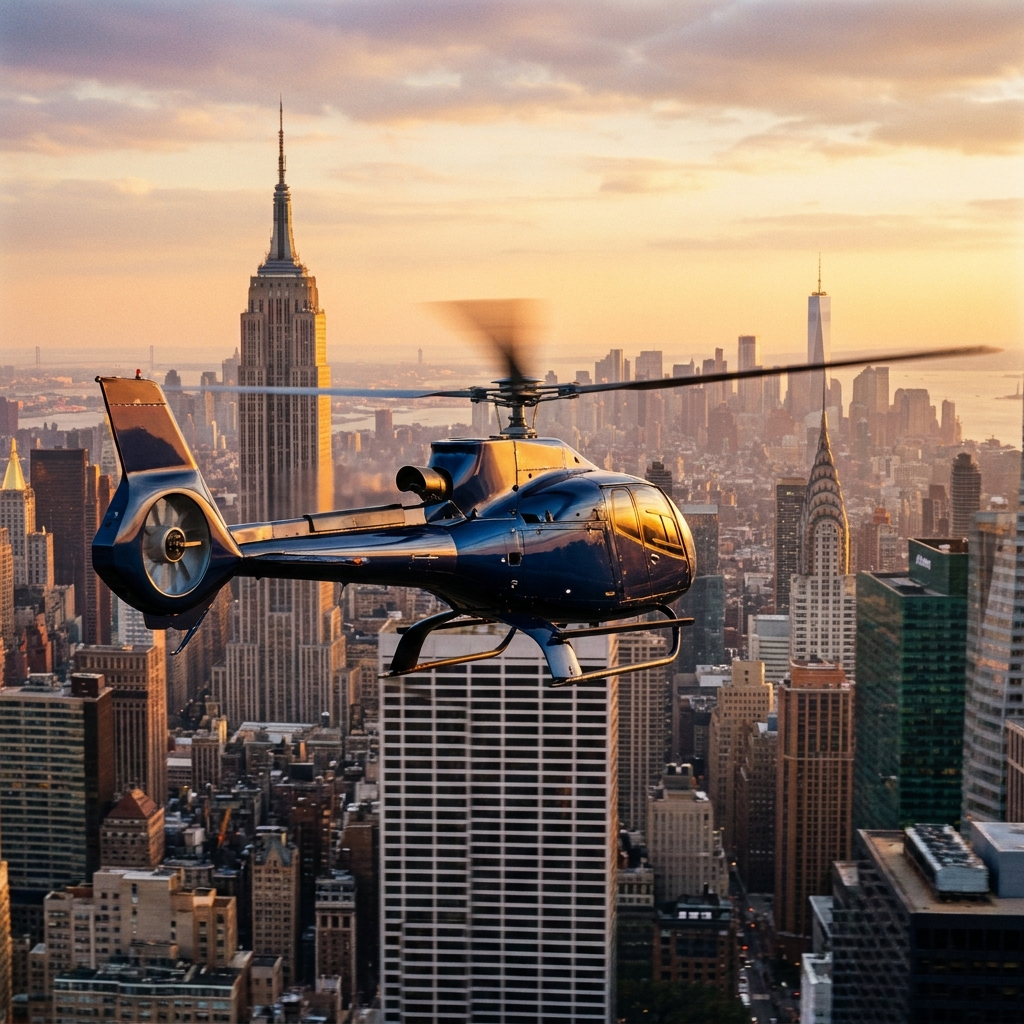
    helicopter tour New York City skyline

    Seeing the Manhattan skyline from street level is impressive — but seeing it from 1,500 feet in the air is something else entirely. Whether you’re weighing a classic doors-on helicopter tour NYC experience or exploring the Downtown Manhattan Heliport tours run by operators like HeliNY and Zip Aviation, this guide breaks down everything you need to know before you book in 2026, including prices, flight times, safety updates, and which option actually fits your trip.

    With tickets ranging from roughly $190 to $550+ per person, and several operators competing across two different departure points, this decision is worth ten minutes of research before you swipe your card.

    Doors-On Helicopter Tour NYC vs. Doors-Off Photo Flights

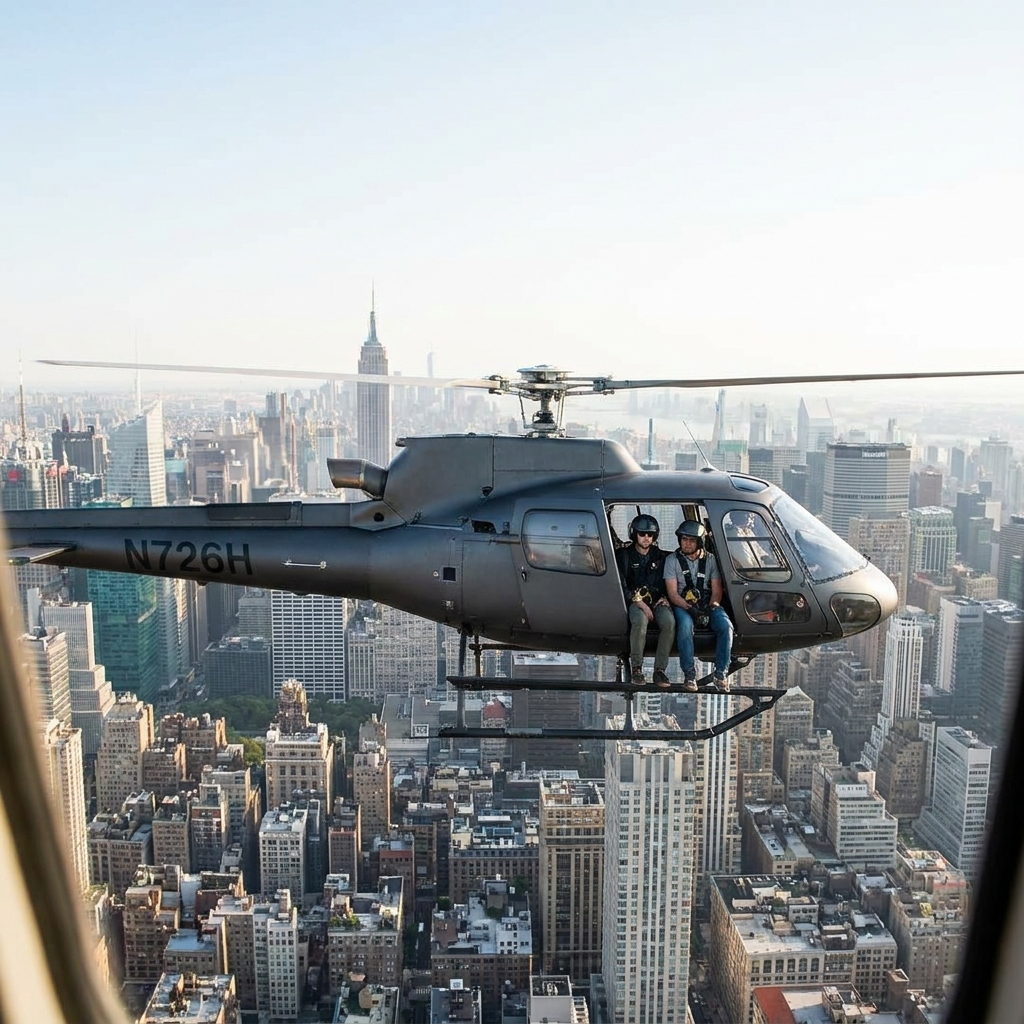
    doors off helicopter open door flight

    The first fork in the road is comfort versus adrenaline.

    Doors-On Helicopter Tour NYC: Comfort and Convenience

    A doors-on helicopter tour NYC ride is the classic, enclosed sightseeing option. You board a climate-controlled Bell or Airbus aircraft, put on noise-canceling headsets, and fly a structured route along the Hudson and East Rivers narrated by your pilot.

    • Best for: families with kids, first-time flyers, older travelers, or anyone who wants a smooth, low-stress ride
    • Pros: short travel time to the heliport, protection from wind and cold, and a genuinely relaxing way to see the skyline
    • Cons: window glass can create glare in photos, and there’s no open-air “shoe selfie” moment

    Doors-Off Photography Flights: High Adrenaline

    Made famous by operators like FlyNYON, doors-off flights let passengers sit with their feet hanging over the open door for glare-free, professional-quality photos. Flights depart from New Jersey rather than Manhattan, since Manhattan airspace doesn’t permit open-door tours.

    • Best for: photographers, content creators, and thrill-seekers
    • Pros: no window glass, unobstructed shots, an undeniable adrenaline rush
    • Cons: cold and windy (especially spring/fall), a longer commute to the heliport, and a mandatory harness setup

    Downtown Manhattan Heliport Tours: Location and Operators

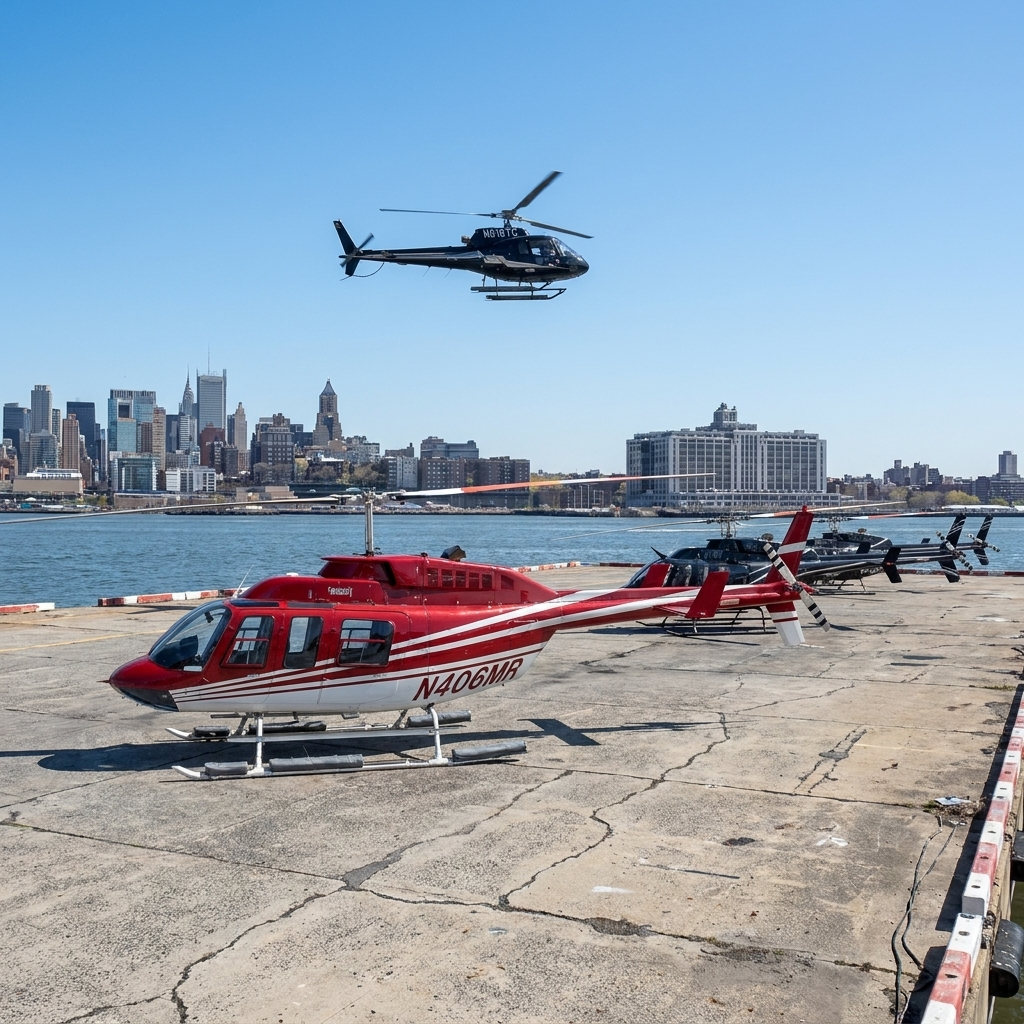
    Downtown Manhattan Heliport Pier 6

    If convenience matters more than an open door, Downtown Manhattan Heliport tours are the way to go. The heliport sits at Pier 6 on the East River in the Financial District — a five-minute walk from the South Ferry subway station — and it’s the only heliport inside New York City licensed for tourist sightseeing flights.

    As of 2026, the facility (recently rebranded as Downtown Skyport) hosts several established operators, including HeliNY, Zip Aviation, Manhattan Helicopters, and Charm Aviation. HeliNY notably became the first operator at this heliport to meet its newly enhanced safety standards introduced in September 2025, and later earned WYVERN Wingman certification — one of the aviation industry’s more respected third-party safety audits.

    A few practical notes for anyone booking Downtown Manhattan Heliport tours:

    • The heliport does not run sightseeing flights on Sundays — that’s a city ordinance, not an operator’s choice. If you need a Sunday flight, you’ll have to depart from a New Jersey or Westchester heliport instead.
    • There’s no on-site parking; the closest paid garages are a five- to ten-minute walk away near Battery Park.
    • Flight paths are strictly regulated to stay over the Hudson and East Rivers, which keeps noise down over residential areas but also means routes are fairly fixed regardless of operator.

    Kearny Heliport, New Jersey: Home of Doors-Off Flights

    FlyNYON’s terminal operates out of Kearny, New Jersey, roughly 45–60 minutes from Manhattan via PATH train plus a shuttle or rideshare. The tradeoff for that extra travel time is access to New Jersey airspace, which permits open-door flights and more flexible hovering time near landmarks like the Statue of Liberty and the Freedom Tower.

    FlyNYON’s 10,000-square-foot NYON Terminal includes a full-size helicopter mock-up for pre-flight orientation, a café and lounge, and locker storage — worth knowing if you’re arriving early (most operators recommend arriving about 75 minutes before departure).

    Flight Durations, Sights, and Pricing

    Regardless of whether you choose a doors-on helicopter tour NYC package or a doors-off flight from New Jersey, tours are generally sold in three tiers:

    Tour TierFlight TimeKey SightsAverage Price
    Essential / Circuit12–15 minStatue of Liberty, Ellis Island, One World Observatory, Financial District, Brooklyn Bridge$190–$260
    Grand / Ultimate18–22 minAll Essential sights + Empire State Building, Chrysler Building, Hudson Yards, Central Park$280–$380
    Extended / VIP25–30 minFull Manhattan loop up to the George Washington Bridge, Columbia University, Yankee Stadium$420–$550+

    Note that most operators add a heliport facility fee of roughly $40–$50 per person at check-in, which is rarely included in the advertised base price — factor that into your budget before you compare tour listings side by side.

    Safety Updates Worth Knowing in 2026

    Helicopter sightseeing in New York has faced increased scrutiny in recent years. A fatal crash into the Hudson River in April 2025, involving a sightseeing flight that departed from the Downtown Manhattan Heliport, prompted renewed calls from local advocacy groups for stricter oversight of tourist flights (details are documented on Wikipedia). In response, the Downtown Manhattan Heliport introduced enhanced safety standards in September 2025, requiring operators to complete annual third-party safety audits.

    Before booking, it’s worth checking whether an operator holds independent safety credentials such as TOPS (Tour Operators Program of Safety) or WYVERN Wingman certification — both are voluntary standards that go beyond baseline FAA requirements. It also doesn’t hurt to ask directly about maintenance schedules and pilot experience when you check in.

    Crucial Tips Before Booking Your Flight

    • Book early in your trip. Weather cancellations from fog, low clouds, or high wind are common. Booking on day one or two of your visit leaves buffer days to reschedule.
    • Budget for the heliport fee. That $40–$50 per person add-on is easy to miss when comparing prices online.
    • Expect a discreet weigh-in. Passengers are weighed at check-in for weight-and-balance purposes, and seat assignments are made by the pilot for safety reasons — not preference.
    • Secure your devices on doors-off flights. Phones and cameras must be attached to crew-provided lanyards; loose items like hats or sunglasses aren’t allowed in the cabin.
    • Check the day of the week. If Sunday is your only free day, remember Downtown Manhattan Heliport tours don’t operate then — you’ll need a New Jersey or Westchester departure.

    Final Verdict

    If your priority is a short commute, a comfortable enclosed cabin, and a straightforward Manhattan-based experience, book one of the Downtown Manhattan Heliport tours from Pier 6. If glare-free photography and an open-air thrill are what you’re after, a doors-off flight with an operator like FlyNYON is worth the extra trip to New Jersey. Either way, a doors-on helicopter tour NYC experience remains the more accessible and family-friendly starting point for first-time flyers — and for many visitors, it’s still the better fit.

    For a broader side-by-side of every current NYC operator, routes, and fleet type, Blade’s 2026 comparison guide is a useful next stop before you book.

    Frequently Asked Questions

    Is a doors-on or doors-off helicopter tour better for first-timers? A doors-on helicopter tour NYC ride is generally the better starting point — it’s quieter, warmer, and doesn’t require a harness, making it a gentler introduction before trying a doors-off flight.

    Where do Downtown Manhattan Heliport tours depart from? All Downtown Manhattan Heliport tours leave from Pier 6 on the East River, near Battery Park in the Financial District, about a five-minute walk from the South Ferry subway stop.

    Can I book a helicopter tour on a Sunday? Not from Manhattan. The Downtown Manhattan Heliport is closed to sightseeing flights on Sundays by city ordinance, so Sunday flyers need to book from a New Jersey or Westchester heliport instead.

    How much should I budget beyond the ticket price? Plan for an additional $40–$50 per person heliport facility fee, plus transportation to the heliport — which can add real cost if you’re heading to New Jersey for a doors-off flight.

    Related posts you might enjoy: