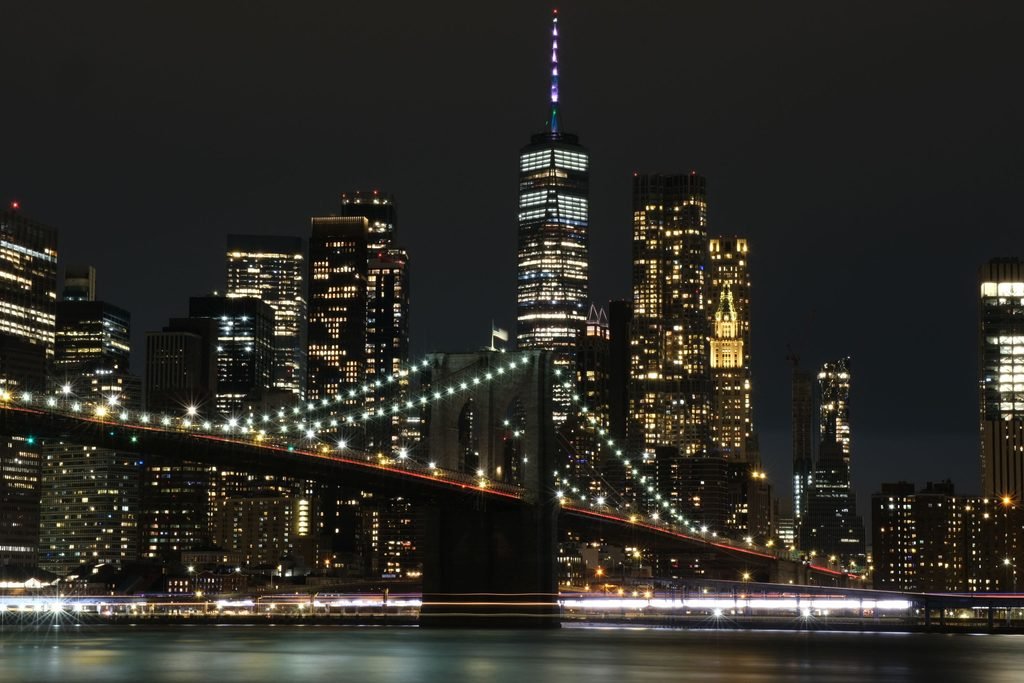
Best Budget Upper West Side Hotels for the NYC Marathon: Walk to the Finish, One Subway to the Start

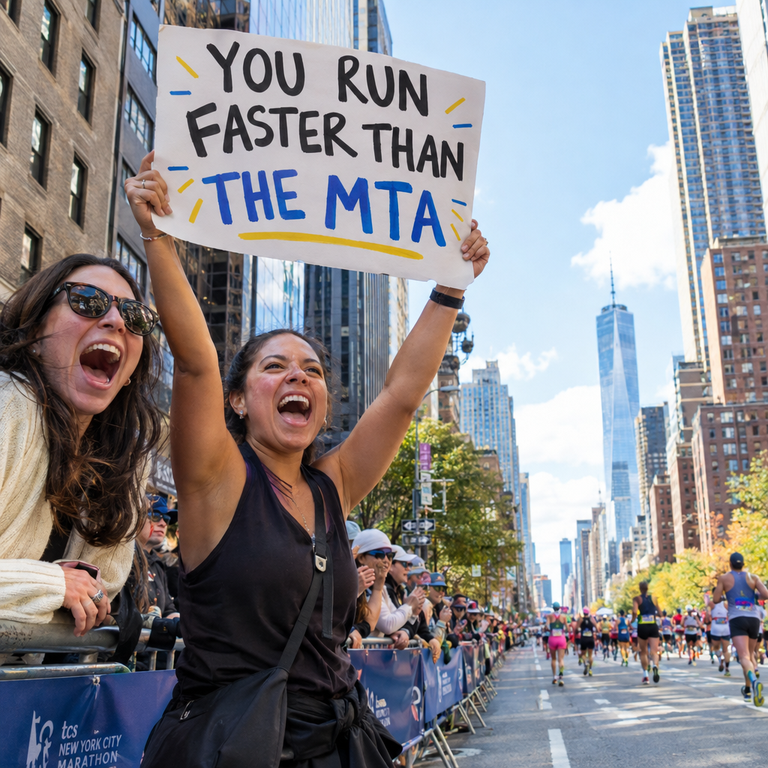
Planning to run the TCS New York City Marathon? The Upper West Side is the #1 neighborhood for marathon runners — walkable to the Central Park finish line and a single subway ride from the Staten Island Ferry. Here are 6 great-value hotels that make your race weekend stress-free.

If you’re running the TCS New York City Marathon, where you sleep matters almost as much as how you train. The NYC Marathon takes runners on a 26.2-mile route from the start on Staten Island to the finish line inside Central Park. That means your ideal base camp needs to solve two logistics at once: getting to Staten Island early in the morning, and collapsing into a comfortable bed after crossing the finish line without a grueling commute.

The answer? The Upper West Side — and specifically, a handful of well-priced hotels within walking distance of Central Park’s West 77th Street runner exit.

This guide covers the best Upper West Side hotels for NYC Marathon runners who want genuine value: close to the finish, easy access to the start, and enough comfort to support a proper race-week recovery.


Why Upper West Side Is the #1 Neighborhood for NYC Marathon Runners

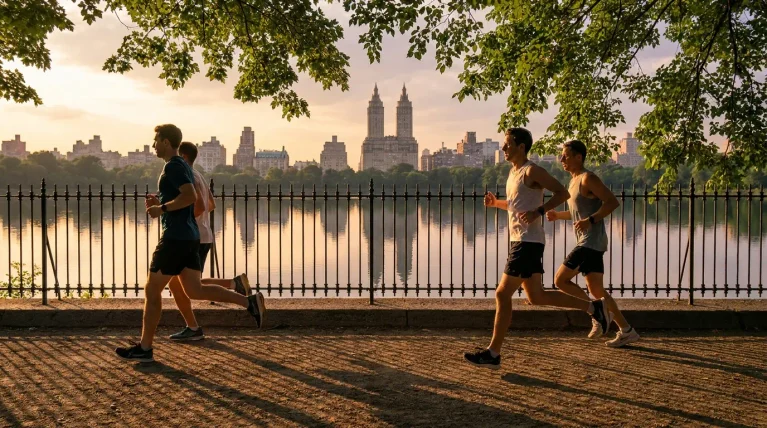
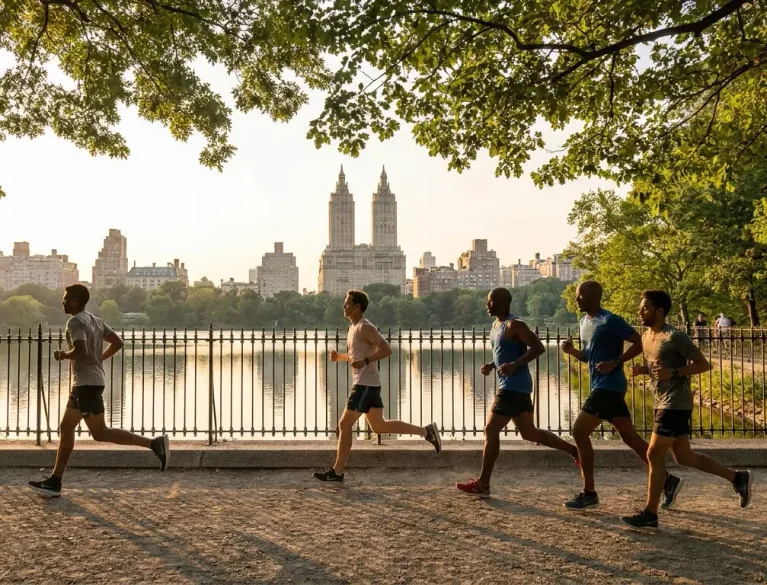
The Upper West Side is perhaps the most runner-friendly neighborhood in Manhattan during Marathon Week. Framed by Central Park on the east and the Hudson River on the west, it’s known for tree-lined streets, brownstone buildings, and a relaxed residential vibe — perfect for pre-race rest and post-race celebrations.

Here’s why it wins for marathoners specifically:
Finish line access: After crossing the finish line, runners exit the park at West 77th Street. The closest hotels to that exit are all clustered on the Upper West Side — meaning you can literally walk home on jelly legs without touching a subway.
Start line logistics: Runners are urged to take the Staten Island Ferry to reach the starting line. During the early morning hours, take the 1 train to South Ferry. The line 1 subway from South Ferry to 86th Street takes about 26 minutes and costs $3 — and services depart every 10 minutes. From the Upper West Side, the reverse trip to the ferry terminal takes roughly the same time. It’s one of the most seamless race-morning commutes in the city.

Quieter neighborhood, better sleep: Unlike Midtown, the Upper West Side is primarily residential. There are no blaring Times Square lights or late-night tourist crowds — just the kind of calm that helps pre-race sleep actually happen.

Hotels in this area are approximately 20–25 minutes from the Midtown Bus Loading area at the Public Library via subway, and about 30 minutes from the Staten Island Ferry Terminal — and they tend to be less expensive than Times Square-area hotels.


How to Get from Upper West Side Hotels to the Marathon Start

The route is refreshingly simple for a race with such complex logistics:

  1. Walk to the nearest 1 train station (72nd St, 79th St, or 86th St — all within blocks of the hotels listed below)
  2. Ride the 1 train south to South Ferry (~30 minutes, $3 fare)
  3. Board the Staten Island Ferry (free, ~25 minutes across the harbor)
  4. On Staten Island, shuttle buses take runners directly from the ferry to School Road at Bay Street, near the Fort Wadsworth starting village.

That’s it. No transfers, no confusion. Just one subway line and a scenic ferry ride to kick off your 26.2 miles.

Pro tip: Arrive at the start village between 5:30 and 7:00 a.m. to avoid crowds. Factor in about 90 minutes total travel time from your hotel to the start village corral.


Race Day at a Glance

The 2025 TCS New York City Marathon takes place on the first Sunday of November, with the official start timeline beginning at 8:00 a.m. for the Men’s Professional Wheelchair Division, with main wave runners starting from 9:10 a.m. onward.

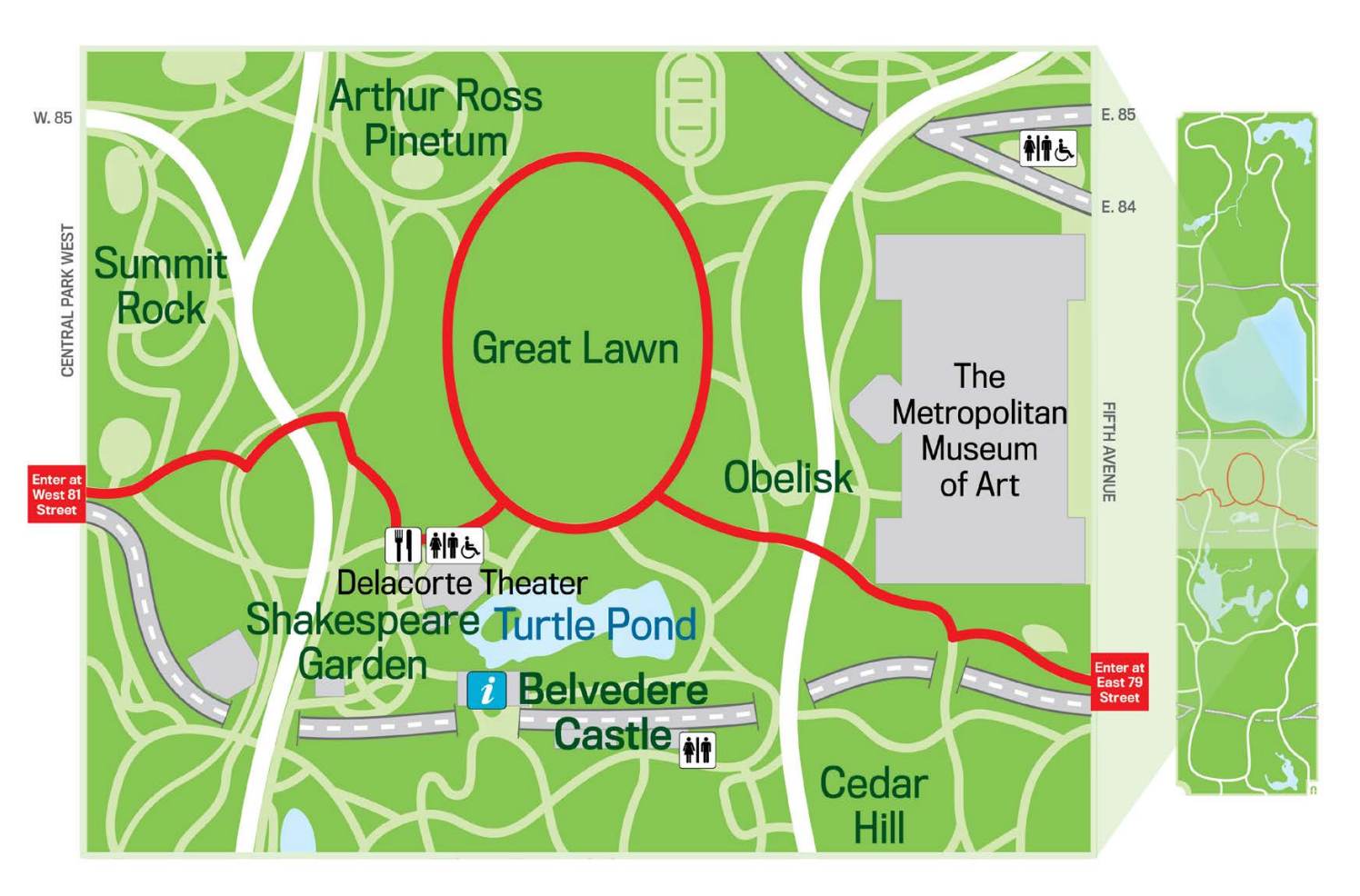
The last three miles of the NYC Marathon take place inside Central Park, finishing on West Drive at West 67th Street, right next to Tavern on the Green. After your finish, you’ll collect your medal and poncho, then make your way north through the park — and out onto Central Park West near 77th Street, steps from every hotel on this list.


Top 6 Budget-Friendly Upper West Side Hotels for NYC Marathon Runners

1. Hotel Beacon — Best Overall for Runners

Address: 2130 Broadway at 75th St
Nearest Subway: 72nd St (1/2/3 trains)
upper west side hotels

Less than a mile from the Central Park finish line, Hotel Beacon provides rooms with living areas and kitchenettes — serene and comfortable spaces that are ideal for marathon recovery. It’s approximately a 14-minute walk from the hotel to the marathon finish line.

upper west side hotels

The kitchenette is a genuine advantage for runners: you can stock your own pre-race pasta dinner and your own post-race electrolyte drinks without hunting for an open restaurant at 5 a.m. The 72nd Street subway station is right around the corner, making your early-morning dash to the Staten Island Ferry as painless as possible.

upper west side hotels

The Hotel Beacon is closest to the W 72nd Street station for the 1, 2, and 3 subway trains — an important detail when you’re heading south at 5:30 a.m. with a bag of gear.

upper west side hotels

Best for: Runners who want kitchenette convenience and the shortest walk to the finish line exit.


2. The Lucerne Hotel — Best Classic Comfort

Address: 201 W 79th St
Nearest Subway: 79th St (1 train)

upper west side hotels

The Lucerne Hotel is positioned around 19 minutes away from the finish line of the NYC Marathon. This 4-star hotel sits on 79th Street, aligning conveniently with post-race runner exit locations, and is only half a block away from the 79th Street Subway station, which offers a direct line to the Staten Island Ferry.

The Lucerne is a classic four-star Upper West Side property with an on-site fitness center, spa, and the French restaurant Nice Matin. For marathoners, the spa is the real draw — there’s nothing quite like a post-race soak when your hotel has one on the premises. The 4-star amenities at a non-Midtown price point make this one of the best-value marathon hotels in Manhattan.

Best for: Runners who want a touch of luxury recovery — spa, quality restaurant, and a prime 79th Street location.


3. Hotel Belleclaire — Best Historic Character

Address: 2175 Broadway at 77th St
Nearest Subway: 79th St (1 train)

Built in 1903 in the Beaux-Arts style, Hotel Belleclaire is one of the most architecturally striking buildings on Broadway. The interior has been thoughtfully renovated, blending original grandeur with modern comfort. For runners who care about atmosphere as much as logistics, this is a satisfying choice.

upper west side hotels

In recent years, runners exit Central Park at Central Park West and West 77th Street — and the closest hotels to that point include the Hotel Belleclaire. You could not engineer a more convenient post-race walk.

Best for: History buffs and architecture lovers who want a storied address close to the 77th Street park exit.


4. Arthouse Hotel NYC — Best for Style-Conscious Runners

Address: 2178 Broadway at 77th St
Nearest Subway: 79th St (1 train)

upper west side hotels

The Arthouse Hotel blends industrial aesthetics with a gallery-like atmosphere — a welcome sensory shift after the chaos of race day. The lobby, bar, and common spaces have strong visual identity, and the location on Broadway at 77th puts it directly in the runner exit zone.

upper west side hotels

It’s a particularly smart choice for runners bringing a non-running partner: while you’re out conquering 26.2 miles, they can explore the American Museum of Natural History, Central Park, and the Lincoln Center neighborhood all within walking distance. Reuniting post-race? Your hotel is right where runners exit the park.

upper west side hotels

Best for: Couples where one person is running and one is spectating — great neighborhood access for both.


5. The Wallace Hotel — Best Boutique Experience

Address: Broadway at 76th St
Nearest Subway: 72nd St (1/2/3 trains)

upper west side hotels

The Wallace is one of the newer boutique properties on the Upper West Side, earning a spot on TripAdvisor’s top U.S. hotel lists for its modern interiors, quiet atmosphere, and generous room sizes. It’s a polished, calm option that suits runners who want to minimize stress in the days leading up to the race.

upper west side hotels

The 72nd Street station — two stops above the Beacon on the same block — gives quick access to the 1 train for your morning journey south. Post-race, the Central Park finish line exit at 77th Street is a few blocks’ walk.

upper west side hotels

Best for: Runners who prioritize a serene, boutique atmosphere and modern design over historic character.


6. Empire Hotel — Best for the Post-Race Celebration

Address: 44 W 63rd St
Nearest Subway: 59th St–Columbus Circle (A/C/B/D/1 trains)

upper west side hotels

The Empire Hotel sits right across from Lincoln Center, at the southern edge of the Upper West Side. Its rooftop bar and pool make it the most celebratory option on this list — ideal if your race-weekend plan includes a proper post-finish toast with family and friends.

upper west side hotels

Spectators can enter Central Park near Broadway at West 61st or 62nd Street to watch the final stretch, making the Empire Hotel a natural gathering point. It’s a short walk from Columbus Circle, where spectators gather for the final approach, and the rooftop offers a festive backdrop for anyone still riding the race-day high.

upper west side hotels

Best for: Runners celebrating a finish with family — rooftop bar, prime Lincoln Center location, great transit connections.


Upper West Side Hotels for NYC Marathon: Quick Comparison

Hotel Address Walk to 77th Exit Subway to Ferry Best For Hotel Beacon 2130 Broadway (75th) ~14 min 72nd St station Families, kitchenette users The Lucerne 201 W 79th St ~5 min 79th St station Comfort seekers, spa lovers Hotel Belleclaire 2175 Broadway (77th) ~2 min 79th St station Historic character Arthouse Hotel 2178 Broadway (77th) ~2 min 79th St station Couples, design lovers The Wallace Broadway & 76th ~10 min 72nd St station Boutique, quiet atmosphere Empire Hotel 44 W 63rd St ~20 min Columbus Circle Post-race celebrations


Booking Tips for NYC Marathon Weekend

Book early — very early. Prices during marathon weekend spike significantly, so book ideally 6 to 12 months in advance. Hotels in this neighborhood sell out fast once general entry results are released by New York Road Runners.

Check cancellation policies carefully. Entry to the marathon is largely determined by lottery, so if you’re waiting on your lottery result before committing to a hotel, look for flexible bookings — even if they cost slightly more.

Consider marathon Monday. Avoid booking hotels during the first week of November if you’re not running — NYC Marathon weekend drives hotel prices higher than any other comparable week. But if you are running, staying through Monday gives you a zero-pressure recovery day in one of the city’s best neighborhoods.

Pair your hotel with the Expo. All runners must collect their bib at the Marathon Expo at the Javits Center on 34th Street before race day. From the Upper West Side, the crosstown bus or a short cab ride handles this easily — it’s not as close as Midtown, but it’s a manageable errand that shouldn’t drive your hotel choice.


Final Verdict: The Best Upper West Side Hotel for NYC Marathon Runners

For pure marathon logistics, Hotel Beacon and The Lucerne are the strongest picks: both are within a short walk of the 77th Street runner exit, both have the 1 train practically at their doorstep, and both offer the kind of comfort that makes race-week recovery actually work.

If your priority is post-race convenience, nothing beats the Upper West Side. You’ll avoid packed subways and long walks after finishing 26.2 miles — and be back in your room before the city even knows the race is over.

Train hard. Sleep smart. Run well. 🏅


All hotels listed above are rated 8.0 or above on major booking platforms including Booking.com, Hotels.com, and TripAdvisor. Prices vary significantly by season and marathon weekend availability — always compare rates across platforms and book as early as possible.

New York Marathon 2026: The Ultimate Guide to Entry, Training & Race Day

The Ultimate Guide to Central Park Running Routes: Best Loops for Every Level

Best Noise Cancelling Earbuds for Running in 2026: Top 5 That Actually Stay In Your Ears

Noguchi’s New York: Inside the Noguchi Museum’s Most Ambitious Exhibition Yet, One of Best Museums in New York

Running through September 13, 2026, the Noguchi Museum’s landmark exhibition explores Isamu Noguchi’s lifelong — and often turbulent — relationship with New York City through 50+ works, archival documents, and the radical public visions that never made it off the page.

The Noguchi Museum exhibition Noguchi’s New York is not a typical retrospective. Noguchi Museum is one of the best Museums in New York. When you walk into the galleries in Long Island City, Queens, you are not greeted by a triumphant chronology of an artist’s greatest hits. You are met, instead, by the sketches, blueprints, rejection letters, and unrealized visions of a man who spent sixty years trying — and often failing — to give a city a better version of itself.

best museums in new york
Noguchi Museum

Isamu Noguchi first arrived in New York in 1922, at seventeen years old. He would leave and return, leave and return, for the rest of his life. He died here in 1988. As he once put it: “I’m really a New Yorker. Not Japanese, not a citizen of the world, just a New Yorker who goes wandering around like many New Yorkers.” This exhibition, now on view through September 13, 2026, takes that self-definition seriously — and asks what it actually cost him.


What Is the Noguchi Museum Exhibition Noguchi’s New York?

Organized to mark the 40th anniversary of The Isamu Noguchi Foundation and Garden Museum, Noguchi’s New York brings together more than 50 works — sculptures, models, stage sets, archival photographs, and administrative documents — to examine one of the most complex artist-city relationships in 20th-century American art.

The exhibition examines Noguchi’s deep and dynamic relationship with New York City, exploring how its material, cultural, social, and political landscape indelibly transformed his artwork and thinking, and how he in turn transformed the city.

What makes this Noguchi Museum exhibition distinctive is precisely what it doesn’t leave out. Rather than presenting only completed masterworks, curators have foregrounded the projects that never happened: playground proposals that city officials dismissed without a second glance, public sculptures killed in committee, civic spaces imagined and buried in bureaucratic files. These failures, the show argues, are just as revealing as the successes.


Isamu Noguchi New York: A 60-Year Relationship Defined by Collision

An Artist Born on the Border

To understand Noguchi’s relationship with New York, you have to understand who he was before he got here. Born in Los Angeles in 1904 to Japanese poet Yone Noguchi and American writer Leonie Gilmore, Noguchi grew up between cultures — raised partly in Japan, educated in Indiana, and trained in New York. He was, from the beginning, a man without a fixed category.

In the 1920s, he traveled to Paris and worked as an assistant to Constantin Brâncuși, absorbing the fundamentals of modern sculpture. But he quickly broke from the model of the studio sculptor making objects for pedestals. For Noguchi, sculpture was inseparable from the body that moved through it, the ground it sat on, the light that fell across it. Furniture, gardens, stage sets, playgrounds, plazas — all of it was sculpture, if you understood sculpture broadly enough.

New York as Laboratory and Obstacle

Noguchi first arrived in New York in 1922 at just seventeen. Though his career unfolded across Paris, Tokyo, and Mexico City, the city remained his constant point of return. Noguchi’s New York examines this enduring relationship, revealing how New York’s political tensions, architectural density, and civic ambitions shaped his artistic vision.

In the 1920s and ’30s, the city was the ideal laboratory. Industrial materials — aluminum, steel, plate glass — were available on a scale impossible elsewhere. The avant-garde moved fast. He collaborated with Martha Graham, whose radical approach to dance gave Noguchi some of his most generative commissions; his stage sets for her productions remain landmarks of 20th-century design. He designed furniture for Herman Miller. He built a reputation as someone who refused to stay in one lane.

But New York also showed him its hardest face. As a mixed-race immigrant artist during the years of the Great Depression, World War II, and the Cold War, Noguchi was never simply an artist in New York — he was always also something else, someone who had to prove his right to belong.

Robert Moses and the Politics of Public Space

No figure haunts this exhibition more persistently than Robert Moses, the parks commissioner and master builder whose iron grip on New York’s public spaces extended from the 1930s through the 1960s. Moses shaped the physical city more than any elected official of the era — and he was the single greatest obstacle to Noguchi’s public ambitions.

In 1934, Noguchi submitted a proposal for Play Mountain — a pyramid-shaped earthwork designed for children to climb without equipment, a pure sculptural landscape for play. Moses rejected it. In subsequent years, Noguchi proposed playgrounds for Riverside Park and other public sites. Moses rejected those too. The exhibition highlights Noguchi’s unflagging attempts to give back by sculpting communal spaces for exploration and play — efforts often thwarted, most notably by the influential NYC Parks Commissioner Robert Moses.

The rejections were not simply aesthetic disagreements. They reflected a deeper incompatibility between Noguchi’s vision of art as participatory civic space and Moses’s preference for efficient, standardized, manageable infrastructure. Noguchi believed that the city’s children deserved something beautiful and strange to climb. Moses wanted swing sets and slides.


Key Works in the Isamu Noguchi New York Exhibition

Play Mountain (1933) and the Unrealized Playground Proposals

Source: Noguchi Museum

Central to the exhibition is Noguchi’s radical rethinking of public sculpture. A key section brings to life his unrealized playground and plaza proposals — projects that imagined art as a catalyst for communal play rather than passive monumentality. Models and blueprints for works such as Play Mountain (1933) and Contoured Playground (1941) are animated through newly commissioned short films, translating speculative designs into vivid, moving form.

These films are worth the visit alone. Seeing children move through the spaces that never existed is both a pleasure and a quiet indictment.

News (Associated Press Building Plaque, 1938–40)

One realized commission on view at the exhibition may be familiar to New Yorkers: News (Associated Press Building Plaque) (1938–40), Noguchi’s first public work in the United States — a large-scale stainless steel relief installed at Rockefeller Center. Archival photographs and drawings trace the making of this piece, which renders a group of newspaper men as a celebration of the city’s heroic working class. It is one of the few places in the exhibition where the city and the artist arrived at something together.

Red Cube (1968) and Sunken Garden (1961–64)

Source: Noguchi Museum

Two public art displays are just a block away from each other in Lower Manhattan — both the work of Noguchi. They are the Red Cube at 140 Broadway and the Sunken Garden at Chase Manhattan Bank Plaza. Both are on view as part of the exhibition context, and both remain among the most quietly radical pieces of public sculpture in the city.

Unidentified Object (1979)

Perhaps no work better captures Noguchi’s position in New York than Unidentified Object, the 11-foot basalt sculpture that stood at Doris C. Freedman Plaza in Central Park — his first public sculpture on city land, unveiled when he was 74 years old. The photograph of Noguchi at its debut, standing in front of the Plaza Hotel in a rumpled suit, is one of the most moving images in the show. It took him most of a lifetime to get a piece of stone into Central Park.


The Noguchi Museum Itself as Exhibition: A 40th Anniversary Reflection

One of the most original arguments this Noguchi Museum exhibition makes is about the museum itself. After decades of watching his public proposals rejected, Noguchi built his own public space. In 1985, he opened The Isamu Noguchi Foundation and Garden Museum in a converted 1920s factory in Long Island City — at the time, the first museum in the United States established by a living artist.

The space is extraordinary. Two gallery floors and an outdoor sculpture garden, where granite, basalt, and marble works sit under open sky and change with the light and the seasons. It is everything his rejected playgrounds were supposed to be: a place where people walk among art, sit with it, think inside it.

Noguchi called it a gift to the city. As Amy Hau, director of the Noguchi Museum, noted: “We are just so proud here in Queens that he not only established the beginnings of a very wonderful collection, but giving it to the city in this way as a museum for all of us to enjoy.”

The 40th anniversary framing makes this point without sentimentality: the museum is not a consolation prize. It is the most complete realization of everything Noguchi believed about art and public life.


Visitor Guide: Everything You Need to Know Before You Go

Exhibition Details

DetailInfo
ExhibitionNoguchi’s New York
DatesFebruary 4 – September 13, 2026
HoursWednesday–Sunday, 11am–6pm (closed Mon & Tue)
Address9-01 33rd Rd at Vernon Blvd, Long Island City, Queens, NY
AdmissionAdults $20 / Students & Seniors $15
ReservationsAdvance booking recommended via the museum website

Getting There

Take the 7 train from Midtown Manhattan to the Vernon Blvd–Jackson Ave stop in Queens. The museum is about a 10-minute walk from the station through the industrial waterfront neighborhood of Long Island City — an area worth exploring before or after your visit for its concentration of galleries and waterfront parks.

What to Expect Inside

The museum occupies a converted factory building. The ground floor galleries hold the historical arc of the exhibition — early portrait busts, archival documents, the rejected playground proposals, and models for unrealized public works. The upper floor carries his applied works: stage designs, Akari light sculptures (his iconic paper lanterns), furniture.

The outdoor sculpture garden is the emotional heart of the space. Large stone works in granite, basalt, and marble are arranged across a gravel courtyard, shifting with the light. Visitors can sit on benches, listen, and look — the garden does a remarkable job of muting the surrounding city noise. Come on a clear day if you can.

Tips for Getting the Most Out of the Noguchi Museum Exhibition

Read the rejection letters. The administrative documents — particularly Moses’s terse dismissals of Noguchi’s playground proposals — are among the most affecting objects in the show. They make the sculptures feel urgent in a way that art history rarely does.

Watch the animated films. The newly commissioned short films showing how children might have moved through Play Mountain and Contoured Playground are a genuine innovation in exhibition design. Give them time.

Stay in the garden. Most visitors spend 20 minutes in the outdoor space when they should spend an hour. Sit down. Let the stone and the light do their work.

Connect the indoor and outdoor. The exhibition makes most sense if you carry what you’ve seen in the galleries into the garden. The garden is the argument. It’s what Noguchi built when the city said no.


Why This Exhibition Matters Right Now

The questions Noguchi asked about New York — about who public space is for, who gets to shape it, what art can do in a city — have not been answered. The exhibition positions Noguchi not only as a sculptor of objects, but as a visionary thinker who treated New York itself as a material — shaping, challenging, and reimagining the city through art.

That vision runs directly into questions cities are still failing to answer: How do public spaces get designed, and for whom? Who decides what belongs in the park? What does it cost an artist — particularly an immigrant artist navigating race, nationality, and institutional gatekeeping — to imagine a better city?

Noguchi spent sixty years asking those questions in New York. This exhibition asks them again.


Plan Your Visit

Noguchi’s New York is on view through September 13, 2026, at The Noguchi Museum, 9-01 33rd Rd at Vernon Blvd, Long Island City, Queens. Admission is $20 for adults, $15 for students and seniors. Advance reservations are recommended and can be made at noguchi.org.

The museum is open Wednesday through Sunday, 11am to 6pm.

While in the neighborhood, consider pairing your visit with the nearby MoMA PS1 (a 10-minute walk) or a stop along the Long Island City waterfront for views of the Manhattan skyline — views Noguchi himself would have known from his studio.


Last updated: February 2026

NYC’s Best Street Food: Hidden Gems and Award-Winning Carts Locals Actually Eat At