NYC Helicopter Tour Safety Tips & Central Park Bike Rental Rules: Your 2026 Adventure Guid

From NYC helicopter tour safety tips to Central Park bike rental rules, here’s everything thrill-seekers need to know before booking helicopter flights, bike rides, ice skating, and sky-deck adventures in New York City this year.

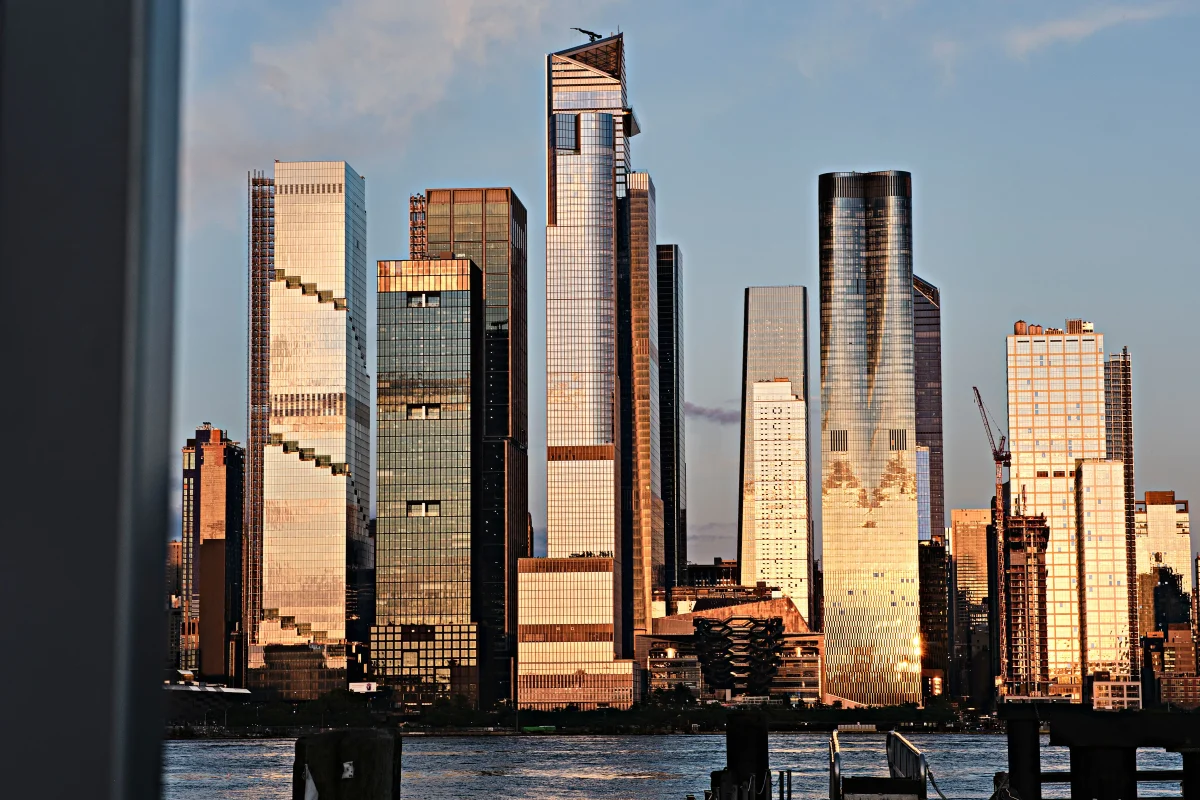
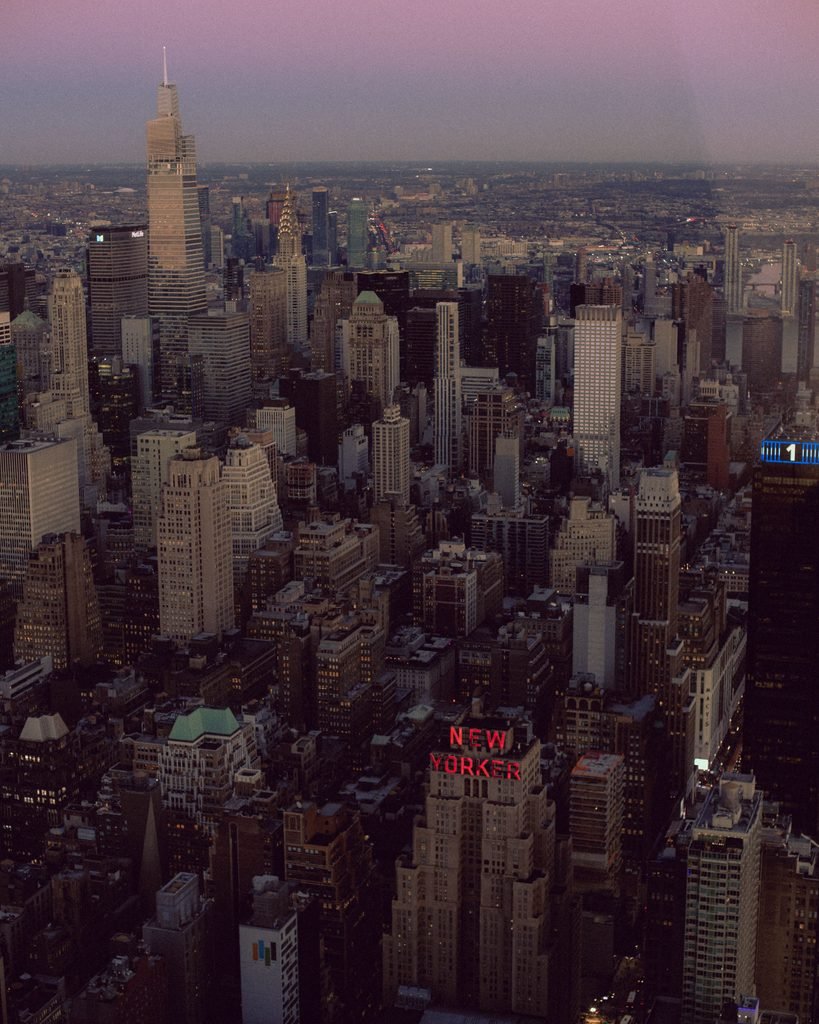
NYC helicopter tour view of Manhattan skyline

New York City isn’t just museums and window shopping — it’s an action-packed playground for adventure seekers. From soaring above the Manhattan skyline in a helicopter to ice skating under the Rockefeller Center Christmas tree or pedaling through Central Park, outdoor adventures create some of the most memorable moments of any NYC trip.

But before you book anything, it pays to know the rules. This guide walks through NYC helicopter tour safety tips, Central Park bike rental rules, and what to know about ice rinks, sky decks, and travel insurance so your 2026 New York adventure goes off without a hitch.

1. NYC Helicopter Tour Safety Tips: What Every Flyer Should Know

doors-off NYC helicopter tour safety

A helicopter flight over the Hudson River delivers unbeatable views of the Statue of Liberty, Brooklyn Bridge, and Empire State Building. But before you book, these are the NYC helicopter tour safety tips worth knowing.

ID, Age, and Weight Requirements

Under FAA rules, anyone 18 or older needs a valid government-issued photo ID at check-in. Weight limits matter more than people expect: most operators cap individual passengers at around 275 lbs (125 kg), though some, like HeliNY, set stricter limits (around 250 lbs) on certain aircraft. Passengers over the limit are usually required to book an additional “comfort seat,” with surcharges typically running $99–$250 depending on the operator. If your group is on the heavier side, call ahead — operators reserve the right to reassign seating or add passengers to balance the aircraft.

Doors-Off Tours: Know Where They Actually Fly From

Here’s something many first-time visitors get wrong: doors-off helicopter tours are not permitted from Manhattan’s Downtown Heliport. Following a fatal 2018 crash into the East River, New York City banned doors-off flights departing from within city limits. If you want the open-door photography experience, you’ll need to book with an operator like FlyNYON, which departs from Kearny, New Jersey — outside the city’s jurisdiction. Always confirm your departure airport before booking, since the “New York helicopter tour” you find online may actually take off from New Jersey and include a 30–45 minute travel window each way.

Weather Cancellations and Prohibited Items

Helicopter flights are highly weather-dependent, and canceled flights due to fog, wind, or low visibility are common. Many tickets are non-refundable unless you buy a flexible cancellation add-on, so check the fine print before paying. Loose scarves, oversized bags, and unsecured cameras are banned on open-door flights because anything not strapped down becomes a hazard mid-air.

Learn more about FAA helicopter tour regulations

2. Central Park Bike Rental Rules Every Rider Should Follow

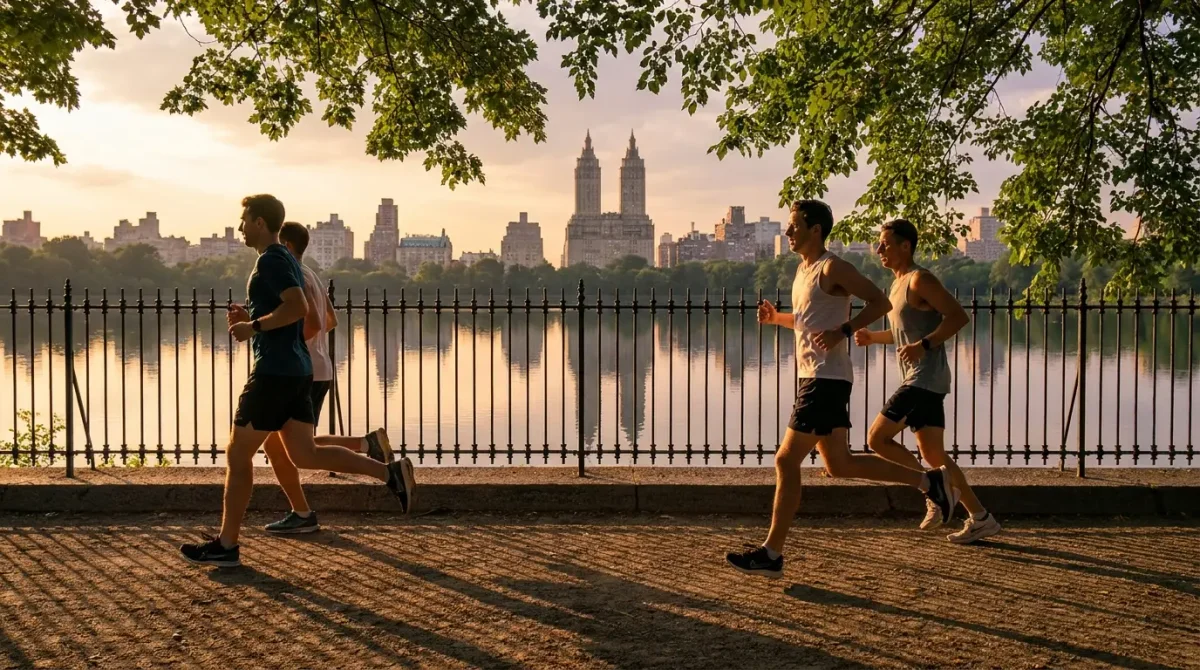
Central Park bike rental rules cyclists on loop road

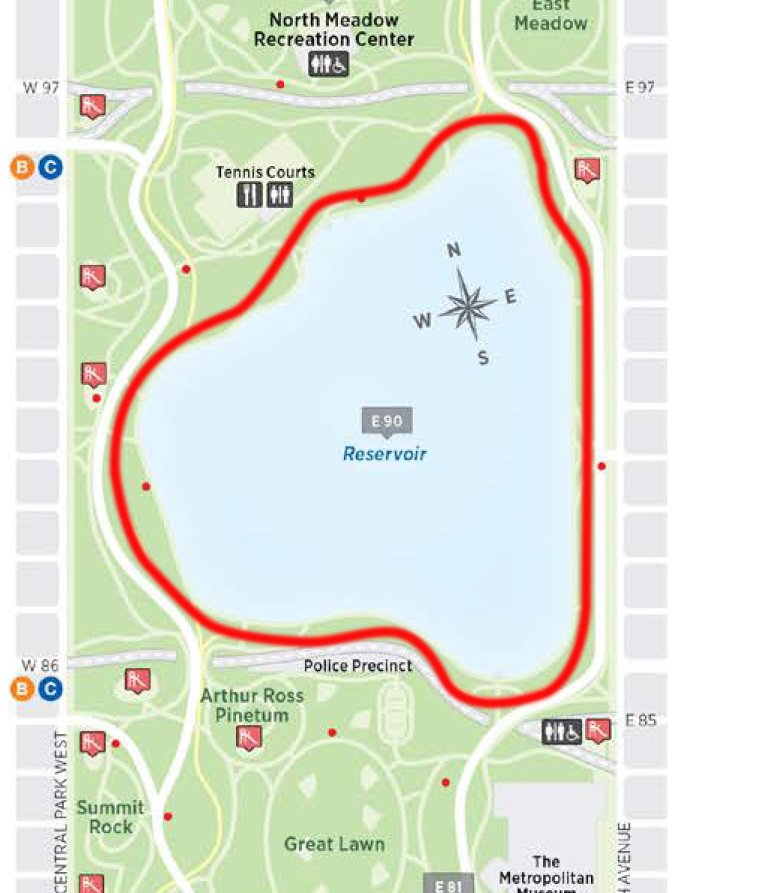
Renting a bike to explore Central Park’s 843 acres is a classic New York experience — but sharing the park’s loop roads with runners, horse-drawn carriages, and pedicabs means the Central Park bike rental rules are worth learning before you clip in.

Ride Counterclockwise, Stay Off the Paths

The park’s main drives always flow counterclockwise, and cycling is prohibited on pedestrian-only paths, lawns, and the Park’s dirt trails. The Central Park Conservancy notes that cycling is only allowed on marked shared paths in a couple of specific spots, so stick to the drives unless a path is clearly marked for bikes.

Helmet Laws and Speed Limits

New York law requires cyclists under 14 to wear a helmet, though it’s smart for riders of any age given how congested the loop gets, especially near crosswalks and popular photo spots like Bethesda Fountain. Speed inside the park is generally capped around 20 mph. If you rent an e-bike, Class 3 e-bikes require a helmet by law regardless of the rider’s age.

Route Options for Every Fitness Level

Most rental shops offer three main loop options: a 1.7-mile Southern Loop for casual riders, a roughly 5-mile Lower Loop that skips the steep northern hills, and the full 6-mile loop including Harlem Hill for more experienced cyclists. If you head out of the park onto Manhattan streets, stay in marked bike lanes and skip the headphones — situational awareness matters more in city traffic than in the park.

3. Winter Ice Skating & Summer Rooftop Safety

Wollman Rink ice skating Central Park skyline

From Wollman Rink and Bryant Park’s winter ice to sky-high observation decks in the warmer months, New York’s seasonal adventures come with their own physical demands.

Ice Rink Safety

Central Park’s Wollman Rink now runs under new management (Wollman Park Partners) and typically opens in late October, running through mid-March. General admission runs roughly $15–$38 for adults with $10–$12 skate rentals, and the rink gets extremely crowded during the holidays — which is exactly when wrist and ankle injuries spike among beginner skaters. Wrist guards are a smart, inexpensive addition if you’re new to the ice.

Observation Decks and Glass Floors

Sky decks like Edge at Hudson Yards (home to the CityClimb experience) and Summit One Vanderbilt require sturdy, non-slip footwear, and both encourage securing your phone with a lanyard before leaning out over a glass floor or open-air ledge. These attractions are generally very safe when visitors follow posted guidance, but rushing for a photo on a windy day is where most minor incidents happen.

Edge Hudson Yards glass floor observation deck safety

4. Why Your Travel Insurance Needs to Cover “Adventure Activities”

Many travelers assume standard travel insurance covers any accident on vacation — that’s a costly misconception. Standard policies frequently exclude high-risk or “extreme sports” activities, which can include helicopter tours, sky-deck climbing experiences, and even some bike rentals in insurers’ fine print.

Before you book your NYC adventure, check for:

  • An extreme sports rider or add-on that specifically names helicopter flights, climbing experiences, or similar activities.
  • Emergency medical evacuation coverage of at least $100,000, in case you need transfer to a specialized trauma facility.
  • Equipment and activity-fee protection, so non-refundable tickets are reimbursed if weather or illness forces a cancellation.

Reading the exclusions section of your policy — not just the marketing summary — is the single best way to avoid a surprise bill after an accident.

Final Thoughts

Helicopter flights, Central Park bike rides, ice skating, and sky-deck adventures make a trip to New York City unforgettable. By following the NYC helicopter tour safety tips above, sticking to the Central Park bike rental rules, and confirming your travel insurance actually covers adventure activities, you can dive into everything the city offers with real peace of mind.

This guide is for general informational purposes only. Always confirm current rules, pricing, and safety requirements directly with tour operators, NYC Parks, and your insurance provider before booking.

Related posts you might enjoy

Getting Sick in NYC as a Tourist: Why Travel Medical Insurance for USA Visitors Is a Must

Getting sick in NYC as a tourist can turn a dream trip into a financial nightmare. Here’s what ER and urgent care actually cost, and why travel medical insurance for USA visitors isn’t optional in 2026.

getting sick in NYC as a tourist

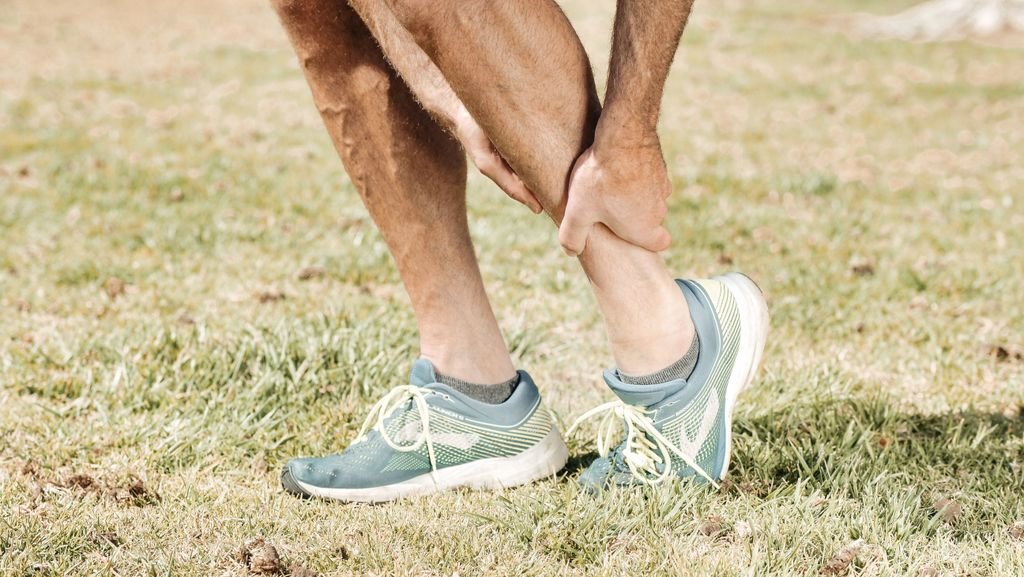
New York City delivers world-class food, Broadway lights, and miles of sights to explore on foot — which also means blisters, stomach bugs, and the occasional twisted ankle on a SoHo cobblestone are part of the deal. Getting sick in NYC as a tourist is more common than most visitors expect, and because the United States has no universal healthcare system, a single visit to the wrong facility can leave you with a bill in the thousands.

This guide breaks down what NYC medical care actually costs in 2026, when to choose urgent care over the ER, and why travel medical insurance for USA visitors has become one of the most important items on any international traveler’s pre-trip checklist.

The Real Cost of Getting Sick in NYC as a Tourist

NYC emergency room cost for tourists

If you don’t hold a US health insurance plan, you’re billed directly and in full — no negotiated “insurance rate,” just the hospital’s list price.

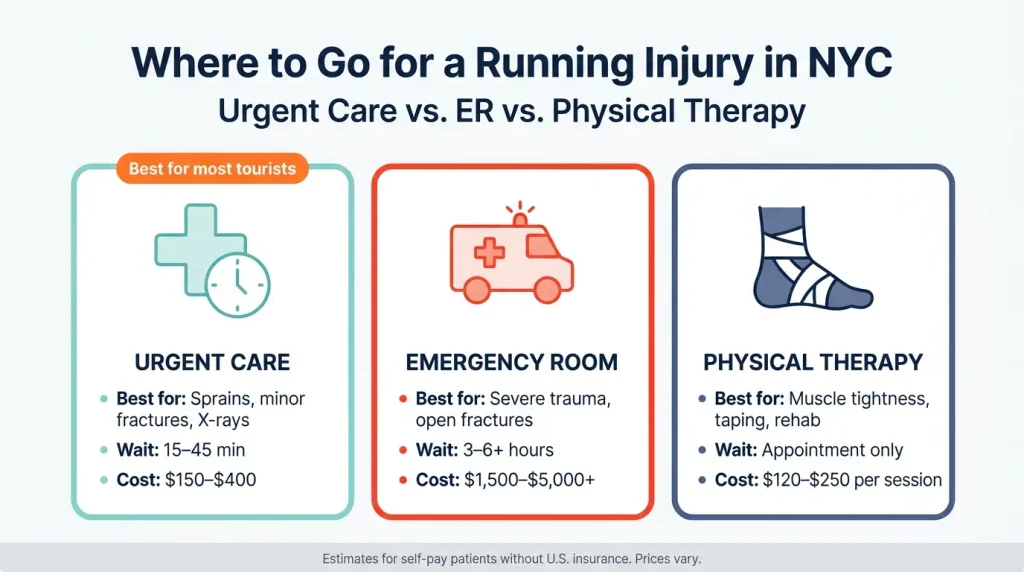
  • Emergency Room visits: Recent 2026 pricing analyses put the average uninsured ER visit somewhere between roughly $1,500 and $3,500 for a non-critical issue, with facility fees alone starting around $150–$3,000 before any actual treatment is added. Serious conditions requiring extensive imaging or surgery can push totals to $10,000–$20,000 or more. New York specifically tends to run on the higher end of the national range compared with lower-cost states. Uninsured patients in New York can expect roughly $600 to $3,000 for straightforward visits like a sprained ankle or a minor cut needing stitches, with complex cases involving imaging or specialist consultations reaching $5,000 to $10,000.
  • Ambulance transport: A 911-dispatched ambulance in NYC is billed separately from any hospital charges and commonly runs $1,200–$2,500.
  • Urgent care centers: A far more affordable option for non-emergencies. A basic self-pay visit at a chain like CityMD typically falls between $150 and $200 for a standard consultation, though additional tests can raise that total.
  • Prescription drugs: Without a US pharmacy insurance plan, medication prices are among the highest in the developed world, so even routine antibiotics or allergy medication can be a surprise expense.

The takeaway: getting sick in NYC as a tourist isn’t just inconvenient — it’s a real financial exposure unless you’ve planned ahead.

Urgent Care vs. Emergency Room: Where Tourists Should Actually Go

Choosing the right facility is the single biggest lever you have over your final bill.

Urgent Care Centers (Non-Life-Threatening Issues)

For the flu, food poisoning, minor cuts, sprains, or a bad cold, skip the hospital entirely and head to an urgent care clinic. Chains such as CityMD, Mount Sinai Urgent Care, and Parkway Urgent Care are scattered throughout Manhattan and Brooklyn, accept walk-ins with no appointment, and typically move much faster than an ER. As noted above, a basic visit without insurance generally lands in the $150–$250 range, covering the office visit and minor procedures like a rapid flu or strep test, though X-rays or lab work add extra charges.

Emergency Rooms (Severe, Life-Threatening Emergencies Only)

Reserve the ER for genuine emergencies: chest pain, difficulty breathing, major trauma, stroke symptoms, or severe allergic reactions. Major NYC hospitals — NewYork-Presbyterian, Mount Sinai Hospital, and NYU Langone — provide excellent emergency care, but ERs triage by severity, so a non-critical case can mean a 4–8 hour wait before you’re even seen. US law (EMTALA) requires hospitals to stabilize anyone in a genuine emergency regardless of insurance status, but that guarantee covers stabilization only — it does not mean the visit is free.

If you want to sanity-check a price before you’re billed, the FAIR Health Consumer cost estimator lets you look up typical charges for a given procedure by ZIP code.

Why Travel Medical Insurance for USA Visitors Is Non-Negotiable

travel-medical-insurance-usa-visitors

Given the numbers above, arriving in New York without coverage is a genuine financial gamble. A dedicated international visitor medical plan purchased before departure is the single most effective way to protect yourself. When comparing policies, look for:

  • A direct-billing PPO network: Plans that partner with major US networks (UnitedHealthcare, Blue Cross Blue Shield, etc.) let the clinic bill your insurer directly, so you’re not fronting thousands of dollars at the counter.
  • Emergency medical evacuation: Covers specialized transport home if you need care your travel destination can’t provide.
  • Prescription coverage: Reimburses medication costs tied to a covered illness or injury.
  • A 24/7 English-language assistance line: A hotline that can immediately point you to the nearest in-network urgent care center.

For a baseline understanding of what US visas and travel generally expect regarding coverage, the US Department of State’s travel insurance guidance and the CDC’s travel health page are both useful starting points before you compare specific policies. Since the No Surprises Act mainly protects people who already have US insurance from surprise out-of-network billing, it’s a reminder — via CMS’s official summary — that uninsured international visitors don’t get the same automatic protection, which is exactly why standalone travel medical insurance for USA visitors matters so much.

Emergency Action Plan: What to Do If You Get Sick in NYC as a Tourist

If symptoms hit mid-trip, work through these steps in order:

  1. Call your insurance provider’s 24/7 hotline. Confirm which local clinics are in-network before you walk in anywhere.
  2. Search for the nearest urgent care. Open Google Maps and search “urgent care near me” — in Manhattan or Brooklyn, you’re rarely more than a few blocks from one.
  3. Bring your passport and insurance card. Carry both the physical passport and a printed or digital copy of your insurance certificate to every appointment.
  4. Keep every itemized receipt. If you have to pay upfront, request an official itemized bill (sometimes called a “superbill”) so you can submit it for reimbursement later.
  5. Escalate to the ER only if it’s truly severe. Chest pain, breathing trouble, major trauma, or a severe allergic reaction warrant a hospital, not a clinic.

Final Thoughts

Nobody plans on getting sick in NYC as a tourist, but a little preparation changes everything. Knowing the real cost difference between urgent care and the ER, and locking in solid travel medical insurance for USA visitors before you fly, means one bad afternoon doesn’t turn into a five-figure bill. Sort out coverage before departure, and the rest of your New York trip can stay focused on the food, the skyline, and the shows — not a hospital waiting room.

Related posts you might enjoy:

First-Time NYC Travel Checklist 2026: Entry, Payments & Safety Essentials

Heading to New York for the first time? Here’s the complete first-time NYC travel checklist for 2026 — from updated NYC entry requirements to OMNY fares, eSIMs, and the apps you actually need.
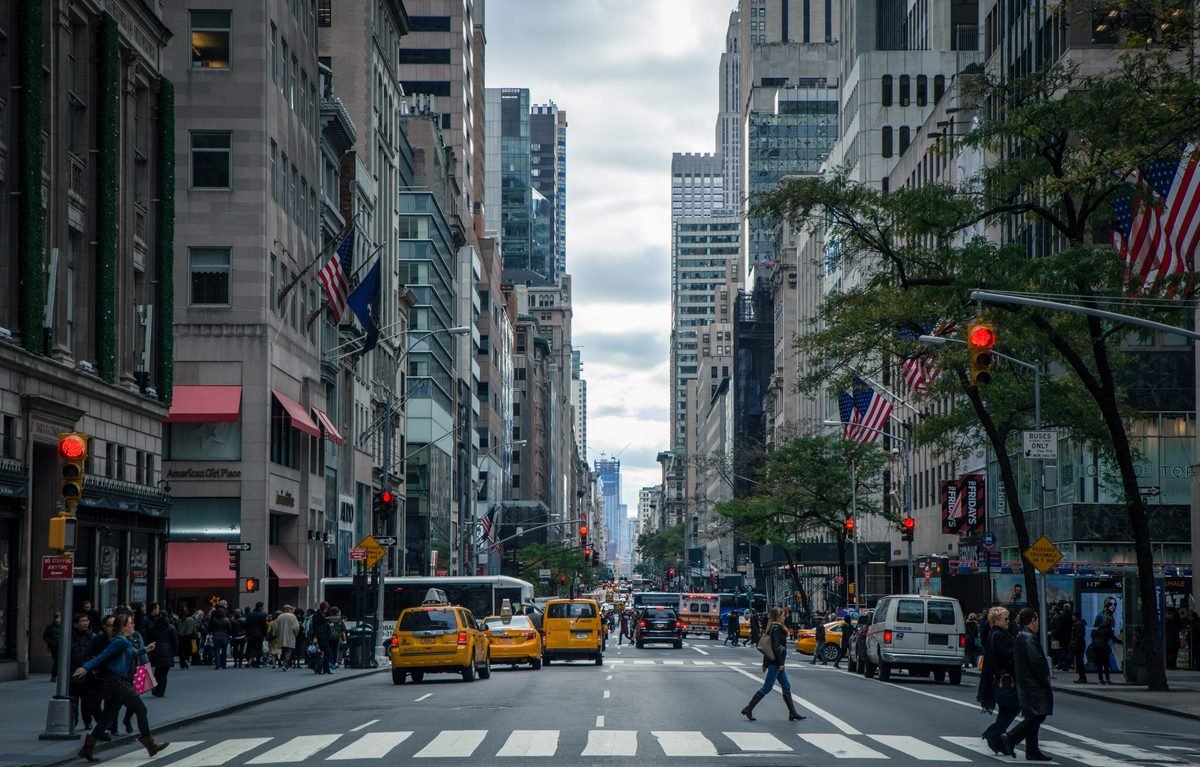
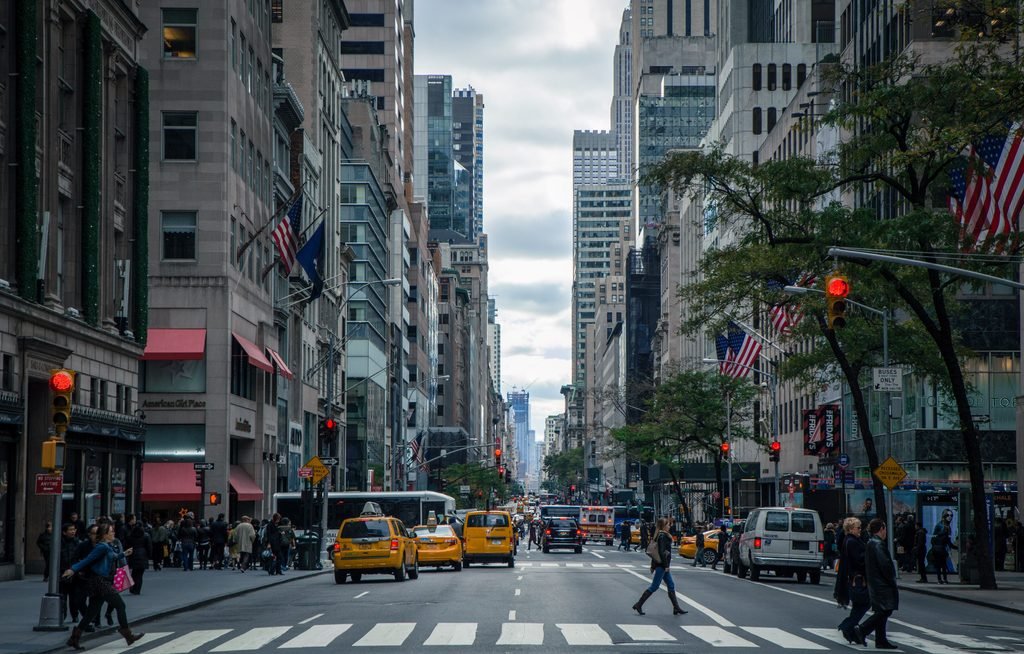
Planning your very first trip to New York City? Whether you’re coming for the iconic skyline, world-class Broadway shows, or the electric energy of Times Square, a solid first-time NYC travel checklist is the difference between a smooth arrival and a stressful one. Between updated NYC entry requirements 2026, new transit fares, and a fast-changing payment system, a few things have shifted since last year — so it’s worth double-checking the details before you pack your bags.

Below is an updated, research-backed checklist covering everything you need to confirm before boarding your flight.

 first-time NYC travel checklist

1. Passport & ESTA: Meeting NYC Entry Requirements 2026
first-time NYC travel checklist

Before you book flights or hotels, get your travel authorization locked down — this is the single most important part of any NYC entry requirements 2026 checklist.

  • Passport validity: Aim for at least 6 months of validity remaining beyond your planned departure date from the United States.
  • ESTA (Electronic System for Travel Authorization): If you’re traveling under the Visa Waiver Program, apply online at least 72 hours before departure — though applying further in advance is safer. Approved ESTAs remain valid for up to two years or until your passport expires, whichever comes first.
  • Budget for the new fee: The ESTA fee jumped significantly in late 2025 and now sits at just over $40 per applicant after a further small inflation adjustment at the start of 2026, up from roughly half that amount previously. Every traveler pays the same rate regardless of age, and if an application is denied, only a small processing portion is refunded — the rest is not charged.
  • Apply only through the official CBP ESTA portal to avoid inflated third-party “service” websites that charge extra for the same form.
  • Save both a digital copy (PDF or screenshot) and a printed copy of your approval for check-in and border control.

2. eSIM or Mobile Data Roaming Setup

first-time NYC travel checklist

Staying connected in Manhattan is essential for navigating the subway, checking live show schedules, and booking restaurant reservations.

  • eSIM (recommended): Skip swapping physical SIM cards at JFK or Newark. Buy and install an unlimited US eSIM before you fly, so it activates automatically the moment you land.
  • Alternative: Activate your home carrier’s international roaming add-on if you’d rather keep your original number active, especially for two-factor authentication texts from your bank or apps.

3. Comprehensive Travel Insurance & Medical Coverage

first-time NYC travel checklist

If there’s one item you should never skip on a first-time NYC travel checklist, it’s comprehensive travel insurance.

Healthcare in the US is famously expensive, and a single urgent care visit or ER trip in New York for a minor injury, sudden illness, or allergic reaction can easily run into the thousands of dollars out of pocket.

  • Medical coverage: Look for a policy with robust emergency medical coverage — ideally $50,000 to $100,000 USD or more — with a low or zero deductible. Site like Squaremouth or NerdWaller’s travel insurance comparision tool let you compare multiple providers side by side based on your trip cost and coverage needs.
  • Trip cancellation & interruption: This protects your financial investment if flights are canceled, severely delayed by weather, or you need to return home early.
  • Baggage loss & delay: Delays are common at major hubs like JFK, so coverage for essentials purchased while your luggage catches up is worth having.
  • Local tip: Keep a digital copy of your English-language insurance certificate on your phone and a printed copy in your daypack.

Scrollable

4. Cash, Cards & the New OMNY Fare System

first-time NYC travel checklist

New York has gone almost entirely cashless, but understanding the current payment landscape is a key part of meeting NYC entry requirements 2026 for a stress-free trip — especially since the city’s transit payment system changed completely at the start of 2026.
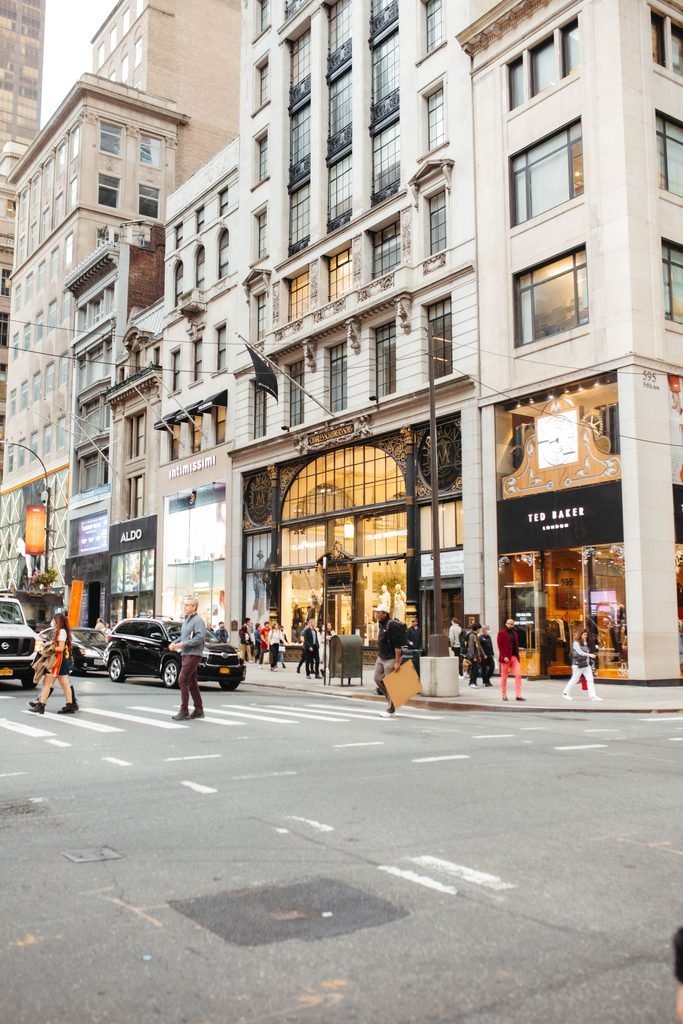
  • Contactless cards: Most cafes, restaurants, shops, and subway turnstiles accept Apple Pay, Google Pay, and tap-to-pay Visa/Mastercard. Choose a card with no foreign transaction fees.
  • Small amount of cash ($50–$100 USD): Useful for tipping hotel porters, street vendors, or small shops that still prefer cash.
  • MetroCard is gone: As of January 1, 2026, the MTA stopped selling and refilling the classic yellow-and-blue MetroCard entirely. Subways and buses now run exclusively on OMNY, the tap-to-pay system — just tap your contactless card, phone, or an OMNY card at the reader.
  • New fare, new cap: The base subway and local bus fare rose to $3.00 per ride in January 2026 (up from $2.90), and express buses now cost $7.25. – Check the official MTA fares page for the latest rates. The good news: OMNY’s rolling 7-day fare cap is now permanent, meaning you’ll never pay more than $35 in local subway/bus fares in any 7-day period — it works automatically with no sign-up required, similar to an unlimited weekly pass but without paying upfront.
  • Buying an OMNY card: If you’d rather not tap a personal card, OMNY cards are sold at station vending machines and thousands of retailers for a small one-time fee (rising to $2 later in 2026 once the MetroCard phase-out is complete).

5. Download Essential NYC Travel Apps

first-time NYC travel checklist

Save time and hassle by installing these before your flight:

  • Google Maps / Apple Maps: Essential for walking routes and real-time transit directions.
  • MYmta: The official app for subway, bus, and Long Island Rail Road schedules and service alerts.
  • OpenTable & Resy: The standard apps for booking tables at top NYC restaurants and trendy cafés.
  • Lyft / Uber: Handy for late-night rides when subway service runs on modified schedules.

Final Pre-Flight Checklist Recap

first-time NYC travel checklist

A great New York experience starts with solid preparation. Before you head to the airport, run through this quick version of the first-time NYC travel checklist:

  • ✅ Passport valid for 6+ months, ESTA approved and saved (budget ~$40 for the fee)
  • ✅ eSIM or roaming plan set up
  • ✅ Travel insurance with strong emergency medical coverage purchased
  • ✅ Contactless card with no foreign transaction fees, plus $50–$100 cash
  • ✅ MYmta, Maps, OpenTable/Resy, and Uber/Lyft downloaded
  • ✅ Comfortable walking shoes packed — you’ll easily log 15,000+ steps a day

Double-check your ESTA approval status, confirm your mobile data is ready, and never skip travel insurance when visiting the US. Get ready to explore the greatest city in the world!

Related posts you might enjoy

Best Glamping Near NYC for Fall: 4 Top Spots in New York & New Jersey Within 2 Hours

Skip the long drive and the gear-hauling. These four glamping spots near NYC deliver hotel-level comfort in the heart of autumn foliage country — all within two hours of Manhattan.

When October arrives and the city starts to feel too small, the pull of the woods becomes hard to ignore. The good news? Some of the best glamping near NYC is within a two-hour drive — and you won’t need to haul a single tent pole to enjoy it.

Glamping (short for glamorous camping) combines hotel-level comfort with the magic of sleeping outdoors. Think plush beds, private fire pits, and starry skies — without sacrificing hot showers or Wi-Fi. Whether you’re a total first-timer or just someone who prefers a proper pillow, fall is hands-down the best season to try it. Fall foliage peaks in the Catskills around early- to mid-October, and the surrounding region transforms into a kaleidoscope of gold, amber, and crimson — all best appreciated from a cozy dome or canvas tent with a warm drink in hand.

Here are four standout options for fall glamping in New York and New Jersey, each within two hours of the city.


Camping vs. Glamping: What’s the Difference?

Before diving in, a quick breakdown for the uninitiated.

Camping is the traditional experience: you bring (or rent) your own tent, cook over an open flame, and embrace the full rawness of the outdoors. It’s rewarding, but it requires preparation and a tolerance for inconvenience.

Glamping flips that equation. Think of glamping as an upgraded version of traditional camping, typically with a larger, canvas tent already set up, often with beds, mattresses, and other creature comforts like picnic tables and grills built into your campsite. Many spots also include bathrooms with running water, electricity, and even air conditioning or heating — critical for October nights that can dip into the low 40s°F.

Some sites blend both worlds: a canvas tent with a queen bed inside but a shared bathhouse down the path. We’ve noted those distinctions for each spot below.


4 Best Glamping Spots Near NYC This Fall

1. Unique Escapes — Monticello, NY (Best for Solo Travelers)

Address: 17 Gartner Rd, Monticello, NY 12701
Website: uniqueescapesny.com
Distance from NYC: Under 2 hours

Tucked into 35 acres of Sullivan County forest, Unique Escapes offers geodesic dome accommodations that deliver genuine seclusion without sacrificing comfort. Each dome includes a private bathroom and kitchen, a living space, smart TV, free WiFi, a fire pit, BBQ grill, personal deck, and parking.

glamping near NYC
glamping near NYC

This is the quietest option on this list — ideal if you want to slow down, read, journal, or just listen to the forest. The property sits in the heart of the Catskills region, where glampers come in autumn for apple picking and a kaleidoscopic array of fall foliage.

glamping near NYC
glamping near NYC

Nearby:

  • Bethel Woods Center for the Arts (site of the original Woodstock festival) — 20–30 min drive
  • Willowemoc Wild Forest hiking trails
  • Resorts World Casino and Kartrite Indoor Waterpark for rainy-day options

Heads-up: Availability is limited since the property has only a small number of domes. Book 2–3 weeks out for October weekends, minimum.


2. Moon Valley Campground — Vernon, NJ (Best for Small Groups)

Address: 442 NJ-94, Vernon Township, NJ 07462
Website: moonvalleycampground.com
Distance from NYC: Under 2 hours

glamping near NYC

Moon Valley is located right off the steps of the Appalachian Trail in northern New Jersey, making it one of the most trail-accessible glamping spots near the city. The canvas bell tents come with queen-size beds, propane heaters, fire pits with grills, picnic tables, and solar lighting.

glamping near NYC

The vibe here leans more toward rustic glamping — it’s a campground at heart, with shared bathhouses rather than en-suite facilities. Private body wipes and nearby porter-potties are provided per site. That said, the generous spacing between sites and the forested setting make it an excellent pick for small groups wanting to disconnect together.

Nearby:

  • Wawayanda State Park: hiking trails, lake boating, and three of the area’s most scenic hiking destinations — Pochuck Boardwalk, Stairway to Heaven, and Pinwheel Vista
  • Appalachian Trail day hikes directly accessible from the campground

Heads-up: Open April through November. Bring a headlamp — nighttime lighting on-site is minimal. If a warm shower is non-negotiable, confirm the bathhouse hours before arrival.


3. A Tiny House Resort — Catskill Mountains, NY (Best for Couples)

Address: 2776 Route 23B, South Cairo, NY 12484
Website: atinyhouseresort.com
Distance from NYC: Under 2 hours

glamping near NYC

Find uniquely designed tiny homes with patios at A Tiny House Resort in South Cairo. Each house has a kitchen, full bathroom, heating and air conditioning, WiFi, and more. During your stay, go on a hike to the on-site waterfall, paddle a kayak, or simply relax on the patio.

glamping near NYC

This is the most romantically set option on the list. Individual tiny houses are spaced out across a wooded property with a waterfront, a waterfall, and a seasonal pool (open May–October). Activities include kayaking, tubing, a crafts studio, goat walks, volleyball, and ping pong. Evening campfires with s’mores are a fall staple here.

Nearby:

  • Catskill Mountains hiking — North-South Lake, Kaaterskill Falls
  • The artsy villages of Woodstock, Saugerties, and Hudson — galleries, local restaurants, antique shops
  • Seasonal apple picking and cider at farms throughout Greene County

Heads-up: Some summer-focused activities wind down by mid-October. A cleaning fee (~$85) applies. Confirm that heating is operational in your specific unit before booking a late-October stay.


4. Savannah Sunset Resort & Spa — Jackson, NJ (Best for Families)

Address: 1 Six Flags Blvd, Jackson, NJ 08527
Website: sixflags.com/savannahsunset
Distance from NYC: Under 2 hours

The most resort-style entry on this list, Savannah Sunset sits within Six Flags Great Adventure’s Wild Safari — meaning your neighbors are giraffes, zebras, and rhinos. Twenty luxury tents fit up to six people each. A stay includes breakfast, evening events, close-up experience with the giraffe herd, a multi-park ticket, and the opportunity to book a VIP tour. Cost is $600 per night (two-night minimum).

glamping near NYC
glamping near NYC

Each safari tent is equipped with high-end bedding, air conditioning, and a private en-suite bathroom. The on-site spa offers massages and treatments. Evenings include campfire roasting and live entertainment on weekends.

glamping near NYC

Nearby:

  • Six Flags Wild Safari animal viewing directly from the resort
  • On-site restaurant, outdoor games, and wellness facilities
  • Additional Six Flags theme park access included with stay

Heads-up: A two-night minimum stay is required. Check seasonal schedules before booking — some programming and park access may be limited in late fall. Expect more foot traffic given the resort’s larger scale.


Fall Glamping Near NYC: Essential Tips for October

Fall glamping in New York and New Jersey is magical — but October does require a bit more planning than a summer weekend trip. Here’s what to know before you go.

Mind the Temperature Swings

October nights in the Hudson Valley and northern New Jersey can drop into the low 40s°F (around 5–7°C). Even if your glamping accommodation has a heater or propane stove, bring an extra layer, wool socks, and a warm hat for campfire time. If you’re camping at a spot with minimal heating, pack a cold-weather sleeping bag rated below 40°F.

Book Early — Foliage Season Fills Fast

In 2023, 67 percent of campers said they would go glamping, and fall weekends near NYC are among the most in-demand periods of the year. For peak foliage weekends in early-to-mid October, aim to book 2–4 weeks in advance.

Pack for Rain and Mud

Fall in the Northeast is famously unpredictable. A waterproof jacket, rain boots, and a dry bag for electronics are all worth throwing in the car — especially for sites with outdoor paths between accommodations and bathhouses.

Watch for Wildlife

Autumn is active season for black bears, deer, and smaller mammals in both the Catskills and northern New Jersey. Store all food in sealed containers or your car, and never leave snacks or trash outside overnight.

Verify Which Facilities Are Still Running

Most destinations for glamping near New York City are open between May and October. Some sites begin winterizing facilities (pools, hot water, outdoor kitchens) as early as mid-October. Always call or email ahead to confirm what’s operational during your stay dates.


Essential Packing List for Fall Glamping

Even the most luxurious glamping spot has its limits. Pack these to make sure October doesn’t catch you off guard:

Warmth & Sleep

  • Cold-weather sleeping bag (rated to 35°F or below)
  • Insulating base layers, wool socks, and a warm hat
  • Hand warmers or a small hot water bottle

Lighting

  • Headlamp with fresh batteries
  • A portable lantern for the campfire area

Cooking & Food

  • Insulated tumblers or a thermos
  • Snacks and a cooler bag — some sites don’t have full kitchen access
  • Marshmallows and s’mores supplies (non-negotiable)

Weather & Footwear

  • Waterproof hiking boots or rain boots
  • A packable rain jacket

Safety & Utility

  • First aid kit
  • Portable power bank
  • Multi-tool
  • Bug spray (mosquitoes can linger into October)

Who Should Go Where: A Quick Guide

Traveler TypeBest Pick
Solo or quiet getawayUnique Escapes, Monticello NY
Romantic couples tripA Tiny House Resort, Catskills NY
Family with kidsSavannah Sunset Resort, Jackson NJ
Small group / friend tripMoon Valley Campground, Vernon NJ

Final Thoughts

The best fall glamping near NYC isn’t about roughing it — it’s about being present for the season. Watching leaves turn from a private deck, waking up to cold air and birdsong, roasting something over a real fire: these are experiences that don’t require a flight or two weeks of planning.

All four spots on this list sit within two hours of Manhattan or Jersey City, and all of them offer something genuinely different. Whether you’re drawn to the quiet solitude of a geodesic dome in Sullivan County or the wild spectacle of sleeping among safari animals in Jackson, October has a place for you just around the corner.

Book early, pack warm, and go before the leaves are gone.


Related posts you might enjoy:

How to Experience NYFW Without an Invite: A Local’s Guide to Public NYFW Tickets (2026)

You don’t need an industry credential to feel New York Fashion Week. This local’s guide shows you exactly how to experience NYFW without an invite — from spotting street style outside Spring Studios to buying real public NYFW tickets for runway shows anyone can attend.

Think New York Fashion Week (NYFW) is only for A-list celebrities, top editors, and influencers with a million followers? Think again. Learning how to experience NYFW without an invite is actually easier than most people assume — you just need to know where to stand, what to book, and when to show up.

According to the CFDA’s preliminary September 2026 schedule, the official Spring/Summer 2027 season runs from September 10 to September 15, 2026, opening with Diane von Furstenberg’s runway show and closing with Thom Browne. That’s more than 70 runway shows and presentations packed into six days — and while most of them are strictly invite-only, the energy of the week spills out across Manhattan for anyone willing to chase it.

As a New York local, here’s the real insider guide to catching the buzz, the outfits, and even a few real runway shows — no editor credential required.


1. Catch the Glamour at Street Style Hotspots

NYFW without an invite

The sidewalks during Fashion Week are often more exciting than the shows themselves. Photographers, models, and stylish New Yorkers gather outside major venues, making street style spotting one of the best (and free) ways to experience NYFW without an invite.

  • Spring Studios (SoHo/TriBeCa, 50 Varick St): For years this has been a primary hub for major shows and presentations. Arrive 30–45 minutes before a scheduled show time to watch attendees arrive in showstopping outfits — this is peak street-style-photography hour.
  • SoHo’s Cobblestone Streets (Greene St & Prince St): The neighborhood’s cast-iron architecture is the favorite backdrop of street style photographers. Walk through mid-day and you’ll naturally run into live photoshoots and content creators filming.
  • Meatpacking District (Gansevoort St & the High Line): This chic, industrial pocket of the city becomes a magnet for off-duty models and fashion insiders grabbing coffee between calls.
NYFW without an invite

Because show venues shift slightly each season, it’s worth checking the CFDA’s official schedule page a few days out to confirm which venues are active that year.


2. Visit Brand Pop-Ups and Public Installations

Major fashion and beauty brands love capitalizing on the NYFW crowd by launching public pop-up shops, immersive installations, and photo booths — most completely free to enter.

NYFW without an invite
  • SoHo Pop-Up Corridors: Keep an eye on Broadway and West Broadway, where brands take over vacant storefronts for multi-day immersive experiences with free product samples and branded giveaways.
  • Meatpacking District & Hudson Yards Activations: Several retail hubs run outdoor screen viewings, live DJ sets, and open-to-the-public installations timed to the week.

Following NYFW-related hashtags in the days leading up to September is the easiest way to catch pop-up announcements before they happen.


Scrollable


3. Buy Real Public NYFW Tickets to Runway Shows

If you want the full runway experience — the lights, the front row, the actual show — you don’t need an industry invite. Several officially calendared production companies sell public NYFW tickets directly to anyone:

  • The Bureau at Gotham Hall (Broadway/Midtown): Running September 11–13, 2026, The Bureau produces 11 runway shows across 100+ designers, with general admission tickets starting around $125. Only press, buyers, and influencers working professionally need separate credentials — everyone else just needs a ticket.
  • Runway 7 at Sony Hall (235 W. 46th St): Runway 7’s September 2026 shows run roughly September 8–13, spotlighting emerging international designers with a strong focus on Latin American, Japanese, UK, and Portuguese talent. General admission tickets typically start around $150.
  • hiTechMODA at The Edison Ballroom (Times Square): A tech-forward showcase of independent global designers, with public shows scheduled for September 11–12, 2026. This is one of the most accessible entry points if you want a Times Square-adjacent NYFW moment.
NYFW without an invite

Because exact dates and lineups can shift as the season approaches, always confirm current details directly through each producer’s official ticketing page before booking.


4. Where Fashion Insiders Refuel: A Local Cafe & Dining Guide

Looking to grab a matcha or a glass of natural wine next to fashion insiders during show week? Skip the tourist chains and head to these neighborhood spots instead:

NYFW without an invite
  • Felix Roasting Co. (SoHo): An elaborate, plant-filled interior that makes for a naturally photogenic coffee break.
  • Balthazar (SoHo): The classic spot for fashion week power breakfasts and celebrity sightings.
  • Sant Ambroeus (SoHo/West Village): A Milanese cafe long favored by the fashion crowd for a quick espresso between shows.
  • Gilligan’s at Soho Grand Hotel: An open-air, tropical-leaning rooftop ideal for late-afternoon cocktails and people-watching.

Local Tips for Experiencing NYFW Without an Invite

  1. Dress the part. If you want to be photographed by street style photographers, lean into bold colors, unique textures, or a strong vintage statement piece.
  2. Timing is everything. Arrivals at major venues typically peak 30–45 minutes before a show’s scheduled start.
  3. Wear comfortable footwear. You’ll be walking miles on SoHo’s cobblestone streets — sleek sneakers or chunky boots hold up far better than stilettos.
  4. Book public NYFW tickets early. The most accessible shows (Gotham Hall, Sony Hall, Edison Ballroom) tend to sell out their better seating tiers first, especially closer to opening night.

NYFW is no longer a closed-door event — it’s a city-wide celebration of creative culture that anyone in New York can tap into. Pick a neighborhood, put on your favorite outfit, and step into the energy of New York City this September.


Dates and ticket details reflect the preliminary September 2026 schedule as of publication and are subject to change — always verify directly through the CFDA and each production company’s official site before finalizing plans.

Related posts you might enjoy:

Philip Johnson Glass House Architecture: A New Canaan Day Trip Guide from NYC

A deep dive into Philip Johnson Glass House architecture — proportion, materials, and the furniture-only floor plan — plus a complete New Canaan day trip itinerary from Grand Central, no car required.

About an hour outside Manhattan, tucked behind a curtain of trees in New Canaan, Connecticut, sits one of the most influential residences of the 20th century. Philip Johnson Glass House architecture turned a simple rectangle of steel and glass into one of modernism’s defining statements — a house with no interior walls, no curtains, and almost nothing standing between its owner and the surrounding landscape.

Philip Johnson Glass House architecture

Completed in 1949 by architect Philip Johnson — winner of the first-ever Pritzker Prize — the Glass House is often mentioned in the same breath as Ludwig Mies van der Rohe’s Farnsworth House. The two buildings share a lineage: Mies first conceived of a glass house as early as 1945, and Johnson has openly credited Mies as the source of the idea after seeing early sketches of the Farnsworth House. But the two houses diverge sharply in execution — and understanding those differences is part of what makes a visit so rewarding.

This guide breaks down the building’s design in detail and lays out a complete, car-free Glass House New Canaan day trip you can do from Grand Central Terminal in a single day.

The Core Elements of Philip Johnson Glass House Architecture

Proportion and Structural Module

The Glass House is a single-story rectangular volume, roughly 56 feet by 32 feet — a modest footprint for a building of such outsized influence. The steel structural frame is painted matte black, a deliberate choice that lets the black lines of the columns read almost like a drawing against the greenery beyond, rather than competing with it.

A New Canaan Day Trip Guide from NYC

Inside, the floor is laid in a herringbone pattern of reddish brick, which does double duty: it conceals radiant floor heating and gives the otherwise cool palette of glass and steel a warm, tactile counterpoint underfoot.

A Floor Plan With No Interior Walls

This is the most radical part of the design, and it’s central to any discussion of Philip Johnson Glass House architecture. There isn’t a single fixed partition inside the house. Instead, “rooms” are defined entirely by furniture groupings and rugs:

  • A cluster of Barcelona chairs, a daybed, and a low glass table — all designed by Mies van der Rohe — mark out the living area on a rug.
  • A run of low walnut cabinetry, kept below eye level, forms the kitchen without ever blocking the 360-degree view.
  • The only object that breaks the roofline is a freestanding brick cylinder, which houses the bathroom on one side and a fireplace facing the living area on the other. It functions as the house’s single fixed anchor point in an otherwise open plan.
A New Canaan Day Trip Guide from NYC

Where Mies’s Farnsworth House consolidates its utilities into a core that never touches the exterior glass walls, Johnson was directly influenced by that decision — he was struck by how Mies had gathered the kitchen, closets, and bathrooms into one core with no part touching the outer walls. Johnson borrowed the logic but gave it his own form with the brick cylinder.

Glass House vs. Farnsworth House: Key Differences

If you’re researching Philip Johnson Glass House architecture, the comparison to Mies’s Farnsworth House (1951) in Plano, Illinois, comes up constantly, and it’s worth knowing the actual distinctions rather than treating the two as interchangeable:

Farnsworth House (1951) in Plano, Illinois
  • Ground relationship: Johnson’s house sits directly on the land, while Mies’s Farnsworth House is raised above it on steel stilts, partly as flood protection for its riverside site.
  • Structural expression: The Glass House blurs the line between its structure and glass framing, whereas the Farnsworth House more clearly exposes and celebrates its structural frame.
  • Color: One frame is black, the other white — a small detail that changes how each building reads against its landscape.

Johnson himself was candid about the debt. Writing in 1950, he acknowledged that the idea of a glass house came from Mies, and that seeing Mies’s sketches was what pushed him to begin his own three-year design process — while noting the “obvious difference in composition and relation to the ground” between the two.

The Wider Estate: Brick House and the Other Structures

A visit built around Philip Johnson Glass House architecture should not stop at the glass box itself. The Glass House is one of fourteen structures spread across a 49-acre estate that Johnson treated as a lifelong architectural laboratory, adding buildings over nearly five decades.

Directly across the lawn from the Glass House sits its intentional opposite: the Brick House, a fully enclosed, opaque guest house. The pairing of a transparent glass pavilion with a solid, windowless brick structure was a deliberate composition — transparency versus enclosure, lightness versus mass.

A New Canaan Day Trip Guide from NYC
Brick House

Elsewhere on the property, later additions trace Johnson’s shift from modernism toward postmodern experimentation:

  • An underground Painting Gallery, built into a hillside and organized around rotating carousel-style walls.
  • A Sculpture Gallery with a stepped interior and a skylit roof that floods the space with natural light.
  • Da Monsta, a curved, cartoonish structure near the entrance that shows just how far Johnson’s style traveled from the strict rectangles of 1949.
A New Canaan Day Trip Guide from NYC

Seeing these buildings together, in sequence, is really what makes the site worth the trip — it turns a single iconic house into a decades-long conversation an architect was having with himself.

Planning Your Glass House New Canaan Day Trip

Here’s what to know if you’re putting together a Glass House New Canaan day trip from New York City.

Getting There by Train

  • Take Metro-North’s New Haven Line from Grand Central Terminal toward New Canaan. Depending on the train, you may need to change at Stamford onto the New Canaan branch.
  • The ride takes roughly 70–80 minutes each way.
  • The New Canaan train station sits right across the street from the Glass House Visitor Center, so there’s no need for a taxi or rideshare on arrival.

Tickets and Tour Format

Access to the property is by guided or self-guided tour only — there is no public parking or drive-up access at the Glass House itself, and all visitors are shuttled in from the Visitor Center.

Website: https://theglasshouse.org/
Ticket: https://ci.ovationtix.com/419

  • The 2026 tour season runs from mid-April through mid-December, with tours available Sunday, Monday, Thursday, Friday, and Saturday (closed Tuesday and Wednesday). Tours run from 9:30am to 5:00pm, with the last shuttle of the day departing around 3:45pm on most days and 3:00pm on Sundays.
  • The most popular option is the roughly two-hour tour that includes five structures — the Glass House, Brick House, Painting Gallery, Sculpture Gallery, and Da Monsta — covering about three-quarters of a mile over paved, grass, and gravel paths.
  • A shorter, more accessible option covers just two structures (the Glass House and Brick House) with minimal walking.
  • On Sundays, a three-hour self-guided option lets you explore the buildings and grounds at your own pace.
  • Special golden-hour tours, timed around sunset lighting design by Richard Kelly (a frequent collaborator of both Johnson and Mies), run on select dates in spring and fall.

Advance tickets are strongly recommended, since tours regularly sell out, especially on weekends. There’s no parking at the Visitor Center itself, so if you’re not arriving by train, plan to use New Canaan’s public municipal lots.

Suggested Itinerary

  1. Depart Grand Central Terminal on the New Haven Line toward New Canaan.
  2. Arrive at New Canaan Station and check in at the Visitor Center + Design Store, 199 Elm Street, directly across from the station.
  3. Shuttle out to the estate for your guided tour of the Glass House, Brick House, and galleries.
  4. Browse the Design Store back at the Visitor Center — it stocks design-object curiosities alongside Johnson-related books and photography.
  5. Walk over to a local café in downtown New Canaan to unwind before heading back.
  6. Return to Grand Central via the same Metro-North line.

Coffee Break: Zumbach’s Gourmet Coffee

A New Canaan Day Trip Guide from NYC

A short walk from the Visitor Center (199 elm st) — about six or seven minutes, roughly 0.3 miles — brings you to Zumbach’s Gourmet Coffee at 77 Pine Street. It’s a small, classic specialty coffee shop that roasts its beans in-house daily, and it’s a comfortable spot to sit with a drip coffee or espresso and process everything you just saw.

Is the Glass House Worth the Trip?

For anyone interested in modernist design, the answer is yes — and not just for the house itself. What makes a Glass House New Canaan day trip worthwhile is seeing the full arc of Johnson’s career condensed onto one property: the disciplined, Mies-influenced rectangle of 1949 sitting a short walk from the freeform, postmodern shapes he was designing decades later. Few sites let you trace an architect’s evolving thinking so directly, structure by structure, across a single afternoon.

If you go, budget a full day — between the train ride, the tour, and time to actually sit with the building rather than rush through it, this isn’t a quick stop. But for anyone who cares about Philip Johnson Glass House architecture, it’s one of the more rewarding day trips within easy reach of New York City.

Related posts you might enjoy:

NYC Hotel Pool Day Pass Guide 2026: The Best Rooftop Pools in New York City (No Hotel Stay Required)

Beat the New York City heat without booking a room. This ultimate guide to the best rooftop pools in New York City covers 12 must-visit pools — luxury hotel day passes, hidden spa retreats, and free public pools — with everything you need to plan your perfect summer pool day.

Summer in New York City is no joke. The concrete heats up, the subway platforms turn into saunas, and suddenly the idea of escaping to a rooftop pool with a cold drink in hand sounds like the only reasonable plan. The good news? You don’t need to book an expensive hotel room to make it happen.

Thanks to the growing popularity of the NYC hotel pool day pass, locals and visitors alike can access some of Manhattan’s, Brooklyn’s, and Queens’ most stunning pools for a fraction of the cost of an overnight stay. Whether you’re after a luxury rooftop with skyline views, a serene spa on a private island, or a free public pool with old-school New York energy, this guide has you covered.

Here are 12 of the best rooftop pools in New York City for summer 2026 — ranked by vibe, value, and views.


How NYC Pool Access Works

Before diving in (pun intended), it helps to know the three main ways to access pools in New York City:

  1. Day Pass (ResortPass or hotel website): Purchase a day pass directly through the hotel or via platforms like ResortPass, which lists 30+ NYC properties. Passes often include lounge chairs, towels, and sometimes food and beverage credits.
  2. Hotel Stay: Some pools are reserved exclusively for overnight guests. Book a room and the pool access comes included.
  3. Free Public Pools: NYC Parks operates 53 outdoor pools across the five boroughs — all completely free of charge.

Pro tip: Weekend day passes at popular hotels often sell out weeks in advance. Book early through ResortPass or the hotel’s official site.


🏙️ Brooklyn & Queens: Rooftop Pools with the Best Skyline Views

1. Sephora Summer Club — William Vale Hotel (Williamsburg, Brooklyn)

Best for: Hip vibes + Manhattan skyline views
Access: Day pass or hotel stay

NYC Hotel Pool Day Pass
Source: Sephora.com

The best rooftop pools in New York City all have one thing in common: unforgettable views, and the William Vale delivers. Perched over Williamsburg with an unobstructed panorama of the Manhattan skyline, the Vale Pool is a seasonal dream. Day passes are available for non-guests, with optional cabana rentals for a more premium poolside experience. This summer, the pool is operating as the Sephora Summer Club, adding a branded, beauty-forward twist to your pool day.


2. The Pool House — Rockaway Hotel (Rockaway Beach, Queens)

Best for: Beach-town escape without leaving NYC
Access: Day pass or hotel stay

NYC Hotel Pool Day Pass

Located near NYC’s surf mecca, Rockaway Beach, The Pool House at the Rockaway Hotel offers a completely different energy from the typical Manhattan rooftop. Think laid-back surfer vibes, tropical-inspired décor, and ocean air — a genuine mini-vacation just a subway ride (or ferry) from the city. Ideal for those who want the feeling of a beach resort without leaving the five boroughs.


3. Aliya Pool Club — Indigo Williamsburg (Williamsburg, Brooklyn)

Best for: DJ-driven pool parties
Access: Day pass or hotel stay

NYC Hotel Pool Day Pass
Source: Resortpass.com

Williamsburg’s coolest rooftop pool belongs to the Hotel Indigo, where the Aliya Pool Club turns a regular pool day into a full event. Expect curated playlists, craft cocktails, and a stylish crowd that embodies everything Brooklyn does best. If you’re looking for an NYC hotel pool day pass that doubles as a social scene, this is your spot.

NYC Hotel Pool Day Pass


4. 1 Hotel Brooklyn Bridge — DUMBO, Brooklyn

Best for: Instagram-worthy infinity pool shots
Access: Hotel guests + Sky Swim Lounge reservations

NYC Hotel Pool Day Pass

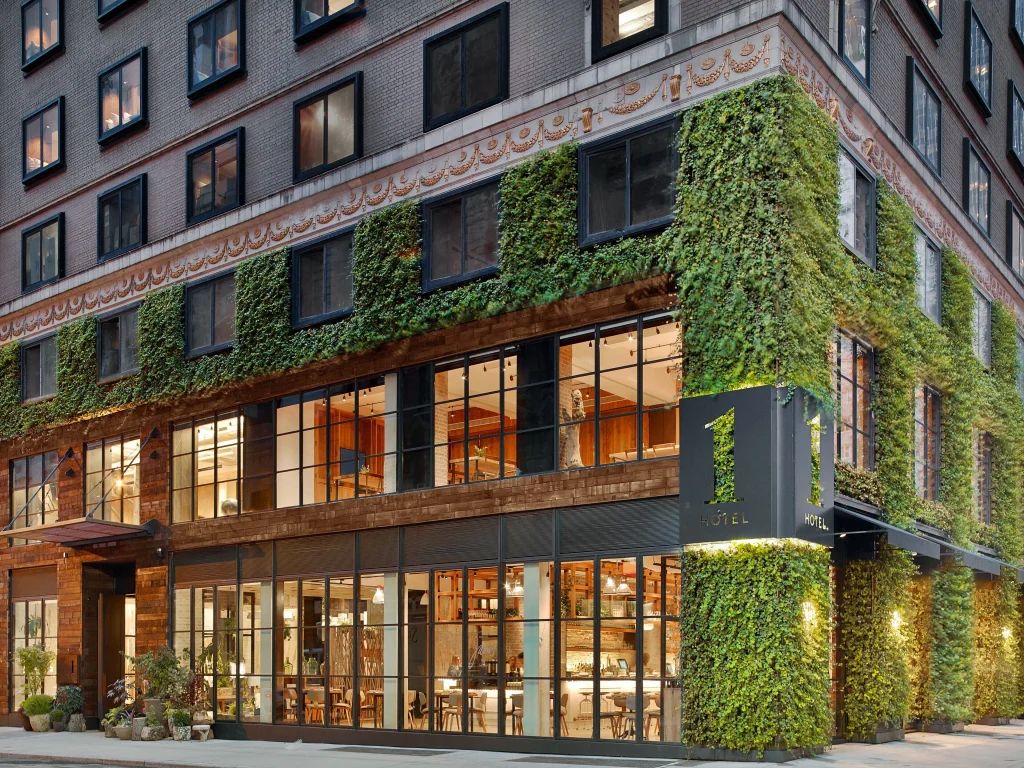
Few pools in New York rival the views at 1 Hotel Brooklyn Bridge. The rooftop pool glitters against an iconic backdrop of the Brooklyn Bridge and the lower Manhattan skyline. The eco-luxury property is for hotel guests, though non-guests can access the pool area by booking a table at the Sky Swim Lounge — a clever workaround worth knowing.

NYC Hotel Pool Day Pass


5. Arlo Hotel Rooftop Pool — Williamsburg, Brooklyn

Best for: Young, social energy on a mid-range budget
Access: Day pass or hotel stay

NYC Hotel Pool Day Pass

Arlo Hotels has built a loyal following among younger travelers and NYC locals for good reason: great locations, accessible price points, and rooftops that actually deliver. The Williamsburg location puts you steps from some of Brooklyn’s best restaurants and bars, with a rooftop pool that gets lively on weekends.

NYC Hotel Pool Day Pass


6. Astoria Pool — Astoria Park, Queens ⭐ Free

Best for: Classic NYC summer experience, budget travelers, families
Access: Free and open to the public (June 27 – early September)

If you’re looking for the best rooftop pools in New York City on a zero budget, Astoria Pool is genuinely one of the most iconic experiences the city has to offer. Located in Astoria Park at 19th Street and 23rd Drive, it is the largest public pool in New York City, holding an extraordinary 1 million gallons of water.

The pool underwent a landmark $18.9 million renovation and reopened to major fanfare in 2024. For 2026, it opens on June 27 and runs through early September — free to all, every day from 11 AM to 7 PM (with a 3–4 PM cleaning break). Views of the Triborough Bridge are included at no extra charge.

Heads up: No electronics or outside food are typically permitted, and entry may be capped on high-demand days. Arrive early.


🌆 Manhattan: Luxury Spas and Rooftop Pool Escapes

7. Spa Nalai — Park Hyatt New York (Midtown Manhattan)

Best for: Ultimate urban luxury, solo wellness retreat
Access: Day pass or hotel stay

NYC Hotel Pool Day Pass

If you’re going to splurge on an NYC hotel pool day pass, Spa Nalai at the Park Hyatt is the gold standard. The indoor pool is wrapped in floor-to-ceiling windows and embodies the kind of hushed, immaculate luxury that mid-town Manhattan promises but rarely delivers. Perfect for a solo day of complete recovery, or a special occasion that calls for something truly elevated.

NYC Hotel Pool Day Pass


8. Spa La Mer — Baccarat Hotel (Midtown Manhattan)

Best for: Glamour seekers and special occasions
Access: Day pass or hotel stay

NYC Hotel Pool Day Pass

Baccarat is a French crystal brand synonymous with opulence, and their NYC hotel is no different. Spa La Mer uses the iconic La Mer skincare line throughout, and the pool — intimate, private, and impeccably designed — feels like a secret tucked inside one of Manhattan’s most theatrical luxury hotels. Not the most budget-friendly option, but an unforgettable experience for a birthday, anniversary, or “treat yourself” day.

NYC Hotel Pool Day Pass


9. Virgin Hotels NYC Rooftop Pool — NoMad, Manhattan

Best for: City-center rooftop vibes + Empire State Building views
Access: Day pass or hotel stay

NYC Hotel Pool Day Pass

Situated in the heart of NoMad (North of Madison Square Park), the Virgin Hotels NYC rooftop pool delivers one of the most quintessential New York views imaginable: the Empire State Building looming overhead as you float in the water. It’s a relatively newer addition to the NYC rooftop pool scene, with a modern, design-forward aesthetic that photographs beautifully and feels welcoming rather than intimidatingly exclusive.

NYC Hotel Pool Day Pass


10. QC Spa — Governors Island, NYC ⭐ Year-Round

Best for: Full-day wellness experience, couples, spa lovers
Access: Paid admission (~$98–$102+, includes round-trip ferry)
Hours: Sun–Thu 10 AM–10 PM, Fri–Sat 10 AM–11 PM | Must be 21+

NYC Hotel Pool Day Pass

QC Spa on Governors Island is in a category of its own. Just a 5-minute ferry ride from the Battery Maritime Building at 10 South Street in Lower Manhattan, this Italian-inspired wellness spa features 20+ indoor wellness experiences — saunas, steam rooms, infrared beds, salt rooms, ice rooms, and Vichy showers — alongside heated outdoor infinity pools with jaw-dropping views of the Manhattan skyline and the Statue of Liberty.

NYC Hotel Pool Day Pass

Unlike seasonal rooftop pools, QC Spa is open 365 days a year, making it genuinely unique in the NYC wellness landscape. Your ticket includes the ferry, locker, spa sandals, towels, and full facility access. The on-site Casa QC Bistro offers food and wine during your visit.

NYC Hotel Pool Day Pass

Book ahead: This one fills up fast, especially on weekends. Average advance booking is 23 days out. Reserve via GetYourGuide or Viator.


11. Royalton Park Avenue (Murray Hill/Midtown South)

Best for: Chic daytime lounging, date afternoons
Access: Day pass or hotel stay

NYC Hotel Pool Day Pass

The Royalton’s rooftop pool and lounge overlooks Park Avenue with a stylish, understated cool that suits the neighborhood. During the day it’s calm and social; once the sun sets, the vibe shifts toward a more lounge-bar atmosphere. A reliable pick if you want solid views and a relaxed mid-range luxury experience without the over-the-top price tag of some other Manhattan properties.

NYC Hotel Pool Day Pass


12. The Beach — Dream Downtown (Chelsea, Manhattan)

Best for: Unique, party-forward NYC experience
Access: Day pass starting at $25 (general admission); lounge chairs from $50 per person

NYC Hotel Pool Day Pass
Source: taogroup.com

Perhaps the most creatively conceived pool on this list, The Beach at Dream Downtown in Chelsea is exactly what it sounds like: a rooftop pool deck with actual imported sand, sunbeds, and — in a move only New York City could dream up — a glass-bottomed pool that looks directly down into the hotel lobby below.

Located near Chelsea Market and the High Line, this one is pure fun. It’s less about quiet relaxation and more about experiencing a truly one-of-a-kind NYC moment. Day passes start at $25 for general admission (with a $50 minimum spend), making it one of the more accessible options on this list.


💡 Insider Tips Before You Go

Booking an NYC Hotel Pool Day Pass

  • Use ResortPass.com to browse and compare 30+ NYC hotel pool day passes in one place. It’s the easiest way to check availability, compare what’s included, and book in advance.
  • Book 2–4 weeks ahead for weekend visits. Popular rooftop pools sell out fast in July and August.
  • Weekdays are better value — some hotels offer lower day pass prices Monday through Thursday.

What’s Typically Included

Most hotel day passes include: pool access, lounge chairs, and towels. Premium passes or cabana rentals may add food/beverage credits, priority check-in, or dedicated service.

What to Bring

  • Swimsuit (obviously)
  • Sunscreen — many pools don’t sell it on-site
  • Sunglasses and a hat
  • A valid ID (required at most venues, and mandatory at 21+ spots like QC Spa)

Free Public Pools (NYC Parks)

NYC operates 53 free outdoor pools across the five boroughs from late June through early September. Hours are generally 11 AM–7 PM daily. Rules around electronics, food, and locks vary by location — check the NYC Parks website before visiting.


Quick Comparison: NYC Pools at a Glance

Pool Location Access Price Range Best For William Vale (Sephora Summer Club) Williamsburg, BK Day pass / Stay $$ Views + Vibes Rockaway Hotel Pool House Rockaway, QNS Day pass / Stay $$ Beach escape Aliya Pool Club (Indigo) Williamsburg, BK Day pass / Stay $$ Party scene 1 Hotel Brooklyn Bridge DUMBO, BK Stay / Lounge $$$ Instagram views Arlo Hotel Williamsburg, BK Day pass / Stay $$ Young crowd Astoria Pool Astoria, QNS FREE Free Classic NYC Spa Nalai (Park Hyatt) Midtown, MH Day pass / Stay $$$$ Ultimate luxury Spa La Mer (Baccarat) Midtown, MH Day pass / Stay $$$$ Special occasion Virgin Hotels NYC NoMad, MH Day pass / Stay $$$ City views QC Spa Governors Island Paid admission $$$ (~$98+) Full wellness day Royalton Park Avenue Murray Hill, MH Day pass / Stay $$$ Chic lounging The Beach (Dream Downtown) Chelsea, MH Day pass $ – $$ Unique experience


Final Thoughts: Which NYC Pool Is Right for You?

The NYC hotel pool day pass scene has exploded in recent years, and honestly, the options are better than ever in 2026. Whether you want to float in a luxury spa on a private island, sip cocktails while staring down the Empire State Building, or just splash around in one of the world’s most famous free public pools, New York has something for every budget and every vibe.

If we had to pick just one: QC Spa on Governors Island is unlike anything else in the city — the combination of 20+ wellness experiences, heated outdoor infinity pools, and Statue of Liberty views makes it worth every penny of the day pass. But if the budget is tight, Astoria Pool remains one of New York City’s most genuine summer experiences, and it doesn’t cost a dime.

Which pool are you adding to your summer list? Drop it in the comments below. 🌊☀️


Prices and availability are subject to change. Always confirm hours and day pass pricing directly with the venue or via ResortPass before visiting.


Related posts you might enjoy:

Free World Cup Fan Zones NYC 2026: Every Borough Location, Date & What to Expect

You don’t need a pricey MetLife Stadium ticket to enjoy the 2026 FIFA World Cup in New York City. The city is hosting free World Cup fan zones across all five NYC boroughs — from Brooklyn Bridge Park to Rockefeller Center. Here’s everything you need to know before you go.

    You don’t need a seat at MetLife Stadium to feel the electricity of the 2026 FIFA World Cup. New York City is rolling out free World Cup fan zones NYC 2026 across all five NYC boroughs, giving every New Yorker and visitor a front-row seat to the world’s biggest sporting event — no expensive ticket required.

    Backed by $20 million in state funding and officially confirmed by Governor Kathy Hochul and Mayor Zohran Mamdani, the citywide series of fan events spans from June 11 through July 19, 2026 — the entire duration of the tournament, right up to the Final. Whether you’re in Queens, Brooklyn, the Bronx, Manhattan, or Staten Island, there’s a free NYC World Cup watch party near you.

    Quick heads-up: All fan zones are free to attend, but advance ticket registration is required online. Tickets are available at nynjfwc26.com. Popular match days will sell out, so book early!


    📍 Overview: All 5 NYC World Cup Fan Zone Locations at a Glance

    Borough Venue Dates Capacity Brooklyn Brooklyn Bridge Park (Adidas Home of Soccer) June 13 – July 19 3,500+ daily Bronx Bronx Terminal Market June 13 – June 14 TBA Queens USTA Billie Jean King National Tennis Center June 11 – June 27 ~10,000 Staten Island SIUH Community Park June 29 – July 2 TBA Manhattan Rockefeller Center (Telemundo Fan Village) July 6 – July 19 Up to 5,000

    Note: Brooklyn Bridge Park is closed July 3–5 for Fourth of July celebrations.


    🗽 Borough-by-Borough Guide to the Free World Cup Fan Zones in NYC 2026

    1. Queens: The Flagship Free World Cup Fan Zone NYC 2026

    Free World Cup Fan Zones NYC 2026

    📍 USTA Billie Jean King National Tennis Center, Flushing Meadows–Corona Park
    🗓 June 11 – June 27, 2026

    The Queens fan zone is the largest and most ambitious of all five borough activations. Inside the iconic Louis Armstrong Stadium — home to the US Open — the NYNJ World Cup 26 Fan Zone Queens will serve as the Group Stage Headquarters for the entire tournament.

    With a capacity of approximately 10,000 fans, this is the closest thing to a true stadium experience you’ll find outside MetLife. Expect:

    • Daily live match broadcasts on a giant screen inside the stadium
    • Family-friendly interactive games and entertainment
    • Local food vendors celebrating Queens’ extraordinary culinary diversity
    • Official FIFA merchandise and VIP hospitality options

    Queens is the most ethnically diverse urban county in the United States, which makes this fan zone uniquely special — expect supporters from dozens of nations creating an atmosphere that rivals any venue on earth.

    🚇 Transit: Take the 7 train to Mets–Willets Point (approximately 30 minutes from Times Square).


    2. Brooklyn: Adidas Home of Soccer — The Longest-Running NYC World Cup Watch Party

    Free World Cup Fan Zones NYC 2026

    📍 Brooklyn Bridge Park, Emily Warren Roebling Plaza, DUMBO
    🗓 June 13 – July 19, 2026 (closed July 3–5)
    🕛 Daily 12 PM – 10 PM

    The Brooklyn fan zone is the only one running for the full tournament — an extraordinary 37 consecutive days from the opening weekend through the Final. Officially branded as the Adidas Home of Soccer, this is far more than a basic watch party.

    Spanning over 25,000 square feet at Brooklyn Bridge Park with sweeping views of the Manhattan skyline across the East River, the Adidas activation is designed as a true cultural gathering space. Here’s what’s inside:

    • Live match screenings of select games on a giant outdoor screen
    • 3v3 soccer pitch where fans can actually play
    • Beer garden (21+ with valid ID) and diverse food truck vendors
    • Live concerts and performances — highlights include GRAMMY-nominated artist PinkPantheress (June 26) and rapper Larry June (June 26), plus a surprise performance on July 19 (Final day)
    • Cultural programming celebrating NYC’s global soccer community

    The atmosphere leans lifestyle and festival rather than pure sports bar — making it ideal for families during the day and a younger crowd in the evenings.

    🚇 Transit: A/C to High Street–Brooklyn Bridge or F to York Street. Bus options include B25, B61, and B63. Parking is limited; public transit is strongly encouraged.


    3. Bronx: Pop-Up Fan Zone at Bronx Terminal Market

    📍 Bronx Terminal Market, Concourse South of Yankee Stadium
    🗓 June 13 – June 14, 2026 only

    The Bronx is getting a weekend pop-up fan zone to kick off the World Cup’s opening weekend. While it’s the shortest-running activation — just two days — it’s designed to bring big energy to the South Bronx community right from the tournament’s start.

    Expect:

    • Live match screenings for opening weekend games
    • Family-friendly activities and interactive experiences
    • Local Bronx food and culturally relevant programming
    • A high-energy, community-driven atmosphere that leans into the borough’s deep sports roots (it is, after all, Yankee Country)

    If you’re a Bronx local, don’t miss this one — it’s short and sweet, but promises to be a real block party energy.

    🚇 Transit: B, D, or 4 train to 161st Street–Yankee Stadium.


    4. Staten Island: Community Watch Parties at SIUH Community Park

    📍 Staten Island University Hospital Community Park
    🗓 June 29 – July 2, 2026

    Staten Island’s fan zone runs during the Round of 16 — some of the most exciting knockout-stage matches of the tournament. The official FIFA description promises a relaxed, family-oriented environment that brings World Cup energy to a borough that doesn’t always get the spotlight for large-scale events.

    With up to 5,000–10,000 capacity (upgraded with a new LED scoreboard for the World Cup), this venue offers:

    • Round of 16 match watch parties
    • A community-centered and family-friendly atmosphere
    • Evening viewing moments in a neighborhood setting

    Staten Island is a short, scenic ferry ride from Lower Manhattan, making it a great day trip combination — catch a match, take the free ferry, enjoy the views.

    🚢 Transit: Staten Island Ferry from Whitehall Street/South Ferry, then local bus to the venue.


    5. Manhattan: Rockefeller Center Telemundo Fan Village — The Grand Finale NYC World Cup Watch Party

    📍 Rockefeller Center, 50 Rockefeller Plaza, Midtown Manhattan
    🗓 July 6 – July 19, 2026

    Save the best for last — or plan your visit for the knockout rounds and the World Cup Final. The Telemundo Fan Village at Rockefeller Center is the most iconic of all five fan zones, transforming one of New York’s most recognizable landmarks into a global football celebration.

    Programming runs across the entire three-block Rockefeller Center campus, including Top of the Rock, and features:

    • Live match broadcasts centered around a temporary pitch built on the famous Rink at Rockefeller Center
    • Interactive fan experiences throughout Rockefeller Plaza
    • A tribute to the eight nations that have won the FIFA World Cup
    • Top of the Rock match-day programming (July 6–19)

    🏆 Bonus: FIFA Museum “Legacies of Champions” Exhibition (FREE)

    Also running at Rockefeller Center from June 11 through July 19, the FIFA Museum presented by Hyundai Motor is hosting Legacies of Champions — a free, immersive exhibition open to all. Highlights include:

    • Original objects and memorabilia from every World Cup since 1930
    • Jerseys from all 48 participating nations in the 2026 tournament
    • The legendary Jules Rimet Trophy (FIFA’s original World Cup trophy, awarded 1930–1970)
    • “The Final” — a cinematic installation recreating the drama of football’s biggest moments
    • “The Wall of Champions” honoring every player to have lifted the trophy
    • Objects from legends including Pelé, Cristiano Ronaldo, and Lionel Messi
    • On select days, the FIFA World Cup 2026 Winner’s Trophy will also be on display

    Advance reservations are available via the Rockefeller Center website for priority access.

    🚇 Transit: B/D/F/M to 47th–50th Streets–Rockefeller Center.


    💡 Practical Tips for Visiting the Free World Cup Fan Zones NYC 2026

    How to Get Free Tickets

    All five borough fan zones require advance registration — but they are completely free of charge. Register at nynjfwc26.com. On Ticketmaster, use code FWC26NYNJ or QUEENSHQ to unlock your reservation.

    ⚠️ High-profile match days (especially Brazil vs. Morocco on June 13, and the Final on July 19) are expected to sell out quickly. Register as soon as possible.

    Match Kick-Off Times to Know

    Many World Cup matches in the 2026 tournament kick off at 9 AM, 12 PM, or 3 PM EST. Fan zones at Brooklyn Bridge Park open daily at noon, so plan accordingly for early morning games.

    Best Borough for Each Traveler Type

    If you want… Go to… The biggest stadium-style atmosphere Queens (USTA, ~10,000 capacity) The longest run + best vibes + live music Brooklyn (Adidas Home of Soccer) Iconic NYC setting + museum experience Manhattan (Rockefeller Center) A local, community feel Staten Island or Bronx To watch the Final for free Manhattan or Brooklyn


    🗺️ Beyond the Fan Zones: More Free World Cup Viewing in NYC

    The five official fan zones are just the beginning. NYC is going all-in on the 2026 World Cup with additional free viewing options:

    • Hudson Yards and the Intrepid Sea, Air & Space Museum are both broadcasting matches on free outdoor screens
    • Times Square and Bryant Park are planning public viewing areas
    • 500+ bars and restaurants across the five boroughs — from soccer-centric spots in Williamsburg and the East Village to community hubs in Jackson Heights (Ecuador/Argentina fans), Bay Ridge (Norway/Scandinavian), and Astoria (Morocco/Greece) — will be showing every match

    ✅ Quick Summary: NYC World Cup 2026 Free Fan Zone Schedule

    Borough Location Dates Key Feature Queens USTA Billie Jean King NTC June 11–27 Stadium-scale Group Stage HQ Brooklyn Brooklyn Bridge Park June 13–July 19 Adidas HQ, concerts, 3v3 soccer Bronx Bronx Terminal Market June 13–14 Opening weekend pop-up Staten Island SIUH Community Park June 29–July 2 Round of 16 community events Manhattan Rockefeller Center July 6–19 Fan Village + FIFA Museum


    Final Thoughts

    New York City is pulling out all the stops for the 2026 FIFA World Cup — and you don’t need deep pockets to be part of history. With free World Cup fan zones across all five NYC boroughs, backed by $20 million in state funding, this is genuinely one of the most accessible major sporting events the city has ever hosted.

    Whether you’re watching Messi’s heirs battle it out at the Queens group stage HQ, catching a live concert at the Adidas Home of Soccer in Brooklyn, or soaking in the Final atmosphere at Rockefeller Center, there’s an NYC World Cup watch party experience for every kind of fan.

    Register early, plan your transit, and get ready — the beautiful game is coming home to New York. ⚽🗽


    Official tickets & registration: nynjfwc26.com
    FIFA Museum reservations: rockefellercenter.com


    Related posts you might enjoy:

    NYC World Cup 2026 Transportation Guide: Match Day Travel Tips Every Fan Needs to Know

    Heading to New York City for the 2026 FIFA World Cup? Don’t get stuck in gridlock. This NYC World Cup 2026 transportation guide covers everything — from match day bus lanes and NJ Transit shuttles to free fan zones and subway tips — so you can travel like a local and enjoy every moment.

    NYC World Cup 2026 transportation
    Source: https://www.nyctourism.com/

    The 2026 FIFA World Cup is finally here, and New York City is ready to welcome the world. With eight matches at MetLife Stadium between June 13 and July 19 — including the grand final — millions of fans are descending on one of the most densely packed urban environments on Earth. If you’re attending a match or simply soaking up the tournament atmosphere around the city, having a solid NYC World Cup 2026 transportation plan is non-negotiable.

    This guide breaks down everything you need to know: Gridlock Alert Days, match day bus lanes, how to get to MetLife Stadium, free fan zones in all five boroughs, and practical tips to keep your commute from going into extra time.


    🗓️ Match Day Schedule & Gridlock Alert Days

    Before diving into logistics, mark these dates. New York City has officially designated all eight local match days as Gridlock Alert Days, meaning severe traffic congestion is expected throughout Midtown Manhattan — with ripple effects across the entire metro area.

    DateMatch
    Saturday, June 13Brazil vs. Morocco
    Tuesday, June 16France vs. Senegal
    Monday, June 22Norway vs. Senegal
    Thursday, June 25Ecuador vs. Germany
    Saturday, June 27Panama vs. England
    Tuesday, June 30Round of 32
    Sunday, July 5Round of 16
    Sunday, July 19🏆 World Cup Final

    On each of these days, avoid driving in Midtown if at all possible. The NYC Department of Transportation will monitor traffic in real time and adjust signals, but no signal timing can fix hundreds of thousands of fans converging on a single corridor.


    🚌 NYC World Cup 2026 Transportation: The Official Match Day Plan

    NYC World Cup 2026 transportation

    Match Day Bus Lanes in Midtown Manhattan

    To keep fans and residents moving, New York City is converting key Midtown streets into bus-priority corridors on every match day. Here’s what changes:

    • 42nd Street becomes a bus-only corridor from First Avenue to Twelfth Avenue.
    • Sixth Avenue — the two easternmost lanes are dedicated bus lanes from 42nd to 59th Street.
    • Fifth Avenue — existing bus lanes from 42nd to 59th Street will be strictly enforced.
    • West 40th Street (between 8th and 11th Avenues) and West 41st Street (between 8th and 10th Avenues) become bus-only blocks.

    Access on these lanes is limited to NYNJ Stadium shuttle buses, MTA local buses, official World Cup affiliate vehicles, and emergency vehicles. These dedicated lanes activate six hours before each match and remain in effect until three hours after the match ends.

    Penn Station Area Lane Closures

    To manage the enormous queues at Penn Station on match days, the City is also closing:

    • 33rd Street between 6th and 8th Avenues — closed to vehicles
    • 32nd Street between 6th and 7th Avenues — closed to vehicles

    These closures begin at least six hours before each match. 33rd Street between 7th and 8th Avenues reopens three hours after each match concludes.


    🏟️ How to Get to MetLife Stadium from NYC

    MetLife Stadium (officially rebranded as New York New Jersey Stadium for the tournament) sits in the Meadowlands, about nine miles from Midtown Manhattan. Here are your main options:

    Option 1: NJ Transit Train (Recommended)

    The official transit route — and the smartest one. Take any subway to Penn Station, then NJ Transit to Secaucus Junction, followed by Meadowlands event service to the stadium. The total journey takes roughly 45–60 minutes from Midtown. World Cup special round-trip tickets are priced at approximately $98 and must be booked in advance at njtransit.com — only 40,000 tickets per match, and they sell out fast.

    Option 2: Official Stadium Shuttle Bus

    On each match day, official NYNJ Stadium shuttle buses provide non-stop express service for ticketholders through the Lincoln Tunnel. Pick-up and drop-off points are at three Manhattan locations:

    • Port Authority Bus Terminal
    • Midtown North at Columbus Circle
    • Midtown East near Grand Central

    Shuttle fares are approximately $20 round trip — a much cheaper alternative to driving or rideshare.

    Option 3: Rideshare (Use Caution)

    Rideshare demand spikes dramatically on match days. Expect surge pricing of $60–$100+ from Manhattan to MetLife, and potentially much more for the return trip when thousands of fans are all trying to leave at once. Factor this into your budget.

    Option 4: Driving (Strongly Discouraged)

    Parking at MetLife and American Dream Mall is projected at $225–$300 on match days. Parking for the Final is already sold out. Traffic on Route 3 and the NJ Turnpike is severe. Unless you have a very specific reason to drive, don’t.


    🚇 World Cup 2026 Match Day Travel Tips for the NYC Subway

    NYC World Cup 2026 transportation

    For moving around New York City itself — fan zones, restaurants, watch parties, and hotels — the subway is your best friend. Here’s what you need to know:

    • Cost: $3 per ride. Tap your contactless card or phone via OMNY at any turnstile — no MetroCard needed.
    • Weekly cap: OMNY caps your spending at $34/week (equivalent to 11 rides). After that, rides are free for the rest of the week.
    • Hours: The subway runs 24 hours a day, 7 days a week.
    • Key lines for fans: The 1/2/3 serve Penn Station at 34th Street. The B/D/F/M reach Rockefeller Center (47–50th Streets). The 7 train goes directly to the USTA Fan Zone in Queens (Mets–Willets Point).
    • Crowds: Avoid the subway at rush hour (7–9am, 5–7pm) on match days. Trains toward Penn Station will be packed from late morning on major match days. Leave extra buffer time.

    🎉 Free Fan Zones Across All Five Boroughs

    You don’t need a MetLife Stadium ticket to experience the World Cup in New York. The city has set up free fan zones across all five boroughs, all requiring advance registration (no walk-ins) at nynjfwc26.com.

    Fan ZoneLocationDatesTransit
    Queens Group Stage HQUSTA Billie Jean King National Tennis Center, FlushingJune 11–27🚇 7 train to Mets–Willets Point
    Fan Village at Rockefeller CenterMidtown ManhattanJuly 4–19🚇 B/D/F/M to 47–50 Sts
    Brooklyn Fan ZoneBrooklyn Bridge WaterfrontJune 13–July 19🚇 A/C to High Street or 2/3 to Clark St; NYC Ferry
    Bronx Fan Event161st Street areaOpening weekend🚇 4/B/D to 161st–Yankee Stadium
    Staten Island Fan ZoneSt. GeorgeRound of 16🚢 Staten Island Ferry (free)

    The Brooklyn Fan Zone is the only one running for the full 37 days of the tournament. Set beneath the Brooklyn Bridge with views of the Manhattan skyline, it’s arguably the most scenic spot in the city to watch a match.

    The Rockefeller Center Fan Village transforms the iconic ice rink into a temporary soccer pitch surrounded by big screens — and programming extends across the full Rockefeller Center campus, including Top of the Rock.


    🚚 Truck Delivery Restrictions: What Businesses Need to Know

    NYC World Cup 2026 transportation
    Source: https://www.nyc.gov/

    As part of the NYC World Cup 2026 transportation plan, the city is implementing truck delivery restrictions in Midtown on all match days. Between 30th and 60th Streets, from the East River to the Hudson River, trucks are restricted:

    Match DayRestricted Hours
    Saturday, June 1312pm – 11pm
    Tuesday, June 169am – 8pm
    Monday, June 222pm – 1am
    Thursday, June 2510am – 9pm
    Saturday, June 2711am – 10pm
    Tuesday, June 3011am – 10pm
    Sunday, July 510am – 9pm
    Sunday, July 198am – 11pm

    Exemptions include smaller vehicles (cars, vans, cargo bikes), emergency vehicles, and essential delivery providers serving hospitals, shelters, pharmacies, utilities, and direct FIFA operations. Businesses looking for alternative delivery solutions can contact NYC DOT at FreightMobility@dot.nyc.gov.


    🍺 Don’t Drink and Drive — Assist a Friend

    NYC is running a citywide public awareness campaign around responsible fan behavior. On match days, never drink and drive. If you’re heading to a watch party or fan zone and plan to celebrate, use the subway, a shuttle, or public transit to get home safely. Designate a sober driver — or better yet, just tap your OMNY card.

    “Everyone can lend an assist to ensure no one who has been drinking gets behind the wheel. Together we can make this tournament unforgettable for the right reasons.” — NYC Public Awareness Campaign


    🧭 Top World Cup 2026 Match Day Travel Tips for NYC: Quick Summary

    Here’s a rapid-fire checklist for World Cup 2026 match day travel tips in NYC:

    1. Never drive to Midtown on match days — every match day is a Gridlock Alert Day.
    2. Book NJ Transit tickets early — $98 round trip, only 40,000 per match, they sell out.
    3. Shuttle buses are the budget-friendly alternative — ~$20 round trip from three Manhattan pick-up points.
    4. Use OMNY on the subway — tap your contactless card and save with the $34/week cap.
    5. Register early for free fan zones — all five borough events require advance tickets at nynjfwc26.com.
    6. Leave extra time — plan for match day subway crowds, especially toward Penn Station.
    7. Download the MTA app or TrainTime — for real-time service changes and trip planning.
    8. Businesses: plan deliveries off-peak — truck restrictions are in force across Midtown on all eight match days.

    Final Whistle

    New York City is putting on a masterclass in urban event planning for the 2026 FIFA World Cup — from dedicated bus corridors and lane closures to free borough-wide fan zones and expanded ferry service. Whether you have a ticket to the Final or you’re watching from a packed soccer bar in Williamsburg, smart NYC World Cup 2026 transportation planning makes all the difference.

    Take transit. Leave early. And enjoy the beautiful game.


    Sources: NYC Department of Transportation, MTA World Cup Travel Guide, FIFA NYNJ Fan Events, NYC Tourism World Cup 2026


    Related posts you might enjoy: