New York’s 10 Legendary Jazz Clubs: Where Time Stands Still on Stage

Step into New York’s legendary jazz clubs where history breathes every night. From Village Vanguard’s 90-year legacy to Blue Note’s world-class performances, discover the iconic venues where jazz legends were born and continue to thrive in Greenwich Village, Midtown, and beyond.

New York’s jazz clubs are more than just venues—they’re living history. The basement where Miles Davis caught his breath, the stage where John Coltrane poured his soul into every note, the piano where Bill Evans held the night captive—these moments have layered upon each other to create today’s New York jazz scene. Let’s follow the trail of legends past and present, exploring the venues where history still breathes every night.

1. Village Vanguard: The Sacred Ground of Jazz Since 1935

Greenwich Village | Operating since 1935
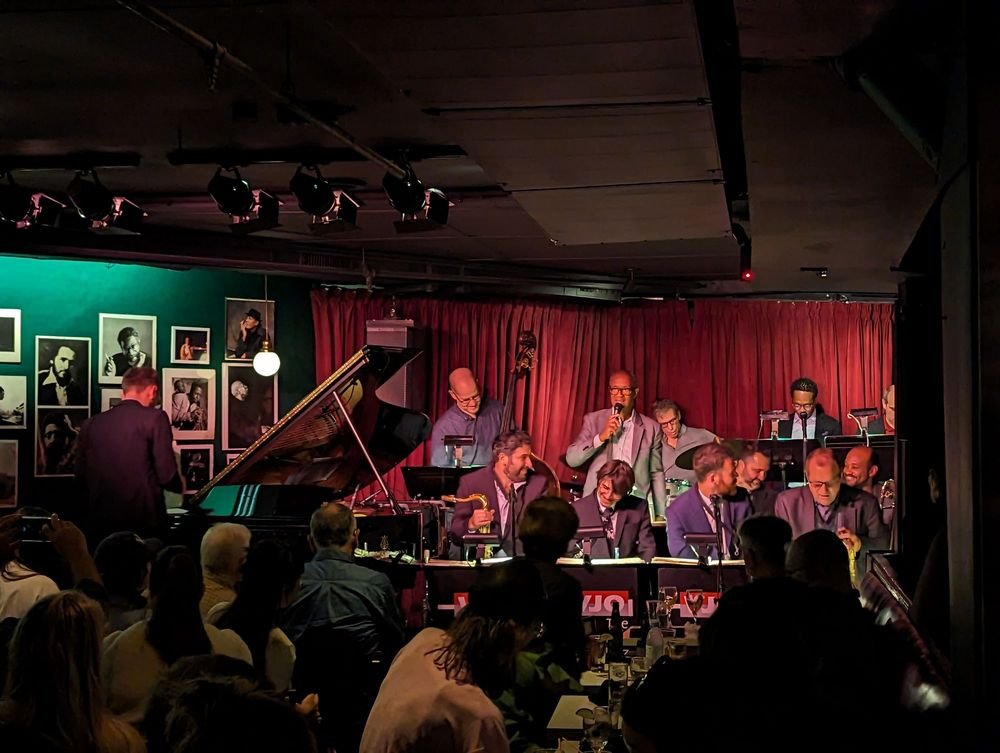
Miles Davis, John Coltrane, Bill Evans, Sonny Rollins, Thelonious Monk, Wynton Marsalis, Brad Mehldau, and Joe Lovano have all graced this underground stage. Opening in 1935, this uniquely shaped basement space stands as New York’s longest continuously operating jazz club.

The live albums recorded here have become textbooks of jazz history. Starting with Sonny Rollins’ 1957 recording, over 100 albums have been born within these walls. Village Vanguard functions less as a performance venue and more as a recording studio where tonight’s performance becomes tomorrow’s standard.

Though intimate with only 130 seats, the distinctive triangular architecture creates perfect acoustics. The red velvet curtains, low ceilings, and close proximity to the stage offer an intimacy unmatched anywhere else. Every Monday night since 1966, the Vanguard Jazz Orchestra has maintained its residency.

Address: 178 Seventh Avenue South, New York, NY 10014
Website: villagevanguard.com

2. Blue Note: The Living Mainstream of Modern Jazz

Greenwich Village | Where legends and rising stars share the stage
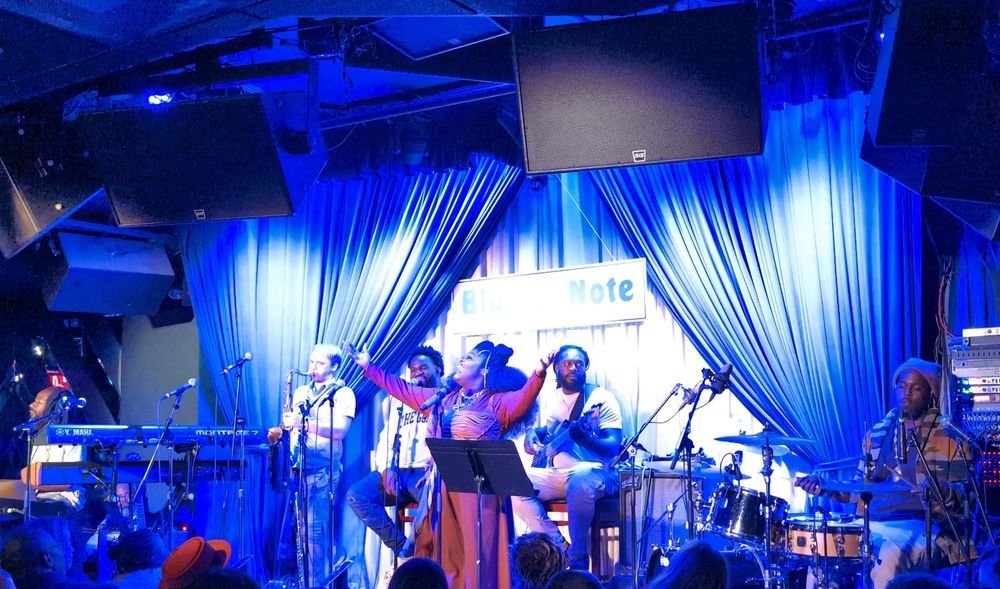
Herbie Hancock, Chick Corea, Wayne Shorter, Wynton Marsalis, Dizzy Gillespie, Sarah Vaughan, Oscar Peterson, Keith Jarrett, and James Carter have all performed on this stage. Ray Charles even held week-long residencies here annually.

Since opening in 1981, Blue Note has demonstrated that jazz is a living, evolving art form by featuring both legendary masters and contemporary virtuosos on the same stage. Founded by Danny Bensusan, it quickly became New York’s premier jazz club and soon earned its place among the world’s most prestigious jazz venues. Today, Blue Note has locations worldwide including Tokyo, Milan, Rio, and Beijing.

In 2001, the club established its own label, Half Note Records, to release live albums directly. Since 2011, it has hosted the annual Blue Note Jazz Festival. Performances run nightly at 8 PM and 10:30 PM, with jazz brunch on Sundays. As a full-service restaurant, you can enjoy dinner while immersed in world-class jazz.

Address: 131 West 3rd Street, New York, NY 10012
Website: bluenotejazz.com

3. Smalls Jazz Club: Where Jazz Is Reborn

Greenwich Village | The crucible of 1990s jazz renaissance
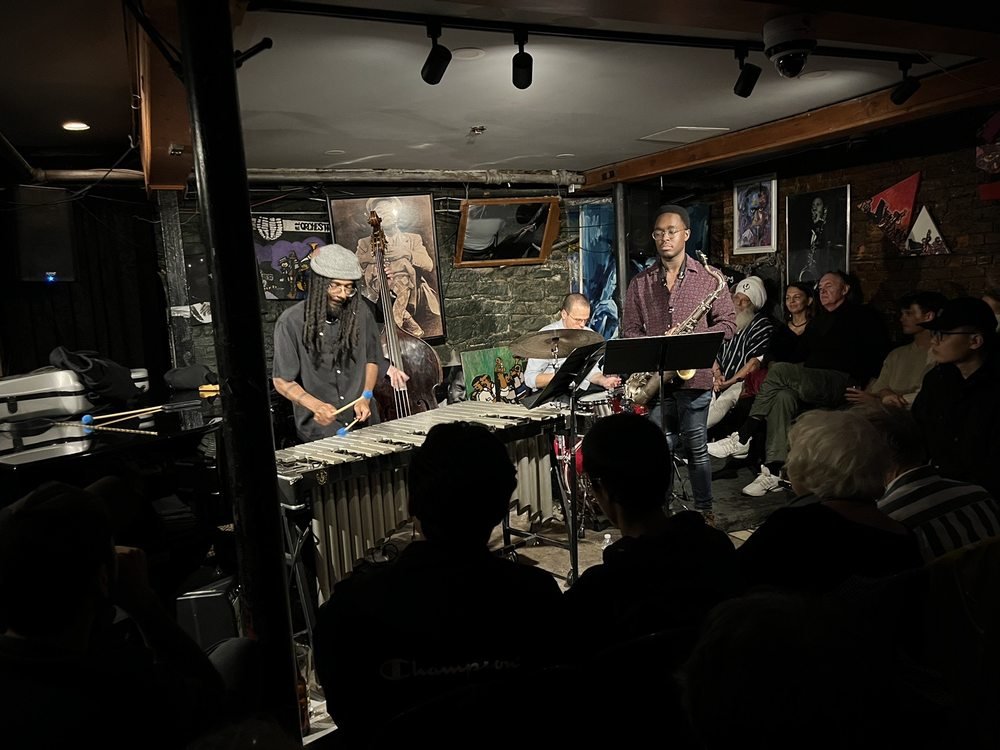
Brad Mehldau, Joshua Redman, Kurt Rosenwinkel, Peter Bernstein, Mark Turner, and Jason Lindner all developed their careers in this basement. Founded in 1994 by Mitch Borden, Smalls became the epicenter of the 1990s New York jazz renaissance.

Initially operating with a $10 cover charge and BYOB policy, it functioned as a playground for young musicians. Famous for late-night jam sessions, rising stars honed their craft here. After briefly closing following 9/11, it reopened in 2006 with improved sound systems and a full bar.

Since 2013, Smalls has pioneered live-streaming and archiving every performance online. Subscribers can revisit past shows, with revenue shared among artists. Though only accommodating about 60 people, this intimacy defines its character. Open Tuesday through Thursday from 7:30 PM, and Friday through Sunday from 2 PM. Sister club Mezzrow is located nearby.

Address: 183 West 10th Street, New York, NY 10014
Website: smallslive.com

4. Birdland: The Jazz Corner of the World

Midtown | Symbol of jazz’s golden age
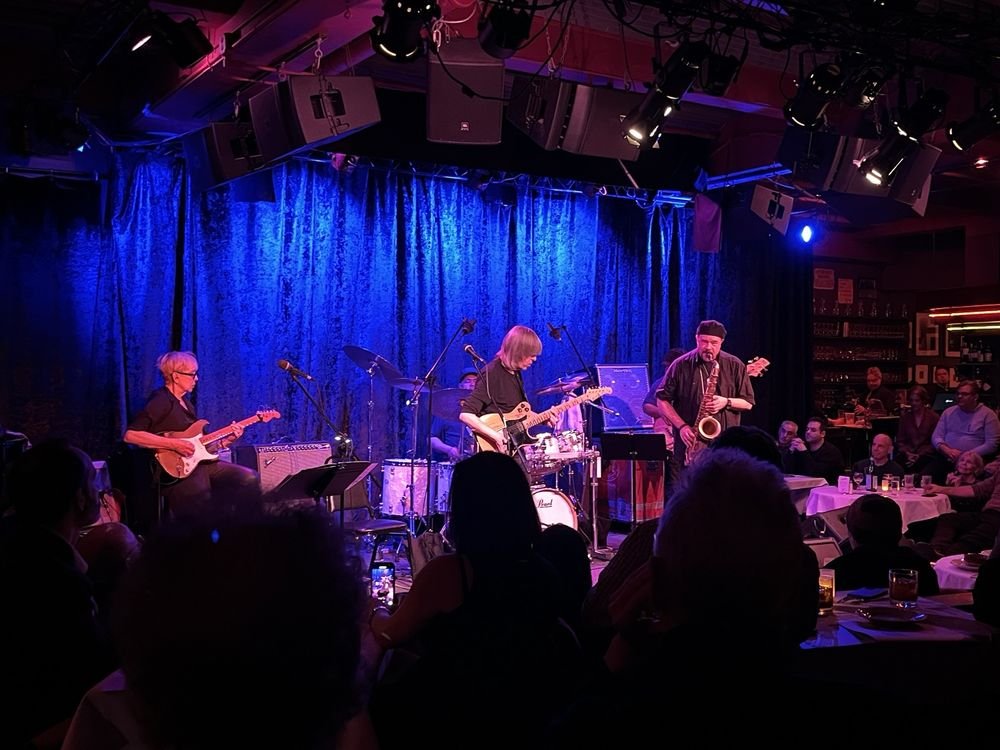
Charlie Parker, Dizzy Gillespie, Count Basie, John Coltrane, Miles Davis, Art Blakey, and Thelonious Monk all performed on this stage. Opening on December 15, 1949, and named after Charlie “Bird” Parker, Birdland symbolizes New York jazz’s golden era.

Though the original Broadway location closed in 1965 due to rising rent, the club was revived on the Upper West Side in 1986 and now resides in the Midtown theater district. True to its nickname “The Jazz Corner of the World,” the weight of big band and vocal jazz remains alive here.

The Count Basie Orchestra made this their home base, and George Shearing’s classic “Lullaby of Birdland” (1952) was composed to honor this very club. During the 1950s, Hollywood stars like Frank Sinatra, Marilyn Monroe, and Marlon Brando were regulars.

Today’s Birdland operates two spaces: the main performance hall and the underground Birdland Theater. Serving Cajun-style American cuisine, it’s open daily from 5 PM to midnight (1 AM on weekends). Monday nights feature Jim Caruso’s Cast Party, showcasing Broadway stars.

Address: 315 West 44th Street, New York, NY 10036
Website: birdlandjazz.com

5. Smoke Jazz & Supper Club: Refined Jazz Nights

Upper West Side | Where mature jazz resides
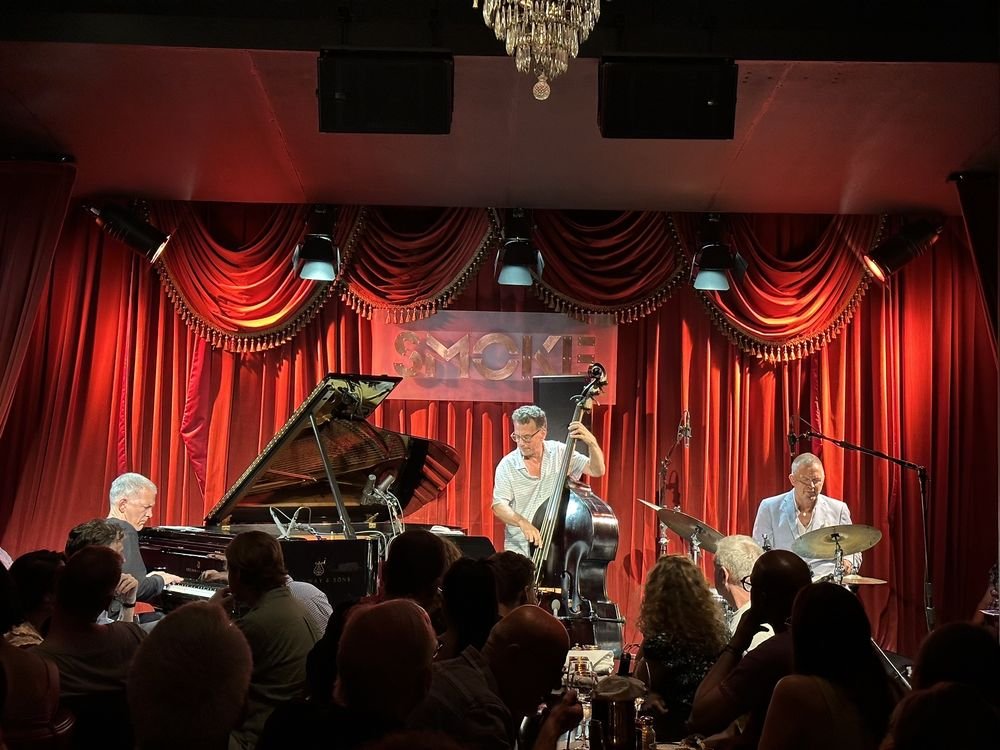
Ron Carter, McCoy Tyner, Kenny Barron, Harold Mabern, George Coleman, Wynton Marsalis, Brad Mehldau, and Chris Potter have all performed here. Opening on April 9, 1999, founders Paul Stache and Frank Christopher created a space that demonstrates what sophisticated jazz truly means.

Inheriting over 30 years of jazz tradition from the former Augie’s Jazz Bar location, Smoke was named Best New Jazz Club by New York Magazine in 2000. Located on Duke Ellington Boulevard (106th Street) near Harlem in the Upper West Side.

Candlelit tables, velvet sofas, antique chandeliers, and a full bar combine to create an authentic jazz atmosphere. Though intimate with about 50 seats, the acoustics are exceptional. Pianist David Hazeltine noted it’s rare to find a club where the piano sounds this clear, while Harold Mabern called it the best jazz club in the world.

Chef Patricia Williams developed soulful American cuisine that perfectly balances dinner and music. In 2014, Smoke established its own label, Smoke Sessions Records, producing Grammy-nominated releases. Open Wednesday through Sunday, with performances running until midnight on Fridays and Saturdays.

Address: 2751 Broadway, New York, NY 10025
Website: smokejazz.com

6. The Iridium: Where Guitar Legends Made History

Midtown West | Les Paul’s home stage
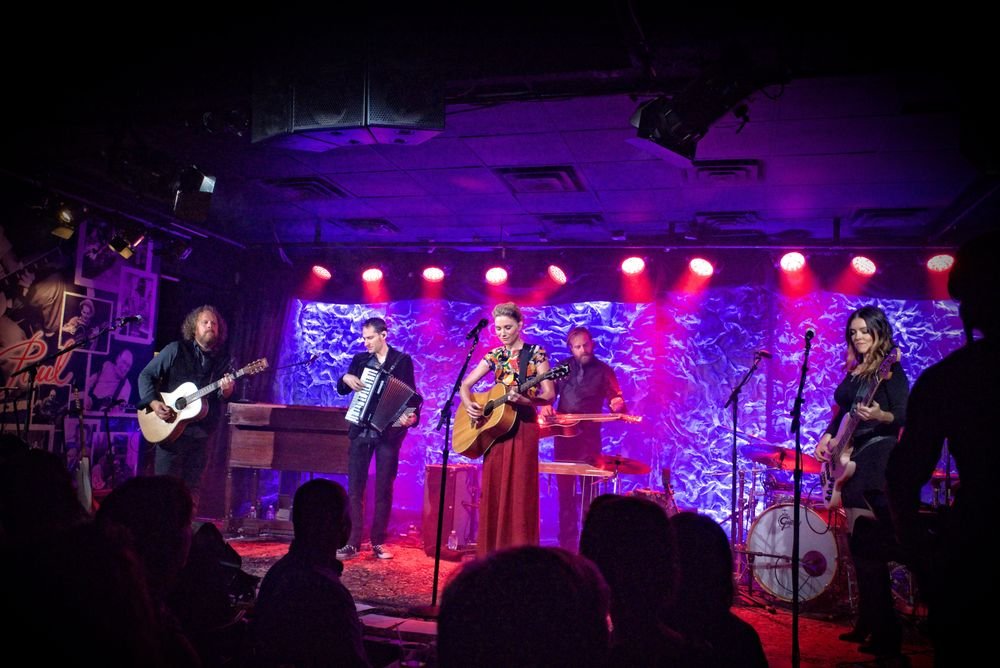
Les Paul, Jeff Beck, Steve Miller, Buddy Guy, Joe Walsh, and Joe Satriani have all performed here. Opening in January 1994, The Iridium is inseparable from guitar legend Les Paul, who performed here every Monday night from 1995 until his death in 2009 at age 94—nearly 15 years of weekly performances.

This venue birthed new traditions where the boundaries between jazz and rock blurred. Initially starting in the Empire Hotel basement across from Lincoln Center, it relocated to its current Times Square location in 2001.

With 180 seats, The Iridium showcases diverse genres including jazz, blues, rock, folk, and cabaret. Its label IridiumLive has released Albert Lee’s ‘Live At The Iridium’ and Jeff Beck’s Grammy-nominated ‘Rock ‘N’ Roll Party Honoring Les Paul.’

As a full-service restaurant featuring upscale American cuisine and a 450-square-meter wine cellar, performances begin nightly at 7 PM, with dinner service starting at 6:30 PM. Located at Broadway and 51st Street for excellent accessibility.

Address: 1650 Broadway, New York, NY 10019
Website: theiridium.com

7. Arthur’s Tavern: West Village’s Timeless Night

Greenwich Village | Home of the Bird
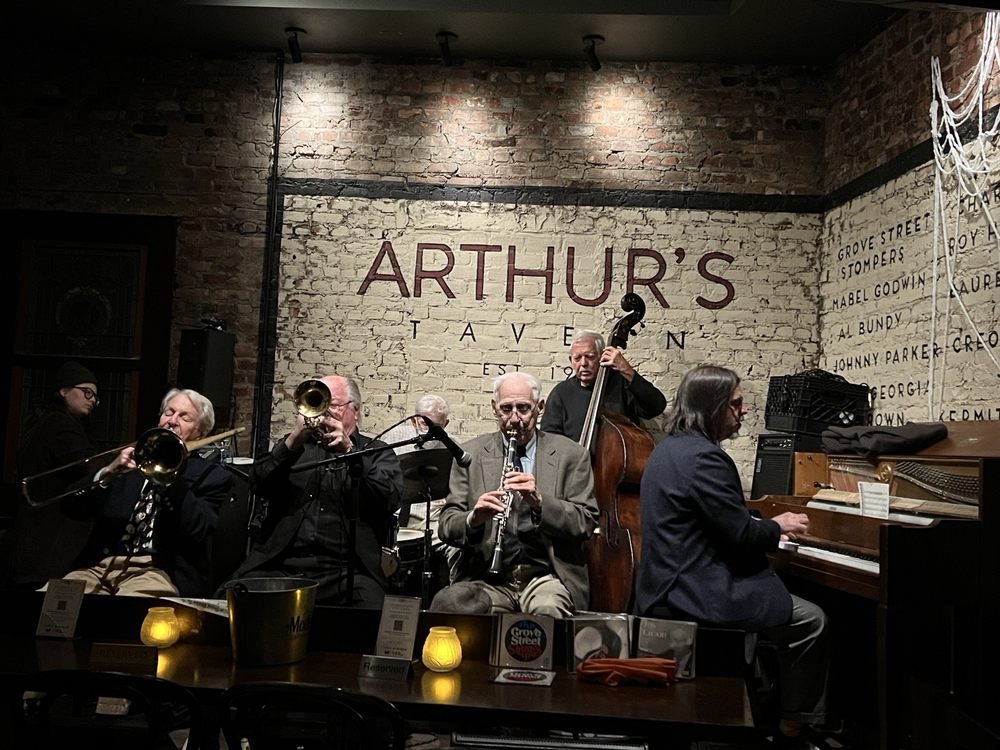
Charlie Parker and Roy Hargrove have graced this small bar’s stage. Opening in 1937, Arthur’s Tavern boasts 88 years of history and is known as the last existing club where Charlie Parker regularly performed, earning it the nickname “Home of the Bird.”

Pianist and singer Al Bundy performed here for 22 years, with a plaque honoring him hanging on the door. This venue blending traditional jazz, blues, swing, and funk remembers when jazz was part of everyday life.

Though maintaining a humble, friendly neighborhood bar atmosphere, live music fills the space every night. The Grove Street Stompers have performed every Sunday since 1986, with various bands playing Monday through Saturday.

No cover charge—just order at least one drink per person. Cash only, no credit cards accepted. The small space creates intimate proximity to the stage. Open Monday-Thursday and Sunday from 5 PM to 2 AM, Friday-Saturday from 5 PM to 4 AM.

Address: 57 Grove Street, New York, NY 10014
Website: arthurstavern.nyc

8. Dizzy’s Club: Where Jazz Meets Institution

Jazz at Lincoln Center | Purpose-built for jazz
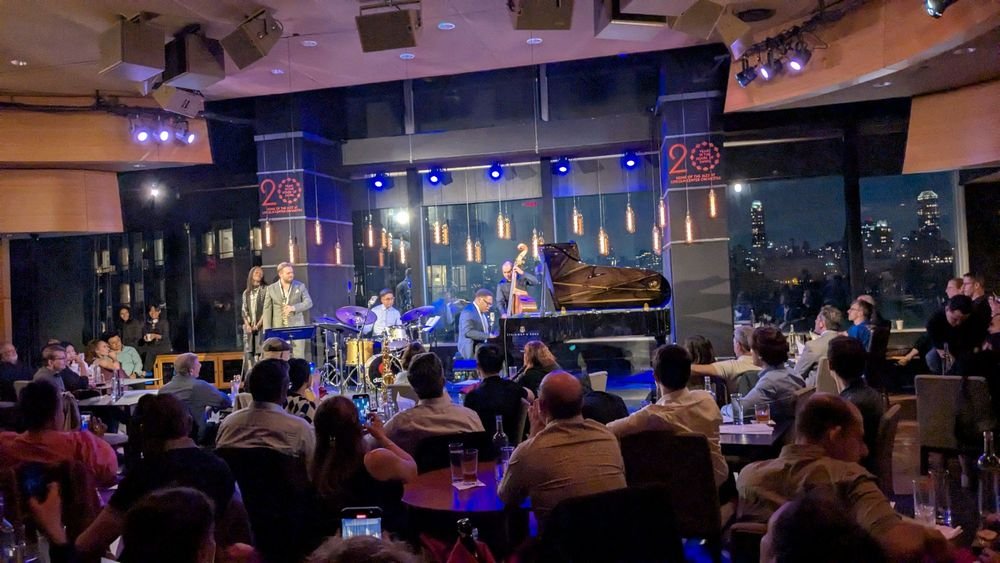
Named after Dizzy Gillespie, this club regularly features Wynton Marsalis, Wycliffe Gordon, and members of the Jazz at Lincoln Center Orchestra. Opening in fall 2004 on the 5th floor of Frederick P. Rose Hall, Jazz at Lincoln Center’s new headquarters, Dizzy’s Club is part of the world’s first performance, education, and broadcast facility built specifically for jazz.

Designed by Rafael Viñoly as a $131 million facility, the space was specially created for jazz music’s warmth and clarity. Though intimate with 140 seats, experiencing jazz while overlooking Central Park and the Manhattan skyline is truly transcendent. Tony Bennett praised it as New York’s finest jazz room.

Unlike most historic jazz clubs located in basements, Dizzy’s Club occupies an elevated position with stunning Central Park views. It also serves an educational role in preserving jazz history for future generations. Wynton Marsalis has served as artistic director since 1987, leading the Jazz at Lincoln Center Orchestra.

Serving New Orleans-style soul food, performances run Monday-Saturday at 7 PM and 9 PM, and Sundays at 5 PM and 7:30 PM.

Address: 10 Columbus Circle, 5th fl., New York, NY 10019
Website: jazz.org

9. Café Carlyle: Where Jazz Meets Cabaret

The Carlyle Hotel | The last bastion of New York’s golden age cabaret
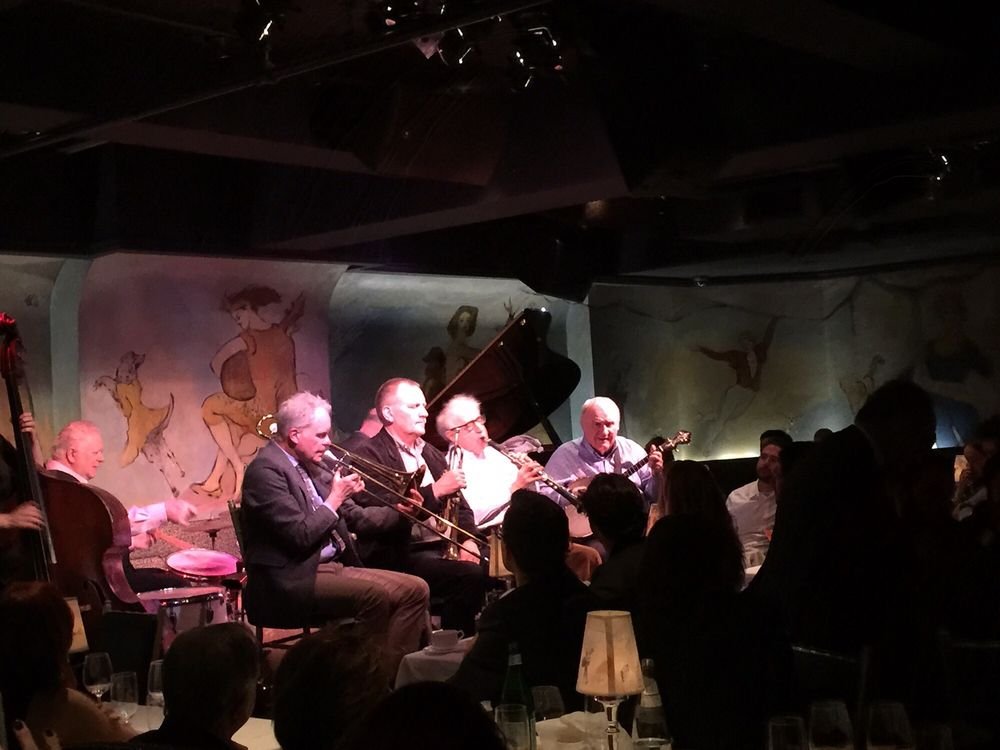
Bobby Short, Woody Allen, Eartha Kitt, and Barbara Carroll held regular residencies here. Recently, artists like Judy Collins, Sutton Foster, and St. Vincent have performed extended runs.

Opening in 1955 within The Carlyle Hotel, Café Carlyle represents the intersection of New York high culture, jazz, and cabaret. Decorated with murals by Marcel Vertès, this space is called the last bastion of New York’s golden age cabaret.

Bobby Short performed here regularly for nearly 40 years from 1968 until just before his death in 2005, while Woody Allen played clarinet every Monday. Though accommodating only about 60 people, the narrative depth is profound.

Formal attire is recommended in this elegant atmosphere where you can enjoy cabaret and jazz alongside French cuisine. Broadway stars, jazz artists, and Grammy winners regularly hold residencies. The 2024-2025 season featured a special series commemorating Bobby Short’s 100th birthday.

Cover charges start at $80 depending on the artist, with separate food and beverage orders required. Valet parking is available at the hotel’s 76th Street entrance. Open Monday-Saturday from 6:30 PM, with performances typically starting at 8:45 PM.

Address: 35 East 76th Street, New York, NY 10021
Website: rosewoodhotels.com/cafe-carlyle

10. Zinc Bar: Where Jazz Boundaries Expanded

Greenwich Village | Underground stage of evolution
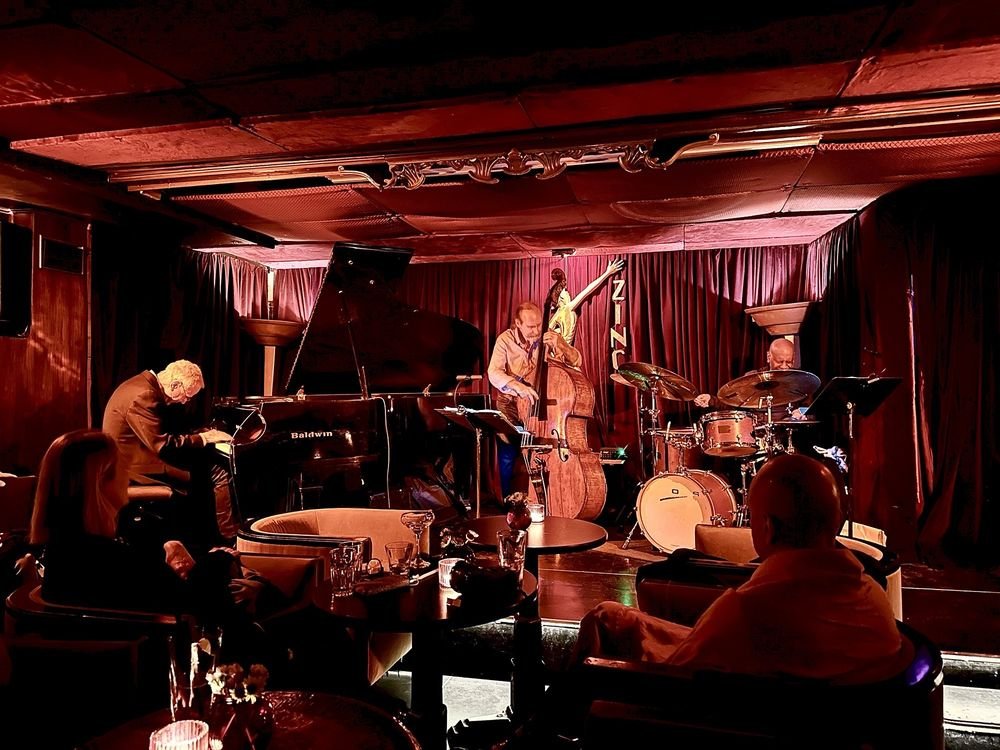
Zinc Bar demonstrates how New York jazz has evolved with the times. Since the 1970s, this Soho and Village area venue has functioned as a stage where jazz, Latin jazz, world music, and Afro-Cuban jazz intersect.

Joe Henderson, McCoy Tyner, Gonzalo Rubalcaba, Miguel Zenón, and David Sánchez—performers who led jazz’s expansion after hard bop—have all graced this stage. Rather than specific albums or singular moments, Zinc Bar’s legend lies in showing the flow of jazz evolution.

It stands as one of the venues most consistently demonstrating how post-bebop jazz created new languages through Latin rhythms and world music influences. The music performed here has proven that jazz is no longer a single style but an open structure.

Located at the bottom of a descending staircase, the space is dark and dense. The proximity between stage and audience is close, with flexible seating arrangements creating different atmospheres for each performance.

Address: 82 West 3rd Street, New York, NY 10012
Website: zincbar.com


Planning Your Jazz Journey in New York

These ten legendary venues represent different facets of New York’s jazz heritage. From Village Vanguard’s unchanged 1935 aesthetic to Dizzy’s Club’s modern institution, each space tells its own story while contributing to the living history of jazz.

Tips for visiting:

  • Reserve in advance, especially for popular venues like Blue Note and Village Vanguard
  • Expect minimum drink requirements at most clubs
  • Dress codes vary from casual to formal depending on the venue
  • Many clubs offer multiple sets per night—check schedules online
  • Consider multi-club nights in Greenwich Village where several venues are within walking distance

Whether you’re a devoted jazz aficionado or a curious first-timer, these venues offer more than just music—they offer a chance to step into history, to sit where legends once sat, and to experience the art form that defines New York’s cultural soul.

The stages may be empty during the day, but at night, they still pulse with the same energy that moved Miles, Coltrane, and countless others. This is where time stands still, and jazz lives forever.​​​​​​​​​​​​​​​​

Dia:Beacon: A Pilgrimage to Minimalist Art in New York’s Hudson Valley
Bryant Park Winter Village 2025: Your Complete Guide to NYC’s Best Winter Destination

Discover everything Bryant Park Winter Village has to offer this season, from the exciting new Ice Bumper Cars to classic ice skating, 170+ market vendors, and special Winter Olympics celebrations. Whether you’re planning a family outing, romantic date, or solo adventure, this complete guide covers activities, pricing, tips, and the best times to visit NYC’s premier winter destination in the heart of Manhattan.

Bryant Park Winter Village 2025: Your Complete Guide to NYC’s Best Winter Destination.

Looking for the perfect winter weekend activity in New York City? Bryant Park in the heart of Manhattan offers an exciting new addition this season that’s worth checking out.

Ice Bumper Cars Are Back at Bryant Park

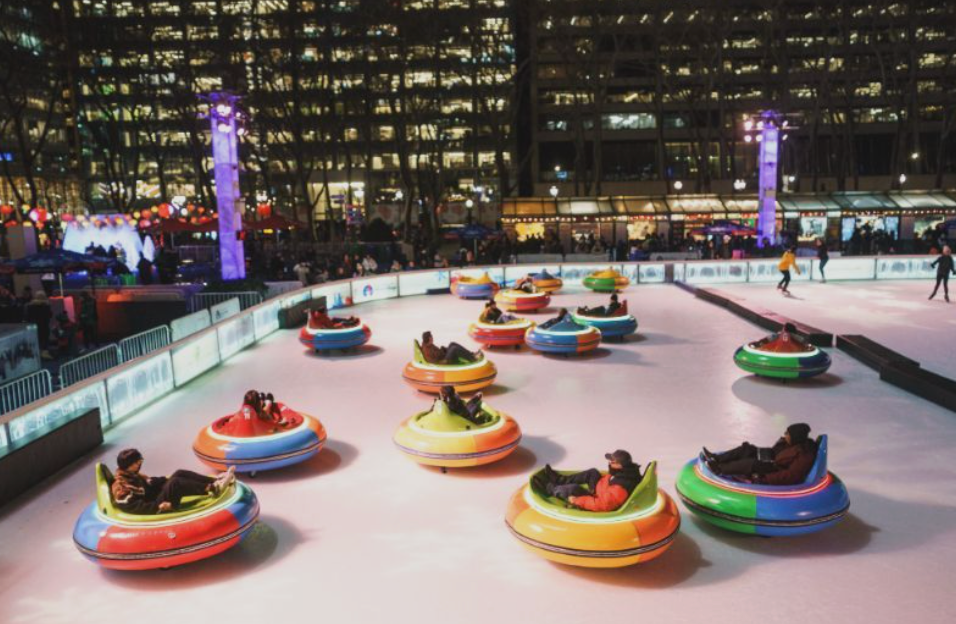
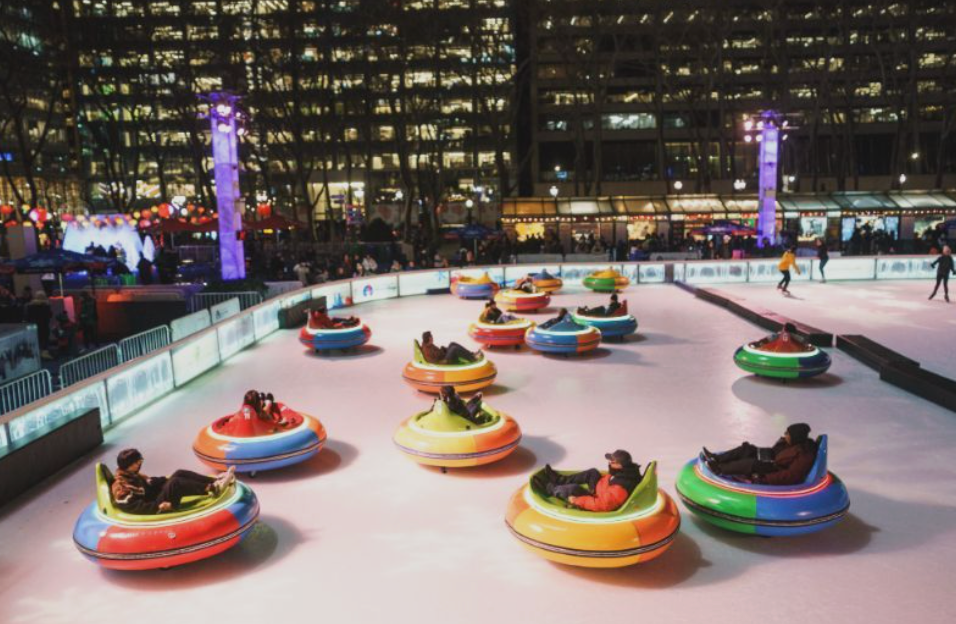
The Ice Bumper Cars have returned to Bryant Park, running from January 9 through February 28. This unique winter attraction lets you enjoy the ice without needing any skating skills. Sessions last 45 minutes and cost between $22-$26 for participants ages 7 and up (minimum height 42 inches). Advance reservations are highly recommended at wintervillage.org, especially for popular time slots like weekday evenings and weekend afternoons.

What makes ice bumper cars special is their accessibility. You don’t need to know how to skate, and you won’t worry about falling. Just bundle up in warm outerwear and gloves, then enjoy bumping into friends and family while seated comfortably in your bumper car. It’s the perfect low-pressure winter activity for everyone.

Classic Ice Skating at The Rink

Bryant Park’s famous outdoor ice skating rink operates daily through March 1, from 8am to 10pm. Admission to the rink is free, though skate rentals range from $19-$60 depending on the time of day. Off-peak hours during weekday mornings and early afternoons offer the lowest rates. If you bring your own skates, you can use the rink without any rental fees.

For beginners, weekday mornings are ideal since the rink is less crowded and you can practice at your own pace. Weekend evenings create a romantic atmosphere under the lights, but expect larger crowds. First-timers should start near the walls and can typically get the hang of basic skating within 30 minutes.

Pro tip: Book skating and bumper cars at least one week in advance. Weekday mornings are the least crowded. Activities run rain or shine, though severe weather may cause cancellations. Wear comfortable shoes and warm layers, and budget for locker rentals starting at $6.

BRYANT PARK RESERVE TICKET

Winter Village Market: Shopping and Dining

Over 170 vendor booths surround the skating rink, offering handmade accessories, knitwear, candles, home decor items, and unique products from local New York brands. Whether you’re shopping for gifts or just browsing, the market provides hours of entertainment.

The food vendors are a winter highlight, serving hot chocolate, mulled wine, pretzels, waffles, cheese dishes, and other warming treats. Prices typically range from $5-$15, making it affordable to enjoy multiple items. The market is especially atmospheric in the evening when lights illuminate the entire area.

You can explore the market freely without skating, making it perfect for dates, solo walks, or family outings. For a more relaxed experience, visit on weekday evenings or early afternoons when crowds are lighter.

The Lodge: Warm Indoor Space with Special Events

The Lodge offers a heated indoor area where you can watch the ice rink and holiday market while enjoying drinks and snacks from 10am to 10pm daily.

Special events at The Lodge include:

Vinyl Nights – Select Tuesdays (January 13, 20, 27, February 3) from 7-9:30pm feature disco, hip-hop, and funk music.

Winter Dance – Wednesday dance lessons open to everyone, couples or singles.

Mixtape Bingo – An interactive event where participants share playlists and connect through music.

We Met IRL – Social programs designed to help online connections meet in person.

Rosy Igloos for Special Occasions

Bryant Park Winter Village

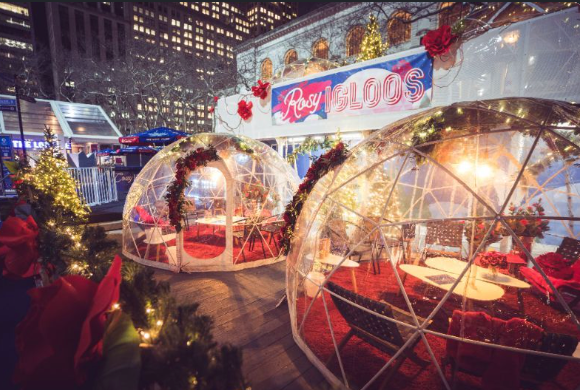
The pink-lit igloos provide a private dining and relaxation space for groups up to eight people. Sessions last 90 minutes and start at $254, including Afternoon Tea. Reservations are required. Special events include a Rose Light Skate Night for Valentine’s Day and Lunar New Year performances and craft programs in February.

Family-Friendly Programming

Winter StoryTime – Saturdays at 10:30am for one hour (recommended ages 2-9). Some sessions feature performances by the Bryant Parkettes, a children’s skating group.

Kids Week – February 17-20 offers free skating lessons, junior performances, and off-ice activities, perfectly timed for winter break.

Winter Olympics Celebration (February 2025)

As the Milano Cortina Winter Olympics approach (February 6-22), Bryant Park transforms into an Olympic celebration hub.

The Lodge Community Lounge – Watch live Olympic coverage throughout February from 10am-10pm. The space becomes a Team USA cheering station with real-time medal updates and podium photo zones. Experience New York’s unique way of celebrating the Games, even if you’re not a winter sports fan.

Ice-less Curling – February 6-26, 11am-7pm, free admission. Try curling on a special mat instead of real ice. No reservation needed, first-come first-served. Staff will teach you the rules on-site, giving you a chance to experience an actual Olympic sport.

Suggested Itinerary

Here’s how to make the most of your Bryant Park winter visit:

  1. Start by exploring the Winter Village Market with a warm beverage
  2. Try ice bumper cars or ice skating (pre-booked)
  3. Warm up and relax at The Lodge
  4. Finish with dinner at nearby restaurants or food vendors in the village

Bryant Park’s winter season isn’t about checking off a to-do list. It’s designed as a space where you can spend time in your own way. This weekend, you don’t need to travel far to find something special.

The season runs through March 1. For detailed schedules and reservations, visit the official website at wintervillage.org.

Visitor Information

Location: Bryant Park, Manhattan
Season: Through March 1, 2025
Ice Bumper Cars: January 9 – February 28
Ice Skating: Daily 8am-10pm through March 1
The Lodge: Daily 10am-10pm
Winter Market: Daily hours vary
Website: wintervillage.org

Whether you’re looking for active winter fun, leisurely shopping, or a cozy spot to enjoy the season, Bryant Park Winter Village has something for everyone right in the heart of New York City.

New York’s Top 12 Hot Chocolates: From Christmas Market Mugs to Chocolatier Cups

The Ultimate Guide to NYC Times Square Ball Drop 2026: Best Viewing Spots, Tips & Premium Packages

Planning to ring in 2026 at Times Square? You’re in for an unforgettable experience! The New Year’s Eve Ball Drop is one of the world’s most iconic celebrations, attracting millions of viewers both in-person and worldwide. Here’s everything you need to know to make your experience perfect.

Table of Contents

  1. What is the Ball Drop?
  2. Free Viewing Guide
  3. Getting There: Transportation Tips
  4. Essential Packing Checklist
  5. Premium Viewing Options (Hotels & Restaurants)
  6. 2026 Ball Drop Timeline
  7. Pro Tips & Safety Information

What is the Ball Drop?

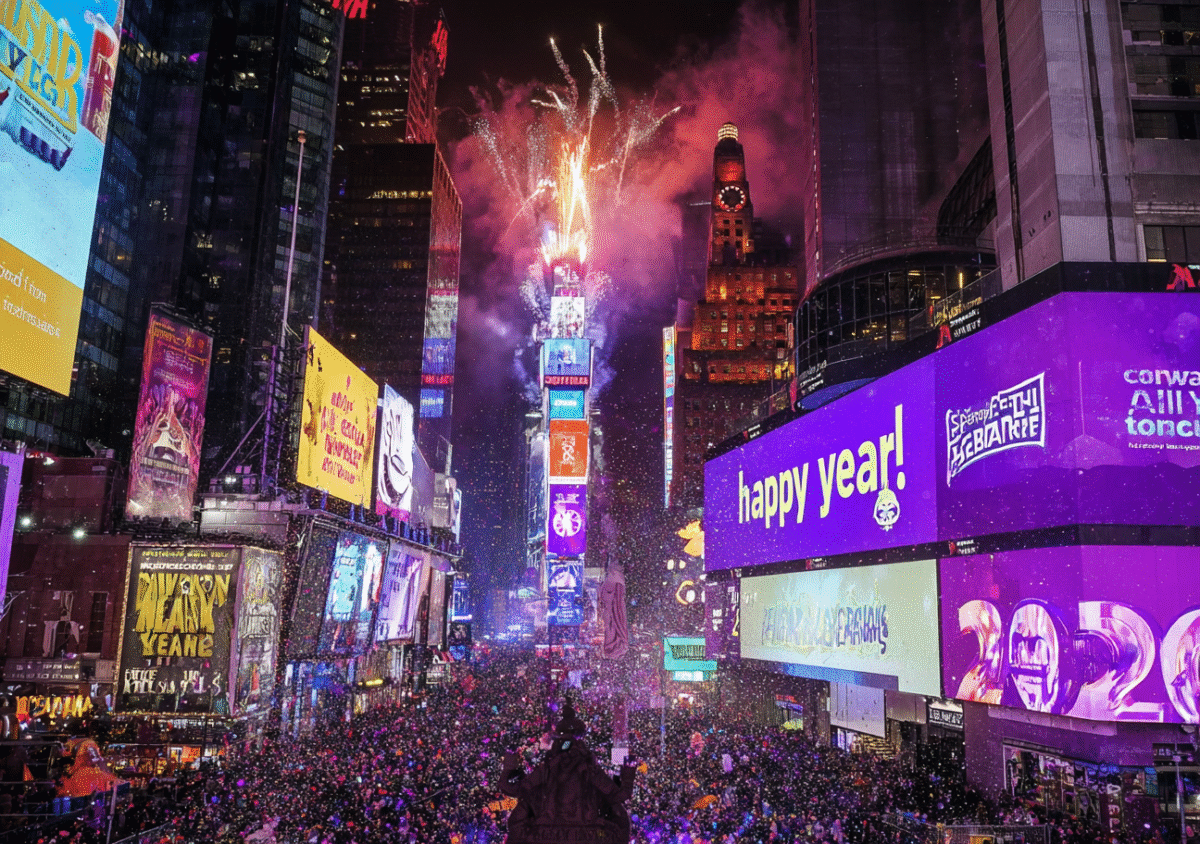
The Times Square Ball Drop is an annual New Year’s Eve celebration held every December 31st at midnight. This tradition, dating back to 1907, features a massive 12-foot crystal ball descending from atop One Times Square as millions count down to the new year. Over 1 billion people worldwide watch this spectacular event via TV and online streaming.

2026 Ball Drop Date: December 31, 2025 (Wednesday) evening through January 1, 2026 (Thursday) morning


Free Viewing Guide

Arrival Time Strategy

The Ball Drop is completely free and operates on a first-come, first-served basis. However, securing a good spot requires serious dedication.

  • Official Opening Time: Areas typically open around 3:00 PM
  • Recommended Arrival: 10:00 AM – 11:00 AM for prime viewing spots
  • Expected Wait Time: 12-14 hours minimum

Best Viewing Locations

The Ball descends from the top of One Times Square building. Here are the best viewing zones:

Prime Viewing Areas:

  • Broadway between 43rd and 50th Streets
  • 7th Avenue between 43rd and 59th Streets
  • Selected sections of 6th Avenue

Critical Warning: Once you enter a viewing zone, you cannot leave. This means:

  • No bathroom breaks
  • No re-entry
  • You must stay in your designated area until after midnight

Security Screening

Expect airport-level security measures:

  • Metal detectors
  • Bag X-ray screening
  • Only small, transparent bags allowed (check official website for current regulations)
  • Security screening alone can take 1-2 hours

Getting There: Transportation Tips

Subway (Highly Recommended)

Important Alert: Major Times Square subway stations (42 St-Times Square, 34 St-Herald Square) will be exit-only from afternoon onwards. Entry is restricted.

Recommended Stations:

  • 50 St Station (C, E lines)
  • 59 St-Columbus Circle (A, B, C, D, 1 lines)
  • Walk to Times Square from these stations (10-15 minutes)

Taxis/Rideshares: Not Recommended

The entire Times Square area will be closed to vehicle traffic. Taxis and Uber/Lyft will not be able to access the area. Public transportation is your only viable option.

Parking Information

Manhattan parking is extremely difficult and expensive. We strongly recommend using public transportation instead.


Essential Packing Checklist

Weather Preparation (Top Priority!)

New York’s December 31st average temperature ranges from 23°F to 41°F (-5°C to 5°C), but wind chill can make it feel like 14°F (-10°C) or colder.

Cold Weather Essentials:

  • Multiple layers of clothing (layering is key!)
  • Heavy winter parka or down jacket
  • Waterproof winter boots (for snow/rain)
  • Ear muffs, scarf, gloves (touchscreen-compatible gloves recommended)
  • 10+ hand and foot warmers
  • Blanket or insulated sitting pad

Rain/Snow Protection

  • Rain poncho (umbrellas are prohibited!)
  • Waterproof pants or rain pants

Food & Beverages

  • Energy bars, sandwiches
  • Thermos with hot chocolate or tea
  • Water (minimal amount, considering bathroom limitations)
  • Gum, candy

Electronics

  • 2+ portable chargers (cold weather drains batteries rapidly)
  • Waterproof phone case

Other Essentials

  • ID/passport
  • Cash (some vendors don’t accept cards)
  • Hand sanitizer, tissues
  • Personal medications, pain relievers

The Bathroom Problem (Real Talk)

This is not a joke. Many attendees actually use these solutions:

  • Adult diapers (seriously considered by many veterans)
  • Use facilities at nearby McDonald’s, Starbucks before entering viewing area
  • Minimize fluid intake

Prohibited Items

  • Backpacks, large bags
  • Folding chairs
  • Large blankets
  • Alcohol
  • Weapons, sharp objects
  • Umbrellas
  • Drones

Premium Viewing Options (Hotels & Restaurants)

If 12+ hours in freezing temperatures doesn’t appeal to you, premium packages offer a comfortable alternative. Enjoy the Ball Drop from heated venues with food, drinks, and actual bathrooms!

Recommended Hotels (Live Ball Drop Views)

1. The Knickerbocker

  • Rooftop Bar: St. Cloud
  • Advantage: Best view of the Ball Drop, right next to the action
  • Price Range: $800-$1,500+
  • Address: 6 Times Square, New York, NY 10036

2. New York Marriott Marquis

  • Advantage: Central Times Square location, select rooms and The View revolving restaurant
  • Price Range: $500-$1,200
  • Address: 1535 Broadway, New York, NY 10036

3. Hyatt Centric Times Square

  • Rooftop Bar: Bar 54 (54th floor)
  • Advantage: One of NYC’s highest rooftop bars
  • Price Range: $600-$1,000
  • Address: 135 W 45th St, New York, NY 10036

4. Renaissance New York Times Square Hotel

  • Rooftop: R Lounge
  • Advantage: Panoramic floor-to-ceiling windows
  • Price Range: $400-$800

Recommended Restaurants & Bars

1. R Lounge NYC

  • Watch the entire Ball Drop through floor-to-ceiling windows
  • Includes drinks and buffet
  • Price Range: $300-$600

2. Applebee’s Times Square

  • More casual atmosphere
  • Food and drinks included
  • Price Range: $200-$400

3. Carmine’s Italian Restaurant

  • Times Square views
  • Italian buffet style
  • Price Range: $250-$500

How to Book Premium Tickets

Booking Websites:

  • BallDrop.com
  • NYCNewYears.com
  • Individual hotel official websites

Important: Popular venues sell out months in advance! Start booking in September-October.

Premium Package Price Summary

OptionPrice Range
Rooftop Bar Packages$300-$1,000+
Hotel Room Packages$1,500-$5,000+
Restaurant Dinner Packages$200-$500

2026 Ball Drop Timeline

December 31, 2025 (Wednesday)

3:00 PM – Official viewing areas begin opening

6:00 PM – Ball lighting and raising to the top (official event start)

6:00 PM – 11:59 PM – Live performances and entertainment

  • Famous artists perform each year
  • 2025-2026 lineup announced October-November

11:59 PM – 60-second countdown begins as the Ball descends

January 1, 2026 (Thursday)

12:00 AM – Happy New Year!

  • Over 1 ton of confetti released
  • Fireworks and celebration

12:30 AM – 1:00 AM – Crowd dispersal begins


Pro Tips & Safety Information

Photography & Video Tips

  • Video Mode Recommended: The midnight moment lasts only 60 seconds. Video captures it better than photos.
  • Battery Management: Smartphone batteries drain quickly in cold weather. Bring 2+ portable chargers!
  • Touchscreen Gloves: Essential for operating your phone while keeping hands warm
  • Stabilization: Small tripod or selfie stick helpful (large tripods prohibited)

Safety Information

  • Emergency Exits: Familiarize yourself with evacuation routes
  • Emergency Help: Alert nearby police officers or security personnel
  • Pickpockets: Watch your belongings in dense crowds
  • Minimize Valuables: Bring only essentials

Staying Connected

  • Cell networks become overloaded (expect connectivity issues)
  • Arrange meeting points with your group in advance
  • Phone calls work better than texts/apps

The Honest Truth

Let’s be real: Watching on TV at home is warmer and more comfortable!

Many New York locals watch from home. However, experiencing it live is a once-in-a-lifetime bucket list item. Consider your cold tolerance and physical stamina before committing.

Next Day Planning

  • Crowd dispersal takes 1-2 hours after midnight
  • You’ll likely reach your hotel around 2-3 AM
  • Keep January 1st morning free for rest

Alternative: TV Viewing Options

If the outdoor experience seems overwhelming:

  • Hotel Room: Book a Times Square view room (without package)
  • Friend’s Party: If you know NYC locals
  • Sports Bars: Watch on big screens with festive atmosphere

Master Checklist

3 Months Before (September-October)

  • [ ] Book premium packages (hotel/restaurant)
  • [ ] Reserve flights and accommodation

1 Month Before (Early December)

  • [ ] Check official website for latest regulations
  • [ ] Purchase cold weather gear
  • [ ] Test portable chargers

1 Week Before

  • [ ] Check weather forecast
  • [ ] Confirm transportation plans
  • [ ] Buy hand warmers and snacks

Event Day (December 31)

  • [ ] Arrive at 10-11 AM
  • [ ] Fully charge all devices
  • [ ] Use bathroom before entering viewing area
  • [ ] Pass security screening
  • [ ] Secure your spot and settle in for the wait

Final Thoughts

The Times Square Ball Drop is an unforgettable experience, but it requires physical endurance and serious preparation. Whether you choose the authentic street-level experience or opt for the comfort of premium packages, thorough planning is the key to success.

Here’s to ringing in 2026 in the most iconic location on Earth! May your New Year be filled with warmth, joy, and unforgettable memories.


Useful Resources


Did you find this guide helpful? Share it with friends planning their NYC New Year’s adventure!

Tags: #TimesSquare #NYE2026 #BallDrop #NewYorkCity #NYCTravel #NewYearsEve #TimesSquareBallDrop #NYCEvents #TravelGuide #NewYork #Manhattan #WinterTravel #USATravel #BucketList #NYCTips

How to Skip Airport Lines: Your Complete Guide to Global Entry and TSA PreCheck

How to Skip Airport Lines: Your Complete Guide to Global Entry and TSA PreCheck

How to Skip Airport Lines: Your Complete Guide to Global Entry and TSA PreCheck

Ever spent over an hour waiting in line at international arrivals? Or missed your flight because security screening took forever? You’re not alone. But here’s the good news: Global Entry and TSA PreCheck can change your entire airport experience.

These trusted traveler programs let you breeze through customs and security while everyone else is stuck in endless queues. And yes, even non-U.S. citizens can apply. In this comprehensive guide, I’ll walk you through everything you need to know about eligibility, costs, application steps, and insider tips to maximize your membership.

What is Global Entry?

Global Entry is a U.S. Customs and Border Protection (CBP) program that provides expedited clearance for pre-approved, low-risk travelers upon arrival in the United States.

How It Works

Instead of waiting in traditional immigration lines, Global Entry members use automated kiosks to complete their customs declaration in minutes. You simply scan your passport, verify your fingerprints, answer a few questions on the touchscreen, and you’re done.

Key Benefits

  • Skip the immigration lines – Use automated kiosks at major U.S. airports
  • TSA PreCheck included – Get expedited security screening at no extra cost
  • International agreements – Reciprocal expedited entry with select countries including Canada, Mexico, UK, Germany, Singapore, and South Korea
  • Valid for 5 years – One application covers you for half a decade
  • Family-friendly – Children of any age can enroll

The biggest advantage? Global Entry automatically includes TSA PreCheck membership, giving you expedited processing on both ends of your journey.

What is TSA PreCheck?

TSA PreCheck is a separate program focused solely on speeding up security screening at U.S. airports.

The Convenience Factor

With TSA PreCheck, you can:

  • Keep your shoes on – No more hopping around on one foot
  • Leave laptops in bags – No unpacking required
  • Keep liquids and gels packed – As long as they meet the 3-1-1 rule
  • Leave belts and light jackets on – Dress for comfort, not convenience
  • Use dedicated lanes – Typically 5-10 minute wait times vs. 30+ minutes in standard lines

TSA PreCheck is available at 200+ airports nationwide and works with 90+ airlines.

Global Entry vs. TSA PreCheck: Which Should You Choose?

Feature Global Entry TSA PreCheck
Cost $100 (renewing members)$120 (new applicants) $78-$85
Validity 5 years 5 years
Expedited Entry ✅ Yes ❌ No
Expedited Security ✅ Yes (includes TSA PreCheck) ✅ Yes
International Benefits ✅ Yes ❌ No
Best For International travelers Domestic-only travelers

My Recommendation: If you travel internationally even once or twice a year, Global Entry is absolutely worth the extra $20-40. You get both programs for essentially the price of TSA PreCheck.

Who Can Apply for Global Entry?

Eligible Applicants

U.S. Citizens and Permanent Residents

Any U.S. citizen or lawful permanent resident (green card holder) can apply, regardless of age. Even infants can have Global Entry membership.

Citizens of Trusted Countries

If you’re a citizen of these countries, you can apply for Global Entry:

  • Mexico
  • Panama
  • Singapore
  • South Korea
  • Switzerland
  • Taiwan
  • United Kingdom
  • Germany
  • Netherlands
  • Croatia
  • Argentina

Canadian Citizens

Canadians can apply through the NEXUS program, which provides similar benefits and costs only $50.

Non-immigrant Visa Holders

If you’re legally residing in the U.S. on a non-immigrant visa (F-1, J-1, H-1B, L-1, O-1, etc.), you may be eligible. However, approval is more selective and depends on your specific circumstances.

Who Cannot Apply

You’ll likely be denied if you:

  • Have a criminal record
  • Have customs, immigration, or agriculture violations
  • Are under investigation by any government agency
  • Provided false information on a previous application
  • Are inadmissible to the U.S. under immigration regulations

How Much Does It Cost?

Global Entry Pricing

  • New Applications: $120 (non-refundable)
  • Renewals: $100 (available up to 1 year before expiration)
  • Children: Same price as adults – no discounts

TSA PreCheck Pricing

  • Standard Application: $78-$85 (varies by enrollment provider)
  • Renewals: $70-$85
  • Children 12 and under: Can use TSA PreCheck lanes when traveling with enrolled parents (no separate membership needed)

Money-Saving Tips

1. Credit Card Reimbursements

Many premium travel credit cards reimburse Global Entry or TSA PreCheck fees:

  • Chase Sapphire Reserve
  • American Express Platinum
  • Capital One Venture X
  • Citi Prestige
  • Bank of America Premium Rewards

2. Renewal Discounts

Current members pay $100 to renew Global Entry instead of $120 for new applications.

3. Family Strategy

If you have young children, consider that kids 12 and under can use TSA PreCheck lanes with enrolled parents. However, for international travel, each family member needs their own Global Entry membership.

How to Apply for Global Entry: Step-by-Step

Step 1: Create a Trusted Traveler Programs (TTP) Account

  1. Visit ttp.cbp.dhs.gov
  2. Click “Get Started” and create an account with login.gov
  3. Verify your email address

Step 2: Complete the Application

You’ll need to provide:

  • Personal information – Full name, date of birth, address, citizenship
  • Employment history – Last 5 years of employment
  • Residence history – Addresses for the past 5 years
  • Travel history – Countries visited in the last 5 years
  • Background questions – Criminal history, customs violations, etc.

Pro Tip: Be thorough and accurate. Incomplete or inconsistent information is the #1 reason applications get delayed or denied.

Step 3: Pay the $120 Fee

Payment is processed immediately and is non-refundable, even if you’re denied. Accepted payment methods:

  • Credit card
  • Debit card
  • Electronic bank transfer

Step 4: Wait for Conditional Approval

The CBP conducts extensive background checks through:

  • FBI criminal databases
  • DHS immigration records
  • Interpol records
  • Customs and border crossing history

Processing Time: Typically 2 weeks to 3 months, though it can take longer during peak application periods.

What to Do While Waiting:

  • Check your application status regularly in your TTP account
  • Respond promptly to any requests for additional information
  • Keep your contact information updated

Step 5: Schedule Your Interview

Once conditionally approved, you’ll receive an email notification. Now you must schedule an in-person interview.

Interview Locations:

  • Enrollment Centers – Over 100 locations at major airports, seaports, and land borders
  • Enrollment on Arrival – Available at select airports, allowing you to interview immediately after an international flight

Find an enrollment center near you

Booking Tips:

  • Appointments fill up quickly at popular locations
  • Consider less busy locations (often available same-week)
  • “Enrollment on Arrival” requires no appointment – just arrive and go

Step 6: Attend Your Interview

What to Bring:

  • Valid passport (or permanent resident card if applicable)
  • Conditional approval notification (print or digital)
  • Additional documents if requested (birth certificate, visa, etc.)

Non-immigrant visa holders should also bring:

  • Current visa
  • I-94 arrival/departure record
  • Status documentation (I-20, DS-2019, I-797, etc.)

What to Expect:

The interview is straightforward and typically lasts 10-15 minutes. The officer will:

  • Verify your identity
  • Review your application details
  • Ask basic questions about your travel history
  • Take your fingerprints and photo
  • Explain program rules and responsibilities

Interview Questions You Might Hear:

  • Why do you want Global Entry?
  • How often do you travel internationally?
  • Have you ever had issues with customs or immigration?
  • Where do you typically travel?
  • What do you do for work?

Important: You must complete your interview within 1 year of conditional approval, or your application expires.

Step 7: Receive Final Approval

Most applicants are approved immediately after the interview. You’ll receive:

  • Global Entry membership card (arrives by mail in 7-10 days)
  • Known Traveler Number (KTN) – Available immediately in your TTP account
  • PASSID number – For using Global Entry kiosks

Start Using It Right Away: You don’t need to wait for your physical card. Your KTN works for TSA PreCheck immediately, and you can use Global Entry kiosks with just your passport.

How to Apply for TSA PreCheck Only

If you rarely travel internationally, TSA PreCheck alone might be sufficient.

Application Process

Step 1: Pre-Enroll Online

  • Visit tsa.gov/precheck
  • Complete the pre-enrollment form
  • Select an enrollment provider (IDEMIA, CLEAR, Telos, or Alclear)

Step 2: Schedule an Appointment

Choose from 500+ enrollment centers nationwide, often located at:

  • Airports
  • UPS stores
  • Staples office supply stores
  • IdentoGO centers

Step 3: Complete In-Person Enrollment

  • Bring government-issued ID and citizenship documentation
  • Provide fingerprints
  • Have a brief identity verification
  • Pay $78-$85 fee

Step 4: Receive Your KTN

Most applicants receive approval within 3-5 business days via email.

Using Your Global Entry and TSA PreCheck

How to Use Global Entry Kiosks

Upon Arrival in the U.S.:

  1. Look for Global Entry kiosks in the customs/immigration area
  2. Scan your passport or permanent resident card
  3. Place your fingerprints on the reader
  4. Answer customs declaration questions on the touchscreen
  5. Take a photo
  6. Collect your receipt
  7. Proceed to exit or baggage claim

Average Time: 2-5 minutes vs. 30-60+ minutes in regular lines

Available At: 50+ U.S. airports including JFK, LAX, Miami, Atlanta, Chicago O’Hare, and more

How to Use TSA PreCheck

Before Your Flight:

  1. Add your Known Traveler Number (KTN) to:
    • Airline frequent flyer profiles
    • Individual flight reservations
  2. Check your boarding pass for “TSA PreCheck” or “TSA PRE✓” indicator

At Security:

  1. Look for TSA PreCheck lanes (usually marked with blue signs)
  2. Show your boarding pass and ID
  3. Proceed through security without removing:
    • Shoes
    • Belt
    • Light jacket
    • Laptop (keep in bag)
    • Liquids/gels (keep in bag, following 3-1-1 rules)
  4. Walk through standard metal detector

Average Time: 5-10 minutes vs. 20-45 minutes in standard lanes

Pro Tips for Maximum Benefits

1. Always Add Your KTN

Add your Known Traveler Number to your airline profiles permanently. This ensures TSA PreCheck appears automatically on all future bookings.

2. Arrive Earlier for International Flights

Even with Global Entry, arrive at least 2-3 hours early for international departures. Global Entry only helps with arrivals, not departures.

3. Check Which Airlines Participate

While 90+ airlines accept TSA PreCheck, not all international carriers participate. Check before booking.

4. Download the Mobile Passport App

For even faster entry, use the Mobile Passport Control app in conjunction with Global Entry.

5. Keep Your Passport Updated

If your passport number changes, update it in your TTP account immediately. Failure to do so can result in delays at kiosks.

Common Reasons for Denial

Understanding why applications get rejected can help you avoid issues:

Criminal History

  • Any felony conviction
  • Recent misdemeanors (especially related to theft, fraud, or violence)
  • Outstanding warrants
  • Pending criminal charges

Immigration Violations

  • Overstayed previous visas
  • Worked without authorization
  • Made misrepresentations to immigration officials
  • Previous removal or deportation orders

Customs Violations

  • Failed to declare goods
  • Attempted to bring prohibited items
  • Agricultural violations
  • Currency violations (failed to declare $10,000+)

False Information

  • Inaccurate employment history
  • Omitted travel to certain countries
  • Failed to disclose name changes
  • Misrepresented criminal history

Other Disqualifying Factors

  • Active investigation by law enforcement
  • Suspected involvement in terrorism or smuggling
  • Previously denied Global Entry with no changed circumstances
  • Unstable immigration status (for non-citizens)

What to Do If You’re Denied

If your application is denied, you’ll receive a letter explaining the reason.

Your Options:

1. Request Reconsideration

If you believe the denial was in error:

  • Log into your TTP account
  • Submit a request for reconsideration
  • Provide supporting documentation
  • Explain any circumstances

2. Appeal Through the Ombudsman

If reconsideration is denied, you can file an appeal through the DHS Traveler Redress Inquiry Program (TRIP).

3. Reapply Later

If circumstances have changed (criminal record expunged, time has passed, etc.), you can submit a new application with the $120 fee.

Important: Fees are never refunded, even if you’re denied.

Renewal Process

Global Entry memberships are valid for 5 years. You can renew up to 1 year before expiration.

How to Renew

Step 1: Log Into TTP Account

You’ll receive a reminder email when eligible for renewal.

Step 2: Submit Renewal Application

  • Update any changed information
  • Answer new background questions
  • Pay $100 renewal fee

Step 3: Interview Waiver (Maybe)

Many renewals qualify for “interview waiver,” meaning no in-person visit required. You’ll be notified if this applies to you.

Step 4: Conditional Approval

If interview is waived, you’re approved immediately. Otherwise, schedule an interview appointment.

Pro Tip: Renew as early as possible. If approved, your new 5-year period starts from the expiration date of your current membership, not from approval date, so you don’t lose any time.

Frequently Asked Questions

General Questions

Q: Is Global Entry worth it?

Absolutely, especially if you travel internationally 1-2+ times per year. The time savings alone justify the cost. Plus, with TSA PreCheck included, you save time on domestic travel too.

Q: Can I use Global Entry at any airport?

Global Entry kiosks are available at 50+ U.S. airports. Check the CBP website for the complete list.

Q: Does Global Entry work when leaving the U.S.?

No, Global Entry only expedites re-entry into the U.S. However, the included TSA PreCheck helps with departure security screening.

Q: Can my family share my membership?

No, each person needs their own Global Entry membership. However, children under 12 traveling with an enrolled parent can use TSA PreCheck lanes.

Application Questions

Q: How long does the whole process take?

From application to final approval, expect 2-4 months. During peak periods, it can take longer.

Q: Can I schedule my interview before conditional approval?

No, you must receive conditional approval before scheduling an interview.

Q: What if I can’t make my interview appointment?

You can reschedule or cancel appointments in your TTP account. There’s no penalty, but you may need to wait for the next available slot.

Q: Can I do my interview at any location?

Yes, once conditionally approved, you can schedule at any enrollment center, regardless of where you live or usually travel.

Usage Questions

Q: What if TSA PreCheck doesn’t appear on my boarding pass?

This happens occasionally due to:

  • Random security selection
  • Booking through third-party sites (always add KTN directly with airline)
  • Flying on an airline that doesn’t participate
  • Technical issues

Q: Can I bring guests through TSA PreCheck with me?

Children 12 and under can accompany enrolled parents. Children 13-17 may be allowed but it’s not guaranteed. Adults must have their own membership.

Q: What if the Global Entry kiosk doesn’t recognize me?

See a CBP officer for manual processing. This doesn’t affect your membership but may indicate:

  • Need to update passport info in TTP account
  • System maintenance
  • Biometric reading issue

Q: Does Global Entry work at land borders?

Yes! You can use NEXUS/SENTRI lanes at land border crossings with Canada and Mexico if you’re in a vehicle.

Problem-Solving Questions

Q: My application has been pending for months. What should I do?

Contact CBP through your TTP account message center. Delays often occur due to:

  • Extensive travel history requiring verification
  • Common name requiring additional vetting
  • Foreign addresses needing verification
  • Background check complications

Q: I made a mistake on my application. Can I fix it?

Yes, log into your TTP account and update the information. For significant changes, you may need to contact CBP directly.

Q: Will a DUI disqualify me?

It depends on:

  • How recent (within last 10 years is problematic)
  • Severity
  • Whether it’s your only offense
  • Whether you completed all requirements

Recent DUIs typically result in denial.

Alternatives and Related Programs

NEXUS (U.S.-Canada Border Crossings)

  • Cost: $50 for 5 years
  • Best for: Frequent travelers between U.S. and Canada
  • Benefits: Expedited processing at land, air, and sea borders
  • Bonus: Includes Global Entry and TSA PreCheck

SENTRI (U.S.-Mexico Border Crossings)

  • Cost: $122.25 for 5 years
  • Best for: Frequent travelers between U.S. and Mexico
  • Benefits: Dedicated SENTRI lanes at land border crossings
  • Bonus: Includes Global Entry and TSA PreCheck

CLEAR

  • Cost: $189/year
  • Best for: Frequent flyers who want the fastest security experience
  • Benefits: Biometric verification to skip ID check lines
  • Note: Pairs perfectly with TSA PreCheck – CLEAR gets you to the front, TSA PreCheck speeds up screening

Mobile Passport Control

  • Cost: Free
  • Best for: Occasional international travelers
  • Benefits: Faster customs processing via smartphone app
  • Note: Not as fast as Global Entry but free and easy

Final Thoughts: Is It Worth It?

Let me be clear: if you travel internationally even once or twice a year, Global Entry is absolutely worth the investment.

Here’s the math:

  • Cost: $120 for 5 years = $24/year = $2/month
  • Time saved per international trip: 30-60 minutes at customs
  • Time saved per domestic trip: 15-30 minutes at security
  • Stress reduction: Priceless

After using Global Entry for years, I can’t imagine flying without it. The peace of mind knowing you’ll breeze through customs while jet-lagged travelers wait in line for an hour is worth far more than $2 per month.

My recommendation:

  • Travel internationally 2+ times/year → Get Global Entry
  • Only travel domestically → Get TSA PreCheck
  • Frequently cross Canadian border → Get NEXUS (includes Global Entry)
  • Want the ultimate speed → Get Global Entry + CLEAR

Don’t wait until peak travel season when appointment wait times balloon to months. Apply now, and your next trip will be exponentially less stressful from the moment you arrive at the airport.


Resources and Links

Official Application Sites:

Reading the City: Where to Read Alone in NYC

Quiet Corners, Hidden Benches, and Sanctuaries for the Solitary Reader

There’s a particular kind of silence that only happens when you’re reading in public—surrounded by people but deeply elsewhere. In a city like New York, where noise is the native language, finding a place to sit down with a book and truly disappear is a subtle act of rebellion.

This post is for the readers who carry novels in their bags, for those who sit with poetry in coffee-stained corners, for anyone who craves quiet among chaos. Here are five places in NYC where reading alone doesn’t feel lonely—it feels intentional.

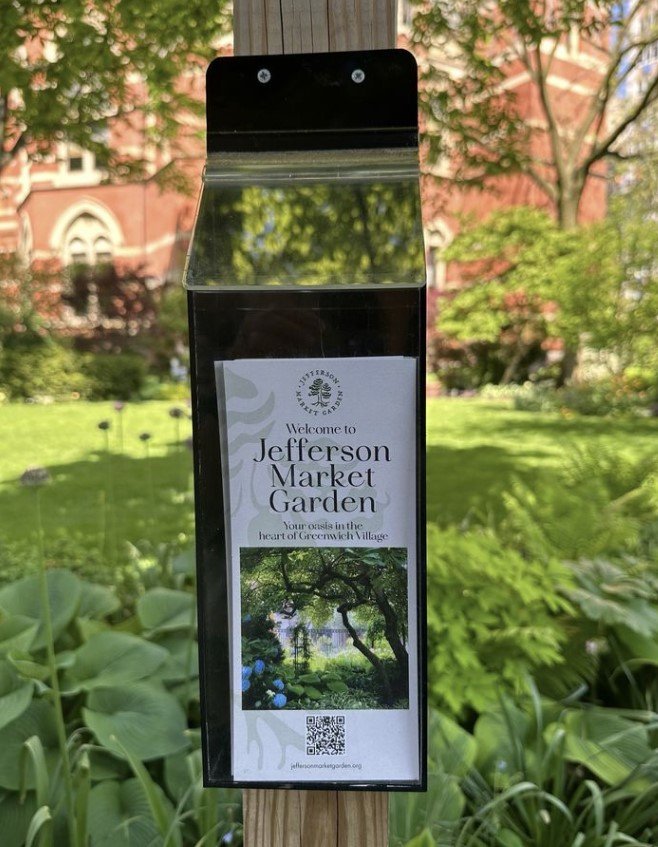
📍 1. Jefferson Market Garden – West Village

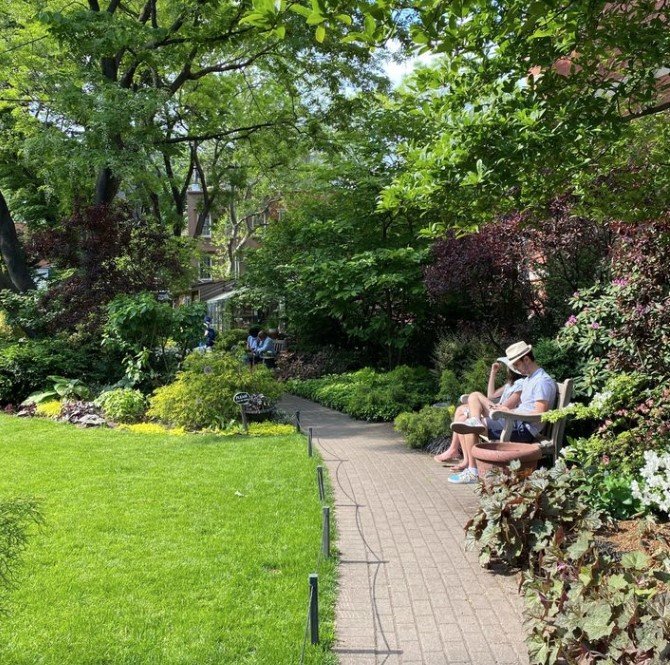
Tucked behind the Gothic spire of the Jefferson Market Library is a garden that feels like a secret. Jefferson Market Garden is only open seasonally, but when it is, its benches are shaded, its flowers are fragrant, and its silence is golden.

Bring a slim paperback. Mornings between 10 AM and noon are best, when the neighborhood is calm and the sunlight softens the pages. This is a garden for slow chapters and slow breathing.

📍 2. Albertine Books – Upper East Side

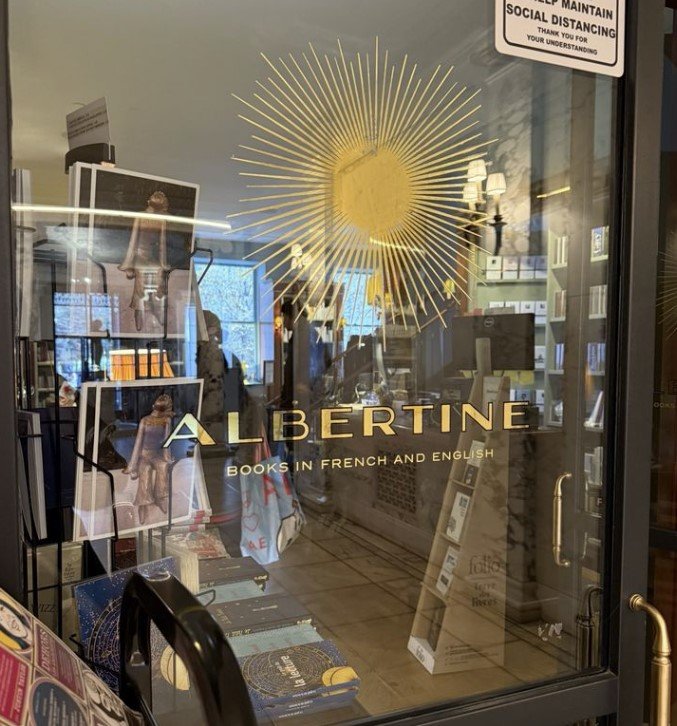
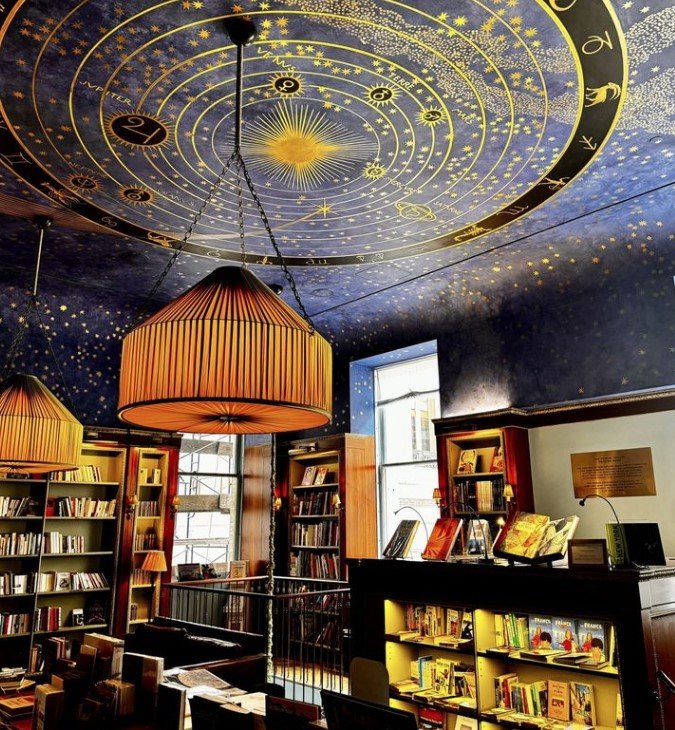
Inside the ornate walls of the French Embassy on Fifth Avenue lies Albertine, a bookstore where French and English literature sit side by side. Climb to the second floor, where celestial murals cover the ceiling, and find a chair near the window.

The room is hushed like a chapel. No laptops. No espresso machines. Just pages and thoughts. If you like your solitude to come with a side of Parisian elegance, this is your place.

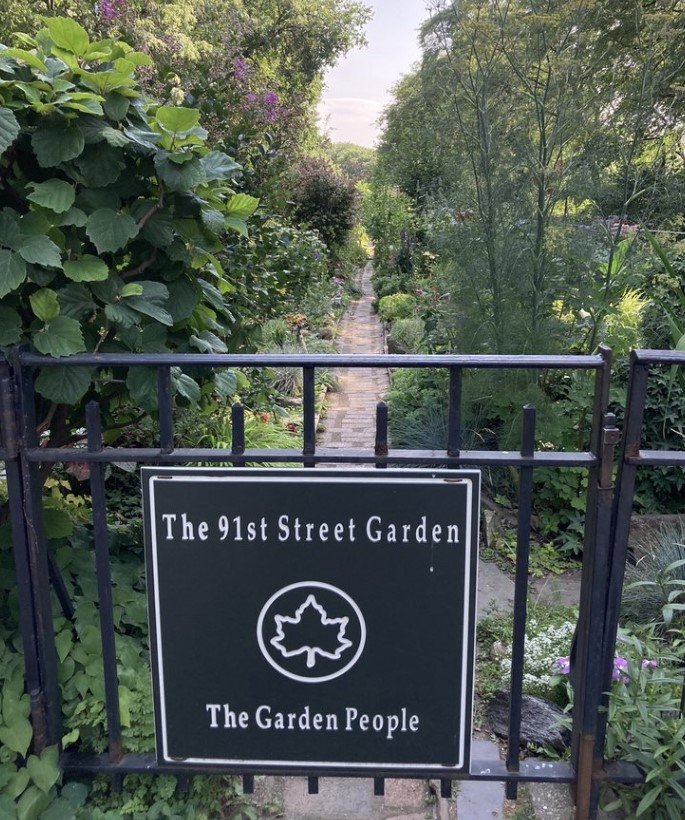
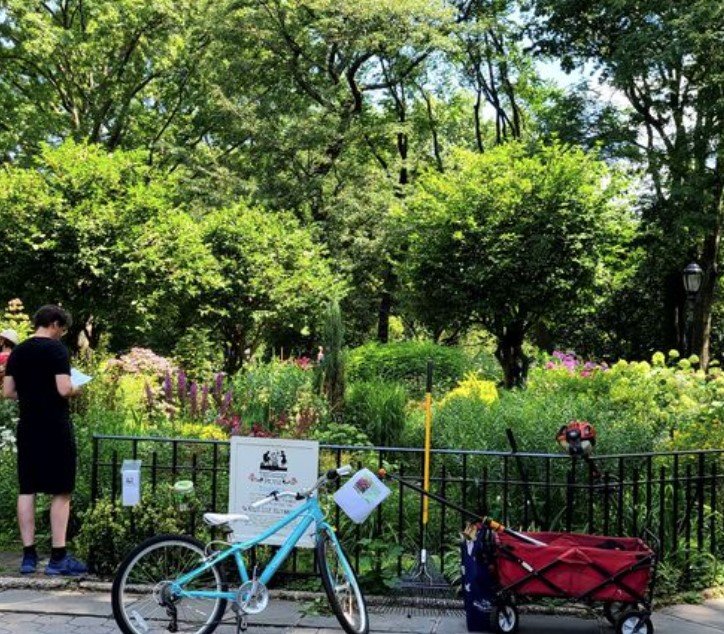
📍 3. Riverside Park @ 91st Street Garden – Upper West Side

Sometimes, reading outside isn’t about escape—it’s about connection. The 91st Street Garden, made famous by You’ve Got Mail, is a small, well-kept oasis overlooking the Hudson. The benches face the water and the breeze is generous.

Early evenings are perfect. The sky fades behind the trees, and your book becomes backlit by the river. It’s the kind of space where fiction feels more honest than real life.

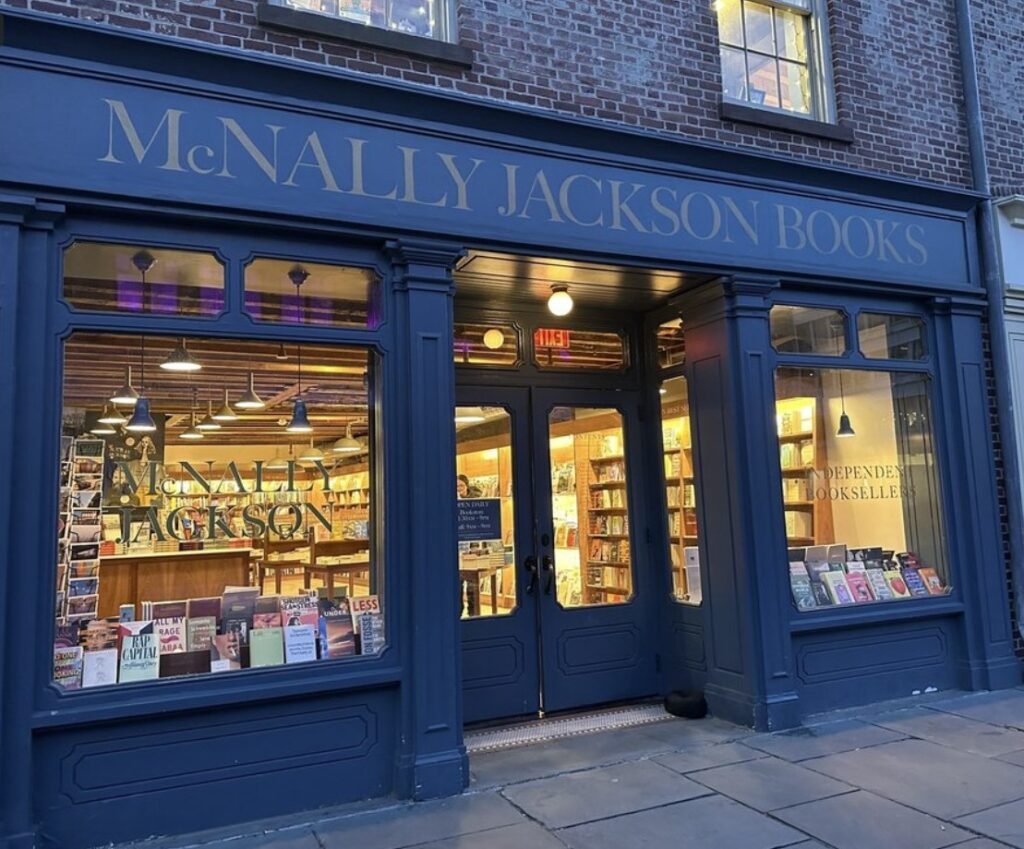
📍 4. McNally Jackson Bookstore – Seaport

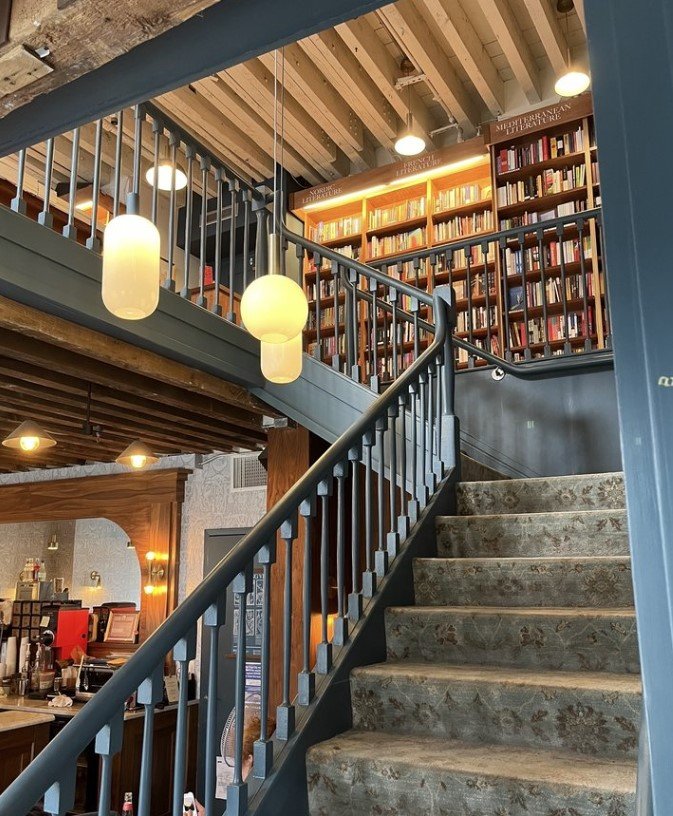
Not all bookstores welcome lingering. McNally Jackson invites it. The Seaport location is quieter than its Soho cousin, with wide aisles and scattered chairs that encourage you to sit and stay.

The natural light and waterfront calm make it ideal for a solo Sunday visit. Buy a book, or don’t. No one will ask. Just pick a corner and read like the city isn’t spinning so fast around you.

📍 5. Rose Main Reading Room – NY Public Library, Midtown

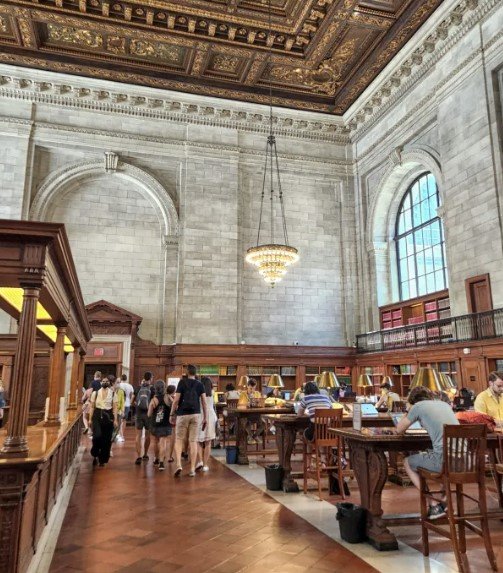
This is where reading becomes sacred. The Rose Main Reading Room at the New York Public Library is less a room and more a cathedral for thought. Vast ceilings. Long oak tables. The silence is almost physical.

It’s not a casual space—you’ll want to bring a hardcover and your best pen—but it rewards stillness like nowhere else. You’ll feel small here, but not insignificant. Just part of something grander: the long story of readers in New York.

Tips for Reading Alone in NYC

  • Go early: Weekday mornings are quieter everywhere
  • Bring: A light book and water
  • Leave your phone off: Let the city blur behind the words

Closing

Reading alone in New York isn’t antisocial—it’s deeply social, just with a different rhythm. It’s you, the words, and the city breathing in the background. So find a spot. Open a book. Let the city wait for you for once.

Slow Travel NYC

Slowing Down in Cold Spring: A Solo Day Trip by the Hudson

There are times when the city gets too loud, even if nothing’s being said. On those days, the subway feels tighter, the skyline more distant, and the sidewalks too crowded for thought. That’s when I know I need to leave—not forever, just for the day.

Just 90 minutes north of Manhattan lies Cold Spring, a small riverside village that feels like a page torn out of another season. It’s not just quieter here—it’s slower, softer, and perfectly made for walking alone. This is a journey for those who don’t need a plan, only a pause.

Getting There: The Hudson Line

Board the Metro-North Hudson Line at Grand Central Terminal. Sit on the left side for views of the river. As the train climbs north, steel gives way to green, and glass becomes water. About an hour and twenty minutes later, you’ll arrive at Cold Spring Station—with the Hudson greeting you as you step off.

There’s no ticket gate. No rush. You walk straight out onto a quiet platform, and within minutes, you’re in a different rhythm entirely.

First Stop: Cold Spring Coffeehouse

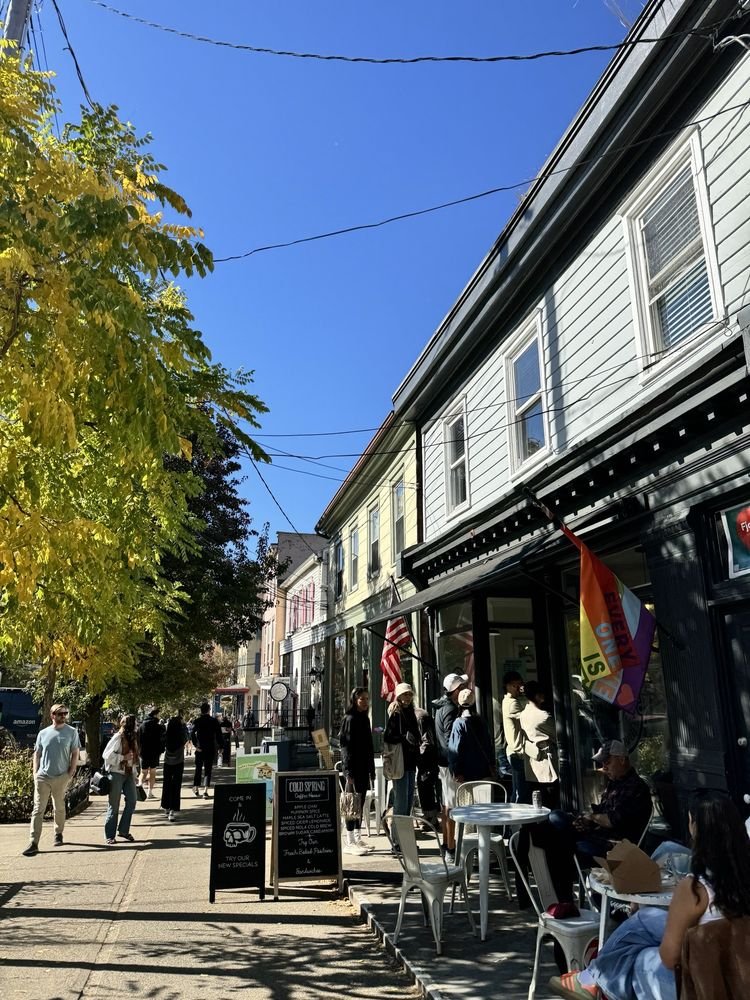
Start your walk through town by heading up Main Street. Just a few blocks in, you’ll find Cold Spring Coffeehouse—an understated café with warm lighting, wooden chairs, and a quiet hum. Grab a latte or a cold brew and take a seat by the window.

cold spring

No one’s in a hurry here. Even the baristas move like they’ve read every chapter of the morning already. This is the kind of place where you don’t need Wi-Fi to stay awhile.

Wandering Main Street

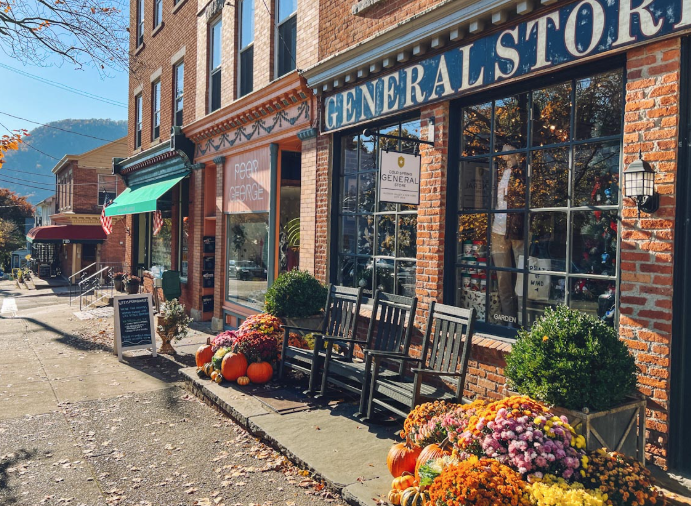
Walk slowly. No need to follow a map. Main Street is lined with antique shops, secondhand bookstores, local art galleries, and vintage signs that seem like they’ve always been there.

The joy of Cold Spring is in what you don’t do. You can browse. You can skip. You can stand in front of a window for ten minutes watching the leaves fall. No one will ask why you’re alone. No one will interrupt the silence.

Riverside Quiet: Dockside Park

At the end of Main Street, the town opens into Dockside Park—a wide grassy area with wooden benches and sweeping views of the Hudson River. This is where time truly stops.

Sit for as long as you like. Watch the water move. Feel the breeze shift. The city feels far away here—not just in miles, but in meaning. Here, it’s okay to be still. To not post. To not explain.

“Sometimes, the best part of a journey is the part where you don’t move at all.”

Optional Detour: Little Stony Point Trail

If you’re up for a short hike, cross Route 9D to find Little Stony Point Trail. It’s an easy loop through forested paths that opens to a quiet riverside beach with mountain views.

No special gear needed. Just good shoes, a bottle of water, and your willingness to listen to the woods. It’s only a 30–40 minute loop, but you might take longer. That’s kind of the point.

Heading Back

Trains back to Grand Central run about once per hour. There’s no rush. Sit on a bench near the platform. Read. Write. Let the wind carry off whatever you came here to release.

You’ll arrive back in the city the same way you left—but you won’t feel quite the same. That’s the quiet magic of Cold Spring.

Practical Tips

  • Train: Metro-North Hudson Line (Grand Central → Cold Spring)
  • Duration: 1hr 20min (each way)
  • Best time: Weekdays or Sunday mornings
  • Bring: Water, a book, notebook, comfortable shoes
  • Don’t bring: Expectations. Just let the place arrive to you.

Closing

We often think we need to travel far to feel new. But sometimes, all it takes is a train ride north, a bench by the river, and a little time alone. If you’re craving silence, space, or simply a breath—Cold Spring is waiting.

Related posts you might enjoy

Where Stillness Takes Shape: A Slow Walk Through the Noguchi Museum

In a city where space is currency and silence feels rare, the Noguchi Museum offers both, in abundance.

Tucked away in Long Island City, far from the noise of midtown and the buzz of SoHo, this museum feels less like an institution and more like a retreat. Not for tourists in a hurry. Not for checklist travelers. But for those willing to pause, to breathe, and to experience art as presence.

Who Was Isamu Noguchi?

Isamu Noguchi was a Japanese-American sculptor, designer, and thinker. His work defies categories—somewhere between architecture, furniture, landscape, and sculpture. But what’s most striking about his work is not what it is, but how it makes you feel.

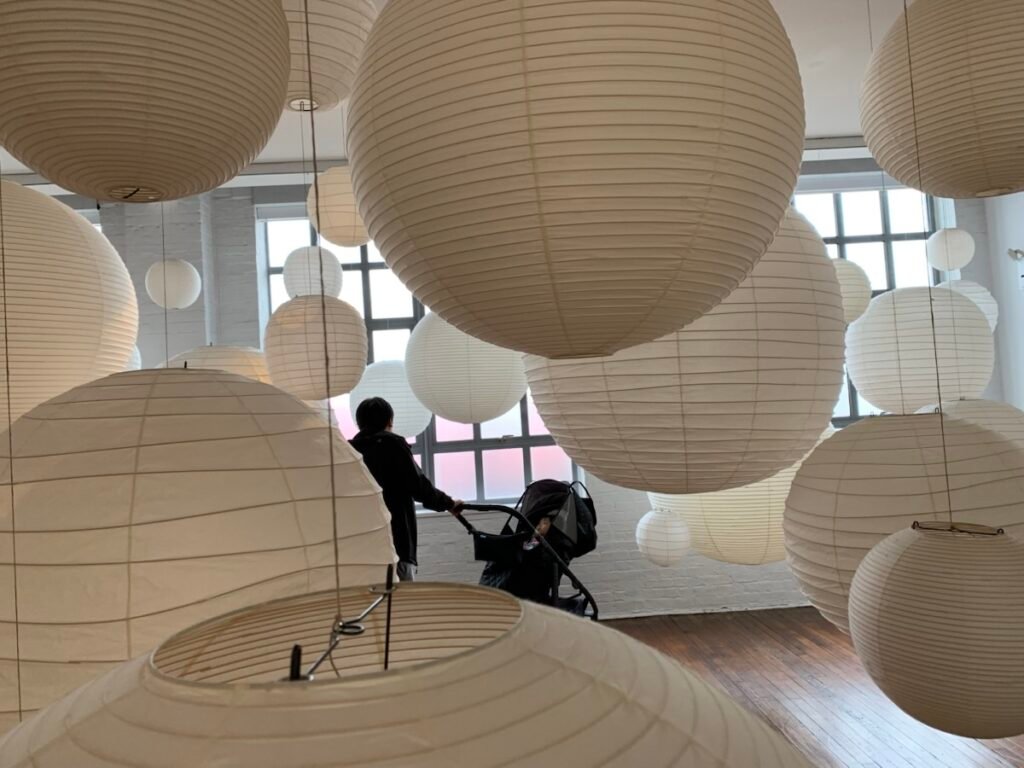
Everything he created, from massive stone pieces to soft paper lanterns, invites stillness. His forms are not loud. They don’t scream for attention. They simply exist—with gravity, elegance, and restraint.

Arrival: A Gate Into Another Tempo

noguchi museum

From the outside, the Noguchi Museum looks like little more than a concrete wall. No banners. No fanfare. Just a small wooden sign and a quiet door.

Step inside, and you’re met not with marble floors or museum guards, but with natural light, raw textures, and a garden. The space breathes. It asks you to slow down. And, if you’re willing, to stay a while.

The Garden: Where Sculpture Meets Sky

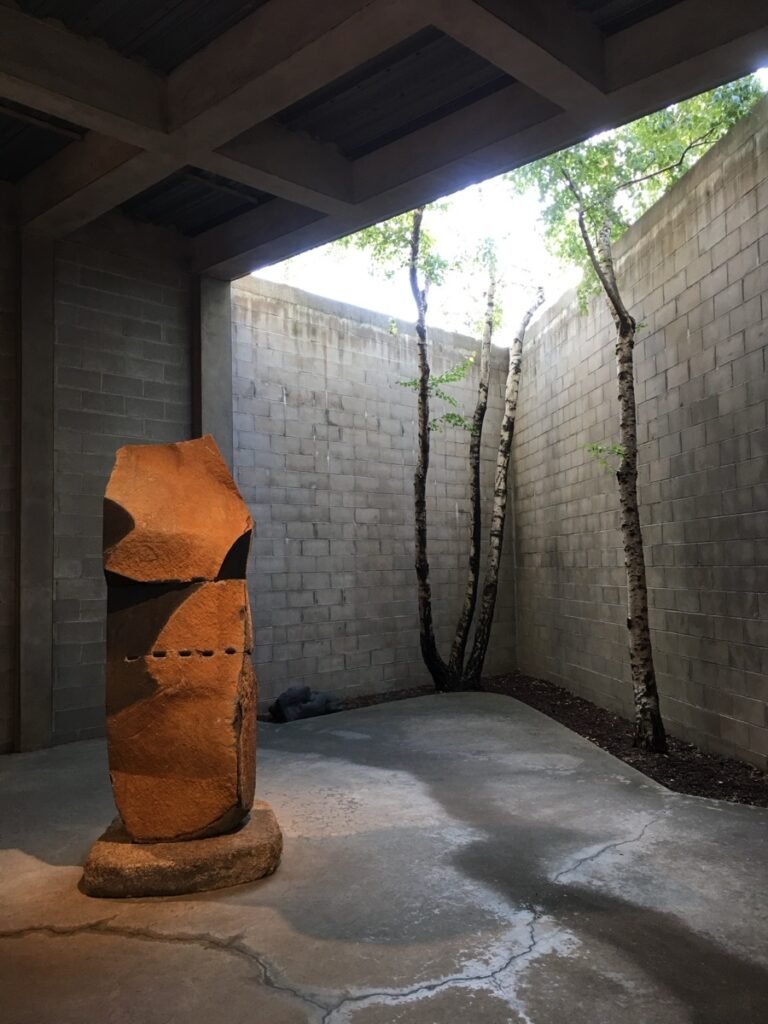
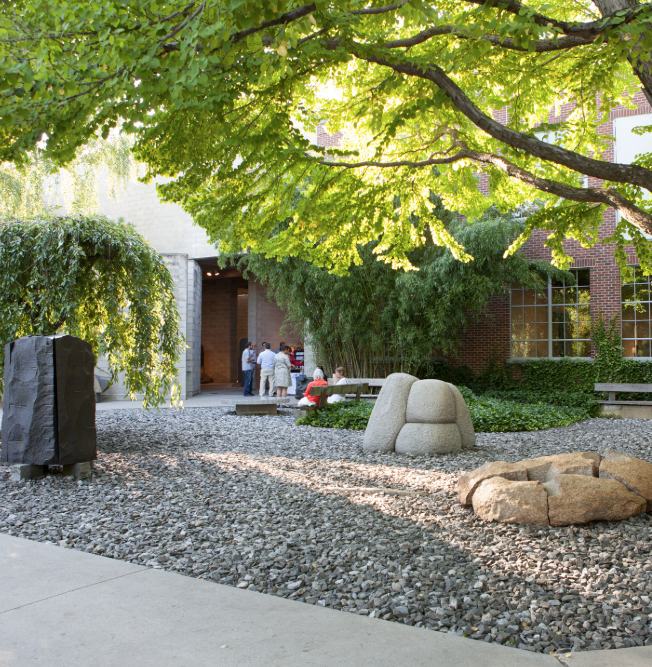
The heart of the museum is its inner courtyard—an open-air sculpture garden surrounded by Japanese maple trees and gravel paths. Sculptures rest, not on pedestals, but on the ground itself. They seem to have grown there, as if carved directly from the earth.

You don’t “look at” Noguchi’s art. You sit with it. You walk around it. You notice how the light changes it. How its shadow stretches or shortens with the passing sun.

Slow tip: Sit on one of the benches near the center. Listen. To birds, to breeze, to the silence inside you.

Inside: Forms That Whisper

The indoor galleries are arranged simply—no numbered order, no pressure to move forward. Each room offers space: space between works, space around you, and space inside you. Some sculptures are smooth and minimalist. Others are rough and weighty, like memory.

There are no crowds. No loud school groups. Just a few people moving slowly. Often alone. It’s one of the few museums where no one minds if you sit in silence for twenty minutes before moving on.

What to bring: A sketchbook. Or nothing at all.

Why This Museum Matters

In a city of iconic museums—MoMA, the Met, the Guggenheim—why spend your time here? Because sometimes, art isn’t about interpretation. It’s about feeling. About being.

The Noguchi Museum doesn’t demand your intellect. It invites your attention. It doesn’t ask you to understand. Only to notice.

Practical Details

  • Location: 9-01 33rd Rd, Long Island City, NY 11106
  • Hours: Wednesday–Sunday, 11am–6pm (closed Monday & Tuesday)
  • Admission: $12 (free on first Friday of each month)
  • How to get there: Take the N or W train to Broadway, then walk 10 minutes

Tip: Pair your visit with a stop at the nearby Socrates Sculpture Park or walk down to the East River to sit on the waterfront steps.

Final Thoughts

“The essence of sculpture is for me the perception of space, the continuum of our existence.” – Isamu Noguchi

In a world that often demands reaction, the Noguchi Museum offers reflection. It reminds us that art doesn’t have to shout. That beauty can rest. And that meaning can be found not in movement—but in stillness.

If you ever need to return to yourself, come here. Walk slowly. Sit often. Let shape and shadow speak to you. Welcome to a different kind of New York.

Slow Travel NYC

Why I Chose to Slow Travel in NYC

New York City moves fast. It always has. From the moment you step into Manhattan, you’re swept into its rhythm—the blaring horns, the flashing lights, the hurried footsteps. The energy is intoxicating, but also, at times, overwhelming.

When I first arrived in New York, I was determined to see it all. I planned each day with military precision: Times Square in the morning, Central Park in the afternoon, MoMA before sunset, and perhaps a rooftop bar after dinner. I checked off landmarks like items on a grocery list, yet found myself oddly unfulfilled. Despite all the sights I had “seen,” something was missing.

It took me a while to realize what that was: presence. I wasn’t really experiencing New York—I was consuming it.

Slowing Down: A Personal Turning Point

One rainy Thursday morning changed everything.

My original plan had been to visit the Top of the Rock, but the weather made that impossible. Instead, I wandered aimlessly into a quiet café in the West Village. I ordered a cappuccino, took out a book I had been meaning to read for weeks, and sat by the window. Outside, people hurried past with umbrellas, but inside, time seemed to pause.

That was the first time I really felt the city. Not as a list of destinations, but as a living, breathing place. That’s when I began to question whether the “best” way to see New York was actually to not rush at all.

What Is Slow Travel?

Slow travel isn’t just about taking things easy. It’s about being intentional—moving at a pace that allows you to notice, reflect, and connect.

It means choosing one neighborhood over ten attractions. It means spending an entire morning on a park bench rather than squeezing in three museums. It means taking the long walk instead of the fast subway ride. It’s about depth over speed, presence over productivity.

In a city like New York—so often described as loud, intense, and perpetually in motion—this approach may seem counterintuitive. But that’s precisely what makes it so rewarding. Amid the chaos, New York has countless pockets of stillness. You just have to slow down enough to find them.

Moments That Mattered More

Some of my most cherished memories in NYC have come from doing “nothing special.”

  • Reading under the trees in Bryant Park on a weekday morning
  • Watching the golden hour bathe brownstones in the East Village
  • Stumbling upon a jazz trio playing on a quiet corner of Washington Square
  • Having a long, aimless conversation with a barista in Fort Greene

None of these moments were on a list. I didn’t find them in a guidebook. They happened because I gave the city permission to surprise me.

What Slow Travel NYC Is About

This blog isn’t just a travel guide—it’s a philosophy in motion. It’s about discovering New York not through the eyes of a tourist, but through the heart of a curious wanderer.

Here, I’ll share:

  • Walkable routes through quiet neighborhoods like Carroll Gardens and Cobble Hill
  • Cafés where time seems to stop and reflection feels natural
  • Stories—not just from places, but from how they made me feel

I believe that travel can be healing. Especially in a place like New York, where slowing down feels like an act of resistance. Through these stories and spaces, I hope to offer not just tips, but a different way of being in the city.

Who This Blog Is For

Slow Travel NYC is for anyone who’s ever felt that rushing through a place meant missing something real. It’s for the traveler who lingers in bookstores, who finds comfort in silence, who chooses a side street over the main road.

Whether it’s your first visit to New York or your fiftieth, this blog is for you—if you’re willing to walk a little slower, stay a little longer, and feel a little deeper.

A Final Thought

“Sometimes, the most meaningful journeys happen just a few blocks from where you are—if you’re moving slow enough to notice.”

Thank you for being here. I hope these pages inspire you to experience New York in a way that leaves space for wonder, reflection, and real connection.

Welcome to Slow Travel NYC. Let’s walk the city—slowly.