Grace Farms New Canaan: The Ultimate Visitor’s Guide to the SANAA River Building & Beyond

Tucked into 80 wooded acres just over the Connecticut border, Grace Farms New Canaan is one of the most quietly spectacular day trips from New York City. From the award-winning SANAA River Building that seems to float above the landscape to world-class permanent art installations and free community programming, this is a place that slows you down in the best possible way. Here’s everything you need to know before you go.

Tucked into 80 wooded acres on the Connecticut–New York border, Grace Farms New Canaan is one of the most quietly extraordinary destinations within reach of New York City — and remarkably, admission is completely free. Part architectural landmark, part art space, part nature sanctuary, and part humanitarian center, Grace Farms defies easy categorization. What it offers, instead, is something harder to find: an invitation to slow down, look closely, and think deeply.

Grace Farms New Canaan

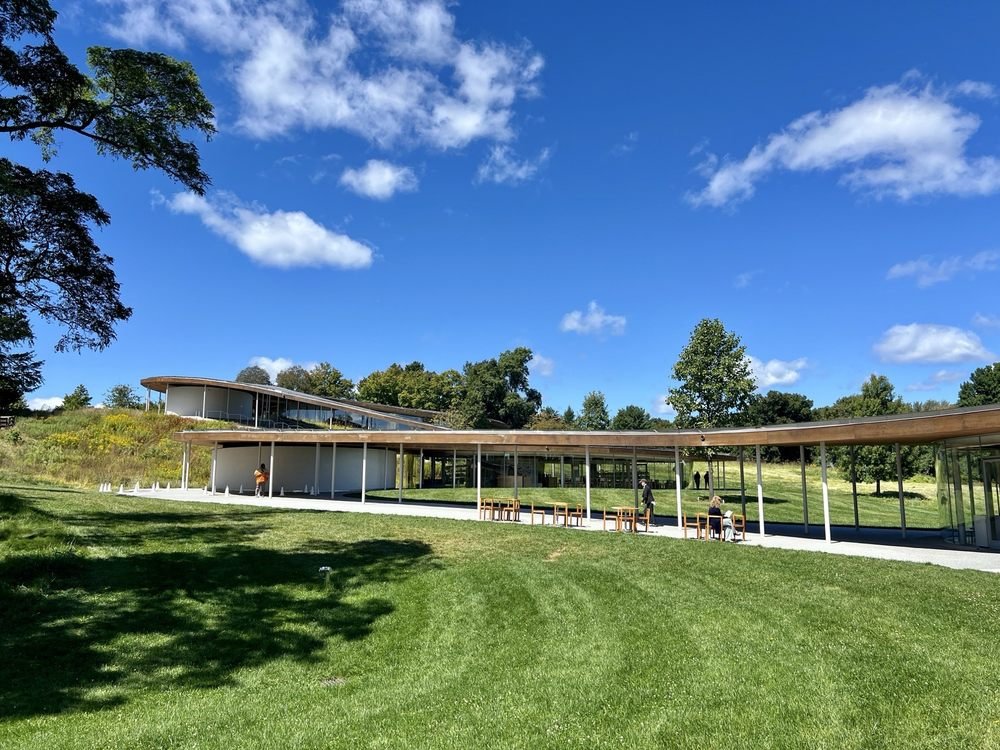
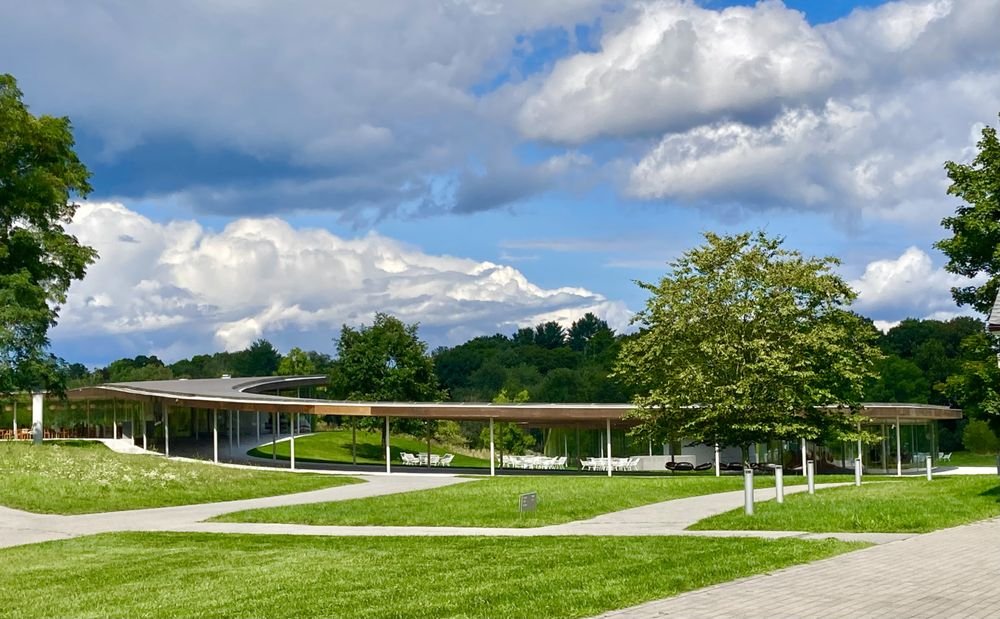
At the heart of it all stands the SANAA River Building — a sinuous, glass-and-aluminum structure that seems to flow across the landscape rather than sit upon it. Whether you’re an architecture enthusiast, an art lover, a nature walker, or simply someone in need of a mindful escape from the city, Grace Farms rewards every kind of visitor. This guide covers everything you need to plan your visit.


What Is Grace Farms? A Cultural Center Unlike Any Other

Grace Farms is owned and operated by Grace Farms Foundation, a nonprofit organization founded by Sharon Prince whose mission is to pursue peace through five interconnected initiatives: nature, arts, justice, community, and faith. The Foundation also leads the Design for Freedom movement — a global effort to eliminate forced labor from building materials supply chains.

Grace Farms New Canaan

Grace Farms was established with the idea that space communicates and can inspire people to collaborate for good. That philosophy shapes every inch of the property, from the architecture to the programming to the landscaping.

Grace Farms officially opened to the public in 2015, and it sits on 80 acres in New Canaan, near the New York state border. Approximately 77 of those acres are being retained as open meadows, woods, wetlands, and ponds.


The SANAA River Building: Architecture That Disappears Into Nature

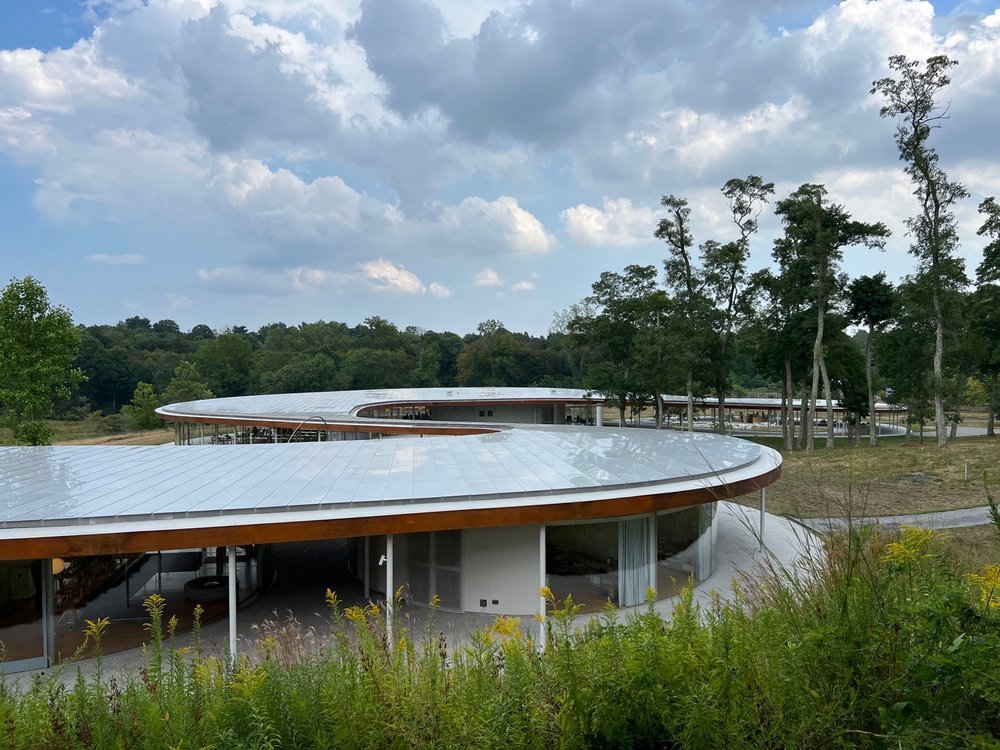
The beating heart of Grace Farms New Canaan is the SANAA River Building — a structure so elegantly integrated into its surroundings that it almost seems reluctant to be called a building at all.

The River Building was SANAA’s first project completed in the United States following the firm’s receipt of the Pritzker Prize. The Pritzker Prize is architecture’s highest honor, and the Tokyo-based firm — led by principals Kazuyo Sejima and Ryue Nishizawa — is known internationally for projects including the New Museum of Contemporary Art in New York and the Rolex Learning Centre in Lausanne.

Grace Farms New Canaan

Structurally, the building of glass, concrete, steel and wood is in essence a single long roof, which seems to float above the surface of the ground as it twists and turns across the landscape.

Natural light flows through more than 200 floor-to-ceiling glass panels in the River Building, generating 360-degree views of the landscape. The undulating pathways under a curvilinear roof follow the flow and elevation of the land.

The numbers are impressive: the roof design consists of standard-sized sheets of exterior anodized aluminum, featuring a dual curvature panel system. Balancing the glass and steel enclosure, SANAA specified a hybrid structure made of steel columns and timber beams. Even the furniture tells a story — wood for the custom pieces was harvested from trees cleared during construction, including oak, ash, birch, and black locust.

The SANAA River Building has earned an extensive collection of design awards, including the 2017 AIA National Architecture Honor Award, the Architect’s Newspaper Best of Design Award for Building of the Year (East, 2016), and the AIA Connecticut Design Honor Award. It is also a LEED Silver-certified project.

What SANAA Said About the Design

SANAA believes that one of the most interesting and enticing aspects of this project is the opportunity to foster a sense of community and place — to create a place that invites people from all walks of life into a space of comfort, and to open the boundaries between interior and exterior because the site and nature facilitate an understanding of an individual’s place in the cosmos.


Inside the Five Pavilions of Grace Farms New Canaan

Beneath the River Building’s continuous undulating roof, five distinct glass-enclosed volumes each serve a different purpose — and each offers a different relationship with the surrounding landscape.

1. The Sanctuary

Grace Farms New Canaan

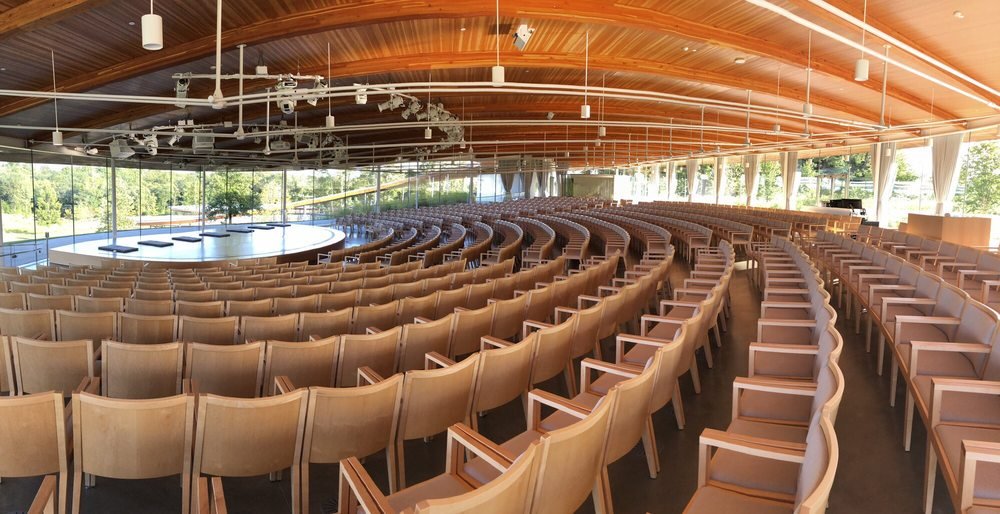
A 700-seat amphitheater-style hall flooded with natural light. This is where concerts, lectures, meditation events, and nondenominational worship services take place. The transparency of the glass walls means the forest is always present, even during performances.

2. The Library

Grace Farms New Canaan

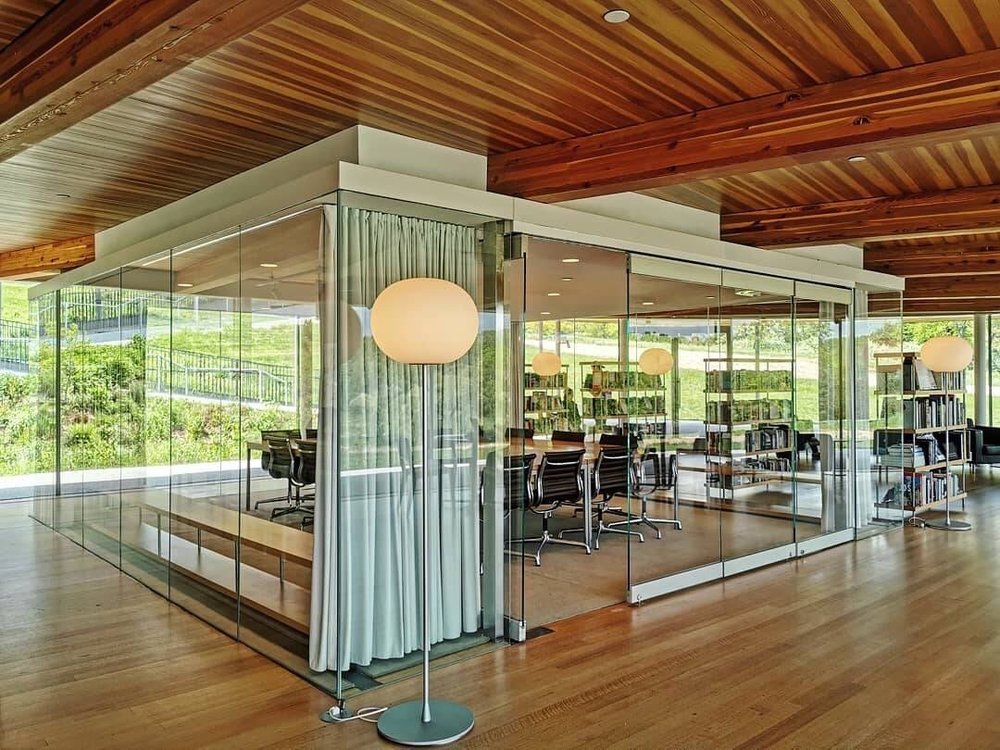
A curated, staffed library focused on art, social justice, and the humanities. Reading sessions and discussion groups are held regularly. It’s a rare space where a library visit feels like a genuinely contemplative act.

3. The Commons

Grace Farms New Canaan

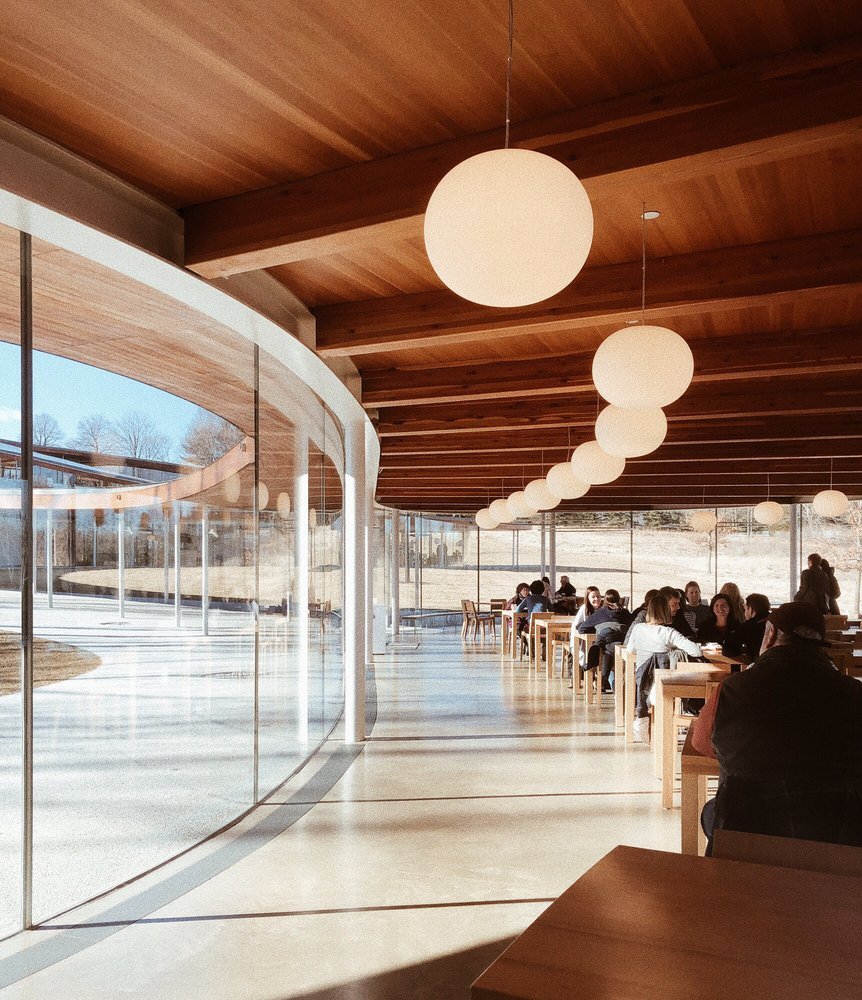
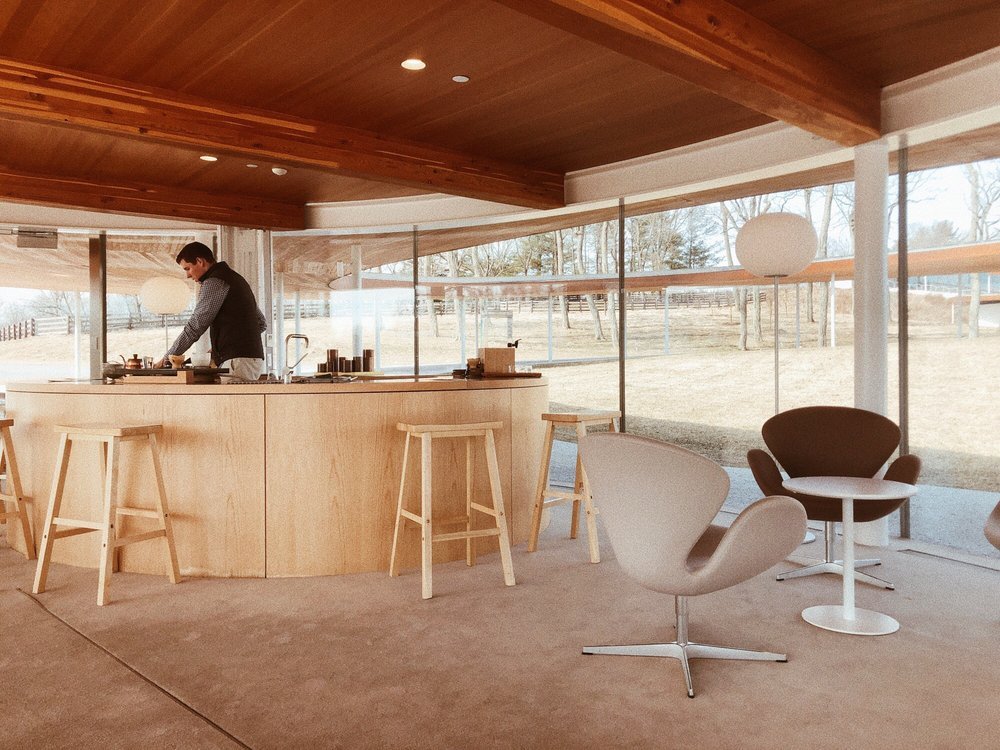
The social hub of the SANAA River Building, the Commons features a café with sweeping views of the surrounding meadow through floor-to-ceiling glass. On any given day, you’ll find travelers taking photos and enjoying a cup of coffee or a bite to eat in the Commons Café. It’s also home to Teresita Fernández’s permanent installation Double Glass River (more on that below).

4. The Pavilion

Grace Farms New Canaan

A flexible multi-purpose space used for workshops, small exhibitions, educational programming, and the beloved Afternoon Tea series. The Pavilion’s interior merges seamlessly with the outdoor landscape — on a clear day, it’s difficult to tell where the building ends and the meadow begins.

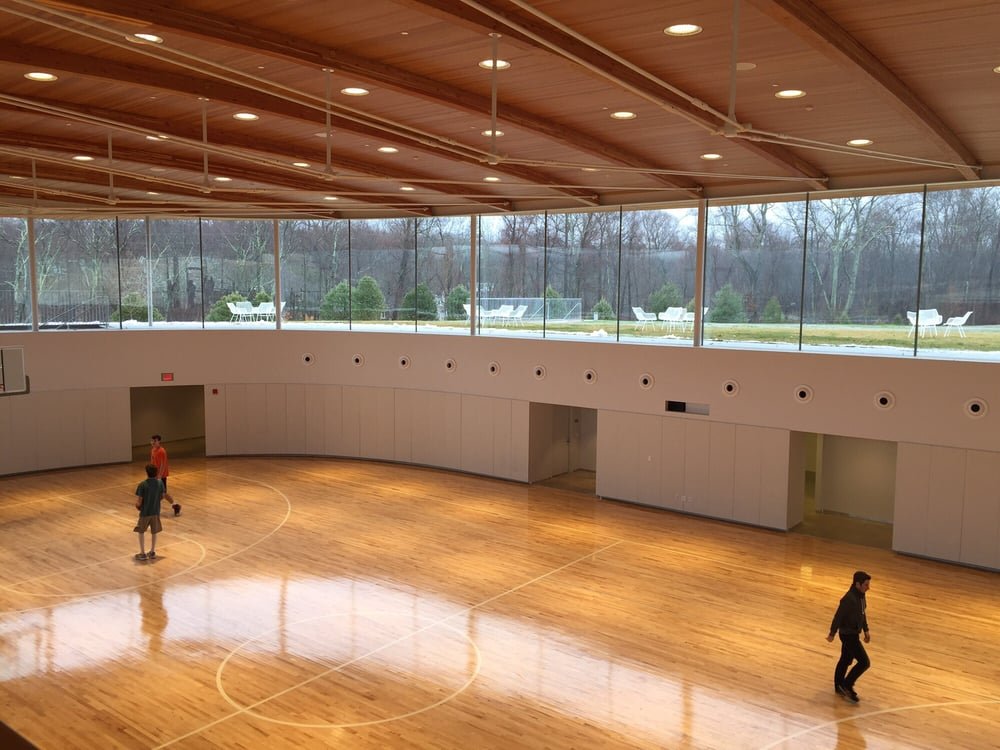
5. The Court

Grace Farms New Canaan

An indoor recreational space with a gym floor used for community sports and the Imagination Playground program for young children. It may be the most unexpected room in this architectural gem — and a reminder that Grace Farms is, above all, a gift to the local community.


  • 80*80 Oversized for 4-8 Adults: ZAZE Picnic blankets unfolded size is 80”x 80”, it’s large enough to fit for 6-8 adult…
  • Soft and Durable with 5-Layers: Made of 5 layers, our picnic mat has thickened and sturdy fabric on the top, soft 100 % …
  • Easy to Clean & Machine Washable: Outdoor picnic blanket is super easy to clean due to its double-sided waterproof surfa…

Permanent Art Installations at Grace Farms New Canaan

One of the lesser-known pleasures of visiting Grace Farms New Canaan is its collection of permanent, site-specific contemporary artworks. These aren’t works displayed in a building — they’re works woven into it.

Teresita Fernández — Double Glass River

Installed in the Commons, this piece uses over 100 silvered glass panels to visually dissolve the boundary between architecture and nature. Light catches the panels differently at every hour of the day, making each visit feel distinct.

Beatriz Milhazes — Moon Love Dreaming

A vivid, large-scale painting installation that runs along the Commons corridor, transforming an entire wall — and the space around it — into a single immersive artwork.

Olafur Eliasson

The internationally celebrated Danish-Icelandic artist contributed a site-specific textile piece at the opening of Grace Farms in 2015, part of the original permanent collection.

Thomas Demand & Susan Philipsz

Permanent contemporary art installations by Thomas Demand, Olafur Eliasson, Teresita Fernández, Beatriz Milhazes, and Susan Philipsz are located around Grace Farms. These works were unveiled alongside the building’s opening and were announced by Kazuyo Sejima at a lecture at the Metropolitan Museum of Art in New York.

Alicja Kwade — ParaPosition

A large-scale metal sculpture at the entrance to the River Building exploring the nature of time, matter, and human perception.


Current Exhibitions and Programs

Grace Farms runs a rich calendar of programming throughout the year, blending art, education, justice, and community in equal measure. Here are some highlights:

With Every Fiber: Pigment, Stone, Glass and Peace Forest (West Barn)

A long-running exhibition examining the ethics of building material supply chains — a direct extension of the Foundation’s Design for Freedom mission. Participating artists include Hannah Rose Thomas, John Sabraw, and Nina Cooke John.

Pop-up Talk | A Room with an Equal View

An accessible, on-site talk series hosted by Grace Farms’ education team exploring the relationships between space, architecture, and the natural world. Open to all ages — no prior knowledge required.

Afternoon Tea at the Pavilion

One of Grace Farms’ most beloved traditions: free herbal tea served in the glass Pavilion, overlooking the landscape. Pre-registration is required and space fills quickly, so book ahead via gracefarms.org/events.

Imagination Playground — Court Pavilion

A hands-on play program for children aged 8 and under, using oversized modular blocks to explore nature and creativity. A rare offering for families visiting architectural and cultural spaces.

For the full up-to-date events calendar, visit gracefarms.org/events.


How to Get to Grace Farms New Canaan from New York City

Grace Farms New Canaan is located at 365 Lukes Wood Road, New Canaan, CT 06840 — approximately 50 miles from Midtown Manhattan.

By Car

Take I-95 North or the Merritt Parkway (Route 15) to New Canaan. The drive from Manhattan takes approximately 1 hour 10 minutes without heavy traffic. Parking on-site is free.

By Train (Recommended)

Depart from Grand Central Terminal or Stamford on the Metro-North New Haven Line to New Canaan Station — approximately 1 hour. From the station, take a taxi or rideshare (Uber/Lyft) for the final 5-minute journey to the property. This is the more relaxed option and one that puts you in the right mindset before arrival: the train ride through Fairfield County’s rolling wooded landscapes is a gentle introduction to the quieter pace Grace Farms embodies.


Suggested Itinerary: A Full Day at Grace Farms New Canaan

10:00 AM — Arrive and take a slow walk along the River Building exterior and surrounding meadow trails. Let the architecture reveal itself gradually — resist the urge to rush inside.

11:00 AM — Enter the River Building and explore the permanent art installations at your own pace. Spend time in the Sanctuary and Library.

12:00 PM — Lunch at the Commons Café, with views of the meadow and the Double Glass River installation overhead.

1:30 PM — Visit the West Barn exhibitions. If a Pop-up Talk is scheduled, join it — they’re free, short, and consistently thought-provoking.

3:00 PM — Afternoon Tea at the Pavilion (pre-register in advance).

4:00 PM — Final walk through the nature trails or a quiet sit in the Library before closing time.


Nearby: What Else to See in New Canaan

New Canaan has an unexpectedly rich architectural heritage — it was a cradle of mid-century Modernism in the postwar era. Only a short drive from Philip Johnson’s Glass House, and not far from seminal projects by Marcel Breuer and Eliot Noyes, the SANAA River Building is a latter-day reflection on the elegant simplicity of the early modern masters.

The Philip Johnson Glass House (199 Elm St) is the obvious companion visit — a National Trust Historic Site and one of the most important works of American architecture. Tours must be booked in advance at theglasshouse.org.


  • MOLESKINE ART COLLECTION: From sketchbooks and sketchpads to watercolor notebooks with heavy paper, to music notebooks w…
  • DURABLE COVER & ELASTIC CLOSURE: Hold writing projects & notes in your Moleskine notebook with an elastic closure band &…
  • DURABLE COVER & ELASTIC CLOSURE: Hold writing projects & notes in your Moleskine notebook with an elastic closure band &…

Dining Near Grace Farms

Elm Restaurant — A Michelin-recommended restaurant in downtown New Canaan serving seasonally driven dishes made from local ingredients. 73 Elm St, New Canaan | elmrestaurant.com

Zumbach’s Gourmet Coffee — A beloved local institution known for its small-batch roasted coffee and house-made pastries. The perfect stop before or after your visit. 77 Pine St, New Canaan | zumbachsgourmetcoffee.com


Essential Visitor Information

DetailInfo
Address365 Lukes Wood Road, New Canaan, CT 06840
HoursTue–Sat: 10am–5pm / Sun: 12pm–5pm / Mon: Closed
AdmissionFree — advance registration required
Registrationgracefarms.org
Getting ThereMetro-North New Haven Line to New Canaan Station, then 5 min by rideshare

Important: Grace Farms requires all visitors to register online in advance, even for general admission. Slots can fill up, especially on weekends. Register at gracefarms.org before you go.


Why Grace Farms New Canaan Belongs on Your List

There is no other place quite like Grace Farms New Canaan in the northeastern United States. It is simultaneously a work of world-class architecture, a free public art space, a nature preserve, and a quietly radical humanitarian institution. The SANAA River Building alone is worth the journey from New York — but what keeps visitors returning, season after season, is something harder to articulate: the feeling that here, the building and the land and the people inside it are all in conversation with one another.

The architecture feels totally natural in its pastoral setting. It feels unique in every season — when there is snow, or peak fall, it’s a must see.

That’s perhaps the highest compliment you can pay a piece of architecture. Go in spring when the meadows bloom, go in autumn when the glass reflects October gold, go in winter when the aluminum roof shimmers like a frozen brook. Just go.


Last updated: April 2026. Always verify hours and programming at gracefarms.org before your visit.

Related posts you might enjoy:
NYCxDESIGN 2026: The Ultimate Insider’s Guide to New York Design Week

NYCxDESIGN 2026 turns New York City into a living gallery from May 14–20. Here’s a working designer’s fully verified playbook — covering every major confirmed event, the best neighborhoods to explore, and the practical tips to make the most of New York Design Week 2026.

NYCxDESIGN 2026

Every May, New York City quietly transforms. Studios unlock their doors. Showrooms reshape themselves into something closer to gallery space. And one of the world’s most complex, chaotic, and beautiful cities starts telling a different kind of story — one written entirely in design.

NYCxDESIGN 2026, New York City’s official design week, returns for its 14th edition from May 14–20, 2026, under the theme “Design Connects Us.” More than 163,000 designers, cultural leaders, and global creatives are expected across all five boroughs — with roughly a third traveling into the city specifically for the festival. Over 250 hosted events span the full week, from major trade fairs and public installations to intimate studio tours, keynote talks, and late-night showroom crawls.

If you work in interiors, architecture, or product design — or simply have a deep appreciation for the built world — New York Design Week 2026 is not optional. This guide covers every major confirmed event, with dates, locations, and the designer-level context to help you make the most of each one.


What Is NYCxDESIGN? Understanding New York Design Week 2026

NYCxDESIGN began as a city-led initiative in 2012 and has since grown into an independent nonprofit anchoring New York’s creative identity on the global stage — alongside Milan Design Week and London Design Festival as one of the world’s most significant annual design events.

Crucially, NYCxDESIGN is not a single-venue fair. It is a citywide platform of independently hosted events across studios, showrooms, retail spaces, museums, schools, and public spaces throughout all five boroughs. The 2026 festival features two major trade and consumer design fairs — ICFF and the Afternoon Light Design Fair — alongside a day-long AI Summit, the SHINE lighting exhibition, the Design Pavilion by Lexus in Times Square, Oui Design! celebrating French-American creative exchange, guided city tours, open studios, keynote talks, product launches, and evening receptions.

The disciplines represented span architecture, landscape and urban design, interior design, product and industrial design, graphic design, lighting, sound, technology, art, and entertainment.

NYCxDESIGN 2026 at a Glance

  • 📅 Official Festival Dates: May 14–20, 2026 (some events begin May 11)
  • 📍 Location: All five boroughs, New York City
  • 🎟️ Entry: Mix of free, RSVP, and ticketed events
  • 📱 App: NYCxDESIGN app + Bloomberg Connects app (iOS & Android)
  • 🌐 Full calendar: nycxdesign.org

1. ICFF + WANTED at the Javits Center: The Anchor Event of NYCxDESIGN 2026

NYCxDESIGN 2026

Dates: May 17–19, 2026 | Location: Jacob K. Javits Convention Center

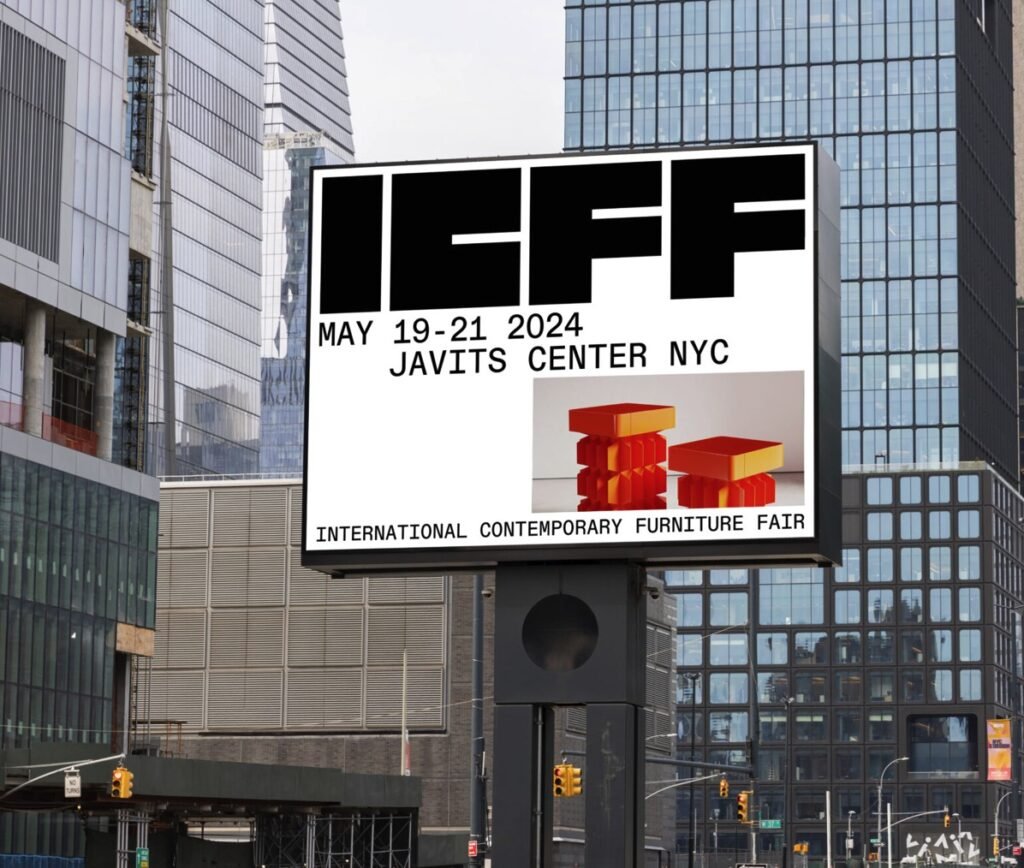
The International Contemporary Furniture Fair (ICFF) is North America’s leading platform for contemporary furnishing design and the single biggest anchor event of New York Design Week 2026. Running May 17–19 at the Javits Center, it brings together over 400 established and emerging design brands from more than 35 countries — covering furniture, lighting, seating, outdoor pieces, kitchen and bath, wall coverings, textiles, carpet and flooring, materials, and accessories.

The 2026 edition is guided by the theme “Common Ground: A Global Dialogue on Design and Shared Values” — positioning design as a connective force across cultures, disciplines, and communities.

What’s New at ICFF 2026

  • Bauhaus Archive × Tecta Exhibition (presented by Rarify): ICFF’s first collaboration uniting Berlin’s official Bauhaus archive with German manufacturer Tecta — collapsing the distance between museum and trade fair, history and active production.
  • Healthy Materials Lab Exhibit, led by Jonsara Ruth (Design Director, Parsons School of Design): A focused look at non-toxic, human-centered material choices in the built environment.
  • Habitat for Humanity Partnership: In a first for ICFF, a portion of registration proceeds supports affordable housing initiatives across New York City and Westchester County.
  • Mayfair Design District Collaboration: A new partnership bringing a London curatorial perspective through the fair’s Bespoke programming track.
  • ICFF Talks Program: A full lineup of panel sessions, keynote presentations, and intimate conversations examining everything from healthy building materials to design’s role in housing equity.

WANTED: The Emerging Talent Floor

Running alongside ICFF and occupying approximately 20,000 sq. ft. of the show floor, WANTED is where you discover tomorrow’s names today:

  • Look Book (with Dezeen) — 70+ high-end North American design studios
  • Launch Pad (with Dwell Magazine) — International emerging designers presenting new concepts and prototypes
  • Schools Showcase (with Design Milk) — Work from 20+ global design schools
  • Design Schools Workshop: “The Unseen Narratives” — A partnership with Centro (Mexico), exploring how sound, data, rhythm, and emotion can transform perception of daily life

Designer’s Tip: May 17–18 are trade-professional days; May 19 is open to the public and fills quickly. Register in advance for complimentary trade access at icff.com. Head to the Hospitality and Contract sections first — that’s where the most commercially relevant shifts in modular furniture, sustainable finishes, and flexible spatial systems tend to surface.


2. The Design Pavilion by Lexus in Times Square: Urban Design as Public Experience

NYCxDESIGN 2026

Dates: May 14–19, 2026 | Location: Times Square, Midtown Manhattan | Free & open to all ages

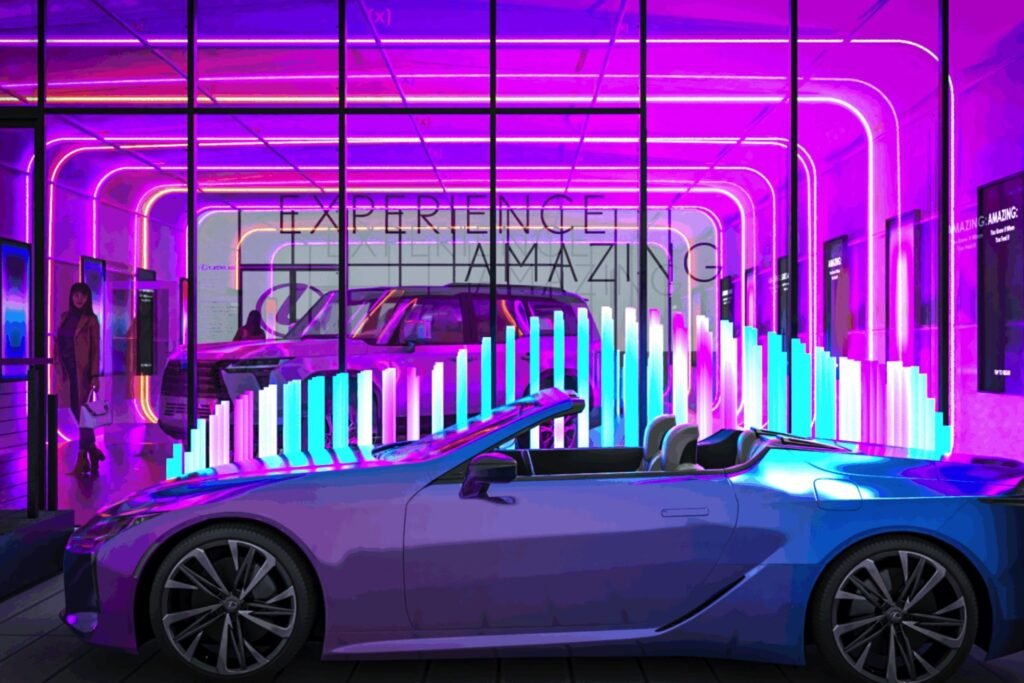
Returning to Times Square for 2026, the Design Pavilion by Lexus is an immersive installation blending design, craft, art, technology, and innovation. Through daily programming open to visitors of all ages, the experience invites engagement with leading artists and industrial designers across the week.

What makes this installation worth studying — beyond the obvious photogenic context of LED towers and kinetic signage — is the design challenge embedded in its brief: how do you create a moment of human scale and intentional rest inside one of the most overstimulating public environments on earth? The structures selected for this site function as what designers call urban furniture — not just sculpture, but infrastructure for pause and pedestrian experience.

Note: The Lexus Design Pavilion has been a recurring NYCxDESIGN anchor since 2019. The 2026 edition is confirmed; specific installation details will be announced closer to the opening.

Photo Tip: Arrive before 8 AM for the best light. The LED boards are at full intensity, the crowds haven’t arrived, and the architectural geometry of the structure reads most clearly from the north end of the Broadway pedestrian plaza between 45th and 47th Streets.


3. SHINE at The Seaport: A Lighting Exhibition Worth Making Time For

Dates: May 14–20, 2026 | Location: The Seaport, Lower Manhattan | Free

SHINE is one of NYCxDESIGN’s own flagship exhibitions — and in 2026 it returns for its third consecutive year, building on the success of the 2024 and 2025 editions.

Curated by award-winning industrial designer Harry Allen in collaboration with COOL HUNTING and sponsored by Kikkerland Design, SHINE brings together 70 designers presenting original light objects at The Seaport’s waterfront setting. Each piece explores the intersection of craft, technology, personal expression, and function — treating the light object not as an accessory but as a primary design discipline.

For designers and decorators, this is one of the most directly applicable exhibitions of the week: the scale is residential, the ideas are current, and the waterfront context gives you a completely different read on how artificial light behaves in relation to open sky and water. It’s also free and open all week — no registration required.


4. Afternoon Light Design Fair at WSA: The Curator’s Alternative to ICFF

Dates: May 16–19, 2026 | Location: WSA, Downtown Manhattan | Trade + Public

New to the NYCxDESIGN 2026 lineup as a confirmed anchor fair, the Afternoon Light Design Fair brings together 80+ carefully selected exhibitors — a more intimate, editorially driven counterpart to the scale of ICFF.

Confirmed participating brands and studios include Anglepoise, Carl Hansen & Søn, Ford Bostwick, Gantri × Rarify, Humanscale Living, Matter Made, Matthew McCormick, Palet, Parma Tile, Phase Design, Resource Furniture, Symbol Audio, USM, and Willett, among many others.

The curatorial direction here reflects a broader industry shift: away from spectacle, toward thoughtful material choices, enduring craftsmanship, and the intersection of craft and everyday function. If ICFF is the full market survey, Afternoon Light is the edit.


5. Friday Night on the Town: The Showroom Crawl You Don’t Want to Miss

Date: May 15, 2026 | Time: 4:00–10:00 PM | Locations: TriBeCa, Meatpacking, Flatiron, SoHo, NoMad

On the evening of May 15, New York’s design districts come alive simultaneously. Showrooms across TriBeCa, Meatpacking District, Flatiron, SoHo, and NoMad extend their hours until 10 PM for Friday Night on the Town — the festival’s most social evening.

Key programming within the crawl includes:

  • AN After Dark: NYC Design Districts Showroom Crawl — A structured tour through the most active showroom zones
  • SoHo Design Night — Independent events and activations across SoHo’s concentrated design corridor
  • NoMad Design District events
  • Interni’s Big Italy — A major Italian design event co-organized with the Italian Trade Agency, NYCxDESIGN, and ICFF, stretching from NoMad and Madison Avenue to SoHo

Designer’s Tip: This is the best single evening for experiencing the breadth of Manhattan’s high-end residential and hospitality design market in one go. The lighting showrooms along West Broadway and Greene Street are particularly strong — touch the fixtures and observe how light behaves in a real room rather than on a spec sheet.


6. NYCxDESIGN Keynote Program: Two Talks Worth Scheduling Around

Santiago Calatrava at the Saint Nicholas Shrine

Date: May 16, 2026 | Time: 5:00–7:30 PM | Location: Financial District

A featured public talk by international architect and structural engineer Santiago Calatrava at the Saint Nicholas Greek Orthodox Church and National Shrine at the World Trade Center — the church he designed, completed in 2022, replacing the parish house destroyed on September 11. The talk is followed by a personal tour of the Oculus, led by his son Gabriel Calatrava.

This is architecture experienced inside the building its architect created, at a site of profound public significance. Very few design-week events offer this kind of layered context.

New York in Light: A Night Boat Tour

Date: May 17, 2026 | Location: Departure from waterfront

Renowned lighting designer Hervé Descottes guides a boat tour of New York’s skyline through the lens of light, form, and architectural landmark. Made possible by Signify Color Kinetics. Part of the NYCxDESIGN Keynote Program — check nycxdesign.org for ticketing.


7. Future Now AI Summit at Cornell Tech: Design’s Most Urgent Conversation

Date: May 19, 2026 | Location: Cornell Tech, Roosevelt Island | Ticketed

Expanded from a keynote slot into a full-day summit in response to demand, the Future Now AI Summit is NYCxDESIGN’s dedicated program on artificial intelligence in design practice.

Confirmed speakers include:

  • Keynote: Phil Gilbert, former Head of Design, IBM
  • Panelists from: Adobe, Google DeepMind, IBM, Mastercard, MIT Media Lab, School of Visual Arts, SHoP Architects
  • Host: Will Hall, CTO of PreSeason

The central questions — how are generative tools reshaping authorship? what happens to design practice when AI accelerates ideation? — are ones every working designer needs to be engaging with now, not in five years. Book early; this sold out as a keynote slot and is expected to fill quickly as a full-day event.


8. NYCxDESIGN Tours: The City as the Exhibition

Dates: May 15–19, 2026 | Various locations

NYCxDESIGN 2026 features a confirmed guided tours program that turns the city’s own fabric into the exhibition:

  • Defensible Dwelling and Placemaking in Brownsville: Live on Livonia — Presented by the NYC Department of Transportation, exploring community-led affordable housing and cultural reinvestment in Brownsville, Brooklyn
  • Harlem Sculpture Gardens Tour — Large-scale sculpture and design works across parks, plazas, and public spaces in West Harlem, led by Executive Director and Chief Curator Savona Bailey-McClain (West Harlem Art Fund)
  • Wagner Park Tour — Presented by the American Society of Landscape Architects, focusing on the park’s rebuilt flood-resilient landscape and climate-adaptive design
  • NYCxDESIGN High School Student Tours — Visiting end-of-year exhibitions at Cornell Tech and other participating institutions

These tours are underused by visiting professionals and overused by people who’ve figured out that the official programming is where the real depth lives. Sign up early through nycxdesign.org.


9. DUMBO x Design Day + Festival Closing Party

Date: May 20, 2026 | Time: 12:00–9:00 PM | Location: DUMBO, Brooklyn

The festival closes in Brooklyn’s most design-dense neighborhood, with a day of open studios and activations followed by the official closing party.

Confirmed participants in the DUMBO program include BIG (Bjarke Ingels Group), Snøhetta, Fishs Eddy, Henrybuilt, Hudson Wilder, and Reform, among many others.

Two standout moments:

  • BIG hosts a panel moderated by Lora Appleton (The Female Design Council), featuring female leaders at the firm and spotlighting their new publication BIG Atlas
  • Snøhetta marks the opening of its new 25,000 sq. ft. New York headquarters and unveils a new identity and logo it has designed for the DUMBO neighborhood itself

10. Oui Design! — French Design in New York

Dates: May 14–20, 2026 | Various locations across NYC

Now in its fourth edition, Oui Design! is presented by Villa Albertine as an NYCxDESIGN International Spotlight. The program encompasses exhibitions, open studios, talks, and special events celebrating the dialogue between French and American creative communities.

The centerpiece is a major week-long exhibition at Villa Albertine’s Payne Whitney Mansion, showcasing Craft & Design residency laureates — many of whom are presenting in the United States for the first time.


Practical Guide: Navigating NYCxDESIGN 2026 Like a Pro

Before You Arrive

  1. Register early. ICFF trade days, the AI Summit, the Opening Night Party at Halo Twenty Eight (May 14), and the Santiago Calatrava keynote all require advance booking. The festival calendar is live at nycxdesign.org and on the NYCxDESIGN app (iOS and Android) and Bloomberg Connects app.
  2. Download the app. Filter events by neighborhood, discipline, and date. Build your itinerary before you land — popular events fill up.
  3. Trade professionals: Register at icff.com for complimentary ICFF trade access (May 17–18).

On the Ground

  1. Plan by neighborhood, not by category. Crossing the city multiple times a day will drain you fast. A suggested framework:
DayAreaKey Events
May 14CitywideOpening Night Party (Halo Twenty Eight), SHINE opens, Design Pavilion opens, Oui Design! opens
May 15SoHo / TriBeCa / NoMadFriday Night on the Town (4–10 PM showroom crawl), Parsons student showcase
May 16Afternoon Light Fair (WSA) + Financial DistrictAfternoon Light opens, Santiago Calatrava talk + Oculus tour
May 17–18Javits CenterICFF + WANTED (trade days), NYCxDESIGN Awards (May 18), Night Boat Tour (May 17)
May 19Javits Center + Cornell TechICFF public day, Future Now AI Summit
May 20DUMBO, BrooklynDUMBO x Design Day, BIG panel, Snøhetta HQ opening, Festival Closing Party
  1. Wear comfortable shoes. This is a walking festival spread across a city. Prioritize footwear.
  2. Attend at least one guided tour. The NYCxDESIGN tour program offers access to perspectives and places you won’t find on any showroom floor.

Getting Around

  • Javits Center: The M34 SBS bus runs directly from the east side. The ferry from Pier 79 can be faster than taxis during morning rush.
  • DUMBO: F or A train to York St, or the East River Ferry from Pier 11 in the Financial District. The Brooklyn Bridge walk is worth it if weather cooperates.
  • Cornell Tech (Roosevelt Island): The Roosevelt Island Tram from 59th St & 2nd Ave is the most memorable way to arrive, and takes about 3 minutes.

The Big Picture: What NYCxDESIGN 2026 Is Really About

The 2026 theme — Design Connects Us — might read as a brand line, but the programming backs it up with specificity. ICFF partners with Habitat for Humanity. The AI Summit asks hard questions about authorship and creative labor. Calatrava speaks inside the building he designed at Ground Zero. The closing party happens in a neighborhood whose new identity was itself designed by one of the studios celebrating that night.

That’s not decoration. That’s design being used as a tool for civic meaning, economic equity, and cultural memory — all in the same week, in the same city.

Full festival calendar: nycxdesign.org ICFF registration: icff.com NYCxDESIGN app: Available on the App Store and Google Play


    Related posts you might enjoy:

    Dia:Beacon: A Pilgrimage to Minimalist Art in New York’s Hudson Valley

    Experience Dia:Beacon, the Hudson Valley’s premier contemporary art destination. Housed in a converted 1929 factory, this expansive museum features monumental minimalist works by Serra, Flavin, and Judd. Discover where industrial architecture meets world-class art, just 90 minutes from NYC.

    From Industrial Ruin to Contemporary Art Sanctuary

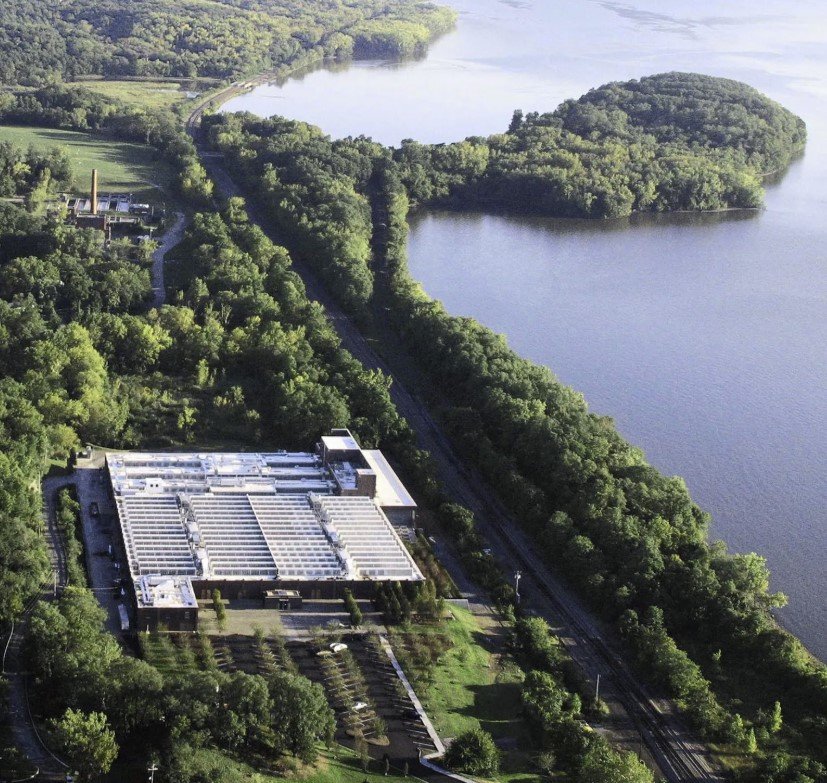
    The Hudson Valley is now draped in the rich colors of autumn. Leaves blaze in shades of red and gold, and the small towns along the river look like scenes from a painting. In fact, as of 2025, the Hudson Valley region ranks among America’s premier fall foliage destinations. Following the Hudson River northward, you’ll encounter Beacon—a former industrial city reborn as an arts community. At its heart stands Dia:Beacon, a monumental space dedicated to minimalist and conceptual art. This converted factory has become a cathedral of contemporary art, where light and space breathe in harmony with the works on display.

    When visiting Dia:Beacon, pay special attention to how the artworks interact with natural light. The changing seasons outside respond to the light and shadows inside, transforming the atmosphere of the entire space. Outside the gallery, near Long Dock Park, you’ll find Beacon Point, a sculptural environment by George Trakas. Additionally, Dia is working with landscape architect Sara Zewde on a landscape improvement project for flood-vulnerable areas, reimagining the exterior spaces.

    Under the deepening autumn light, Dia:Beacon and its surrounding landscape offer a sensory experience that transcends a typical museum visit.

    Getting to Dia:Beacon from New York City

    By Train: Take the Metro-North Hudson Line from Grand Central Terminal to Beacon station (approximately 1 hour 20 minutes). The museum is a 10-minute walk from the station.

    By Car: Approximately 1.5 hours from Manhattan.

    History and Origins

    Dia:Beacon opened in 2003, transforming a 1929 Nabisco box-printing factory into a vast exhibition space. The Dia Art Foundation created this sanctuary to house large-scale works from the 1960s and 70s, establishing a definitive home for minimalist and conceptual art.

    Current Exhibitions and Highlights

    This fall, Dia:Beacon presents its permanent collection alongside compelling exhibitions by contemporary artists:

    Tehching Hsieh: Lifeworks 1978–1999 (Long-term exhibition)

    A monumental survey of Taiwanese-American artist Tehching Hsieh’s (謝德慶) groundbreaking body of work. This exhibition brings together his five “One Year Performances” and his Thirteen Year Plan in one comprehensive presentation. His art explores the boundaries between daily life and art, labor and freedom, time and the human condition.

    Renée Green: The Equator Has Moved (Through August 31, 2026)

    Installation work examining cultural geography, migration, and language.

    Cameron Rowland: Properties (Through October 20, 2025)

    Critical works deconstructing structures of ownership, institutions, and capital.

    Jack Whitten: Prime Mover (Opening October 24, 2025)

    A special exhibition showcasing innovative painting experiments.

    Permanent Collection Masterpieces

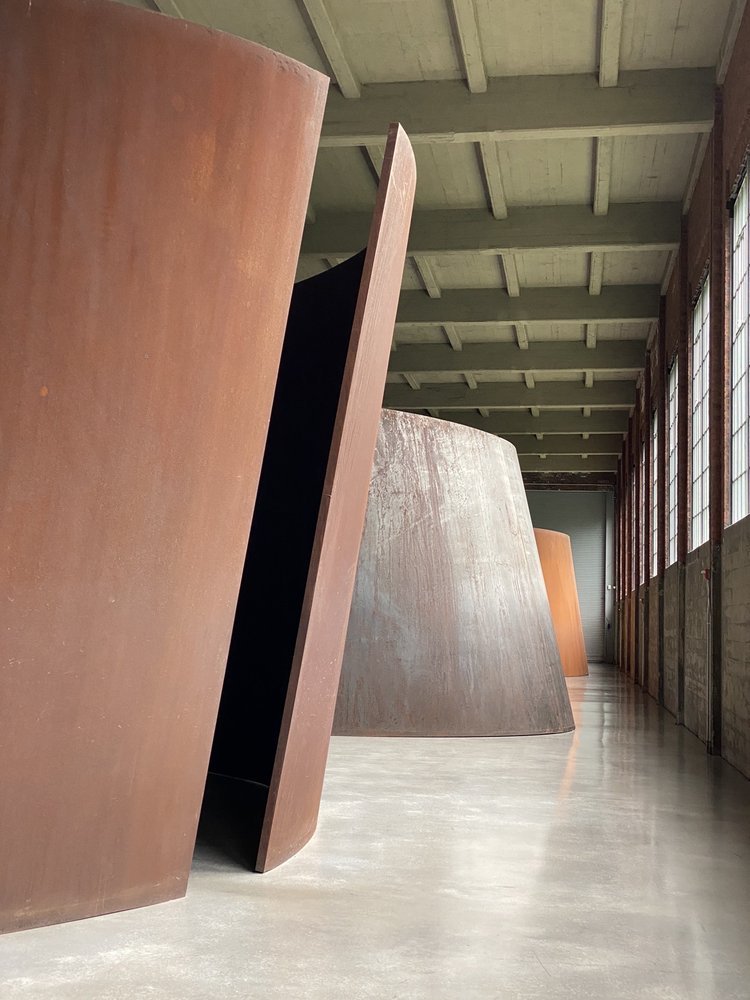
    Richard Serra – Torqued Ellipses Massive curved steel walls create labyrinthine spaces that transform as you move through them.

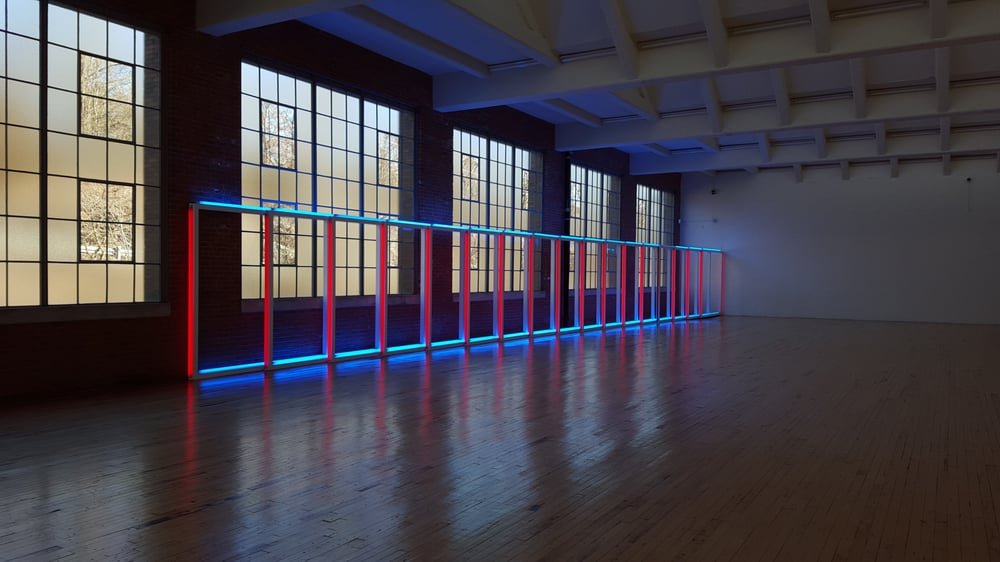
    Dan Flavin – Fluorescent Light Installations Neon light works that reconstruct space through color and illumination.

    Donald Judd – Untitled Works Geometric, repetitive minimalist sculptures that define the movement.

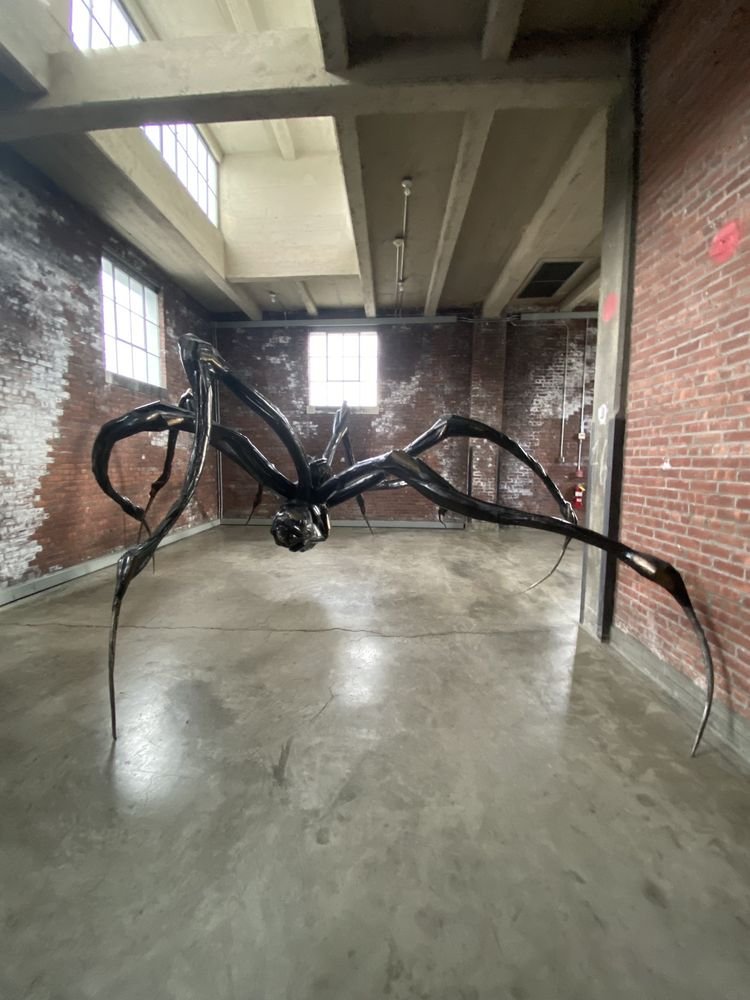
    Louise Bourgeois – Maman & Cells The iconic spider sculpture and installation works containing personal memories.

    Andy Warhol – Shadows Series An infinite repetition of light and shadow exploring seriality and perception.

    These minimalist and conceptual art masters command entire spaces with their large-scale works. Dia:Beacon serves as a textbook of contemporary art history while simultaneously illuminating contemporary artists who offer new perspectives, writing an ongoing art historical narrative.

    Viewing Tips

    1. Natural Light Architecture: The exhibition spaces utilize natural light extensively. Artworks change expression throughout the day as light shifts.
    2. Immersive Scale: Most works are large-scale, making the experience of walking through and within them essential to understanding.
    3. Photography Restrictions: Some areas prohibit photography, enhancing immersive viewing experiences.

    Visitor Information

    Address: 3 Beekman St, Beacon, NY 12508
    Website: diaart.org
    Hours: Friday–Monday, 10:00 AM–4:00 PM (Closed Tuesday–Thursday)
    Admission: Adults $20, Students/Seniors $12, Children free

    Exploring Beacon and Nearby Attractions

    Main Street, Beacon

    A charming street lined with galleries, cafés, and vintage shops.
    Location: Main Street, Beacon, NY 12508

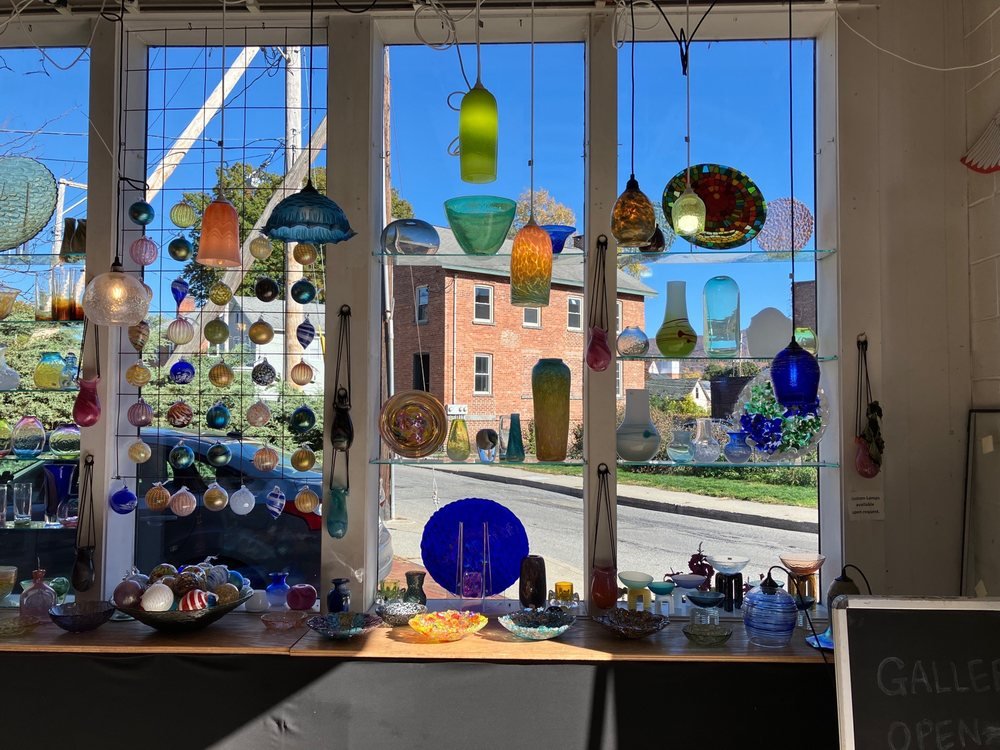
    Hudson Beach Glass

    Glass-making studio and gallery featuring artisan demonstrations.
    Address: 162 Main Street, Beacon, NY 12508

    Mount Beacon

    Hiking trail offering panoramic views of the Hudson Valley from the summit.
    Trailhead: 788 Wolcott Avenue, Beacon, NY 12508

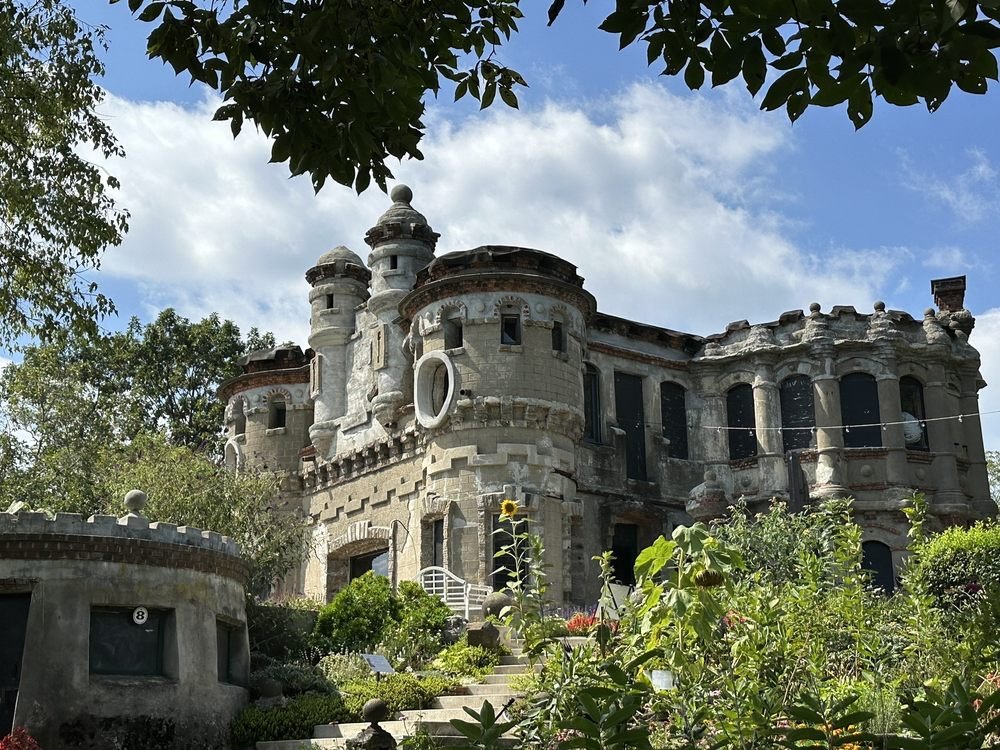
    Bannerman Castle

    Ruins of a castle on a Hudson River island, with guided tour programs available.
    Address: 2 Red Flynn Dr, Beacon, NY 12508

    A Living Space Where Art and Nature Converge

    Dia:Beacon represents the transformation of declining industrial space into an art sanctuary—a place where the monumental forms of minimalism and conceptual art find their ideal setting through architecture, light, and seasonal landscape. Now, within the embrace of the autumn-painted Hudson Valley, the works inside the gallery and nature outside respond to each other, bringing the space alive.

    Just one train ride from New York City, you can open your senses and wander through these artworks. As you lose yourself in the experience, time itself will deepen and expand around you.


    Additional Reading:

    New York’s 10 Legendary Jazz Clubs: Where Time Stands Still on Stage

    Step into New York’s legendary jazz clubs where history breathes every night. From Village Vanguard’s 90-year legacy to Blue Note’s world-class performances, discover the iconic venues where jazz legends were born and continue to thrive in Greenwich Village, Midtown, and beyond.

    New York’s jazz clubs are more than just venues—they’re living history. The basement where Miles Davis caught his breath, the stage where John Coltrane poured his soul into every note, the piano where Bill Evans held the night captive—these moments have layered upon each other to create today’s New York jazz scene. Let’s follow the trail of legends past and present, exploring the venues where history still breathes every night.

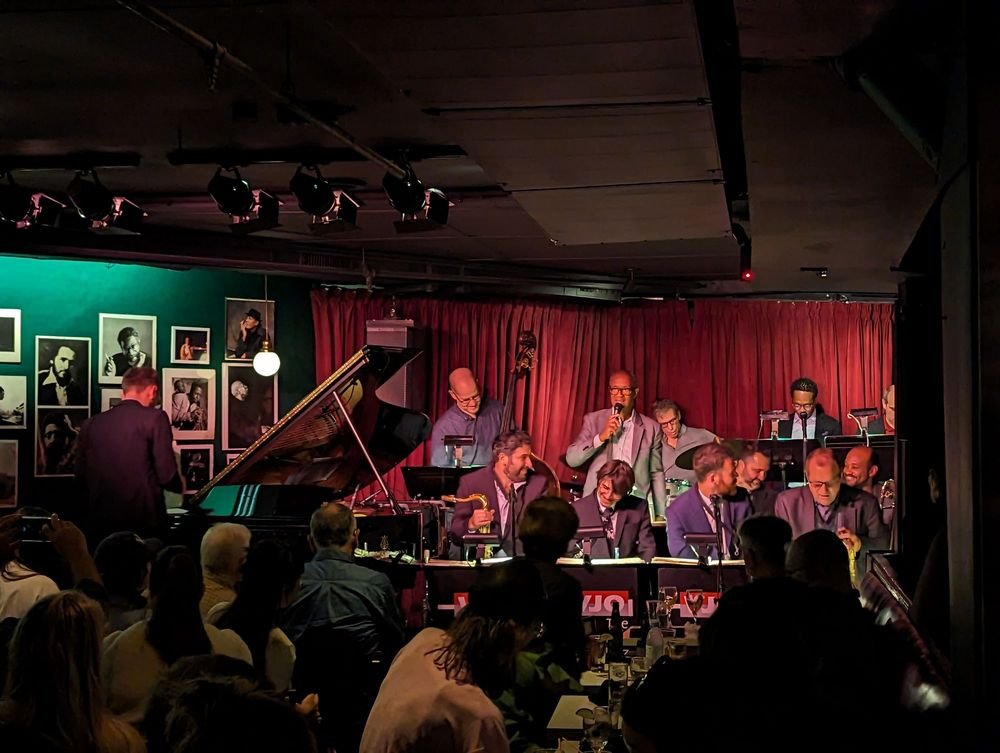
    1. Village Vanguard: The Sacred Ground of Jazz Since 1935

    Greenwich Village | Operating since 1935

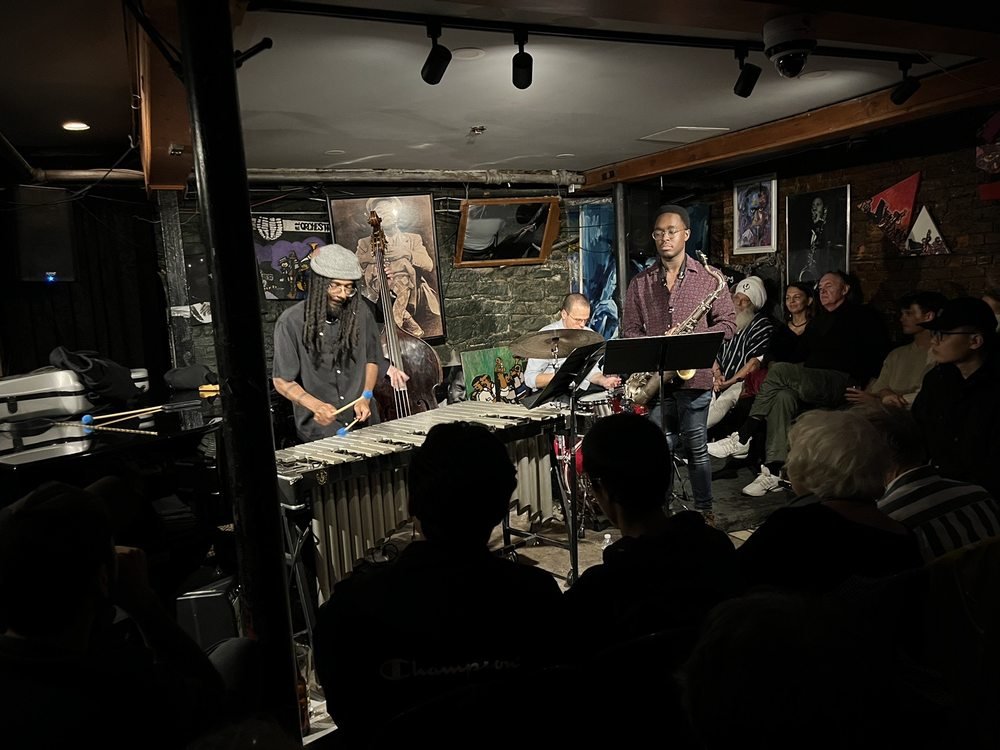
    Miles Davis, John Coltrane, Bill Evans, Sonny Rollins, Thelonious Monk, Wynton Marsalis, Brad Mehldau, and Joe Lovano have all graced this underground stage. Opening in 1935, this uniquely shaped basement space stands as New York’s longest continuously operating jazz club.

    The live albums recorded here have become textbooks of jazz history. Starting with Sonny Rollins’ 1957 recording, over 100 albums have been born within these walls. Village Vanguard functions less as a performance venue and more as a recording studio where tonight’s performance becomes tomorrow’s standard.

    Though intimate with only 130 seats, the distinctive triangular architecture creates perfect acoustics. The red velvet curtains, low ceilings, and close proximity to the stage offer an intimacy unmatched anywhere else. Every Monday night since 1966, the Vanguard Jazz Orchestra has maintained its residency.

    Address: 178 Seventh Avenue South, New York, NY 10014
    Website: villagevanguard.com

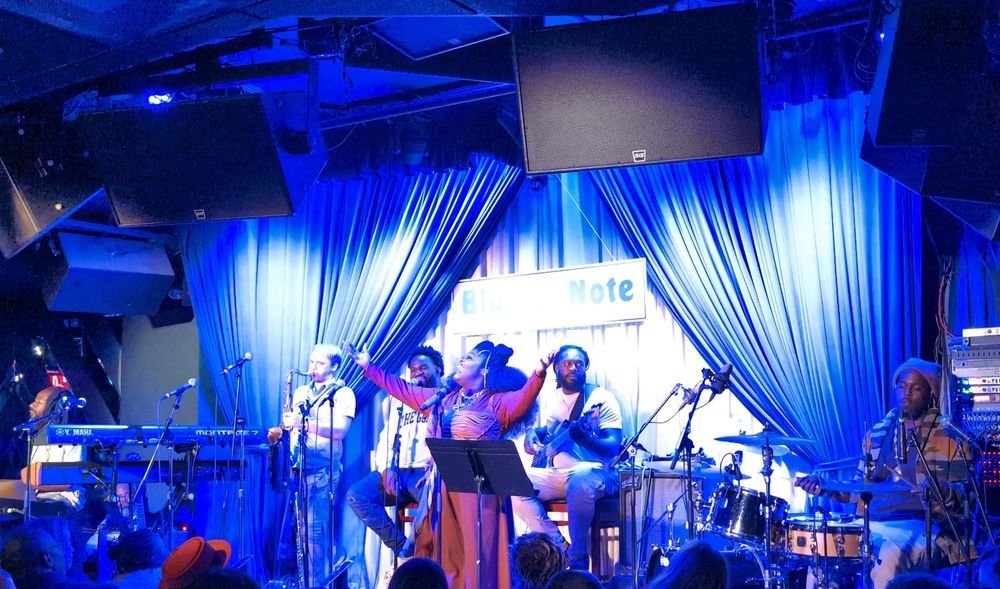
    2. Blue Note: The Living Mainstream of Modern Jazz

    Greenwich Village | Where legends and rising stars share the stage

    Herbie Hancock, Chick Corea, Wayne Shorter, Wynton Marsalis, Dizzy Gillespie, Sarah Vaughan, Oscar Peterson, Keith Jarrett, and James Carter have all performed on this stage. Ray Charles even held week-long residencies here annually.

    Since opening in 1981, Blue Note has demonstrated that jazz is a living, evolving art form by featuring both legendary masters and contemporary virtuosos on the same stage. Founded by Danny Bensusan, it quickly became New York’s premier jazz club and soon earned its place among the world’s most prestigious jazz venues. Today, Blue Note has locations worldwide including Tokyo, Milan, Rio, and Beijing.

    In 2001, the club established its own label, Half Note Records, to release live albums directly. Since 2011, it has hosted the annual Blue Note Jazz Festival. Performances run nightly at 8 PM and 10:30 PM, with jazz brunch on Sundays. As a full-service restaurant, you can enjoy dinner while immersed in world-class jazz.

    Address: 131 West 3rd Street, New York, NY 10012
    Website: bluenotejazz.com

    3. Smalls Jazz Club: Where Jazz Is Reborn

    Greenwich Village | The crucible of 1990s jazz renaissance

    Brad Mehldau, Joshua Redman, Kurt Rosenwinkel, Peter Bernstein, Mark Turner, and Jason Lindner all developed their careers in this basement. Founded in 1994 by Mitch Borden, Smalls became the epicenter of the 1990s New York jazz renaissance.

    Initially operating with a $10 cover charge and BYOB policy, it functioned as a playground for young musicians. Famous for late-night jam sessions, rising stars honed their craft here. After briefly closing following 9/11, it reopened in 2006 with improved sound systems and a full bar.

    Since 2013, Smalls has pioneered live-streaming and archiving every performance online. Subscribers can revisit past shows, with revenue shared among artists. Though only accommodating about 60 people, this intimacy defines its character. Open Tuesday through Thursday from 7:30 PM, and Friday through Sunday from 2 PM. Sister club Mezzrow is located nearby.

    Address: 183 West 10th Street, New York, NY 10014
    Website: smallslive.com

    4. Birdland: The Jazz Corner of the World

    Midtown | Symbol of jazz’s golden age

    Charlie Parker, Dizzy Gillespie, Count Basie, John Coltrane, Miles Davis, Art Blakey, and Thelonious Monk all performed on this stage. Opening on December 15, 1949, and named after Charlie “Bird” Parker, Birdland symbolizes New York jazz’s golden era.

    Though the original Broadway location closed in 1965 due to rising rent, the club was revived on the Upper West Side in 1986 and now resides in the Midtown theater district. True to its nickname “The Jazz Corner of the World,” the weight of big band and vocal jazz remains alive here.

    The Count Basie Orchestra made this their home base, and George Shearing’s classic “Lullaby of Birdland” (1952) was composed to honor this very club. During the 1950s, Hollywood stars like Frank Sinatra, Marilyn Monroe, and Marlon Brando were regulars.

    Today’s Birdland operates two spaces: the main performance hall and the underground Birdland Theater. Serving Cajun-style American cuisine, it’s open daily from 5 PM to midnight (1 AM on weekends). Monday nights feature Jim Caruso’s Cast Party, showcasing Broadway stars.

    Address: 315 West 44th Street, New York, NY 10036
    Website: birdlandjazz.com

    5. Smoke Jazz & Supper Club: Refined Jazz Nights

    Upper West Side | Where mature jazz resides

    Ron Carter, McCoy Tyner, Kenny Barron, Harold Mabern, George Coleman, Wynton Marsalis, Brad Mehldau, and Chris Potter have all performed here. Opening on April 9, 1999, founders Paul Stache and Frank Christopher created a space that demonstrates what sophisticated jazz truly means.

    Inheriting over 30 years of jazz tradition from the former Augie’s Jazz Bar location, Smoke was named Best New Jazz Club by New York Magazine in 2000. Located on Duke Ellington Boulevard (106th Street) near Harlem in the Upper West Side.

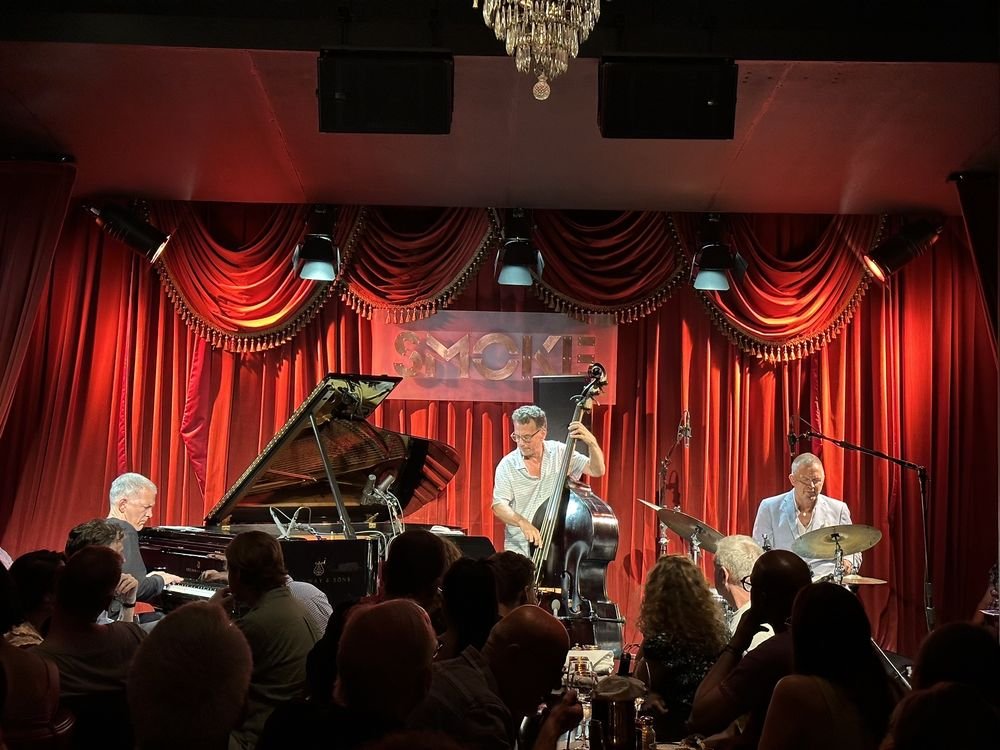
    Candlelit tables, velvet sofas, antique chandeliers, and a full bar combine to create an authentic jazz atmosphere. Though intimate with about 50 seats, the acoustics are exceptional. Pianist David Hazeltine noted it’s rare to find a club where the piano sounds this clear, while Harold Mabern called it the best jazz club in the world.

    Chef Patricia Williams developed soulful American cuisine that perfectly balances dinner and music. In 2014, Smoke established its own label, Smoke Sessions Records, producing Grammy-nominated releases. Open Wednesday through Sunday, with performances running until midnight on Fridays and Saturdays.

    Address: 2751 Broadway, New York, NY 10025
    Website: smokejazz.com

    6. The Iridium: Where Guitar Legends Made History

    Midtown West | Les Paul’s home stage

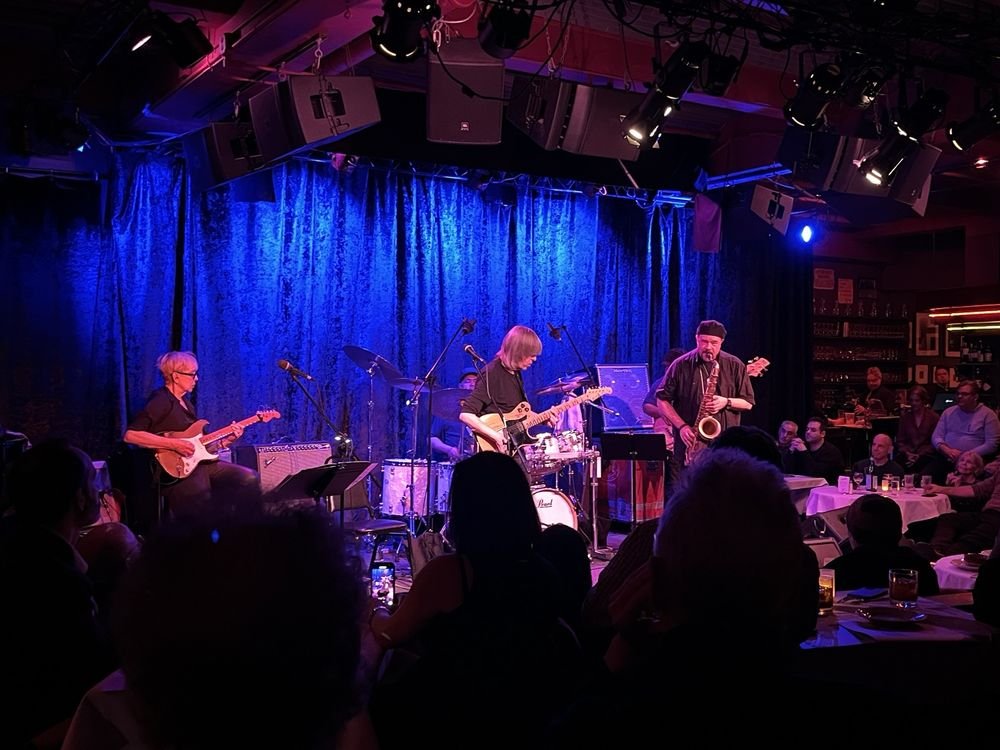
    Les Paul, Jeff Beck, Steve Miller, Buddy Guy, Joe Walsh, and Joe Satriani have all performed here. Opening in January 1994, The Iridium is inseparable from guitar legend Les Paul, who performed here every Monday night from 1995 until his death in 2009 at age 94—nearly 15 years of weekly performances.

    This venue birthed new traditions where the boundaries between jazz and rock blurred. Initially starting in the Empire Hotel basement across from Lincoln Center, it relocated to its current Times Square location in 2001.

    With 180 seats, The Iridium showcases diverse genres including jazz, blues, rock, folk, and cabaret. Its label IridiumLive has released Albert Lee’s ‘Live At The Iridium’ and Jeff Beck’s Grammy-nominated ‘Rock ‘N’ Roll Party Honoring Les Paul.’

    As a full-service restaurant featuring upscale American cuisine and a 450-square-meter wine cellar, performances begin nightly at 7 PM, with dinner service starting at 6:30 PM. Located at Broadway and 51st Street for excellent accessibility.

    Address: 1650 Broadway, New York, NY 10019
    Website: theiridium.com

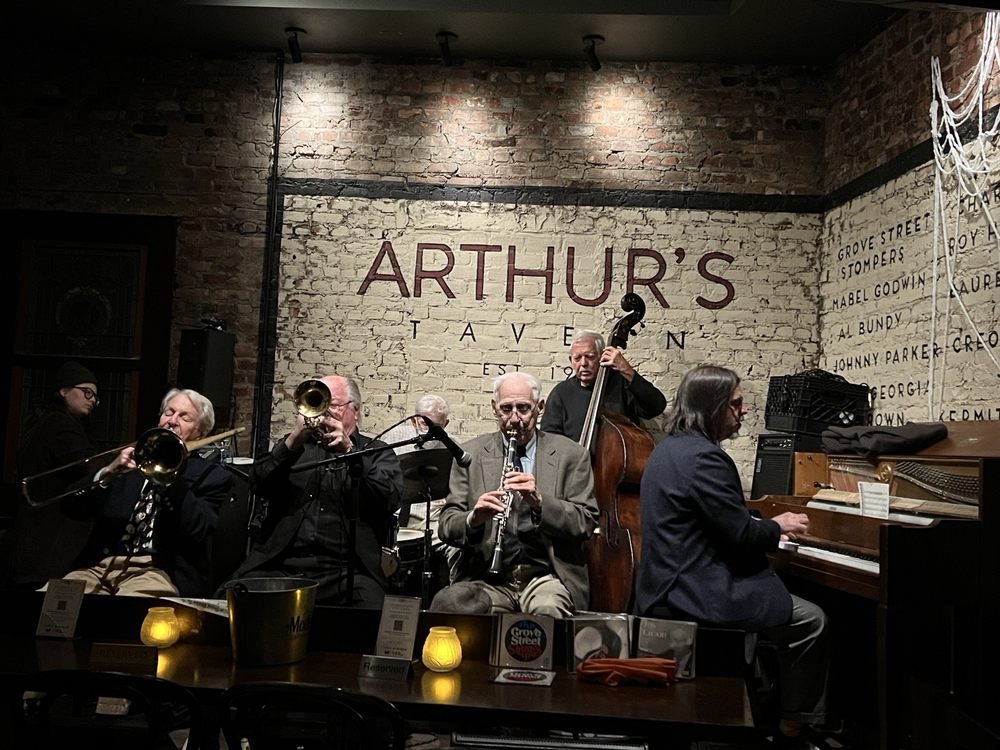
    7. Arthur’s Tavern: West Village’s Timeless Night

    Greenwich Village | Home of the Bird

    Charlie Parker and Roy Hargrove have graced this small bar’s stage. Opening in 1937, Arthur’s Tavern boasts 88 years of history and is known as the last existing club where Charlie Parker regularly performed, earning it the nickname “Home of the Bird.”

    Pianist and singer Al Bundy performed here for 22 years, with a plaque honoring him hanging on the door. This venue blending traditional jazz, blues, swing, and funk remembers when jazz was part of everyday life.

    Though maintaining a humble, friendly neighborhood bar atmosphere, live music fills the space every night. The Grove Street Stompers have performed every Sunday since 1986, with various bands playing Monday through Saturday.

    No cover charge—just order at least one drink per person. Cash only, no credit cards accepted. The small space creates intimate proximity to the stage. Open Monday-Thursday and Sunday from 5 PM to 2 AM, Friday-Saturday from 5 PM to 4 AM.

    Address: 57 Grove Street, New York, NY 10014
    Website: arthurstavern.nyc

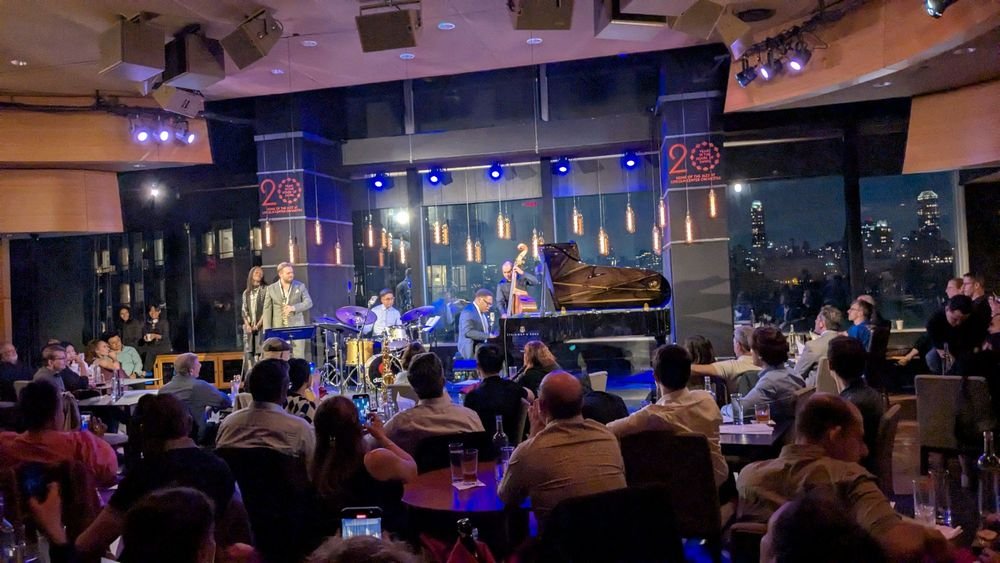
    8. Dizzy’s Club: Where Jazz Meets Institution

    Jazz at Lincoln Center | Purpose-built for jazz

    Named after Dizzy Gillespie, this club regularly features Wynton Marsalis, Wycliffe Gordon, and members of the Jazz at Lincoln Center Orchestra. Opening in fall 2004 on the 5th floor of Frederick P. Rose Hall, Jazz at Lincoln Center’s new headquarters, Dizzy’s Club is part of the world’s first performance, education, and broadcast facility built specifically for jazz.

    Designed by Rafael Viñoly as a $131 million facility, the space was specially created for jazz music’s warmth and clarity. Though intimate with 140 seats, experiencing jazz while overlooking Central Park and the Manhattan skyline is truly transcendent. Tony Bennett praised it as New York’s finest jazz room.

    Unlike most historic jazz clubs located in basements, Dizzy’s Club occupies an elevated position with stunning Central Park views. It also serves an educational role in preserving jazz history for future generations. Wynton Marsalis has served as artistic director since 1987, leading the Jazz at Lincoln Center Orchestra.

    Serving New Orleans-style soul food, performances run Monday-Saturday at 7 PM and 9 PM, and Sundays at 5 PM and 7:30 PM.

    Address: 10 Columbus Circle, 5th fl., New York, NY 10019
    Website: jazz.org

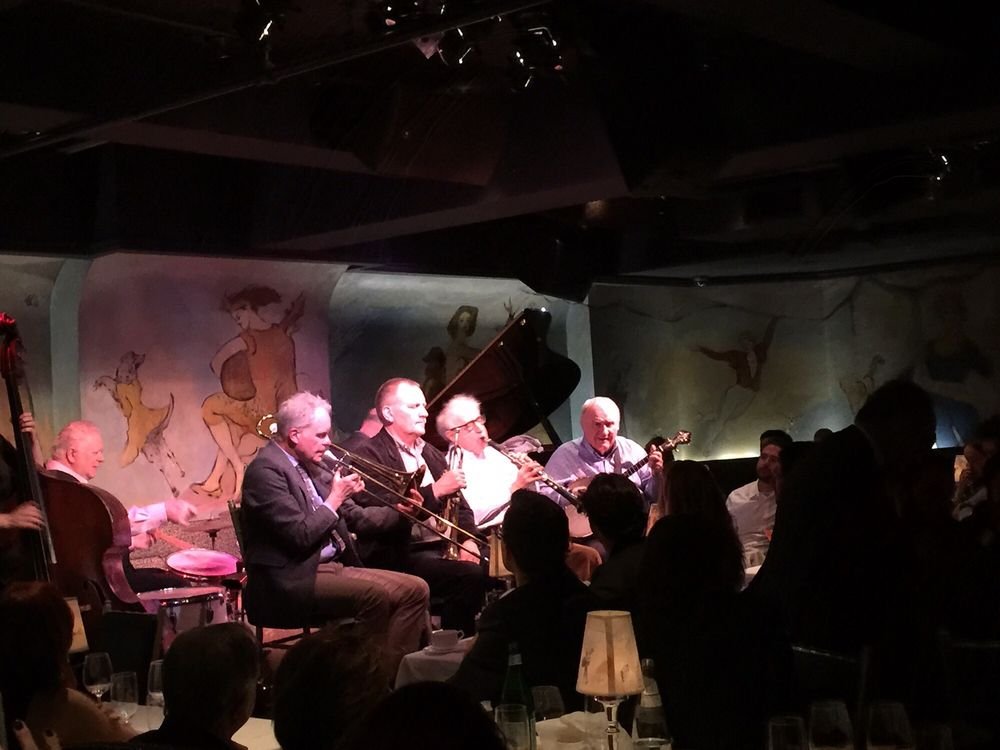
    9. Café Carlyle: Where Jazz Meets Cabaret

    The Carlyle Hotel | The last bastion of New York’s golden age cabaret

    Bobby Short, Woody Allen, Eartha Kitt, and Barbara Carroll held regular residencies here. Recently, artists like Judy Collins, Sutton Foster, and St. Vincent have performed extended runs.

    Opening in 1955 within The Carlyle Hotel, Café Carlyle represents the intersection of New York high culture, jazz, and cabaret. Decorated with murals by Marcel Vertès, this space is called the last bastion of New York’s golden age cabaret.

    Bobby Short performed here regularly for nearly 40 years from 1968 until just before his death in 2005, while Woody Allen played clarinet every Monday. Though accommodating only about 60 people, the narrative depth is profound.

    Formal attire is recommended in this elegant atmosphere where you can enjoy cabaret and jazz alongside French cuisine. Broadway stars, jazz artists, and Grammy winners regularly hold residencies. The 2024-2025 season featured a special series commemorating Bobby Short’s 100th birthday.

    Cover charges start at $80 depending on the artist, with separate food and beverage orders required. Valet parking is available at the hotel’s 76th Street entrance. Open Monday-Saturday from 6:30 PM, with performances typically starting at 8:45 PM.

    Address: 35 East 76th Street, New York, NY 10021
    Website: rosewoodhotels.com/cafe-carlyle

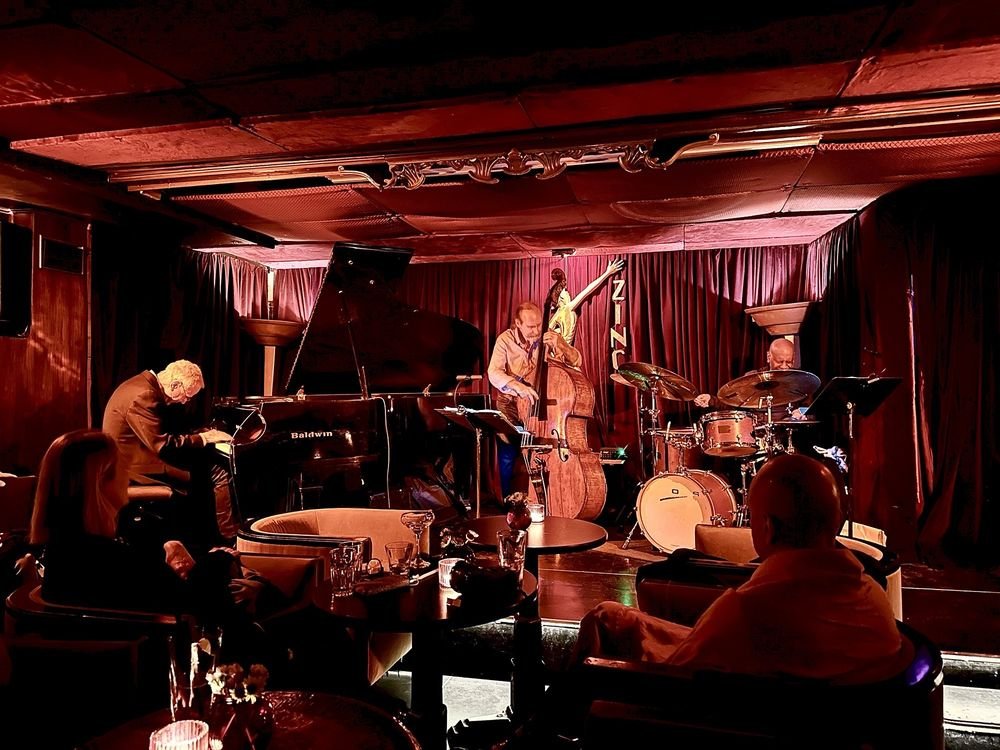
    10. Zinc Bar: Where Jazz Boundaries Expanded

    Greenwich Village | Underground stage of evolution

    Zinc Bar demonstrates how New York jazz has evolved with the times. Since the 1970s, this Soho and Village area venue has functioned as a stage where jazz, Latin jazz, world music, and Afro-Cuban jazz intersect.

    Joe Henderson, McCoy Tyner, Gonzalo Rubalcaba, Miguel Zenón, and David Sánchez—performers who led jazz’s expansion after hard bop—have all graced this stage. Rather than specific albums or singular moments, Zinc Bar’s legend lies in showing the flow of jazz evolution.

    It stands as one of the venues most consistently demonstrating how post-bebop jazz created new languages through Latin rhythms and world music influences. The music performed here has proven that jazz is no longer a single style but an open structure.

    Located at the bottom of a descending staircase, the space is dark and dense. The proximity between stage and audience is close, with flexible seating arrangements creating different atmospheres for each performance.

    Address: 82 West 3rd Street, New York, NY 10012
    Website: zincbar.com


    Planning Your Jazz Journey in New York

    These ten legendary venues represent different facets of New York’s jazz heritage. From Village Vanguard’s unchanged 1935 aesthetic to Dizzy’s Club’s modern institution, each space tells its own story while contributing to the living history of jazz.

    Tips for visiting:

    • Reserve in advance, especially for popular venues like Blue Note and Village Vanguard
    • Expect minimum drink requirements at most clubs
    • Dress codes vary from casual to formal depending on the venue
    • Many clubs offer multiple sets per night—check schedules online
    • Consider multi-club nights in Greenwich Village where several venues are within walking distance

    Whether you’re a devoted jazz aficionado or a curious first-timer, these venues offer more than just music—they offer a chance to step into history, to sit where legends once sat, and to experience the art form that defines New York’s cultural soul.

    The stages may be empty during the day, but at night, they still pulse with the same energy that moved Miles, Coltrane, and countless others. This is where time stands still, and jazz lives forever.​​​​​​​​​​​​​​​​

    Dia:Beacon: A Pilgrimage to Minimalist Art in New York’s Hudson Valley

    Bryant Park Winter Village 2025: Your Complete Guide to NYC’s Best Winter Destination

    Discover everything Bryant Park Winter Village has to offer this season, from the exciting new Ice Bumper Cars to classic ice skating, 170+ market vendors, and special Winter Olympics celebrations. Whether you’re planning a family outing, romantic date, or solo adventure, this complete guide covers activities, pricing, tips, and the best times to visit NYC’s premier winter destination in the heart of Manhattan.

    Bryant Park Winter Village 2025: Your Complete Guide to NYC’s Best Winter Destination.

    Looking for the perfect winter weekend activity in New York City? Bryant Park in the heart of Manhattan offers an exciting new addition this season that’s worth checking out.

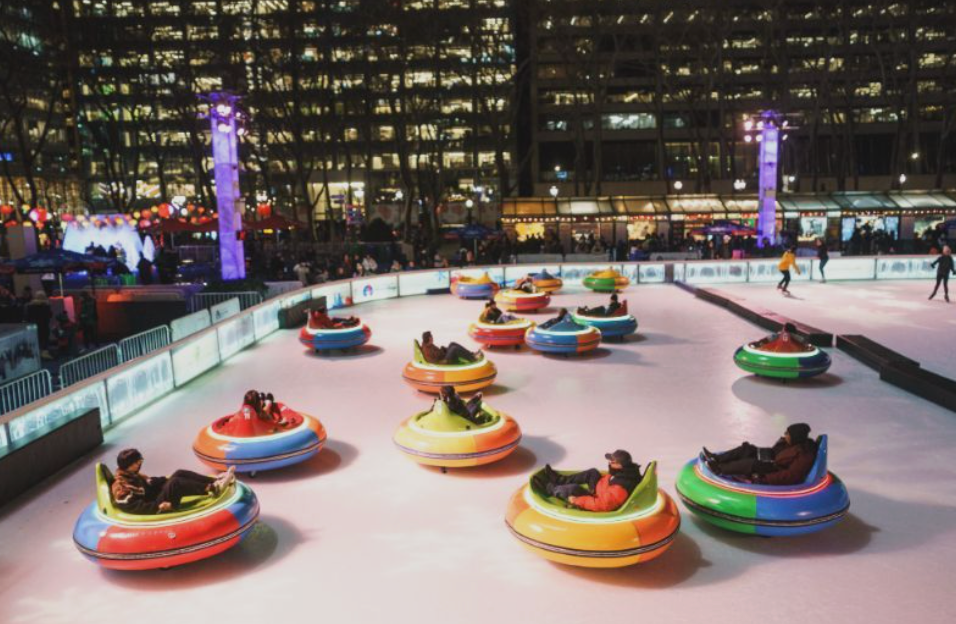
    Ice Bumper Cars Are Back at Bryant Park

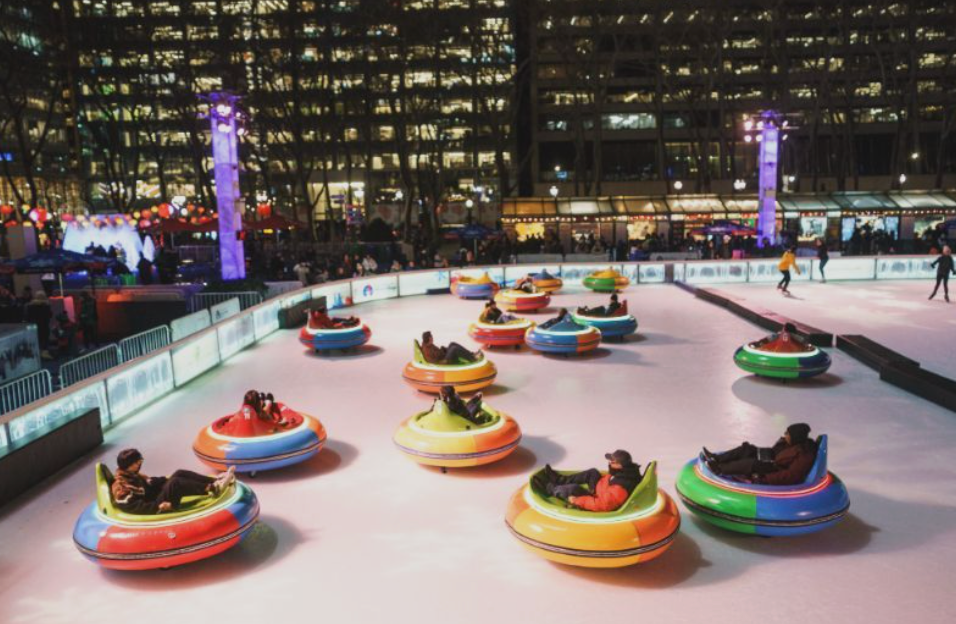
    The Ice Bumper Cars have returned to Bryant Park, running from January 9 through February 28. This unique winter attraction lets you enjoy the ice without needing any skating skills. Sessions last 45 minutes and cost between $22-$26 for participants ages 7 and up (minimum height 42 inches). Advance reservations are highly recommended at wintervillage.org, especially for popular time slots like weekday evenings and weekend afternoons.

    What makes ice bumper cars special is their accessibility. You don’t need to know how to skate, and you won’t worry about falling. Just bundle up in warm outerwear and gloves, then enjoy bumping into friends and family while seated comfortably in your bumper car. It’s the perfect low-pressure winter activity for everyone.

    Classic Ice Skating at The Rink

    Bryant Park’s famous outdoor ice skating rink operates daily through March 1, from 8am to 10pm. Admission to the rink is free, though skate rentals range from $19-$60 depending on the time of day. Off-peak hours during weekday mornings and early afternoons offer the lowest rates. If you bring your own skates, you can use the rink without any rental fees.

    For beginners, weekday mornings are ideal since the rink is less crowded and you can practice at your own pace. Weekend evenings create a romantic atmosphere under the lights, but expect larger crowds. First-timers should start near the walls and can typically get the hang of basic skating within 30 minutes.

    Pro tip: Book skating and bumper cars at least one week in advance. Weekday mornings are the least crowded. Activities run rain or shine, though severe weather may cause cancellations. Wear comfortable shoes and warm layers, and budget for locker rentals starting at $6.

    BRYANT PARK RESERVE TICKET

    Winter Village Market: Shopping and Dining

    Over 170 vendor booths surround the skating rink, offering handmade accessories, knitwear, candles, home decor items, and unique products from local New York brands. Whether you’re shopping for gifts or just browsing, the market provides hours of entertainment.

    The food vendors are a winter highlight, serving hot chocolate, mulled wine, pretzels, waffles, cheese dishes, and other warming treats. Prices typically range from $5-$15, making it affordable to enjoy multiple items. The market is especially atmospheric in the evening when lights illuminate the entire area.

    You can explore the market freely without skating, making it perfect for dates, solo walks, or family outings. For a more relaxed experience, visit on weekday evenings or early afternoons when crowds are lighter.

    The Lodge: Warm Indoor Space with Special Events

    The Lodge offers a heated indoor area where you can watch the ice rink and holiday market while enjoying drinks and snacks from 10am to 10pm daily.

    Special events at The Lodge include:

    Vinyl Nights – Select Tuesdays (January 13, 20, 27, February 3) from 7-9:30pm feature disco, hip-hop, and funk music.

    Winter Dance – Wednesday dance lessons open to everyone, couples or singles.

    Mixtape Bingo – An interactive event where participants share playlists and connect through music.

    We Met IRL – Social programs designed to help online connections meet in person.

    Rosy Igloos for Special Occasions

    Bryant Park Winter Village

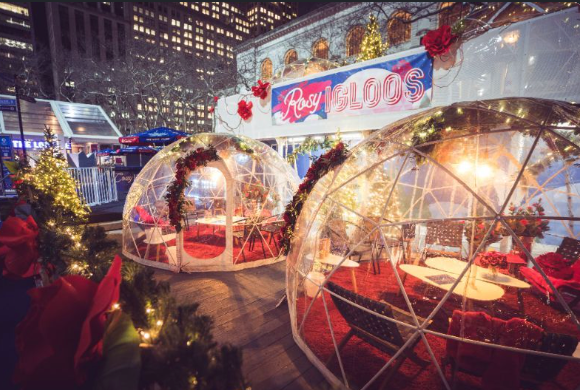
    The pink-lit igloos provide a private dining and relaxation space for groups up to eight people. Sessions last 90 minutes and start at $254, including Afternoon Tea. Reservations are required. Special events include a Rose Light Skate Night for Valentine’s Day and Lunar New Year performances and craft programs in February.

    Family-Friendly Programming

    Winter StoryTime – Saturdays at 10:30am for one hour (recommended ages 2-9). Some sessions feature performances by the Bryant Parkettes, a children’s skating group.

    Kids Week – February 17-20 offers free skating lessons, junior performances, and off-ice activities, perfectly timed for winter break.

    Winter Olympics Celebration (February 2025)

    As the Milano Cortina Winter Olympics approach (February 6-22), Bryant Park transforms into an Olympic celebration hub.

    The Lodge Community Lounge – Watch live Olympic coverage throughout February from 10am-10pm. The space becomes a Team USA cheering station with real-time medal updates and podium photo zones. Experience New York’s unique way of celebrating the Games, even if you’re not a winter sports fan.

    Ice-less Curling – February 6-26, 11am-7pm, free admission. Try curling on a special mat instead of real ice. No reservation needed, first-come first-served. Staff will teach you the rules on-site, giving you a chance to experience an actual Olympic sport.

    Suggested Itinerary

    Here’s how to make the most of your Bryant Park winter visit:

    1. Start by exploring the Winter Village Market with a warm beverage
    2. Try ice bumper cars or ice skating (pre-booked)
    3. Warm up and relax at The Lodge
    4. Finish with dinner at nearby restaurants or food vendors in the village

    Bryant Park’s winter season isn’t about checking off a to-do list. It’s designed as a space where you can spend time in your own way. This weekend, you don’t need to travel far to find something special.

    The season runs through March 1. For detailed schedules and reservations, visit the official website at wintervillage.org.

    Visitor Information

    Location: Bryant Park, Manhattan
    Season: Through March 1, 2025
    Ice Bumper Cars: January 9 – February 28
    Ice Skating: Daily 8am-10pm through March 1
    The Lodge: Daily 10am-10pm
    Winter Market: Daily hours vary
    Website: wintervillage.org

    Whether you’re looking for active winter fun, leisurely shopping, or a cozy spot to enjoy the season, Bryant Park Winter Village has something for everyone right in the heart of New York City.

    New York’s Top 12 Hot Chocolates: From Christmas Market Mugs to Chocolatier Cups

    The Ultimate Guide to New York Cheesecake: 11 Must-Try Spots From Classic Icons to Modern Favorites

    New York desserts always have substance. It’s not fleeting sweetness that disappears in a moment, but the kind of richness that stays with you after just one forkful. At the heart of this culinary tradition stands cheesecake—dense, creamy, and unmistakably New York.

    Why New York Became the Cheesecake Capital

    While cheesecake’s origins trace back to ancient Greece, the New York-style cheesecake was born in this city in the early 20th century. In 1872, New York dairy producer William Lawrence accidentally invented cream cheese while attempting to recreate French Neufchâtel cheese. This innovation, later commercialized as Philadelphia Cream Cheese, laid the foundation for New York cheesecake history.

    During the 1920s and 1930s, Jewish immigrants from Eastern Europe combined their traditional cheesecake recipes with this rich cream cheese. The result was denser and more luxurious than European versions. What started in delis and restaurants quickly became a symbol of New York food culture.

    Through the post-war economic boom, legendary establishments like Junior’s (1950) and Lindy’s (1921) competed with their authentic recipes, and New York cheesecake evolved from a simple dessert into the city’s culinary identity. Even today, cheesecake holds special meaning in New York—a food that honors tradition while constantly being reinterpreted, much like the city of immigrants itself.

    What Defines New York-Style Cheesecake

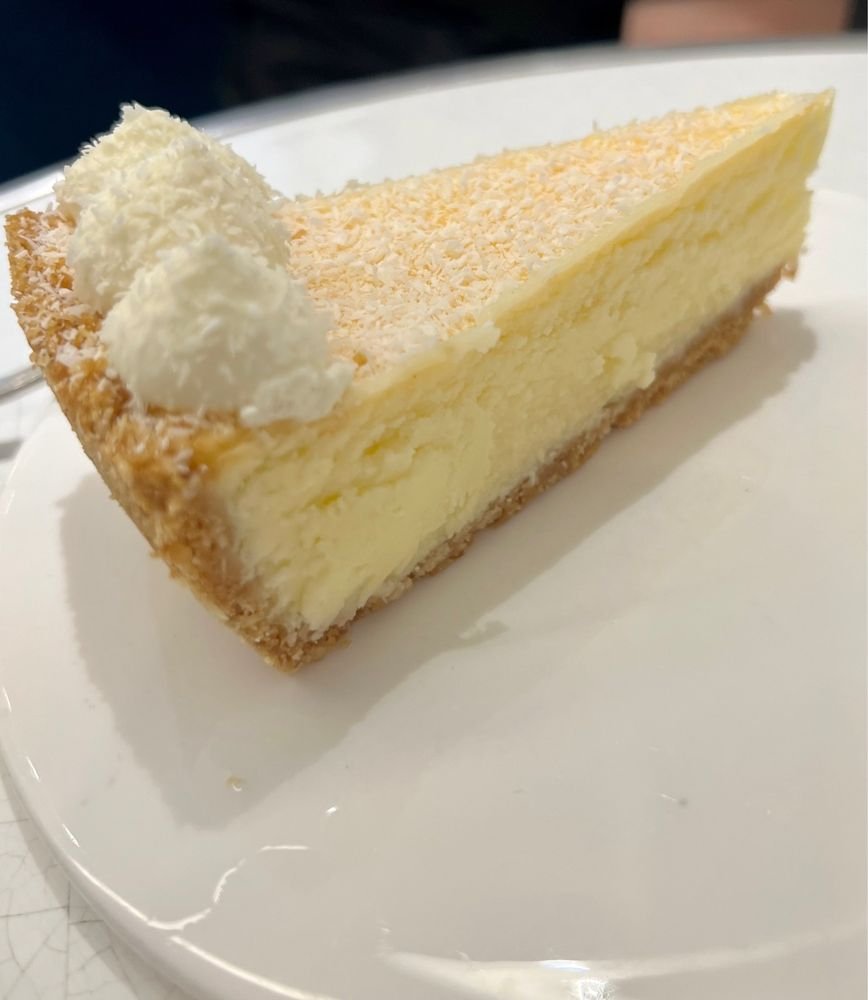
    New York-style cheesecake isn’t light. It minimizes air incorporation to preserve the cream cheese’s natural texture. The base features a thin, firm graham cracker crust, while the filling is dense yet jiggles without flowing. Sour cream or heavy cream adds depth, but the sweetness remains restrained. This rich balance is the hallmark of New York cheesecake.

    The primary difference from Japanese soufflé or Italian ricotta cheesecakes lies in this density. By minimizing air and maximizing cream cheese content, a single slice becomes thoroughly satisfying.

    Two Paths of New York Cheesecake Today

    One path belongs to classic establishments that have maintained their recipes for decades, taking pride in unchanging excellence. The other belongs to rising stars capturing Gen Z with mini sizes, seasonal flavors, and Instagram-worthy cross-sections.

    What’s fascinating is that these two approaches don’t compete in modern New York. A 70-year-old deli coexists peacefully with an Instagrammable bakery next door, each thriving in its own way. True to a city where tradition and trends coexist, so do its cheesecakes.

    11 Essential New York Cheesecakes

    Classic Institutions

    1. Eileen’s Special Cheesecake

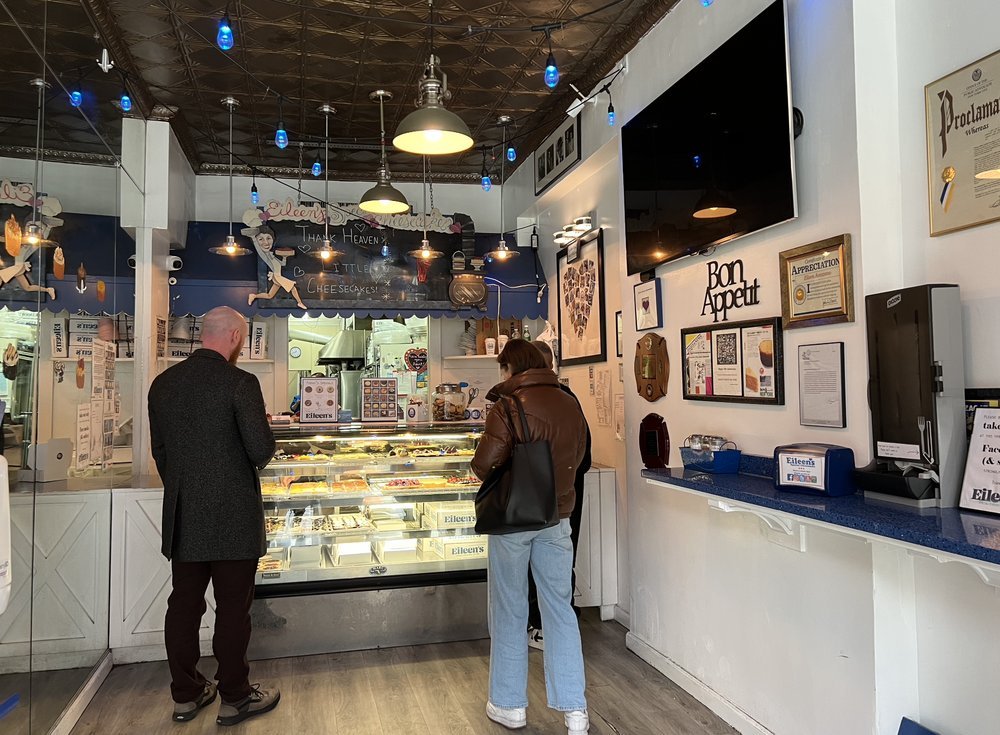
    Operating since 1975, Eileen’s is the most recommended first New York cheesecake experience. With perfectly balanced sweetness and creamy texture, this small shop is a true New Yorker favorite.

    Signature: Classic Cheesecake
    📍 17 Cleveland Pl, New York, NY | eileenscheesecake.com

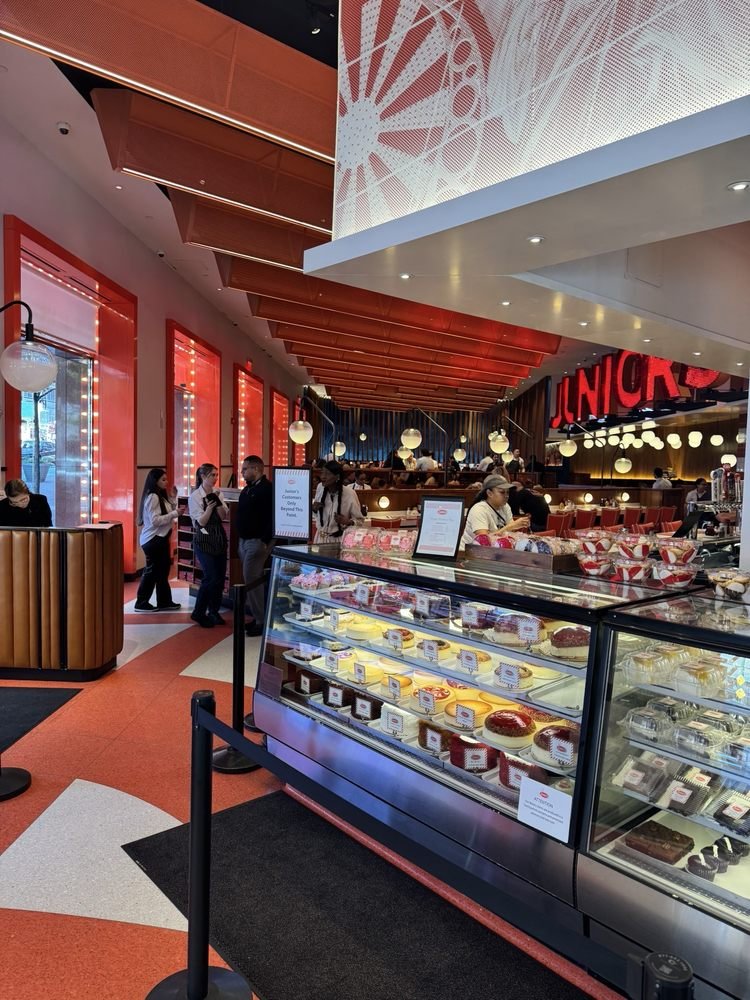
    2. Junior’s Restaurant

    Junior’s Restaurant at Times Square

    A living icon of New York cheesecake since 1950 Brooklyn. Its rich cream cheese flavor and substantial texture are textbook perfect. The whole cake gift box is a quintessential New York souvenir.

    Signature: Original New York Cheesecake
    📍 386 Flatbush Ave Ext, Brooklyn, NY | juniorscheesecake.com

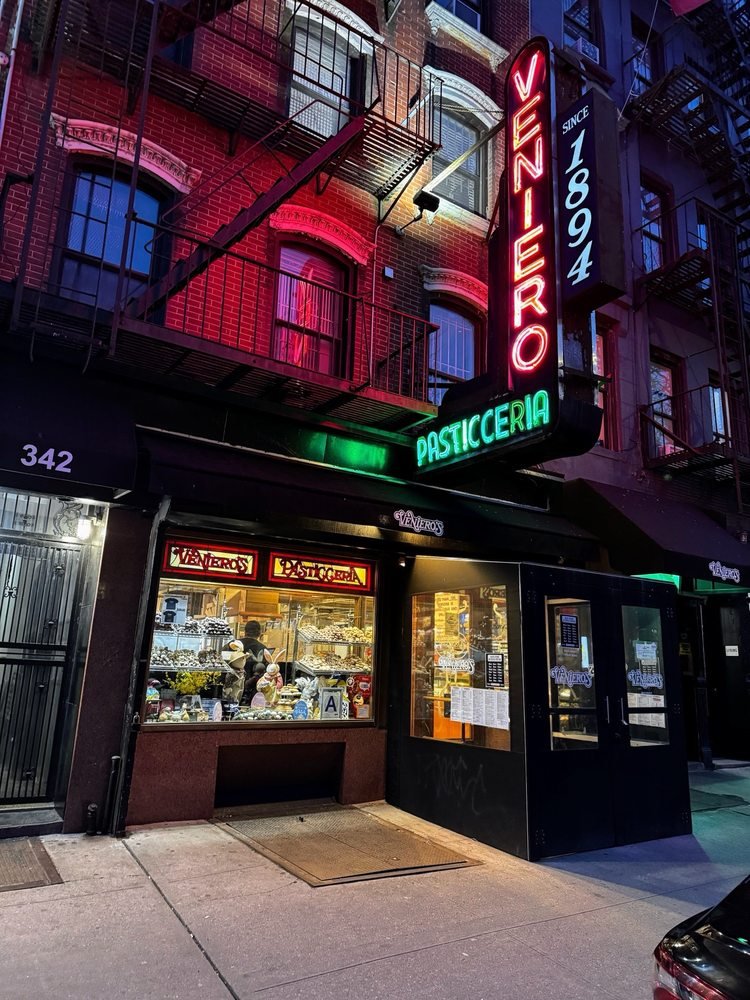
    3. Veniero’s Pasticceria & Caffè

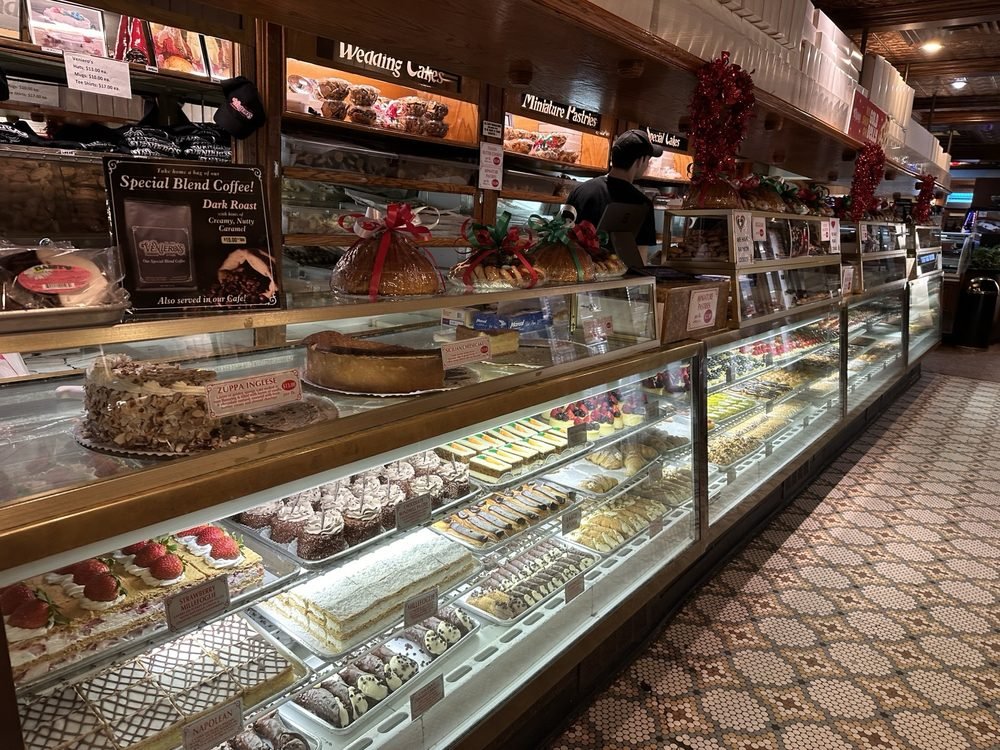
    An East Village Italian pastry shop opened in 1894. Over 130 years of history creates a middle ground between ricotta and cream cheese with classical depth. The interior is old New York incarnate.

    Signature: Ricotta Cheesecake
    📍 342 E 11th St, New York, NY | venierospastry.com

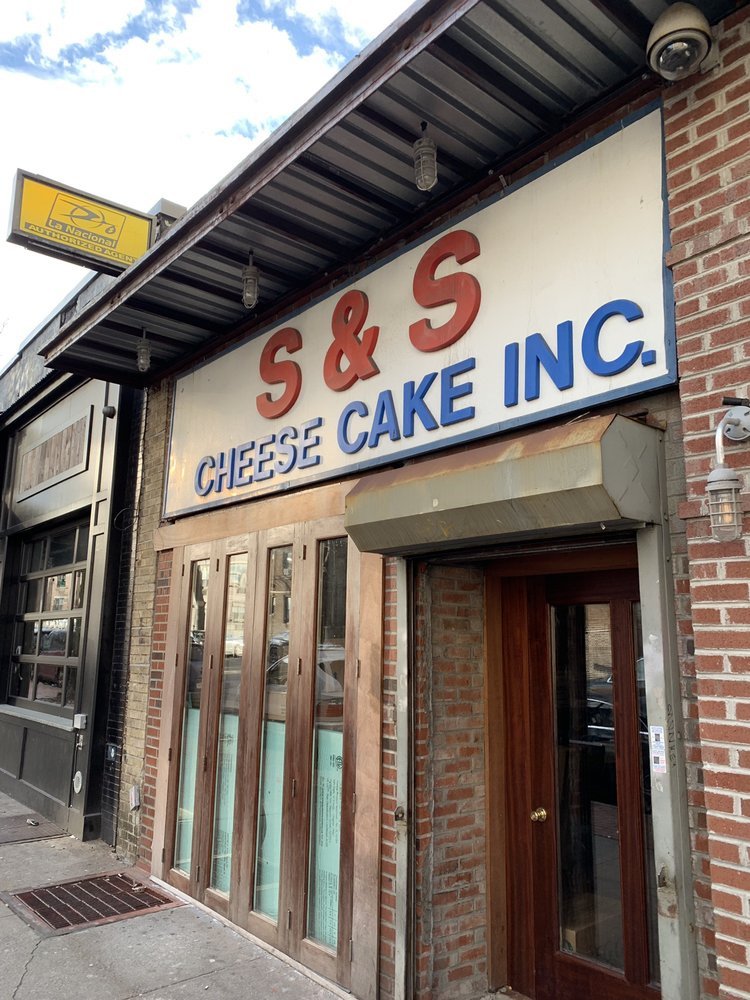
    4. S&S Cheesecake

    Building its reputation through deli supplies from the Bronx since 1947, this is hardcore New York-style. Not sweet, but winning through pure cheese power. The original form of cheesecake stripped to its essence.

    Signature: Classic Deli-Style Cheesecake
    📍 222 W 238th St, Bronx, NY | sscheesecake.com

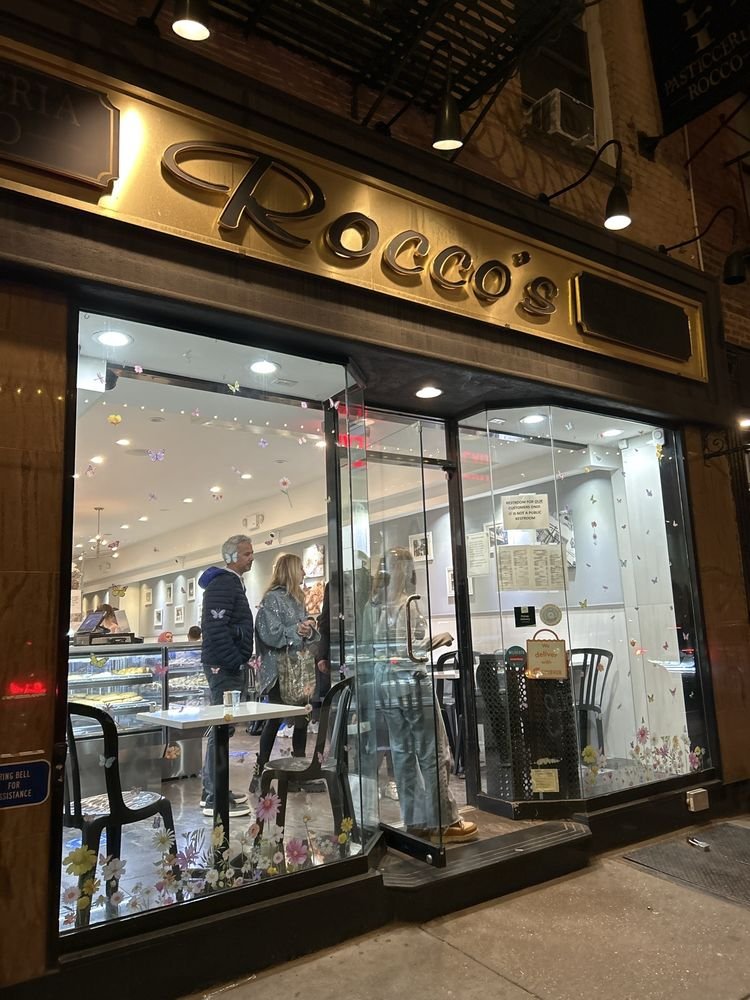
    5. Pasticceria Rocco

    An Italian bakery settled in SoHo since 1974. Classic, substantial European cheesecake sensibility meets New York technique. Order with cannoli to experience the essence of Italian desserts.

    Signature: Traditional Cheesecake
    📍 243 Bleecker St, New York, NY | roccosnyc.com

    Neighborhood Favorites

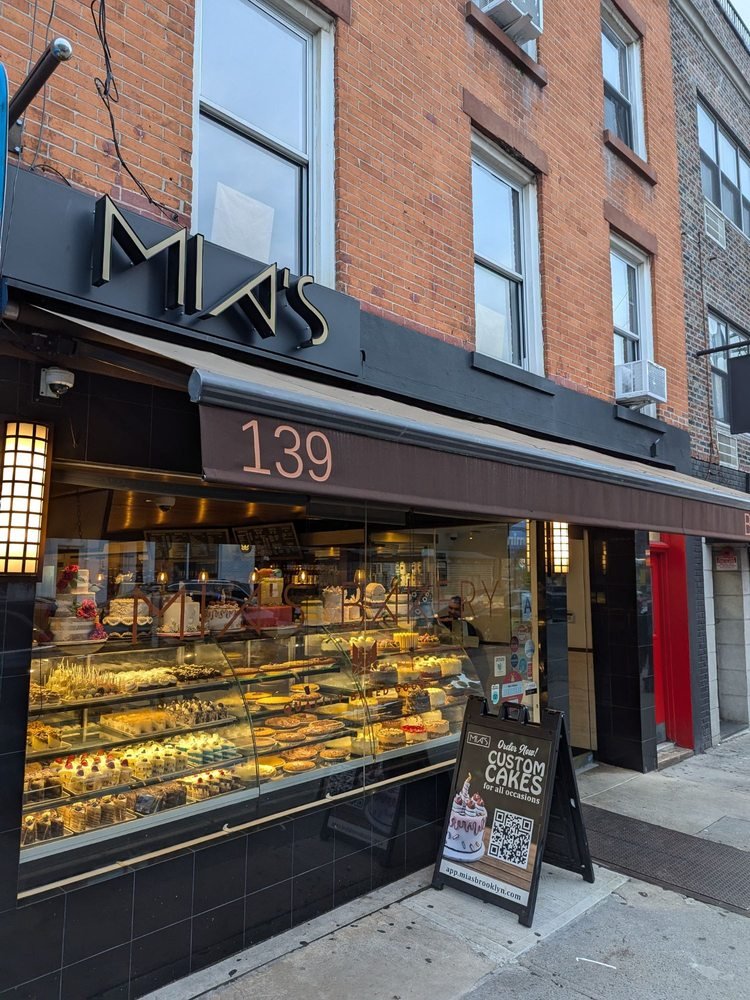
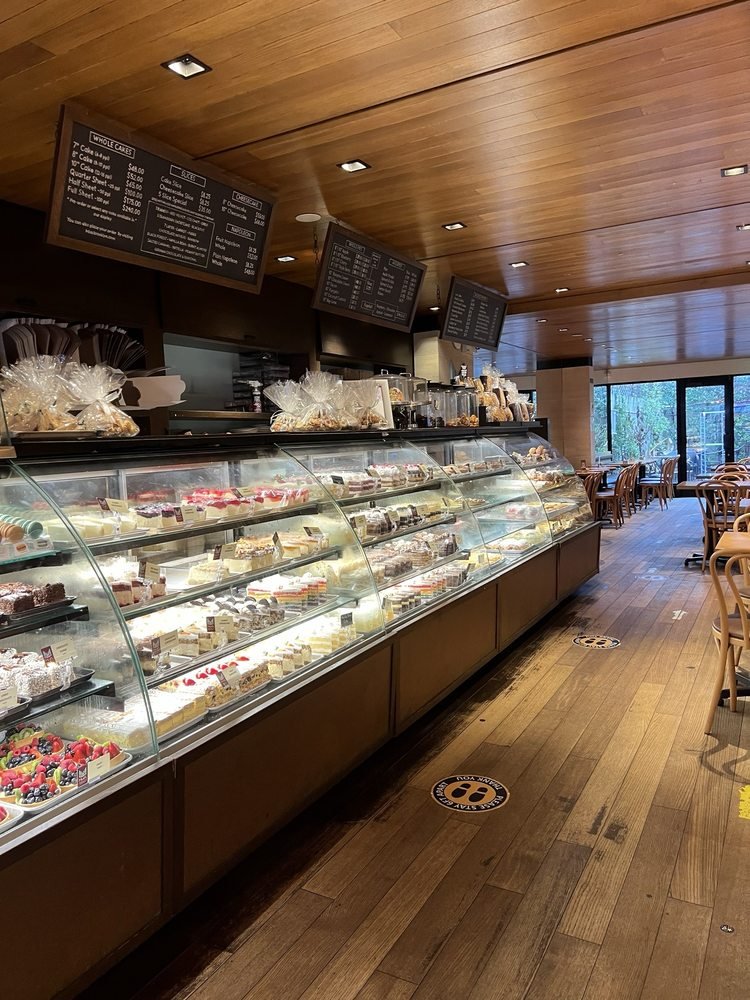
    6. Mia’s Brooklyn Bakery

    A warm Cobble Hill bakery where you can enjoy cakes and cheesecakes simultaneously. Classic yet accessible, perfect for dessert after weekend brunch.

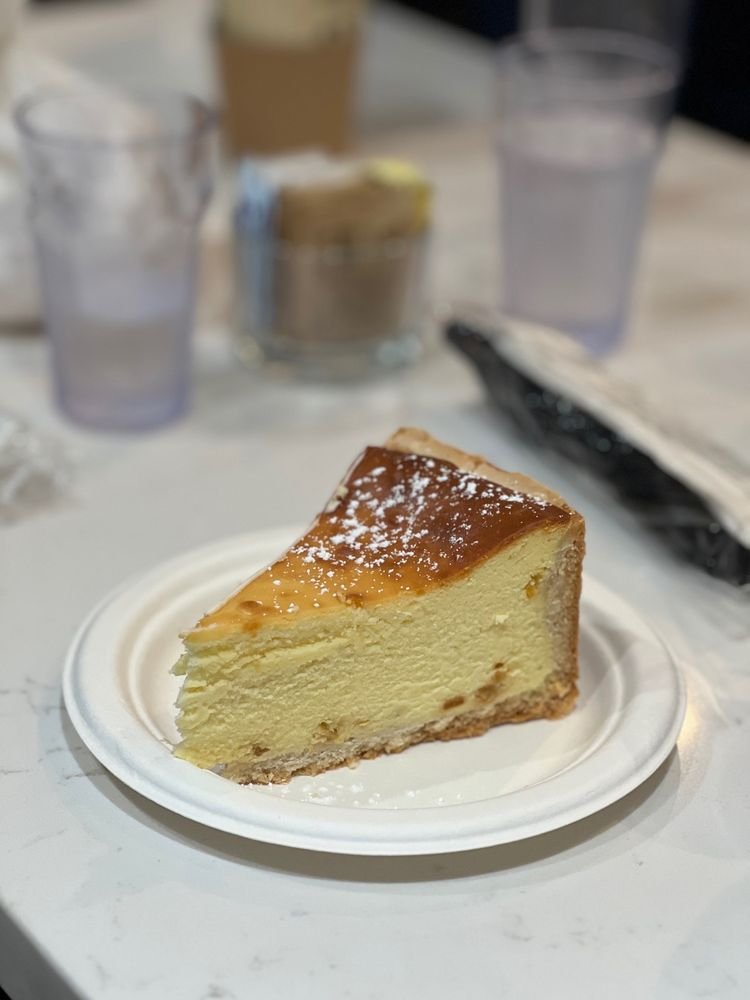
    Signature: New York Cheesecake
    📍 139 Smith St, Brooklyn, NY | miasbrooklyn.com

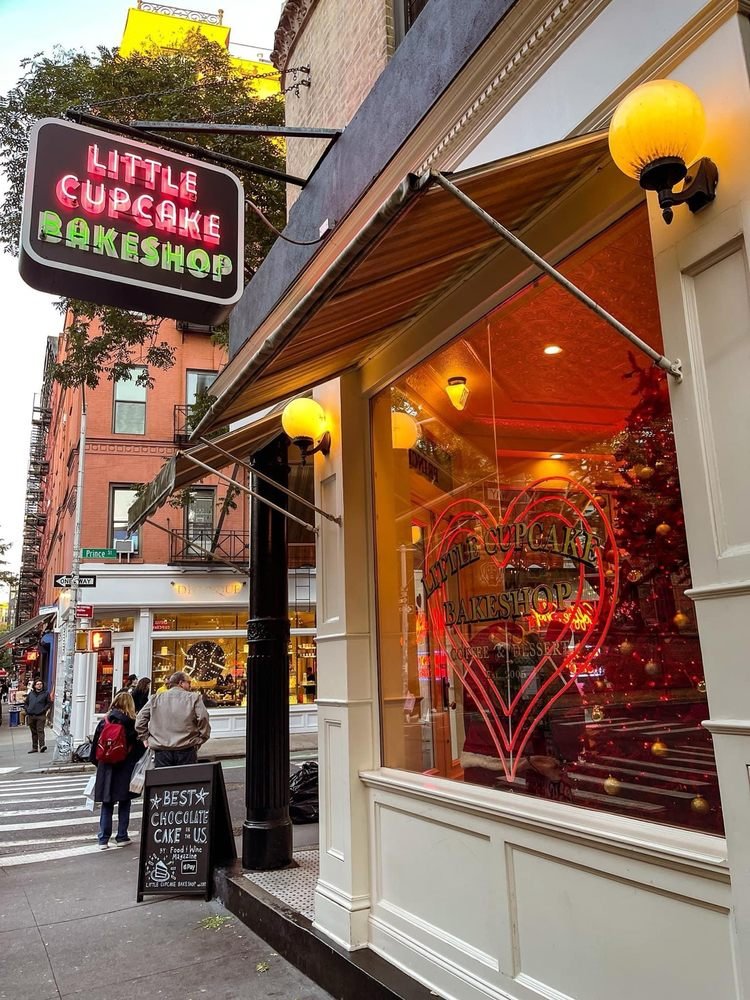
    7. Little Cupcake Bakeshop

    A casual choice perfect for slice enjoyment. Approachable with easy takeout, comfortable even solo. A neighborhood powerhouse with locations in Nolita and beyond.

    Signature: Classic Cheesecake
    📍 30 Prince St and multiple locations | littlecupcakebakeshop.com

    Modern & Trendy

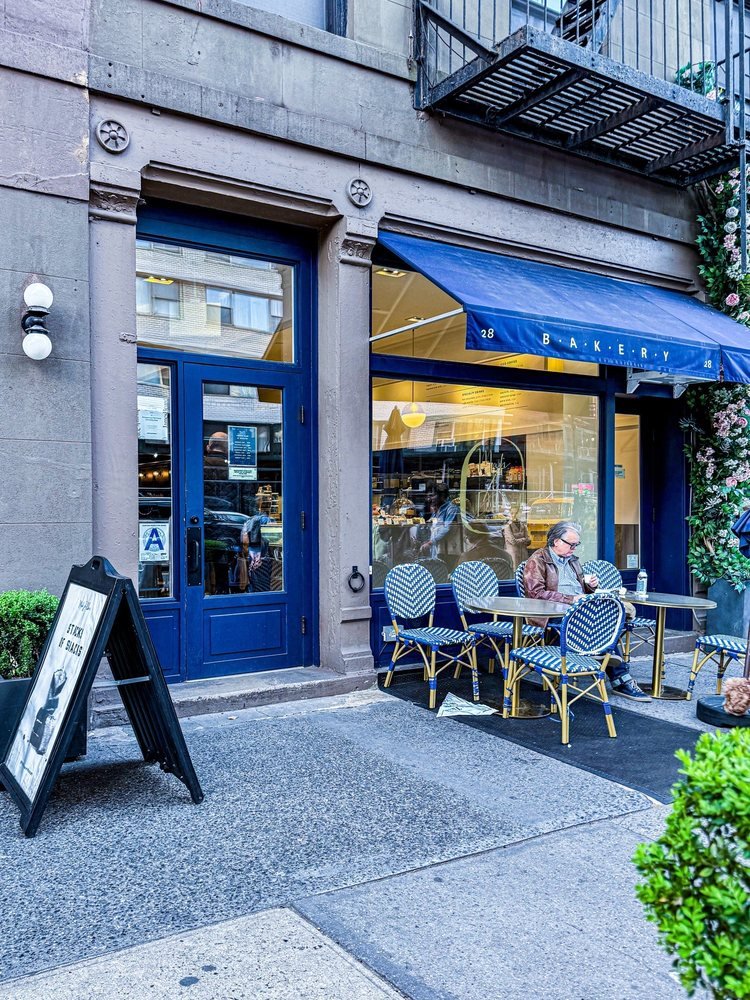
    8. Mah-Ze-Dahr Bakery

    A rising star from Gramercy with precision baking. Features smooth, clean cross-sections and refined plating. Sets the standard for next-generation New York bakeries.

    Signature: Heavenly Cheesecake
    📍 28 Greenwich Ave, Brookfield Place, and more | mahzedahrbakery.com

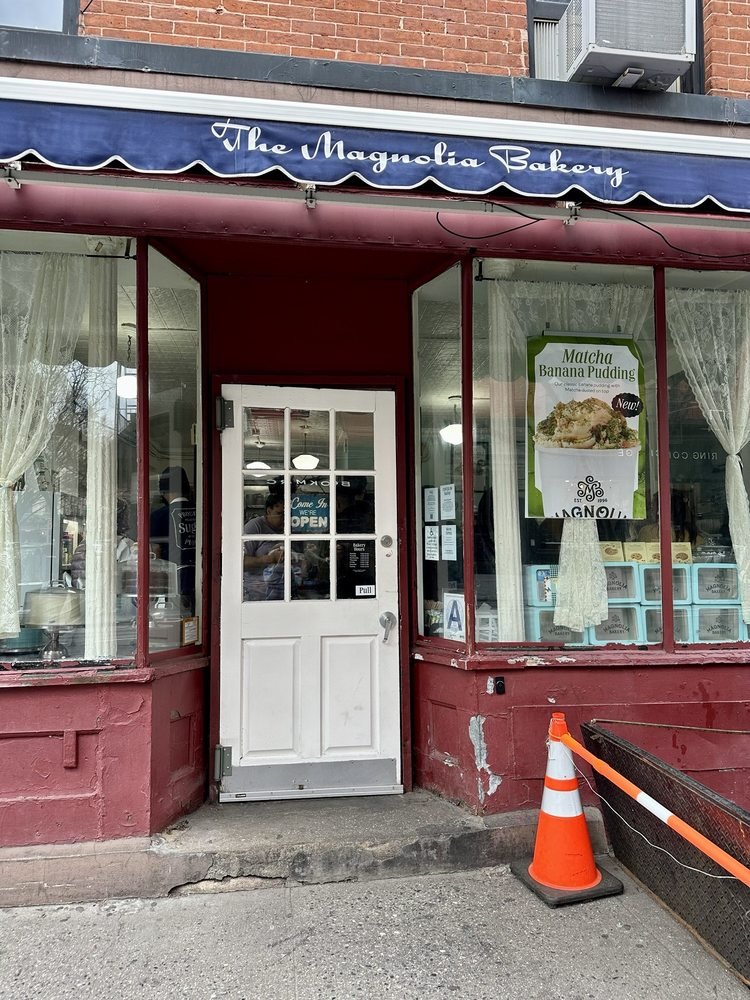
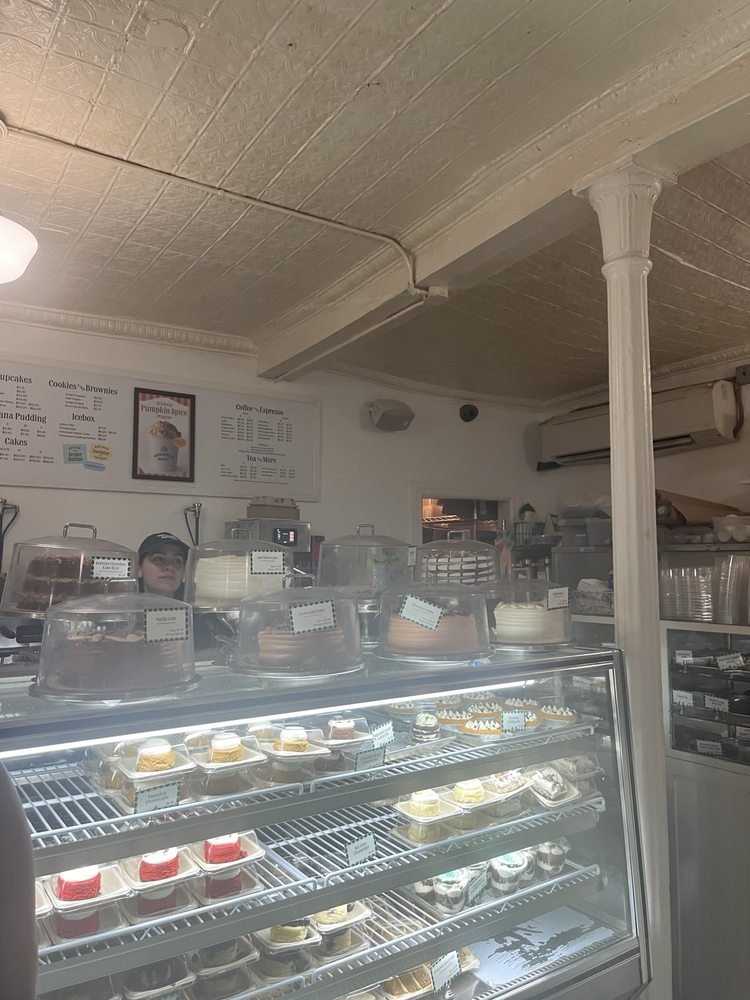
    9. Magnolia Bakery

    Famous from “Sex and the City” for cupcakes, but the cheesecake boasts reliable excellence. Abundant flavor choices including vanilla bean and caramel pecan.

    Signature: Vanilla Bean Cheesecake, Caramel Pecan Cheesecake
    📍 401 Bleecker St and multiple locations | magnoliabakery.com

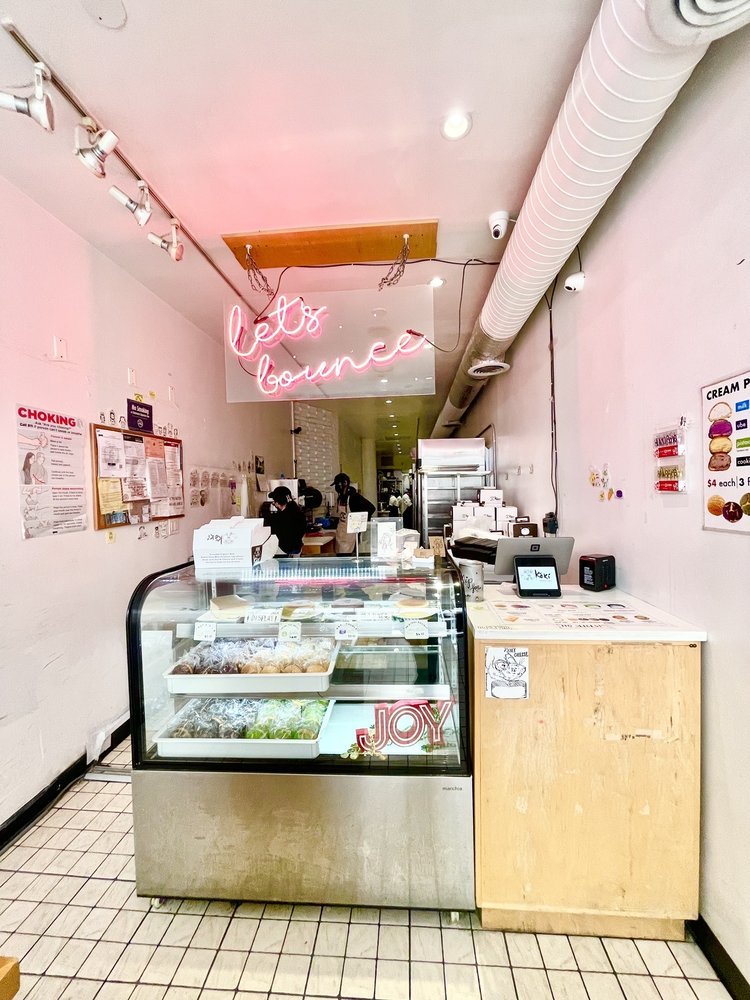
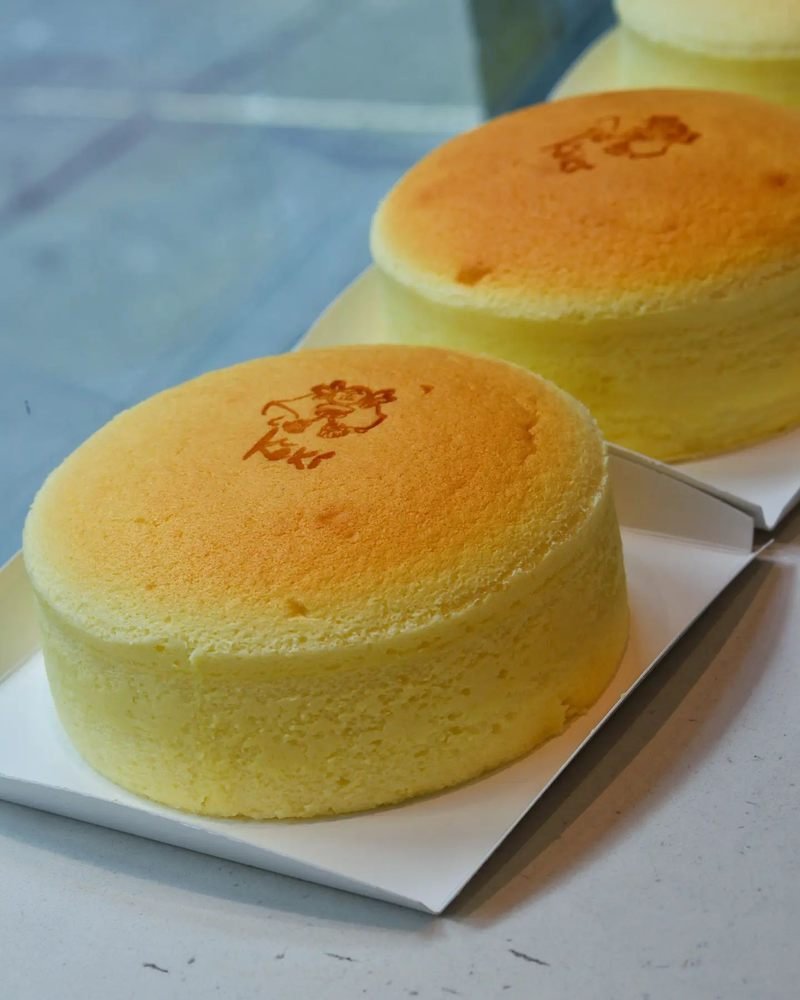
    10. Keki Modern Cakes

    Light cheesecake with Japanese soufflé sensibility. The opposite approach from traditional New York density, but this contrast is intriguing. Chinatown flagship is home base.

    Signature: Original Bouncy Cheesecake, Ube Bouncy Cheesecake
    📍 79 Mott St | kekimoderncakes.us

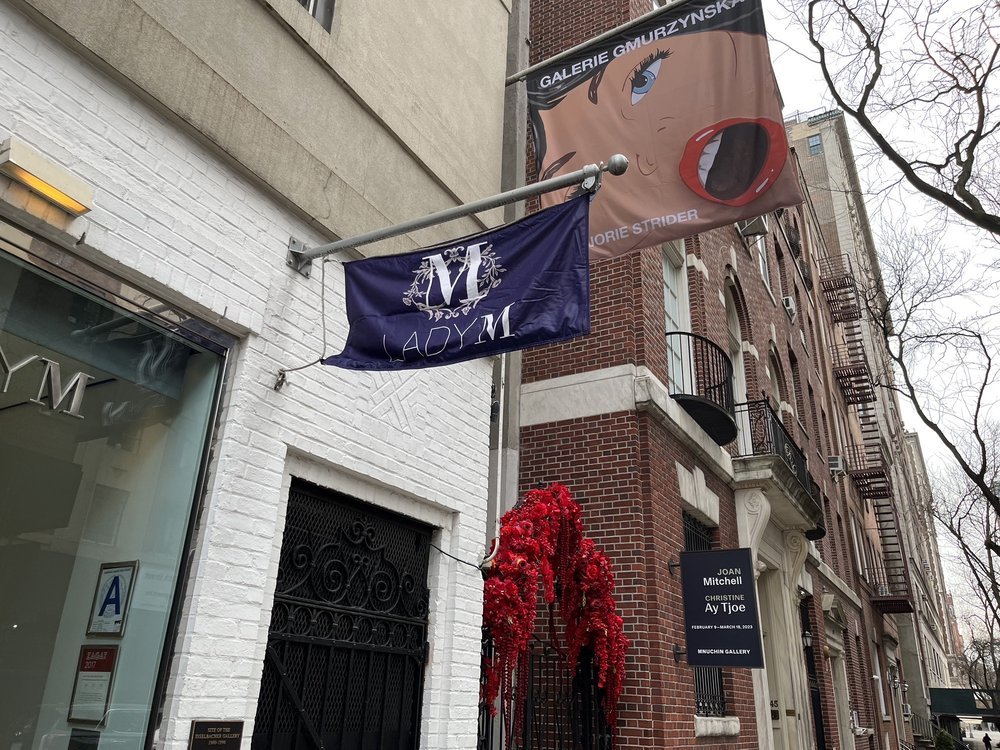
    11. Lady M Cake Boutique

    Gained worldwide fame for mille crêpes, but the cheesecake line also shines with minimalist perfection. Popular for elegant packaging and gifting.

    Signature: Cheesecake Selection
    📍 Multiple locations | ladym.com

    How to Choose the Perfect Cheesecake

    For Family Gatherings: Classic institutions (Junior’s, Eileen’s) that reliably produce whole cakes. Appropriate size and pricing for sharing.

    For Gifting: Brands with mini sizes and polished packaging (Lady M, Magnolia Bakery). Captures both visual perfection and brand recognition.

    For Treating Yourself: Bakeries with convenient slice sales and takeout (Little Cupcake Bakeshop, Mah-Ze-Dahr). Experience New York’s taste pressure-free with a single slice.

    For Authentic Heritage: If you want to experience history, nearly century-old Veniero’s or 70+ year veteran S&S are the answer. Beyond cake, you’ll feel New York’s time itself.

    The Timeless Appeal of New York Cheesecake

    In New York, cheesecake doesn’t follow trends. Instead, it accumulates time. Old recipes become the city’s memory, while new interpretations become today’s sensibility. The fact that the same rich cream cheese slice first tasted in 1950s Brooklyn still exists in the same spot in 2025. The fact that Japanese soufflé and mille crêpes cheesecakes coexist alongside it. This is why New York is New York.

    Whether on a gathering table or next to your solo coffee, a slice of cheesecake remains quintessentially New York.

    6 Best Brunch Spots & Hip Cafes in SoHo, New York City

    5 Best Brunch Spots Near the Metropolitan Museum of Art (MET)

    Top 10 Pizza Places in New York City: From Classic to Creative
    5 Best Brunch Spots Near the Metropolitan Museum of Art (MET)


    Planning a visit to the Metropolitan Museum of Art? The Upper East Side offers exceptional brunch options just steps away from one of New York’s most iconic cultural landmarks.

    Whether you’re looking for a quick coffee and avocado toast or a leisurely European-style meal, these five brunch spots are all within a 10-minute walk of the MET. Each offers its own unique atmosphere, signature dishes, and Instagram-worthy interiors to complete your cultural day out.


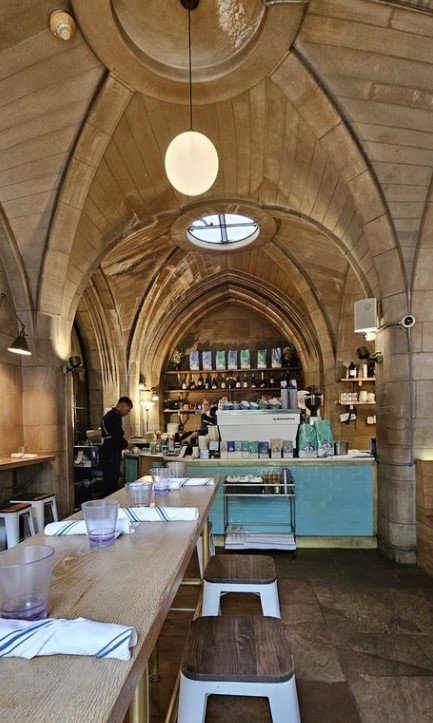
    1. Bluestone Lane Upper East Side

    Address: 2 E 90th St, New York, NY 10128

    Distance from MET: 3-minute walk

    Website: https://bluestonelane.com/

    Atmosphere & Interior Design

    This Australian-style cafe brings Melbourne’s coffee culture to Manhattan’s Upper East Side. Located in a classic New York building, the interior features bright white walls, natural wood accents, and floor-to-ceiling windows that flood the space with natural light. The outdoor terrace seating makes it perfect for people-watching on a sunny morning.

    The minimalist, contemporary aesthetic creates an Instagrammable backdrop for your brunch photos.

    Must-Try Menu Items

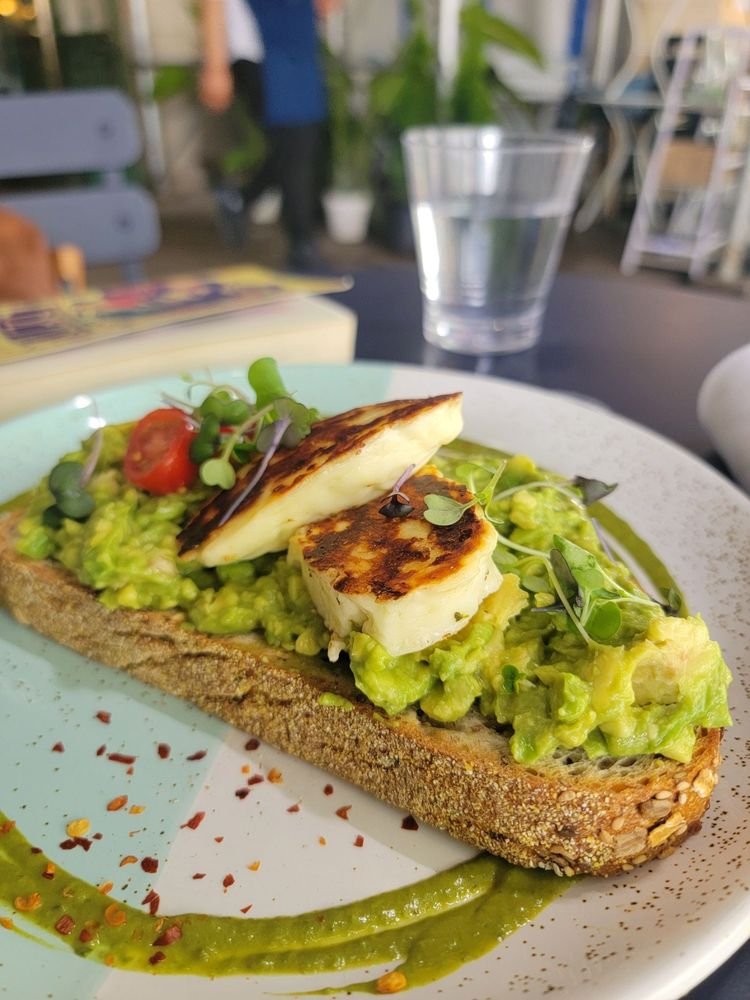
    • Avocado Smash: Their signature dish featuring creamy avocado on artisan toast, topped with lemon, cilantro, and chili flakes
    • Flat White: An authentic Australian-style coffee with a velvety microfoam texture, stronger and more concentrated than a traditional latte

    Why Visit

    Perfect for solo diners or those seeking a quick, healthy brunch before diving into the museum galleries. The fast service and casual vibe make it ideal for art lovers on a schedule.


    2. Café Sabarsky

    Address: 1048 5th Ave, New York, NY 10028 (inside Neue Galerie)
    Distance from MET: 2-minute walk

    Atmosphere & Interior Design

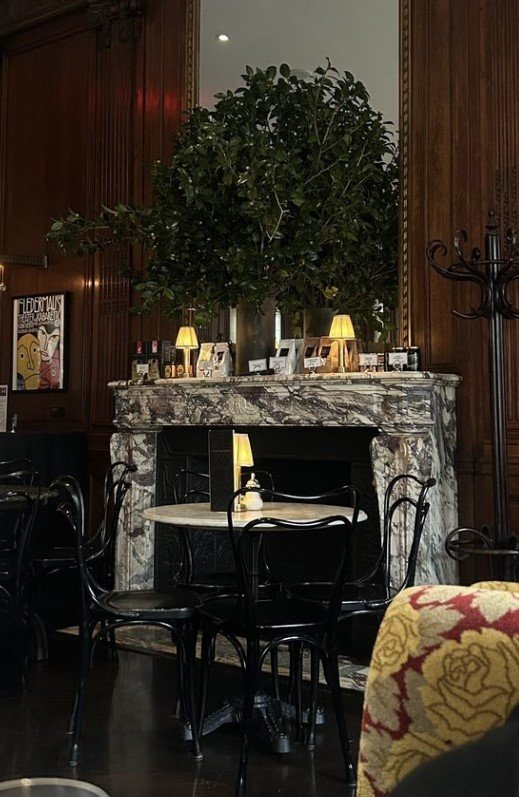
    Step into early 20th-century Vienna at this authentic Viennese cafe located on the first floor of the Neue Galerie. The interior recreates the ambiance of a traditional Viennese coffeehouse with dark walnut furniture, vintage lighting fixtures, and Klimt-inspired artwork adorning the walls.

    The sophisticated, hushed atmosphere offers a rare sense of tranquility in bustling New York City.

    Must-Try Menu Items

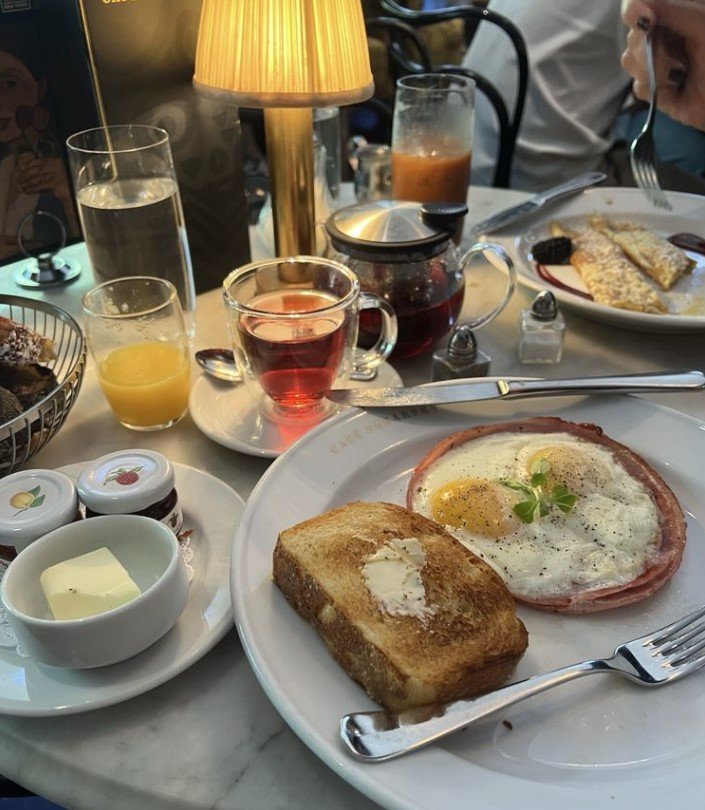
    • Viennese Breakfast: A traditional Austrian morning spread with bread, eggs, ham, preserves, and coffee
    • Apple Strudel: Flaky pastry filled with cinnamon-spiced apples, served warm
    • Wiener Melange: Traditional Austrian milk coffee similar to a cappuccino

    Why Visit

    Ideal for those who want to extend their museum experience with European elegance. The refined atmosphere and classical ambiance make it perfect for a contemplative brunch before or after viewing art.


    Best Dim Sum in NYC: 12 Must-Visit Restaurants from Chinatown to Flushing

    3. Sarabeth’s East

    Address: 1295 Madison Ave, New York, NY 10128
    Distance from MET: 8-minute walk

    Atmosphere & Interior Design

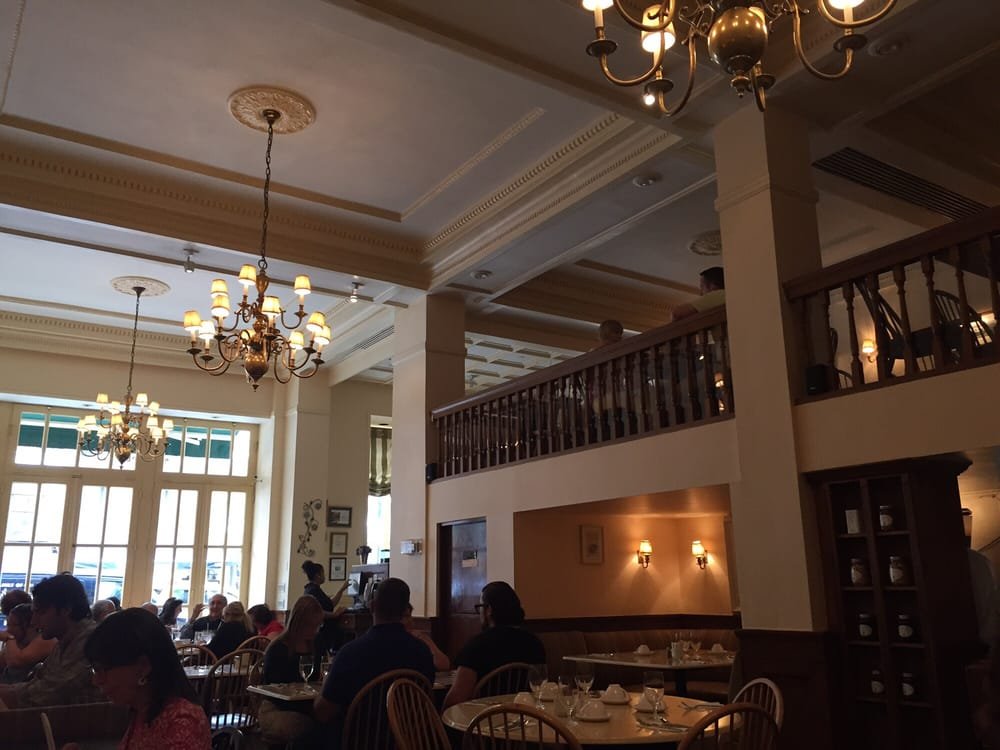
    A New York brunch institution, Sarabeth’s Madison Avenue location embodies classic Upper East Side dining. The bright, airy space features white-painted walls, warm wood furnishings, and large windows that create an upscale yet welcoming environment.

    The semi-formal atmosphere makes it suitable for special occasions, family gatherings, or romantic weekend brunches.

    Must-Try Menu Items

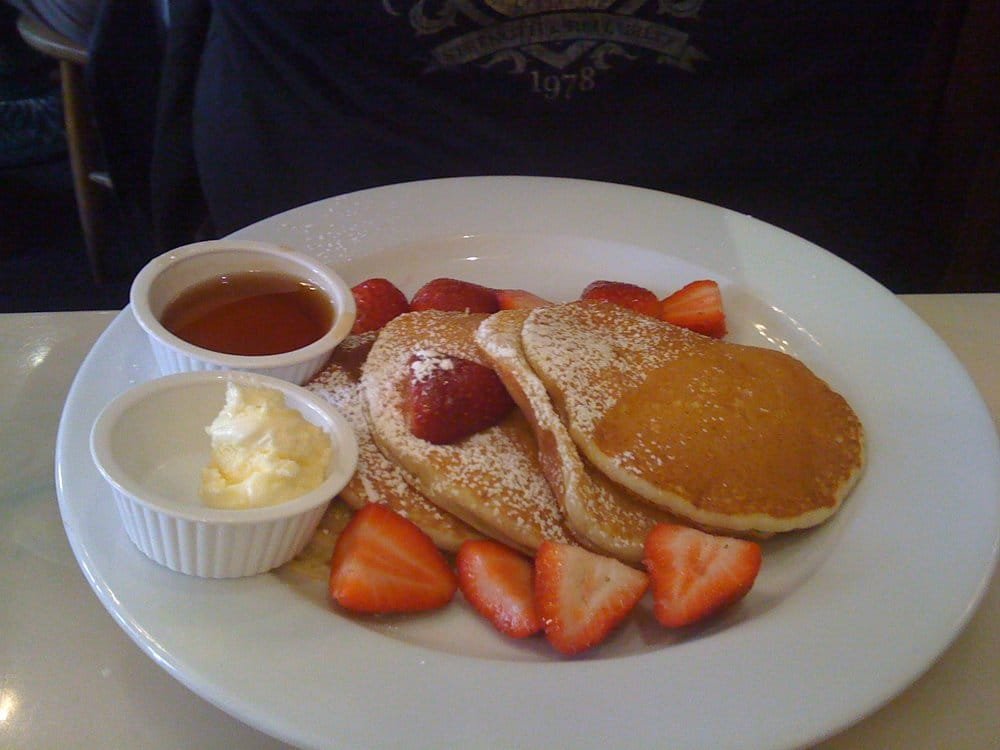
    • Lemon Ricotta Pancakes: Fluffy pancakes infused with ricotta cheese and fresh lemon zest
    • Classic Eggs Benedict: Traditional preparation with perfectly poached eggs and hollandaise sauce
    • Four Flowers Juice: Their signature fresh juice blend featuring four different fruits

    Why Visit

    Experience quintessential New York brunch culture at this beloved local favorite. Perfect for those seeking a more formal dining experience with impeccable service and classic American brunch fare.


    4. Paola’s Restaurant

    Address: 1295 Madison Ave, New York, NY 10128
    Distance from MET: 9-minute walk

    Atmosphere & Interior Design

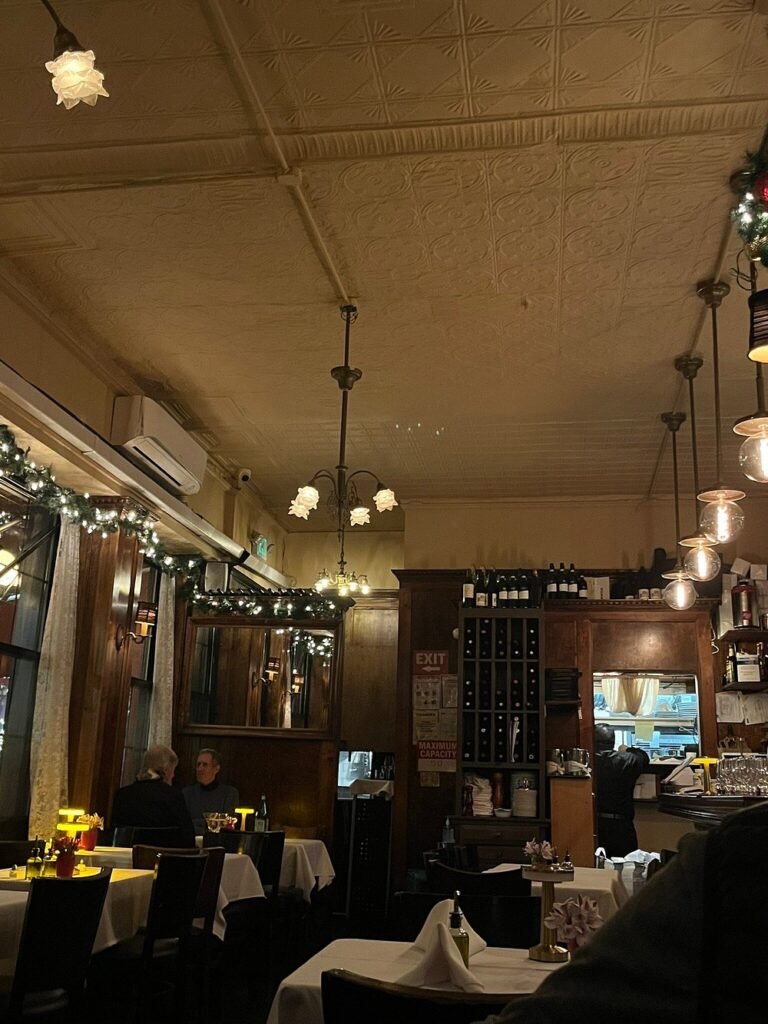
    This Italian brasserie brings authentic Italian breakfast traditions to the Upper East Side. The interior features exposed brick textures, classic lighting, and mid-tone wood elements that create a warm, sophisticated atmosphere.

    Generous table spacing ensures intimate conversations and a relaxed dining pace.

    Must-Try Menu Items

    • Truffle Scrambled Eggs: Silky scrambled eggs infused with delicate truffle flavor
    • Prosciutto Panini: Pressed sandwich with prosciutto, arugula, and cheese
    • Mimosa: Classic brunch cocktail to complement your meal

    Why Visit

    Choose Paola’s for a leisurely, upscale Italian brunch experience. Weekend reservations are strongly recommended due to popularity.


    Best Tacos in NYC: 10 Must-Try Spots From Street Trucks to Michelin Stars

    5. The Penrose

    Address: 1590 2nd Ave, New York, NY 10028
    Distance from MET: 12-minute walk

    Atmosphere & Interior Design

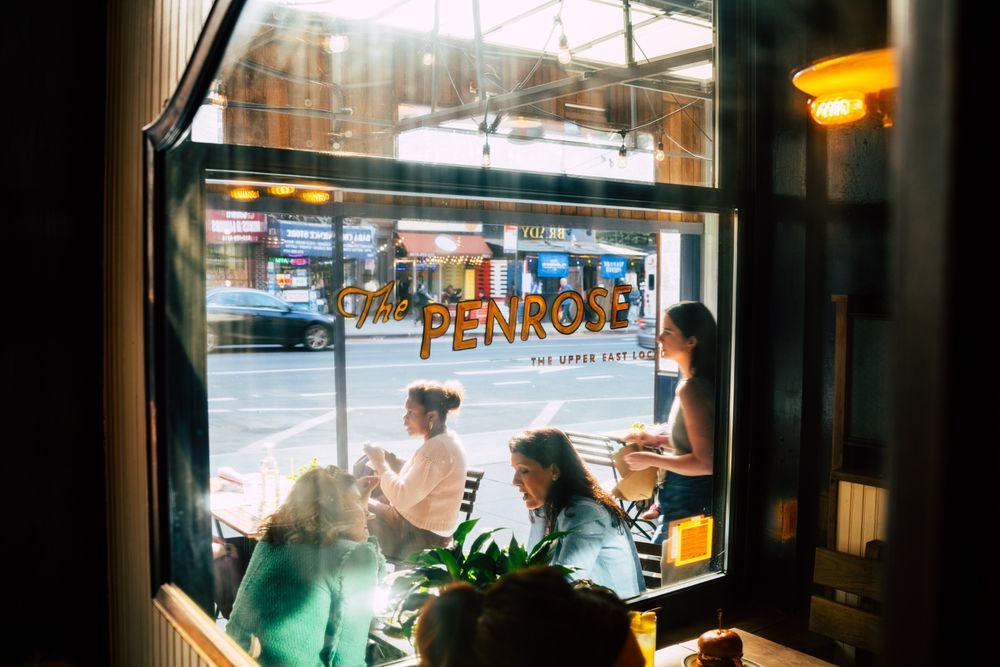
    This vintage-style New York pub brings industrial charm to brunch. Exposed brick walls, metal light fixtures, and retro decor create a casual, energetic environment that’s especially lively during weekend brunch hours.

    The laid-back atmosphere attracts a local crowd looking for hearty comfort food.

    Must-Try Menu Items

    • Brunch Burger: Handcrafted burger topped with a perfectly runny egg and thick beef patty
    • Cinnamon French Toast: Sweet, cinnamon-dusted toast served with fresh fruit
    • Bloody Mary: House-made cocktail that’s a brunch essential

    Why Visit

    Perfect for those wanting a casual, no-frills brunch with generous portions. The pub atmosphere offers a more relaxed alternative to formal dining.


    Planning Your MET Museum & Brunch Day

    The area surrounding the Metropolitan Museum of Art offers much more than world-class art collections. These five brunch destinations each provide unique culinary experiences that complement your museum visit perfectly.

    All five restaurants are within easy walking distance of the MET, making them convenient additions to your Upper East Side itinerary. Whether you prefer Australian cafe culture, Viennese elegance, classic New York brunch, Italian sophistication, or casual pub fare, you’ll find the perfect spot to fuel your art appreciation.

    Pro Tips:

    • Visit Café Sabarsky or Bluestone Lane for quick pre-museum meals
    • Save Sarabeth’s or Paola’s for leisurely post-museum brunches
    • Make weekend reservations in advance for popular spots
    • Consider the walking distance if visiting during extreme weather

    Combine art and culinary excellence for an unforgettable Upper East Side experience.


    The Ultimate Nolita Guide: Manhattan’s Hidden Gem Neighborhood

    6 Best Brunch Spots & Hip Cafes in SoHo, New York City

    The Ultimate Guide to New York Cheesecake: 11 Must-Try Spots From Classic Icons to Modern Favorites

    How to Skip Airport Lines: Your Complete Guide to Global Entry and TSA PreCheck

    How to Skip Airport Lines: Your Complete Guide to Global Entry and TSA PreCheck

    How to Skip Airport Lines: Your Complete Guide to Global Entry and TSA PreCheck

    Ever spent over an hour waiting in line at international arrivals? Or missed your flight because security screening took forever? You’re not alone. But here’s the good news: Global Entry and TSA PreCheck can change your entire airport experience.

    These trusted traveler programs let you breeze through customs and security while everyone else is stuck in endless queues. And yes, even non-U.S. citizens can apply. In this comprehensive guide, I’ll walk you through everything you need to know about eligibility, costs, application steps, and insider tips to maximize your membership.

    What is Global Entry?

    Global Entry is a U.S. Customs and Border Protection (CBP) program that provides expedited clearance for pre-approved, low-risk travelers upon arrival in the United States.

    How It Works

    Instead of waiting in traditional immigration lines, Global Entry members use automated kiosks to complete their customs declaration in minutes. You simply scan your passport, verify your fingerprints, answer a few questions on the touchscreen, and you’re done.

    Key Benefits

    • Skip the immigration lines – Use automated kiosks at major U.S. airports
    • TSA PreCheck included – Get expedited security screening at no extra cost
    • International agreements – Reciprocal expedited entry with select countries including Canada, Mexico, UK, Germany, Singapore, and South Korea
    • Valid for 5 years – One application covers you for half a decade
    • Family-friendly – Children of any age can enroll

    The biggest advantage? Global Entry automatically includes TSA PreCheck membership, giving you expedited processing on both ends of your journey.

    What is TSA PreCheck?

    TSA PreCheck is a separate program focused solely on speeding up security screening at U.S. airports.

    The Convenience Factor

    With TSA PreCheck, you can:

    • Keep your shoes on – No more hopping around on one foot
    • Leave laptops in bags – No unpacking required
    • Keep liquids and gels packed – As long as they meet the 3-1-1 rule
    • Leave belts and light jackets on – Dress for comfort, not convenience
    • Use dedicated lanes – Typically 5-10 minute wait times vs. 30+ minutes in standard lines

    TSA PreCheck is available at 200+ airports nationwide and works with 90+ airlines.

    Global Entry vs. TSA PreCheck: Which Should You Choose?

    Feature Global Entry TSA PreCheck
    Cost $100 (renewing members)$120 (new applicants) $78-$85
    Validity 5 years 5 years
    Expedited Entry ✅ Yes ❌ No
    Expedited Security ✅ Yes (includes TSA PreCheck) ✅ Yes
    International Benefits ✅ Yes ❌ No
    Best For International travelers Domestic-only travelers

    My Recommendation: If you travel internationally even once or twice a year, Global Entry is absolutely worth the extra $20-40. You get both programs for essentially the price of TSA PreCheck.

    Who Can Apply for Global Entry?

    Eligible Applicants

    U.S. Citizens and Permanent Residents

    Any U.S. citizen or lawful permanent resident (green card holder) can apply, regardless of age. Even infants can have Global Entry membership.

    Citizens of Trusted Countries

    If you’re a citizen of these countries, you can apply for Global Entry:

    • Mexico
    • Panama
    • Singapore
    • South Korea
    • Switzerland
    • Taiwan
    • United Kingdom
    • Germany
    • Netherlands
    • Croatia
    • Argentina

    Canadian Citizens

    Canadians can apply through the NEXUS program, which provides similar benefits and costs only $50.

    Non-immigrant Visa Holders

    If you’re legally residing in the U.S. on a non-immigrant visa (F-1, J-1, H-1B, L-1, O-1, etc.), you may be eligible. However, approval is more selective and depends on your specific circumstances.

    Who Cannot Apply

    You’ll likely be denied if you:

    • Have a criminal record
    • Have customs, immigration, or agriculture violations
    • Are under investigation by any government agency
    • Provided false information on a previous application
    • Are inadmissible to the U.S. under immigration regulations

    How Much Does It Cost?

    Global Entry Pricing

    • New Applications: $120 (non-refundable)
    • Renewals: $100 (available up to 1 year before expiration)
    • Children: Same price as adults – no discounts

    TSA PreCheck Pricing

    • Standard Application: $78-$85 (varies by enrollment provider)
    • Renewals: $70-$85
    • Children 12 and under: Can use TSA PreCheck lanes when traveling with enrolled parents (no separate membership needed)

    Money-Saving Tips

    1. Credit Card Reimbursements

    Many premium travel credit cards reimburse Global Entry or TSA PreCheck fees:

    • Chase Sapphire Reserve
    • American Express Platinum
    • Capital One Venture X
    • Citi Prestige
    • Bank of America Premium Rewards

    2. Renewal Discounts

    Current members pay $100 to renew Global Entry instead of $120 for new applications.

    3. Family Strategy

    If you have young children, consider that kids 12 and under can use TSA PreCheck lanes with enrolled parents. However, for international travel, each family member needs their own Global Entry membership.

    How to Apply for Global Entry: Step-by-Step

    Step 1: Create a Trusted Traveler Programs (TTP) Account

    1. Visit ttp.cbp.dhs.gov
    2. Click “Get Started” and create an account with login.gov
    3. Verify your email address

    Step 2: Complete the Application

    You’ll need to provide:

    • Personal information – Full name, date of birth, address, citizenship
    • Employment history – Last 5 years of employment
    • Residence history – Addresses for the past 5 years
    • Travel history – Countries visited in the last 5 years
    • Background questions – Criminal history, customs violations, etc.

    Pro Tip: Be thorough and accurate. Incomplete or inconsistent information is the #1 reason applications get delayed or denied.

    Step 3: Pay the $120 Fee

    Payment is processed immediately and is non-refundable, even if you’re denied. Accepted payment methods:

    • Credit card
    • Debit card
    • Electronic bank transfer

    Step 4: Wait for Conditional Approval

    The CBP conducts extensive background checks through:

    • FBI criminal databases
    • DHS immigration records
    • Interpol records
    • Customs and border crossing history

    Processing Time: Typically 2 weeks to 3 months, though it can take longer during peak application periods.

    What to Do While Waiting:

    • Check your application status regularly in your TTP account
    • Respond promptly to any requests for additional information
    • Keep your contact information updated

    Step 5: Schedule Your Interview

    Once conditionally approved, you’ll receive an email notification. Now you must schedule an in-person interview.

    Interview Locations:

    • Enrollment Centers – Over 100 locations at major airports, seaports, and land borders
    • Enrollment on Arrival – Available at select airports, allowing you to interview immediately after an international flight

    Find an enrollment center near you

    Booking Tips:

    • Appointments fill up quickly at popular locations
    • Consider less busy locations (often available same-week)
    • “Enrollment on Arrival” requires no appointment – just arrive and go

    Step 6: Attend Your Interview

    What to Bring:

    • Valid passport (or permanent resident card if applicable)
    • Conditional approval notification (print or digital)
    • Additional documents if requested (birth certificate, visa, etc.)

    Non-immigrant visa holders should also bring:

    • Current visa
    • I-94 arrival/departure record
    • Status documentation (I-20, DS-2019, I-797, etc.)

    What to Expect:

    The interview is straightforward and typically lasts 10-15 minutes. The officer will:

    • Verify your identity
    • Review your application details
    • Ask basic questions about your travel history
    • Take your fingerprints and photo
    • Explain program rules and responsibilities

    Interview Questions You Might Hear:

    • Why do you want Global Entry?
    • How often do you travel internationally?
    • Have you ever had issues with customs or immigration?
    • Where do you typically travel?
    • What do you do for work?

    Important: You must complete your interview within 1 year of conditional approval, or your application expires.

    Step 7: Receive Final Approval

    Most applicants are approved immediately after the interview. You’ll receive:

    • Global Entry membership card (arrives by mail in 7-10 days)
    • Known Traveler Number (KTN) – Available immediately in your TTP account
    • PASSID number – For using Global Entry kiosks

    Start Using It Right Away: You don’t need to wait for your physical card. Your KTN works for TSA PreCheck immediately, and you can use Global Entry kiosks with just your passport.

    How to Apply for TSA PreCheck Only

    If you rarely travel internationally, TSA PreCheck alone might be sufficient.

    Application Process

    Step 1: Pre-Enroll Online

    • Visit tsa.gov/precheck
    • Complete the pre-enrollment form
    • Select an enrollment provider (IDEMIA, CLEAR, Telos, or Alclear)

    Step 2: Schedule an Appointment

    Choose from 500+ enrollment centers nationwide, often located at:

    • Airports
    • UPS stores
    • Staples office supply stores
    • IdentoGO centers

    Step 3: Complete In-Person Enrollment

    • Bring government-issued ID and citizenship documentation
    • Provide fingerprints
    • Have a brief identity verification
    • Pay $78-$85 fee

    Step 4: Receive Your KTN

    Most applicants receive approval within 3-5 business days via email.

    Using Your Global Entry and TSA PreCheck

    How to Use Global Entry Kiosks

    Upon Arrival in the U.S.:

    1. Look for Global Entry kiosks in the customs/immigration area
    2. Scan your passport or permanent resident card
    3. Place your fingerprints on the reader
    4. Answer customs declaration questions on the touchscreen
    5. Take a photo
    6. Collect your receipt
    7. Proceed to exit or baggage claim

    Average Time: 2-5 minutes vs. 30-60+ minutes in regular lines

    Available At: 50+ U.S. airports including JFK, LAX, Miami, Atlanta, Chicago O’Hare, and more

    How to Use TSA PreCheck

    Before Your Flight:

    1. Add your Known Traveler Number (KTN) to:
      • Airline frequent flyer profiles
      • Individual flight reservations
    2. Check your boarding pass for “TSA PreCheck” or “TSA PRE✓” indicator

    At Security:

    1. Look for TSA PreCheck lanes (usually marked with blue signs)
    2. Show your boarding pass and ID
    3. Proceed through security without removing:
      • Shoes
      • Belt
      • Light jacket
      • Laptop (keep in bag)
      • Liquids/gels (keep in bag, following 3-1-1 rules)
    4. Walk through standard metal detector

    Average Time: 5-10 minutes vs. 20-45 minutes in standard lanes

    Pro Tips for Maximum Benefits

    1. Always Add Your KTN

    Add your Known Traveler Number to your airline profiles permanently. This ensures TSA PreCheck appears automatically on all future bookings.

    2. Arrive Earlier for International Flights

    Even with Global Entry, arrive at least 2-3 hours early for international departures. Global Entry only helps with arrivals, not departures.

    3. Check Which Airlines Participate

    While 90+ airlines accept TSA PreCheck, not all international carriers participate. Check before booking.

    4. Download the Mobile Passport App

    For even faster entry, use the Mobile Passport Control app in conjunction with Global Entry.

    5. Keep Your Passport Updated

    If your passport number changes, update it in your TTP account immediately. Failure to do so can result in delays at kiosks.

    Common Reasons for Denial

    Understanding why applications get rejected can help you avoid issues:

    Criminal History

    • Any felony conviction
    • Recent misdemeanors (especially related to theft, fraud, or violence)
    • Outstanding warrants
    • Pending criminal charges

    Immigration Violations

    • Overstayed previous visas
    • Worked without authorization
    • Made misrepresentations to immigration officials
    • Previous removal or deportation orders

    Customs Violations

    • Failed to declare goods
    • Attempted to bring prohibited items
    • Agricultural violations
    • Currency violations (failed to declare $10,000+)

    False Information

    • Inaccurate employment history
    • Omitted travel to certain countries
    • Failed to disclose name changes
    • Misrepresented criminal history

    Other Disqualifying Factors

    • Active investigation by law enforcement
    • Suspected involvement in terrorism or smuggling
    • Previously denied Global Entry with no changed circumstances
    • Unstable immigration status (for non-citizens)

    What to Do If You’re Denied

    If your application is denied, you’ll receive a letter explaining the reason.

    Your Options:

    1. Request Reconsideration

    If you believe the denial was in error:

    • Log into your TTP account
    • Submit a request for reconsideration
    • Provide supporting documentation
    • Explain any circumstances

    2. Appeal Through the Ombudsman

    If reconsideration is denied, you can file an appeal through the DHS Traveler Redress Inquiry Program (TRIP).

    3. Reapply Later

    If circumstances have changed (criminal record expunged, time has passed, etc.), you can submit a new application with the $120 fee.

    Important: Fees are never refunded, even if you’re denied.

    Renewal Process

    Global Entry memberships are valid for 5 years. You can renew up to 1 year before expiration.

    How to Renew

    Step 1: Log Into TTP Account

    You’ll receive a reminder email when eligible for renewal.

    Step 2: Submit Renewal Application

    • Update any changed information
    • Answer new background questions
    • Pay $100 renewal fee

    Step 3: Interview Waiver (Maybe)

    Many renewals qualify for “interview waiver,” meaning no in-person visit required. You’ll be notified if this applies to you.

    Step 4: Conditional Approval

    If interview is waived, you’re approved immediately. Otherwise, schedule an interview appointment.

    Pro Tip: Renew as early as possible. If approved, your new 5-year period starts from the expiration date of your current membership, not from approval date, so you don’t lose any time.

    Frequently Asked Questions

    General Questions

    Q: Is Global Entry worth it?

    Absolutely, especially if you travel internationally 1-2+ times per year. The time savings alone justify the cost. Plus, with TSA PreCheck included, you save time on domestic travel too.

    Q: Can I use Global Entry at any airport?

    Global Entry kiosks are available at 50+ U.S. airports. Check the CBP website for the complete list.

    Q: Does Global Entry work when leaving the U.S.?

    No, Global Entry only expedites re-entry into the U.S. However, the included TSA PreCheck helps with departure security screening.

    Q: Can my family share my membership?

    No, each person needs their own Global Entry membership. However, children under 12 traveling with an enrolled parent can use TSA PreCheck lanes.

    Application Questions

    Q: How long does the whole process take?

    From application to final approval, expect 2-4 months. During peak periods, it can take longer.

    Q: Can I schedule my interview before conditional approval?

    No, you must receive conditional approval before scheduling an interview.

    Q: What if I can’t make my interview appointment?

    You can reschedule or cancel appointments in your TTP account. There’s no penalty, but you may need to wait for the next available slot.

    Q: Can I do my interview at any location?

    Yes, once conditionally approved, you can schedule at any enrollment center, regardless of where you live or usually travel.

    Usage Questions

    Q: What if TSA PreCheck doesn’t appear on my boarding pass?

    This happens occasionally due to:

    • Random security selection
    • Booking through third-party sites (always add KTN directly with airline)
    • Flying on an airline that doesn’t participate
    • Technical issues

    Q: Can I bring guests through TSA PreCheck with me?

    Children 12 and under can accompany enrolled parents. Children 13-17 may be allowed but it’s not guaranteed. Adults must have their own membership.

    Q: What if the Global Entry kiosk doesn’t recognize me?

    See a CBP officer for manual processing. This doesn’t affect your membership but may indicate:

    • Need to update passport info in TTP account
    • System maintenance
    • Biometric reading issue

    Q: Does Global Entry work at land borders?

    Yes! You can use NEXUS/SENTRI lanes at land border crossings with Canada and Mexico if you’re in a vehicle.

    Problem-Solving Questions

    Q: My application has been pending for months. What should I do?

    Contact CBP through your TTP account message center. Delays often occur due to:

    • Extensive travel history requiring verification
    • Common name requiring additional vetting
    • Foreign addresses needing verification
    • Background check complications

    Q: I made a mistake on my application. Can I fix it?

    Yes, log into your TTP account and update the information. For significant changes, you may need to contact CBP directly.

    Q: Will a DUI disqualify me?

    It depends on:

    • How recent (within last 10 years is problematic)
    • Severity
    • Whether it’s your only offense
    • Whether you completed all requirements

    Recent DUIs typically result in denial.

    Alternatives and Related Programs

    NEXUS (U.S.-Canada Border Crossings)

    • Cost: $50 for 5 years
    • Best for: Frequent travelers between U.S. and Canada
    • Benefits: Expedited processing at land, air, and sea borders
    • Bonus: Includes Global Entry and TSA PreCheck

    SENTRI (U.S.-Mexico Border Crossings)

    • Cost: $122.25 for 5 years
    • Best for: Frequent travelers between U.S. and Mexico
    • Benefits: Dedicated SENTRI lanes at land border crossings
    • Bonus: Includes Global Entry and TSA PreCheck

    CLEAR

    • Cost: $189/year
    • Best for: Frequent flyers who want the fastest security experience
    • Benefits: Biometric verification to skip ID check lines
    • Note: Pairs perfectly with TSA PreCheck – CLEAR gets you to the front, TSA PreCheck speeds up screening

    Mobile Passport Control

    • Cost: Free
    • Best for: Occasional international travelers
    • Benefits: Faster customs processing via smartphone app
    • Note: Not as fast as Global Entry but free and easy

    Final Thoughts: Is It Worth It?

    Let me be clear: if you travel internationally even once or twice a year, Global Entry is absolutely worth the investment.

    Here’s the math:

    • Cost: $120 for 5 years = $24/year = $2/month
    • Time saved per international trip: 30-60 minutes at customs
    • Time saved per domestic trip: 15-30 minutes at security
    • Stress reduction: Priceless

    After using Global Entry for years, I can’t imagine flying without it. The peace of mind knowing you’ll breeze through customs while jet-lagged travelers wait in line for an hour is worth far more than $2 per month.

    My recommendation:

    • Travel internationally 2+ times/year → Get Global Entry
    • Only travel domestically → Get TSA PreCheck
    • Frequently cross Canadian border → Get NEXUS (includes Global Entry)
    • Want the ultimate speed → Get Global Entry + CLEAR

    Don’t wait until peak travel season when appointment wait times balloon to months. Apply now, and your next trip will be exponentially less stressful from the moment you arrive at the airport.


    Resources and Links

    Official Application Sites:

    Why I Chose to Slow Travel in NYC

    New York City moves fast. It always has. From the moment you step into Manhattan, you’re swept into its rhythm—the blaring horns, the flashing lights, the hurried footsteps. The energy is intoxicating, but also, at times, overwhelming.

    When I first arrived in New York, I was determined to see it all. I planned each day with military precision: Times Square in the morning, Central Park in the afternoon, MoMA before sunset, and perhaps a rooftop bar after dinner. I checked off landmarks like items on a grocery list, yet found myself oddly unfulfilled. Despite all the sights I had “seen,” something was missing.

    It took me a while to realize what that was: presence. I wasn’t really experiencing New York—I was consuming it.

    Slowing Down: A Personal Turning Point

    One rainy Thursday morning changed everything.

    My original plan had been to visit the Top of the Rock, but the weather made that impossible. Instead, I wandered aimlessly into a quiet café in the West Village. I ordered a cappuccino, took out a book I had been meaning to read for weeks, and sat by the window. Outside, people hurried past with umbrellas, but inside, time seemed to pause.

    That was the first time I really felt the city. Not as a list of destinations, but as a living, breathing place. That’s when I began to question whether the “best” way to see New York was actually to not rush at all.

    What Is Slow Travel?

    Slow travel isn’t just about taking things easy. It’s about being intentional—moving at a pace that allows you to notice, reflect, and connect.

    It means choosing one neighborhood over ten attractions. It means spending an entire morning on a park bench rather than squeezing in three museums. It means taking the long walk instead of the fast subway ride. It’s about depth over speed, presence over productivity.

    In a city like New York—so often described as loud, intense, and perpetually in motion—this approach may seem counterintuitive. But that’s precisely what makes it so rewarding. Amid the chaos, New York has countless pockets of stillness. You just have to slow down enough to find them.

    Moments That Mattered More

    Some of my most cherished memories in NYC have come from doing “nothing special.”

    • Reading under the trees in Bryant Park on a weekday morning
    • Watching the golden hour bathe brownstones in the East Village
    • Stumbling upon a jazz trio playing on a quiet corner of Washington Square
    • Having a long, aimless conversation with a barista in Fort Greene

    None of these moments were on a list. I didn’t find them in a guidebook. They happened because I gave the city permission to surprise me.

    What Slow Travel NYC Is About

    This blog isn’t just a travel guide—it’s a philosophy in motion. It’s about discovering New York not through the eyes of a tourist, but through the heart of a curious wanderer.

    Here, I’ll share:

    • Walkable routes through quiet neighborhoods like Carroll Gardens and Cobble Hill
    • Cafés where time seems to stop and reflection feels natural
    • Stories—not just from places, but from how they made me feel

    I believe that travel can be healing. Especially in a place like New York, where slowing down feels like an act of resistance. Through these stories and spaces, I hope to offer not just tips, but a different way of being in the city.

    Who This Blog Is For

    Slow Travel NYC is for anyone who’s ever felt that rushing through a place meant missing something real. It’s for the traveler who lingers in bookstores, who finds comfort in silence, who chooses a side street over the main road.

    Whether it’s your first visit to New York or your fiftieth, this blog is for you—if you’re willing to walk a little slower, stay a little longer, and feel a little deeper.

    A Final Thought

    “Sometimes, the most meaningful journeys happen just a few blocks from where you are—if you’re moving slow enough to notice.”

    Thank you for being here. I hope these pages inspire you to experience New York in a way that leaves space for wonder, reflection, and real connection.

    Welcome to Slow Travel NYC. Let’s walk the city—slowly.