
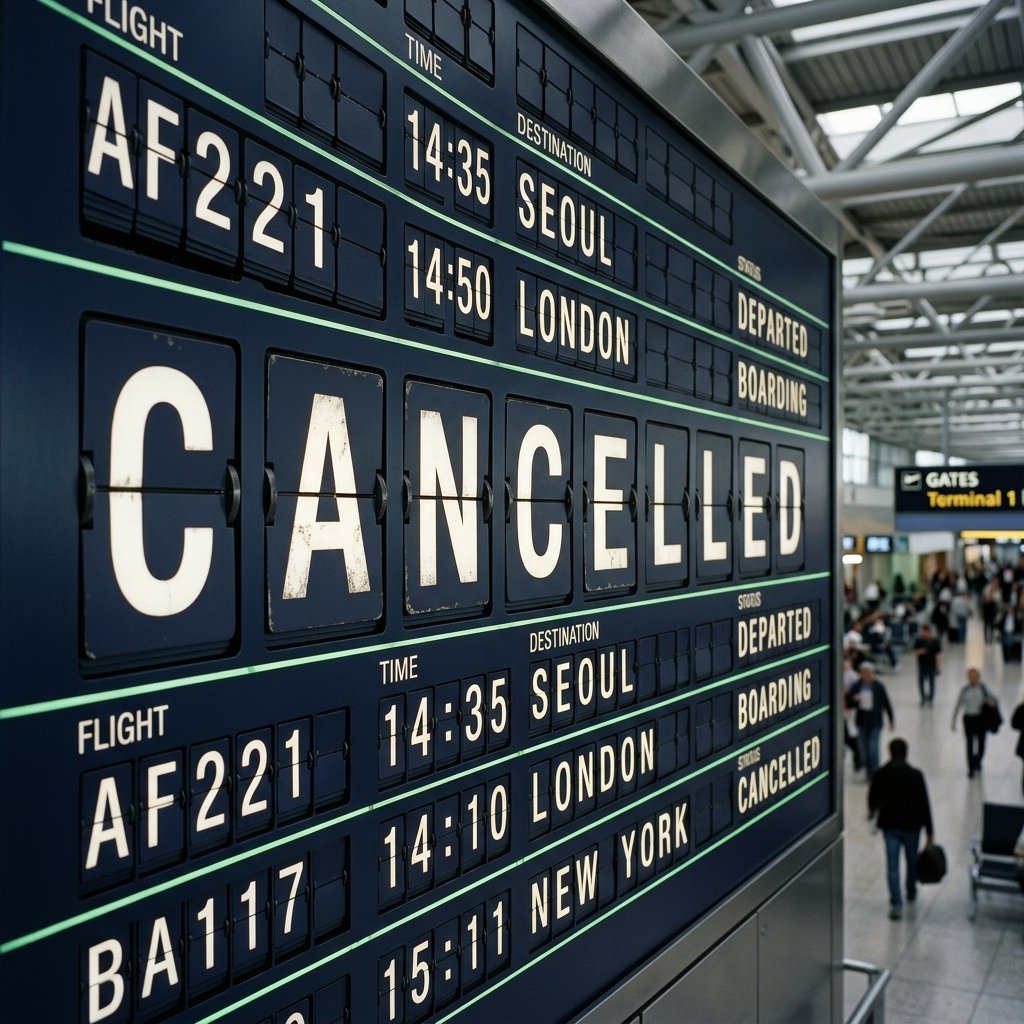
New York City remains one of the most exciting destinations on earth — but getting here has gotten rockier. Between an ongoing air traffic controller shortage, summer thunderstorms, and winter nor’easters, JFK, Newark (EWR), and LaGuardia (LGA) have had a rough stretch in 2026. If a cancellation forces you to book a last-minute hotel room, or your suitcase goes missing right before your Broadway curtain, out-of-pocket costs can pile up fast. That’s exactly why more travelers are looking into NYC trip delay insurance before they even leave for the airport, and why understanding flight cancellation hotel reimbursement rules can save you hundreds of dollars.
This guide walks through what’s actually happening at New York’s airports this year, what airlines and hotels are legally required to cover, and how the right insurance policy closes the gaps.
Why NYC Airports Are So Delay-Prone Right Now
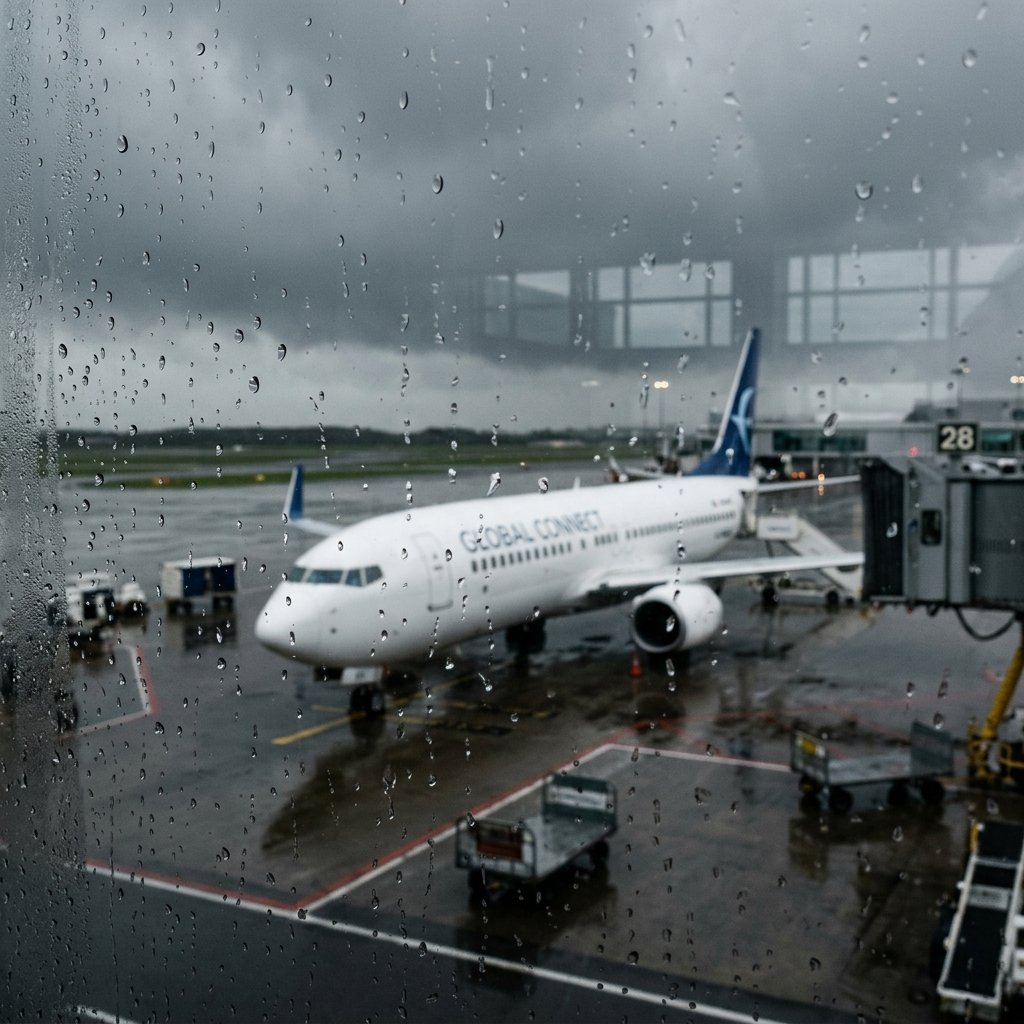
New York’s airspace has always been congested, but 2026 has been especially turbulent. The FAA is currently short roughly 3,000 fully certified air traffic controllers compared to its staffing targets, and a new controller needs three to five years to reach full certification. The New York TRACON — the radar facility that sequences traffic for Newark, JFK, and LaGuardia — is among the most strained in the country, so a single bad staffing day there tends to ripple across all three airports and beyond.
The result has been a summer of ground stops. In late July 2026, the FAA declared simultaneous ground stops at Newark, JFK, and LaGuardia, with JFK reporting the longest average ground delay at 149 minutes and LaGuardia seeing roughly 35% of its flights delayed that day. Just days later, nearly 800 flights across the three New York airports were cancelled in a single morning as severe thunderstorms combined with the existing controller shortage, with hundreds more delayed.
Newark has been hit hardest. The FAA has extended reduced-capacity operations at Newark through October 2026, capping arrivals and departures at 72 flights per hour — still below pre-2025 levels — specifically because of the ongoing controller shortage. If you’re flying through any of these three airports, treat a delay or cancellation as a “when,” not an “if.” You can check live ground stops and delay advisories on the FAA’s National Airspace System status page before you head to the airport.
Your Airline Refund Rights in 2026 (DOT Rules Explained)
The good news: passengers have stronger federal protections than ever. Under the U.S. Department of Transportation’s final rule on automatic refunds, airlines must promptly issue passengers a cash refund — without requiring a request — when a flight is cancelled or significantly changed and the passenger doesn’t accept the rebooking or credit offered. You can read the full rule directly on the DOT’s airline consumer protection page.
What counts as “significant”? The DOT defines a significant delay as three or more hours for domestic flights and six or more hours for international flights. Once that threshold is hit, you’re entitled to your money back — not just a voucher — if you decline the alternative flight. Airlines must process these refunds within 7 business days for card payments and 20 calendar days for cash payments.
A few practical notes for travelers heading in or out of NYC:
- Don’t accept a voucher under pressure. If a controllable cancellation happens at the gate, you’re likely owed a cash refund plus meal and hotel coverage from the airline — a voucher trade isn’t automatic or required.
- Screenshot everything. A dated screenshot of the departure board or app status update is useful evidence if an airline’s system misclassifies your refund eligibility.
- Know the current exception. The DOT has temporarily paused enforcement of the refund rule for flights that are simply renumbered — as opposed to genuinely cancelled or delayed — through June 30, 2026, following requests tied to airline mergers. If your flight number changed but your departure time didn’t, that specific scenario may not automatically trigger a refund.
Lost or Delayed Baggage at JFK, EWR & LGA: What You’re Actually Owed
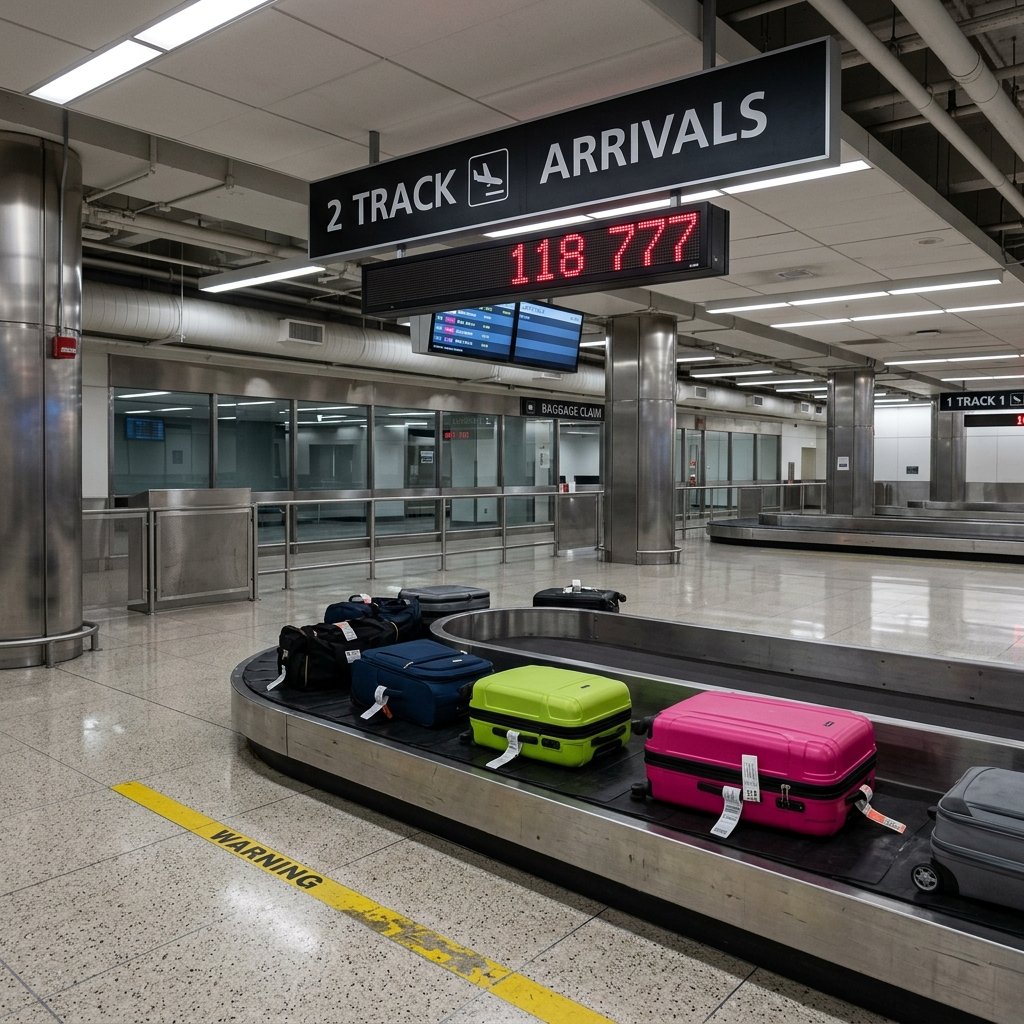
Baggage claim anxiety is real at busy hubs like JFK and Newark, especially after long-haul international arrivals. Here’s what the rules actually say:
- File a Property Irregularity Report (PIR) before you leave the airport. Never walk away from baggage claim without this report and its tracking reference number — it’s the paper trail your entire claim depends on.
- Your bag fee gets refunded automatically. If your checked bag is delayed more than 12 hours after a domestic arrival (15–30 hours for international flights, depending on route length) and you’ve filed a mishandled-baggage report, the airline must refund what you paid to check it — this is part of the same automatic refund rule.
- Lost or damaged bag value is a separate claim. This falls under DOT liability limits rather than the refund rule: for domestic flights, the maximum airline liability is $3,800 per passenger in 2026, and for international flights under the Montreal Convention it’s roughly 1,288 SDR — around $1,700–$1,800 depending on the exchange rate.
- Keep every receipt for emergency purchases. Most airlines will reimburse reasonable interim purchases (toiletries, a change of clothes, chargers) once your bag is confirmed delayed — but only against itemized receipts, not estimates.
NYC Hotel Cancellation Fees: Why “Non-Refundable” Gets Expensive Fast

Manhattan accommodation is one of the biggest line items in any New York trip budget, and hotels here are strict about cancellation windows.
- The 24–48 hour cliff. Most NYC hotels charge a full night’s penalty — sometimes the entire non-refundable rate — for cancellations made within 24 to 48 hours of check-in.
- A missed first night can cancel your whole stay. If your flight is cancelled and you miss check-in, some properties mark the reservation a “no-show” and release the remaining nights to other guests, even if you’ve already paid.
- Call the hotel the moment you know you’ll be delayed. A quick call to hold the room for late arrival is free and can prevent an automatic cancellation from ever being triggered.
This is exactly the gap that flight cancellation hotel reimbursement through travel insurance is designed to fill — airlines aren’t responsible for your prepaid hotel losses, and hotels rarely waive fees for weather they didn’t cause.
How NYC Trip Delay Insurance Covers What Airlines and Hotels Won’t
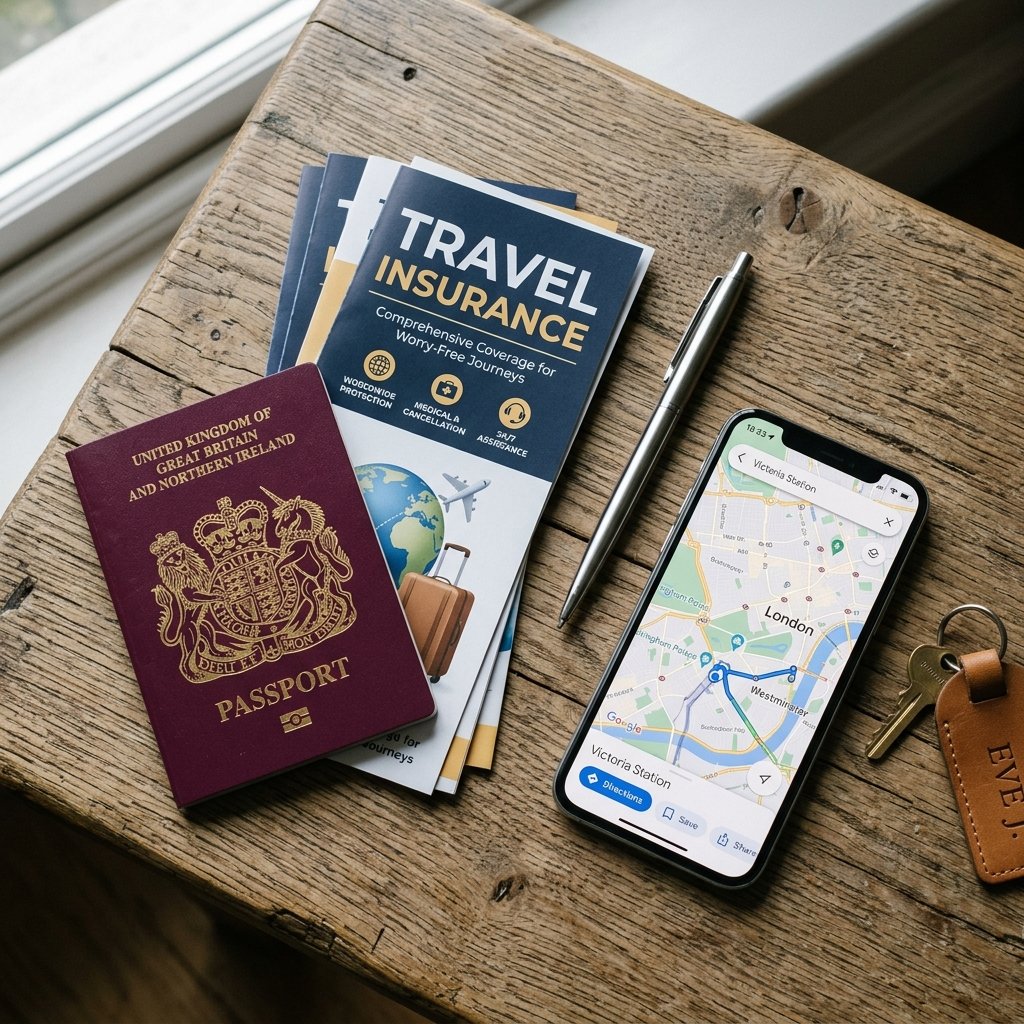
Airline refunds get you your ticket money back. Hotel policies are rigid. Neither one reimburses the extra hotel night, the meal costs, or the non-refundable Broadway tickets you lose when your travel plans unravel mid-trip. That’s the specific job of trip cancellation and delay insurance. When comparing policies for a New York trip, look for four components:
- Trip Cancellation Coverage — reimburses non-refundable prepaid costs (hotels, tours, show tickets) if you have to cancel for a covered reason like illness, injury, or a named severe weather event.
- Trip Delay Protection — this is where flight cancellation hotel reimbursement actually happens. It kicks in after a set delay window (commonly 6–12 hours) and covers emergency hotel nights, meals, and local transit, typically up to $200–$500 per day.
- Baggage Delay & Loss Allowance — pays out immediately so you can buy essentials while the airline locates your bag, on top of whatever the airline eventually reimburses.
- Missed Connection Coverage — pays for alternative transportation if a delay causes you to miss a connecting flight, tour departure, or cruise embarkation.
Given how frequently ground stops have hit Newark, JFK, and LaGuardia this year, a policy with a shorter delay-trigger window (6 hours rather than 12) is worth the small premium difference for New York-bound travelers.
Final Advice for NYC Travelers
Disruptions are part of flying into one of the busiest airspaces on the planet — but losing money on top of losing time doesn’t have to be part of the deal. Before your next NYC trip:
- Check whether your fare or hotel rate is truly non-refundable, and note the exact cancellation cutoff.
- Save digital copies of every boarding pass, PIR, and receipt the moment you get them.
- File for your automatic DOT refund promptly if a flight is cancelled or significantly delayed — don’t assume the airline will do it without a nudge, even though it’s legally required to.
- Buy NYC trip delay insurance before departure, not after the ground stop is announced — most policies won’t cover a disruption that’s already in progress.
Between stronger federal refund rules and the right insurance policy layered on top, you can enjoy everything New York has to offer without a canceled flight wiping out your budget.
This article is for general informational purposes and isn’t legal or financial advice. Always confirm current terms directly with your airline, hotel, and insurance provider before booking.
Related posts you might enjoy