


New York City delivers world-class food, Broadway lights, and miles of sights to explore on foot — which also means blisters, stomach bugs, and the occasional twisted ankle on a SoHo cobblestone are part of the deal. Getting sick in NYC as a tourist is more common than most visitors expect, and because the United States has no universal healthcare system, a single visit to the wrong facility can leave you with a bill in the thousands.
This guide breaks down what NYC medical care actually costs in 2026, when to choose urgent care over the ER, and why travel medical insurance for USA visitors has become one of the most important items on any international traveler’s pre-trip checklist.
The Real Cost of Getting Sick in NYC as a Tourist
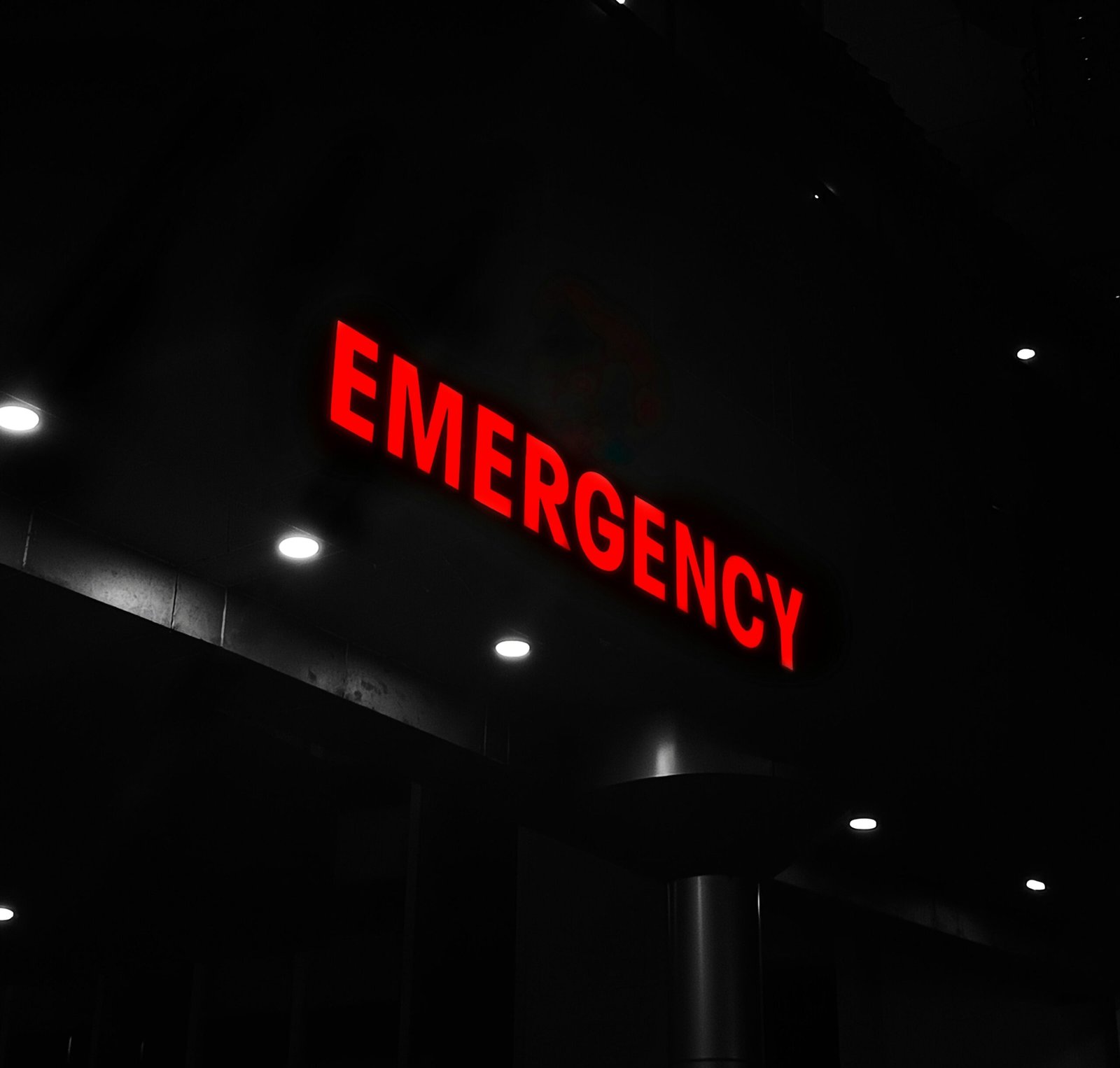
If you don’t hold a US health insurance plan, you’re billed directly and in full — no negotiated “insurance rate,” just the hospital’s list price.
- Emergency Room visits: Recent 2026 pricing analyses put the average uninsured ER visit somewhere between roughly $1,500 and $3,500 for a non-critical issue, with facility fees alone starting around $150–$3,000 before any actual treatment is added. Serious conditions requiring extensive imaging or surgery can push totals to $10,000–$20,000 or more. New York specifically tends to run on the higher end of the national range compared with lower-cost states. Uninsured patients in New York can expect roughly $600 to $3,000 for straightforward visits like a sprained ankle or a minor cut needing stitches, with complex cases involving imaging or specialist consultations reaching $5,000 to $10,000.
- Ambulance transport: A 911-dispatched ambulance in NYC is billed separately from any hospital charges and commonly runs $1,200–$2,500.
- Urgent care centers: A far more affordable option for non-emergencies. A basic self-pay visit at a chain like CityMD typically falls between $150 and $200 for a standard consultation, though additional tests can raise that total.
- Prescription drugs: Without a US pharmacy insurance plan, medication prices are among the highest in the developed world, so even routine antibiotics or allergy medication can be a surprise expense.
The takeaway: getting sick in NYC as a tourist isn’t just inconvenient — it’s a real financial exposure unless you’ve planned ahead.
Urgent Care vs. Emergency Room: Where Tourists Should Actually Go
Choosing the right facility is the single biggest lever you have over your final bill.
Urgent Care Centers (Non-Life-Threatening Issues)
For the flu, food poisoning, minor cuts, sprains, or a bad cold, skip the hospital entirely and head to an urgent care clinic. Chains such as CityMD, Mount Sinai Urgent Care, and Parkway Urgent Care are scattered throughout Manhattan and Brooklyn, accept walk-ins with no appointment, and typically move much faster than an ER. As noted above, a basic visit without insurance generally lands in the $150–$250 range, covering the office visit and minor procedures like a rapid flu or strep test, though X-rays or lab work add extra charges.
Emergency Rooms (Severe, Life-Threatening Emergencies Only)
Reserve the ER for genuine emergencies: chest pain, difficulty breathing, major trauma, stroke symptoms, or severe allergic reactions. Major NYC hospitals — NewYork-Presbyterian, Mount Sinai Hospital, and NYU Langone — provide excellent emergency care, but ERs triage by severity, so a non-critical case can mean a 4–8 hour wait before you’re even seen. US law (EMTALA) requires hospitals to stabilize anyone in a genuine emergency regardless of insurance status, but that guarantee covers stabilization only — it does not mean the visit is free.
If you want to sanity-check a price before you’re billed, the FAIR Health Consumer cost estimator lets you look up typical charges for a given procedure by ZIP code.
Why Travel Medical Insurance for USA Visitors Is Non-Negotiable
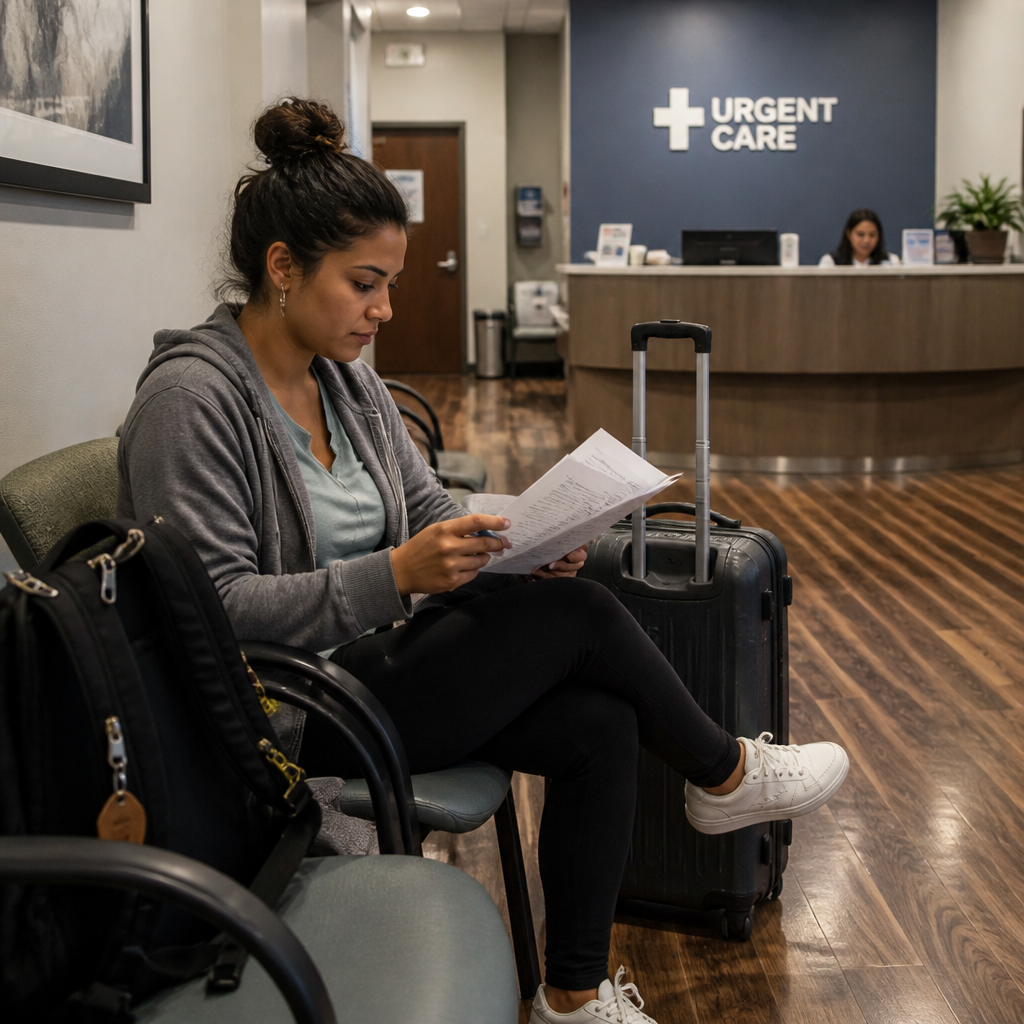
Given the numbers above, arriving in New York without coverage is a genuine financial gamble. A dedicated international visitor medical plan purchased before departure is the single most effective way to protect yourself. When comparing policies, look for:
- A direct-billing PPO network: Plans that partner with major US networks (UnitedHealthcare, Blue Cross Blue Shield, etc.) let the clinic bill your insurer directly, so you’re not fronting thousands of dollars at the counter.
- Emergency medical evacuation: Covers specialized transport home if you need care your travel destination can’t provide.
- Prescription coverage: Reimburses medication costs tied to a covered illness or injury.
- A 24/7 English-language assistance line: A hotline that can immediately point you to the nearest in-network urgent care center.
For a baseline understanding of what US visas and travel generally expect regarding coverage, the US Department of State’s travel insurance guidance and the CDC’s travel health page are both useful starting points before you compare specific policies. Since the No Surprises Act mainly protects people who already have US insurance from surprise out-of-network billing, it’s a reminder — via CMS’s official summary — that uninsured international visitors don’t get the same automatic protection, which is exactly why standalone travel medical insurance for USA visitors matters so much.
Emergency Action Plan: What to Do If You Get Sick in NYC as a Tourist

If symptoms hit mid-trip, work through these steps in order:
- Call your insurance provider’s 24/7 hotline. Confirm which local clinics are in-network before you walk in anywhere.
- Search for the nearest urgent care. Open Google Maps and search “urgent care near me” — in Manhattan or Brooklyn, you’re rarely more than a few blocks from one.
- Bring your passport and insurance card. Carry both the physical passport and a printed or digital copy of your insurance certificate to every appointment.
- Keep every itemized receipt. If you have to pay upfront, request an official itemized bill (sometimes called a “superbill”) so you can submit it for reimbursement later.
- Escalate to the ER only if it’s truly severe. Chest pain, breathing trouble, major trauma, or a severe allergic reaction warrant a hospital, not a clinic.
Final Thoughts
Nobody plans on getting sick in NYC as a tourist, but a little preparation changes everything. Knowing the real cost difference between urgent care and the ER, and locking in solid travel medical insurance for USA visitors before you fly, means one bad afternoon doesn’t turn into a five-figure bill. Sort out coverage before departure, and the rest of your New York trip can stay focused on the food, the skyline, and the shows — not a hospital waiting room.
Related posts you might enjoy:
One thought on “Getting Sick in NYC as a Tourist: Why Travel Medical Insurance for USA Visitors Is a Must”
Comments are closed.