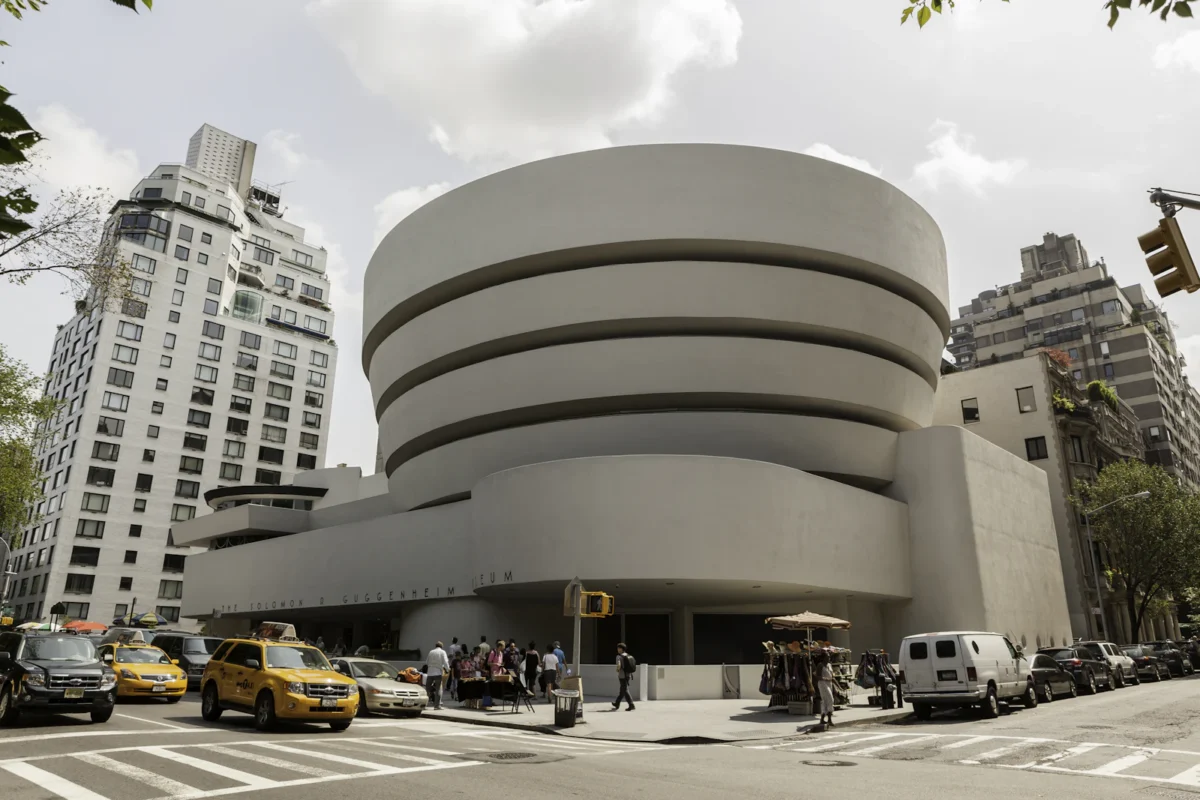
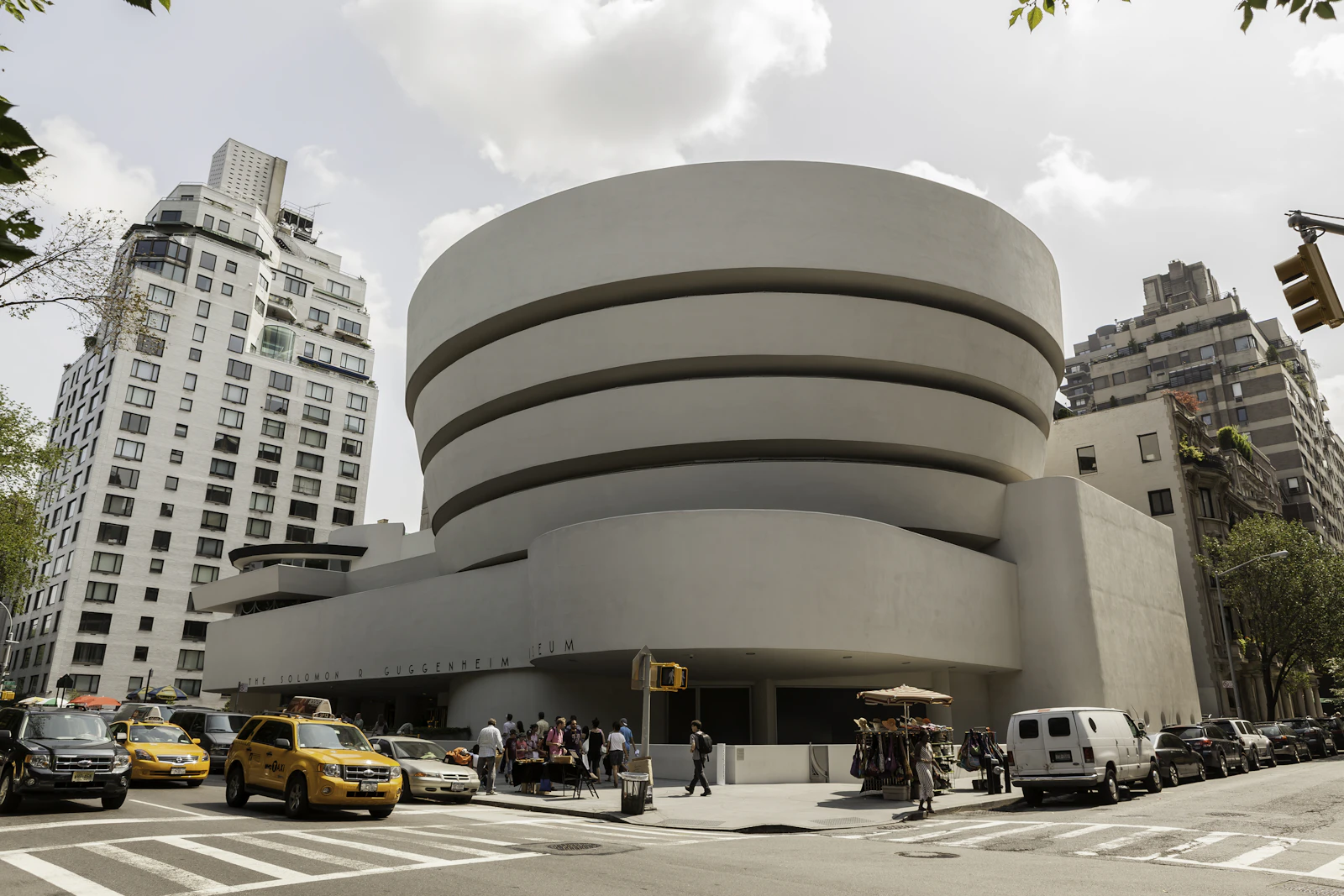
The centerpiece of the Do Ho Suh Guggenheim exhibition is a New York apartment you can walk through. Two apartments, in fact, re-created at one-to-one scale in a work dated 2014–26, with surfaces the artist covered in paper and rubbed by hand. The show, I dream in another language | Do Ho Suh, opens on Friday, February 19, 2027 and closes Sunday, August 1.
It has not opened yet, so I can’t tell you what it feels like inside. What I can do is plan the visit the way I plan any museum day: fewer hours of walking, more minutes of standing still. This guide is for anyone planning a Do Ho Suh exhibition NYC visit. It covers what the museum has confirmed, the practical numbers, and a slow loop around the Upper East Side.
Prices, hours and policies below are as of November 2026, taken from the Guggenheim’s own pages. Check them again before you go, because the museum may change them before February.
Quick Answer: Key Takeaways
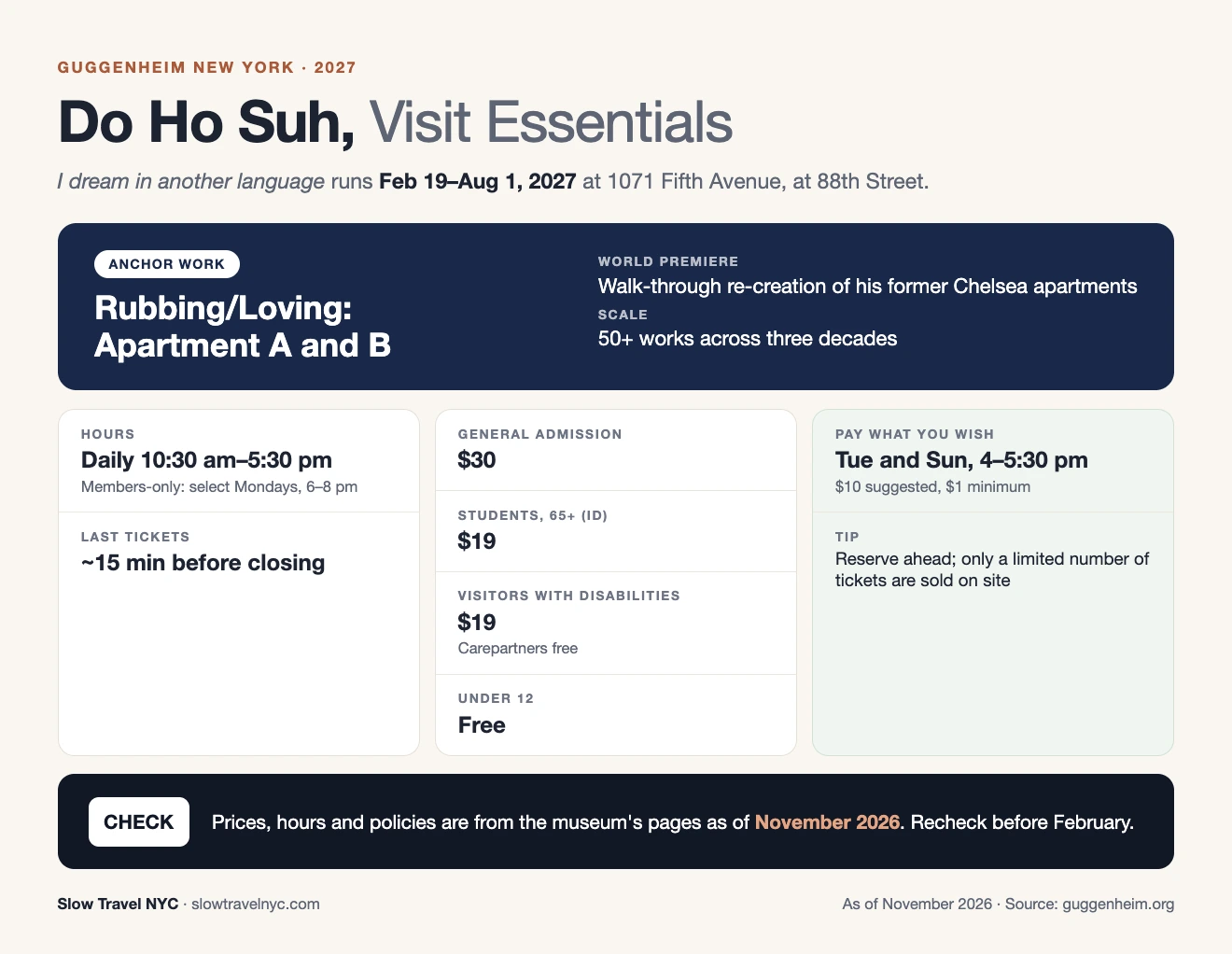
- Dates: February 19–August 1, 2027, at the Guggenheim New York, 1071 Fifth Avenue (at 88th Street).
- Scale: more than 50 works across three decades, from loans and the Guggenheim’s own collection.
- Anchor work: the world premiere of Rubbing/Loving: Apartment A and B, 348 West 22nd Street, New York, NY 10011, USA (2014–26), a walk-through installation of his former Chelsea apartments.
- Hours: every day, 10:30 am–5:30 pm. Members-only hours run on select Mondays, 6–8 pm.
- Admission: $30 general, $19 for students and seniors 65+ with ID, $19 for visitors with disabilities, free under 12.
- Lower-cost window: Pay What You Wish on Tuesdays and Sundays, 4–5:30 pm, with a $1 minimum.
- Slow-travel advice: pick one or two works to stay with, and plan the walk around the museum instead of a second museum.
What the Do Ho Suh Guggenheim Show Includes
Do Ho Suh was born in Seoul in 1962 and works in the language of homes: how we carry them, leave them, and lose them. This is, according to the Guggenheim, the first major solo museum exhibition in New York devoted to him. The museum describes the show as drawings, sculptures and large-scale installations, with drawings and works on paper appearing throughout four galleries.
Four bodies of work are named in the museum’s description:
- Rubbing/Loving: Apartment A and B (2014–26). Suh covered the interiors of the two units where he lived and worked with paper, then rubbed the surfaces with pastel and colored pencil. He occupied the apartments for nearly 20 years, and the installation keeps the physical impressions of the place while reflecting on how intimate, and how temporary, living somewhere is. Seoul Economic Daily reports that a fabric re-creation of the same apartment’s corridor and staircase will go on view at the National Museum of Modern and Contemporary Art in Seoul from December 18, so the same home will appear in paper in New York and in fabric in Seoul (Seoul Economic Daily).
- Some/One (2004). A large suit of armor made from military dog tags.
- Hubs (2011– ). Translucent fabric passageways that join corridors and entrances from the artist’s former homes and studios.
- Fatherhood (2011– ). A body of work about how memory is tended and handed between generations, with new pieces in this show.
The museum also says the drawings include Suh’s technique of transferring colored threads into wet paper pulp, where they become part of the paper. A catalogue will accompany the show.
The show’s title points to living between languages. In the museum’s text he says, “I do not take what we see for granted.” That is a decent instruction for how to walk in.
Do Ho Suh Exhibition NYC: Dates, Hours and Tickets
Everything here comes from the museum’s exhibition page and Plan Your Visit page. If you are building a wider NYC budget, plug the ticket price into the NYC Trip Budget Calculator.
Two things the museum has not said, at least not where I could read it: whether Rubbing/Loving will have timed entry or a capacity limit, and where in the building the works will hang. The museum’s exhibitions page lists Taryn Simon’s Father Country I Do Love You through March 14, 2027, so if you visit in the first weeks, check the current visitor guide to see how the two shows share the building.
Choosing a Time: Pay What You Wish vs. an Unhurried Morning
The cheapest way in is also the shortest. The museum’s discounts page sets a suggested contribution of $10 with a $1 minimum during Pay What You Wish hours, recommends reserving ahead, and says only a limited number of tickets are sold on site. The window is 90 minutes long, and tickets stop being issued about 15 minutes before closing.
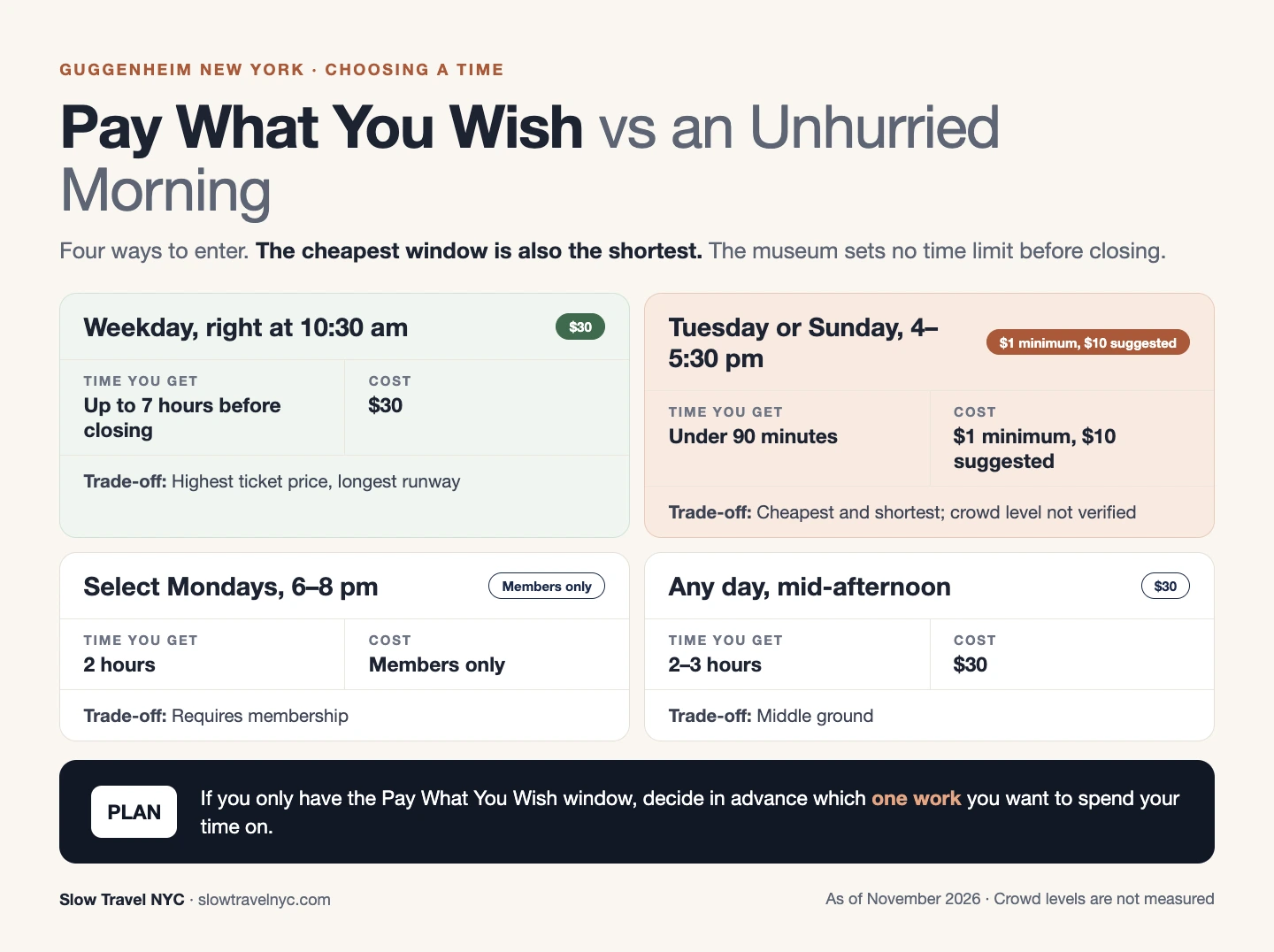
I haven’t verified crowd levels for this show, and nobody has yet. For the Do Ho Suh Guggenheim show, my bet is that a weekday morning gives you the calmest start, but that’s a guess, not data. If you only have the Pay What You Wish window, decide in advance which single piece you want to spend your time on.
The museum’s visitor FAQ says there is no time limit on a visit until closing, which is the permission slow travel needs.
How to Look Slowly in a Spiral Building
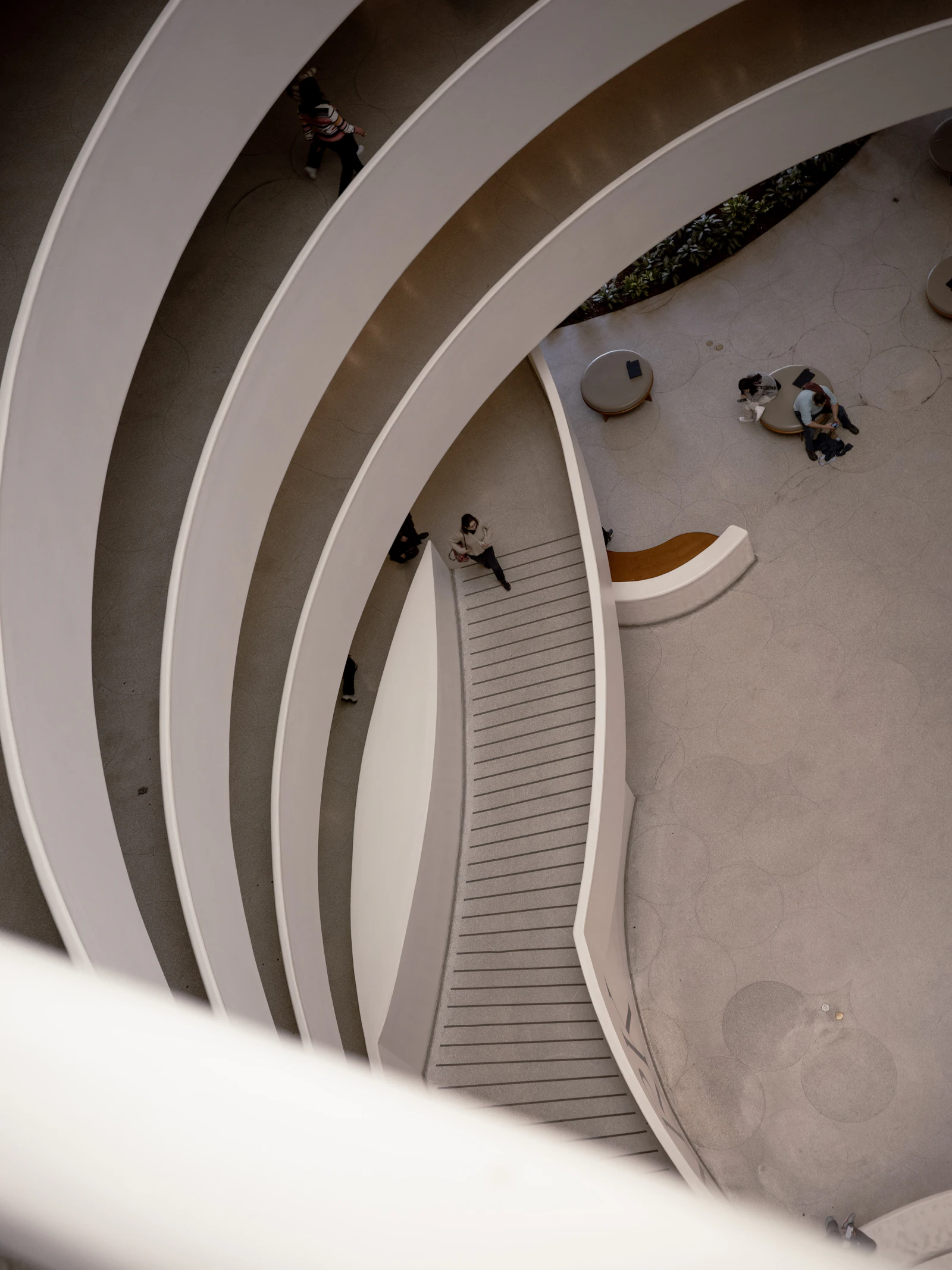
Frank Lloyd Wright’s spiral building is part of the experience, and the ramp makes it easy to look back at where you have been. The museum’s visitor FAQ says benches are located throughout the museum, so you can sit and look instead of walking on.
A few habits that suit a show about interiors and impressions:
- Choose before you enter. Pick the two works you most want to understand. Everything else is a bonus.
- Look from far, then from near. Suh’s work is about thresholds. Cross a gallery, turn around, and look back at what you just passed.
- Stay with one room for ten minutes. Walk-through installations reward standing still, and the museum has said you can stay as long as you like.
- Mind the practical rules. Flash-off personal photography is allowed unless a gallery says otherwise, and tripods and camera poles are not. The coat check is on the ground floor and free with admission. Outside food and drink are not permitted, except personal water bottles. Backpacks must be checked.
- Read the wall text second. Look first, then read. Suh’s own line about not taking what we see for granted is a good reason to give your eyes a head start.
If this appeals to you, my slow walk through the Noguchi Museum uses the same approach.
A Slow Loop Around the Guggenheim
The Guggenheim sits on Museum Mile, which makes it easy to turn a visit into a day of walking. I’d resist stacking museums. A smaller loop works better with this show.
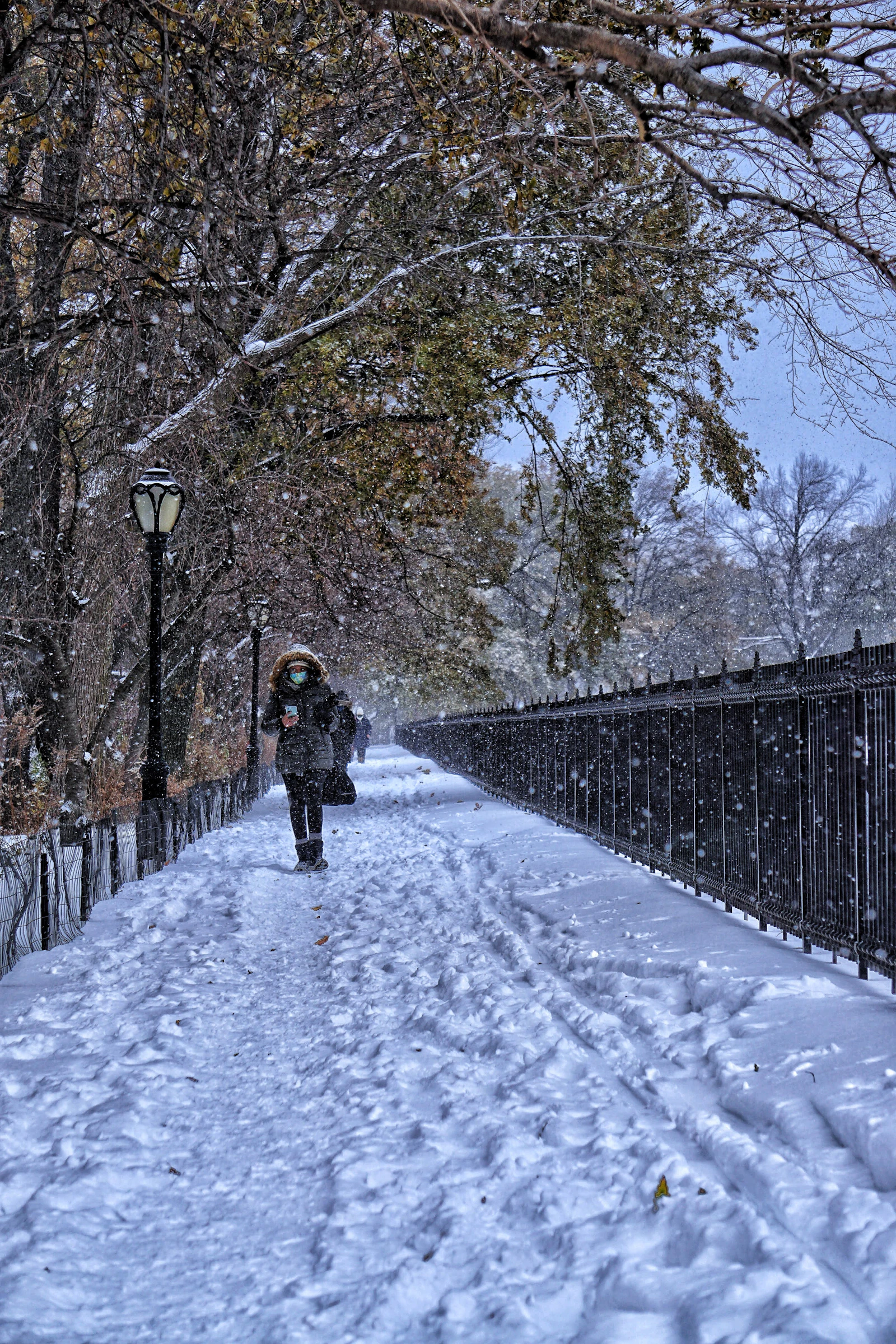
Before: the Reservoir, two blocks north. The park’s main Reservoir entrance is at 90th Street and Fifth Avenue, opposite the Engineers’ Gate, according to the Central Park Conservancy. The track around it is 1.58 miles, and you can simply walk part of it. Ten minutes along the water clears your head before a dense show. For quieter corners of the park, see 3 quiet benches in Central Park.
After: coffee and a sit-down. The Neue Galerie at 86th Street and Fifth Avenue houses Café Sabarsky. Its visit page lists dining hours of Monday 9 am–6 pm and Wednesday–Sunday 9 am–9 pm, closed Tuesday, effective October 1, so recheck them for February. That also means a Tuesday Pay What You Wish visit won’t pair with it. For a meal instead, my guide to brunch near the Met covers the same neighborhood.
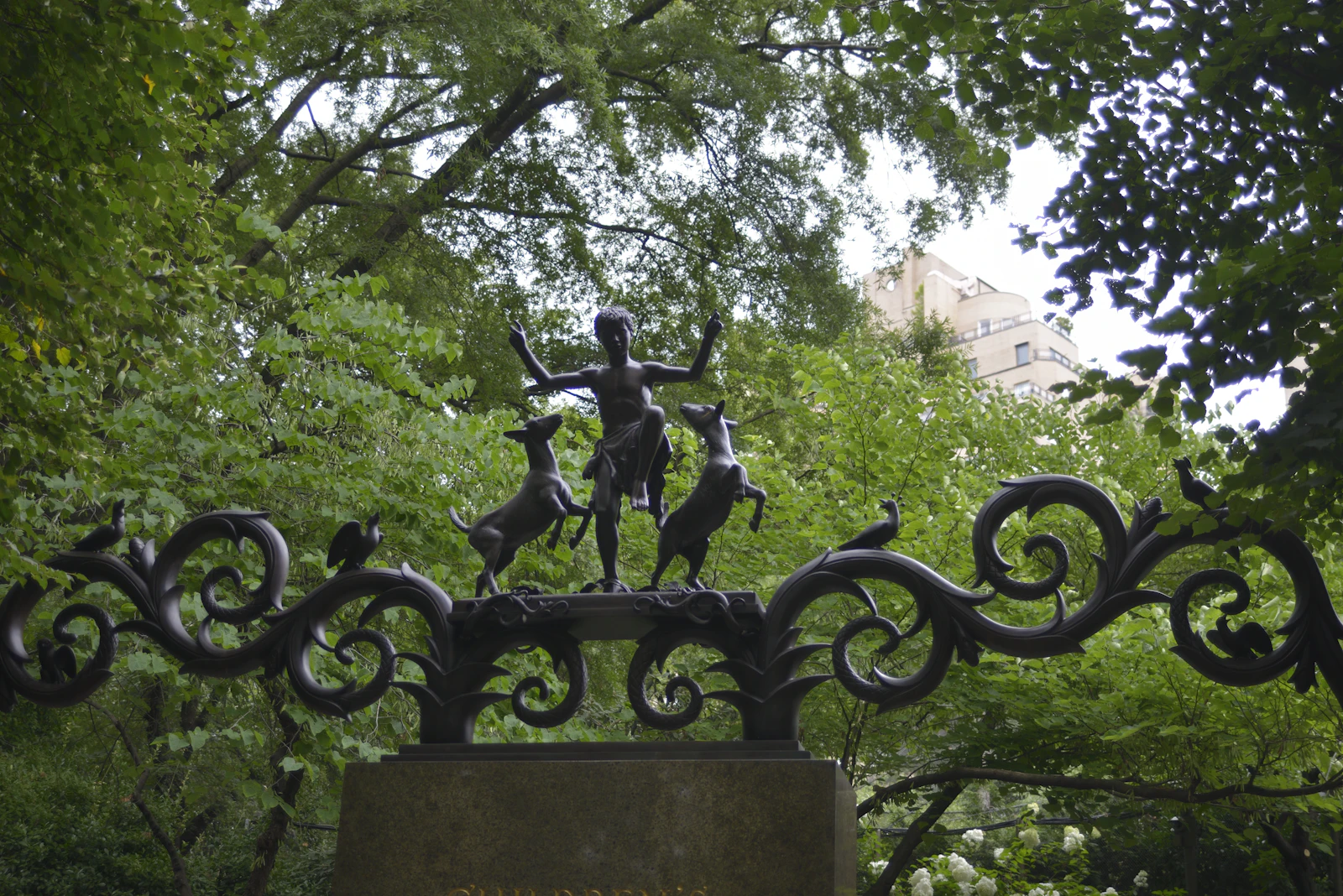
If you have energy: the Conservatory Garden. The garden’s Vanderbilt Gate is at Fifth Avenue and 105th Street, and the garden is open daily from 8 am until dusk. That’s roughly 17 blocks north of the museum, around a 20-minute walk by my own count. In February it will likely be mostly dormant, and by late spring it will look like a different place, so it makes a decent second visit later in the run.
A suggested half-day, assuming a weekday:
- 10:00 am: walk to the Reservoir via the 90th Street entrance.
- 10:30 am: enter the Guggenheim and go straight to your first-choice work.
- About 1:00 pm: leave the galleries and sit down for coffee or lunch nearby.
- Afternoon: if you’re still in the neighborhood, go back for your favorite piece before the museum closes at 5:30.
If you’d rather stay close, boutique hotels near Central Park put the Reservoir loop a short walk away.
Reality Check
- Prices can change. The $30 adult fare and Pay What You Wish terms are current as of November 2026. Recheck both before opening day.
- The Pay What You Wish window is short. Under 90 minutes of usable time is tight for a walk-through installation, and limited on-site tickets mean you should reserve ahead.
- Unknowns remain for the Do Ho Suh Guggenheim show. I couldn’t find a published note on timed entry or capacity for Rubbing/Loving, a gallery map, or 2027 holiday closures.
- It’s winter at the start. February and March are cold on a long Fifth Avenue walk. Plan indoor stops.
- The building is a constraint. The ramp is gentle, but the visit is long. Wear comfortable shoes. Bags over 22 × 14 × 9 inches aren’t allowed in and can’t be checked.
- I haven’t seen it. Everything about the work comes from the museum’s own descriptions. Treat this as a planning guide, not a review.
FAQ
When does the Do Ho Suh exhibition at the Guggenheim open and close?
I dream in another language | Do Ho Suh runs February 19–August 1, 2027, at the Guggenheim New York on Fifth Avenue at 88th Street.
How much are tickets to the Do Ho Suh Guggenheim show?
As of November 2026, general admission is $30, students and seniors 65+ with ID pay $19, visitors with disabilities pay $19, and children under 12 and members are free. Pay What You Wish runs Tuesdays and Sundays, 4–5:30 pm. Confirm closer to your visit.
What is Rubbing/Loving?
It is a walk-through installation that re-creates Suh’s two former New York apartments at 348 West 22nd Street at full scale. He covered the interiors in paper over several years and rubbed the surfaces with pastel and colored pencil. The Guggenheim presentation is its world premiere.
How long should I plan for a visit?
The museum sets no time limit before closing. For a show of more than 50 works, I’d plan two to three hours, which is my own estimate, not the museum’s guidance.
Can I take photos in the exhibition?
Flash-off personal photography is generally allowed unless a gallery notes otherwise, and tripods and camera poles are not. Check signs in each gallery, since individual works may carry their own restrictions.
A Last Thought
A show about a home that no longer exists is best met without a checklist. Pick a work, give it time, then walk somewhere quiet with it. That’s the whole plan, and it fits in an afternoon.