
When it comes to the best tacos in NYC, New York City has quietly — and then very loudly — become one of the greatest taco cities in the United States. What started as a handful of Mexican immigrant-run street carts has evolved into a full-blown culinary movement. Today, the city’s taco scene stretches from $5 hand-pressed corn tortilla tacos in Jackson Heights to $34 wood-fired Michelin-starred bites in Greenpoint, Brooklyn.
In an era of rising food costs and shrinking dining budgets, tacos offer something increasingly rare in New York: maximum flavor for minimum spend. A well-executed taco — loaded with slow-braised suadero, al pastor carved from a vertical spit, or broth-dipped birria — can be one of the most satisfying meals in the city, often for under $20 total. That’s not a small thing in 2025 Manhattan.
This guide covers the 10 best NYC taco spots you need to know — from casual counter-service taquerias to a Michelin-starred dining room — ranked by experience type, not prestige.
Why NYC Has Become a World-Class Taco City
New York’s taco renaissance is no accident. A growing wave of chefs with roots in Mexico City (CDMX), Tijuana, and Oaxaca have brought regional Mexican cooking traditions to the five boroughs, often supplemented by locally sourced ingredients and house-pressed tortillas. Critics from outlets like The Infatuation and Eater have increasingly ranked NYC alongside Los Angeles and Chicago as a top-tier taco destination.
The result is a taco landscape that encompasses everything: traditional trompo al pastor, Tijuana-style birria with rich consomé, wood-fired meats with fine-dining finesse, and even Southeast Asian-inflected fusion tacos. One city. Infinite interpretations.
The Best Tacos in NYC: 10 Spots You Can’t Miss
1. Los Tacos No. 1 — The Gold Standard of NYC Taco Spots
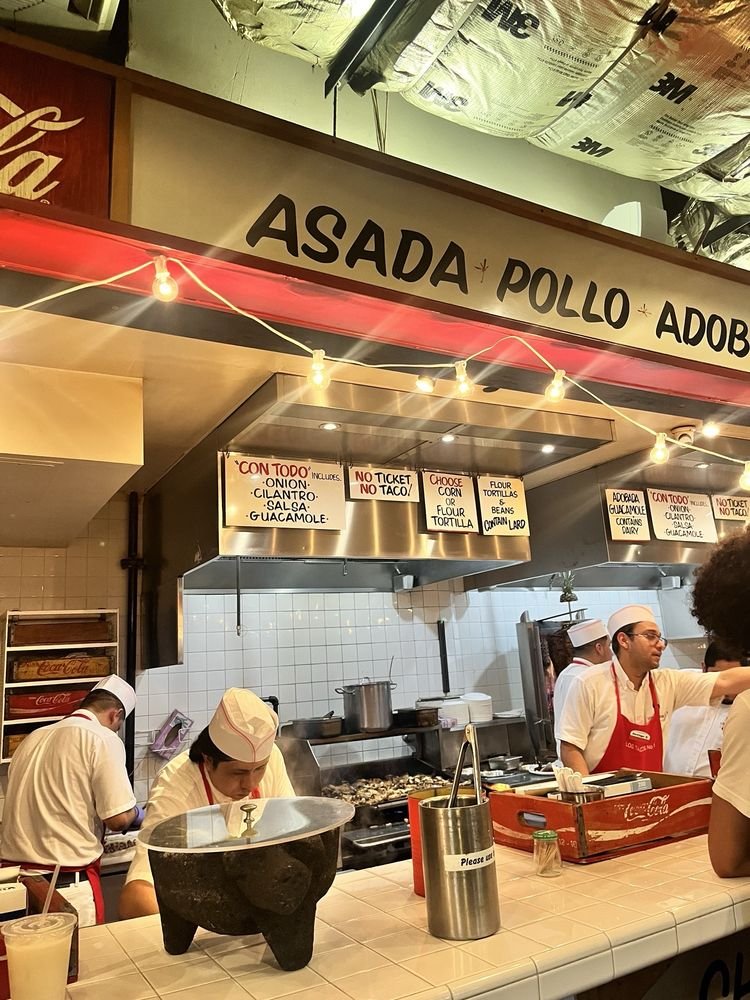
If there’s a textbook definition of the best tacos in NYC, Los Tacos No. 1 is it. This beloved institution has built its reputation on an almost stubbornly simple premise: impeccable ingredients, house-made tortillas, and zero gimmicks. The adobada (marinated pork) and carne asada are perennial favorites, and the line out the door at Chelsea Market on any given day tells you everything you need to know.
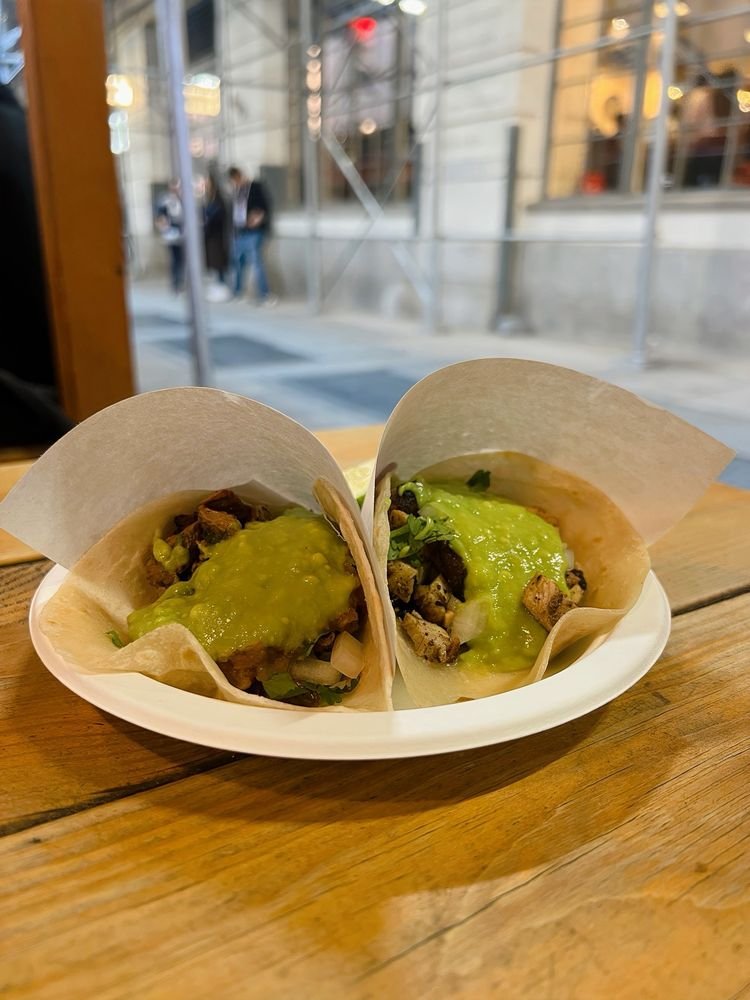
- Address: Chelsea Market, 75 9th Ave, New York, NY 10011 (multiple locations)
- Hours: Mon–Sat 11:00 AM–9:00 PM, Sun 11:00 AM–10:00 PM
- Must-order: Adobada, Carne Asada
- Price range: $5.25–$9 per taco
- Website: lostacos1.com
2. Santo Taco — Where Trompo Meets Theater
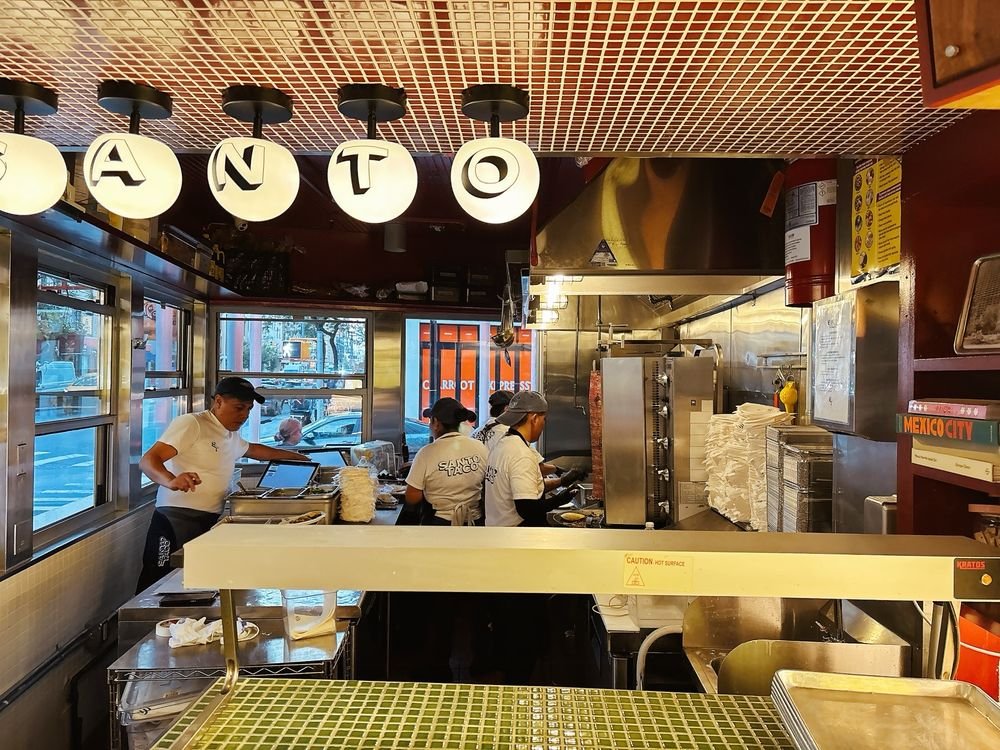
Santo Taco has become one of the most talked-about NYC taco spots since opening in Nolita, and for good reason. The vertical trompo — a rotating spit of marinated pork carved tableside — is as much visual spectacle as it is a cooking method. The result is deeply caramelized, crispy-edged adobada that arrives on a warm corn tortilla with pineapple and fresh cilantro. It’s Instagram-worthy, yes, but more importantly, it’s delicious.
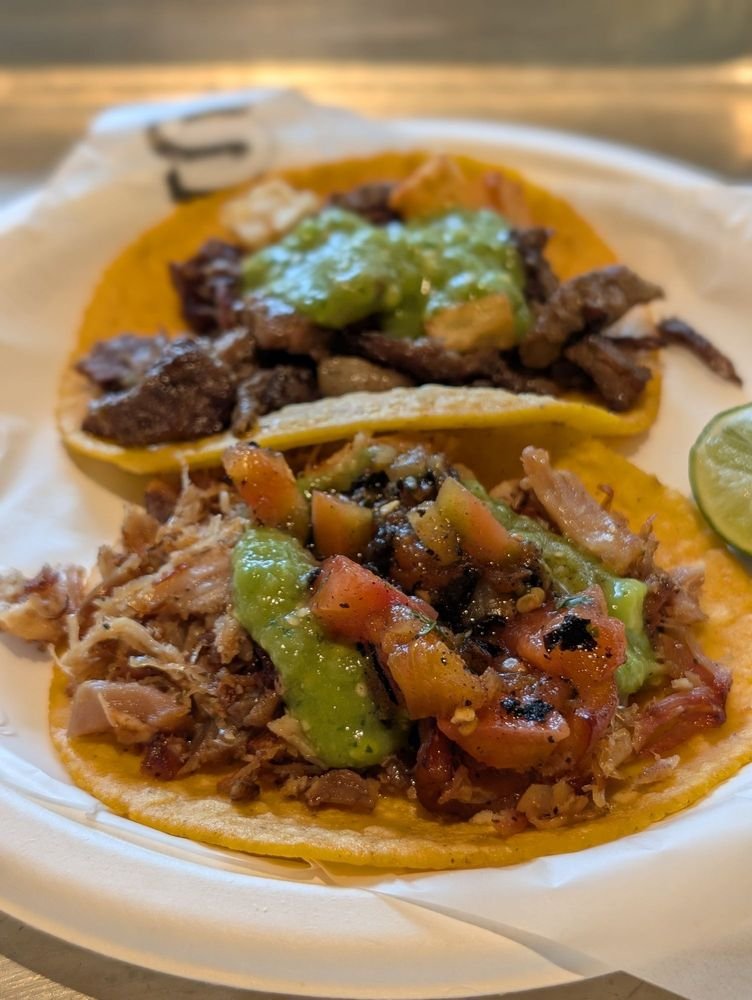
- Address: 114 Kenmare Street, New York, NY 10012
- Hours: Daily 11:30 AM–9:30 PM
- Must-order: Adobada, Carne Asada
- Price range: $5.45–$6.95 per taco
- Website: eatsantotaco.com
3. Esse Taco — The Creative Lab
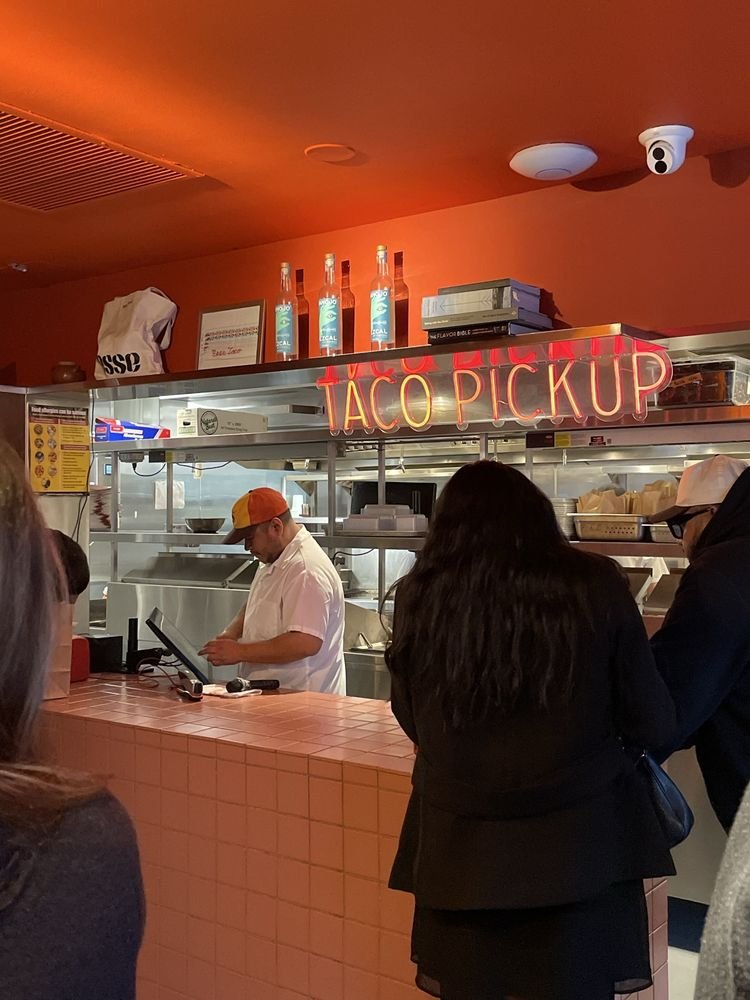
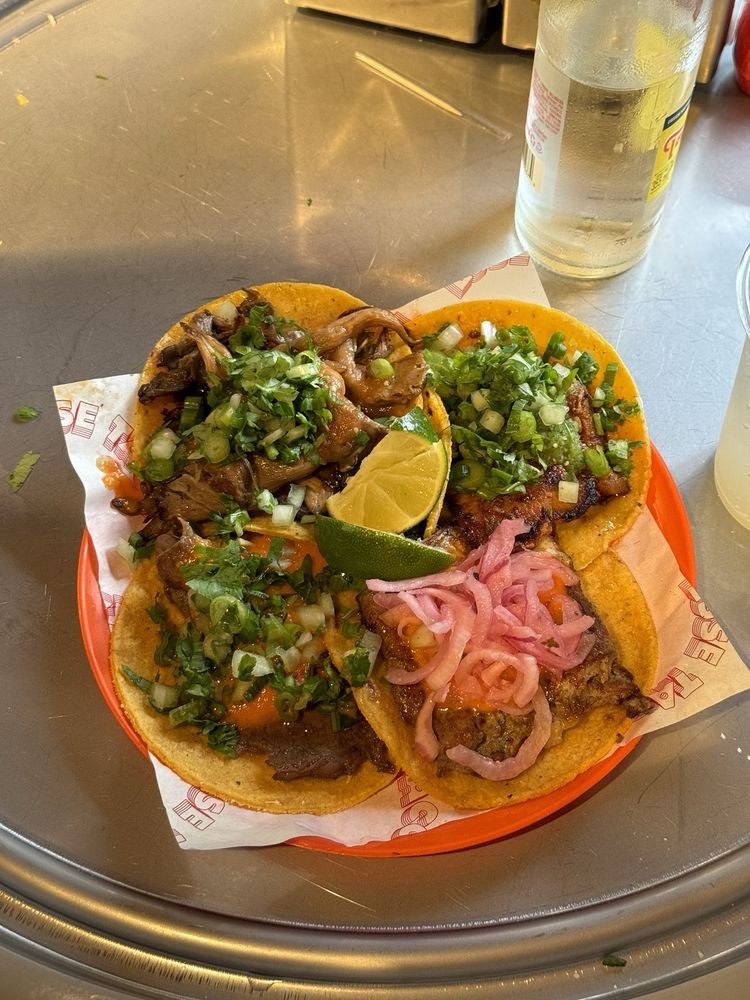
Esse Taco, backed by the culinary vision of acclaimed chef Enrique Olvera (of Cosme and Atla fame), is where the NYC taco scene gets genuinely experimental. The Williamsburg spot pairs mesquite-smoked mushrooms with ribeye in a combination that sounds unlikely but lands with surprising depth. Portions are elegant; flavors are layered. This is taco-as-fine-dining without the pretension.
- Address: 219 Bedford Ave, Brooklyn, NY 11211
- Hours: Tue–Wed, Sun 12:00 PM–9:00 PM; Thu–Sat 12:00 PM–10:00 PM (Closed Mon)
- Must-order: Mushroom & Ribeye Taco
- Price range: $4.95–$12.95 per taco
- Website: essetaco.com
4. Taquería Ramirez — Mexico City in Greenpoint
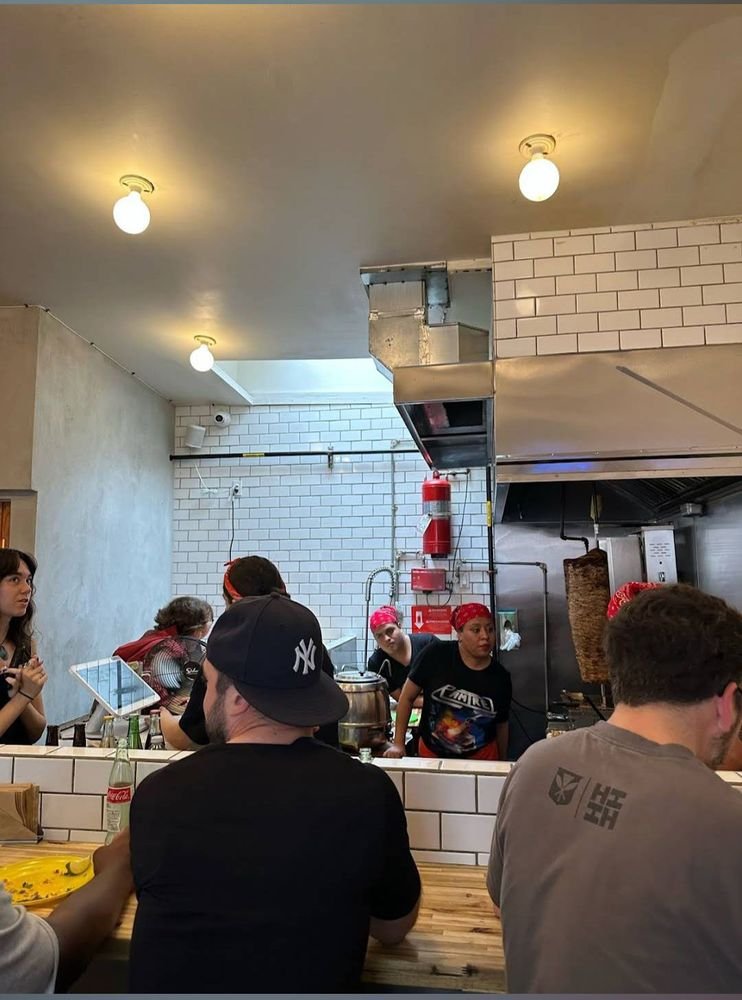
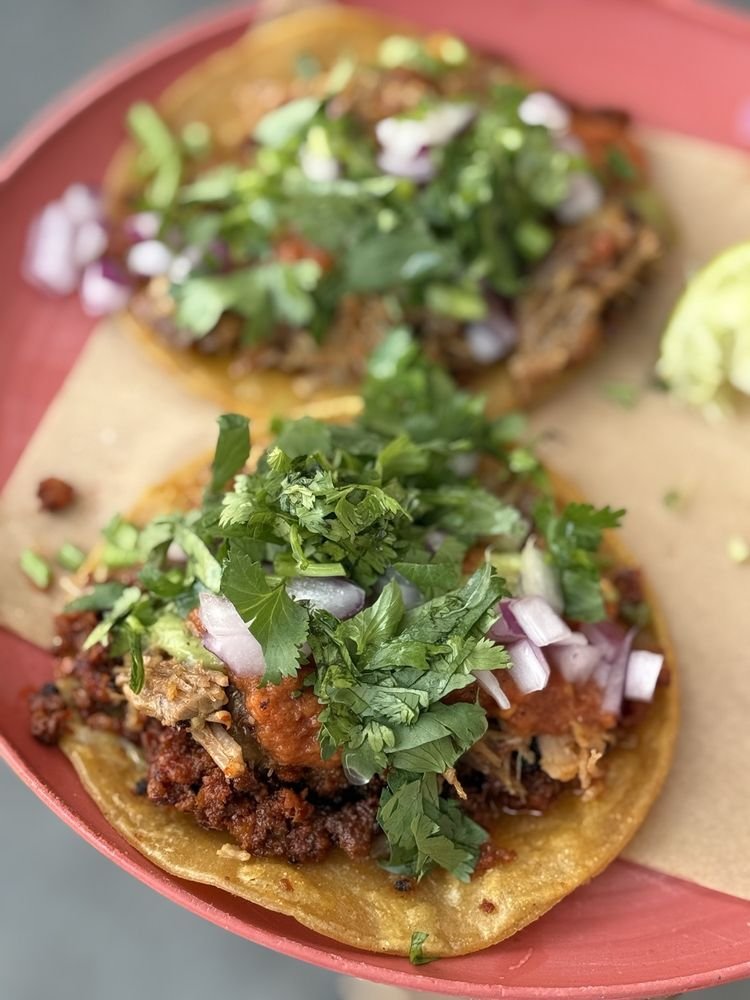
No serious discussion of the best tacos in NYC can skip Taquería Ramirez. This Greenpoint institution is widely regarded as the most faithful recreation of a Mexico City taqueria on the East Coast. The suadero — beef brisket stewed for hours in lard and spices — is the move. But the tripa (tripe), blowtorched to order before hitting your tortilla, is the obsessive choice for the adventurous. Every taco costs $5. You will spend at least $20 anyway.
- Address: 94 Franklin St, Brooklyn, NY 11222
- Hours: Tue–Sun 12:00 PM–10:00 PM (Closed Mon)
- Must-order: Suadero, Tripa
- Price range: $4–$6 per taco
- Website: taqueriaramirezbk.com
5. Tacos 1986 — Tijuana Street Food, West Village Zip Code
Tacos 1986 brings the energy of a Tijuana street stall to a tiny West Village corner, and it works beautifully. Note: the menu here leans toward bowls and burritos rather than traditional tacos, but the flavor profile — built around freshly griddled corn tortillas, al pastor, and adobada — stays true to its Baja California roots. Open until 2:00 AM, it’s also one of the best late-night options in the neighborhood.
- Address: 1 Cornelia St, New York, NY 10014
- Hours: Daily 11:00 AM–2:00 AM
- Must-order: Al Pastor, Adobada
- Price range: $9–$13
- Website: tacos1986.com
6. Cuerno — Fine Dining Meets Steak Tacos at Rockefeller Center
Cuerno sits at a fascinating intersection: a Rockefeller Center address with a menu centered on serious Mexican steak cookery. The ribeye steak taco, prepared tableside, showcases cuts sourced with the same attention you’d expect from a steakhouse. This is where business lunches and taco cravings collide. Expect polished service, a well-stocked bar, and tacos priced accordingly.
- Address: 1271 Avenue of the Americas, Time & Life Building, Rockefeller Center, NY 10020
- Hours: Sun–Thu 11:00 AM–11:00 PM, Fri–Sat 11:00 AM–12:00 AM
- Must-order: Ribeye Steak Taco
- Price range: $12–$30 per taco
- Website: cuernonyc.com
7. Carnitas Ramirez — A Whole Pig, One Taco at a Time
From the team behind Taquería Ramirez comes this East Village carnitas specialist — a temple to the whole-pig cooking tradition of Michoacán. Every cut gets its moment: brain, snout, ear, tail, and everything in between, all braised low and slow in the pig’s own lard. Order the surtida (mixed plate) for a full cross-section of textures. This is nose-to-tail eating at its most convivial.
- Address: 210 E 3rd St, New York, NY 10009
- Hours: Wed–Thu, Sun 12:00 PM–9:00 PM; Fri–Sat 12:00 PM–10:00 PM (Closed Mon–Tue)
- Must-order: Carnitas (mixed cuts)
- Price range: $5–$7 per taco
- Website: carnitasramirez.com
8. Oxomoco — Michelin-Starred NYC Taco Spot
The only Michelin-starred entry on this list, Oxomoco in Greenpoint is a wood-fired Mexican restaurant that has earned its star by treating traditional ingredients with serious culinary rigor. The lamb barbacoa and shrimp tacos change seasonally, but the commitment to live-fire cooking and local sourcing remains constant. This is the answer to anyone who still thinks NYC taco spots can’t compete with fine dining destinations.
- Address: 128 Greenpoint Ave, Brooklyn, NY 11222
- Hours: Lunch Mon–Fri 12:00–3:00 PM, Sat–Sun 11:00 AM–3:00 PM; Dinner daily 5:00–10:00 PM
- Must-order: Lamb Barbacoa, Shrimp Tacos
- Price range: $25–$34 per taco
- Website: oxomoconyc.com
9. Birria-Landia — The Best Birria Tacos in NYC (By a Wide Margin)
If the best tacos in NYC had a single poster child right now, it would be Birria-Landia. This Tijuana-style birria truck — originally from Jackson Heights, now operating multiple locations — is widely credited with bringing birria to mainstream NYC consciousness. The formula is deceptively simple: beef short rib braised in a deep adobo, piled into broth-dipped corn tortillas, served with a cup of the most intensely flavored consomé you may ever encounter. First you taste lime. Then tender meat. Then a slow wave of chili and fat that makes everything else taste ordinary for a while.
Think of it this way: if tacos are kimchi, birria tacos are the aged, fermented version — more complex, more intense, utterly irreplaceable.
- Address: Amsterdam Ave & W 70th St, Upper West Side (multiple locations)
- Hours: Daily 4:00 PM–12:00 AM
- Must-order: Birria de Res Taco, Quesabirria
- Price range: $5–$6 per taco
- Website: birrialandia.com
10. Los Mariscos — The Best Seafood Tacos in NYC
Tucked inside Chelsea Market alongside Los Tacos No. 1 (same ownership, different concept), Los Mariscos is the seafood counterpart the city desperately needed. The fish taco — battered, fried, laid over a corn tortilla with crema, cabbage, and a bright salsa — rivals anything you’d find on the West Coast. The shrimp taco runs a close second. In a city that can sometimes neglect oceanic Mexican cuisine, Los Mariscos fills the gap beautifully.
- Address: Chelsea Market, 409 W 15th St, New York, NY 10011
- Hours: Mon–Wed 11:00 AM–10:00 PM, Thu 11:00 AM–11:00 PM, Fri–Sat 11:00 AM–12:00 AM, Sun 11:00 AM–9:00 PM
- Must-order: Fish Taco, Shrimp Taco
- Price range: $4.95–$6.25 per taco
- Website: losmariscos1.com
Quick Comparison: Best Tacos in NYC by Budget
Restaurant Style Price per Taco Best For Birria-Landia Birria / Street $5–$6 Best value, most flavor Taquería Ramirez CDMX Traditional $4–$6 Authenticity seekers Carnitas Ramirez Carnitas / Whole pig $5–$7 Adventurous eaters Los Mariscos Seafood $4.95–$6.25 Fish & shrimp lovers Los Tacos No. 1 Classic $5.25–$9 First-timers Santo Taco Trompo / Al pastor $5.45–$6.95 Visual experience Esse Taco Creative / Chef-driven $4.95–$12.95 Culinary adventurers Cuerno Steak / Fine dining $12–$30 Business dinners Oxomoco Michelin-starred $25–$34 Special occasions Tacos 1986 Tijuana / Baja $9–$13 Late-night eats
Tips for Your NYC Taco Crawl
Go early or go late. The most popular spots — Taquería Ramirez, Birria-Landia, Los Tacos No. 1 — draw significant lines during lunch and dinner rush hours. Arriving at 11:30 AM or after 8:00 PM will save you time.
Mix price points. A perfect taco crawl pairs a $5 Birria-Landia taco with a $12 Cuerno ribeye taco. The contrast makes both better.
Bring cash. Several of the smaller spots — especially the outdoor and truck-based operations — strongly prefer or require cash payment.
Don’t sleep on the consomé. At Birria-Landia, the consomé (beef broth served alongside the tacos) is not a side — it’s half the experience. Dip your taco, drink the broth, repeat.
Final Thoughts: NYC’s Taco Scene Is the Real Deal
New York’s tacos are more than just a food trend — they’re a living record of immigrant culture, culinary ambition, and the city’s endless appetite for reinvention. From the Tijuana-style birria trucks of Jackson Heights to the wood-fired Michelin dining rooms of Greenpoint, each tortilla holds a different story about what it means to cook, eat, and belong in New York City.
The best tacos in NYC aren’t just good tacos — they’re some of the best tacos anywhere. And in 2025, that’s no longer a controversial opinion.
Pick a neighborhood. Pick a style. And go find your taco.
Last updated: February 2025. Hours and prices subject to change — always verify directly with the restaurant before visiting.
NYC’s Best Street Food: Hidden Gems and Award-Winning Carts Locals Actually Eat At
The Ultimate Classic Diners Guide: 8 Must-Visit Spots in New York and New Jersey