


New York City moves fast, and so does your money. Between $10 artisan coffees in Soho, boutique shopping on Fifth Avenue, and dinner in Tribeca, every swipe is an opportunity for hidden bank charges to quietly eat into your budget. If you’re an international traveler, digital nomad, or expat, choosing the right no foreign transaction fee card for NYC — and knowing how to arrange a money transfer for your NYC apartment deposit — can be the difference between a smooth trip and a $300+ surprise on your statement.
This 2026 guide breaks down exactly which cards to carry, which transfer platforms to use for larger payments like rent or tuition, and how to combine both for maximum savings.
Why You Need a No Foreign Transaction Fee Card for NYC
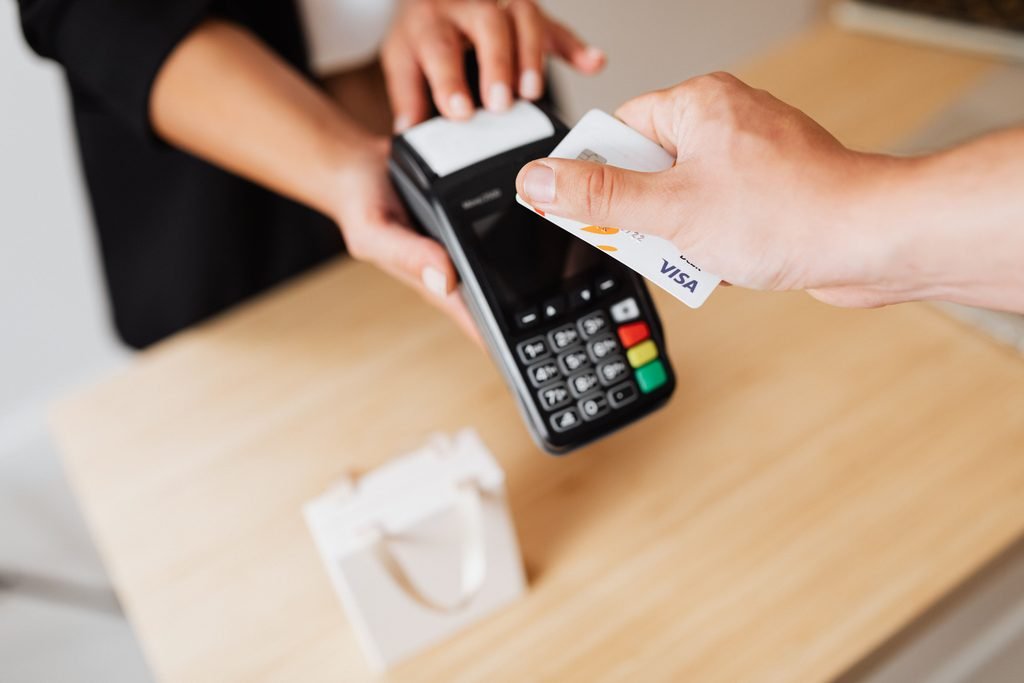
Most standard international debit and credit cards charge 2.5–3% on every purchase made outside your home currency. On a $10,000 trip, that’s roughly $300 handed straight to your bank for doing nothing but converting currency.
There are three fee traps to watch for in Manhattan specifically:
- Foreign transaction fees (avg. 3%) — charged on every non-domestic swipe.
- Dynamic Currency Conversion (DCC) — when a terminal asks “charge in USD or your home currency?”, always choose USD. Paying in your home currency lets the merchant’s bank apply an inflated exchange rate with markups as high as 5–12%.
- SWIFT wire markups — sending money the traditional way often means outgoing fees ($30–$50), receiving fees ($15–$30), and a spread of up to 4% baked into the exchange rate.
A card with zero foreign transaction fees eliminates the first two problems instantly, which is why finding the right no foreign transaction fee card for NYC should be step one before you land.
Best No Foreign Transaction Fee Cards for NYC in 2026

The market for these cards is large, but a few consistently stand out for international spenders in the city.
Top Credit Cards
- Capital One Venture X / Venture Rewards — Capital One’s Venture card lineup earns rewards on everyday purchases with no foreign transaction fees, making it a strong daily-spend option for NYC dining and shopping.
- Chase Sapphire Preferred / Reserve — Chase Sapphire Preferred pairs a mix of high rewards rates with a modest annual fee, and it earns bonus points on dining and travel worldwide with no FX fees.
- American Express Platinum — Offers 0% FX fees plus lounge access and concierge perks, though it’s worth carrying a Visa or Mastercard backup since Amex isn’t accepted everywhere in smaller boutiques.
- No-annual-fee options — If you don’t want to pay a yearly fee, a no-annual-fee Visa like Bank of America Travel Rewards or Wells Fargo Autograph removes the standard 3% penalty without creating a yearly cost to recover.
Best Debit Card for ATM Cash
Charles Schwab Bank High Yield Investor Checking remains the gold standard for travelers who need cash — it charges no foreign transaction fees and automatically rebates ATM fees worldwide at the end of each month, which is hard to beat if you want walking-around cash for tips or street vendors.
(Tip: always confirm current terms directly with the issuer — rates-and-fees disclosures change, and some card families include both fee-free and fee-charging versions of the same product.)
When a Card Isn’t Enough: Money Transfer for NYC Apartment Deposit

Cards are perfect for daily spending, but they fall apart the moment you need to pay something big — a security deposit on a Manhattan lease, a semester’s tuition, or an extended-stay rental prepayment. Landlords and universities rarely accept credit cards without a steep processing surcharge (often 2–3% tacked on separately), so a money transfer for your NYC apartment deposit needs a different tool entirely.
Wise and Revolut vs. Traditional Bank Wires
| Transfer Method | FX Rate Type | Typical Fees | Speed |
|---|---|---|---|
| Traditional SWIFT wire | Bank rate + 2–4% markup | $30–$60 + receiving bank fee | 2–5 business days |
| Wise | Real mid-market rate | Low, transparent % fee | Instant to 24 hours |
| Revolut | Real mid-market rate | Free up to a monthly limit | Instant to 24 hours |
Traditional bank wires route money through several intermediary banks, each applying its own fees and exchange rate, while Wise instead uses a network of local bank accounts so funds never actually cross borders — which is what keeps costs down. Wise applies the real mid-market conversion rate to every currency and shows you the fee upfront before you confirm the transfer, so there’s no guessing what lands on the other side.
This is especially useful for a money transfer for an NYC apartment deposit, since many providers let you generate local US account and routing details — effectively letting you pay a landlord or property manager as if you already had a US bank account, without opening one.
Students and long-term renters report similar savings: paying tuition or housing costs by credit card from abroad often adds 2–3% in fees, and a standard bank wire brings a poor exchange rate on top of extra charges, which is why services like Wise have become the default for larger one-time NYC payments.
Strategy Matrix: Cards vs. Transfers
| Parameter | No Foreign Transaction Fee Card | Wise / Revolut Transfer |
|---|---|---|
| Best for | Daily purchases, restaurants, hotels, transit | Rent deposits, tuition, large one-off payments |
| FX surcharge | 0% (on qualifying travel cards) | ~0.3–0.7% real mid-market fee |
| Consumer protection | High — fraud protection, chargebacks | Limited — direct bank-to-bank |
| Rewards earned | Yes | No |
The winning approach for most people combining short-term travel with a longer NYC stay: carry a no foreign transaction fee card for NYC for everything you swipe day-to-day, and reserve a Wise or Revolut transfer for anything landlord-, tuition-, or lease-sized.
Practical Tips for Spending Smart in Manhattan
- Use Apple Pay / Google Pay wherever possible. Manhattan is close to cashless — subway turnstiles run on the OMNY contactless system, and the vast majority of taxis, kiosks, and stores accept tap-to-pay.
- Keep a small cash buffer. $50–$100 in small bills covers coat checks, bellhops, and cash-only bagel carts.
- Always request a digital receipt. It’s the easiest way to confirm no accidental currency conversion or merchant markup slipped into your bill.
- Double-check card acceptance before relying on Amex alone. Carry a Visa or Mastercard backup for smaller independent businesses.
- Verify fees before you fly. Foreign transaction fee terms can change between card products from the same issuer, so check the current rates-and-fees disclosure rather than relying on older reviews.
Final Verdict
Getting the most out of a New York trip or move comes down to a simple two-part system: a no foreign transaction fee card for NYC for everyday spending, dining, and transit, paired with a mid-market platform like Wise or Revolut whenever you need a money transfer for your NYC apartment deposit, tuition, or another large payment. Get that pairing right, and every dollar goes toward the city itself — not toward bank fees.
This post is for general informational purposes and isn’t financial advice. Card terms, fees, and exchange rates change frequently — confirm current details directly with the issuer or provider before applying or transferring funds.