
Why the 2026 NYC Marathon Is One for the Books
The New York Marathon 2026 is not just another race on the calendar. Taking place on Sunday, November 1, 2026, this year marks the 50th running of the course through New York City’s five boroughs — a milestone that promises a celebration unlike any previous edition.
Officially known as the TCS New York City Marathon and organized by New York Road Runners (NYRR), this World Marathon Major draws over 55,000 finishers annually, making it the largest marathon in the world. From the Verrazzano-Narrows Bridge start in Staten Island to the iconic finish line in Central Park, it’s 26.2 miles of pure New York energy — and one of the most coveted racing experiences on the planet.
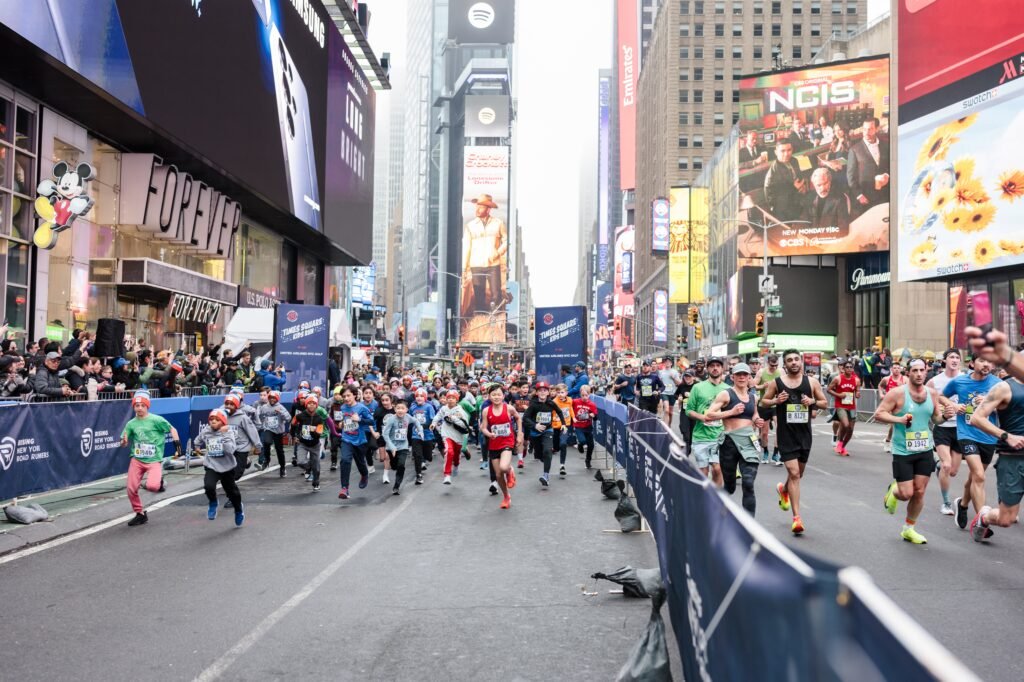
Whether you’re a first-timer dreaming of your first major, or a seasoned runner chasing a PR on the streets of Brooklyn and Manhattan, this guide covers everything you need to know about the 2026 NYC Marathon — from how to get in, to how to train, to how to cross that finish line feeling strong.
2026 NYC Marathon at a Glance
| Detail | Info |
|---|---|
| Official Name | TCS New York City Marathon |
| Organizer | New York Road Runners (NYRR) |
| Race Date | Sunday, November 1, 2026 |
| Distance | 42.195 km / 26.2 miles |
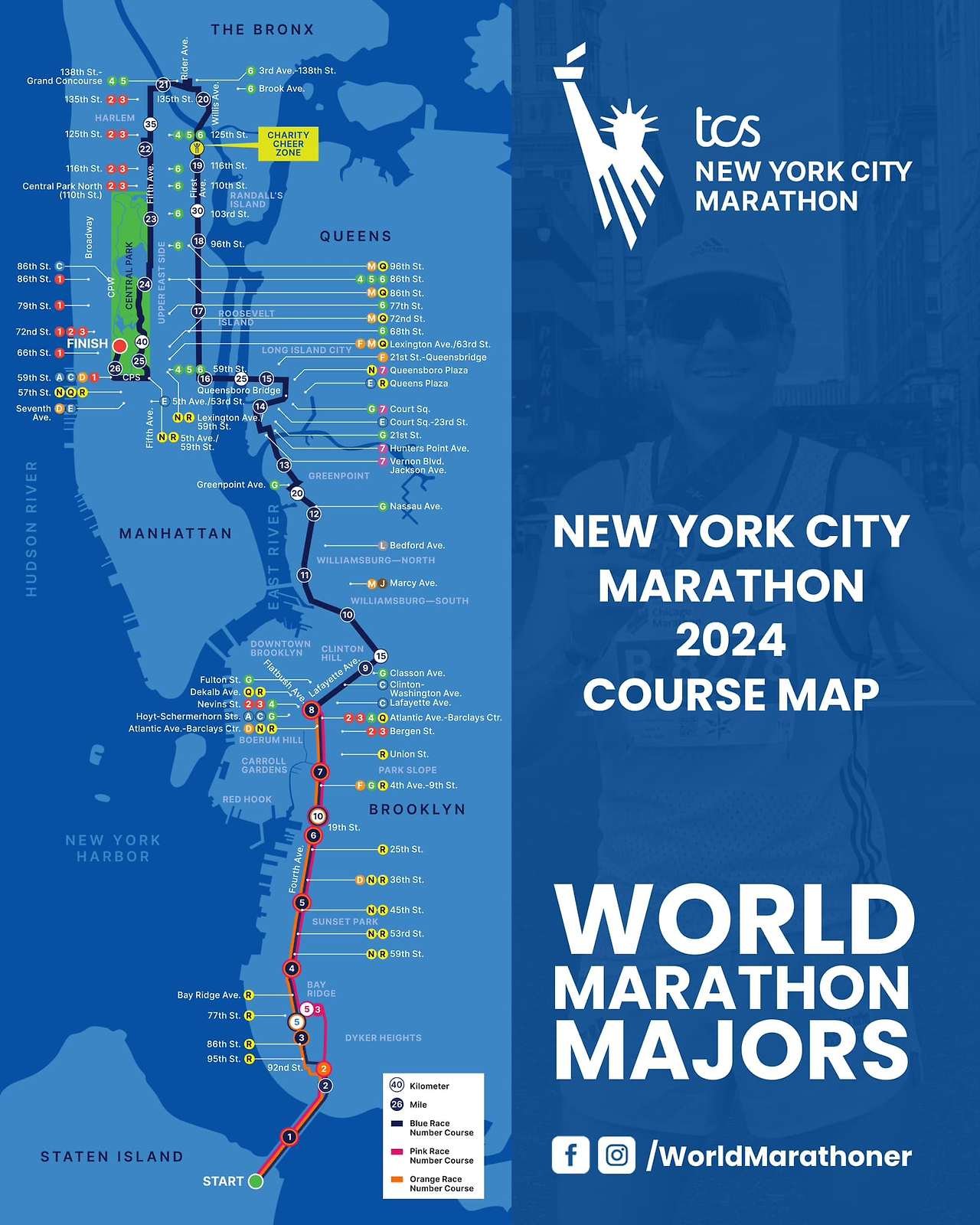
| Course | Staten Island → Brooklyn → Queens → Bronx → Manhattan → Central Park |
| Field Size | ~55,000+ finishers |
| Entry Fee | $269.66 (NYRR members) / $333.11 (non-members) |
| Milestone | 50th running through the five boroughs |
NYC Marathon Entry Methods: How to Get a Bib in 2026
Getting into the NYC Marathon is often harder than training for it. With millions of runners worldwide wanting in, NYC Marathon entry methods are competitive, varied, and highly time-sensitive. Here’s a full breakdown of every official route to a 2026 bib.
1. General Entry Drawing (Lottery)
The lottery is the most well-known — and most unpredictable — way in. Applications were open February 4–25, 2026, and the drawing took place on March 4, 2026. Runners are grouped into three categories: local (within ~60 miles of NYC), U.S. non-local, and international.
Be aware: acceptance rates are extremely low. In recent years, only about 2–3% of non-guaranteed lottery applicants received a bib. If you’re selected, your card is charged automatically — there’s no confirmation step.
NYRR members who aren’t selected in the main drawing are automatically entered into a Member-Only Second-Chance Drawing on March 4, giving members a notable edge.
2. 9+1 Program — Best Option for NYC-Based Runners
One of the most reliable NYC Marathon entry methods for local runners, the 9+1 Program guarantees your bib if you:
- Complete 9 qualifying NYRR races in 2025
- Volunteer at 1 NYRR event in 2025
- Hold an active NYRR membership by December 31, 2025
Guaranteed entry must be claimed between February 4–25, 2026. You still pay the standard entry fee, but your spot is locked — no lottery nerves required.
3. Time Qualifier — For Competitive Runners
The time qualifier path is respected, demanding, and one of the most satisfying ways to earn your bib. To qualify for the 2026 NYC Marathon, runners must have achieved NYRR’s published time standards at a certified race during the qualifying window: January 1 – December 31, 2025.
2026 Time Qualifier Standards (Men’s Marathon / NYRR Half-Marathon)
| Age Group | Full Marathon | NYRR Half-Marathon |
|---|---|---|
| 18–34 | 2:53:00 | 1:21:00 |
| 35–39 | 2:55:00 | 1:23:00 |
| 40–44 | 2:58:00 | 1:25:00 |
| 45–49 | 3:05:00 | 1:28:00 |
| 50–54 | 3:14:00 | 1:32:00 |
| 55–59 | 3:23:00 | 1:36:00 |
| 60–64 | 3:34:00 | 1:41:00 |
| 65–69 | 3:45:00 | 1:46:00 |
| 70–74 | 4:10:00 | 1:57:00 |
| 75–79 | 4:30:00 | 2:07:00 |
| 80+ | 4:55:00 | 2:15:00 |
(Women’s and Nonbinary standards differ — check the official NYRR page for your full category.)
Important distinctions between NYRR and Non-NYRR qualifiers:
- NYRR race qualifier: Times are automatically logged to your dashboard. Guaranteed entry — claim it February 4–25, 2026.
- Non-NYRR race qualifier: Limited spots available. Application window was February 4–11, 2026 (earlier deadline). Entry is NOT guaranteed — if demand exceeds supply, NYRR accepts the fastest runners per age and gender category. Half-marathon times are not accepted for non-NYRR applications.
Strategy tip: If you’re targeting a non-NYRR qualifying race (Chicago, Berlin, CIM, etc.), aim to run significantly faster than the standard. Meeting the minimum time alone may not be enough for acceptance.
4. Charity Entry
Running for a cause is one of the most accessible NYC Marathon entry methods, especially after the lottery results come out. NYRR’s flagship charity program, Team for Kids (TFK), opened registration in October 2025 with a fundraising minimum of $3,000 USD plus the standard entry fee.
In return, charity runners receive:
- Guaranteed entry
- Personalized coaching and training platform
- TFK singlet
- VIP race-day perks
NYRR’s full list of official charity partners for 2026 will be announced in spring 2026. Most partner charities require fundraising commitments of $2,500–$4,000 USD.
5. Legacy / Streaker Entry
Completed 15+ NYC Marathons? You’ve earned it. Runners with 15 or more official NYC Marathon finishes are eligible for guaranteed entry as a recognition of their lifelong commitment. Claim your entry during the February 4–25, 2026 window.
6. Philanthropic Membership
NYRR’s 5K and 10K Philanthropic Memberships include guaranteed marathon entry plus VIP hospitality and access to additional NYRR marquee races. This is a premium option for those who want guaranteed access while supporting NYRR’s community mission.
7. International Tour Packages
International runners have a streamlined option: book through an NYRR-approved Official International Tour Operator. These packages bundle your race bib with hotel accommodations and race-week logistics, making it the most stress-free path for athletes flying in from overseas. Packages vary by country — check the NYRR website for approved operators in your region.
8. Virtual Marathon Guaranteed Entry
Runners who registered for and completed the 2025 Virtual TCS NYC Marathon (Guaranteed Entry tier) earned non-complimentary guaranteed entry to the 2026 in-person race.
Key 2026 NYC Marathon Dates
| Date | Event |
|---|---|
| February 4, 2026 | Lottery & guaranteed entry applications open |
| February 11, 2026 | Non-NYRR Time Qualifier application closes |
| February 25, 2026 | All applications and guaranteed entry claims close |
| March 4, 2026 | Drawing day + charity partner announcements |
| Spring 2026 | Charity partner list published |
| November 1, 2026 | Race day 🎉 |
Training for the 2026 NYC Marathon: A Strategic Approach
Earning a bib is step one. Running 26.2 miles through five New York City boroughs — with bridges, hills, and 2 million cheering spectators — is a challenge that demands smart, structured preparation.
Phase 1: Base Building (20+ Weeks Out)
Start by gradually increasing your weekly mileage across 4–5 runs per week. Keep most of these runs at an easy, conversational pace. The goal is to build aerobic capacity without accumulating injury risk.
Phase 2: Speed and Hill Work
New York’s course features several demanding elevation changes — most notably the Verrazzano-Narrows Bridge at the start and the rolling hills of Central Park in the final miles. Incorporate:
- Interval training to sharpen leg turnover
- Tempo runs to build lactate threshold
- Uphill repeats to strengthen quads and glutes for the bridges and park climbs
Phase 3: Long Runs
Weekend long runs are the cornerstone of marathon training. Build up to runs of 25–35 km, practicing your goal pace and nutrition strategy. Use these runs to dial in your fueling routine — what works at mile 18 matters far more than what you eat at mile 3.
Phase 4: Taper and Recovery
In the final 2–3 weeks, reduce mileage while maintaining intensity. Trust the process — your body is absorbing all the hard work. Prioritize sleep, nutrition, and mobility work.
Phase 5: Mental Training
NYC is a sensory overload — in the best possible way. Plan your mental strategy for the quiet stretches (Queensboro Bridge, we’re looking at you) and the explosive crowd energy in Brooklyn and on First Avenue. Develop segment-by-segment mantras and pacing targets so you stay composed no matter what the course throws at you.
NYC Marathon Course Strategy: Borough by Borough
Staten Island — Verrazzano-Narrows Bridge (Miles 0–2)
The race starts on the lower deck of the Verrazzano Bridge — one of the steepest climbs of the entire course. With race-day adrenaline surging, most runners go out too fast here. Resist the urge. Run conservatively; the miles to come will reward the patient runner.
Brooklyn (Miles 2–13)
Brooklyn is the heart and soul of the NYC Marathon. The crowd energy is electric, the neighborhoods are vibrant, and the course is relatively flat. This is your opportunity to settle into your goal pace. Don’t let the atmosphere push you faster than your race plan allows.
Queens (Miles 13–16)
A quieter stretch after the Brooklyn buzz. Stay focused and maintain your rhythm. The transition to the Queensboro Bridge is approaching.
Queensboro Bridge (Around Mile 15–16)
This silent, spectator-free climb is where many races unravel. There are no crowds here — just you, the bridge, and your legs. Keep your form, shorten your stride on the incline, and stay mentally strong. The reward is just ahead.
The Bronx (Miles 20–21)
A brief but crucial stop. By now you’re deep into the race, and the Bronx marks the final turning point. This is where mental fortitude separates finishers from faders. Keep your cadence up.
Manhattan and Central Park (Miles 22–26.2)
First Avenue’s roar is one of running’s great experiences — soak it up, but don’t blow up your pace. As you enter Central Park, the rollers begin. Short, punchy hills at miles 23–25 are brutal on tired legs. Break the final miles into smaller goals: get to the next lamppost, the next water station, the next turn. The finish line on Central Park South is worth every step.
Pacing Strategy
Start 5–10 seconds per mile slower than your goal pace for the first 10K. Negative splitting — or at minimum even-splitting — the NYC Marathon course is the most reliable path to a strong finish. The course saves its hardest test for last, so conserve early.
Race Day Essentials: What You Need to Know
Before the start: Expect a long wait at the start village on Staten Island — sometimes 2–3 hours. Bring throwaway warm layers (the start area collects donated clothing for charity). Pack snacks and stay off your feet as much as possible.
During the race: Aid stations appear roughly every mile. Utilize water and sports drink, and take your energy gels on schedule — don’t wait until you feel you need them.
Post-finish recovery: Within 30 minutes of crossing the finish line, consume a combination of protein and carbohydrates to kickstart muscle repair. Use a foam roller that evening and the next morning. Plan for 3 full days of rest before any light movement, and hold off on running for at least a week.
Frequently Asked Questions
How much does the 2026 NYC Marathon cost? Entry fees are $269.66 for NYRR members and $333.11 for non-members. Charity entries require the standard fee plus a fundraising minimum, typically $2,500–$4,000.
When does the NYC Marathon start? Professional women begin at 8:35 AM ET, professional men at 9:05 AM ET, and wave starts for the general field follow through the mid-morning.
Can I defer or transfer my entry? Entries are non-refundable and non-transferable. Deferral may be available in certain circumstances (such as injury), but you would likely need to pay the entry fee again for the following year.
What is the acceptance rate for the NYC Marathon lottery? Historically, only 2–3% of non-guaranteed lottery applicants are accepted. NYRR members have a slight advantage through the second-chance drawing, but the odds remain long regardless.
Is it worth running the NYC Marathon for charity? Absolutely — if you’re committed to the fundraising requirement. Charity runners receive guaranteed entry, coaching support, and a premium race experience. It’s one of the most reliable paths to the start line if the lottery doesn’t work out.
Final Thoughts: Running New York Is Running History
The 2026 TCS New York City Marathon is more than a race. On its 50th anniversary through the five boroughs, it’s a living piece of running history — 26.2 miles of Brooklyn murals, Queensboro Bridge silence, First Avenue thunder, and Central Park finish-line glory.
Whether you qualified by time, won the lottery, fundraised your way in, or completed the 9+1 program, every runner on that start line has earned their place.
Start spreading the news — you’re running New York. 🗽
Official Resources:
- NYRR Official NYC Marathon Page
- 2026 Entry Methods — NYRR
- Time Qualifier Standards — NYRR
- World Marathon Majors
Additional Readings:
The Ultimate Classic Diners Guide: 8 Must-Visit Spots in New York and New Jersey
The Ultimate NYC Bakery Pilgrimage: 8 Viral Bakeries You Must Visit