Blog

The Best Thai Restaurants in NYC and New Jersey (2025): A Guide to Spice, Heritage, and Urban Flavor

From a Woodside street corner to a candlelit Chelsea dining room, the best Thai restaurants NYC has to offer in 2025 span every region, price point, and flavor profile. This guide covers 11 must-visit spots across Manhattan, Brooklyn, Queens, and New Jersey — with history, Michelin highlights, and insider tips.

The Best Thai Restaurants in NYC and New Jersey: A Guide to Spice, Heritage, and Urban Flavor

If Vietnamese cuisine wins you over with the transparent clarity of herbs and broth, Thai food seduces with something more complex — a deliberate orchestra of five distinct flavors: spicy, sweet, sour, salty, and bitter. It is not simply “spicy food.” It is, as any devotee will tell you, a culinary philosophy expressed in lemongrass, kaffir lime, galangal, fish sauce, and fresh chilies — a world where sensation and memory converge on a single plate.

New York City and New Jersey are home to some of the finest Thai kitchens outside of Bangkok, ranging from Michelin Bib Gourmand street-food havens in Elmhurst, Queens, to refined pairing-menu bistros in Brooklyn and royal-recipe restaurants in midtown Manhattan. Whether you are chasing the fiery Isan heat of northeastern Thailand or the delicate coconut curves of a royal Panang curry, the best Thai restaurants NYC has to offer in 2025 are ready to transport you — no boarding pass required.


A Brief History: From Royal Kitchens to New York City Streets

The Origins of Thai Cuisine

Thai cuisine as we know it today traces its roots to the Ayutthaya Kingdom of the 17th century. Royal court chefs refined flavor profiles with meticulous care, balancing the five tastes while drawing on Buddhist principles of restraint over excess. By the 19th century, these refined palace dishes had filtered outward to merchants and farmers, who introduced bolder street-food elements — fiery bird’s-eye chilies, limes squeezed tableside, and the pungent depth of fermented fish sauce. The balance of bold spice and structural harmony that defines the best NYC Thai restaurants today is a direct descendant of this centuries-long tradition.

How Thai Food Conquered the United States — With Government Help

Here is a fact that surprises most diners: the extraordinary prevalence of Thai restaurants across American cities is, in large part, the result of deliberate government policy. In 2002, the Thai government launched one of the most successful gastrodiplomacy campaigns in history, called “Global Thai,” with the explicit goal of increasing the number of Thai restaurants worldwide to boost tourism and food exports.

In the two decades since the program launched, the number of Thai restaurants worldwide more than tripled — from roughly 5,500 in 2002 to well over 17,000 as of early 2024. In the United States alone, the presence of Thai restaurants expanded by 250 percent, swelling from approximately 2,000 to just under 7,000. The program also produced the Thai Select certification: a Thai government-sponsored mark of authenticity, first introduced in 2006, awarded to restaurants that hire government-trained chefs, use imported Thai ingredients, and maintain standards of atmosphere and service set by the Thai Ministry of Commerce.

The result? Despite Thai people making up just 0.1% of the United States population, there are an estimated 10,000 Thai restaurants across the country, giving Thai cuisine one of the highest population-to-restaurant ratios of any ethnic cuisine in America. That ratio tells you something important: Thai food in New York is not an accident of immigration. It is a story of soft power, culinary ambition, and a culture confident enough in its flavors to share them with the world.

Why New York Can’t Get Enough of Thai Food

Three forces drive the enduring popularity of Thai food in New York and New Jersey. First, the multi-layered heat of Thai spices — capsaicin, galangal, white pepper — genuinely affects the body’s neurochemistry, triggering endorphin release and providing the city-dweller’s stress relief that a bowl of tom yum delivers so reliably. Second, the cuisine is naturally aligned with how contemporary New Yorkers want to eat: coconut milk, tofu, vegetables, and rice noodles form the backbone of a menu that maps neatly onto vegan, gluten-free, and health-forward preferences. Third, the vivid colors and theatrical plating of Thai dishes — a mango sticky rice glistening in coconut cream, a curried noodle soup crimson with chili oil — satisfy the visual hunger of an Instagram-fluent dining culture.

Much of NYC’s best Thai food can be found along the same three-block stretch of Woodside Avenue in Elmhurst, Queens — home to the majority of NYC’s Thai immigrant community, a street recently renamed “Little Thailand Way” in recognition of its cultural significance.


The Best Thai Restaurants NYC & New Jersey: 2025 Guide

1. Mitr Thai Restaurant — Midtown Manhattan

Address: 37 W 46th St, New York, NY 10036 | mitr-thai.restaurantmenu.us.com

Housed in the heart of Midtown, Mitr Thai is one of the most polished fine-dining Thai experiences in Manhattan. Warm wood paneling, amber lighting, and unhurried service make it an ideal venue for a business dinner or a celebratory evening out. The kitchen leans into regional diversity: the Kao Soy Gai — a Northern Thai curry noodle soup enriched with coconut milk and topped with crispy fried noodles — is among the best versions of this dish outside of Chiang Mai. The Pad Mhee Korat, a pork stir-fried noodle from Thailand’s northeastern Korat province, offers a glimpse into lesser-known regional Thai cooking.

Must-order: Kao Soy Gai, Pad Mhee Korat, Green Curry

💡 Tip: Evenings fill up quickly — reserve ahead, especially Thursday through Saturday.


2. SriPraPhai Thai Restaurant — Woodside, Queens (The NYC Standard-Bearer)

Address: 64-13 39th Ave, Woodside, NY 11377 | sripraphai.com

No guide to Thai food in New York is complete without SriPraPhai. Founded in the early 1990s to serve Woodside’s Thai immigrant community, this Queens institution has become the benchmark against which all other NYC Thai restaurants are measured. The menu is vast — over 100 items — and pulls from across Thailand’s regional traditions. The Crispy Chinese Watercress Salad with ground pork and a sweet-tart dressing has achieved near-legendary status; the Green Curry with Beef is textbook-perfect in its balance of coconut sweetness and green chili heat.

Must-order: Crispy Watercress Salad, Green Curry with Beef, Laab Ground Meat

💡 Tip: SriPraPhai is cash-preferred — confirm payment options before your visit.


3. Thai Villa — Chelsea, Manhattan

Address: 5 E 19th St, New York, NY 10003 | thaivillarestaurant.com

Thai Villa makes you feel like royalty — the woodwork, gold accents, and intricate décor create a stunning backdrop perfect for an impressive date night or a special-occasion dinner. This is one of the few NYC Thai restaurants operated by a chef with royal court kitchen training, which shows in the precision of dishes like the Royal Pad Thai: fresh shrimp and egg wrapped in a thin, lacy omelette, assembled tableside. The Panang Duck Curry — dense, aromatic, and rich with kaffir lime — is a textbook demonstration of how Thai curries can be simultaneously bold and refined.

Must-order: Royal Pad Thai, Panang Duck Curry, Crab Fried Rice

💡 Recommended for food enthusiasts seeking an elevated, traditional Thai dining experience in Manhattan.


4. Pranakhon Thai Restaurant — Lower East Side, Manhattan (Michelin Selected)

Address: 88 E 10th St, New York, NY 10003 | pranakhonnyc.com

Pranakhon brings the street food found in Bangkok’s small alleyways right to Union Square. Even the sprawling, beautiful space winks and nods to Thai street culture, but it’s the food that takes your breath away — go with a group to try as much of the menu as possible. The Boat Noodle Soup — a dark, intensely flavored broth built from pork blood and spices — is the kind of dish that separates the curious from the committed. The kitchen pulls no punches on spice, earning it fans among both New Yorkers and visiting Thais.

Must-order: Boat Noodle Soup, Som Tum, Crispy Pork with Kale

💡 Michelin Guide selected. Authentic enough to draw Thai expats from across the five boroughs.


NYC’s Best Street Food: Hidden Gems and Award-Winning Carts Locals Actually Eat At

5. Zaab Zaab — Elmhurst, Queens (Michelin Bib Gourmand)

Address: 76-04 Woodside Ave, Elmhurst, NY 11373 | zaabzaabnyc.com

One of the crown jewels of Little Thailand Way, Zaab Zaab has earned its Michelin Bib Gourmand recognition through fierce dedication to the cooking of Isan — Thailand’s northeastern region, known for fermented flavors, fiery heat, and the central importance of sticky rice. Zaab Zaab in Queens is acclaimed for its mastery of cuisine typical of Northeast Thailand, characterized by sticky rice and spice. The larb ped udon — gingery duck breast with fried liver and skins — is the hometown specialty of chef Aniwat Khotsopa. The Som Tum Pu Plara (papaya salad with fermented crab) is not for the faint of palate, but rewards adventurous eaters with extraordinary depth of flavor.

SOM TUM THAI

Must-order: Som Tum Pu Plara, Nam Tok Beef, Sticky Rice Set

💡 Michelin Bib Gourmand. For spice enthusiasts and Isan cuisine devotees — this is a pilgrimage stop.


6. Khaosan — Brooklyn Heights, Brooklyn

Address: 128 Montague St, Brooklyn, NY 11201 | khaosannyc.com

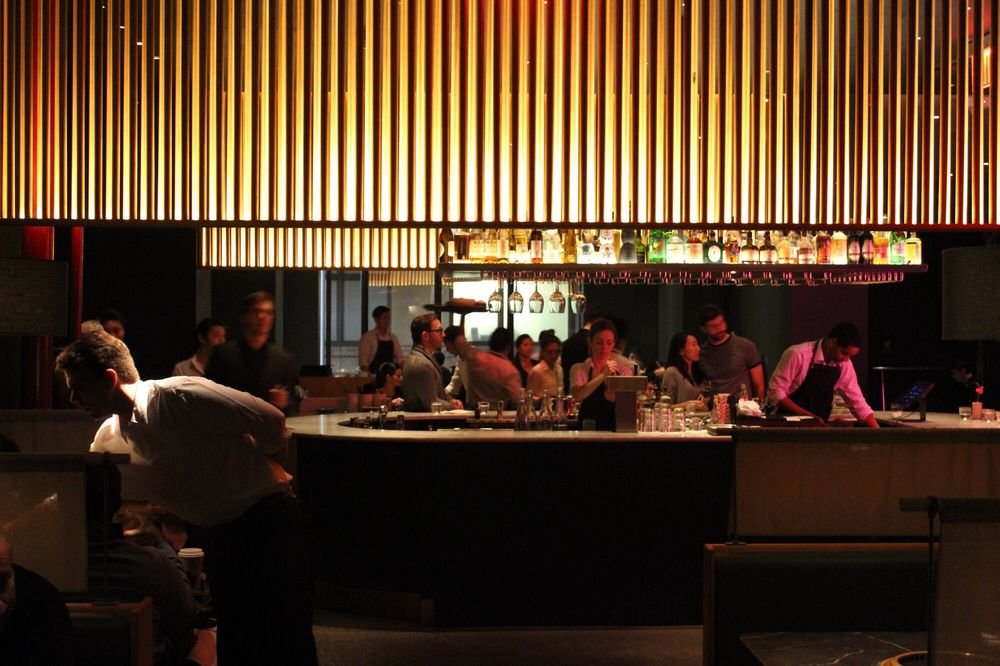
Named after Bangkok’s most famous backpacker street, Khaosan brings an easygoing, neighborhood-café energy to Brooklyn Heights. It is the kind of place locals return to every week: welcoming, consistent, and honest about what it is — a neighborhood Thai restaurant doing everything right. The Pad See Ew uses wide, chewy rice noodles charred perfectly in a hot wok, and the Tom Yum brims with lemongrass and galangal. A reliable lunch menu makes it a weekday staple for the area’s residents.
Must-order: Pad See Ew, Tom Yum Soup, Mango Sticky Rice

💡 Excellent lunch sets — a dependable neighborhood gem in Brooklyn Heights.


7. Glin Thai Bistro — Fort Greene, Brooklyn (2025 Michelin Guide)

Address: 288 DeKalb Ave, Brooklyn, NY 11205 | glinthaibistro.com

One of the most exciting new entries in NYC’s Thai dining scene, Glin Thai Bistro earned its place in the 2025 Michelin Guide by threading a difficult needle: genuinely Thai flavors delivered through a modern bistro framework that speaks directly to Fort Greene’s food-literate, wine-curious clientele. The Duck Basil Fried Rice is a house revelation — deeply savory, fragrant with holy basil, crowned with a crispy fried egg. A thoughtfully assembled wine pairing menu allows guests to experience Thai cuisine as a full dining course, not just a casual takeout option.

Must-order: Duck Basil Fried Rice, Crispy Shrimp Rolls, Massaman Curry

💡 2025 Michelin Guide listed. Wine pairings elevate this to a complete fine-dining experience.


8. Soothr — East Village, Manhattan (Michelin Recognized Since 2021)

Address: 204 E 13th St, New York, NY 10003 | soothrnyc.com

The name Soothr — pronounced “sood” — means “recipe” in Thai. The owners are friends from different regions of Thailand, and the menu reflects a diverse, eclectic mix of family recipes and regional dishes. Soothr has been recognized by the Michelin Guide since 2021 for its focus on noodle recipes from across Thailand. The signature dish is karee pu — sautéed jumbo lump crab meat in egg curry sauce over yellow noodles. The clean, carefully arranged dining room strikes a balance between street-market energy and something more contemplative — a space designed for people who take Thai food seriously.

Must-order: Kuay Tiew Tom Yum, Khao Moo Daeng, Tamarind Duck

💡 Michelin recognized. The lunch set is exceptional value. Reserve for weekend dinners.


9. Thai Diner — Nolita, Manhattan (Michelin Bib Gourmand)

Address: 186 Mott St, New York, NY 10012 | thaidiner.com

Few concepts in New York dining are more joyfully executed than Thai Diner’s premise: take the American greasy spoon and run it through a Thai kitchen. Conceived by Chefs Ann Redding and Matt Danzer, the charming Mott Street spot can be spotted from afar by its corrugated metal-and-wood façade. Inside, the design is exactly as expected — a mashed-up diner with Thai accents like woven bamboo, rattan screens, and a counter with shiny wood seats. Breakfast runs all day, so indulge in the Thai tea French toast, or for that matter, the beverage menu, which is yet another sample of this team’s resourcefulness. It holds a Michelin Bib Gourmand — and thoroughly deserves it.

Must-order: Thai Tea French Toast, Chicken Khao Man Gai, Nam Prik Long Rua

💡 Michelin Bib Gourmand. Brunch and lunch hours are the sweet spot — popular with media and food writers.


10. Charm Thai Cuisine — Montclair, New Jersey

Address: 600 Bloomfield Ave, Montclair, NJ 07042 | charmthaimontclair.com

For those venturing beyond the five boroughs, Charm Thai in Montclair offers a compelling case for Thai food in New Jersey. The atmosphere is unhurried — the kind of restaurant that works equally well for a family dinner, a date, or a long catch-up with friends. The Massaman Curry is rich and warmly spiced with cardamom, cinnamon, and roasted peanuts — a dish with Persian and Malay culinary DNA absorbed over centuries of Siamese trade. Prices are noticeably more accessible than comparable Manhattan spots, and wait times considerably shorter.

Must-order: Pad Thai, Massaman Curry (chicken or beef)

💡 A balanced, well-priced alternative to the NYC crowds — an excellent option for Essex County residents.


Thai Food Across NYC Regions: A Quick-Reference Map

RestaurantNeighborhoodVibeMichelin Status
Mitr ThaiMidtown, ManhattanFine dining
SriPraPhaiWoodside, QueensClassic / traditional
Thai VillaChelsea, ManhattanUpscale / royal
PranakhonLower East SideStreet-food livelySelected
Zaab ZaabElmhurst, QueensIsan / spicyBib Gourmand
KhaosanBrooklyn HeightsNeighborhood café
Glin Thai BistroFort Greene, BrooklynModern bistro2025 Guide
SoothrEast Village, ManhattanArtisan / noodleRecognized since 2021
Thai DinerNolita, ManhattanAll-day diner fusionBib Gourmand
Charm ThaiMontclair, NJCasual / family

Thai Cuisine 101: What to Know Before You Order

Understanding a few fundamentals will deepen your experience at any of these restaurants:

Regional diversity matters. Thailand has four distinct culinary regions, and the best NYC restaurants celebrate this. Central Thai (Bangkok-style) food is coconut-rich and aromatic. Northern Thai food — the cuisine of Chiang Mai — leans earthier, with dishes like khao soi. Southern Thai cooking is the spiciest, with heavy use of turmeric and seafood. And Isan, the northeast, brings fermented, funky, fiery flavors that are rapidly becoming the darling of New York’s food press.

The five-flavor balance. A well-prepared Thai dish hits sweet (palm sugar), sour (tamarind, lime), salty (fish sauce, shrimp paste), spicy (fresh and dried chilies), and bitter (fresh herbs, eggplant) in careful proportion. When one note dominates, the dish falls short. When all five sing together, it is unforgettable.

Fish sauce is not optional. Nam pla — fermented fish sauce — is the backbone of Thai seasoning. It provides the salt and the umami depth. If a restaurant substitutes soy sauce throughout, you are eating an approximation, not the real thing.

Heat levels are a conversation. Do not be embarrassed to specify your spice tolerance. At places like Zaab Zaab and Pranakhon, “Thai spicy” is serious — and wonderful — but worth discussing with your server first.


Final Thought: Spice as Aesthetic, Food as Diplomacy

The best Thai restaurants in New York and New Jersey are not merely feeding a city. They are the living legacy of a remarkable cultural project — one that began in Bangkok royal kitchens, passed through the street stalls of Isan and Chiang Mai, survived translation across an ocean, and arrived in Queens and Brooklyn and Nolita as something both authentically Thai and unmistakably New York. In the US, there are roughly 300,000 Thai-Americans, but an estimated 5,300 Thai restaurants in the country — giving the cuisine the highest population-to-restaurant ratio of any ethnic group. That statistic alone should tell you how seriously Thailand takes its food — and how seriously New York takes it in return.

Whether you begin your journey at SriPraPhai in Woodside, explore the Michelin-noted Soothr in the East Village, or cross the Hudson for Charm Thai in Montclair, the flavors of Thailand are waiting — complicated, generous, and deeply alive.


Have a favorite Thai spot in NYC or New Jersey that deserves to be on this list? Share it in the comments below.

Best Japanese Ramen in New York and New Jersey: 10 Must-Try Spots for Authentic Bowls

Noguchi’s New York: Inside the Noguchi Museum’s Most Ambitious Exhibition Yet, One of Best Museums in New York
Running through September 13, 2026, the Noguchi Museum’s landmark exhibition explores Isamu Noguchi’s lifelong — and often turbulent — relationship with New York City through 50+ works, archival documents, and the radical public visions that never made it off the page.
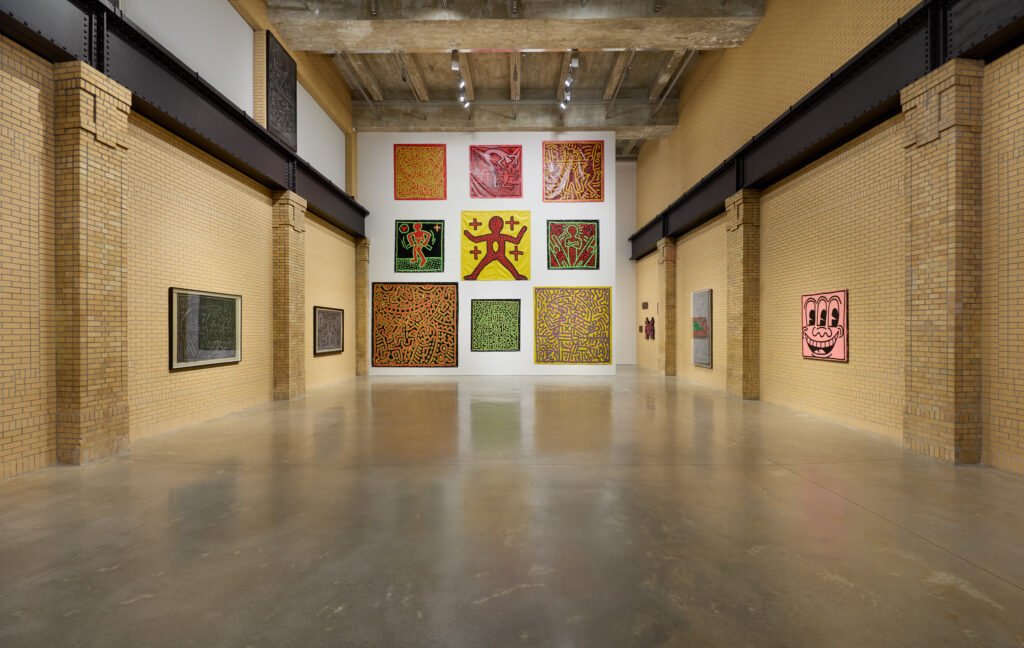
The Noguchi Museum exhibition Noguchi’s New York is not a typical retrospective. Noguchi Museum is one of the best Museums in New York. When you walk into the galleries in Long Island City, Queens, you are not greeted by a triumphant chronology of an artist’s greatest hits. You are met, instead, by the sketches, blueprints, rejection letters, and unrealized visions of a man who spent sixty years trying — and often failing — to give a city a better version of itself.

best museums in new york
Noguchi Museum

Isamu Noguchi first arrived in New York in 1922, at seventeen years old. He would leave and return, leave and return, for the rest of his life. He died here in 1988. As he once put it: “I’m really a New Yorker. Not Japanese, not a citizen of the world, just a New Yorker who goes wandering around like many New Yorkers.” This exhibition, now on view through September 13, 2026, takes that self-definition seriously — and asks what it actually cost him.


What Is the Noguchi Museum Exhibition Noguchi’s New York?

Organized to mark the 40th anniversary of The Isamu Noguchi Foundation and Garden Museum, Noguchi’s New York brings together more than 50 works — sculptures, models, stage sets, archival photographs, and administrative documents — to examine one of the most complex artist-city relationships in 20th-century American art.

The exhibition examines Noguchi’s deep and dynamic relationship with New York City, exploring how its material, cultural, social, and political landscape indelibly transformed his artwork and thinking, and how he in turn transformed the city.

What makes this Noguchi Museum exhibition distinctive is precisely what it doesn’t leave out. Rather than presenting only completed masterworks, curators have foregrounded the projects that never happened: playground proposals that city officials dismissed without a second glance, public sculptures killed in committee, civic spaces imagined and buried in bureaucratic files. These failures, the show argues, are just as revealing as the successes.


Isamu Noguchi New York: A 60-Year Relationship Defined by Collision

An Artist Born on the Border

To understand Noguchi’s relationship with New York, you have to understand who he was before he got here. Born in Los Angeles in 1904 to Japanese poet Yone Noguchi and American writer Leonie Gilmore, Noguchi grew up between cultures — raised partly in Japan, educated in Indiana, and trained in New York. He was, from the beginning, a man without a fixed category.

In the 1920s, he traveled to Paris and worked as an assistant to Constantin Brâncuși, absorbing the fundamentals of modern sculpture. But he quickly broke from the model of the studio sculptor making objects for pedestals. For Noguchi, sculpture was inseparable from the body that moved through it, the ground it sat on, the light that fell across it. Furniture, gardens, stage sets, playgrounds, plazas — all of it was sculpture, if you understood sculpture broadly enough.

New York as Laboratory and Obstacle

Noguchi first arrived in New York in 1922 at just seventeen. Though his career unfolded across Paris, Tokyo, and Mexico City, the city remained his constant point of return. Noguchi’s New York examines this enduring relationship, revealing how New York’s political tensions, architectural density, and civic ambitions shaped his artistic vision.

In the 1920s and ’30s, the city was the ideal laboratory. Industrial materials — aluminum, steel, plate glass — were available on a scale impossible elsewhere. The avant-garde moved fast. He collaborated with Martha Graham, whose radical approach to dance gave Noguchi some of his most generative commissions; his stage sets for her productions remain landmarks of 20th-century design. He designed furniture for Herman Miller. He built a reputation as someone who refused to stay in one lane.

But New York also showed him its hardest face. As a mixed-race immigrant artist during the years of the Great Depression, World War II, and the Cold War, Noguchi was never simply an artist in New York — he was always also something else, someone who had to prove his right to belong.

Robert Moses and the Politics of Public Space

No figure haunts this exhibition more persistently than Robert Moses, the parks commissioner and master builder whose iron grip on New York’s public spaces extended from the 1930s through the 1960s. Moses shaped the physical city more than any elected official of the era — and he was the single greatest obstacle to Noguchi’s public ambitions.

In 1934, Noguchi submitted a proposal for Play Mountain — a pyramid-shaped earthwork designed for children to climb without equipment, a pure sculptural landscape for play. Moses rejected it. In subsequent years, Noguchi proposed playgrounds for Riverside Park and other public sites. Moses rejected those too. The exhibition highlights Noguchi’s unflagging attempts to give back by sculpting communal spaces for exploration and play — efforts often thwarted, most notably by the influential NYC Parks Commissioner Robert Moses.

The rejections were not simply aesthetic disagreements. They reflected a deeper incompatibility between Noguchi’s vision of art as participatory civic space and Moses’s preference for efficient, standardized, manageable infrastructure. Noguchi believed that the city’s children deserved something beautiful and strange to climb. Moses wanted swing sets and slides.


Key Works in the Isamu Noguchi New York Exhibition

Play Mountain (1933) and the Unrealized Playground Proposals

Source: Noguchi Museum

Central to the exhibition is Noguchi’s radical rethinking of public sculpture. A key section brings to life his unrealized playground and plaza proposals — projects that imagined art as a catalyst for communal play rather than passive monumentality. Models and blueprints for works such as Play Mountain (1933) and Contoured Playground (1941) are animated through newly commissioned short films, translating speculative designs into vivid, moving form.

These films are worth the visit alone. Seeing children move through the spaces that never existed is both a pleasure and a quiet indictment.

News (Associated Press Building Plaque, 1938–40)

One realized commission on view at the exhibition may be familiar to New Yorkers: News (Associated Press Building Plaque) (1938–40), Noguchi’s first public work in the United States — a large-scale stainless steel relief installed at Rockefeller Center. Archival photographs and drawings trace the making of this piece, which renders a group of newspaper men as a celebration of the city’s heroic working class. It is one of the few places in the exhibition where the city and the artist arrived at something together.

Red Cube (1968) and Sunken Garden (1961–64)

Source: Noguchi Museum

Two public art displays are just a block away from each other in Lower Manhattan — both the work of Noguchi. They are the Red Cube at 140 Broadway and the Sunken Garden at Chase Manhattan Bank Plaza. Both are on view as part of the exhibition context, and both remain among the most quietly radical pieces of public sculpture in the city.

Unidentified Object (1979)

Perhaps no work better captures Noguchi’s position in New York than Unidentified Object, the 11-foot basalt sculpture that stood at Doris C. Freedman Plaza in Central Park — his first public sculpture on city land, unveiled when he was 74 years old. The photograph of Noguchi at its debut, standing in front of the Plaza Hotel in a rumpled suit, is one of the most moving images in the show. It took him most of a lifetime to get a piece of stone into Central Park.


The Noguchi Museum Itself as Exhibition: A 40th Anniversary Reflection

One of the most original arguments this Noguchi Museum exhibition makes is about the museum itself. After decades of watching his public proposals rejected, Noguchi built his own public space. In 1985, he opened The Isamu Noguchi Foundation and Garden Museum in a converted 1920s factory in Long Island City — at the time, the first museum in the United States established by a living artist.

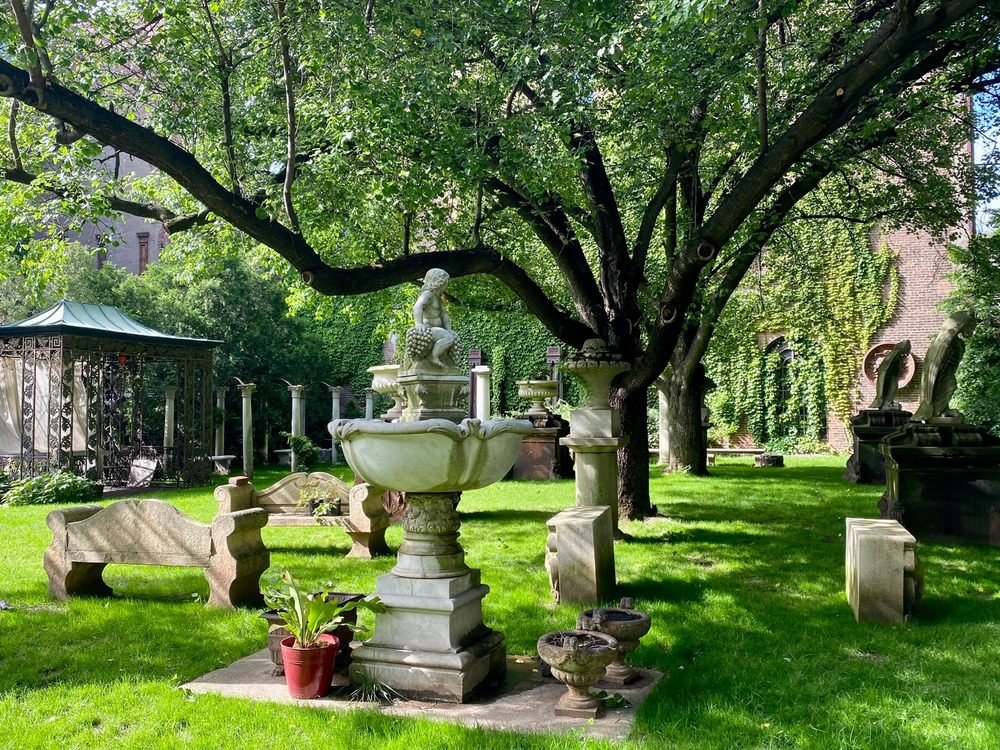
The space is extraordinary. Two gallery floors and an outdoor sculpture garden, where granite, basalt, and marble works sit under open sky and change with the light and the seasons. It is everything his rejected playgrounds were supposed to be: a place where people walk among art, sit with it, think inside it.

Noguchi called it a gift to the city. As Amy Hau, director of the Noguchi Museum, noted: “We are just so proud here in Queens that he not only established the beginnings of a very wonderful collection, but giving it to the city in this way as a museum for all of us to enjoy.”

The 40th anniversary framing makes this point without sentimentality: the museum is not a consolation prize. It is the most complete realization of everything Noguchi believed about art and public life.


Visitor Guide: Everything You Need to Know Before You Go

Exhibition Details

DetailInfo
ExhibitionNoguchi’s New York
DatesFebruary 4 – September 13, 2026
HoursWednesday–Sunday, 11am–6pm (closed Mon & Tue)
Address9-01 33rd Rd at Vernon Blvd, Long Island City, Queens, NY
AdmissionAdults $20 / Students & Seniors $15
ReservationsAdvance booking recommended via the museum website

Getting There

Take the 7 train from Midtown Manhattan to the Vernon Blvd–Jackson Ave stop in Queens. The museum is about a 10-minute walk from the station through the industrial waterfront neighborhood of Long Island City — an area worth exploring before or after your visit for its concentration of galleries and waterfront parks.

What to Expect Inside

The museum occupies a converted factory building. The ground floor galleries hold the historical arc of the exhibition — early portrait busts, archival documents, the rejected playground proposals, and models for unrealized public works. The upper floor carries his applied works: stage designs, Akari light sculptures (his iconic paper lanterns), furniture.

The outdoor sculpture garden is the emotional heart of the space. Large stone works in granite, basalt, and marble are arranged across a gravel courtyard, shifting with the light. Visitors can sit on benches, listen, and look — the garden does a remarkable job of muting the surrounding city noise. Come on a clear day if you can.

Tips for Getting the Most Out of the Noguchi Museum Exhibition

Read the rejection letters. The administrative documents — particularly Moses’s terse dismissals of Noguchi’s playground proposals — are among the most affecting objects in the show. They make the sculptures feel urgent in a way that art history rarely does.

Watch the animated films. The newly commissioned short films showing how children might have moved through Play Mountain and Contoured Playground are a genuine innovation in exhibition design. Give them time.

Stay in the garden. Most visitors spend 20 minutes in the outdoor space when they should spend an hour. Sit down. Let the stone and the light do their work.

Connect the indoor and outdoor. The exhibition makes most sense if you carry what you’ve seen in the galleries into the garden. The garden is the argument. It’s what Noguchi built when the city said no.


Why This Exhibition Matters Right Now

The questions Noguchi asked about New York — about who public space is for, who gets to shape it, what art can do in a city — have not been answered. The exhibition positions Noguchi not only as a sculptor of objects, but as a visionary thinker who treated New York itself as a material — shaping, challenging, and reimagining the city through art.

That vision runs directly into questions cities are still failing to answer: How do public spaces get designed, and for whom? Who decides what belongs in the park? What does it cost an artist — particularly an immigrant artist navigating race, nationality, and institutional gatekeeping — to imagine a better city?

Noguchi spent sixty years asking those questions in New York. This exhibition asks them again.


Plan Your Visit

Noguchi’s New York is on view through September 13, 2026, at The Noguchi Museum, 9-01 33rd Rd at Vernon Blvd, Long Island City, Queens. Admission is $20 for adults, $15 for students and seniors. Advance reservations are recommended and can be made at noguchi.org.

The museum is open Wednesday through Sunday, 11am to 6pm.

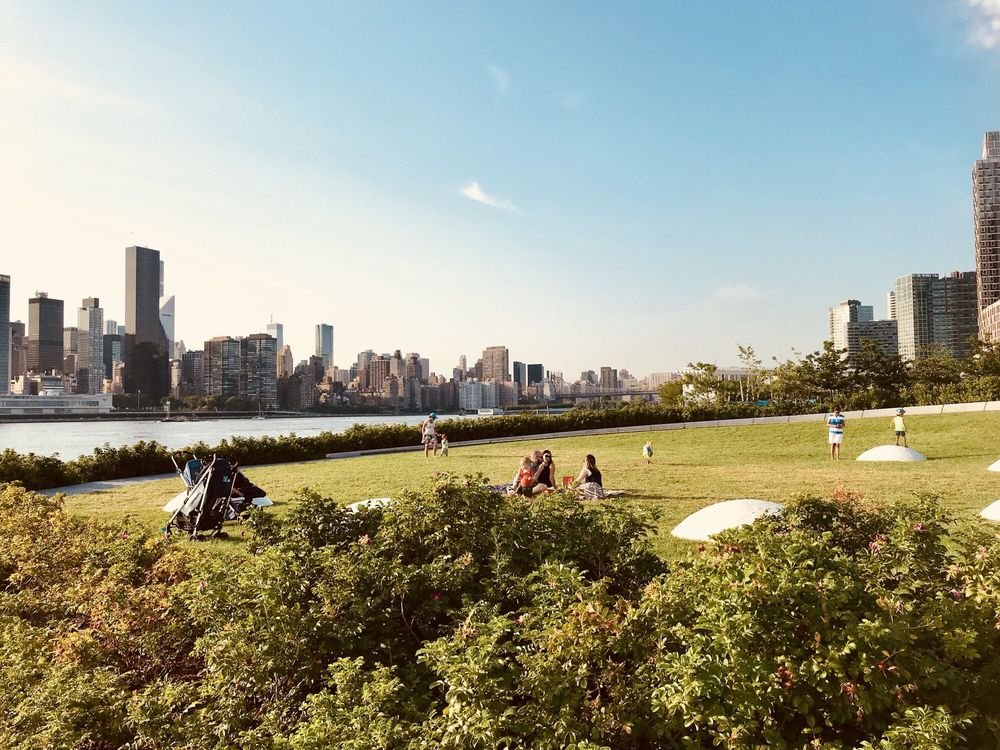
While in the neighborhood, consider pairing your visit with the nearby MoMA PS1 (a 10-minute walk) or a stop along the Long Island City waterfront for views of the Manhattan skyline — views Noguchi himself would have known from his studio.


Last updated: February 2026

NYC’s Best Street Food: Hidden Gems and Award-Winning Carts Locals Actually Eat At