If you’re searching for the best gelato NYC has to offer — or the hidden gems tucked just across the Hudson in New Jersey — you’ve come to the right place. Gelato is not simply ice cream’s Italian cousin. It’s denser, silkier, and served at a slightly warmer temperature than traditional ice cream, which means its flavors hit harder and linger longer. Made with more milk and less cream, less air, and often no egg yolks, authentic gelato achieves that signature velvety texture that has turned countless first-timers into devoted fans.
The New York metropolitan area is home to one of the most vibrant and diverse gelato shop scenes outside of Italy itself — spanning fifth-generation Bari family recipes to Brooklyn-based South Asian spice experiments. Whether you’re a purist who wants fior di latte exactly as your Italian grandmother might have known it, or an adventurer who thrills at Thai chili chocolate and saffron pistachio, these 10 gelaterias represent the full, spectacular spectrum of what a single scoop can be.
Lace up your walking shoes. This gelato road trip is about to begin.
What Makes Gelato Different from Ice Cream?
Before diving into our picks, a quick primer for the uninitiated. Gelato is churned at a slower speed than American ice cream, incorporating significantly less air — a quality known as overrun. The result is a product that is denser and more intensely flavored. It’s also stored and served at a slightly warmer temperature (around -11°C vs. -15°C for ice cream), giving it that famously soft, almost pliable consistency. Traditional gelato recipes from regions like Sicily, Tuscany, and Piedmont each carry their own local character — something you’ll notice reflected in the gelaterias below.
Best Gelato Shops in New York City
1. Caffè Panna — Where Roman Inspiration Meets New York Wit
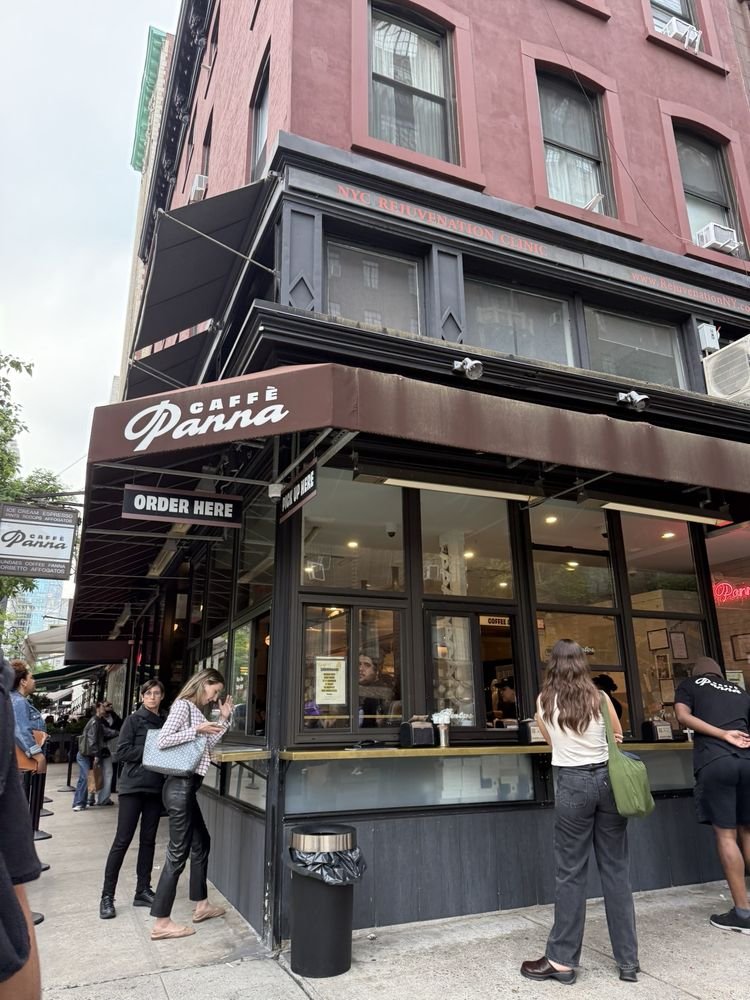
Locations: 77 Irving Place, Gramercy Park; 16 Norman Ave, Greenpoint, Brooklyn
Website: https://www.caffepanna.com/
If there’s one name that defines the current golden era of gelato in NYC, it’s Caffè Panna. Founded in 2019 by Hallie Meyer — daughter of legendary restaurateur Danny Meyer — this shop was born from her time studying in Rome, where she fell deeply in love with Italian gelato culture. The result is a shop that bridges the old world and the new with remarkable confidence.
The menu rotates weekly, embracing seasonal produce and unexpected pairings: think sungold tomatoes and olive oil in summer, or spiced pumpkin with candied pecans in fall. Seven core flavors are always available, including the beloved Chocolate Sorbet and Caffè Bianco Stracciatella, but it’s the daily specials that keep regulars coming back obsessively. Every scoop comes with a complimentary cloud of freshly whipped panna — the crown jewel of the experience. The Greenpoint location, which opened in July 2024, serves as the production facility, meaning you can watch the ice cream being made while you eat yours.
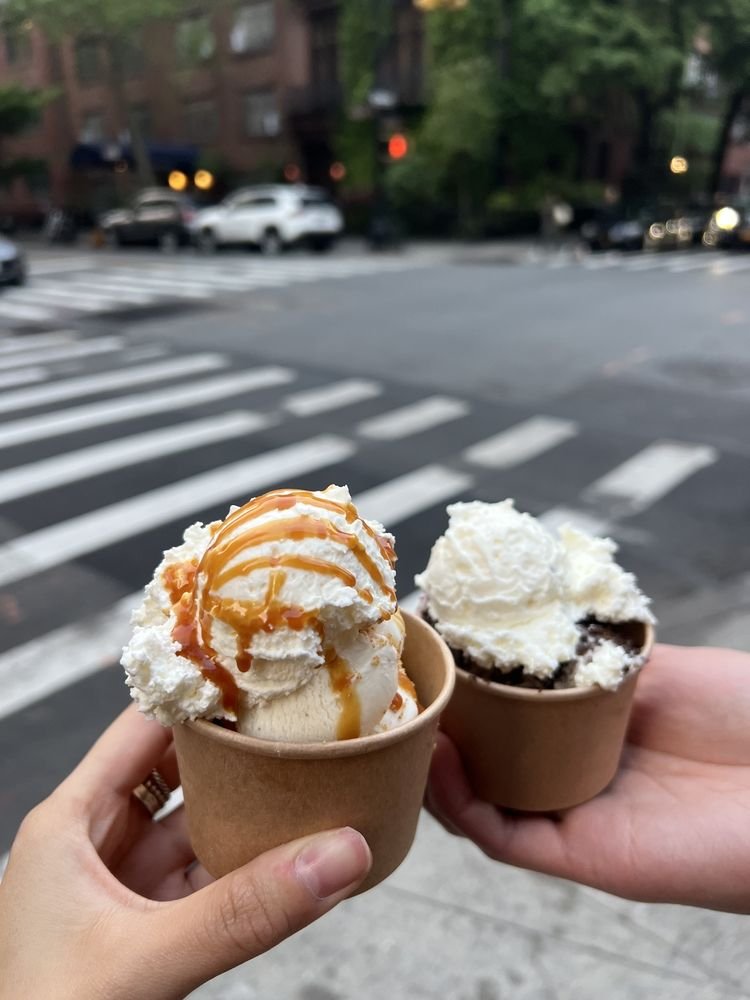
- Must-Try Flavors: Panna, S’mores Swirl, Salted Vanilla Chip, seasonal specials
- Pro Tip: The Brooklyn location exclusively offers Caffè Panna’s signature granitas — soft serve on the bottom, whipped cream on top, and crunchy flavored ice in between. Don’t miss the Granita Di Strawberry.
2. Anita Gelato — 150 Flavors and the Joy of Choosing
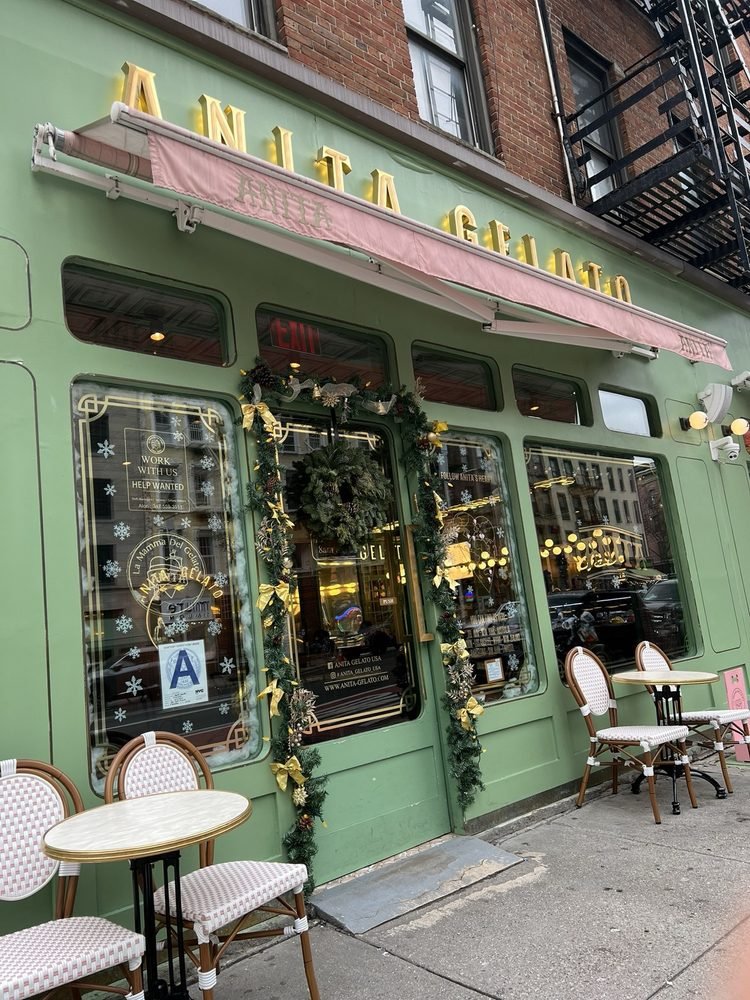
Locations: Upper East Side, Williamsburg, Hudson Yards, Times Square, and more
Website: https://www.anita-gelato.com/
What started over 20 years ago in a home kitchen in Tel Aviv — where founder Anita Avital began crafting homemade gelato recipes for her family — has grown into a global phenomenon with over 25 locations worldwide. New York is home to several of them, and each one is a visual feast before it’s even a culinary one.
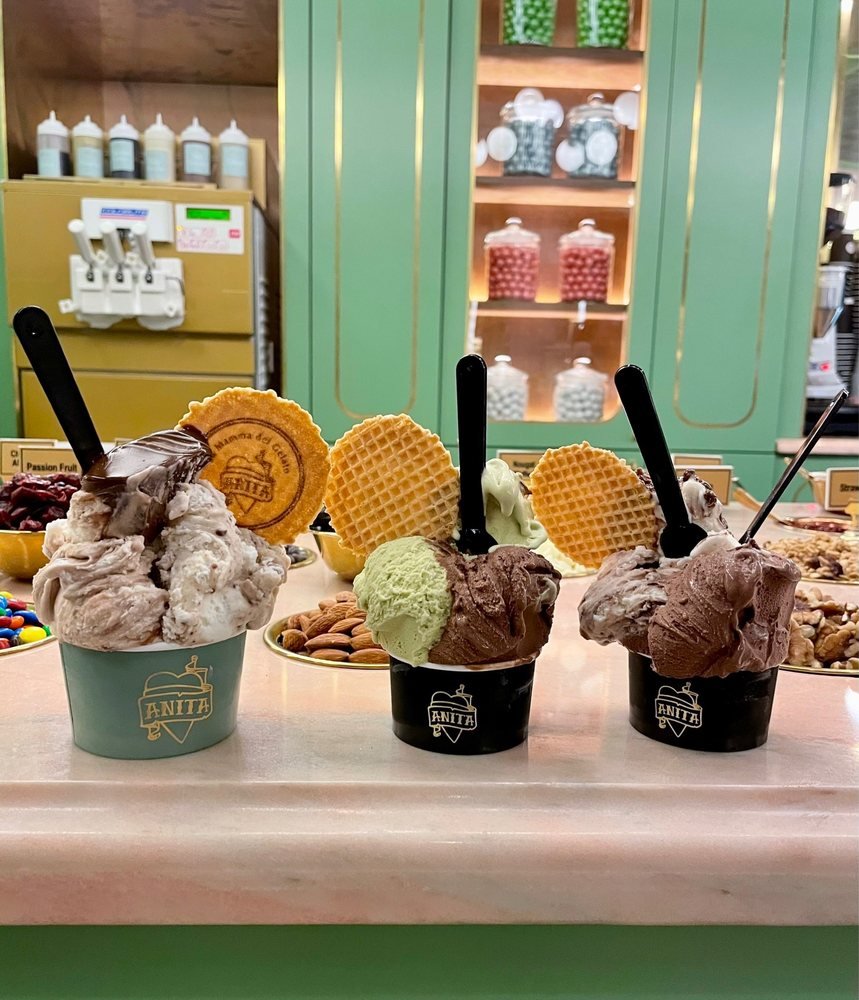
The defining experience at Anita Gelato is the sheer scale of choice: over 150 rotating flavors displayed in generously overflowing canisters, accented with homemade jams, chocolate art, and inventive toppings. Traditional Italian flavors share space with creations like Salted Bagel, Popcorn with Honey Caramel, and Crumbled Cheesecake. With over 150 topping options — crunchy nuts, drizzles, chocolate wafers — no two visits need ever be the same.
- Must-Try Flavors: White Chocolate & Pretzel, Nougat Crumble, Pistachio Crunch, Pavlova & Mixed Berries
- Pro Tip: This is an excellent choice if you’re near Times Square before or after a Broadway show.
3. Gelateria Gentile — A Living Heritage Since 1880
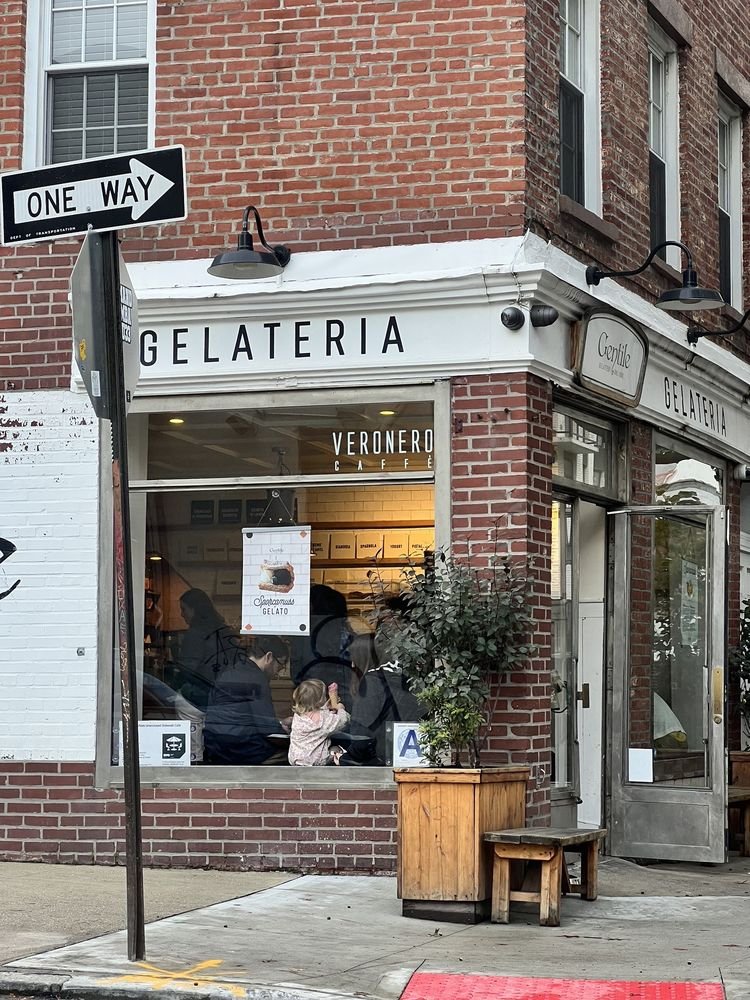
Locations: 60 University Place (Greenwich Village); Williamsburg; Nolita
Website: https://www.gelateriagentile.com/en/
For those who believe the best gelato NYC can offer should taste like it came straight from an Italian nonna’s hands, Gelateria Gentile is non-negotiable. The brand traces its roots to Bari, southern Italy, in 1880, and today operates as a fifth-generation family enterprise. The gelato is produced at their factory in Williamsburg and served on cones imported directly from Italy — details that signal how seriously this family takes authenticity.
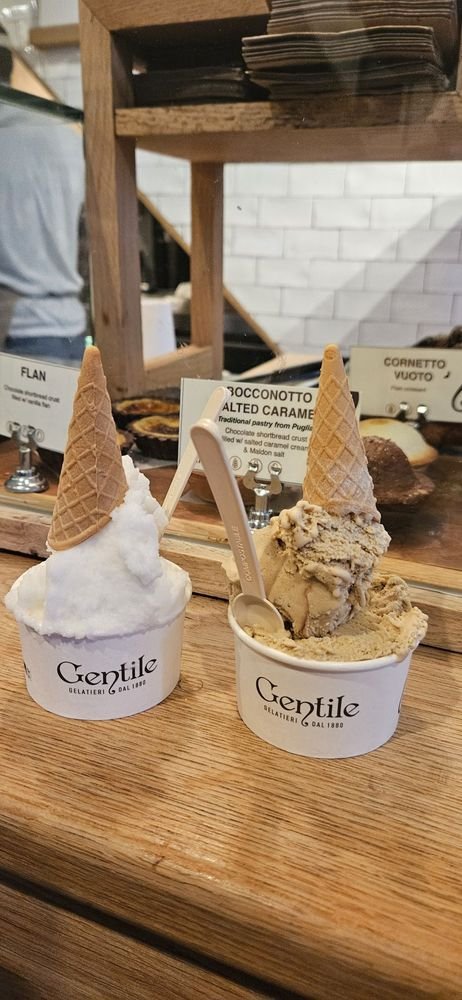
The flavors are classic, carefully curated, and executed with quiet confidence. The milk-forward base has a depth that’s immediately recognizable as old-world Italian. There are no gimmicks here, just extraordinary craft.
- Must-Try Flavors: Fior di Latte, Gianduja (chocolate + hazelnut), Pistachio di Bronte
- Pro Tip: Pair your gelato with an espresso for the full southern Italian afternoon experience.
4. L’Arte del Gelato — A Slice of Sicily on the High Line
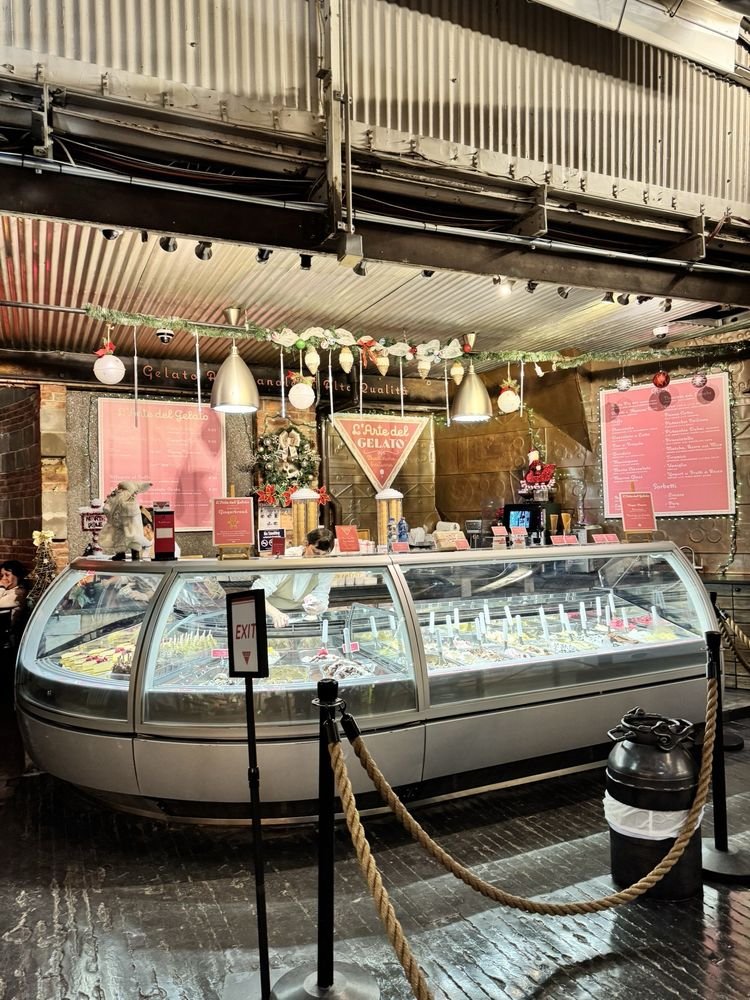
Locations: Chelsea Market, The High Line, Oculus (World Trade Center)
Founded by Francesco Realmuto, a native of Sicily, L’Arte del Gelato brings the full Sicilian dessert tradition to some of Manhattan’s most iconic destinations. The star of the show is not just the gelato itself but the way it’s served: nestled inside a brioche bun in the traditional Sicilian fashion — a warm, pillowy vessel that turns your scoop into a complete meal-like experience unlike anything else in the city.
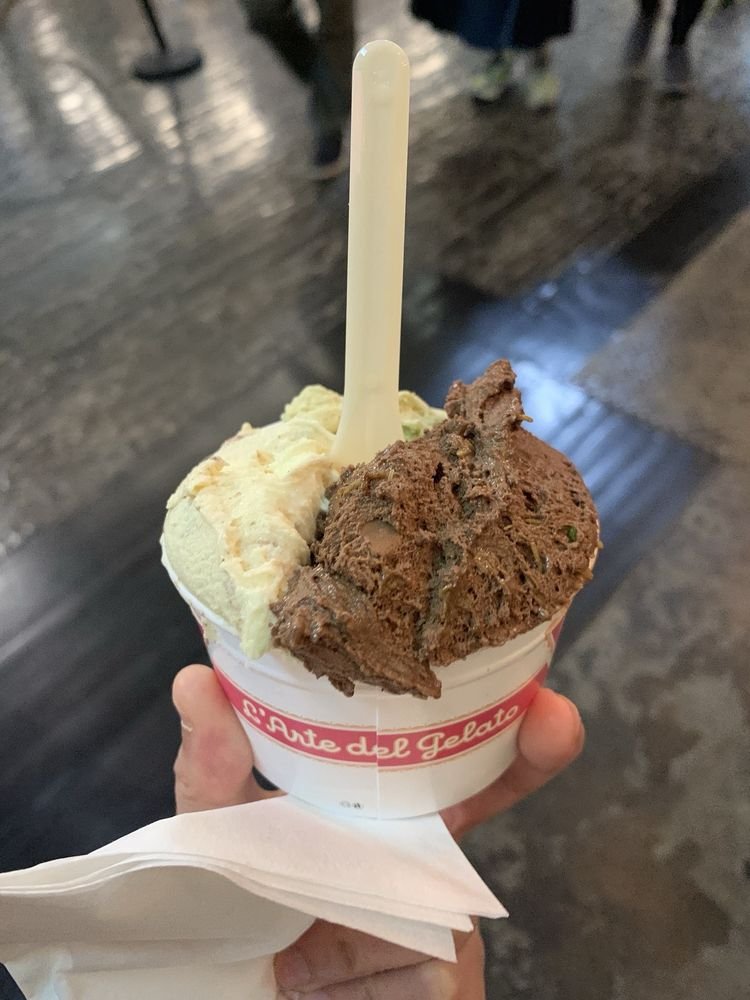
All ingredients are sourced naturally, and the flavor palette leans toward the classic and the seasonal. Visitors consistently single out the pistachio and salted caramel as standouts, with the Ricotta & Fig a more adventurous but equally rewarding choice.
- Must-Try Flavors: Ricotta & Fig, Hazelnut, Strawberry Sorbetto, Pistachio
- Pro Tip: Order the brioche-gelato combination. It is, quite simply, a revelation.
5. Il Laboratorio del Gelato — The Gelato Laboratory of the Lower East Side
Location: 188 Ludlow Street, Lower East Side
Opened in 2002 by Jon Snyder on the Lower East Side, Il Laboratorio del Gelato has earned its reputation as one of the most adventurous gelaterias in the country. The “laboratory” concept isn’t just marketing: the shop boasts an extraordinary catalog of over 300 flavors through its wholesale operation, though the in-store selection is trimmed to a still-impressive daily rotating menu. The shop supplies bespoke gelato to some of New York’s top restaurants, crafting custom flavors on demand.
If you’ve ever wondered what cheddar cheese gelato tastes like — or Thai chili chocolate, or fresh horchata — this is where your curiosity gets answered. But for every experimental creation, there are equally excellent renditions of the classics: the dark chocolate is legendary, and the fresh mint will ruin all other mint ice creams for you permanently.
- Must-Try Flavors: Thai Chili Chocolate, Fresh Mint, Dark Chocolate, Horchata
- Pro Tip: Sample liberally before committing — staff are patient and happy to oblige.
6. Malai — South Asian Spice Meets the Best Gelato NYC Tradition
Location: 268 Smith Street, Carroll Gardens, Brooklyn
Malai is what happens when deep culinary heritage meets modern American creativity in the best possible way. Founded in 2015 by Pooja Bavishi — named one of Brooklyn Magazine’s 50 most fascinating people — this Carroll Gardens shop draws from South Asian ingredients and spices to craft ice cream and gelato that is entirely its own category.
The gelato at Malai is handcrafted, eggless, and churned with minimal air, resulting in an unusually dense and creamy texture. The Masala Chai flavor alone — built on a proprietary blend of five types of tea leaves perfected over more than 50 iterations — is reason enough to make the trip to Brooklyn. The Rose with Cinnamon Roasted Almonds is floral, complex, and deeply satisfying, while the Orange Fennel (steeped via cold infusion for 48 hours) is a masterclass in restraint and technique.
- Must-Try Flavors: Masala Chai, Rose with Cinnamon Roasted Almonds, Saffron Pistachio, Golden Turmeric
- Pro Tip: Malai’s pints are also available at select grocery stores across the city if you want to bring the experience home.
7. Venchi Chocolate & Gelato — 140 Years of Piedmontese Excellence
Locations: Upper East Side, Columbus Circle, Hudson Yards, World Trade Center
Turin, 1878. That’s where Venchi began — as a small confectionery in the heart of Piedmont, Italy’s chocolate capital. Nearly 150 years later, the brand has grown into an internationally recognized luxury destination, and their Manhattan outposts are among the most visually stunning dessert spaces in the city. The gold accents, chocolate wall installations, and warm lighting set the mood before you’ve even ordered.
Venchi uses fresh Piedmontese hazelnuts, Sicilian almonds, Bronte pistachios, and Sorrento lemons to craft gelato that is rich, purposeful, and deeply rooted in northern Italian confectionery tradition. The chocolate-hazelnut combinations are extraordinary, and the Olive Oil gelato — surprisingly — is one of their most talked-about flavors among regulars.
- Must-Try Flavors: Cremino, Cuor di Cacao, Chocolate-Hazelnut, Olive Oil
- Pro Tip: Pick up a bar of Venchi’s single-origin chocolate on your way out. It’s among the finest you’ll find in the city.
8. L’Albero dei Gelati — Organic, Slow, and Utterly Brooklyn
Location: Park Slope, Brooklyn
Tucked into the leafy streets of Park Slope, L’Albero dei Gelati (“The Gelato Tree”) is the quiet, principled soul of Brooklyn’s gelato scene. Rooted in the Slow Food philosophy — a movement that prizes local, sustainable ingredients and mindful production — this family-run shop originally hails from Brianza, in the Lombardy region of northern Italy.
Everything here is made with certified organic and locally sourced ingredients wherever possible, and the approach shows. The Olive Oil gelato has a grassy, lush quality; the Butter & Sea Salt is indulgent without being heavy; the Hazelnut is pure, clean, and intensely nutty. The shop also makes exceptional pastries, making it an ideal destination for a full afternoon pause.
- Must-Try Flavors: Olive Oil, Butter & Sea Salt, Hazelnut
- Pro Tip: Pair a scoop with one of their house-made pastries for the ultimate slow afternoon in Park Slope.
Best Gelato Shops in New Jersey
9. Gelotti — Classic Craft Gelato in the Heart of Essex County
Locations: Montclair (571 Bloomfield Ave), Caldwell, and surrounding areas
Gelotti has been a fixture of the Essex County gelato scene for decades, and for good reason. The shop is exactly what a neighborhood gelateria should be: consistent, generous, and deeply comforting. This is the place locals grew up visiting, the stop on the way home from a Little League game, the reward after a tough week. In the competitive world of specialty desserts, there’s something genuinely valuable about a shop that simply does what it does, and does it well.
The gelato leans into Italian-American classics executed with care. Stracciatella arrives with satisfying shards of dark chocolate throughout a clean milk base. The Cannoli Cream is a seasonal crowd-pleaser, and the Tiramisu is a legitimate rival to anything you’d find in a Milanese café.
- Must-Try Flavors: Stracciatella, Cannoli Cream, Tiramisu, Kit Kat (a local favorite)
- Pro Tip: This is excellent value for families — portions are generous and prices remain accessible.
10. Applegate Farm — 175 Years of New Jersey Sweet History
Location: 616 Grove Street, Upper Montclair, NJ
There are ice cream shops, and then there are institutions. Applegate Farm — established in 1848 and located just 15 minutes west of Manhattan — is unambiguously the latter. Originally a dairy farm that began selling ice cream in the early 1900s (the first cone was served by staff member Frank Oliver in 1932), Applegate Farm has survived the Civil War, the Great Depression, and two World Wars to become one of the largest retail ice cream outlets on the entire East Coast.
Today, the farm operates under the Street family, who have maintained the same handwritten recipe cards that have guided production for generations. The menu spans over 60 flavors at any given time, including sugar-free options and Italian ices, but it’s the signature homemade classics that command loyalty: Cappuccino Crunch, Strawberry Cheesecake, and the timeless Maple Walnut draw visitors from across northern New Jersey year after year. The atmosphere — outdoor seating, a rustic farm stand vibe, a giant decorative cow at the entrance — is as much a part of the experience as the gelato itself.
- Must-Try Flavors: Cappuccino Crunch, Raspberry Cheesecake Gelato, Maple Walnut, Coffee Fudge Crunch
- Pro Tip: Applegate is beloved by generations of New Jersey families. Expect lines on warm evenings — they move quickly, and the wait is always worth it.
Quick Comparison: NYC & NJ Gelato Shops at a Glance
Shop Location Best For Signature Flavor Caffè Panna Gramercy / Greenpoint Seasonal creativity Chocolate Sorbet Anita Gelato Multiple NYC locations Choice & toppings Pistachio Crunch Gelateria Gentile Greenwich Village / Williamsburg Old-world authenticity Fior di Latte L’Arte del Gelato Chelsea / High Line / Oculus Sicilian brioche experience Ricotta & Fig Il Laboratorio del Gelato Lower East Side Experimental flavors Thai Chili Chocolate Malai Carroll Gardens, Brooklyn South Asian spice fusion Masala Chai Venchi Multiple Manhattan locations Luxury chocolate-forward Cremino L’Albero dei Gelati Park Slope, Brooklyn Organic slow food Olive Oil Gelotti Montclair, NJ Classic NJ neighborhood gem Stracciatella Applegate Farm Upper Montclair, NJ Historic farm nostalgia Cappuccino Crunch
Planning Your Gelato Road Trip: Tips for the Best Experience
Go on a weekday. The most popular spots — Caffè Panna and Gelateria Gentile especially — can draw significant weekend lines. A Tuesday or Wednesday afternoon visit tends to be a far more relaxed experience.
Ask for samples. Every gelateria on this list encourages tasting before buying. Use that generosity to explore unusual flavors you might not otherwise try.
Go small. Authentic gelato is intensely flavored and rich. A small serving often delivers more satisfaction than a large one. Many first-time visitors are surprised at just how satisfying a single scoop can be.
Combine with a neighborhood walk. Gelato tastes best when you’re strolling. Chelsea Market to the High Line is a natural pairing with L’Arte del Gelato. Park Slope’s brownstone streets and Prospect Park make L’Albero dei Gelati feel like a Roman afternoon. And the drive through Montclair’s tree-lined streets to Applegate Farm has a quiet charm all its own.
Check Instagram for seasonal specials. Shops like Caffè Panna and Malai regularly post daily flavors and limited collaborations on social media. Following them can tip you off to something extraordinary you’d otherwise have missed.
Final Scoop
Gelato, at its core, is a language — one spoken in milk and sugar, in seasonal fruit and ancient nut groves, in the philosophy of slowing down enough to taste what’s in front of you. The gelato shops of New York and New Jersey don’t just serve dessert; they offer a moment of translation between cultures, between generations, between the city’s relentless pace and something softer, older, and infinitely more patient.
Whether your first stop is the Roman-inspired showroom of Caffè Panna in Greenpoint, the storied production floor of Gelateria Gentile in Williamsburg, or the farm-stand warmth of Applegate in Montclair — one thing is certain. The best gelato in NYC and New Jersey is out there waiting, and it’s better than you’re expecting.
Go find it.
Related posts you might enjoy: