


New York City isn’t just museums and window shopping — it’s an action-packed playground for adventure seekers. From soaring above the Manhattan skyline in a helicopter to ice skating under the Rockefeller Center Christmas tree or pedaling through Central Park, outdoor adventures create some of the most memorable moments of any NYC trip.
But before you book anything, it pays to know the rules. This guide walks through NYC helicopter tour safety tips, Central Park bike rental rules, and what to know about ice rinks, sky decks, and travel insurance so your 2026 New York adventure goes off without a hitch.
1. NYC Helicopter Tour Safety Tips: What Every Flyer Should Know
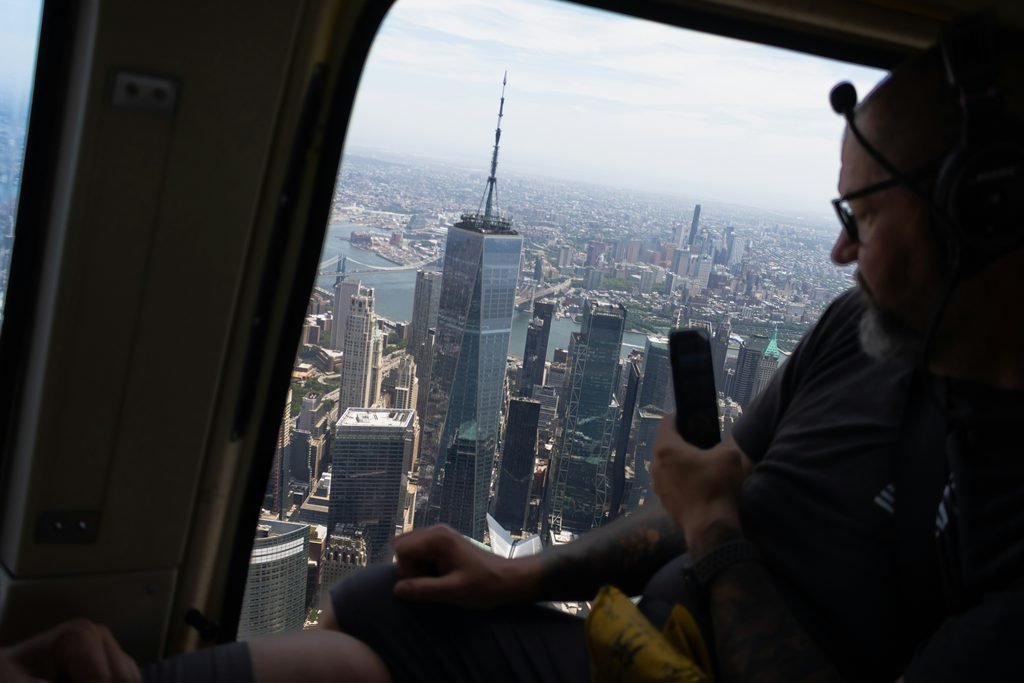
A helicopter flight over the Hudson River delivers unbeatable views of the Statue of Liberty, Brooklyn Bridge, and Empire State Building. But before you book, these are the NYC helicopter tour safety tips worth knowing.
ID, Age, and Weight Requirements
Under FAA rules, anyone 18 or older needs a valid government-issued photo ID at check-in. Weight limits matter more than people expect: most operators cap individual passengers at around 275 lbs (125 kg), though some, like HeliNY, set stricter limits (around 250 lbs) on certain aircraft. Passengers over the limit are usually required to book an additional “comfort seat,” with surcharges typically running $99–$250 depending on the operator. If your group is on the heavier side, call ahead — operators reserve the right to reassign seating or add passengers to balance the aircraft.
Doors-Off Tours: Know Where They Actually Fly From
Here’s something many first-time visitors get wrong: doors-off helicopter tours are not permitted from Manhattan’s Downtown Heliport. Following a fatal 2018 crash into the East River, New York City banned doors-off flights departing from within city limits. If you want the open-door photography experience, you’ll need to book with an operator like FlyNYON, which departs from Kearny, New Jersey — outside the city’s jurisdiction. Always confirm your departure airport before booking, since the “New York helicopter tour” you find online may actually take off from New Jersey and include a 30–45 minute travel window each way.
Weather Cancellations and Prohibited Items
Helicopter flights are highly weather-dependent, and canceled flights due to fog, wind, or low visibility are common. Many tickets are non-refundable unless you buy a flexible cancellation add-on, so check the fine print before paying. Loose scarves, oversized bags, and unsecured cameras are banned on open-door flights because anything not strapped down becomes a hazard mid-air.
Learn more about FAA helicopter tour regulations
2. Central Park Bike Rental Rules Every Rider Should Follow

Renting a bike to explore Central Park’s 843 acres is a classic New York experience — but sharing the park’s loop roads with runners, horse-drawn carriages, and pedicabs means the Central Park bike rental rules are worth learning before you clip in.
Ride Counterclockwise, Stay Off the Paths
The park’s main drives always flow counterclockwise, and cycling is prohibited on pedestrian-only paths, lawns, and the Park’s dirt trails. The Central Park Conservancy notes that cycling is only allowed on marked shared paths in a couple of specific spots, so stick to the drives unless a path is clearly marked for bikes.
Helmet Laws and Speed Limits
New York law requires cyclists under 14 to wear a helmet, though it’s smart for riders of any age given how congested the loop gets, especially near crosswalks and popular photo spots like Bethesda Fountain. Speed inside the park is generally capped around 20 mph. If you rent an e-bike, Class 3 e-bikes require a helmet by law regardless of the rider’s age.
Route Options for Every Fitness Level
Most rental shops offer three main loop options: a 1.7-mile Southern Loop for casual riders, a roughly 5-mile Lower Loop that skips the steep northern hills, and the full 6-mile loop including Harlem Hill for more experienced cyclists. If you head out of the park onto Manhattan streets, stay in marked bike lanes and skip the headphones — situational awareness matters more in city traffic than in the park.
3. Winter Ice Skating & Summer Rooftop Safety

From Wollman Rink and Bryant Park’s winter ice to sky-high observation decks in the warmer months, New York’s seasonal adventures come with their own physical demands.
Ice Rink Safety
Central Park’s Wollman Rink now runs under new management (Wollman Park Partners) and typically opens in late October, running through mid-March. General admission runs roughly $15–$38 for adults with $10–$12 skate rentals, and the rink gets extremely crowded during the holidays — which is exactly when wrist and ankle injuries spike among beginner skaters. Wrist guards are a smart, inexpensive addition if you’re new to the ice.
Observation Decks and Glass Floors
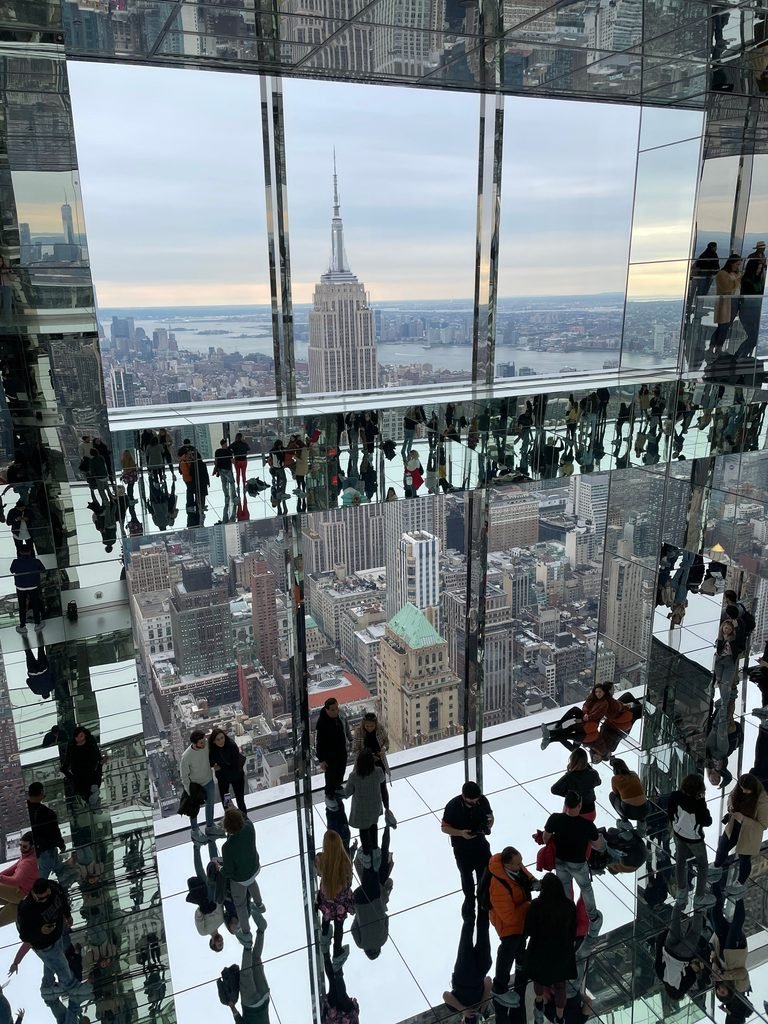
Sky decks like Edge at Hudson Yards (home to the CityClimb experience) and Summit One Vanderbilt require sturdy, non-slip footwear, and both encourage securing your phone with a lanyard before leaning out over a glass floor or open-air ledge. These attractions are generally very safe when visitors follow posted guidance, but rushing for a photo on a windy day is where most minor incidents happen.
4. Why Your Travel Insurance Needs to Cover “Adventure Activities”
Many travelers assume standard travel insurance covers any accident on vacation — that’s a costly misconception. Standard policies frequently exclude high-risk or “extreme sports” activities, which can include helicopter tours, sky-deck climbing experiences, and even some bike rentals in insurers’ fine print.
Before you book your NYC adventure, check for:
- An extreme sports rider or add-on that specifically names helicopter flights, climbing experiences, or similar activities.
- Emergency medical evacuation coverage of at least $100,000, in case you need transfer to a specialized trauma facility.
- Equipment and activity-fee protection, so non-refundable tickets are reimbursed if weather or illness forces a cancellation.
Reading the exclusions section of your policy — not just the marketing summary — is the single best way to avoid a surprise bill after an accident.
Final Thoughts
Helicopter flights, Central Park bike rides, ice skating, and sky-deck adventures make a trip to New York City unforgettable. By following the NYC helicopter tour safety tips above, sticking to the Central Park bike rental rules, and confirming your travel insurance actually covers adventure activities, you can dive into everything the city offers with real peace of mind.
This guide is for general informational purposes only. Always confirm current rules, pricing, and safety requirements directly with tour operators, NYC Parks, and your insurance provider before booking.
Related posts you might enjoy
3 thoughts on “NYC Helicopter Tour Safety Tips & Central Park Bike Rental Rules: Your 2026 Adventure Guid”
Comments are closed.