
How to Skip Airport Lines: Your Complete Guide to Global Entry and TSA PreCheck

How to Skip Airport Lines: Your Complete Guide to Global Entry and TSA PreCheck

How to Skip Airport Lines: Your Complete Guide to Global Entry and TSA PreCheck

Ever spent over an hour waiting in line at international arrivals? Or missed your flight because security screening took forever? You’re not alone. But here’s the good news: Global Entry and TSA PreCheck can change your entire airport experience.

These trusted traveler programs let you breeze through customs and security while everyone else is stuck in endless queues. And yes, even non-U.S. citizens can apply. In this comprehensive guide, I’ll walk you through everything you need to know about eligibility, costs, application steps, and insider tips to maximize your membership.

What is Global Entry?

Global Entry is a U.S. Customs and Border Protection (CBP) program that provides expedited clearance for pre-approved, low-risk travelers upon arrival in the United States.

How It Works

Instead of waiting in traditional immigration lines, Global Entry members use automated kiosks to complete their customs declaration in minutes. You simply scan your passport, verify your fingerprints, answer a few questions on the touchscreen, and you’re done.

Key Benefits

  • Skip the immigration lines – Use automated kiosks at major U.S. airports
  • TSA PreCheck included – Get expedited security screening at no extra cost
  • International agreements – Reciprocal expedited entry with select countries including Canada, Mexico, UK, Germany, Singapore, and South Korea
  • Valid for 5 years – One application covers you for half a decade
  • Family-friendly – Children of any age can enroll

The biggest advantage? Global Entry automatically includes TSA PreCheck membership, giving you expedited processing on both ends of your journey.

What is TSA PreCheck?

TSA PreCheck is a separate program focused solely on speeding up security screening at U.S. airports.

The Convenience Factor

With TSA PreCheck, you can:

  • Keep your shoes on – No more hopping around on one foot
  • Leave laptops in bags – No unpacking required
  • Keep liquids and gels packed – As long as they meet the 3-1-1 rule
  • Leave belts and light jackets on – Dress for comfort, not convenience
  • Use dedicated lanes – Typically 5-10 minute wait times vs. 30+ minutes in standard lines

TSA PreCheck is available at 200+ airports nationwide and works with 90+ airlines.

Global Entry vs. TSA PreCheck: Which Should You Choose?

Feature Global Entry TSA PreCheck
Cost $100 (renewing members)$120 (new applicants) $78-$85
Validity 5 years 5 years
Expedited Entry ✅ Yes ❌ No
Expedited Security ✅ Yes (includes TSA PreCheck) ✅ Yes
International Benefits ✅ Yes ❌ No
Best For International travelers Domestic-only travelers

My Recommendation: If you travel internationally even once or twice a year, Global Entry is absolutely worth the extra $20-40. You get both programs for essentially the price of TSA PreCheck.

Who Can Apply for Global Entry?

Eligible Applicants

U.S. Citizens and Permanent Residents

Any U.S. citizen or lawful permanent resident (green card holder) can apply, regardless of age. Even infants can have Global Entry membership.

Citizens of Trusted Countries

If you’re a citizen of these countries, you can apply for Global Entry:

  • Mexico
  • Panama
  • Singapore
  • South Korea
  • Switzerland
  • Taiwan
  • United Kingdom
  • Germany
  • Netherlands
  • Croatia
  • Argentina

Canadian Citizens

Canadians can apply through the NEXUS program, which provides similar benefits and costs only $50.

Non-immigrant Visa Holders

If you’re legally residing in the U.S. on a non-immigrant visa (F-1, J-1, H-1B, L-1, O-1, etc.), you may be eligible. However, approval is more selective and depends on your specific circumstances.

Who Cannot Apply

You’ll likely be denied if you:

  • Have a criminal record
  • Have customs, immigration, or agriculture violations
  • Are under investigation by any government agency
  • Provided false information on a previous application
  • Are inadmissible to the U.S. under immigration regulations

How Much Does It Cost?

Global Entry Pricing

  • New Applications: $120 (non-refundable)
  • Renewals: $100 (available up to 1 year before expiration)
  • Children: Same price as adults – no discounts

TSA PreCheck Pricing

  • Standard Application: $78-$85 (varies by enrollment provider)
  • Renewals: $70-$85
  • Children 12 and under: Can use TSA PreCheck lanes when traveling with enrolled parents (no separate membership needed)

Money-Saving Tips

1. Credit Card Reimbursements

Many premium travel credit cards reimburse Global Entry or TSA PreCheck fees:

  • Chase Sapphire Reserve
  • American Express Platinum
  • Capital One Venture X
  • Citi Prestige
  • Bank of America Premium Rewards

2. Renewal Discounts

Current members pay $100 to renew Global Entry instead of $120 for new applications.

3. Family Strategy

If you have young children, consider that kids 12 and under can use TSA PreCheck lanes with enrolled parents. However, for international travel, each family member needs their own Global Entry membership.

How to Apply for Global Entry: Step-by-Step

Step 1: Create a Trusted Traveler Programs (TTP) Account

  1. Visit ttp.cbp.dhs.gov
  2. Click “Get Started” and create an account with login.gov
  3. Verify your email address

Step 2: Complete the Application

You’ll need to provide:

  • Personal information – Full name, date of birth, address, citizenship
  • Employment history – Last 5 years of employment
  • Residence history – Addresses for the past 5 years
  • Travel history – Countries visited in the last 5 years
  • Background questions – Criminal history, customs violations, etc.

Pro Tip: Be thorough and accurate. Incomplete or inconsistent information is the #1 reason applications get delayed or denied.

Step 3: Pay the $120 Fee

Payment is processed immediately and is non-refundable, even if you’re denied. Accepted payment methods:

  • Credit card
  • Debit card
  • Electronic bank transfer

Step 4: Wait for Conditional Approval

The CBP conducts extensive background checks through:

  • FBI criminal databases
  • DHS immigration records
  • Interpol records
  • Customs and border crossing history

Processing Time: Typically 2 weeks to 3 months, though it can take longer during peak application periods.

What to Do While Waiting:

  • Check your application status regularly in your TTP account
  • Respond promptly to any requests for additional information
  • Keep your contact information updated

Step 5: Schedule Your Interview

Once conditionally approved, you’ll receive an email notification. Now you must schedule an in-person interview.

Interview Locations:

  • Enrollment Centers – Over 100 locations at major airports, seaports, and land borders
  • Enrollment on Arrival – Available at select airports, allowing you to interview immediately after an international flight

Find an enrollment center near you

Booking Tips:

  • Appointments fill up quickly at popular locations
  • Consider less busy locations (often available same-week)
  • “Enrollment on Arrival” requires no appointment – just arrive and go

Step 6: Attend Your Interview

What to Bring:

  • Valid passport (or permanent resident card if applicable)
  • Conditional approval notification (print or digital)
  • Additional documents if requested (birth certificate, visa, etc.)

Non-immigrant visa holders should also bring:

  • Current visa
  • I-94 arrival/departure record
  • Status documentation (I-20, DS-2019, I-797, etc.)

What to Expect:

The interview is straightforward and typically lasts 10-15 minutes. The officer will:

  • Verify your identity
  • Review your application details
  • Ask basic questions about your travel history
  • Take your fingerprints and photo
  • Explain program rules and responsibilities

Interview Questions You Might Hear:

  • Why do you want Global Entry?
  • How often do you travel internationally?
  • Have you ever had issues with customs or immigration?
  • Where do you typically travel?
  • What do you do for work?

Important: You must complete your interview within 1 year of conditional approval, or your application expires.

Step 7: Receive Final Approval

Most applicants are approved immediately after the interview. You’ll receive:

  • Global Entry membership card (arrives by mail in 7-10 days)
  • Known Traveler Number (KTN) – Available immediately in your TTP account
  • PASSID number – For using Global Entry kiosks

Start Using It Right Away: You don’t need to wait for your physical card. Your KTN works for TSA PreCheck immediately, and you can use Global Entry kiosks with just your passport.

How to Apply for TSA PreCheck Only

If you rarely travel internationally, TSA PreCheck alone might be sufficient.

Application Process

Step 1: Pre-Enroll Online

  • Visit tsa.gov/precheck
  • Complete the pre-enrollment form
  • Select an enrollment provider (IDEMIA, CLEAR, Telos, or Alclear)

Step 2: Schedule an Appointment

Choose from 500+ enrollment centers nationwide, often located at:

  • Airports
  • UPS stores
  • Staples office supply stores
  • IdentoGO centers

Step 3: Complete In-Person Enrollment

  • Bring government-issued ID and citizenship documentation
  • Provide fingerprints
  • Have a brief identity verification
  • Pay $78-$85 fee

Step 4: Receive Your KTN

Most applicants receive approval within 3-5 business days via email.

Using Your Global Entry and TSA PreCheck

How to Use Global Entry Kiosks

Upon Arrival in the U.S.:

  1. Look for Global Entry kiosks in the customs/immigration area
  2. Scan your passport or permanent resident card
  3. Place your fingerprints on the reader
  4. Answer customs declaration questions on the touchscreen
  5. Take a photo
  6. Collect your receipt
  7. Proceed to exit or baggage claim

Average Time: 2-5 minutes vs. 30-60+ minutes in regular lines

Available At: 50+ U.S. airports including JFK, LAX, Miami, Atlanta, Chicago O’Hare, and more

How to Use TSA PreCheck

Before Your Flight:

  1. Add your Known Traveler Number (KTN) to:
    • Airline frequent flyer profiles
    • Individual flight reservations
  2. Check your boarding pass for “TSA PreCheck” or “TSA PRE✓” indicator

At Security:

  1. Look for TSA PreCheck lanes (usually marked with blue signs)
  2. Show your boarding pass and ID
  3. Proceed through security without removing:
    • Shoes
    • Belt
    • Light jacket
    • Laptop (keep in bag)
    • Liquids/gels (keep in bag, following 3-1-1 rules)
  4. Walk through standard metal detector

Average Time: 5-10 minutes vs. 20-45 minutes in standard lanes

Pro Tips for Maximum Benefits

1. Always Add Your KTN

Add your Known Traveler Number to your airline profiles permanently. This ensures TSA PreCheck appears automatically on all future bookings.

2. Arrive Earlier for International Flights

Even with Global Entry, arrive at least 2-3 hours early for international departures. Global Entry only helps with arrivals, not departures.

3. Check Which Airlines Participate

While 90+ airlines accept TSA PreCheck, not all international carriers participate. Check before booking.

4. Download the Mobile Passport App

For even faster entry, use the Mobile Passport Control app in conjunction with Global Entry.

5. Keep Your Passport Updated

If your passport number changes, update it in your TTP account immediately. Failure to do so can result in delays at kiosks.

Common Reasons for Denial

Understanding why applications get rejected can help you avoid issues:

Criminal History

  • Any felony conviction
  • Recent misdemeanors (especially related to theft, fraud, or violence)
  • Outstanding warrants
  • Pending criminal charges

Immigration Violations

  • Overstayed previous visas
  • Worked without authorization
  • Made misrepresentations to immigration officials
  • Previous removal or deportation orders

Customs Violations

  • Failed to declare goods
  • Attempted to bring prohibited items
  • Agricultural violations
  • Currency violations (failed to declare $10,000+)

False Information

  • Inaccurate employment history
  • Omitted travel to certain countries
  • Failed to disclose name changes
  • Misrepresented criminal history

Other Disqualifying Factors

  • Active investigation by law enforcement
  • Suspected involvement in terrorism or smuggling
  • Previously denied Global Entry with no changed circumstances
  • Unstable immigration status (for non-citizens)

What to Do If You’re Denied

If your application is denied, you’ll receive a letter explaining the reason.

Your Options:

1. Request Reconsideration

If you believe the denial was in error:

  • Log into your TTP account
  • Submit a request for reconsideration
  • Provide supporting documentation
  • Explain any circumstances

2. Appeal Through the Ombudsman

If reconsideration is denied, you can file an appeal through the DHS Traveler Redress Inquiry Program (TRIP).

3. Reapply Later

If circumstances have changed (criminal record expunged, time has passed, etc.), you can submit a new application with the $120 fee.

Important: Fees are never refunded, even if you’re denied.

Renewal Process

Global Entry memberships are valid for 5 years. You can renew up to 1 year before expiration.

How to Renew

Step 1: Log Into TTP Account

You’ll receive a reminder email when eligible for renewal.

Step 2: Submit Renewal Application

  • Update any changed information
  • Answer new background questions
  • Pay $100 renewal fee

Step 3: Interview Waiver (Maybe)

Many renewals qualify for “interview waiver,” meaning no in-person visit required. You’ll be notified if this applies to you.

Step 4: Conditional Approval

If interview is waived, you’re approved immediately. Otherwise, schedule an interview appointment.

Pro Tip: Renew as early as possible. If approved, your new 5-year period starts from the expiration date of your current membership, not from approval date, so you don’t lose any time.

Frequently Asked Questions

General Questions

Q: Is Global Entry worth it?

Absolutely, especially if you travel internationally 1-2+ times per year. The time savings alone justify the cost. Plus, with TSA PreCheck included, you save time on domestic travel too.

Q: Can I use Global Entry at any airport?

Global Entry kiosks are available at 50+ U.S. airports. Check the CBP website for the complete list.

Q: Does Global Entry work when leaving the U.S.?

No, Global Entry only expedites re-entry into the U.S. However, the included TSA PreCheck helps with departure security screening.

Q: Can my family share my membership?

No, each person needs their own Global Entry membership. However, children under 12 traveling with an enrolled parent can use TSA PreCheck lanes.

Application Questions

Q: How long does the whole process take?

From application to final approval, expect 2-4 months. During peak periods, it can take longer.

Q: Can I schedule my interview before conditional approval?

No, you must receive conditional approval before scheduling an interview.

Q: What if I can’t make my interview appointment?

You can reschedule or cancel appointments in your TTP account. There’s no penalty, but you may need to wait for the next available slot.

Q: Can I do my interview at any location?

Yes, once conditionally approved, you can schedule at any enrollment center, regardless of where you live or usually travel.

Usage Questions

Q: What if TSA PreCheck doesn’t appear on my boarding pass?

This happens occasionally due to:

  • Random security selection
  • Booking through third-party sites (always add KTN directly with airline)
  • Flying on an airline that doesn’t participate
  • Technical issues

Q: Can I bring guests through TSA PreCheck with me?

Children 12 and under can accompany enrolled parents. Children 13-17 may be allowed but it’s not guaranteed. Adults must have their own membership.

Q: What if the Global Entry kiosk doesn’t recognize me?

See a CBP officer for manual processing. This doesn’t affect your membership but may indicate:

  • Need to update passport info in TTP account
  • System maintenance
  • Biometric reading issue

Q: Does Global Entry work at land borders?

Yes! You can use NEXUS/SENTRI lanes at land border crossings with Canada and Mexico if you’re in a vehicle.

Problem-Solving Questions

Q: My application has been pending for months. What should I do?

Contact CBP through your TTP account message center. Delays often occur due to:

  • Extensive travel history requiring verification
  • Common name requiring additional vetting
  • Foreign addresses needing verification
  • Background check complications

Q: I made a mistake on my application. Can I fix it?

Yes, log into your TTP account and update the information. For significant changes, you may need to contact CBP directly.

Q: Will a DUI disqualify me?

It depends on:

  • How recent (within last 10 years is problematic)
  • Severity
  • Whether it’s your only offense
  • Whether you completed all requirements

Recent DUIs typically result in denial.

Alternatives and Related Programs

NEXUS (U.S.-Canada Border Crossings)

  • Cost: $50 for 5 years
  • Best for: Frequent travelers between U.S. and Canada
  • Benefits: Expedited processing at land, air, and sea borders
  • Bonus: Includes Global Entry and TSA PreCheck

SENTRI (U.S.-Mexico Border Crossings)

  • Cost: $122.25 for 5 years
  • Best for: Frequent travelers between U.S. and Mexico
  • Benefits: Dedicated SENTRI lanes at land border crossings
  • Bonus: Includes Global Entry and TSA PreCheck

CLEAR

  • Cost: $189/year
  • Best for: Frequent flyers who want the fastest security experience
  • Benefits: Biometric verification to skip ID check lines
  • Note: Pairs perfectly with TSA PreCheck – CLEAR gets you to the front, TSA PreCheck speeds up screening

Mobile Passport Control

  • Cost: Free
  • Best for: Occasional international travelers
  • Benefits: Faster customs processing via smartphone app
  • Note: Not as fast as Global Entry but free and easy

Final Thoughts: Is It Worth It?

Let me be clear: if you travel internationally even once or twice a year, Global Entry is absolutely worth the investment.

Here’s the math:

  • Cost: $120 for 5 years = $24/year = $2/month
  • Time saved per international trip: 30-60 minutes at customs
  • Time saved per domestic trip: 15-30 minutes at security
  • Stress reduction: Priceless

After using Global Entry for years, I can’t imagine flying without it. The peace of mind knowing you’ll breeze through customs while jet-lagged travelers wait in line for an hour is worth far more than $2 per month.

My recommendation:

  • Travel internationally 2+ times/year → Get Global Entry
  • Only travel domestically → Get TSA PreCheck
  • Frequently cross Canadian border → Get NEXUS (includes Global Entry)
  • Want the ultimate speed → Get Global Entry + CLEAR

Don’t wait until peak travel season when appointment wait times balloon to months. Apply now, and your next trip will be exponentially less stressful from the moment you arrive at the airport.


Resources and Links

Official Application Sites:

Reading the City: Where to Read Alone in NYC

Quiet Corners, Hidden Benches, and Sanctuaries for the Solitary Reader

There’s a particular kind of silence that only happens when you’re reading in public—surrounded by people but deeply elsewhere. In a city like New York, where noise is the native language, finding a place to sit down with a book and truly disappear is a subtle act of rebellion.

This post is for the readers who carry novels in their bags, for those who sit with poetry in coffee-stained corners, for anyone who craves quiet among chaos. Here are five places in NYC where reading alone doesn’t feel lonely—it feels intentional.

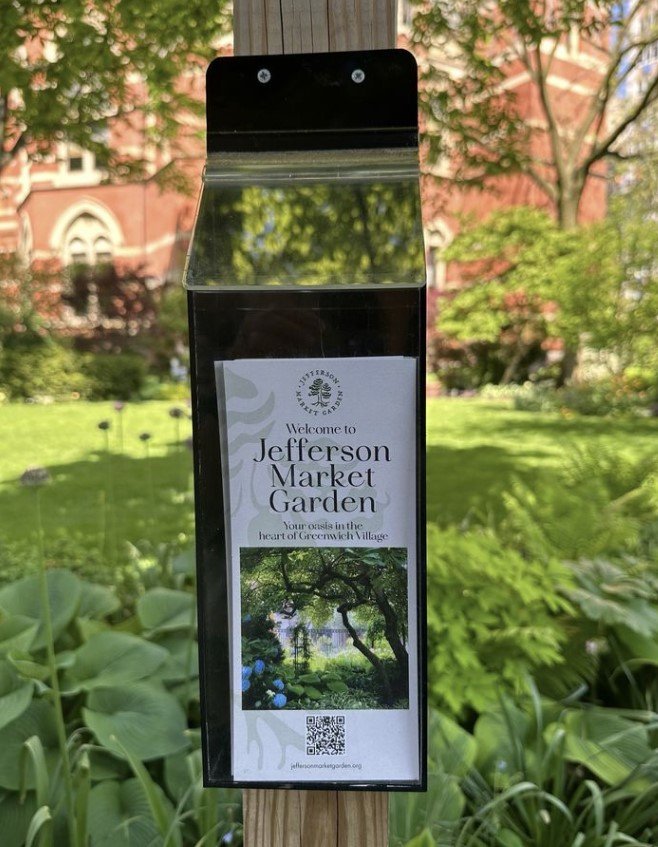
📍 1. Jefferson Market Garden – West Village

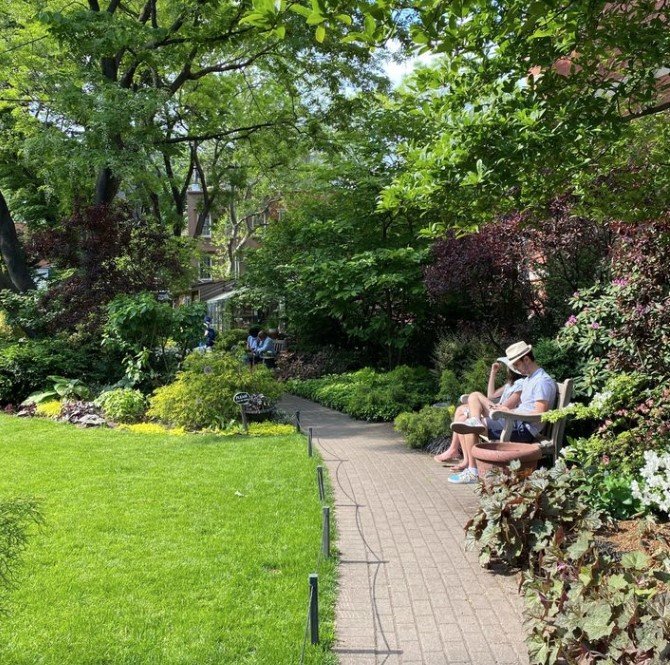
Tucked behind the Gothic spire of the Jefferson Market Library is a garden that feels like a secret. Jefferson Market Garden is only open seasonally, but when it is, its benches are shaded, its flowers are fragrant, and its silence is golden.

Bring a slim paperback. Mornings between 10 AM and noon are best, when the neighborhood is calm and the sunlight softens the pages. This is a garden for slow chapters and slow breathing.

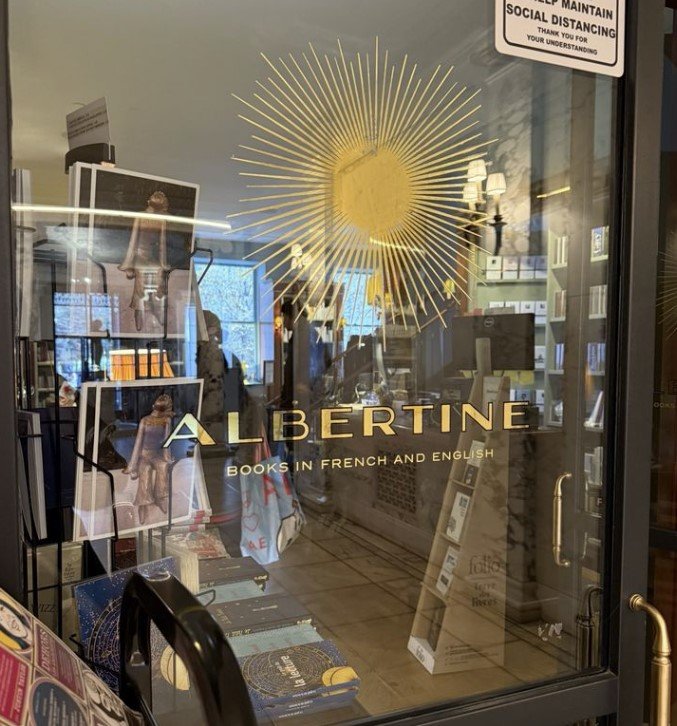
📍 2. Albertine Books – Upper East Side

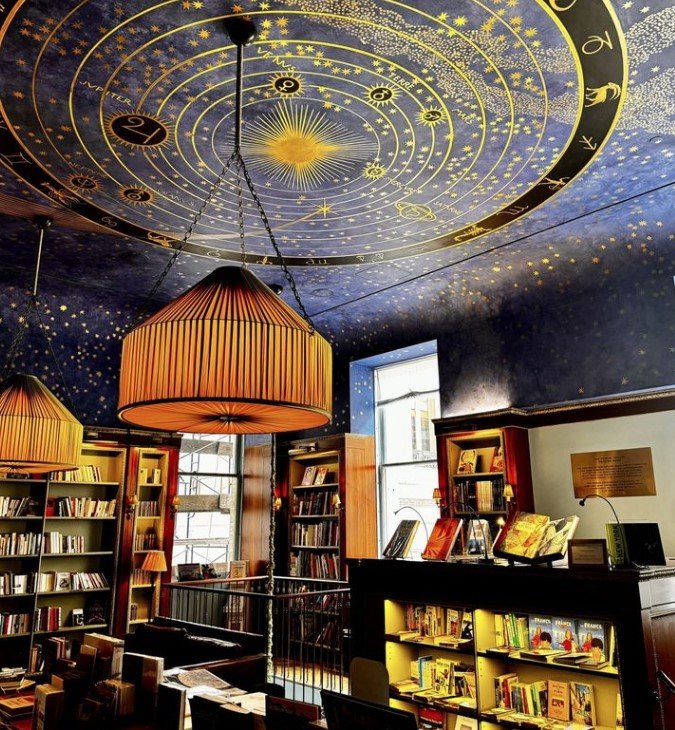
Inside the ornate walls of the French Embassy on Fifth Avenue lies Albertine, a bookstore where French and English literature sit side by side. Climb to the second floor, where celestial murals cover the ceiling, and find a chair near the window.

The room is hushed like a chapel. No laptops. No espresso machines. Just pages and thoughts. If you like your solitude to come with a side of Parisian elegance, this is your place.

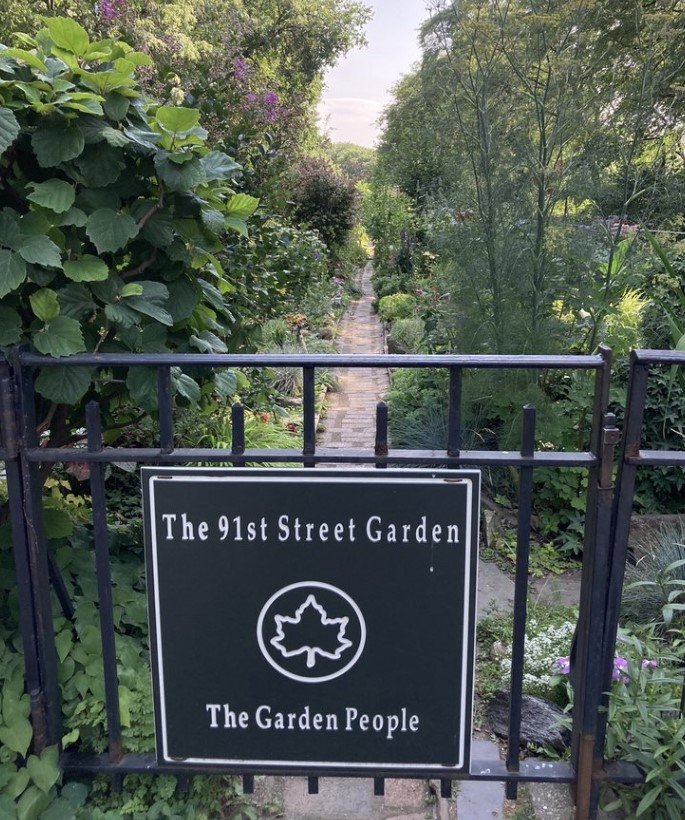
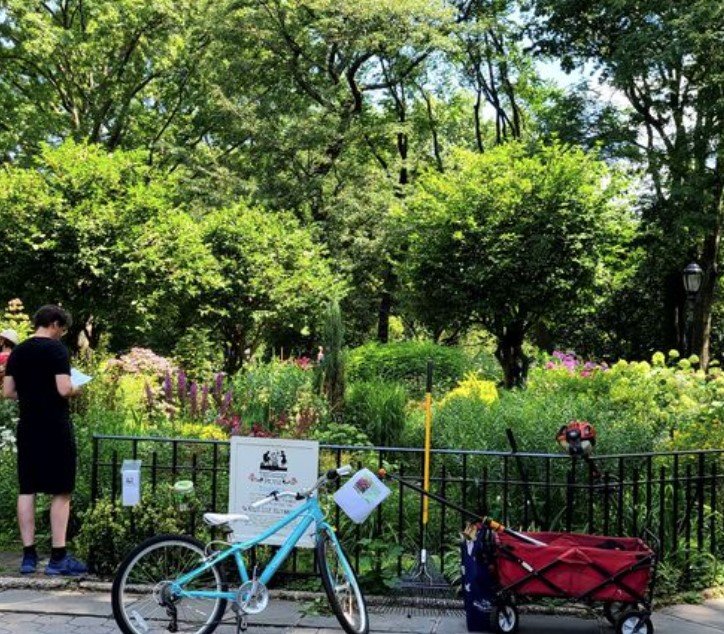
📍 3. Riverside Park @ 91st Street Garden – Upper West Side

Sometimes, reading outside isn’t about escape—it’s about connection. The 91st Street Garden, made famous by You’ve Got Mail, is a small, well-kept oasis overlooking the Hudson. The benches face the water and the breeze is generous.

Early evenings are perfect. The sky fades behind the trees, and your book becomes backlit by the river. It’s the kind of space where fiction feels more honest than real life.

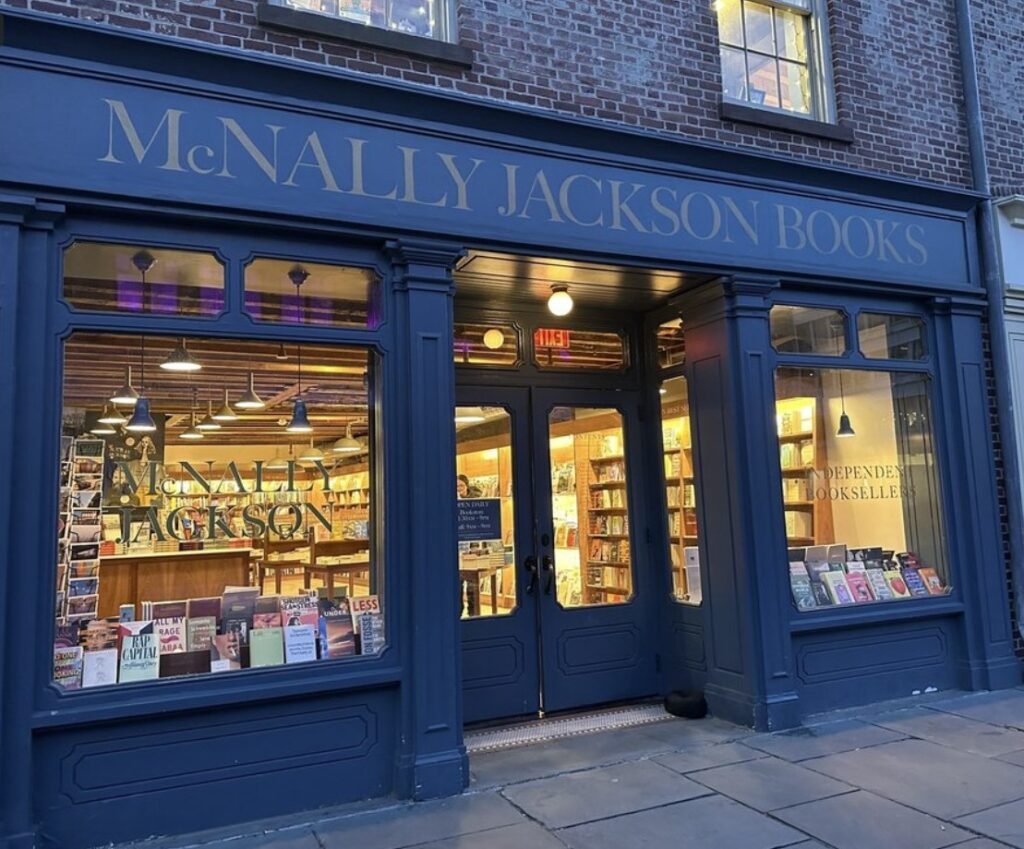
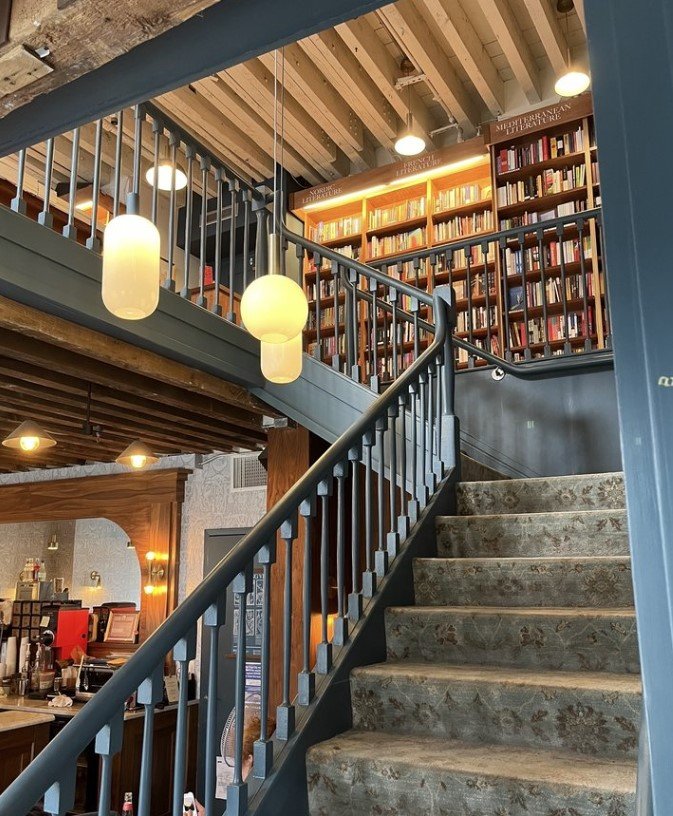
📍 4. McNally Jackson Bookstore – Seaport

Not all bookstores welcome lingering. McNally Jackson invites it. The Seaport location is quieter than its Soho cousin, with wide aisles and scattered chairs that encourage you to sit and stay.

The natural light and waterfront calm make it ideal for a solo Sunday visit. Buy a book, or don’t. No one will ask. Just pick a corner and read like the city isn’t spinning so fast around you.

📍 5. Rose Main Reading Room – NY Public Library, Midtown

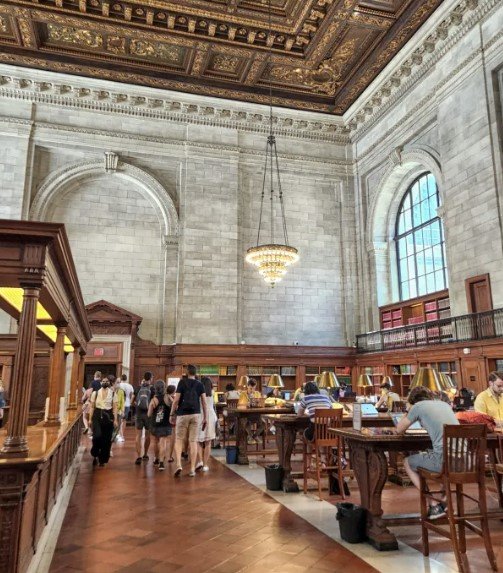
This is where reading becomes sacred. The Rose Main Reading Room at the New York Public Library is less a room and more a cathedral for thought. Vast ceilings. Long oak tables. The silence is almost physical.

It’s not a casual space—you’ll want to bring a hardcover and your best pen—but it rewards stillness like nowhere else. You’ll feel small here, but not insignificant. Just part of something grander: the long story of readers in New York.

Tips for Reading Alone in NYC

  • Go early: Weekday mornings are quieter everywhere
  • Bring: A light book and water
  • Leave your phone off: Let the city blur behind the words

Closing

Reading alone in New York isn’t antisocial—it’s deeply social, just with a different rhythm. It’s you, the words, and the city breathing in the background. So find a spot. Open a book. Let the city wait for you for once.

Slow Travel NYC

A Lonely Seat at the Cinema: Art Houses for One

Watching Quiet Films in a Loud City

There’s something beautifully strange about sitting alone in a dark room with strangers, all silently watching light flicker on a screen. In a city that moves too fast and talks too much, going to the movies by yourself can feel like a sacred ritual.

This post is a love letter to the solitary moviegoer—to those of us who like to sit in the back corner, away from conversations, with just enough distance to feel both hidden and immersed. These are the cinemas where you can disappear and reappear, all in the span of two quiet hours.

IFC Center – West Village

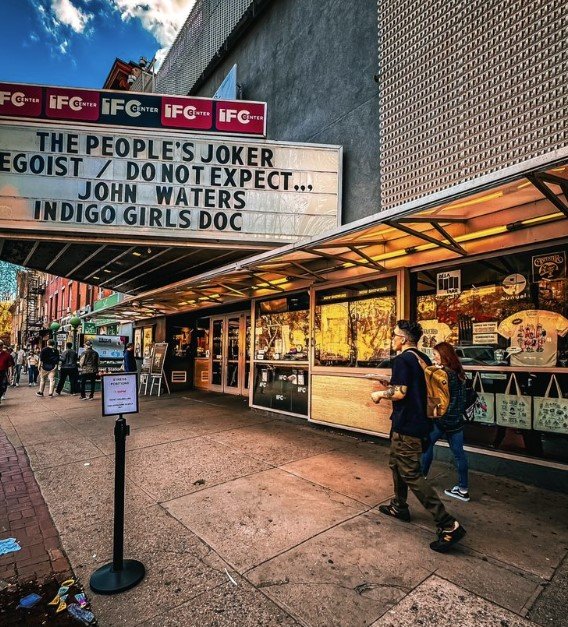
Located on Sixth Avenue near West 4th Street, the IFC Center is a cornerstone of New York’s independent film scene. It plays a rotation of art house films, international features, and documentaries you won’t find anywhere else.

The auditoriums are intimate, and solo viewers are welcome—expected, even. Come for a 10:30 PM show on a Thursday. Sit near the back. You’ll leave in silence, your thoughts louder than ever.

Metrograph – Lower East Side

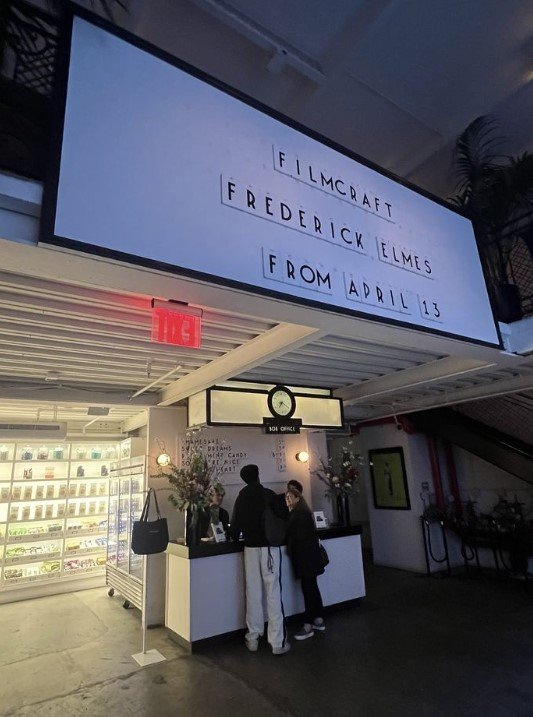
Stepping into Metrograph is like entering a film lover’s dream. The two-screen cinema is tucked into a quiet street off Ludlow, and its programming leans toward the curated, the classic, and the strange.

Everything about Metrograph invites solitude—the dim lighting, the silent staircase, the plush seats. Even the bar upstairs feels like a place where no one expects you to say a word. Watch something you’ve never heard of. Trust the screen.

Film Forum – Greenwich Village

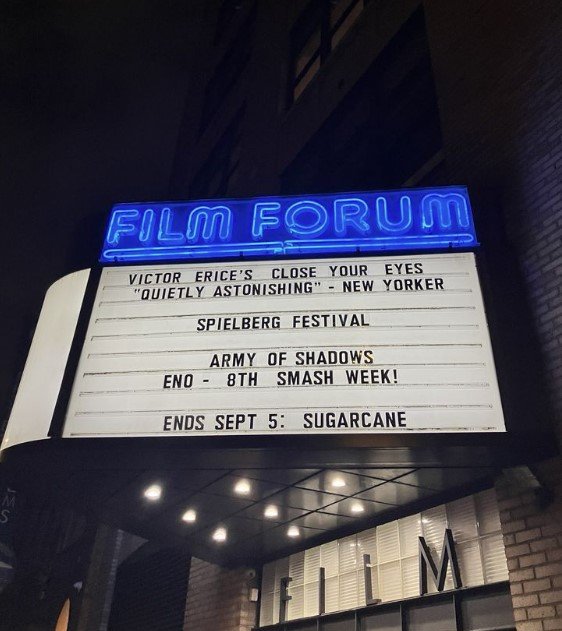
If there’s one place that understands the solo moviegoer, it’s Film Forum. Located on Houston Street, this nonprofit cinema has been screening international and independent films since 1970.

Arrive early, pick a seat along the aisle, and read the film notes. Everyone here came alone, and no one’s here to impress. You don’t need a plus-one for a good story. You just need a seat.

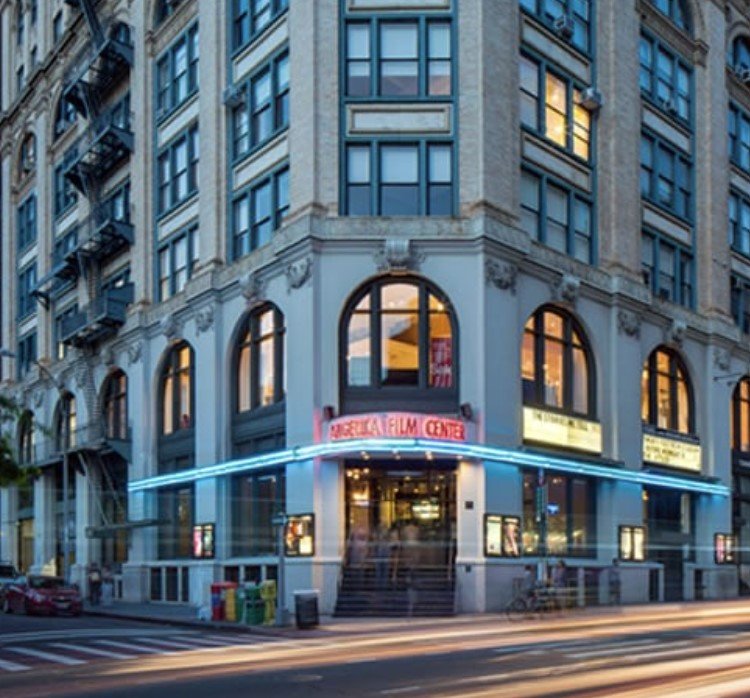
Angelika Film Center – Soho

Below street level and tucked into a corner of Houston and Mercer, Angelika is chaotic in all the right ways. The sounds of the subway rumble through the floor, and the lobby hums with espresso and anticipation.

But once you’re inside the theater, it’s all quiet. Come on a rainy afternoon. Get a small popcorn and sit mid-row. This is where you fall into foreign films with subtitles and leave with new thoughts that have no one else’s name on them.

Walter Reade Theater – Lincoln Center

Elegant and understated, the Walter Reade Theater is the kind of place where time slows down before the lights even dim. As part of the Film at Lincoln Center program, it screens retrospectives, foreign gems, and director showcases.

The crowd is hushed. The sound system is pristine. There’s no chatter, no trailers—just cinema. Sit quietly in one of the balcony seats. Let the story take you somewhere quieter than you’ve been in weeks.

Practical Tips

  • Best times: Weeknights or early weekend afternoons
  • Bring: Nothing but yourself
  • Don’t worry: Everyone’s too busy watching the film to notice you’re alone

Closing

In a city where almost everything is shared—tables, sidewalks, noise—there’s still space for solitude. A dark room, a distant story, a quiet seat. Going to the movies alone isn’t lonely. It’s intentional. It’s intimate. It’s a little rebellion wrapped in stillness.

Slow Travel NYC

The Quietest Places to Sit in Midtown

Finding Stillness in the Loudest Part of New York City

MoMA Garden

Midtown Manhattan is a marvel of motion—glass towers, blinking signs, steam vents, and the endless shuffle of suits and sneakers. It’s a place built for speed, meetings, and momentum. And yet, right here in this whirl of urgency, there are places where the city pauses. Places where you can sit, not just because your legs are tired, but because your soul needs a moment.

This post is not about cafés or restaurants. It’s about public spaces—small gardens, library steps, museum nooks—where stillness hides in plain sight. If you ever find yourself lost in Midtown noise, these are the places to listen to your own breath again.

1. Paley Park

Located on 53rd Street between Madison and Fifth, Paley Park is a pocket of quiet framed by ivy-covered walls and a cascading waterfall. The sound of water masks the traffic, and lightweight metal chairs are scattered for anyone to use.

Come around 10:30 AM or 2:30 PM—times when the lunch crowd has passed but the light is still kind. Sit, close your eyes, and let the artificial waterfall cleanse your real thoughts. It’s not nature, exactly, but it’s the city trying.

2. Greenacre Park

Just two blocks away on 51st Street between Second and Third, Greenacre Park is another oasis—slightly more hidden, slightly more vertical. A tall waterfall, climbing ivy, warm wood seating, and tables tucked under umbrellas create a compact but layered escape.

It’s the kind of place where people whisper out of instinct. Office workers read in the shade. A pianist sometimes appears. Sit in the far back corner under the tree canopy and let Midtown blur behind the sound of falling water.

3. New York Public Library Steps

Not everything quiet has to be hidden. The marble steps of the New York Public Library on Fifth Avenue offer a different kind of calm—an open-air stillness that comes from elevation and symmetry.

Come here before 9AM or after 6PM. Sit beside the stone lions and face the street, letting the movement pass in front of you while you remain still. Read. Watch. Don’t speak. It feels like sitting inside a moving painting.

4. The Morgan Library Garden & Reading Room

Tucked away on Madison and 36th, The Morgan Library offers both an indoor and outdoor version of urban stillness. The Reading Room is softly lit and silent. The Garden Courtyard is surrounded by brick and quiet art lovers.

You do need a ticket to enter, but the cost is small compared to the serenity you’ll gain. This is where silence isn’t awkward—it’s architectural.

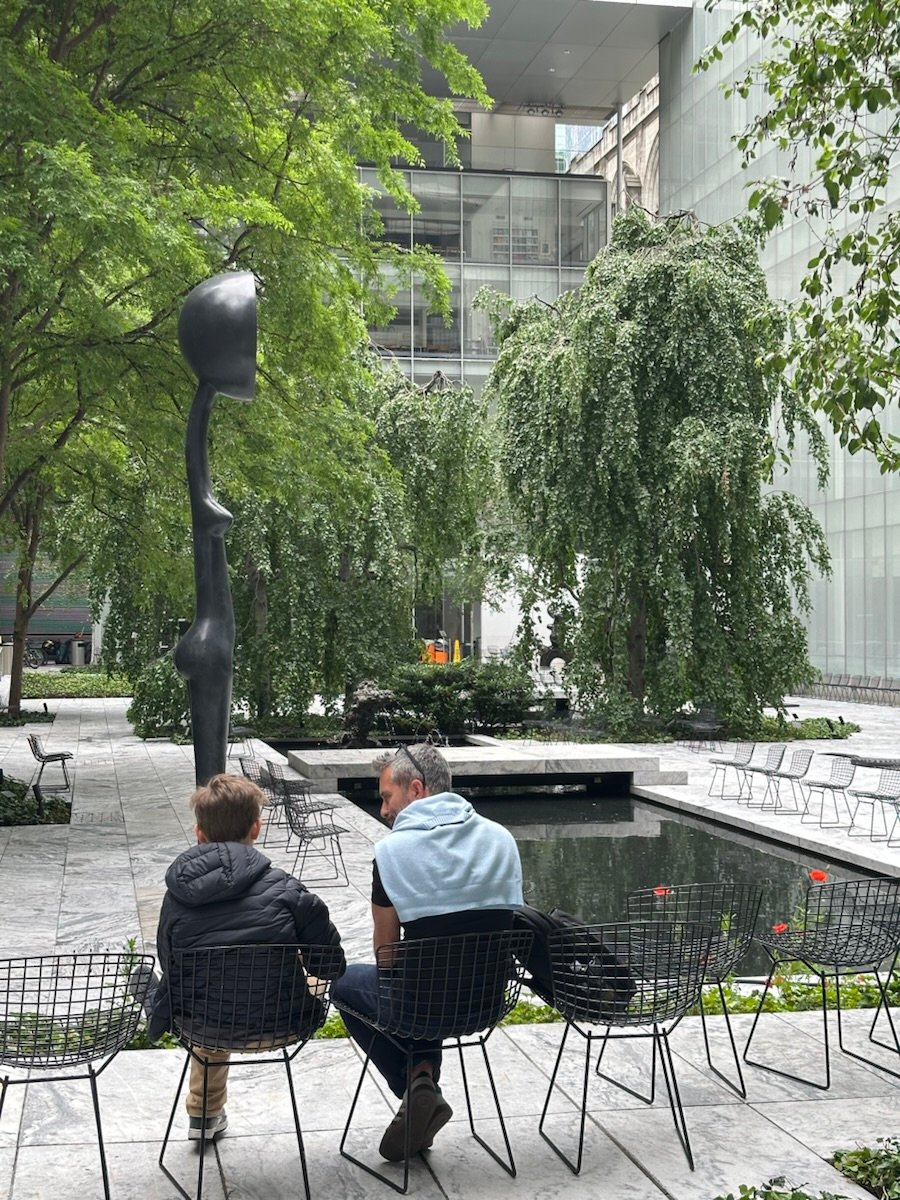
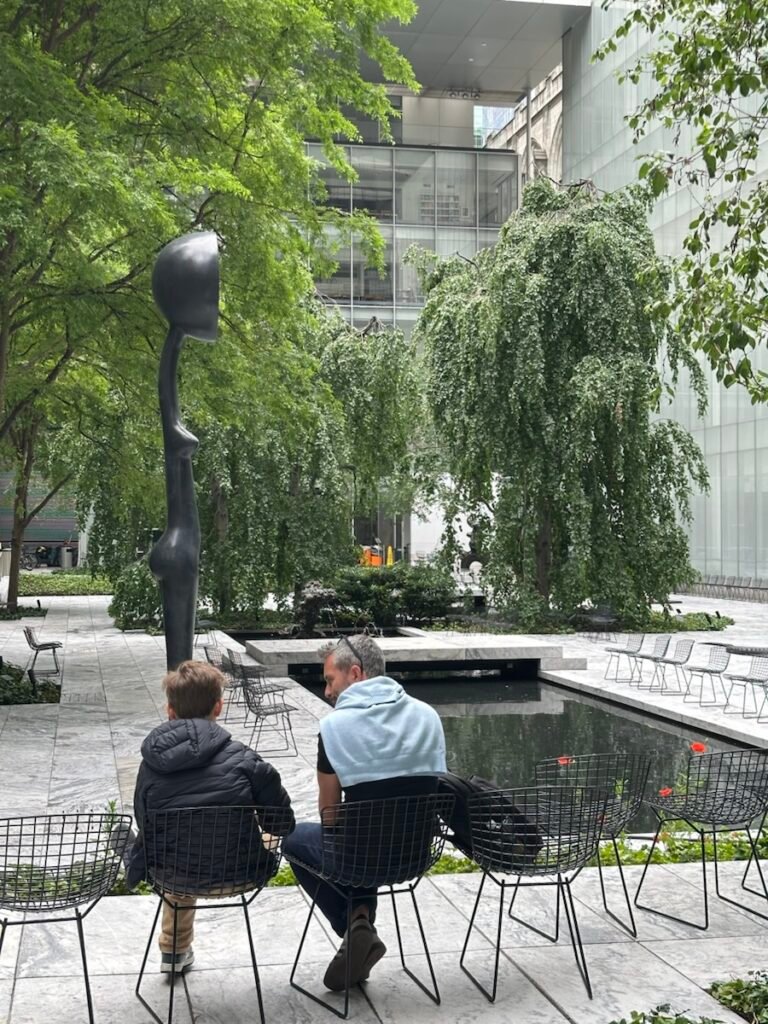
5. MoMA Sculpture Garden

Yes, it’s in a major museum. Yes, it’s often busy. But if you arrive at 10:30 sharp, right when MoMA opens, the Sculpture Garden offers a rare form of spiritual pause. Sit beside a Henry Moore or on a stone bench near the reflecting pool.

It’s modernism with meaning. Concrete, light, and air forming a little sanctum in the middle of skyscrapers. Ten minutes here feel longer than an hour outside.

Practical Tips

  • Best Days: Tuesdays–Thursdays (avoid lunch hour)
  • Bring: a book, a journal, earbuds with ambient music, or nothing at all
  • How to Sit: Don’t scroll. Just breathe. That’s the whole point.

Closing

Midtown may be built for ambition, but in its corners, there’s room for intention. These spaces aren’t famous, but they are free. They don’t demand attention, but they reward stillness.

And in a city where every minute seems to matter, choosing to sit quietly might just be the most radical thing you do all day.

Slow Travel NYC

An Evening Walk in Brooklyn Heights: When the City Softens at Sunset

At a certain hour, New York exhales. The urgency fades, the noise dips, and the sharp angles of the day blur into something softer. In those golden moments between day and night, there’s no better place to be than Brooklyn Heights.

This neighborhood isn’t just about brownstones and historic charm—it’s about the rare experience of slowing down while the skyline glows in the distance. Let me take you on a walk I return to often, when I need quiet without leaving the city.

Starting Point: Montague Street

Exit the subway at Court Street or Borough Hall and begin your walk on Montague Street. This tree-lined stretch hums gently in the early evening. As you walk west, the buildings lower, the air opens, and the Hudson River breeze starts to greet you.

Pass local shops closing for the day, people walking dogs, and neighbors pausing in conversation. There’s a deliberate slowness here, as if the block knows the sun is about to do something special.

Golden Hour on the Promenade

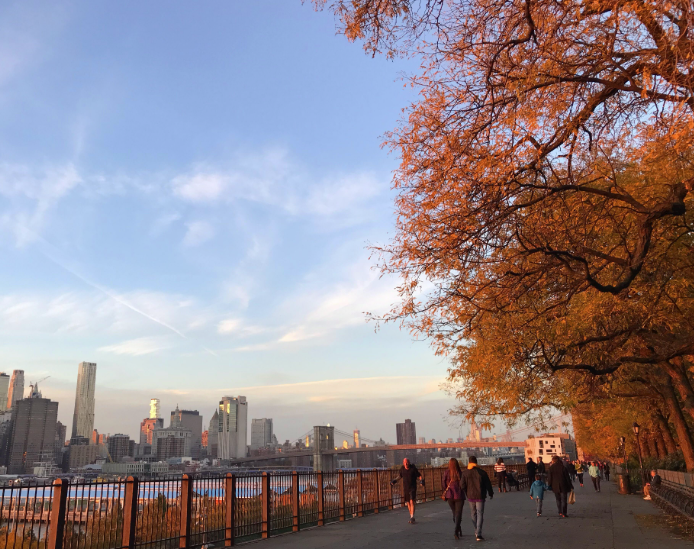
At the street’s end, the landscape opens to one of the most iconic yet peaceful views in the city: the Brooklyn Heights Promenade. Walk north along its pathway. To your left: historic row houses with softly lit windows. To your right: the Manhattan skyline, lit gold.

Sit on one of the wooden benches. You’ll notice joggers passing by, couples in quiet conversation, someone sketching on a pad. Despite the view, the promenade never feels crowded—it feels reverent, like a hush falls over the space as the sun sets.

“Time doesn’t stop here. It just stops rushing.”

Turning into the Quiet: Willow & Hicks Street

Leave the promenade at the north exit and wander into the interior streets—Willow Street, Hicks Street, and Pierrepont Place. These are among the oldest residential blocks in Brooklyn, and they wear their history with grace.

You’ll hear footsteps more than voices. Faint piano notes from open windows. A woman watering her stepside garden. This isn’t a tourist route. This is a neighborhood at ease with silence.

Descent into DUMBO: Squibb Park Bridge

As twilight deepens, take the Squibb Park Bridge toward DUMBO. This wooden pedestrian path offers a final elevated look at the city before gently lowering you back toward its industrial edge.

Watch as the skyline shifts from gold to silver, and streetlights start to glow. It’s the kind of descent that feels symbolic—like stepping down from a moment of stillness back into movement.

Practical Tips

  • Best time to go: 6:30 PM – 8:00 PM, especially on weekdays
  • Closest subway: Court St, Borough Hall (2/3/4/5/R trains)
  • What to bring: A book, camera, light jacket, and time to spare
  • Soundtrack: Max Richter, Ólafur Arnalds, ambient jazz

Brooklyn Heights doesn’t compete with the city—it watches it. From its porches and benches, it listens. This walk isn’t about discovering something new, but about seeing something familiar more slowly. In the golden hour, when the city softens, this neighborhood shows its most human side.

Slow Travel NYC

Slowing Down in Cold Spring: A Solo Day Trip by the Hudson

There are times when the city gets too loud, even if nothing’s being said. On those days, the subway feels tighter, the skyline more distant, and the sidewalks too crowded for thought. That’s when I know I need to leave—not forever, just for the day.

Just 90 minutes north of Manhattan lies Cold Spring, a small riverside village that feels like a page torn out of another season. It’s not just quieter here—it’s slower, softer, and perfectly made for walking alone. This is a journey for those who don’t need a plan, only a pause.

Getting There: The Hudson Line

Board the Metro-North Hudson Line at Grand Central Terminal. Sit on the left side for views of the river. As the train climbs north, steel gives way to green, and glass becomes water. About an hour and twenty minutes later, you’ll arrive at Cold Spring Station—with the Hudson greeting you as you step off.

There’s no ticket gate. No rush. You walk straight out onto a quiet platform, and within minutes, you’re in a different rhythm entirely.

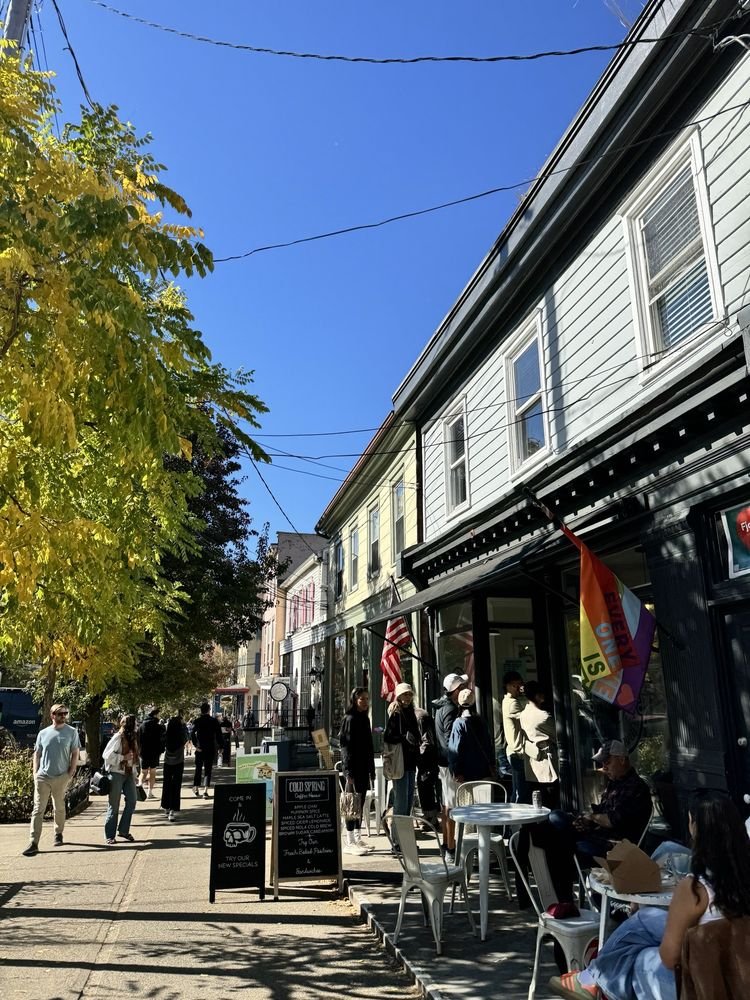
First Stop: Cold Spring Coffeehouse

Start your walk through town by heading up Main Street. Just a few blocks in, you’ll find Cold Spring Coffeehouse—an understated café with warm lighting, wooden chairs, and a quiet hum. Grab a latte or a cold brew and take a seat by the window.

cold spring

No one’s in a hurry here. Even the baristas move like they’ve read every chapter of the morning already. This is the kind of place where you don’t need Wi-Fi to stay awhile.

Wandering Main Street

Walk slowly. No need to follow a map. Main Street is lined with antique shops, secondhand bookstores, local art galleries, and vintage signs that seem like they’ve always been there.

The joy of Cold Spring is in what you don’t do. You can browse. You can skip. You can stand in front of a window for ten minutes watching the leaves fall. No one will ask why you’re alone. No one will interrupt the silence.

Riverside Quiet: Dockside Park

At the end of Main Street, the town opens into Dockside Park—a wide grassy area with wooden benches and sweeping views of the Hudson River. This is where time truly stops.

Sit for as long as you like. Watch the water move. Feel the breeze shift. The city feels far away here—not just in miles, but in meaning. Here, it’s okay to be still. To not post. To not explain.

“Sometimes, the best part of a journey is the part where you don’t move at all.”

Optional Detour: Little Stony Point Trail

If you’re up for a short hike, cross Route 9D to find Little Stony Point Trail. It’s an easy loop through forested paths that opens to a quiet riverside beach with mountain views.

No special gear needed. Just good shoes, a bottle of water, and your willingness to listen to the woods. It’s only a 30–40 minute loop, but you might take longer. That’s kind of the point.

Heading Back

Trains back to Grand Central run about once per hour. There’s no rush. Sit on a bench near the platform. Read. Write. Let the wind carry off whatever you came here to release.

You’ll arrive back in the city the same way you left—but you won’t feel quite the same. That’s the quiet magic of Cold Spring.

Practical Tips

  • Train: Metro-North Hudson Line (Grand Central → Cold Spring)
  • Duration: 1hr 20min (each way)
  • Best time: Weekdays or Sunday mornings
  • Bring: Water, a book, notebook, comfortable shoes
  • Don’t bring: Expectations. Just let the place arrive to you.

Closing

We often think we need to travel far to feel new. But sometimes, all it takes is a train ride north, a bench by the river, and a little time alone. If you’re craving silence, space, or simply a breath—Cold Spring is waiting.

Related posts you might enjoy

A Morning Walk Through the West Village: 8AM in the Quietest Corners

There’s something almost sacred about New York City in the early morning. Before the honking horns, before the espresso machines hiss, before the sidewalks fill with footsteps and stories. In these quiet hours, the city whispers instead of shouts.

The West Village, in particular, knows how to keep a secret. Its narrow, tree-lined streets and prewar brownstones create a pocket of calm that feels far from Midtown’s chaos. It’s a neighborhood that wakes up slowly—and if you walk it at just the right hour, you’ll catch it mid-dream.

The Walk Begins: Charles Street

Start your walk on Charles Street, one of the Village’s most peaceful lanes. At 8:00 AM, it’s nearly silent. A few residents in slippers collect newspapers from their stoops. There’s a softness in the air, a kind of hush that’s rare in this city.

The cobblestone texture beneath your feet. A faint clatter of dishes from behind a slightly open window. The rustle of ivy on a brick wall. This isn’t the New York in postcards—this is the one in between moments.

Hudson Street: The Smell of Morning

Head west and turn onto Hudson Street. Here, a few bakeries have already opened their doors. The smell of fresh croissants and sourdough lingers in the air. You might pass Aux Merveilleux de Fred—a French bakery known for its delicate pastries. Step inside, not because you’re hungry, but because it’s too early not to.

Across the street, baristas prepare for the morning rush. But the tables are still empty. It’s a rare chance to enjoy a corner of the city in complete stillness.

Abingdon Square Park: A Pause Among Strangers

A few more blocks brings you to Abingdon Square Park. It’s a tiny patch of green—hardly more than a triangle of benches and trees—but at this hour, it’s a sanctuary.

A man walks his golden retriever slowly, coffee in hand. An older woman reads The Times in silence, the breeze occasionally turning a page for her. Sit for a few minutes. Let the sounds of birds and breeze replace your usual playlists.

This is what slowness feels like. Not idle—but intentional.

Washington Street: An Empty Frame

Loop south along Washington Street. This stretch runs parallel to the Hudson River and carries the last of Manhattan’s industrial bones. Old warehouses, fading painted signs, brick facades with peeling stories.

It’s the kind of street filmmakers love. The kind of place where you might hear your own footsteps echo. Walk slowly. Let the buildings pass like gallery walls in an open-air museum.

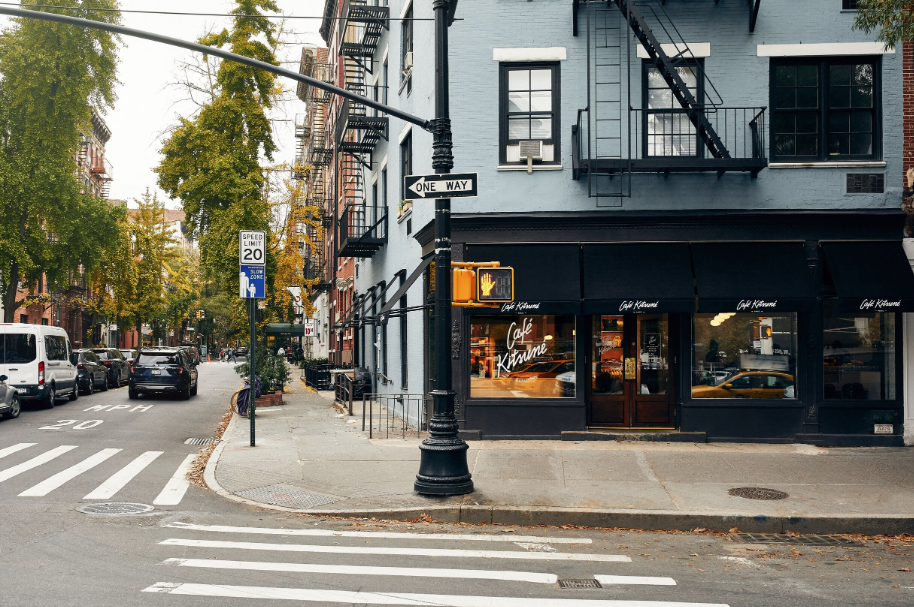
Final Stop: Café Kitsuné

End your morning at Café Kitsuné on Hudson Street. It’s tucked into a corner, understated and elegant—part Paris, part Tokyo, all New York. By now, the neighborhood is stirring. But inside, the atmosphere is still hushed.

Order a matcha latte or espresso, and find a seat by the window. Watch the light change. Watch the street wake up. Let this be your only appointment for the next hour.

“Some cities never sleep. But the best ones know how to rise gently.”

Practical Tips

  • Time: 7:30 AM to 9:00 AM (weekdays are quieter than weekends)
  • Distance: About 1.2 miles
  • What to bring: Comfortable shoes, a small notebook, and nothing to rush back to

Closing

In a city built on urgency, there’s courage in walking slowly. There’s clarity in the quiet. And there’s beauty in mornings that begin with no agenda, no timeline—just the intention to notice.

If you ever find yourself overwhelmed by the city’s pulse, come to the West Village at dawn. You’ll find it sleeping still. And maybe, you’ll find a quieter version of yourself.

Slow Travel NYC

A Quiet Afternoon in NYC: 3 Bookstores and Cafés for Solitude and Sips

There are days when New York feels too loud—even for New Yorkers. On such days, what we seek isn’t another landmark or curated Instagram spot. What we crave is a quiet chair, a book that asks nothing of us, and a cup of coffee that doesn’t demand we rush.

This is a small guide for slow afternoons. For those who find rest in stories and stillness in steam rising from a ceramic cup. Below are three bookstore-and-café pairings that invite you to linger, not just pass through.

1. McNally Jackson Books + Happy Bones NYC (SoHo)

McNally Jackson

Start your afternoon at McNally Jackson Books, a well-loved independent bookstore nestled in the heart of SoHo. Known for its thoughtful curation—particularly in design, art, travel, and translated literature—it’s a place where browsing feels like conversation.

Books are arranged less by demand and more by intention. Staff picks read like love letters. Time slows down here, and you’ll find yourself picking up titles you’ve never heard of, but suddenly feel like you’ve always needed.

Just a few blocks away is Happy Bones NYC, a minimalist café that feels part Scandinavian, part gallery. With white walls, high ceilings, and quiet music humming low, it’s made for contemplation.

The espresso is strong. The atmosphere is soft. And the window seats are perfect for watching the city walk past without you.

Recommended ritual: Choose one slim paperback. Order a cortado. Sit by the front window. Read slowly.

2. Books Are Magic + Café Regular South (Cobble Hill, Brooklyn)

Tucked into a brownstone-lined corner of Cobble Hill, Books Are Magic is exactly what its name suggests. It’s vibrant, community-focused, and full of charm. With a strong emphasis on fiction, poetry, and emerging voices, it feels less like a store and more like a local secret you’re lucky to have found.

Books Are Magic

Its hand-written recommendations, warm lighting, and childlike curiosity give it soul. If you’re the kind of traveler who collects sentences like souvenirs, you’ll feel at home here.

A five-minute walk away is Café Regular South, a tiny European-style café with tiled floors, vintage mirrors, and just enough room to breathe. The café’s soft classical music, espresso served in glass cups, and cozy booths make it one of Brooklyn’s most atmospheric places to be alone, together.

Recommended ritual: Visit in the late morning. Read poetry. Let the steam from your cappuccino blur the page a little.

3. Greenlight Bookstore + Bittersweet (Fort Greene, Brooklyn)

Greenlight Bookstore is a Fort Greene anchor—independent, intentional, and inclusive. Their nonfiction, essay, and local author selections are especially rich, and their community bulletin board hints at the conversations you might stumble into here.

It’s the kind of place where you can find Audre Lorde next to Ocean Vuong, where browsing becomes introspection. The staff is friendly but unobtrusive. You’re welcome to stay as long as you like.

Greenlight Bookstore

Around the corner is Bittersweet, a small café tucked into a quieter street. Its name suits it well—melancholy but warm, rich but restrained. The lighting is gentle, and the space is filled with just enough clatter to remind you that the world is still moving—but not so much that you have to.

Recommended ritual: Visit during golden hour. Bring a book of essays. Order something simple. Watch the light shift across the wooden table.

Why These Spaces Matter

There are hundreds of cafés and bookstores in New York. But these spaces offer something else—permission to pause. In a city that urges you to move faster, these are places that whisper, “Stay.”

Each pairing offers more than coffee and books. They offer stillness. Intimacy. Room to breathe, and maybe to feel a little more like yourself.

“Sometimes, the best conversations are the ones between a book and your silence.”

Whether you’re visiting for a weekend or walking through your fiftieth NYC day, I hope you allow yourself a quiet afternoon. One where the pages turn slowly, and the coffee stays warm longer than expected. One where you remember how good it feels to be still.

Slow Travel NYC

Where Stillness Takes Shape: A Slow Walk Through the Noguchi Museum

In a city where space is currency and silence feels rare, the Noguchi Museum offers both, in abundance.

Tucked away in Long Island City, far from the noise of midtown and the buzz of SoHo, this museum feels less like an institution and more like a retreat. Not for tourists in a hurry. Not for checklist travelers. But for those willing to pause, to breathe, and to experience art as presence.

Who Was Isamu Noguchi?

Isamu Noguchi was a Japanese-American sculptor, designer, and thinker. His work defies categories—somewhere between architecture, furniture, landscape, and sculpture. But what’s most striking about his work is not what it is, but how it makes you feel.

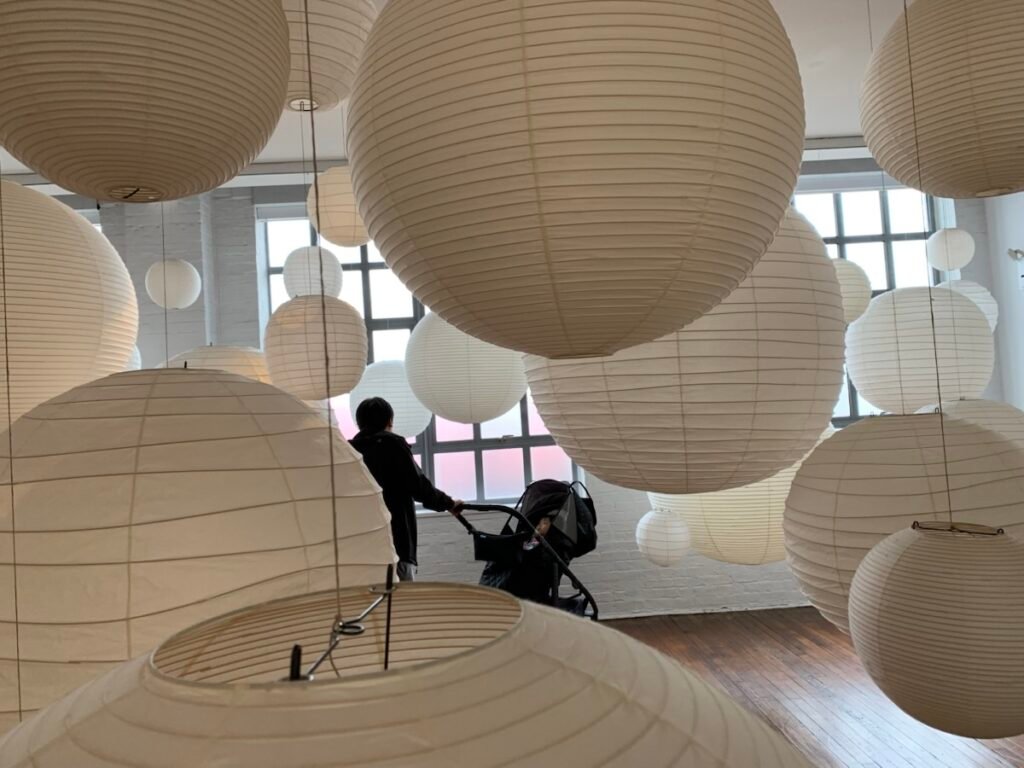
Everything he created, from massive stone pieces to soft paper lanterns, invites stillness. His forms are not loud. They don’t scream for attention. They simply exist—with gravity, elegance, and restraint.

Arrival: A Gate Into Another Tempo

noguchi museum

From the outside, the Noguchi Museum looks like little more than a concrete wall. No banners. No fanfare. Just a small wooden sign and a quiet door.

Step inside, and you’re met not with marble floors or museum guards, but with natural light, raw textures, and a garden. The space breathes. It asks you to slow down. And, if you’re willing, to stay a while.

The Garden: Where Sculpture Meets Sky

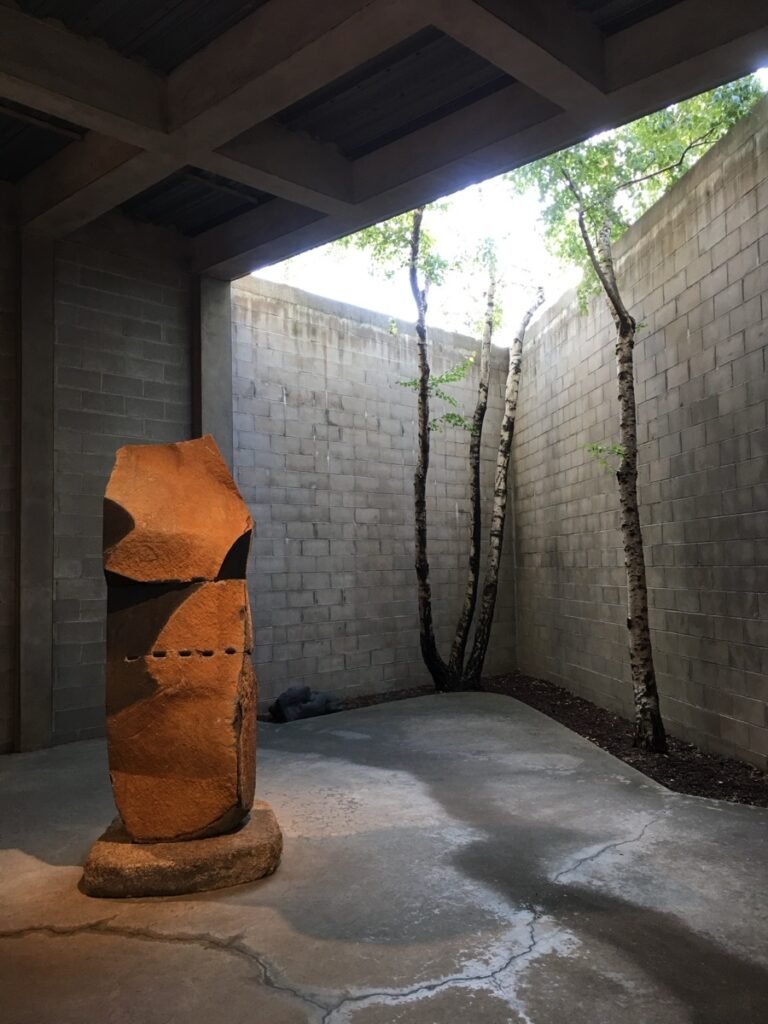
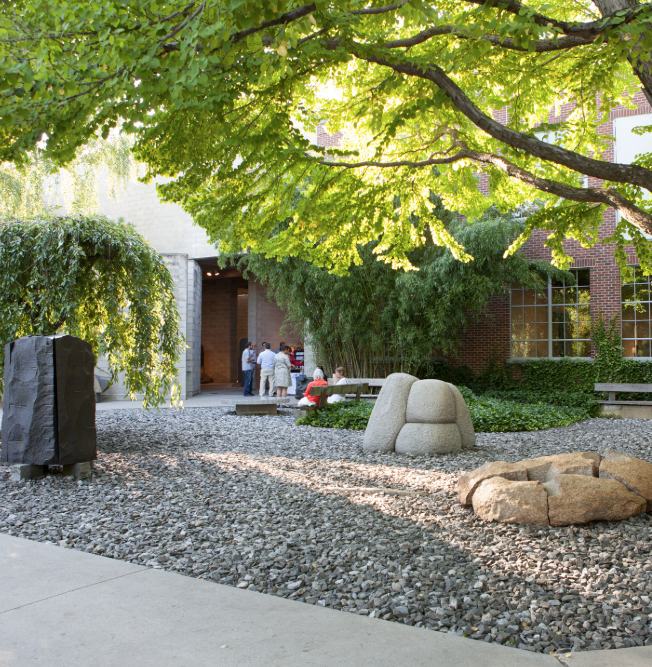
The heart of the museum is its inner courtyard—an open-air sculpture garden surrounded by Japanese maple trees and gravel paths. Sculptures rest, not on pedestals, but on the ground itself. They seem to have grown there, as if carved directly from the earth.

You don’t “look at” Noguchi’s art. You sit with it. You walk around it. You notice how the light changes it. How its shadow stretches or shortens with the passing sun.

Slow tip: Sit on one of the benches near the center. Listen. To birds, to breeze, to the silence inside you.

Inside: Forms That Whisper

The indoor galleries are arranged simply—no numbered order, no pressure to move forward. Each room offers space: space between works, space around you, and space inside you. Some sculptures are smooth and minimalist. Others are rough and weighty, like memory.

There are no crowds. No loud school groups. Just a few people moving slowly. Often alone. It’s one of the few museums where no one minds if you sit in silence for twenty minutes before moving on.

What to bring: A sketchbook. Or nothing at all.

Why This Museum Matters

In a city of iconic museums—MoMA, the Met, the Guggenheim—why spend your time here? Because sometimes, art isn’t about interpretation. It’s about feeling. About being.

The Noguchi Museum doesn’t demand your intellect. It invites your attention. It doesn’t ask you to understand. Only to notice.

Practical Details

  • Location: 9-01 33rd Rd, Long Island City, NY 11106
  • Hours: Wednesday–Sunday, 11am–6pm (closed Monday & Tuesday)
  • Admission: $12 (free on first Friday of each month)
  • How to get there: Take the N or W train to Broadway, then walk 10 minutes

Tip: Pair your visit with a stop at the nearby Socrates Sculpture Park or walk down to the East River to sit on the waterfront steps.

Final Thoughts

“The essence of sculpture is for me the perception of space, the continuum of our existence.” – Isamu Noguchi

In a world that often demands reaction, the Noguchi Museum offers reflection. It reminds us that art doesn’t have to shout. That beauty can rest. And that meaning can be found not in movement—but in stillness.

If you ever need to return to yourself, come here. Walk slowly. Sit often. Let shape and shadow speak to you. Welcome to a different kind of New York.

Slow Travel NYC