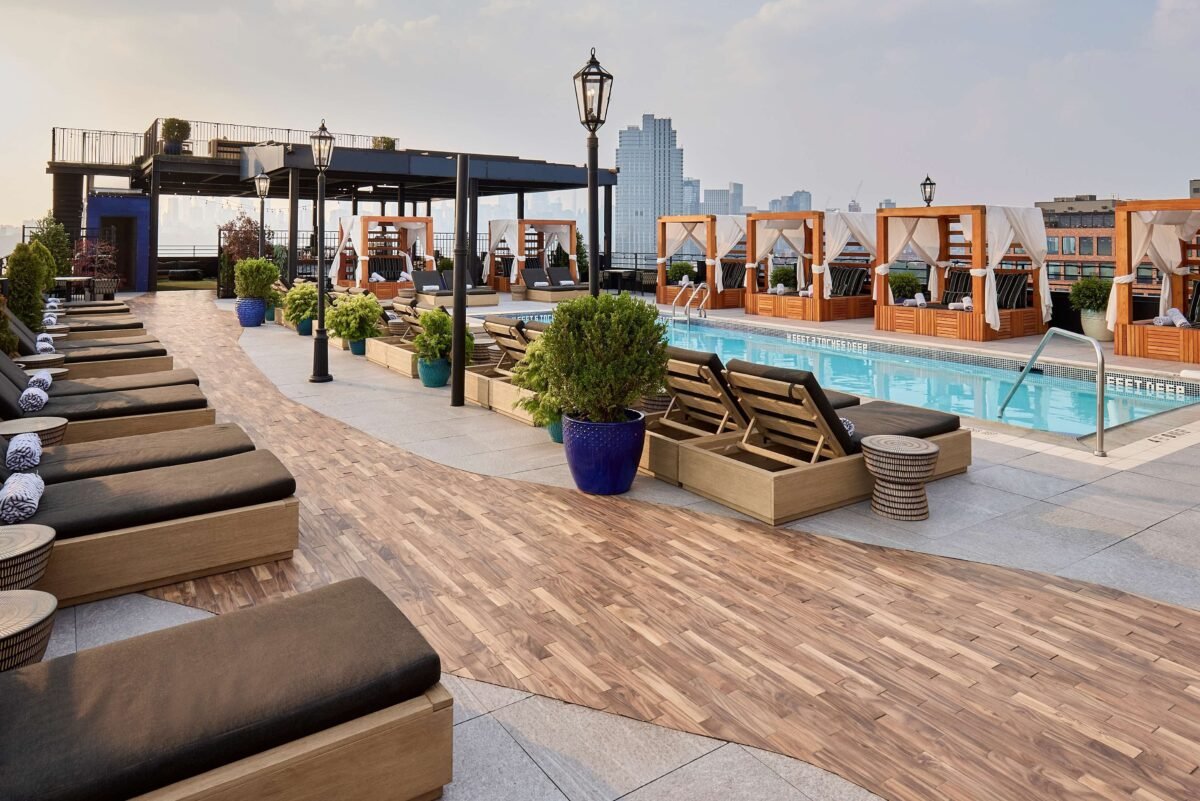
NYC K-Town Nightlife: How to Enjoy Koreatown on 32nd Street Like a Local

Think you’ve seen New York’s nightlife? You haven’t until you’ve done Koreatown on 32nd Street. This step-by-step local guide covers the best rooftop bars, soju spots, private noraebang karaoke rooms, and late-night soups that keep the party going until sunrise.

If you think you’ve figured out New York’s nightlife, let me stop you right there.

You probably know the rooftop bars in the Meatpacking District. You’ve probably done a round of drinks in the West Village. Maybe you’ve even queued outside a Williamsburg club at midnight. But there’s one street in Midtown Manhattan that most tourists walk past without a second glance — and it happens to be the most electric stretch of nightlife the city has to offer.

Welcome to NYC K-Town nightlife on 32nd Street. One block. Dozens of floors. Korean BBQ, soju, private karaoke rooms, and bubbling tofu soup at 3am. This is how locals actually spend a night out in New York — and this guide will take you through it, step by step.


What Is Koreatown NYC — and Why Does It Hit Different at Night?

NYC K-Town Nightlife

Koreatown NYC on 32nd Street sits between Fifth Avenue and Broadway, just a few blocks south of the Empire State Building in Midtown Manhattan. It’s compact — barely a block long — but what it lacks in size, it more than makes up for in vertical density. Buildings here stack restaurants, bars, karaoke lounges, dessert cafés, and nightclubs on top of each other, floor by floor, so a single address can mean an entirely different world depending on which elevator button you press.

During the day, K-Town is all about the food. But after 9pm, it transforms. The streets fill up, the neon signs get brighter, and the energy shifts into something you’d be hard-pressed to find anywhere else in the city. K-Town regularly stays open until 2am, 4am, and sometimes through sunrise — making it the rare Manhattan neighborhood that truly never sleeps.

The nearest subway stops are 34th St–Herald Square (B/D/F/M/N/Q/R/W) and 33rd St (6 train), both just a short walk away.

Ready? Here’s how to do it right.

Step 1 — Get into It: Pocha Bars and the Art of Soju

Once the sun is down, it’s time to drop into the real NYC K-Town nightlife experience. And nothing defines that experience more than a pocha — the Korean-style pub that blends loud music, communal drinking, sharp cocktails, and the kind of bar food that actually makes you want another round.

Pocha 32 — The K-Town Icon

NYC K-Town Nightlife

There is no more iconic stop in Koreatown than Pocha 32 at 15 W 32nd St, 2nd Floor. Open since 2006, this place has become a rite of passage for anyone serious about experiencing K-Town nightlife. The ceiling is covered in fishnets strung with soju bottle caps. The tables are topped with hollowed-out watermelons and pineapples filled with soju and Sprite. The energy on a Friday or Saturday night is borderline chaotic — in the best possible way.

NYC K-Town Nightlife
watermelon soju

The watermelon soju is the signature order and will almost certainly end up on your Instagram. But regulars know to pair their drinks with the budae jjigae — a big, bubbling cauldron of ramen stew loaded with spam, rice cakes, kimchi, and hot dogs. It sounds ridiculous; it tastes incredible.

A few things to know before you go:

  • On weekends, Pocha 32 stays open until 5am. This is a late-night place. Don’t rush.
  • Expect a wait of 30–60 minutes on weekend nights. Check Yelp before you arrive to gauge the line.
  • Paying in cash saves you 10%, so stop at an ATM beforehand.
  • Budget roughly $30–$50 per person including drinks and food.
  • Website: Pocha32.com

Osamil — For a Slightly More Refined Crowd

NYC K-Town Nightlife

If you want the soju experience with a little more polish, Osamil Upstairs consistently ranks among the top soju bars in Manhattan. The cocktails here are more composed — expect creative pairings and a carefully considered menu — and the vibe skews slightly more date-night than group bender. It’s a great option if Pocha 32 feels like too much of a scene, or if you want to start the night somewhere you can actually have a conversation.

Website: Osamil.com

What’s Soju, Exactly?
Soju is a clear Korean spirit, traditionally made from rice, with an alcohol content typically between 16–25%. It’s lighter than vodka, slightly sweet, and designed to be drunk socially. The flavored versions — watermelon, grape, peach, yuzu — are the gateway; the neat bottle of Jinro green is the local default. Somaek (soju + beer) is the classic combo. Order it at least once.


Step 2 — Forget Your Inhibitions: Private Noraebang Karaoke

Here’s where Koreatown NYC 32nd Street separates itself from every other nightlife neighborhood in the city. Around 10 or 11pm, the crowd migrates upstairs — not to a club, not to another bar, but to a noraebang: a private karaoke room where you and your group get your own space, your own song catalog, your own drink service, and no audience except each other.

This is not American karaoke. There is no stage. There is no audience of strangers judging your off-key rendition of Bohemian Rhapsody. It’s just you, your friends, a massive touchscreen, and a sound system loud enough to feel it in your chest.

The Best Noraebang Spots on 32nd Street

NYC K-Town Nightlife
Maru Karaoke Lounge

Maru Karaoke Lounge (opened 2004) is one of the neighborhood’s most established venues — a bi-level space with a sleek interior that transitions from elegant lounge to full karaoke experience as the night progresses. The sound systems are top-tier and the cocktail menu is surprisingly good for a karaoke spot.

Website: https://www.marukaraokelounge.com/

NYC K-Town Nightlife
32 Karaoke

32 Karaoke (32 W 32nd St, 6th Floor) is one of the most affordable options in the area, making it a local favorite for groups who want to stay longer without running up a massive tab. Their song catalog spans 30,000+ English tracks and 10,000+ Spanish songs, with monthly updates for new releases. Open until 4am every night.
Website: https://www.32karaoke.com/home

NYC K-Town Nightlife
Space Karaoke Bar & Lounge

Space Karaoke Bar & Lounge (34 W 32nd St, 11th Floor) sits higher in the building, which gives it a slightly different energy — more lounge-forward, with a full bar and a more polished atmosphere.
Website: https://spacekaraoke.com/

Key Practical Tips for Noraebang:

  • Book ahead on weekends. Private rooms fill up fast, especially between 10pm and 1am. Most venues have online reservation systems.
  • Look for BYOB options. Some noraebang spots in K-Town allow you to bring your own alcohol, which dramatically cuts the cost. Always check the venue’s policy before you arrive.
  • Pricing is usually by the hour per room, not per person. A group of 4–8 people splits the cost, making it surprisingly reasonable.
  • Don’t be the person who hogs the microphone. (You know who you are.)

Step 3 — End Right: 24-Hour Late-Night Eats on 32nd Street

It’s 2am. The bars are calling last orders. Most of Manhattan is shutting down, and you’re hungry in a way that only happens at 2am. This is when NYC K-Town nightlife plays its final and best card: the 24-hour late-night kitchen.

Nowhere else in Midtown Manhattan will you find a proper, hot, sit-down meal at 3am. K-Town will give you multiple options.

BCD Tofu House — The Late-Night Institution

BCD Tofu House (5 W 32nd St) is the undisputed king of the K-Town late-night scene. The restaurant runs until 5am on Fridays and Saturdays and until 1am most other nights, making it the go-to destination for the post-karaoke, post-everything crowd.

NYC K-Town Nightlife

The signature order is soon dubu jjigae (soft tofu stew) — a bubbling hot-stone pot that arrives at your table still actively boiling, served with a raw egg that you crack in yourself and a spread of unlimited banchan (small side dishes) that keep getting refilled. It comes in multiple spice levels, and even the “mild” version has some heat.

The two-level space somehow always has room for one more group. The food is fast, the portions are generous, and the bill is shockingly reasonable for Midtown Manhattan. It’s become something of a ritual: end the night at BCD, warm up from the inside out, and sober up slowly over a bowl of tofu stew.

Order This: The soon dubu jjigae with pork, the seafood pancake (large, for sharing), and a side of steamed rice. Crack the egg into the stew early so it cooks through.

Gammeeok — For a Different Kind of Comfort

NYC K-Town Nightlife

For a slightly different late-night experience, Gammeeok serves seolleongtang — a milky, slow-simmered ox bone broth soup that’s been one of Korea’s classic hangover remedies for centuries. It’s subtler than the fiery tofu stews and hits differently at 3am: deeply warming, quietly restorative, and the kind of soup that makes you feel like everything is going to be fine.


The Full NYC K-Town Nightlife Itinerary at a Glance

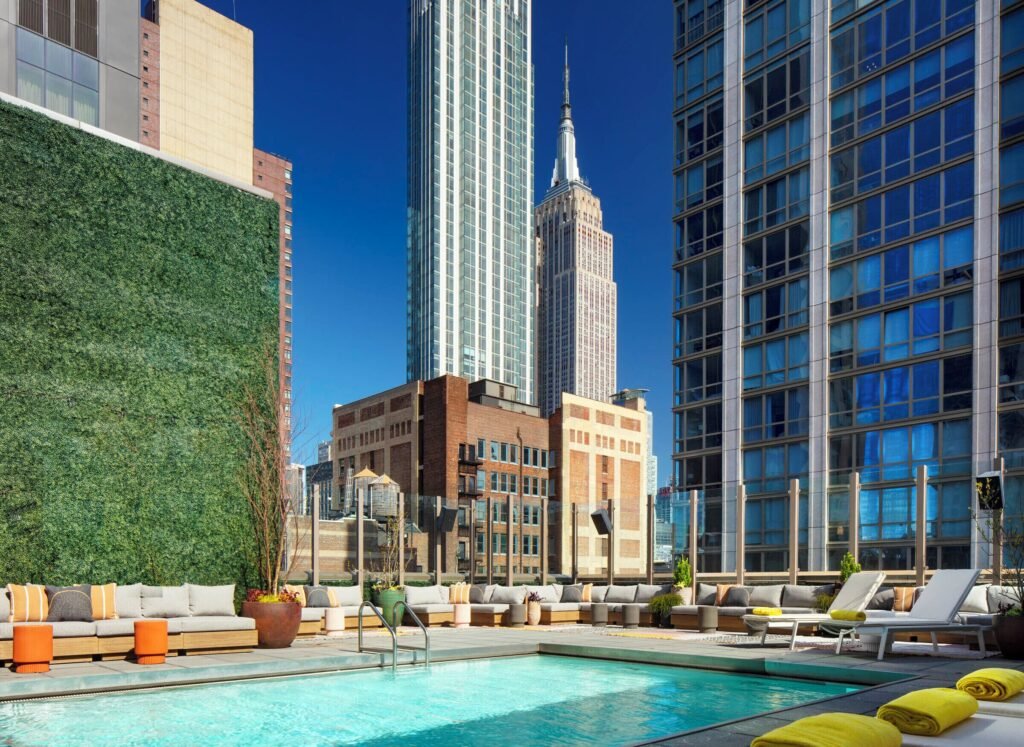
Here’s how to string it all together into one perfect night: Time Where What 7:30–8:30pm Cloud Social (6 W 32nd St, 17th Fl) Sunset cocktails, Empire State Building views 8:30–10:30pm Pocha 32 (15 W 32nd St, 2nd Fl) Watermelon soju, budae jjigae, group energy 10:30pm–1am Maru Karaoke / 32 Karaoke Private noraebang session 1–3am BCD Tofu House (5 W 32nd St) Soon dubu jjigae, banchan, decompress


Practical Guide: Everything You Need to Know Before You Go

Getting There

  • Subway: 34th St–Herald Square (B/D/F/M/N/Q/R/W) or 33rd St (6 train)
  • From Times Square: About a 10–15 minute walk south
  • From the Empire State Building: Less than 5 minutes on foot

Money & Reservations

  • Bring cash. Many K-Town spots offer a cash discount (usually 10%), and a few are cash-only.
  • Use Yelp to check wait times at Pocha 32 and popular BBQ spots before you arrive on a weekend night.
  • Book noraebang rooms in advance — especially for groups of 6+, Friday and Saturday nights fill up fast.

Hours to Know

  • Pocha 32: Open until 2am weekdays, 5am weekends
  • BCD Tofu House: Open until 1am most nights, 5am Fri–Sat
  • Most noraebang: Open until 4am daily
  • Cloud Social: Open until midnight Sun–Thu, 1am Fri–Sat

Safety

K-Town is located in Midtown Manhattan, one of the city’s most well-trafficked and well-lit areas. It’s considered very safe at night. The neighborhood is busiest between 10pm and 3am, especially on weekends, so you’ll rarely be walking alone.


Why NYC K-Town Nightlife Is Unlike Anywhere Else in the City

What makes Koreatown NYC on 32nd Street special isn’t any single venue. It’s the sequence — the way a single block can take you from golden-hour cocktails with a view of the Empire State Building, to soju-soaked bar food surrounded by regulars, to a private room where you’re singing your heart out at midnight, to a quiet bowl of hot soup that resets everything at 2am.

It’s the fact that everything is vertical and everything is walkable. You don’t need a cab, you don’t need a plan, and you don’t need a table at the hottest reservation in the city. You just need to show up on 32nd Street after 9pm and follow the neon signs up.

That’s NYC K-Town nightlife. And once you’ve done it, the rest of Manhattan’s nightlife scene is going to feel like it’s missing something.


Related posts you might enjoy:

2026 World Cup Final Transportation Guide: Fastest Ways to Get to MetLife Stadium from New York

The 2026 World Cup Final at MetLife Stadium on July 19, 2026 will draw over 80,000 fans. Don’t let transportation chaos ruin your experience. Here’s the definitive guide to the fastest, smartest ways to get there — from NJ Transit rail to official shuttles and rideshare tips.

If you’re lucky enough to have tickets to the 2026 World Cup Final transportation event of the century, the last thing you want is to miss kickoff stuck in traffic on Route 3. On Sunday, July 19, 2026, at 3:00 p.m. ET, over 80,000 fans from every corner of the globe will converge on MetLife Stadium (officially renamed “New York New Jersey Stadium” for the tournament) in East Rutherford, New Jersey — and every single one of them needs to figure out how to get there.

2026 World Cup Final Transportation

This MetLife Stadium transit guide breaks down every official option, tells you what to book right now, and gives you the realistic insider tips that will save your match day.


⚡ The Most Important Thing You Need to Know First

Before diving into transport options, here’s the game-changing rule for 2026: there will be no general spectator parking at MetLife Stadium on matchdays. This is not a typical NFL game-day situation. FIFA and the NYNJ Host Committee have completely rethought stadium access for this event.

According to the official Regional Mobility Plan announced by NJ TRANSIT and the FIFA World Cup 2026™ New York New Jersey Host Committee on April 17, 2026, access to the stadium will be limited exclusively to official transportation options. Private buses, charter operators, and walk-up parking are all off the table. You must use one of the approved methods below — and you must have a valid FIFA match ticket to even purchase transportation.

FIFA recommends arriving at least 3 hours before kickoff due to enhanced security screening, credential checks, and bag inspections.


🚆 Option 1 (Most Recommended): NJ Transit Rail — The 2026 World Cup Final Transportation Backbone

For anyone traveling from Manhattan or across New Jersey, NJ Transit rail is the primary and highest-capacity transport option for 2026 World Cup Final transportation. The agency has committed to carrying 40,000 attendees per matchday — that’s roughly half the stadium capacity moved entirely by train.

2026 World Cup Final Transportation

How It Works

The route is straightforward:

NY Penn Station → Secaucus Junction (transfer) → Meadowlands Station (stadium)

Trains run on an expanded, matchday-specific schedule. Travel time including the transfer is approximately 30–40 minutes from Manhattan.

Critical Booking Rules — Read This Carefully

This is where things differ significantly from a regular NJ Transit trip:

  • Starting 4 hours before kickoff, NJ Transit rail service between Penn Station New York and Secaucus Junction will be restricted to FIFA ticket holders only.
  • Tickets must be purchased in advance via the NJ Transit mobile app. They will NOT be available at station ticket offices or vending machines on the day of the match.
  • Tickets are limited to 40,000 per matchday and are expected to sell out fast.
  • Tickets are non-refundable and non-transferable, and will be checked before boarding.

Pro Tips for the Train

  • Download the NJ Transit app now and create an account before ticket sales open.
  • For a 3:00 p.m. kickoff on July 19, plan to board a train no later than 10:30–11:00 a.m. to clear security comfortably.
  • Trains will also run enhanced return service after the match and trophy ceremony — factor in at least 30–60 minutes of post-match hold before the station area clears.

🚌 Option 2: Official NYNJ Stadium Shuttle — The Direct One-Seat Ride

2026 World Cup Final Transportation

If you prefer not to transfer trains, the Official New York New Jersey Stadium Shuttle is your best alternative for 2026 World Cup Final transportation from Manhattan. This is operated directly by the NYNJ Host Committee — not a private operator — making it one of the only approved bus options on matchdays.

Pickup Locations in New York City

From NYC, two official pickup points are available:

  1. Port Authority Bus Terminal — 42nd St & 8th Ave (the classic Meadowlands bus hub)
  2. Midtown East Shuttle — Located east of Grand Central Station

Both provide direct, round-trip service straight to the stadium — no transfers needed.

In New Jersey

A park-and-ride shuttle also operates from the Hackensack Meridian School of Medicine, ideal for fans driving in from New Jersey suburbs who want to avoid stadium parking chaos.

Pricing & Booking

  • Round-trip tickets: $80 per person
  • Tickets are on sale now at nynjfwc26.com
  • Like rail tickets, shuttle tickets are non-refundable, non-transferable, and require a valid FIFA match ticket to purchase
  • These are expected to sell out — book as early as possible

Travel Time Estimate

  • From Port Authority: approximately 30 minutes under normal conditions
  • Important caveat: On Final day, Lincoln Tunnel congestion could add 30–60 minutes. Budget extra time and board at least 3–4 hours before kickoff.

🚗 Option 3: Rideshare (Uber / Lyft) — Use With Caution

Rideshare remains an option for the MetLife Stadium transit guide, but comes with serious caveats unique to the 2026 World Cup Final.

Key Facts

  • No rideshare drop-off on stadium property. Rideshare services will operate through a designated drop-off zone at Meadowlands Racing & Entertainment, accessed via geofencing technology.
  • From the drop-off zone, you’ll need to walk or take additional transport to the stadium gates.
  • Surge pricing is expected to be extreme — post-match rides could cost 3x–5x normal rates when 80,000 fans request rides simultaneously.
  • Cell tower congestion in the area may make app booking unreliable near kickoff and immediately after the match.

Who Should Consider Rideshare

  • Fans staying in Hoboken, Jersey City, or northern NJ hotels who want a one-way morning trip before traffic peaks
  • Groups willing to walk the additional distance from the Meadowlands drop zone
  • Anyone with a backup plan if their car gets stuck in gridlock

Honest advice: Rideshare is the least predictable option for the 2026 World Cup Final. It’s a viable supplement, not a primary strategy.


🅿️ Option 4: Premium Parking at American Dream

For those who must drive, there is one official parking option: premium parking at American Dream mall, located adjacent to the stadium complex.

2026 World Cup Final Transportation
  • Available by advance purchase only — no walk-up parking
  • Passes are limited and expected to sell out weeks in advance
  • Parking at American Dream is a short walk or shuttle ride to the stadium gates
  • Traffic approaching the complex will be heavily managed, with Route 3 and NJ Turnpike exits subject to lane restrictions and checkpoint delays

If you go this route, plan to arrive 4–5 hours before kickoff to beat the worst of the congestion.


🗺️ Bonus: The Ferry + Rail Combo (The Smart Crowd-Dodger)

For fans staying on Manhattan’s West Side or in Hoboken, there’s an underrated option worth exploring:

2026 World Cup Final Transportation
  1. Take the NY Waterway Ferry from West 39th Street across the Hudson River to Weehawken or Hoboken
  2. Connect to NJ Transit rail at Hoboken Terminal or Secaucus Junction toward Meadowlands Station

This route sidesteps the worst of Midtown pedestrian congestion and gives you a scenic, less-crowded path to the train network. It’s a classic New Yorker move for major events — and on a day this big, every bit of crowd-splitting helps.


📊 Quick Comparison: 2026 World Cup Final Transportation Options at a Glance

OptionRouteEst. TimeCostBest For
NJ Transit RailPenn Station → Secaucus → Meadowlands30–40 minTBD (app only)Everyone from Manhattan & NJ
Official Shuttle (NYC)Port Authority or Grand Central East → Stadium30–60 min$80 round tripThose who prefer no transfer
Official Shuttle (NJ)Hackensack park-and-ride → Stadium20–40 min$80 round tripNJ drivers avoiding parking
RideshareVarious → Meadowlands drop zoneHighly variableSurge pricingNJ-based fans, backup option
Premium ParkingDrive → American DreamVariableTBD (advance only)Groups with no other option
Ferry + RailWest 39th St Ferry → NJ Transit~50–60 minFerry + rail fareWest Side Manhattan, Hoboken

🏟️ What’s Different About MetLife Stadium for the 2026 World Cup?

It’s worth understanding just how much this stadium has been transformed for the tournament:

  • The venue is temporarily renamed “New York New Jersey Stadium” to comply with FIFA naming standards
  • Approximately 1,740 seats have been removed to widen the playing field to FIFA regulation dimensions
  • The artificial turf has been replaced with natural grass grown in Hammonton, New Jersey, complete with a new irrigation system
  • The New York/New Jersey region projects a $3.3 billion economic boost from the tournament, with visitor spending alone forecast at $1.7 billion

This isn’t just another big game at MetLife. The infrastructure, security, and logistics have been overhauled at a scale the stadium has never seen.


✅ Your 2026 World Cup Final Transportation Checklist

Use this before July 19:

  • [ ] Download the NJ Transit mobile app and set up your account
  • [ ] Purchase NJ Transit matchday rail tickets as soon as they go on sale (limited to 40,000)
  • [ ] Alternatively, book Official NYNJ Stadium Shuttle tickets at nynjfwc26.com ($80 round trip)
  • [ ] Note your FIFA match ticket QR code — required to purchase ALL transportation
  • [ ] Plan to leave at least 3–4 hours before the 3:00 p.m. kickoff (i.e., depart by 10:30–11:00 a.m.)
  • [ ] Identify a post-match meeting point away from main gates — main entrances will be extremely congested
  • [ ] Check NJ Transit and NYNJ Host Committee channels in the days before the match for real-time updates

Final Word

The 2026 World Cup Final at MetLife Stadium is a once-in-a-generation event. The transportation logistics are unprecedented in scale — but the official plan is well-organized if you act early. The single biggest mistake you can make is waiting to book transport or assuming you can wing it on the day.

Book your NJ Transit rail ticket or Official Stadium Shuttle as soon as they’re available, leave earlier than you think you need to, and let the trains handle what no car or Uber can guarantee: getting you there on time.


Sources: NJ TRANSIT Regional Mobility Plan (April 17, 2026), FIFA World Cup 2026™ NYNJ Host Committee, MetLife Stadium official transportation page

Related post you might enjoy:

2026 World Cup Final Hotels in New York & New Jersey: 5 Best Places to Stay Near MetLife Stadium

The 2026 FIFA World Cup Final is set for July 19 at MetLife Stadium in East Rutherford, NJ — and securing a hotel is nearly as competitive as getting a ticket. Here are the 5 best hotels near MetLife Stadium for the World Cup, plus everything you need to know about transportation, pricing, and how to book smart before rates skyrocket.

The countdown to the most anticipated soccer match on Earth is nearly over. The 2026 World Cup Final hotels in New York and New Jersey are filling up fast — and if you’re still without accommodation, this guide is exactly what you need.

On Sunday, July 19, 2026, at 3:00 PM EDT, the FIFA World Cup Final will kick off at MetLife Stadium (officially renamed “New York New Jersey Stadium” for the tournament) in East Rutherford, New Jersey. With a capacity of approximately 82,500 fans and the eyes of the world watching, this is not just a soccer match — it’s a once-in-a-generation event in one of the most expensive real estate markets on the planet.

2026 World Cup Final Hotels in New York

Whether you’re a die-hard fan flying in from overseas or a domestic traveler making the pilgrimage, choosing where you stay will define your entire experience. Below, we break down the best hotels near MetLife Stadium for the World Cup Final, the smartest booking strategies, and everything you need to know about getting to the game.


What You Need to Know About the 2026 World Cup Final in New York/New Jersey

MetLife Stadium — the largest NFL venue in the United States — will host a total of eight World Cup matches, including the Final on July 19. The stadium underwent specific renovations to widen the pitch to meet FIFA’s official dimensions and upgraded to a premium natural grass surface for the tournament.

Choosing where to stay comes down to one core trade-off: the energy and amenities of Manhattan vs. the logistical convenience of New Jersey. Both have clear advantages, and the right choice depends on your priorities, group size, and budget.

2026 World Cup Final Hotels

Key fact: There is no parking at MetLife Stadium for World Cup matches. FIFA has banned traditional parking entirely. Getting to the game means mastering the regional transit network — which makes your hotel’s proximity to transit lines arguably more important than anything else.


The 2026 World Cup Hotel Pricing Reality: What to Expect

Before diving into our hotel recommendations, let’s address the elephant in the room: cost.

According to hospitality data, the average nightly hotel rate in New York during the week of the World Cup Final is around $624, roughly a 50% increase compared to the same period in 2025. Some properties near key transit hubs are commanding $400–$1,000+ per night depending on location and tier.

That said, there’s a surprising silver lining. As of April 2026, reports indicate that some host city room rates have actually dropped by around a third from their earlier peaks, driven by elevated ticket prices, inflation concerns, and international travel hesitancy. This means savvy travelers may still find windows of relative value — but they are closing fast.

Bottom line: Book now with a free cancellation policy wherever possible. If rates drop closer to the Final, you can always rebook at a lower price.


5 Best Hotels Near MetLife Stadium for the 2026 World Cup Final

1. Envue, Autograph Collection — Weehawken, NJ

Best for: Stadium access + Manhattan skyline views

Located steps from the Port Imperial Ferry Terminal in Weehawken, the Envue is arguably the single best-positioned hotel for Final day logistics. The NY Waterway ferry puts you directly on the Manhattan waterfront in minutes, and the hotel sits along shuttle and transit routes toward East Rutherford.

2026 World Cup Final Hotels in New York

Beyond logistics, the Envue’s design is genuinely impressive — modern interiors, spacious rooms ideal for families or groups, and terrace views of the Manhattan skyline that will make your pre-match photos unforgettable. Book as early as possible: Weehawken’s limited hotel inventory means this property will sell out.

Transit tip: NY Waterway ferry from Port Imperial → Manhattan / World Cup shuttle routes.


2. Renaissance New York Midtown Hotel — Manhattan, NY

Best for: Transit efficiency from Penn Station

If you want to maximize transit convenience, it’s hard to beat the Renaissance New York Midtown Hotel. Situated within walking distance of Penn Station, this is the natural home base for fans riding NJ Transit to the game.

2026 World Cup Final Hotels in New York

Here’s the critical update for 2026: NJ Transit has announced that round-trip train tickets to MetLife Stadium will cost $150, limited to 40,000 tickets per match. These must be purchased in advance via the NJ Transit mobile app — they will not be available on the day of the match. Additionally, Penn Station will be partially closed to non-ticketholders for four hours before kickoff, restricted to match ticket holders only.

The Renaissance balances practical access with style — think artistic lighting, thoughtful furniture design, and a rooftop bar to decompress after what promises to be a historic afternoon.

Transit tip: Walk to Penn Station → NJ Transit to Secaucus Junction → Meadowlands Rail Line to NYNJ Stadium.


3. Element New York Times Square West — Manhattan, NY

Best for: Long stays, groups, and budget-conscious travelers

The 2026 World Cup Final hotels in New York that offer the best value for multi-night stays are extended-stay properties — and the Element New York Times Square West leads that category.

2026 World Cup Final Hotels in New York

Every room comes with a kitchenette, making it a game-changer for groups managing food costs across a multi-day trip. The bright, airy design with wood-tone finishes and smart storage solutions overcomes the classic New York hotel space constraint. Its location near Times Square also puts you within the beating heart of NYC’s World Cup fan zone atmosphere, with Rockefeller Center’s official FIFA Fan Village easily accessible.

Transit tip: Subway or walk to Penn Station → NJ Transit to the stadium. PATH train from 33rd St also accessible for alternate routing.


4. W Hoboken — Hoboken, NJ

Best for: Young fans, atmosphere, and dual transit access

Hoboken is having a moment during World Cup 2026, and the W Hoboken puts you right at the center of it. With bold color contrasts, personality-driven design, and a buzzing hotel bar scene, this is the base camp for fans who want their stay to feel as electric as the match itself.

2026 World Cup Final Hotels in New York

What makes the W Hoboken strategically excellent: it offers access to both the PATH train to Manhattan and NJ Transit, giving you flexibility that most other locations can’t match. Hoboken’s walkable waterfront and dense bar and restaurant scene also means you’ll have no trouble finding a pre-match crowd.

New Jersey hotels near transit lines like the W Hoboken represent some of the best value in the region, with rates forecasted at $400–700/night during Final week — lower than comparable Manhattan properties.

Transit tip: NJ Transit from Hoboken Terminal or PATH train to Manhattan → Penn Station → NJ Transit to stadium.


5. Moxy NYC Times Square — Manhattan, NY

Best for: Solo travelers and budget-minded fans

The Moxy NYC Times Square epitomizes the micro-hotel movement: compact rooms, an industrial-chic aesthetic, and communal spaces designed for socializing. For solo travelers or groups who plan to spend most of their time out exploring the city and attending matches, the Moxy punches well above its price point.

2026 World Cup Final Hotels in New York

Its Times Square location also drops you into the thick of New York’s World Cup street energy — fan zones, pop-up events, and the sheer electricity of the city in tournament mode. If you’re coming for the experience and don’t need a large room, this is one of the smartest budgetary choices among 2026 World Cup Final hotels in New York.

Transit tip: Walk or subway to Penn Station → NJ Transit to the stadium (pre-purchased transit tickets required).


Getting to MetLife Stadium on Final Day: The Complete Transport Guide

Understanding how to get to the game is just as important as where you sleep. Here’s everything confirmed for July 19, 2026:

NJ Transit Rail (Primary Option)

  • Tickets: $150 round-trip, limited to 40,000 per match, available only via the NJ Transit mobile app
  • Route: Penn Station New York → Secaucus Junction → Meadowlands Rail Line to NYNJ Stadium
  • Restriction: Penn Station will be partially closed to non-ticketholders for 4 hours before kickoff. Only match ticket holders may access NJ Transit boarding areas during this window.
  • Key rule: Fans staying in New York City (all five boroughs) must use Penn Station for rail travel on matchdays.

Shuttle Bus (Alternative)

  • Tickets: $80 per person
  • Departure point: Hackensack Meridian School of Medicine in Clifton, NJ
  • Drop-off is approximately 1 mile from the stadium at Meadowlands Racetrack — expect a walk.

NY Waterway Ferry

  • Operates from Weehawken/Port Imperial to Manhattan piers
  • Ideal for those staying in the New Jersey waterfront corridor
  • No parking at MetLife Stadium — rideshare drop-off is in Lot E, with a 15–20 minute walk to the gates

What NOT to Do

  • Do not drive and expect to park at MetLife Stadium — parking is banned for World Cup matches
  • Do not show up at Penn Station without transit tickets on the day of the match — they will not be sold on-site
  • Do not underestimate travel time — plan for 2–3 hours door-to-gate on Final day

5 Expert Booking Tips for the World Cup Final in New York

1. Book with Free Cancellation Now The market is still in flux. Lock in a room with a free cancellation policy today and monitor rates as the Final approaches. If prices dip — as some data suggests they may — you can rebook at a lower rate.

2. Buy Your NJ Transit Ticket the Moment They Go on Sale Only 40,000 transit tickets will be issued per match. They are sold exclusively through the NJ Transit mobile app, are non-transferrable, non-refundable, and include specific boarding time windows. Missing these means scrambling for a $225 parking spot or an expensive rideshare.

3. Prioritize Hotels Near PATH or NJ Transit Lines Even if you’re staying in Manhattan, proximity to PATH stations (33rd St, 23rd St, 14th St) gives you routing flexibility around Penn Station restrictions. New Jersey waterfront properties in Hoboken, Jersey City, and Weehawken offer the best of both worlds.

4. Consider Extended-Stay Properties for Multi-Night Trips If you’re attending more than one World Cup match in the NY/NJ region (MetLife hosts 8 total), extended-stay hotels with kitchenettes dramatically cut your daily costs. The Element brand is designed precisely for this scenario.

5. Download Your Transit Apps Before You Land Install the NJ Transit app, NY Waterway app, and a major rideshare app before you arrive. On Final day, connectivity near the stadium and Penn Station will be strained. Pre-downloaded tickets and pre-set routes will save you significant stress.


Final Thoughts: Your 2026 World Cup Final Accommodation Strategy

The 2026 World Cup Final hotels in New York and New Jersey are not just logistical necessities — they’re the backdrop to one of the greatest sporting events you’ll ever experience. The right base camp, chosen strategically near the region’s transit network, will make the difference between a chaotic scramble and a seamless, memorable Final day.

To recap the best hotels near MetLife Stadium for the World Cup:

HotelLocationBest ForTransit
Envue, Autograph CollectionWeehawken, NJFamilies, skyline viewsFerry + shuttle
Renaissance NY MidtownManhattanPenn Station accessNJ Transit rail
Element Times Square WestManhattanLong stays, groupsNJ Transit / PATH
W HobokenHoboken, NJAtmosphere, valueNJ Transit + PATH
Moxy NYC Times SquareManhattanSolo travelers, budgetNJ Transit rail

Whether you’re rooting for a European powerhouse or a South American giant, one thing is certain: July 19, 2026, at MetLife Stadium will be an afternoon that echoes for decades. Make sure your home base is ready.


Related post you might enjoy:

New York Coffee Culture: A Guide to the City’s Best Specialty Coffee Shops

New York coffee culture is more than caffeine — it’s the city’s rhythm. From 19th-century espresso bars in Little Italy to Brooklyn roasteries pouring single-origin pour-overs, this guide traces the history and takes you to the 12 best specialty coffee shops in NYC you shouldn’t miss.

The City That Never Sleeps (Without a Coffee Cup in Hand)

If there’s one image that defines New York City more than any skyline, it might be this: a person moving fast down the sidewalk, one hand gripping a paper cup of coffee. Not sitting. Not lingering. Moving.

New York coffee culture is inseparable from the city’s pace, its immigrant history, and its restless identity. From a diner counter in 1930s Brooklyn to a minimalist Bushwick roastery in 2025, coffee in New York has always been more than a drink — it’s a daily ritual shared by millions across one of the world’s most diverse and driven cities.

This guide traces that story from its 19th-century roots all the way to the best specialty coffee shops NYC has to offer today, with stops along the way for a legendary paper cup, the rise of third-wave roasters, and a few tips on pairing your brew with the city’s food.


A History of New York Coffee Culture: From Little Italy to Brooklyn Roasteries

The Italian Roots (1892–1920s)

New York coffee culture didn’t begin at Starbucks — it began with Italian immigrants in Lower Manhattan. In 1892, Ferrara Bakery & Café opened in Little Italy, billing itself as America’s first espresso bar. It’s still there today, more than 130 years later.

As the 20th century began, Italian immigrants steadily wove espresso culture into the fabric of New York. The city got its first espresso machine in 1911, installed at Barbetta, an Italian restaurant on West 46th Street. Then in 1927, Domenico Parisi, another Italian immigrant, opened Caffè Reggio in Greenwich Village — widely credited as the first café to introduce the cappuccino to the United States. It remains one of New York’s oldest operating coffee houses.

Running parallel to the espresso tradition was American diner culture, where bottomless, no-frills black coffee fueled factory workers, cab drivers, and office clerks alike. Two different traditions, both called coffee, coexisting comfortably in the same city.

The Anthora Cup: How a Paper Cup Became a New York Icon (1963)

No object captures New York coffee culture more completely than a humble paper cup. The Anthora is a design for a disposable paper cup for coffee, originally designed by Leslie Buck of the Sherri Cup Company in 1963 to appeal to Greek-owned coffee shops in New York City.

New York Coffee Culture

Leslie Buck was born Laszlo Büch into a Jewish family in Czechoslovakia. His parents were murdered during the Holocaust, and Buck survived captivity at Auschwitz and Buchenwald concentration camps before emigrating to the United States and settling in New York City, where he adopted the anglicized name Leslie Buck.

The cup he designed became one of the most recognizable objects in American urban life. Its blue-and-white colors pay homage to the Greek flag, with a font inspired by Ancient Athenian lettering and the words “WE ARE HAPPY TO SERVE YOU” printed on the side — flanked by ancient amphora urns and framed with a Greek Key pattern.

The name “Anthora” is said to come from Buck’s Eastern European-accented pronunciation of the word “amphora.” Sales of the cup reached 500 million in 1994 at its peak, and one New York Times writer in 1995 called it “perhaps the most successful cup in history.”

Today, the Anthora has been displayed in the Design Department of the Museum of Modern Art and has appeared in TV shows like The Sopranos, Mad Men, and Law & Order — used, as one writer put it, to evoke New York at a glance. Along with yellow taxis and the Statue of Liberty, it remains an enduring symbol of the city.


  • Enjoy a whimsical ceramic coffee cup in the fun, retro “We are Happy to Serve You” Greek anthora design style, just like…
  • Yes! You found it! This is the original authentic ceramic cup designed by ExceptionLab and crafted purposely to feel lik…
  • Measures 3-3/4″ high x 3-1/4″ wide and comfortably holds 8-9 oz of coffee with just enough room for a dash of milk! Maxi…

The Specialty Coffee Revolution (1990s–2000s)

When the first Starbucks opened in Manhattan in 1993, the New York Times felt compelled to explain to its readers how to pronounce “latte.” By 1996, there were more than 200 specialty coffee cafés across the city.

But the deeper shift came in the late 2000s, when West Coast roasters like Stumptown (Portland) and Blue Bottle (Oakland) arrived in New York, bringing with them the ethos of the so-called “third wave” of coffee: an emphasis on single-origin beans, transparent sourcing, careful roasting, and deliberate brewing. Brooklyn, with its industrial spaces and adventurous food culture, became the natural home for this new movement.

Roasters like SEY Coffee in Bushwick prioritize Nordic-style roasting and ethical sourcing, emphasizing transparency and sustainability — a philosophy now shared by a growing number of New York’s independent cafés.

Today, the global specialty coffee market is projected to grow at a 7.1% CAGR through 2025–2029, driven by sustainability trends and a broader appetite for gourmet experiences. New York is at the center of that story.


Understanding Coffee: Terroir, Roast, and Extraction

Before diving into the best specialty coffee shops NYC has to offer, it helps to know what separates a great cup from a forgettable one. It comes down to three things.

Terroir is where the bean grows. Ethiopian highland coffees carry floral, blueberry-like notes. Colombian volcanic soil produces caramel and nutty richness. Panamanian high-altitude farms — like those behind some of New York’s most talked-about roasters — yield clean, complex flavors that can rival fine wine in their range.

Roast determines how much of those natural flavors survive the heat. A light roast preserves acidity and fruit; a dark roast builds body and bitterness. Freshness matters enormously — coffee begins oxidizing right after roasting and loses much of its aroma within two to four weeks. Always check the roast date.

Extraction is how water draws flavor from the ground bean. Espresso uses high pressure for concentration. Pour-over uses slow, controlled pouring to highlight delicacy. Cold brew steeps in cold water for hours, producing a low-acid, naturally sweet result. The method you choose should match both the bean and your mood.


New York Coffee Culture Today: The Best Specialty Coffee Shops NYC

1. Stumptown Coffee Roasters — Midtown / Greenwich Village

New York Coffee Culture

A pioneer of American specialty coffee, Stumptown launched in Portland in 1999 and brought its philosophy to New York in 2009 through a café inside the Ace Hotel in Midtown. A second flagship location followed in 2013 in Greenwich Village, featuring a dedicated brew bar. Their Hair Bender espresso blend — with notes of chocolate, cherry, and toffee — has become something of a New York institution.

📍 30 W 8th St, New York, NY | stumptowncoffee.comSignature: Hair Bender Espresso


2. Blue Bottle Coffee — Bryant Park / Williamsburg + more

New York Coffee Culture
First Blue Bottle in Williamsburg, New York

Blue Bottle began in Oakland in 2002 and opened its first New York outpost in Williamsburg in 2010. Known for clean, bright acidity and a commitment to freshness — they don’t sell coffee older than 48 hours after roasting — Blue Bottle’s Bryant Park location makes it one of the more accessible best specialty coffee shops NYC offers for Midtown visitors.

📍 54 W 40th St, New York, NY | bluebottlecoffee.comSignature: New Orleans Iced Coffee


3. La Colombe — SoHo / NoHo + more

New York Coffee Culture

The Philadelphia-born roaster is beloved for its full-bodied espresso and the Draft Latte — a nitrogen-infused canned latte that the brand essentially invented. La Colombe’s roasting facility in Philadelphia supplies all NYC locations with beans roasted within four days, with each bag including roast date and batch tracking information.

📍 400 Lafayette St, New York, NY | lacolombe.comSignature: Draft Latte


4. Arcane Estate Coffee — West Village ⭐ Emerging Standout

New York Coffee Culture

One of the most exciting names in current New York coffee culture, Arcane Estate on Cornelia Street in the West Village is a Panama single-origin specialist. Founder Edgar Acosta-Masferrer works exclusively with beans from his family’s farm in the Chiriquí highlands of Panama — one of the world’s most prized coffee regions. Less than a year after opening, Arcane Estate was named among the world’s top 100 coffee shops for 2026, ranking 12th globally. A must-visit for serious coffee drinkers.

New York Coffee Culture

📍 37 Cornelia St, New York, NY | arcaneestatecoffee.comSignature: Single Origin Espresso


5. Devoción — Williamsburg / Flatiron + more

New York Coffee Culture

Devoción has a compelling origin story: founded by a Colombian entrepreneur, it imports beans directly from Colombian farms and roasts them on-site within days of harvest. The result is an unusually fresh cup — you can often see the roastery behind glass as you order. Their Williamsburg flagship, with its greenhouse-like interior and living wall of plants, is one of the most beautiful café spaces in the city.

New York Coffee Culture

📍 148 Grand St, Brooklyn, NY | devocion.comSignature: Single Origin Pour Over


6. Café Grumpy — Greenpoint / Lower East Side + more

New York Coffee Culture
In Chinatown

Café Grumpy helped define the early Brooklyn specialty coffee scene when it opened in Greenpoint in 2005. It practices direct-trade sourcing — working directly with farmers rather than through importers — and long before it was fashionable. The Greenpoint flagship became familiar to many as a filming location for HBO’s Girls. Simple, consistent, and community-rooted.

📍 193 Meserole Ave, Brooklyn, NY | cafegrumpy.comSignature: Espresso


7. Culture Espresso — Bryant Park area + more

A popular refuge for Midtown workers, Culture Espresso draws on Australian café culture — think strong espresso served without attitude, in a relaxed space. Their house-made cookies have developed their own following. An ideal stop between meetings.

📍 72 W 38th St, New York, NY | cultureespresso.comSignature: Latte


8. Abraço — East Village

Abraço is tiny — a handful of bar stools, an open counter, and no room to linger — but it punches well above its weight. The espresso is exceptional, and the olive oil cake has been written about in publications far beyond the neighborhood. It’s a direct echo of the Italian standing bar tradition: you come, you drink, you go. In the best possible way.

📍 81 E 7th St, New York, NY | abraconyc.comSignature: Cappuccino


9. SEY Coffee — Bushwick, Brooklyn

SEY (spelled backward: YES) is about as serious as specialty coffee gets in New York. Founders Tobin Polk and Lance Schnorenberg started roasting in 2011 in a fourth-floor loft near their current location. A glass wall separates the café from the roastery, allowing visitors to watch the roasting process while they drink. The Nordic-style light roasts are brewed exclusively via Aeropress. SEY also runs gratuity-free — a European model that’s rare in New York and speaks to their overall philosophy.

📍 18 Grattan St, Brooklyn, NY | seycoffee.comSignature: Single Origin Aeropress


10. Partners Coffee — Williamsburg / Park Slope + more

Brooklyn-rooted Partners Coffee has built a reputation for well-calibrated roasting with a focus on bright, clean flavors. Their flat white is consistently praised as among the best in the city, and the West Village location on Charles Street has become a neighborhood anchor.

📍 44 Charles St, New York, NY | partnerscoffee.comSignature: Flat White


11. Ninth Street Espresso — East Village

One of the earliest entries in New York’s specialty coffee scene, Ninth Street Espresso opened in 2001. More than two decades later, it still operates with a refreshingly minimal philosophy — a tight menu, carefully sourced beans, and no frills. This East Village institution isn’t just surviving — it continues to be a reference point for baristas and coffee professionals across the city.

📍 700 E 9th St, New York, NY | ninthstreetespresso.comSignature: Espresso


12. Coffee Project New York — East Village / Chelsea + more

Founded in 2015 by Chi Sum Ngai and Kaleena Teoh — two women of color who remain among the most respected voices in American specialty coffee — Coffee Project NY is an East Village favorite that has won Time Out New York’s “most beloved coffee shop” distinction three times. They operate the first SCA-certified training campus in New York State and are deeply committed to coffee education at all levels. Their signature Deconstructed Latte — espresso, milk, and sparkling water served separately for tasting in sequence — is one of the most inventive café experiences in the city.

📍 239 E 5th St, New York, NY | coffeeprojectny.comSignature: Deconstructed Latte


New York Coffee Pairings: What to Eat With Your Cup

New York coffee culture has always been as much about food as it is about the drink. Here’s a quick guide to pairing by origin:

  • Ethiopian beans (floral, blueberry notes) → Pair with a sesame bagel and cream cheese, or a fruit Danish
  • Colombian beans (caramel, nuts) → Pair with New York cheesecake or banana bread
  • Brazilian beans (chocolate, dark fruit) → Pair with a brownie or pecan pie
  • Kenyan beans (wine-like acidity, complexity) → Pair with a savory dish — a buffalo mozzarella salad or a grain bowl with vinaigrette

Any of these pairings is vastly improved by eating while walking, ideally in the direction of somewhere interesting.


The New York Coffee Scene in 2025: What’s Changing

New York coffee culture continues to evolve at speed. In 2025, new additions to the city’s best coffee lists include community-forward spaces like Harlem’s The Oma Shop II Coffee+ Lifestyle and Danish imports like La Cabra, which has expanded to multiple Manhattan locations and opened a North American roasting hub in Bushwick.

Sustainability and visual design are increasingly central to the city’s café scene, with Instagrammable interiors and ethical sourcing becoming baseline expectations rather than differentiators. Meanwhile, a growing number of shops are adopting gratuity-free pricing models, transparent sourcing, and in-house education programs.

The New York Coffee Festival, the city’s flagship annual coffee event, regularly draws over 12,000 coffee lovers and industry professionals from across the United States and abroad — a testament to how seriously New York now takes its coffee.


Final Thoughts: Coffee Is the City’s Rhythm

The story of New York coffee culture begins in 1892, in a bakery in Little Italy, and it runs through a paper cup designed by a Holocaust survivor, a cappuccino served for the first time in the New World in a Greenwich Village café, and a Bushwick roastery where you can watch your beans being roasted while you drink them.

Coffee here is not a luxury. It’s not a trend. It’s the rhythm of the city — the thing in your hand while you’re already somewhere else, already thinking about what comes next.

Whether you’re visiting for the first time or you’ve lived here for decades, the best specialty coffee shops NYC has to offer are worth seeking out, one cup at a time.


Related posts you might enjoy:

Mystic Connecticut Day Trip from NYC by Train: The Perfect New England Escape (No Car Needed)

Just 2 hours and 43 minutes from Penn Station, Mystic, Connecticut is one of the most rewarding day trips you can take from New York City — entirely by train, entirely on foot. Here’s how to make the most of every hour in this storied New England harbor town.

There’s a particular kind of restlessness that settles over New York City around late winter and early spring — when a few warm days tease their way into an otherwise grey stretch of weeks, and suddenly the idea of escaping the city feels less like a luxury and more like a necessity. You don’t need a flight, a rental car, or even a full weekend. What you need is a train ticket.

Mystic Connecticut Day Trip

A Mystic Connecticut day trip is one of the most quietly perfect things you can do from New York City. In just under three hours on the Amtrak Northeast Regional, the skyline gives way to coastline, and you step off onto the platform of a small New England harbor town where the roads are lined with white clapboard houses, old schooners rest on the Mystic River, and a working drawbridge still stops traffic every 40 minutes to let boats through. No car required. No itinerary anxiety. Just a walkable, unhurried day that feels like borrowing time from a slower world.


Getting There: NYC to Mystic by Train

Mystic Connecticut Day Trip

The NYC to Mystic by train journey is one of the most straightforward getaways in the Northeast. Amtrak Northeast Regional operates trains from Moynihan Train Hall at Penn Station to Mystic Station, with the journey taking approximately 2 hours and 43 minutes. The station is a scenic ride in itself — the Connecticut coastline gradually unfolds outside your window as you leave the city behind.

Every Amtrak train comes equipped with comfortable seats with extra legroom, free WiFi, and power outlets at every seat, which makes the ride feel productive rather than dead time. There’s also a café car if you want to grab a coffee before you arrive.

Train Schedule & Fares

There are a few key departures to plan your day around:

  • Train 66 (Early Bird): Departs Moynihan Train Hall at 5:44 AM, arrives Mystic at 8:28 AM — daily. This is the best option if you want a full day.
  • Train 164 (Afternoon): Departs at 1:00 PM (1:01 PM weekdays), arrives at 3:48 PM — ideal if you’re pairing with an overnight stay.

Tickets cost $18–$250, with the cheapest fares available through early booking. Early-morning Amtrak trains are often the cheapest, and same-day tickets are the most expensive, especially on weekends and holidays.

Important: Mystic Station has no ticket counter on-site, so you must book in advance at amtrak.com. The station is a short 10-minute walk from the heart of downtown.


Why Mystic? A Town Frozen Beautifully in Time

The name Mystic comes from the Pequot term “missi-tuk,” meaning “a large river whose waters are driven into waves by tides or wind.” Built on the banks of the Mystic River, the New England town was a major shipbuilding center in the 18th century. That maritime identity never really left. It just aged gracefully into something worth visiting.

The town center has two riverside walkways, picturesque marinas, and the unusual Mystic River Bascule Bridge — and almost everything you’d want to see on a Mystic Connecticut day trip is within comfortable walking distance of where the train drops you off.


1. Start Your Morning: Sift Bake Shop

Mystic Connecticut Day Trip

Before anything else, walk to Sift Bake Shop on Water Street. This French bakery run by pastry chef Adam Young starts baking at 3:00 AM every morning, and every item — the almond croissants, the butter-heavy scones, the delicate macarons — is made fresh that day. You can watch the bakers work through the full glass facade while your espresso is being pulled. Popular items often sell out by mid-morning, so arriving early is both practical and deeply satisfying.

📍 5 Water St, Mystic, CT | siftbakeshopmystic.com | Daily 7:00 AM – 7:00 PM


2. The Iconic Drawbridge: Mystic River Bascule Bridge

Mystic Connecticut Day Trip

From Sift, it’s a five-minute walk to the town’s most beloved landmark. The Mystic Drawbridge is the oldest operating bascule bridge in the United States, using 230-ton counterweights to lift a portion of the bridge and allow boats to pass — almost like a seesaw.

Every 40 minutes in summer, this iconic drawbridge rises to let boats through, having been operating since 1922. When it does, cars and pedestrians simply stop. Tourists raise their phones. Locals wait with practiced patience. It is, somehow, one of the most charming things you’ll witness all day — a reminder that in Mystic, the river still has right of way.

The view from the bridge itself is the kind of thing that ends up as your phone wallpaper: small yachts and old schooners dotting the water, brick buildings lining the banks, and a sky that seems wider here than it does in the city.


3. Mystic Seaport Museum — The Heart of This Mystic Connecticut Day Trip

Mystic Connecticut Day Trip

No Mystic Connecticut day trip is complete without a few hours at Mystic Seaport Museum. As the nation’s leading maritime museum, Mystic Seaport Museum features historic ships, a recreated 19th-century seafaring village, and hands-on exhibits. It spreads across 19 acres of the riverbank and routinely swallows up more time than visitors expect — plan for at least three hours.

The centerpiece of the museum is the Charles W. Morgan. The Charles W. Morgan is America’s oldest commercial ship — a 1841 whaleship and the last wooden whaleship in the world. You can board it, explore the lower decks, and listen to volunteer docents bring the whaling era to life. Also on the piers are the L.A. Dunton, an engineless fishing schooner that once worked the fishing grounds off Newfoundland and Cape Cod, and the Sabino, a wooden, coal-fired steamboat built in 1908 — all three declared National Historic Landmarks.

Beyond the ships, the recreated village is populated by costumed interpreters working as blacksmiths, printers, artisans, and more who help bring 19th-century coastal life to life.

Seasonal note: The museum opens daily at 10:00 AM starting in late March, with full access to all buildings and ships. A special exhibition, Brickwrecks — famous shipwrecks recreated in LEGO bricks — opens in late March and runs through the spring season.

📍 75 Greenmanville Ave | mysticseaport.org 💰 Adults $28 / Seniors $24 / Teens (13–17) $22 / Children (4–12) $20 / Under 3 free


4. Bank Square Books — A 25-Year-Old Independent Bookstore

Mystic Connecticut Day Trip

After the museum, head back toward downtown and stop into Bank Square Books on West Main Street. Now in its 25th year, this fiercely independent bookstore curates its shelves with real intention: every staff pick comes with a handwritten note explaining why, and local Connecticut authors get their own dedicated section. Regular author events and book clubs give it the feel of a community gathering place as much as a retail shop. Pick up something by a regional writer and you’ll carry a piece of Mystic home with you.

📍 53 West Main St | banksquarebooks.com | Mon–Sat 10 AM–8 PM / Sun 10 AM–6 PM


5. Mystic Pizza — Cultural Pilgrimage or Casual Slice?

Mystic Connecticut Day Trip

You’ve probably already thought about it. Yes, this is where you’ll find Mystic Pizza of Julia Roberts fame. The 1988 film put this town on the cultural map, and the restaurant has been a place of low-key pilgrimage ever since. The line of visitors posing for photos outside is a reliable constant. Whether you go in for a slice is entirely up to you — the real culinary action in Mystic happens elsewhere — but it’s worth a walk-by at minimum.

📍 56 West Main St | mysticpizza.com


6. Where to Eat: Seafood Worth the Trip

Mystic has developed a serious reputation for coastal dining, with several restaurants earning national attention in recent years.

Oyster Club

The downtown anchor for local, sustainably sourced seafood. The menu changes daily based on what’s available from regional fishers and farms. On a nice day, the outdoor Treehouse deck perched over the Mystic River is one of the best lunch spots in Connecticut — and it has a tent overhead for cooler days. 📍 13 Water St | oysterclubct.com

Red 36

A casual waterfront spot right on the river, with a wide deck, good cocktails, and a menu built around lobster rolls, fresh oysters, and daily fish specials. 📍 36 Water St | red36ct.com

The Shipwright’s Daughter (dinner; reservations required)

If you’re staying overnight, this is the reservation to make. Housed within The Whaler’s Inn, it’s led by a James Beard Award-winning chef and has been named one of the 50 best restaurants in America by the New York Times. The menu follows the tides — literally — with ingredients sourced from the Connecticut shoreline and adjusted daily. 📍 20 East Main St | whalersinnmystic.com/dining

S&P Oyster Restaurant & Bar

Right beside the drawbridge, with excellent river views and a traditional New England approach to oysters and lobster. One of the most photographed dining rooms in town. 📍 1 Holmes St | sp-oyster.com


7. A Few More Things Worth Knowing

Mystic Drawbridge Ice Cream at 2 West Main Street has been a local institution since 1886 — homemade flavors, right by the bridge. Sunset paddleboarding and kayak rentals on the Mystic River are available during warmer months, offering a completely different perspective on the town. And if you want a longer walk, Bluff Point State Park offers a 3.6-mile coastal loop trail with hidden beach paths.


8. Should You Stay Overnight?

A day trip is absolutely doable and deeply satisfying. But if you want to slow down further, one night changes everything.


The Whaler’s Inn is Mystic’s only downtown boutique hotel — a collection of five 19th-century historic buildings connected into 45 rooms. Some rooms face the drawbridge and river directly; others have fireplaces and deep soaking tubs. It also houses The Shipwright’s Daughter, so you don’t have to go anywhere for the best dinner of your trip. 📍 20 East Main St

Mystic Connecticut Day Trip

Inn at Mystic sits on 15 acres of hillside across the river, with panoramic views of the harbor and Fishers Island Sound. It’s quieter and more resort-like, with kayak rentals and walking trails — but you’ll need a car or rideshare to reach downtown. 📍 3 Williams Ave

Mystic Connecticut Day Trip

The Ideal Day-Trip Itinerary (Train 66: Arrive 8:28 AM)

TimeActivity
8:28 AMArrive Mystic Station, walk to downtown (~10 min)
8:45 AMCroissant + coffee at Sift Bake Shop
9:15 AMMorning walk across Mystic River Bascule Bridge
10:00 AMMystic Seaport Museum opens — board the Charles W. Morgan
1:00 PMReturn to downtown for lunch at Oyster Club or Red 36
2:30 PMBrowse Bank Square Books; stroll West Main Street
3:30 PMIce cream at Mystic Drawbridge Ice Cream
4:00 PMFinal walk along the Mystic Riverwalk
EveningCatch a return train to New York Penn Station

Practical Notes

  • Book early: Early-morning Amtrak trains are often the cheapest; same-day tickets are the most expensive. Book at amtrak.com.
  • No ticket counter at Mystic Station — mobile or printed tickets only.
  • Mystic is walkable without a car if you’re staying near downtown and the Seaport Museum, which is within about a mile of the village.
  • Spring is ideal: The museum opens fully in late March, crowds are smaller than summer, and the coastal light is extraordinary.
  • Parking: If you’re driving instead, downtown parking is metered and competitive on weekends. Olde Mistick Village has free parking and is a good alternative base.

Final Thoughts

New York has no shortage of weekend escape options, but most of them require a car, a ferry, or at least a complicated transfer. The NYC to Mystic by train trip requires none of that — just a ticket, comfortable shoes, and the willingness to let a place move at its own pace for a few hours. The river still dictates the rhythm here. The drawbridge still stops traffic for the boats. The Charles W. Morgan still sits in the harbor, older than anything you passed on the way out of Penn Station.

Two hours and forty-three minutes. That’s all it takes to step out of New York City and into a world that moves like it means it.


Details and hours verified for spring 2026. Always confirm schedules directly with venues before visiting, as hours may vary seasonally.

Related posts you might enjoy:

NYCxDESIGN 2026: The Ultimate Insider’s Guide to New York Design Week

NYCxDESIGN 2026 turns New York City into a living gallery from May 14–20. Here’s a working designer’s fully verified playbook — covering every major confirmed event, the best neighborhoods to explore, and the practical tips to make the most of New York Design Week 2026.

NYCxDESIGN 2026

Every May, New York City quietly transforms. Studios unlock their doors. Showrooms reshape themselves into something closer to gallery space. And one of the world’s most complex, chaotic, and beautiful cities starts telling a different kind of story — one written entirely in design.

NYCxDESIGN 2026, New York City’s official design week, returns for its 14th edition from May 14–20, 2026, under the theme “Design Connects Us.” More than 163,000 designers, cultural leaders, and global creatives are expected across all five boroughs — with roughly a third traveling into the city specifically for the festival. Over 250 hosted events span the full week, from major trade fairs and public installations to intimate studio tours, keynote talks, and late-night showroom crawls.

If you work in interiors, architecture, or product design — or simply have a deep appreciation for the built world — New York Design Week 2026 is not optional. This guide covers every major confirmed event, with dates, locations, and the designer-level context to help you make the most of each one.


What Is NYCxDESIGN? Understanding New York Design Week 2026

NYCxDESIGN began as a city-led initiative in 2012 and has since grown into an independent nonprofit anchoring New York’s creative identity on the global stage — alongside Milan Design Week and London Design Festival as one of the world’s most significant annual design events.

Crucially, NYCxDESIGN is not a single-venue fair. It is a citywide platform of independently hosted events across studios, showrooms, retail spaces, museums, schools, and public spaces throughout all five boroughs. The 2026 festival features two major trade and consumer design fairs — ICFF and the Afternoon Light Design Fair — alongside a day-long AI Summit, the SHINE lighting exhibition, the Design Pavilion by Lexus in Times Square, Oui Design! celebrating French-American creative exchange, guided city tours, open studios, keynote talks, product launches, and evening receptions.

The disciplines represented span architecture, landscape and urban design, interior design, product and industrial design, graphic design, lighting, sound, technology, art, and entertainment.

NYCxDESIGN 2026 at a Glance

  • 📅 Official Festival Dates: May 14–20, 2026 (some events begin May 11)
  • 📍 Location: All five boroughs, New York City
  • 🎟️ Entry: Mix of free, RSVP, and ticketed events
  • 📱 App: NYCxDESIGN app + Bloomberg Connects app (iOS & Android)
  • 🌐 Full calendar: nycxdesign.org

1. ICFF + WANTED at the Javits Center: The Anchor Event of NYCxDESIGN 2026

NYCxDESIGN 2026

Dates: May 17–19, 2026 | Location: Jacob K. Javits Convention Center

The International Contemporary Furniture Fair (ICFF) is North America’s leading platform for contemporary furnishing design and the single biggest anchor event of New York Design Week 2026. Running May 17–19 at the Javits Center, it brings together over 400 established and emerging design brands from more than 35 countries — covering furniture, lighting, seating, outdoor pieces, kitchen and bath, wall coverings, textiles, carpet and flooring, materials, and accessories.

The 2026 edition is guided by the theme “Common Ground: A Global Dialogue on Design and Shared Values” — positioning design as a connective force across cultures, disciplines, and communities.

What’s New at ICFF 2026

  • Bauhaus Archive × Tecta Exhibition (presented by Rarify): ICFF’s first collaboration uniting Berlin’s official Bauhaus archive with German manufacturer Tecta — collapsing the distance between museum and trade fair, history and active production.
  • Healthy Materials Lab Exhibit, led by Jonsara Ruth (Design Director, Parsons School of Design): A focused look at non-toxic, human-centered material choices in the built environment.
  • Habitat for Humanity Partnership: In a first for ICFF, a portion of registration proceeds supports affordable housing initiatives across New York City and Westchester County.
  • Mayfair Design District Collaboration: A new partnership bringing a London curatorial perspective through the fair’s Bespoke programming track.
  • ICFF Talks Program: A full lineup of panel sessions, keynote presentations, and intimate conversations examining everything from healthy building materials to design’s role in housing equity.

WANTED: The Emerging Talent Floor

Running alongside ICFF and occupying approximately 20,000 sq. ft. of the show floor, WANTED is where you discover tomorrow’s names today:

  • Look Book (with Dezeen) — 70+ high-end North American design studios
  • Launch Pad (with Dwell Magazine) — International emerging designers presenting new concepts and prototypes
  • Schools Showcase (with Design Milk) — Work from 20+ global design schools
  • Design Schools Workshop: “The Unseen Narratives” — A partnership with Centro (Mexico), exploring how sound, data, rhythm, and emotion can transform perception of daily life

Designer’s Tip: May 17–18 are trade-professional days; May 19 is open to the public and fills quickly. Register in advance for complimentary trade access at icff.com. Head to the Hospitality and Contract sections first — that’s where the most commercially relevant shifts in modular furniture, sustainable finishes, and flexible spatial systems tend to surface.


2. The Design Pavilion by Lexus in Times Square: Urban Design as Public Experience

NYCxDESIGN 2026

Dates: May 14–19, 2026 | Location: Times Square, Midtown Manhattan | Free & open to all ages

Returning to Times Square for 2026, the Design Pavilion by Lexus is an immersive installation blending design, craft, art, technology, and innovation. Through daily programming open to visitors of all ages, the experience invites engagement with leading artists and industrial designers across the week.

What makes this installation worth studying — beyond the obvious photogenic context of LED towers and kinetic signage — is the design challenge embedded in its brief: how do you create a moment of human scale and intentional rest inside one of the most overstimulating public environments on earth? The structures selected for this site function as what designers call urban furniture — not just sculpture, but infrastructure for pause and pedestrian experience.

Note: The Lexus Design Pavilion has been a recurring NYCxDESIGN anchor since 2019. The 2026 edition is confirmed; specific installation details will be announced closer to the opening.

Photo Tip: Arrive before 8 AM for the best light. The LED boards are at full intensity, the crowds haven’t arrived, and the architectural geometry of the structure reads most clearly from the north end of the Broadway pedestrian plaza between 45th and 47th Streets.


3. SHINE at The Seaport: A Lighting Exhibition Worth Making Time For

Dates: May 14–20, 2026 | Location: The Seaport, Lower Manhattan | Free

SHINE is one of NYCxDESIGN’s own flagship exhibitions — and in 2026 it returns for its third consecutive year, building on the success of the 2024 and 2025 editions.

Curated by award-winning industrial designer Harry Allen in collaboration with COOL HUNTING and sponsored by Kikkerland Design, SHINE brings together 70 designers presenting original light objects at The Seaport’s waterfront setting. Each piece explores the intersection of craft, technology, personal expression, and function — treating the light object not as an accessory but as a primary design discipline.

For designers and decorators, this is one of the most directly applicable exhibitions of the week: the scale is residential, the ideas are current, and the waterfront context gives you a completely different read on how artificial light behaves in relation to open sky and water. It’s also free and open all week — no registration required.


4. Afternoon Light Design Fair at WSA: The Curator’s Alternative to ICFF

Dates: May 16–19, 2026 | Location: WSA, Downtown Manhattan | Trade + Public

New to the NYCxDESIGN 2026 lineup as a confirmed anchor fair, the Afternoon Light Design Fair brings together 80+ carefully selected exhibitors — a more intimate, editorially driven counterpart to the scale of ICFF.

Confirmed participating brands and studios include Anglepoise, Carl Hansen & Søn, Ford Bostwick, Gantri × Rarify, Humanscale Living, Matter Made, Matthew McCormick, Palet, Parma Tile, Phase Design, Resource Furniture, Symbol Audio, USM, and Willett, among many others.

The curatorial direction here reflects a broader industry shift: away from spectacle, toward thoughtful material choices, enduring craftsmanship, and the intersection of craft and everyday function. If ICFF is the full market survey, Afternoon Light is the edit.


5. Friday Night on the Town: The Showroom Crawl You Don’t Want to Miss

Date: May 15, 2026 | Time: 4:00–10:00 PM | Locations: TriBeCa, Meatpacking, Flatiron, SoHo, NoMad

On the evening of May 15, New York’s design districts come alive simultaneously. Showrooms across TriBeCa, Meatpacking District, Flatiron, SoHo, and NoMad extend their hours until 10 PM for Friday Night on the Town — the festival’s most social evening.

Key programming within the crawl includes:

  • AN After Dark: NYC Design Districts Showroom Crawl — A structured tour through the most active showroom zones
  • SoHo Design Night — Independent events and activations across SoHo’s concentrated design corridor
  • NoMad Design District events
  • Interni’s Big Italy — A major Italian design event co-organized with the Italian Trade Agency, NYCxDESIGN, and ICFF, stretching from NoMad and Madison Avenue to SoHo

Designer’s Tip: This is the best single evening for experiencing the breadth of Manhattan’s high-end residential and hospitality design market in one go. The lighting showrooms along West Broadway and Greene Street are particularly strong — touch the fixtures and observe how light behaves in a real room rather than on a spec sheet.


6. NYCxDESIGN Keynote Program: Two Talks Worth Scheduling Around

Santiago Calatrava at the Saint Nicholas Shrine

Date: May 16, 2026 | Time: 5:00–7:30 PM | Location: Financial District

A featured public talk by international architect and structural engineer Santiago Calatrava at the Saint Nicholas Greek Orthodox Church and National Shrine at the World Trade Center — the church he designed, completed in 2022, replacing the parish house destroyed on September 11. The talk is followed by a personal tour of the Oculus, led by his son Gabriel Calatrava.

This is architecture experienced inside the building its architect created, at a site of profound public significance. Very few design-week events offer this kind of layered context.

New York in Light: A Night Boat Tour

Date: May 17, 2026 | Location: Departure from waterfront

Renowned lighting designer Hervé Descottes guides a boat tour of New York’s skyline through the lens of light, form, and architectural landmark. Made possible by Signify Color Kinetics. Part of the NYCxDESIGN Keynote Program — check nycxdesign.org for ticketing.


7. Future Now AI Summit at Cornell Tech: Design’s Most Urgent Conversation

Date: May 19, 2026 | Location: Cornell Tech, Roosevelt Island | Ticketed

Expanded from a keynote slot into a full-day summit in response to demand, the Future Now AI Summit is NYCxDESIGN’s dedicated program on artificial intelligence in design practice.

Confirmed speakers include:

  • Keynote: Phil Gilbert, former Head of Design, IBM
  • Panelists from: Adobe, Google DeepMind, IBM, Mastercard, MIT Media Lab, School of Visual Arts, SHoP Architects
  • Host: Will Hall, CTO of PreSeason

The central questions — how are generative tools reshaping authorship? what happens to design practice when AI accelerates ideation? — are ones every working designer needs to be engaging with now, not in five years. Book early; this sold out as a keynote slot and is expected to fill quickly as a full-day event.


8. NYCxDESIGN Tours: The City as the Exhibition

Dates: May 15–19, 2026 | Various locations

NYCxDESIGN 2026 features a confirmed guided tours program that turns the city’s own fabric into the exhibition:

  • Defensible Dwelling and Placemaking in Brownsville: Live on Livonia — Presented by the NYC Department of Transportation, exploring community-led affordable housing and cultural reinvestment in Brownsville, Brooklyn
  • Harlem Sculpture Gardens Tour — Large-scale sculpture and design works across parks, plazas, and public spaces in West Harlem, led by Executive Director and Chief Curator Savona Bailey-McClain (West Harlem Art Fund)
  • Wagner Park Tour — Presented by the American Society of Landscape Architects, focusing on the park’s rebuilt flood-resilient landscape and climate-adaptive design
  • NYCxDESIGN High School Student Tours — Visiting end-of-year exhibitions at Cornell Tech and other participating institutions

These tours are underused by visiting professionals and overused by people who’ve figured out that the official programming is where the real depth lives. Sign up early through nycxdesign.org.


9. DUMBO x Design Day + Festival Closing Party

Date: May 20, 2026 | Time: 12:00–9:00 PM | Location: DUMBO, Brooklyn

The festival closes in Brooklyn’s most design-dense neighborhood, with a day of open studios and activations followed by the official closing party.

Confirmed participants in the DUMBO program include BIG (Bjarke Ingels Group), Snøhetta, Fishs Eddy, Henrybuilt, Hudson Wilder, and Reform, among many others.

Two standout moments:

  • BIG hosts a panel moderated by Lora Appleton (The Female Design Council), featuring female leaders at the firm and spotlighting their new publication BIG Atlas
  • Snøhetta marks the opening of its new 25,000 sq. ft. New York headquarters and unveils a new identity and logo it has designed for the DUMBO neighborhood itself

10. Oui Design! — French Design in New York

Dates: May 14–20, 2026 | Various locations across NYC

Now in its fourth edition, Oui Design! is presented by Villa Albertine as an NYCxDESIGN International Spotlight. The program encompasses exhibitions, open studios, talks, and special events celebrating the dialogue between French and American creative communities.

The centerpiece is a major week-long exhibition at Villa Albertine’s Payne Whitney Mansion, showcasing Craft & Design residency laureates — many of whom are presenting in the United States for the first time.


Practical Guide: Navigating NYCxDESIGN 2026 Like a Pro

Before You Arrive

  1. Register early. ICFF trade days, the AI Summit, the Opening Night Party at Halo Twenty Eight (May 14), and the Santiago Calatrava keynote all require advance booking. The festival calendar is live at nycxdesign.org and on the NYCxDESIGN app (iOS and Android) and Bloomberg Connects app.
  2. Download the app. Filter events by neighborhood, discipline, and date. Build your itinerary before you land — popular events fill up.
  3. Trade professionals: Register at icff.com for complimentary ICFF trade access (May 17–18).

On the Ground

  1. Plan by neighborhood, not by category. Crossing the city multiple times a day will drain you fast. A suggested framework:
DayAreaKey Events
May 14CitywideOpening Night Party (Halo Twenty Eight), SHINE opens, Design Pavilion opens, Oui Design! opens
May 15SoHo / TriBeCa / NoMadFriday Night on the Town (4–10 PM showroom crawl), Parsons student showcase
May 16Afternoon Light Fair (WSA) + Financial DistrictAfternoon Light opens, Santiago Calatrava talk + Oculus tour
May 17–18Javits CenterICFF + WANTED (trade days), NYCxDESIGN Awards (May 18), Night Boat Tour (May 17)
May 19Javits Center + Cornell TechICFF public day, Future Now AI Summit
May 20DUMBO, BrooklynDUMBO x Design Day, BIG panel, Snøhetta HQ opening, Festival Closing Party
  1. Wear comfortable shoes. This is a walking festival spread across a city. Prioritize footwear.
  2. Attend at least one guided tour. The NYCxDESIGN tour program offers access to perspectives and places you won’t find on any showroom floor.

Getting Around

  • Javits Center: The M34 SBS bus runs directly from the east side. The ferry from Pier 79 can be faster than taxis during morning rush.
  • DUMBO: F or A train to York St, or the East River Ferry from Pier 11 in the Financial District. The Brooklyn Bridge walk is worth it if weather cooperates.
  • Cornell Tech (Roosevelt Island): The Roosevelt Island Tram from 59th St & 2nd Ave is the most memorable way to arrive, and takes about 3 minutes.

The Big Picture: What NYCxDESIGN 2026 Is Really About

The 2026 theme — Design Connects Us — might read as a brand line, but the programming backs it up with specificity. ICFF partners with Habitat for Humanity. The AI Summit asks hard questions about authorship and creative labor. Calatrava speaks inside the building he designed at Ground Zero. The closing party happens in a neighborhood whose new identity was itself designed by one of the studios celebrating that night.

That’s not decoration. That’s design being used as a tool for civic meaning, economic equity, and cultural memory — all in the same week, in the same city.

Full festival calendar: nycxdesign.org ICFF registration: icff.com NYCxDESIGN app: Available on the App Store and Google Play


    Related posts you might enjoy:

    Best Afternoon Tea in Manhattan: 5 Luxury Spots for an Unforgettable NYC Tea Experience

    Looking for the best afternoon tea in Manhattan? Whether you’re craving classic English tradition or a modern NYC twist, these five luxury afternoon tea spots deliver elegance, exquisite pastries, and unforgettable ambiance — one perfectly steeped cup at a time.

    Introduction: Why Manhattan Does Afternoon Tea Like Nowhere Else

    As summer fades and the first cool breezes of autumn drift through Central Park, there’s no better way to reconnect with friends than over a beautifully curated afternoon tea. Crisp scones, finger sandwiches, delicate pastries, and a pot of perfectly steeped tea — it’s one of the most refined pleasures city life has to offer.

    If you’re searching for the best afternoon tea in Manhattan, you’ve come to the right place. Afternoon tea has its roots in 19th-century English aristocracy. According to historical accounts, it was Anna Maria Russell, the seventh Duchess of Bedford and a lady in waiting to Queen Victoria, who popularized the tradition around 1840 — filling the long gap between lunch and the increasingly late dinner hour with a civilized interlude of tea and light refreshments. The custom quickly became a fixture of upper-class social life and eventually spread across the globe.

    New York City adopted this tradition with characteristic flair: layering the English ritual with glamorous hotel culture, world-class culinary talent, and an unmistakably Manhattan sense of spectacle. Today, luxury afternoon tea in NYC is not merely a meal — it’s an event, an aesthetic, a statement. As one longtime New York local put it, afternoon tea in the city is a whole different feeling from brunch: think peaceful décor, calming music, and elegant porcelain tableware — a rare chance to slow down in one of the world’s busiest cities.

    According to Forbes, Pinterest’s 2024 trends report noted a 165% increase in user searches for “afternoon tea party ideas,” confirming that this centuries-old tradition is more fashionable than ever. Whether you’re celebrating a birthday, catching up with a dear friend, or simply treating yourself, here are the five best places to enjoy afternoon tea in Manhattan this season.


    1. The Plaza Hotel – The Palm Court | Best Afternoon Tea Manhattan, Classic Edition

    best afternoon tea

    📍 768 Fifth Avenue, New York, NY 10019
    🕐 Daily 11:00 AM – 4:00 PM
    💰 $125 – $305 per person
    🌐 theplazany.com

    No guide to the best afternoon tea in Manhattan would be complete without The Plaza. For over 115 years, The Palm Court has been New York City’s iconic destination for afternoon tea, and it remains the gold standard against which all others are measured.

    Renovated by renowned architect Thierry Despont, the room’s signature feature is a soaring stained-glass dome reminiscent of the original built in 1907. Inspired by the lush greenery of nearby Central Park, the design incorporates ceiling-high palm trees, trellis detailing, and custom cane-accented furnishings — a setting that feels both timeless and theatrical.

    Guests enjoy an extensive collection of 25 varieties of Palais des Thés tea, accompanied by sandwiches, scones, and fine pastries. The signature menus — Central Park Tea, the opulent Grand Imperial Tea (featuring caviar), and the beloved Eloise Tea designed for young guests — span generations and occasions.

    What makes it special: The Palm Court carries the weight of Manhattan’s social history. Celebrities, dignitaries, and literary figures have all taken tea beneath this iconic dome. It is, simply put, a rite of passage.

    ⚠️ Good to know: The Plaza enforces a smart dress code — no shorts, athletic wear, or open-toed shoes for men. Reservations are strongly recommended, and seating is offered in three sittings throughout the afternoon.


    2. Baccarat Hotel – Grand Salon | Most Opulent Luxury Afternoon Tea NYC

    best afternoon tea

    📍 28 W 53rd St, New York, NY 10019
    🕐 Daily 12:00 PM – 5:00 PM
    💰 $125 – $455 per person
    🌐 baccarathotels.com

    For pure, unapologetic glamour, nothing in the city rivals the Grand Salon at Baccarat Hotel — widely regarded as one of the most spectacular settings for luxury afternoon tea in NYC.

    The Baccarat Hotel’s afternoon tea is a triple treat: fantastic food, great tea, and stunning décor, complete with crystal glassware, blooming red roses, and a massive chandelier. Every detail, from the teacups to the champagne flutes, is crafted from Baccarat crystal — the legendary French brand that has supplied tableware to royal households for generations.

    Honoring the Baccarat crystal brand’s heritage of creating masterpieces for generations of royal households, the tea service is reflective of those enjoyed in palaces around the world, with partnerships with premier tea masters further enhancing the experience. Each tea service is named after a historical figure associated with the brand.

    The Prince of Wales service ($140) provides a classic English tea complete with delectable savory bites — lobster caviar and coronation chicken — alongside warm homemade scones and a crème brûlée tart so vivid it will, as one reviewer put it, “double your serotonin levels.”

    A Petit Prince children’s tea (inspired by Antoine de Saint-Exupéry’s classic novella) is available at $85, featuring hot chocolate and child-friendly sweet and savory selections. The culinary program is overseen by Michelin-starred, James Beard Award-winning chef Gabriel Kreuther, lending the experience a pedigree matched by few rivals. The hotel was also recognized as one of the MICHELIN Guide’s One-Key hotels in New York City in 2025.

    What makes it special: This is afternoon tea as pure theatre — the most visually arresting room in Manhattan, paired with food serious enough to justify the price.


    3. Lady Mendl’s Tea Salon | Best Afternoon Tea Manhattan for Old-World Charm

    best afternoon tea

    📍 56 Irving Place, New York, NY 10003 (Gramercy)
    🕐 Tue–Fri 1:00–4:00 PM | Sat–Sun 12:00–5:00 PM
    💰 ~$89 per person
    🌐 ladymendlsteasalon.com

    Tucked inside a restored Victorian townhouse on one of Gramercy’s most picturesque streets, Lady Mendl’s Tea Salon is the city’s most authentically English afternoon tea experience — and a beloved institution for those who prefer understated elegance over hotel grandeur.

    This elegant spot is housed in a Gramercy brownstone decorated with museum-quality vintage furniture, and afternoon tea here is an hours-long affair. Named for the legendary decorator Elsie de Wolfe (also known as Lady Mendl), who transformed the very house that now hosts the salon, the space exudes a particular kind of old-money refinement.

    The signature offering is a five-course afternoon tea: finger sandwiches arrive first, followed by freshly baked scones with clotted cream and preserves, and finally an elegant parade of desserts. For those whose budget skews toward a “quietly posh” experience with a similar feel to the Lowell or Carlyle hotels, Lady Mendl’s offers a slightly lower-priced but genuinely refined option — ideal for impressing discerning guests.

    What makes it special: Among the best afternoon tea Manhattan options for genuine Anglophile atmosphere, Lady Mendl’s stands alone. There is no soaring atrium or crystal chandelier here — only the warmth of a beautifully preserved townhouse, thoughtfully brewed tea, and the pleasure of unhurried conversation.


    4. Russian Tea Room | A Legendary Cultural Landmark for Afternoon Tea in NYC

    best afternoon tea

    📍 150 W 57th Street, New York, NY 10019
    🕐 Mon–Fri 11:30 AM – 4:00 PM | Sat–Sun 11:00 AM – 4:00 PM
    💰 $145 per person
    🌐 russiantearoomnyc.com

    Just steps from Carnegie Hall, the Russian Tea Room is one of Manhattan’s most storied dining institutions — a place where the history of the city’s cultural elite is practically embedded in the walls. Opened in 1927 by former members of the Russian Imperial Ballet, it quickly became a gathering place for artists, musicians, actors, and writers.

    The interior is a masterpiece of Art Deco excess: deep crimson banquettes, gilded samovars, and lush greenery create a setting that feels simultaneously theatrical and intimate. The afternoon tea menu reflects the restaurant’s heritage — expect Russian-style open-faced sandwiches, blini with smoked salmon, and the signature Caviar Tea Set, pairing fine teas with the luxury ingredient most closely associated with Russian hospitality.

    Its location, just a short walk from the performance halls of Midtown, makes it an ideal stop before or after a Broadway show or Carnegie Hall concert — a combination of cultural experiences that is quintessentially New York.

    What makes it special: The Russian Tea Room offers something none of its rivals can: nearly a century of uninterrupted glamour. For visitors seeking luxury afternoon tea in NYC with genuine historical gravitas, this remains an essential address.


    5. Tiffany Blue Box Café | Most Iconic Modern Afternoon Tea Experience in Manhattan

    best afternoon tea

    📍 727 Fifth Avenue, 6th Floor, New York, NY 10022
    🕐 Mon–Sat 10:00 AM – 8:00 PM | Sun 11:00 AM – 7:00 PM
    💰 ~$98 per person
    🌐 tiffany.com

    If The Plaza represents afternoon tea’s classic past, the Tiffany Blue Box Café embodies its contemporary future. Perched on the sixth floor of Tiffany & Co.‘s newly renovated Fifth Avenue flagship, this is the city’s most photographed tea destination — and, thanks to the culinary talent behind it, one of its most delicious.

    The recently renovated café gleams even more brightly now. With Michelin-starred chef Daniel Boulud at the helm, expect to be wowed by a menu of tea sandwiches (including a quail egg toast), scones, cookies — canelé, madeleine, coconut rocher — and pastries including peach melba, pavlova, and a smoked salmon “bagel” sandwich in a nod to New York’s own culinary identity.

    If you moved to New York to follow in the footsteps of Holly Golightly, Carrie Bradshaw, or Blair Waldorf, you’ll feel right at home: the windows face Central Park, the walls are painted the patented Tiffany Blue, and the brand’s fine bone china sits prettily on every table.

    Unlike the traditional hotel settings on this list, the Blue Box Café represents a convergence of fashion, design, and fine dining — a thoroughly modern Manhattan experience where the aesthetic is as carefully curated as the food. The tea menu changes seasonally, and reservations, especially on weekends, are essential.

    What makes it special: No other afternoon tea destination in Manhattan so completely embodies the spirit of the city in the present moment. This is the best afternoon tea Manhattan has to offer for those who want their tea service to feel like a scene from the city’s most glamorous chapter.


    Practical Tips: Planning Your Luxury Afternoon Tea NYC Visit

    Before you book, keep these points in mind to make the most of your experience:

    Reserve well in advance. All five venues on this list are popular, and weekend seatings at The Plaza and Tiffany Blue Box Café can book up weeks ahead. Most accept reservations via their websites or OpenTable.

    Dress the part. Several venues — particularly The Plaza — enforce formal dress codes. Smart casual is the minimum expectation at all five locations; consider it an invitation to dress up and lean into the occasion.

    Arrive on time. Afternoon tea is typically served in fixed seatings, and arriving late can shorten your experience. Plan to linger — these are unhurried affairs designed to be savored.

    Consider the occasion. Each venue has a distinct personality:

    • The Plaza is for classic, landmark glamour
    • Baccarat is for maximum luxury and visual drama
    • Lady Mendl’s is for intimate, old-world charm
    • Russian Tea Room is ideal for cultural outings and pre-theatre visits
    • Tiffany Blue Box Café is the choice for fashion-forward, modern elegance

    Final Thoughts: The Best Afternoon Tea in Manhattan Is a City Experience in Itself

    Manhattan’s afternoon tea scene is as layered and diverse as the city itself — a place where a 115-year-old tradition can feel simultaneously historic and alive, where each venue offers a different prism through which to see New York at its most refined.

    Whether you choose the gilded splendor of Baccarat, the literary romance of Lady Mendl’s, the cultural gravity of the Russian Tea Room, the iconic grandeur of The Plaza, or the contemporary brilliance of the Tiffany Blue Box Café, you are not simply having tea. You are stepping into one of the city’s most carefully curated stages.

    In a city that never stops moving, an afternoon tea forces you to pause — and in that pause, to notice how beautiful it all is.


    Have you visited any of these spots? Share your experience in the comments below — we’d love to hear your favorite!


    Quick Reference: Best Afternoon Tea Manhattan at a Glance

    Venue Neighborhood Price Best For The Plaza – Palm Court Midtown $125–$305 Classic NYC tradition Baccarat Hotel – Grand Salon Midtown $125–$455 Ultimate luxury & drama Lady Mendl’s Tea Salon Gramercy ~$89 Old-world charm Russian Tea Room Midtown $145 Cultural & pre-theatre Tiffany Blue Box Café Midtown ~$98 Modern Manhattan glamour


    Last updated: 2025 | All prices and hours subject to change — always confirm directly with venues before visiting.

    Related posts you might enjoy:
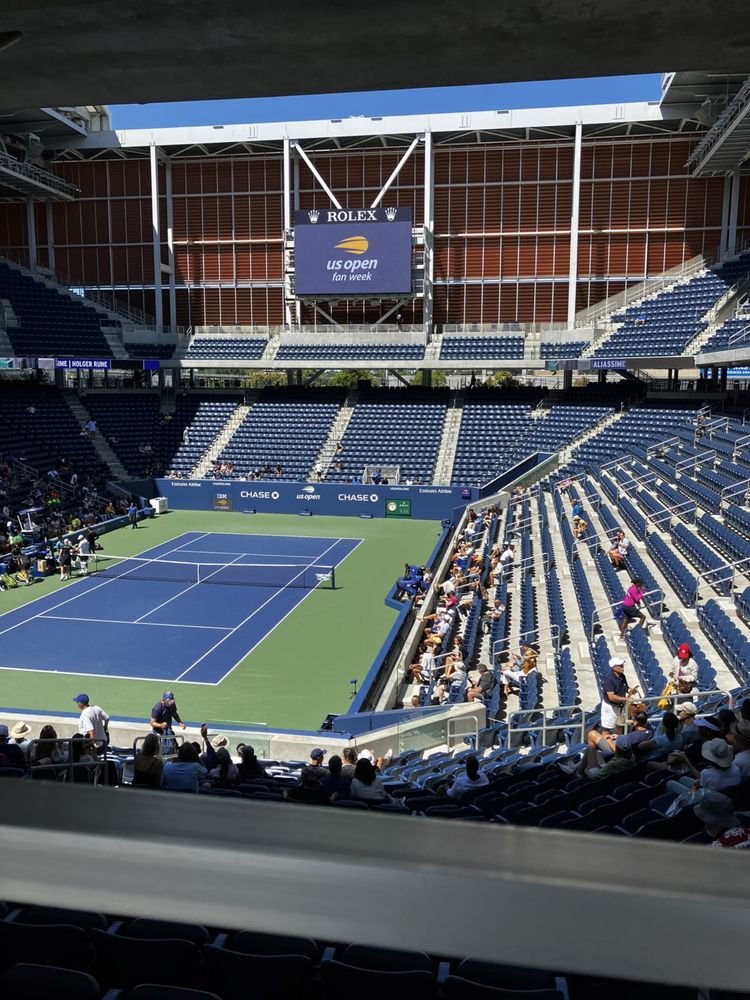
    One Bite, All of Italy: The Best Gelato NYC Road Trip Through NYC & New Jersey

    From a Sicilian-style brioche cone in Chelsea Market to a South Asian spice-infused scoop in Brooklyn, this curated guide to the best gelato NYC and New Jersey has to offer will have you planning your sweet road trip before you finish reading.

    If you’re searching for the best gelato NYC has to offer — or the hidden gems tucked just across the Hudson in New Jersey — you’ve come to the right place. Gelato is not simply ice cream’s Italian cousin. It’s denser, silkier, and served at a slightly warmer temperature than traditional ice cream, which means its flavors hit harder and linger longer. Made with more milk and less cream, less air, and often no egg yolks, authentic gelato achieves that signature velvety texture that has turned countless first-timers into devoted fans.

    The New York metropolitan area is home to one of the most vibrant and diverse gelato shop scenes outside of Italy itself — spanning fifth-generation Bari family recipes to Brooklyn-based South Asian spice experiments. Whether you’re a purist who wants fior di latte exactly as your Italian grandmother might have known it, or an adventurer who thrills at Thai chili chocolate and saffron pistachio, these 10 gelaterias represent the full, spectacular spectrum of what a single scoop can be.

    Lace up your walking shoes. This gelato road trip is about to begin.


    What Makes Gelato Different from Ice Cream?

    Before diving into our picks, a quick primer for the uninitiated. Gelato is churned at a slower speed than American ice cream, incorporating significantly less air — a quality known as overrun. The result is a product that is denser and more intensely flavored. It’s also stored and served at a slightly warmer temperature (around -11°C vs. -15°C for ice cream), giving it that famously soft, almost pliable consistency. Traditional gelato recipes from regions like Sicily, Tuscany, and Piedmont each carry their own local character — something you’ll notice reflected in the gelaterias below.


    Best Gelato Shops in New York City

    1. Caffè Panna — Where Roman Inspiration Meets New York Wit

    Best Gelato NYC

    Locations: 77 Irving Place, Gramercy Park; 16 Norman Ave, Greenpoint, Brooklyn
    Website: https://www.caffepanna.com/

    If there’s one name that defines the current golden era of gelato in NYC, it’s Caffè Panna. Founded in 2019 by Hallie Meyer — daughter of legendary restaurateur Danny Meyer — this shop was born from her time studying in Rome, where she fell deeply in love with Italian gelato culture. The result is a shop that bridges the old world and the new with remarkable confidence.

    The menu rotates weekly, embracing seasonal produce and unexpected pairings: think sungold tomatoes and olive oil in summer, or spiced pumpkin with candied pecans in fall. Seven core flavors are always available, including the beloved Chocolate Sorbet and Caffè Bianco Stracciatella, but it’s the daily specials that keep regulars coming back obsessively. Every scoop comes with a complimentary cloud of freshly whipped panna — the crown jewel of the experience. The Greenpoint location, which opened in July 2024, serves as the production facility, meaning you can watch the ice cream being made while you eat yours.

    Best Gelato NYC
    • Must-Try Flavors: Panna, S’mores Swirl, Salted Vanilla Chip, seasonal specials
    • Pro Tip: The Brooklyn location exclusively offers Caffè Panna’s signature granitas — soft serve on the bottom, whipped cream on top, and crunchy flavored ice in between. Don’t miss the Granita Di Strawberry.

    2. Anita Gelato — 150 Flavors and the Joy of Choosing

    Best Gelato NYC

    Locations: Upper East Side, Williamsburg, Hudson Yards, Times Square, and more
    Website: https://www.anita-gelato.com/

    What started over 20 years ago in a home kitchen in Tel Aviv — where founder Anita Avital began crafting homemade gelato recipes for her family — has grown into a global phenomenon with over 25 locations worldwide. New York is home to several of them, and each one is a visual feast before it’s even a culinary one.

    Best Gelato NYC

    The defining experience at Anita Gelato is the sheer scale of choice: over 150 rotating flavors displayed in generously overflowing canisters, accented with homemade jams, chocolate art, and inventive toppings. Traditional Italian flavors share space with creations like Salted Bagel, Popcorn with Honey Caramel, and Crumbled Cheesecake. With over 150 topping options — crunchy nuts, drizzles, chocolate wafers — no two visits need ever be the same.

    • Must-Try Flavors: White Chocolate & Pretzel, Nougat Crumble, Pistachio Crunch, Pavlova & Mixed Berries
    • Pro Tip: This is an excellent choice if you’re near Times Square before or after a Broadway show.

    3. Gelateria Gentile — A Living Heritage Since 1880

    Best Gelato NYC

    Locations: 60 University Place (Greenwich Village); Williamsburg; Nolita
    Website: https://www.gelateriagentile.com/en/

    For those who believe the best gelato NYC can offer should taste like it came straight from an Italian nonna’s hands, Gelateria Gentile is non-negotiable. The brand traces its roots to Bari, southern Italy, in 1880, and today operates as a fifth-generation family enterprise. The gelato is produced at their factory in Williamsburg and served on cones imported directly from Italy — details that signal how seriously this family takes authenticity.

    Best Gelato NYC

    The flavors are classic, carefully curated, and executed with quiet confidence. The milk-forward base has a depth that’s immediately recognizable as old-world Italian. There are no gimmicks here, just extraordinary craft.

    • Must-Try Flavors: Fior di Latte, Gianduja (chocolate + hazelnut), Pistachio di Bronte
    • Pro Tip: Pair your gelato with an espresso for the full southern Italian afternoon experience.

    4. L’Arte del Gelato — A Slice of Sicily on the High Line

    Best Gelato NYC

    Locations: Chelsea Market, The High Line, Oculus (World Trade Center)

    Founded by Francesco Realmuto, a native of Sicily, L’Arte del Gelato brings the full Sicilian dessert tradition to some of Manhattan’s most iconic destinations. The star of the show is not just the gelato itself but the way it’s served: nestled inside a brioche bun in the traditional Sicilian fashion — a warm, pillowy vessel that turns your scoop into a complete meal-like experience unlike anything else in the city.

    Best Gelato NYC

    All ingredients are sourced naturally, and the flavor palette leans toward the classic and the seasonal. Visitors consistently single out the pistachio and salted caramel as standouts, with the Ricotta & Fig a more adventurous but equally rewarding choice.

    • Must-Try Flavors: Ricotta & Fig, Hazelnut, Strawberry Sorbetto, Pistachio
    • Pro Tip: Order the brioche-gelato combination. It is, quite simply, a revelation.

    5. Il Laboratorio del Gelato — The Gelato Laboratory of the Lower East Side

    Location: 188 Ludlow Street, Lower East Side

    Opened in 2002 by Jon Snyder on the Lower East Side, Il Laboratorio del Gelato has earned its reputation as one of the most adventurous gelaterias in the country. The “laboratory” concept isn’t just marketing: the shop boasts an extraordinary catalog of over 300 flavors through its wholesale operation, though the in-store selection is trimmed to a still-impressive daily rotating menu. The shop supplies bespoke gelato to some of New York’s top restaurants, crafting custom flavors on demand.

    If you’ve ever wondered what cheddar cheese gelato tastes like — or Thai chili chocolate, or fresh horchata — this is where your curiosity gets answered. But for every experimental creation, there are equally excellent renditions of the classics: the dark chocolate is legendary, and the fresh mint will ruin all other mint ice creams for you permanently.

    • Must-Try Flavors: Thai Chili Chocolate, Fresh Mint, Dark Chocolate, Horchata
    • Pro Tip: Sample liberally before committing — staff are patient and happy to oblige.

    6. Malai — South Asian Spice Meets the Best Gelato NYC Tradition

    Location: 268 Smith Street, Carroll Gardens, Brooklyn

    Malai is what happens when deep culinary heritage meets modern American creativity in the best possible way. Founded in 2015 by Pooja Bavishi — named one of Brooklyn Magazine’s 50 most fascinating people — this Carroll Gardens shop draws from South Asian ingredients and spices to craft ice cream and gelato that is entirely its own category.

    The gelato at Malai is handcrafted, eggless, and churned with minimal air, resulting in an unusually dense and creamy texture. The Masala Chai flavor alone — built on a proprietary blend of five types of tea leaves perfected over more than 50 iterations — is reason enough to make the trip to Brooklyn. The Rose with Cinnamon Roasted Almonds is floral, complex, and deeply satisfying, while the Orange Fennel (steeped via cold infusion for 48 hours) is a masterclass in restraint and technique.

    • Must-Try Flavors: Masala Chai, Rose with Cinnamon Roasted Almonds, Saffron Pistachio, Golden Turmeric
    • Pro Tip: Malai’s pints are also available at select grocery stores across the city if you want to bring the experience home.

    7. Venchi Chocolate & Gelato — 140 Years of Piedmontese Excellence

    Locations: Upper East Side, Columbus Circle, Hudson Yards, World Trade Center

    Turin, 1878. That’s where Venchi began — as a small confectionery in the heart of Piedmont, Italy’s chocolate capital. Nearly 150 years later, the brand has grown into an internationally recognized luxury destination, and their Manhattan outposts are among the most visually stunning dessert spaces in the city. The gold accents, chocolate wall installations, and warm lighting set the mood before you’ve even ordered.

    Venchi uses fresh Piedmontese hazelnuts, Sicilian almonds, Bronte pistachios, and Sorrento lemons to craft gelato that is rich, purposeful, and deeply rooted in northern Italian confectionery tradition. The chocolate-hazelnut combinations are extraordinary, and the Olive Oil gelato — surprisingly — is one of their most talked-about flavors among regulars.

    • Must-Try Flavors: Cremino, Cuor di Cacao, Chocolate-Hazelnut, Olive Oil
    • Pro Tip: Pick up a bar of Venchi’s single-origin chocolate on your way out. It’s among the finest you’ll find in the city.

    8. L’Albero dei Gelati — Organic, Slow, and Utterly Brooklyn

    Location: Park Slope, Brooklyn

    Tucked into the leafy streets of Park Slope, L’Albero dei Gelati (“The Gelato Tree”) is the quiet, principled soul of Brooklyn’s gelato scene. Rooted in the Slow Food philosophy — a movement that prizes local, sustainable ingredients and mindful production — this family-run shop originally hails from Brianza, in the Lombardy region of northern Italy.

    Everything here is made with certified organic and locally sourced ingredients wherever possible, and the approach shows. The Olive Oil gelato has a grassy, lush quality; the Butter & Sea Salt is indulgent without being heavy; the Hazelnut is pure, clean, and intensely nutty. The shop also makes exceptional pastries, making it an ideal destination for a full afternoon pause.

    • Must-Try Flavors: Olive Oil, Butter & Sea Salt, Hazelnut
    • Pro Tip: Pair a scoop with one of their house-made pastries for the ultimate slow afternoon in Park Slope.

    Best Gelato Shops in New Jersey

    9. Gelotti — Classic Craft Gelato in the Heart of Essex County

    Locations: Montclair (571 Bloomfield Ave), Caldwell, and surrounding areas

    Gelotti has been a fixture of the Essex County gelato scene for decades, and for good reason. The shop is exactly what a neighborhood gelateria should be: consistent, generous, and deeply comforting. This is the place locals grew up visiting, the stop on the way home from a Little League game, the reward after a tough week. In the competitive world of specialty desserts, there’s something genuinely valuable about a shop that simply does what it does, and does it well.

    The gelato leans into Italian-American classics executed with care. Stracciatella arrives with satisfying shards of dark chocolate throughout a clean milk base. The Cannoli Cream is a seasonal crowd-pleaser, and the Tiramisu is a legitimate rival to anything you’d find in a Milanese café.

    • Must-Try Flavors: Stracciatella, Cannoli Cream, Tiramisu, Kit Kat (a local favorite)
    • Pro Tip: This is excellent value for families — portions are generous and prices remain accessible.

    10. Applegate Farm — 175 Years of New Jersey Sweet History

    Location: 616 Grove Street, Upper Montclair, NJ

    There are ice cream shops, and then there are institutions. Applegate Farm — established in 1848 and located just 15 minutes west of Manhattan — is unambiguously the latter. Originally a dairy farm that began selling ice cream in the early 1900s (the first cone was served by staff member Frank Oliver in 1932), Applegate Farm has survived the Civil War, the Great Depression, and two World Wars to become one of the largest retail ice cream outlets on the entire East Coast.

    Today, the farm operates under the Street family, who have maintained the same handwritten recipe cards that have guided production for generations. The menu spans over 60 flavors at any given time, including sugar-free options and Italian ices, but it’s the signature homemade classics that command loyalty: Cappuccino Crunch, Strawberry Cheesecake, and the timeless Maple Walnut draw visitors from across northern New Jersey year after year. The atmosphere — outdoor seating, a rustic farm stand vibe, a giant decorative cow at the entrance — is as much a part of the experience as the gelato itself.

    • Must-Try Flavors: Cappuccino Crunch, Raspberry Cheesecake Gelato, Maple Walnut, Coffee Fudge Crunch
    • Pro Tip: Applegate is beloved by generations of New Jersey families. Expect lines on warm evenings — they move quickly, and the wait is always worth it.

    Quick Comparison: NYC & NJ Gelato Shops at a Glance

    Shop Location Best For Signature Flavor Caffè Panna Gramercy / Greenpoint Seasonal creativity Chocolate Sorbet Anita Gelato Multiple NYC locations Choice & toppings Pistachio Crunch Gelateria Gentile Greenwich Village / Williamsburg Old-world authenticity Fior di Latte L’Arte del Gelato Chelsea / High Line / Oculus Sicilian brioche experience Ricotta & Fig Il Laboratorio del Gelato Lower East Side Experimental flavors Thai Chili Chocolate Malai Carroll Gardens, Brooklyn South Asian spice fusion Masala Chai Venchi Multiple Manhattan locations Luxury chocolate-forward Cremino L’Albero dei Gelati Park Slope, Brooklyn Organic slow food Olive Oil Gelotti Montclair, NJ Classic NJ neighborhood gem Stracciatella Applegate Farm Upper Montclair, NJ Historic farm nostalgia Cappuccino Crunch


    Planning Your Gelato Road Trip: Tips for the Best Experience

    Go on a weekday. The most popular spots — Caffè Panna and Gelateria Gentile especially — can draw significant weekend lines. A Tuesday or Wednesday afternoon visit tends to be a far more relaxed experience.

    Ask for samples. Every gelateria on this list encourages tasting before buying. Use that generosity to explore unusual flavors you might not otherwise try.

    Go small. Authentic gelato is intensely flavored and rich. A small serving often delivers more satisfaction than a large one. Many first-time visitors are surprised at just how satisfying a single scoop can be.

    Combine with a neighborhood walk. Gelato tastes best when you’re strolling. Chelsea Market to the High Line is a natural pairing with L’Arte del Gelato. Park Slope’s brownstone streets and Prospect Park make L’Albero dei Gelati feel like a Roman afternoon. And the drive through Montclair’s tree-lined streets to Applegate Farm has a quiet charm all its own.

    Check Instagram for seasonal specials. Shops like Caffè Panna and Malai regularly post daily flavors and limited collaborations on social media. Following them can tip you off to something extraordinary you’d otherwise have missed.


    Final Scoop

    Gelato, at its core, is a language — one spoken in milk and sugar, in seasonal fruit and ancient nut groves, in the philosophy of slowing down enough to taste what’s in front of you. The gelato shops of New York and New Jersey don’t just serve dessert; they offer a moment of translation between cultures, between generations, between the city’s relentless pace and something softer, older, and infinitely more patient.

    Whether your first stop is the Roman-inspired showroom of Caffè Panna in Greenpoint, the storied production floor of Gelateria Gentile in Williamsburg, or the farm-stand warmth of Applegate in Montclair — one thing is certain. The best gelato in NYC and New Jersey is out there waiting, and it’s better than you’re expecting.

    Go find it.

    Related posts you might enjoy:
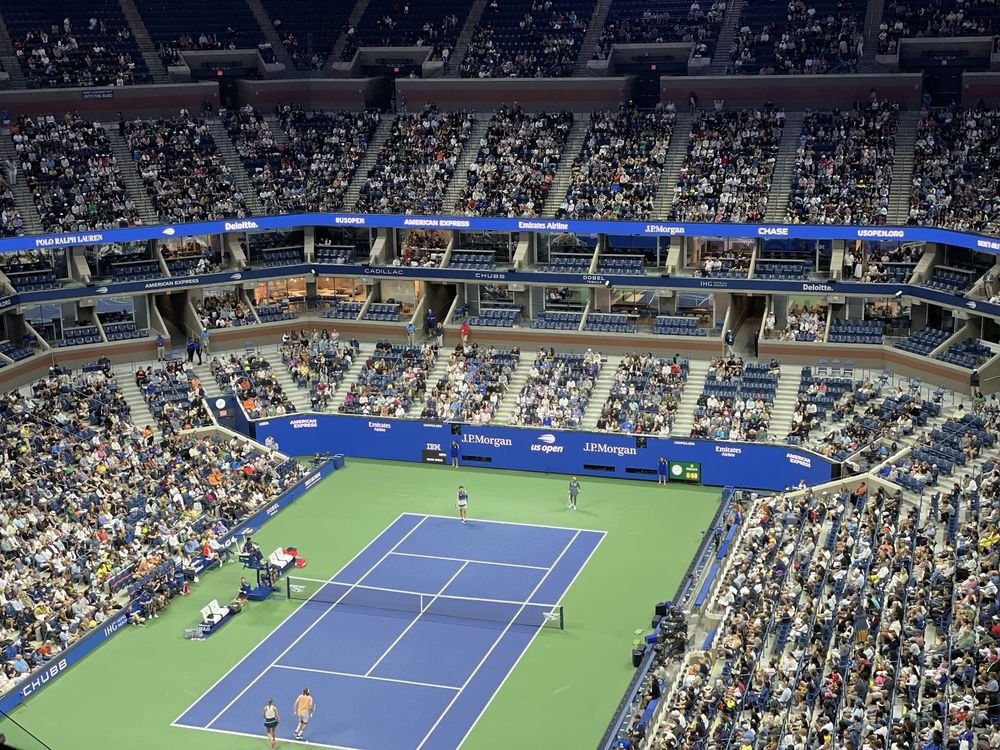
    2026 SailGP New York: The Ultimate Guide to Watching the Mubadala New York Sail Grand Prix

    The Mubadala New York Sail Grand Prix is back on May 30–31, 2026 — bringing the world’s fastest sailing race boats to New York Harbor. Here’s your complete guide to tickets, viewing locations, and what makes this event unmissable.

    When “F1 on Water” Comes to New York Harbor

    2026 SailGP New York

    Picture this: carbon-fiber racing boats flying above the surface of New York Harbor at over 100 km/h, with the Statue of Liberty and One World Trade Center rising in the background. That’s not a Hollywood set — that’s the 2026 SailGP New York experience, and it’s coming to the Hudson River on May 30–31, 2026.

    The Mubadala New York Sail Grand Prix has quickly earned a reputation as one of the most visually spectacular sporting events in the city’s calendar. The 2025 edition drew a U.S. record attendance of more than 10,000 spectators across the weekend, with a dedicated broadcast audience of 19.5 million viewers worldwide. In 2026, the bar is set even higher — and for the first time, spectators will experience the race entirely on the water.

    Whether you’re a sailing enthusiast or someone who simply loves a great New York experience, this guide covers everything you need to plan your perfect race weekend.


    What Is SailGP? (The “F1 on Water” Explained)

    SailGP is a global sailing championship that tours the world’s most iconic coastal cities — from Sydney to Saint-Tropez, Bermuda to Bermuda, and yes, New York. But this is nothing like the leisure sailing you might associate with a lazy Sunday on the Hudson.

    The F50 Foiling Catamaran: Engineering in Motion

    The heart of SailGP is the F50 foiling catamaran — a 50-foot carbon-fiber machine that literally lifts off the water. Born from the AC50 boats used in the 2017 America’s Cup, the F50 has undergone continuous refinement that has made it one of the fastest racing vessels in history.

    Here’s what makes the 2026 edition even more thrilling:

    • Speed record: The current F50 speed record stands at 56.1 knots (103.93 km/h / 64.58 mph), set by the Rockwool Denmark SailGP Team at the 2025 Germany Sail Grand Prix.
    • New T-foil technology: Titanium T-foils introduced in 2025 allow boats to consistently break the 100 km/h barrier during racing.
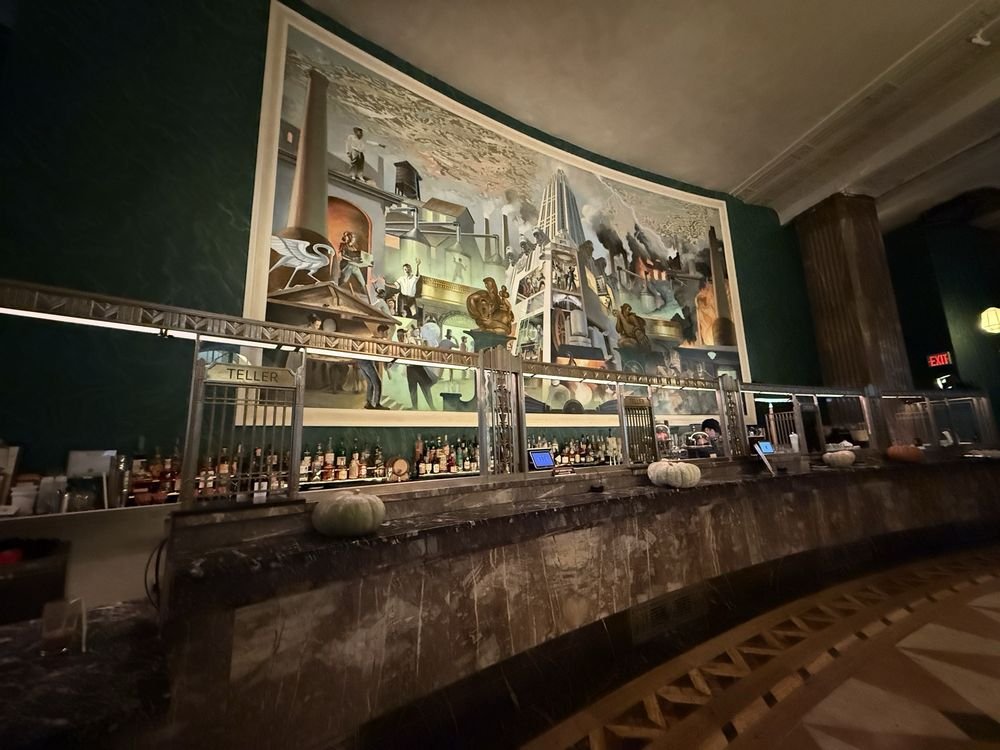
    • 2026 wing upgrade: For 2026, teams are equipped with a new 27.5-meter modular wing, designed to keep the boats foiling even in lighter winds — meaning tighter, more dramatic racing for fans regardless of conditions.
    • One-design parity: Every team races in identical equipment, so there are no secret technical advantages. Victory is determined purely by skill, teamwork, and strategy.

    How Does Foiling Work?

    2026 SailGP New York

    The F50’s hydrofoils function much like aircraft wings — moving through the water, they generate lift that raises the entire hull clear of the surface. With less drag, the boats accelerate to speeds that seem to defy logic for a wind-powered vessel. Keeping the F50 flying at the right height is a constant, high-stakes balancing act: fly too high and the boat crashes back down; dip too low and speed bleeds away. The crew’s ability to manage this is the defining skill in SailGP racing.


    2026 SailGP New York: Dates, Venue & Schedule

    DetailInformation
    Event NameMubadala New York Sail Grand Prix
    DatesSaturday, May 30 – Sunday, May 31, 2026
    Race CourseHudson River / New York Harbor
    Season Position6th event of the 2026 SailGP Season
    Fleet Size13 teams — the largest in SailGP history

    The 2026 SailGP New York race marks the fourth time the city has hosted the event, and it’s firmly established as what SailGP CEO Sir Russell Coutts calls a “standout event in our global racing calendar with unmatched big city appeal.”

    The race follows the standard SailGP two-day format: multiple short, intense fleet races across Saturday and Sunday, with the top three teams from the weekend progressing to a winner-takes-all Final to crown the event champion.

    sailgp nyc course map

    Where Does New York Fit in the 2026 Season?

    New York sits as event six in a packed 2026 calendar that spans 11 months across four continents. The season opens in Perth in January before moving through Auckland, Sydney, and Bermuda (May 9–10), arriving in New York (May 30–31), and continuing to Halifax, Canada (June 20–21).


    Best Ways to Watch the Mubadala New York Sail Grand Prix

    1. On-Water Spectating (NEW for 2026)

    This is the headline change for 2026: all official spectating experiences will be situated on the water. This is a first for the New York event, and it means you’re no longer watching from the shore — you’re out on the Hudson River, in the heart of the action, as F50s thunder past at racing speed.

    Tickets are available through Fever (feverup.com) and depart from one of three Manhattan piers:

    • Pier 36
    • Pier 81
    • Chelsea Piers

    Always check your designated departure pier before purchasing, as each vessel boards from a specific location.

    Ticket Tiers Available:

    • Classic On-Water — A racing-first experience that puts you at the heart of the race weekend on the Hudson River. Ideal for those who want maximum race action.
    • Premium On-Water — Elevated experience with priority course positioning, complimentary dining, drinks, and live entertainment.
    • Platinum On-Water — The top tier, featuring gourmet dining, premium beverages, and the best positions on the water.
    • VELA Privé — SailGP’s most exclusive hospitality offering, designed for groups seeking an all-inclusive waterfront environment with exceptional service.

    Pro tip: The 2025 edition sold out quickly after setting attendance records. Tickets for the 2026 SailGP New York are already on sale — don’t wait until May to start looking.

    2. Private Charter Boats

    For a more intimate experience, private charter boats offer access to the race course area for groups of up to six guests. You get dynamic positioning throughout the racing (moving closer to start lines, mark roundings, and the finish), unobstructed views, and the ability to customize the experience with catering and beverages. Departure is from Manhattan; charters typically run 3–3.5 hours.

    3. Battery Park (Free Shore Viewing)

    If tickets are sold out or you’re traveling on a budget, Manhattan’s Battery Park at the southern tip of the island offers a free vantage point. You’ll see the silhouettes of the F50s against the skyline and get a sense of the scale of the event. For any real detail on the racing, bring binoculars or a telephoto lens — the course is in the harbor, so distance is a factor.


    Ticket Buying Guide for the 2026 Mubadala New York Sail Grand Prix

    Where to buy:

    Options:

    • Single-day tickets (Saturday OR Sunday)
    • Weekend tickets (both days — better value if you can commit)

    Things to keep in mind:

    • The 2025 event set a U.S. attendance record — demand for 2026 will be high.
    • Weekend passes offer better value and let you experience the full arc of the competition, including the Sunday Final.
    • An optional carbon offset contribution is available at checkout to help offset emissions associated with fan travel, in line with SailGP’s sustainability mission.

    What to Expect on Race Day

    The Racing Format

    SailGP races are short, sharp, and aggressive — each fleet race typically lasts 20–30 minutes. Teams complete multiple races per day, with points accumulating toward a Final on Sunday afternoon. The format is designed for maximum spectator engagement: there’s rarely a dull moment.

    Beyond the Racing

    The Mubadala New York Sail Grand Prix is as much a festival as a sporting event. Expect:

    • Live DJ sets and music on the water and at waterfront areas
    • Food and drink (Premium and Platinum experiences include this)
    • Live race commentary to help you follow the tactics
    • Large broadcast screens showing close-up race footage and telemetry

    Photography Tips

    The iconic shot — an F50 foiling with the Statue of Liberty or the Manhattan skyline in the same frame — is what photographers chase all weekend. From the on-water spectator vessels, you’ll have the best angles for this shot. The golden hours of early morning (if access allows) and late afternoon on race day typically offer the best light for skyline photography.

    • Gear: A telephoto lens (200mm+) helps capture the speed and scale of the boats.
    • Settings: Fast shutter speed (1/2000s or faster) to freeze the action.
    • Best moment: The start line, where boats accelerate from stationary to 50+ knots in a matter of seconds, is among the most dramatic sequences of the weekend.

    The Teams to Watch at the 2026 SailGP New York

    The 2026 season features 13 nations competing — the largest fleet in SailGP history. Key teams heading into the New York round include:

    • Emirates Great Britain — reigning Rolex SailGP Champions after their dramatic 2025 title win in Abu Dhabi.
    • U.S. SailGP Team — racing in front of a home crowd is always a motivator. Driver Taylor Canfield has described New York as his favorite venue: “There’s nothing like racing in New York in front of our home crowd. The city’s energy hits you the second you’re on the water.”
    • Rockwool Denmark — holders of the F50 speed record at 103.93 km/h, and perennial podium contenders.
    • Australia, New Zealand, Spain, Switzerland — all regular top-five finishers and always capable of taking the event win.

    Practical Information & Visitor Tips

    Getting There

    All official on-water experiences depart from Manhattan piers (Pier 36, Pier 81, or Chelsea Piers). Each is accessible by subway, taxi, or rideshare. Allow extra time on race day — the event draws large crowds to the lower Manhattan waterfront area.

    What to Wear

    New York Harbor in late May can be breezy and unpredictable, even when air temperatures are warm. Pack:

    • A windproof layer (a light jacket or wind shell)
    • Sunscreen — you’ll be on the water with no shade overhead
    • Sunglasses — essential for watching a race on reflective water
    • Non-slip, closed-toe shoes are recommended on boats

    Sustainability

    SailGP is one of the few major sports leagues with a built-in sustainability mandate — the series aims to be a powerful advocate for ocean health and clean energy. The Powered By Nature initiative runs throughout the season, and fans can contribute to certified carbon reduction projects at ticket checkout.


    Why the 2026 SailGP New York Is Worth Your Time

    The Mubadala New York Sail Grand Prix sits at a fascinating intersection: it’s one of the world’s most technically advanced sporting events, and it happens against one of the world’s most recognizable backdrops. No other race on the SailGP calendar places its course beside a skyline quite like Manhattan’s.

    For those new to sailing, the combination of accessible on-water tickets, live commentary, and a festival atmosphere makes it genuinely easy to follow and enjoy. For sailing fans, seeing 13 F50s trading tacks on the Hudson at over 100 km/h is as good as the sport gets.

    The 2026 season is already being called SailGP’s most ambitious yet. New York — as it always does — will deliver one of the season’s defining moments.


    Quick-Reference Summary

    • Event: Mubadala New York Sail Grand Prix (2026 SailGP New York)
    • Dates: May 30–31, 2026
    • Location: Hudson River / New York Harbor
    • Tickets: Via tickets.sailgp.com and feverup.com
    • Viewing: All official experiences are on-water in 2026; shore viewing from Battery Park is free
    • Departure piers: Pier 36, Pier 81, Chelsea Piers (check your ticket for your assigned pier)
    • Teams: 13 nations, including the U.S. home team

    Related posts you might enjoy: