Best Lower Manhattan Hotels for the 2026 Five Boro Bike Tour — Where to Stay Near the Start Line

The 2026 TD Five Boro Bike Tour kicks off on May 3rd right in Lower Manhattan. Whether you’re a cyclist or a spectator, your hotel choice can make or break the weekend. Here are the 5 best Lower Manhattan hotels to book now — with tips on timing, bike storage, and what sets each property apart.

When over 32,000 cyclists descend on New York City for the 2026 TD Five Boro Bike Tour, one thing becomes crystal clear: Lower Manhattan hotels fill up fast. The world’s largest charitable bike ride — 40 miles of fully car-free streets through all five boroughs — sets off on Sunday, May 3, 2026, starting at the intersection of Franklin Street and Church Street in Lower Manhattan. That puts the neighborhood squarely at the epicenter of one of NYC’s most electrifying weekends of the year.

Whether you’re riding the full route or cheering from the sidelines, choosing the right Lower Manhattan hotel for the Five Boro Bike Tour weekend is a decision that deserves as much thought as your gear list. Proximity to the start line, space for your bike, easy access to the Hudson River Greenway warm-up loop, and a room that actually lets you sleep before a big day on the saddle — it all matters.

We’ve done the research so you don’t have to. Here are the 5 best Lower Manhattan hotels for the 2026 Five Boro Bike Tour, ranked by style, practicality, and value.


At a Glance: Lower Manhattan Hotels for Five Boro Bike Tour 2026

HotelStyleStandout FeatureBest For
The Beekman, A Thompson HotelClassic Luxury9-story Victorian atriumHistory lovers & splurge stays
Conrad New York DowntownModern All-SuiteEvery room is a suite; 2,000+ artworksCyclists with gear & families
Hotel 50 BoweryIndustrial-Chic BoutiqueRooftop Manhattan skyline viewsPost-ride celebrations
Arlo SoHoMicro-BoutiqueSmart compact design, vibrant common areasSolo riders & budget-conscious travelers
The Wall Street HotelRefined LuxuryQuiet, curated interiorsPre-race rest & recovery

1. The Beekman, A Thompson Hotel — Historic Grandeur Near Brooklyn Bridge

Lower Manhattan hotels

If you’re looking for the most architecturally stunning Lower Manhattan hotel for your Five Boro Bike Tour stay, The Beekman is in a class of its own. Situated at 123 Nassau Street — just one block from City Hall Park and five minutes on foot from the Brooklyn Bridge pedestrian entrance — the hotel places you within easy striking distance of the Franklin Street start line.

Lower Manhattan hotels

Built in 1881 and beautifully restored, The Beekman is one of Lower Manhattan’s original red-brick landmarks. Its defining feature is the nine-story Victorian atrium crowned by a pyramidal glass skylight, which floods the central Bar Room with natural light in a way that feels almost theatrical. Ornamental wrought-iron balconies frame every floor of the atrium, and the design — executed by award-winning Martin Brudnizki — weaves aged-oak floors, Carrera marble, and leather headboards throughout all 287 guest rooms.

The hotel’s dining program is equally impressive. Temple Court by Tom Colicchio anchors the atrium level, while Le Gratin by Daniel Boulud brings a Lyon-inspired bouchon experience to the Financial District. Downstairs, the cocktail lounge Laissez Faire draws a stylish local crowd well into the evening.

Lower Manhattan hotels

Practical notes for bike tour riders: The Beekman is a Hyatt World of Hyatt property — points redemptions can significantly reduce the cost during event weekends. Multiple subway lines (City Hall, Chambers St, Fulton St) are within a five-minute walk, making it easy to reach the start zone early on race morning.

  • Address: 123 Nassau St, New York, NY 10038
  • Loyalty Program: World of Hyatt
  • Distance to Start Line: ~10-minute walk or 3-minute bike ride

2. Conrad New York Downtown — The All-Suite Five Boro Bike Tour Hotel

Lower Manhattan hotels

For cyclists traveling with serious gear — aero bikes, bike boxes, full kit bags — Conrad New York Downtown is the most practical luxury choice among Lower Manhattan hotels for the Five Boro Bike Tour. Located at 102 North End Avenue in Battery Park City, overlooking the Hudson River, every single one of the hotel’s 463 rooms is a two-room suite, with a minimum size of 430 square feet. That’s an extraordinary amount of space for New York City, and it’s exactly what you need when you need to lay out gear, reassemble a bike, or simply decompress before a 40-mile ride.

Lower Manhattan hotels

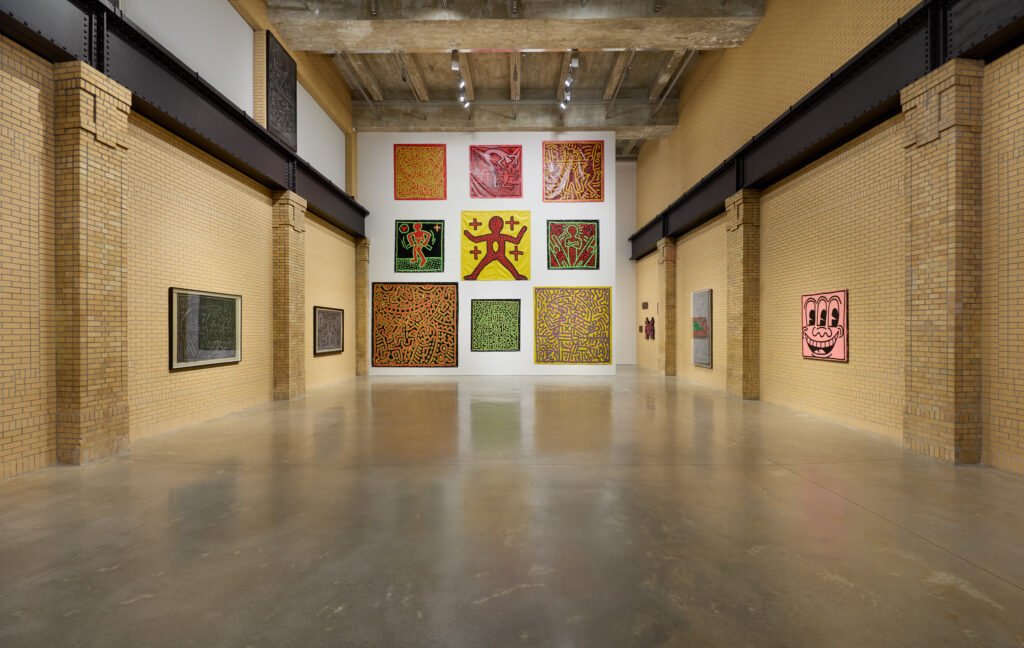
The lobby alone is worth a visit even if you’re not staying here. A soaring 15-story atrium houses one of the largest hotel art collections in the city — more than 2,000 works, including Sol LeWitt’s iconic “Loopy Doopy” mural spanning 80 by 100 feet and pieces by Frank Stella and Elizabeth Peyton. The lobby lighting rotates through moody, atmospheric colors, giving the space the feel of a contemporary art museum.

Lower Manhattan hotels

Rooms come with Nespresso machines, Byredo toiletries, wet bars, blackout curtains, and ergonomic workstations — thoughtful for anyone who wants to do a pre-race equipment check or prep nutrition the night before. The Loopy Doopy Rooftop Bar (seasonal) offers sweeping Hudson River views, and the Atrium Wine Bar & Restaurant serves all-day dining plus weekend brunch.

Lower Manhattan hotels

The location is prime for active travelers: the Hudson River Greenway — NYC’s longest car-free bike and running path — runs directly outside the hotel’s front door, making it ideal for a pre-race warm-up ride or shakeout run.

  • Address: 102 North End Ave, New York, NY 10282
  • Loyalty Program: Hilton Honors
  • Distance to Start Line: ~15-minute bike ride along the Hudson River Greenway

3. Hotel 50 Bowery — Industrial Cool with the Best Views in the Neighborhood

Lower Manhattan hotels

Sitting at the intersection of Chinatown and the Lower East Side, Hotel 50 Bowery occupies a distinct cultural sweet spot that makes it one of the most characterful Lower Manhattan hotels for an event weekend stay. The industrial-chic design — exposed concrete, warm wood tones, dramatic angular architecture — feels very New York without trying too hard.

Lower Manhattan hotels

The rooftop is the headline act. From the open-air terrace on the upper floors, guests are treated to an unobstructed panorama of the Manhattan and Brooklyn Bridge skylines, a view that earns its own social media moment regardless of whether you’ve just finished 40 miles on a bike or are simply up there with a cocktail.

Lower Manhattan hotels

Rooms are modern and well-appointed, with floor-to-ceiling windows framing neighborhood views. The hotel’s location puts guests within a 15-minute walk of the Civic Center start zone, and the surrounding streets are among the most interesting in the city for pre-trip exploration — Chinatown dim sum at dim sum hour, boutiques along Canal Street, and the always-evolving restaurant scene of the Lower East Side.

Best for: Riders who want to turn the Five Boro Bike Tour weekend into a full NYC cultural experience — finish the ride, shower, and head straight to the rooftop bar with a cold drink.

  • Address: 50 Bowery, New York, NY 10013
  • Distance to Start Line: ~12-minute walk

4. Arlo SoHo — The Smart Micro-Hotel for Solo Riders

Lower Manhattan hotels

Not every Five Boro Bike Tour hotel needs to be a splurge. Arlo SoHo has built a following among savvy urban travelers who prize clever design, great common areas, and a central location over room square footage. The micro-hotel format maximizes every inch of the guest rooms — smart built-in storage, fold-flat surfaces, and minimalist layouts mean even compact rooms feel intentional rather than cramped.

Where Arlo really shines is in its communal spaces. The lobby, rooftop, and bar areas are energetic, social, and aesthetically strong — exactly the kind of environment where you can meet fellow cyclists, swap route tips over a craft beer the night before the tour, or decompress with a drink the night after.

The SoHo address means the West Side Highway (and its protected bike lanes running down to the start area) is a short pedal away. The neighborhood itself is exceptional — a walkable mix of high-end boutiques, world-class restaurants, and the kind of streetscape photography that makes NYC feel like a different city every block.

Best for: Solo participants, younger travelers, and anyone looking for a well-located, reasonably priced base with boutique style rather than cookie-cutter hotel aesthetics.

  • Address: 231 Hudson St, New York, NY 10013
  • Distance to Start Line: ~10-minute bike ride along Hudson River Greenway

5. The Wall Street Hotel — Quiet Refinement in the Financial District

Lower Manhattan hotels

The night before a big athletic event, sleep is everything. The Wall Street Hotel — tucked into the quieter residential heart of the Financial District — delivers exactly the stillness that many event participants need when surrounded by the weekend buzz of a major NYC event. As one of the most understated Lower Manhattan hotels, it draws travelers who want quality without fanfare.

The interiors lean into soft pastels, velvet textures, and marble finishes — a palette that reads as visually calming rather than showy. Every detail is thoughtfully curated, from the in-room amenities to the lobby art program, resulting in a stay that feels genuinely restorative rather than merely comfortable.

Lower Manhattan hotels

The Financial District location means you’re close to Water Street, Stone Street (NYC’s oldest block, lined with excellent restaurants and bars), and a quick subway hop from virtually anywhere in the city. For Five Boro Bike Tour participants, the start line at Franklin and Church Street is reachable in under ten minutes by bike.

Best for: Athletes who want maximum quiet and comfort the night before the event; anyone treating the Five Boro Bike Tour weekend as a full luxury NYC getaway.

  • Address: 11 Wall St, New York, NY 10005
  • Distance to Start Line: ~8-minute bike ride

📅 About the 2026 TD Five Boro Bike Tour

The 2026 edition of the TD Five Boro Bike Tour takes place on Sunday, May 3, 2026, with waves starting from 7:30 AM. The 40-mile route begins at Franklin Street and Church Street in Lower Manhattan, heads north through Central Park and Harlem into the Bronx, then swings south through Queens and Brooklyn before finishing with the iconic climb over the Verrazzano-Narrows Bridge to the Finish Festival at Fort Wadsworth on Staten Island. With over 32,000 riders expected, it remains the world’s largest single-day charitable bike ride.

Registration is open through April 22 for online sign-ups, with in-person registration available at Packet Pickup. Standard registration is $178.92 and includes a rider kit, snacks at rest stops, mechanical support, and Finish Festival entry.


💡 Five Boro Bike Tour Hotel Booking Tips

Book 4–6 months in advance. Lower Manhattan hotels for the Five Boro Bike Tour weekend sell out quickly — and prices surge as the date approaches. Aim for a reservation before the end of December or early January for a May event.

Ask about bike storage policy. Policies vary by property. Some hotels will allow bicycles in guest rooms; others have dedicated secure storage. Confirm via email before arrival — a quick note to the front desk goes a long way.

Consider your start wave logistics. The Five Boro Bike Tour uses staggered start waves. Riders heading to the start line southbound must use Broadway; those coming from the north use the Hudson River Greenway. Factor your hotel’s position relative to these routes when choosing where to stay.

Look into the official Hotel Planner partnership. Bike New York has partnered with Hotel Planner to offer curated accommodations for tour participants. It’s worth checking for any event-weekend blocks or group rates, especially if you’re traveling with a team.

Don’t forget bike rental options. No bike? Unlimited Biking is the official rental partner for the 2026 Five Boro Bike Tour. Early pick-up is available Thursday and Friday from their Lower Manhattan location at 79 Chambers Street — walking distance from The Beekman, Conrad, and The Wall Street Hotel.


Final Thoughts: The Best Lower Manhattan Hotel for the Five Boro Bike Tour

There’s no single best answer — it depends on what you’re optimizing for. If you want the most space for gear, go with Conrad New York Downtown. If you want the most memorable stay in a landmark building, The Beekman is unrivaled. If value and social energy matter most, Arlo SoHo hits the sweet spot. For rooftop views and neighborhood character, Hotel 50 Bowery delivers. And if pre-race quiet and recovery are the priority, The Wall Street Hotel is your call.

Whatever you choose, the most important move is the same: book early. Lower Manhattan hotels during the Five Boro Bike Tour weekend are some of the fastest-selling accommodations in New York City. Lock in your stay now, and you can focus on the ride.


Have a favorite Lower Manhattan hotel for event weekends? Drop your recommendation in the comments below — we’d love to hear from fellow riders and NYC visitors.


Related posts you might enjoy:

Five Boro Bike Tour 2026: The Ultimate Guide to NYC’s Greatest Car-Free Cycling Event

On May 3, 2026, over 32,000 cyclists will take over New York City’s streets for the Five Boro Bike Tour 2026 — the world’s largest charitable NYC bike tour. Here’s your complete guide to registration, the route, bike rentals, and how to make the most of race day.

Imagine pedaling through Harlem, gliding across the Queensboro Bridge with the Manhattan skyline at your back, and finishing with a triumphant climb over the Verrazzano-Narrows Bridge into Staten Island — all on completely car-free streets. That’s exactly what awaits you at the Five Boro Bike Tour 2026, the world’s largest charitable bike ride and one of the most iconic events on the New York City calendar.

Five Boro Bike Tour 2026

Whether you’re a seasoned cyclist or someone who hasn’t touched a bike since college, the Five Boro Bike Tour 2026 is designed for every rider. On Sunday, May 3, 2026, more than 32,000 participants from around the globe will roll through all five New York City boroughs on 40 miles of streets closed entirely to car traffic. For one day, the roads are yours, the bridges are yours, and New York City belongs to cyclists.


What Is the Five Boro Bike Tour 2026?

The TD Five Boro Bike Tour is an annual recreational cycling event organized by Bike New York, a nonprofit dedicated to cycling education and community outreach across the city. First held in 1977 as the “Five Boro Challenge” with roughly 250 participants, the event has grown into the largest charitable bike ride in the world, with over 32,000 riders joining each year.

This is not a race — it’s a celebration. There’s no official time limit, no podium, no pressure. The tour is a rolling festival through the heart of New York City, where riders move at their own pace and soak in one of the most unique urban experiences on the planet. Every registration fee includes a tax-deductible charitable donation that funds Bike New York’s free cycling education programs serving thousands of New Yorkers each year.


2026 Five Boro Bike Tour: Key Event Details

DetailInfo
DateSunday, May 3, 2026
Distance40 miles (approx. 65 km)
Start LocationFranklin St & Church St, Lower Manhattan
Finish LocationFort Wadsworth, Staten Island
Wave 1 Start Time7:30 AM
Final Wave Start10:25 AM
Participants~32,000 (limited capacity)
Registration DeadlineApril 22, 2026 (online)
Standard Registration Fee$178.92 (incl. processing fees)
VIP Registration Fee$485.44 (incl. processing fees)

Standard registration includes your Rider Identification Kit (helmet cover, bib, and bike plate — required for entry), snacks and entertainment at rest stops, free mechanical support along the route, and access to the Finish Festival on Staten Island. VIP registration adds a limited-edition jersey, a custom Manhattan Portage bag, and priority Wave 1 placement.

Five Boro Bike Tour 2026

How to Register for the Five Boro Bike Tour 2026

Online registration for the 2026 TD Five Boro Bike Tour is open now at bike.nyc, with a firm deadline of Wednesday, April 22, 2026 at 5:00 PM ET. After the online window closes, in-person registration will be available at the Packet Pickup / Bike Expo the weekend before the event at Chelsea Industrial in Manhattan — but availability is not guaranteed, so registering early online is strongly recommended.

Charity rider options are also available through Bike New York’s official charity partners. Charity riders receive guaranteed event entry in exchange for pledging a fundraising minimum (typically $500–$950 depending on the organization), and are automatically placed in Wave 1.

If you’re riding with friends or family, register as a team to ensure everyone is assigned to the same start wave. Note: VIP riders are automatically placed in Wave 1 and cannot be grouped with standard teams.


The 2026 NYC Bike Tour Route: Borough by Borough

Five Boro Bike Tour 2026
2025 Tour Map

One of the defining features of this NYC bike tour is the route itself — a carefully designed 40-mile journey that takes you through neighborhoods and across bridges that are otherwise off-limits to cyclists. Here’s what to expect mile by mile.

Manhattan: The Grand Sendoff

The ride begins at the intersection of Franklin Street and Church Street in Lower Manhattan, just steps from Tribeca and One World Trade Center. From there, riders head north up Sixth Avenue, pass through the green corridor of Central Park, and continue through Harlem — a vibrant stretch full of energy, cheering spectators, and the electric buzz of 32,000 bikes in motion.


Item you might need for the event:


The Bronx: A Borough Rarely Seen

After crossing into the Bronx via the Madison Avenue Bridge, riders briefly explore a borough that most tourists never reach. It’s short but memorable, offering a local perspective that you simply can’t get from a taxi or a tour bus.

Five Boro Bike Tour

Back to Manhattan + FDR Drive

The route loops back south along the FDR Drive — a major highway that hugs the East River on Manhattan’s east side. Riding a car-free highway with the glittering river on one side and the Manhattan skyline on the other is one of the most surreal and unforgettable moments of the entire NYC bike tour experience.

Queens: Skyline Views from the Queensboro Bridge

Crossing into Queens via the Queensboro Bridge (59th Street Bridge) is one of the tour’s signature moments. The views of the midtown Manhattan skyline from the bridge deck are stunning — have your camera ready. Once in Queens, the route passes through Long Island City, known for its vibrant street art, murals, and industrial-chic neighborhoods.


Item you might need for the event:

  • LARGE SPACE: Bike bag has enough inside room for long rides, holds a lot of stuff like phone, battery, energy gel, small…
  • HIGH SENSITIVE TOUCH SCREEN: The bike phone bag has a high sensitive TPU film window which can helps you use cellphone e…
  • HUMANIZATION DESIGN: The bike phone mount bag has many humanization designs. A, The hidden earphone hole allows you answ…

Brooklyn: The Final Homestretch

From Queens, riders cross the Pulaski Bridge into Greenpoint, Brooklyn, then travel along the Brooklyn-Queens Expressway and the Gowanus Expressway. The Brooklyn segment winds through some of the city’s most diverse and culturally rich neighborhoods before the course builds toward its dramatic finale.

The Verrazzano-Narrows Bridge: The Crown Jewel

The tour’s climax — and its only significant climb — is the Verrazzano-Narrows Bridge, one of the longest suspension bridges in the United States. The approach along the highway is long and steady, so save some energy for it. But the payoff is extraordinary: sweeping panoramic views of New York Harbor, the Atlantic Ocean, and the Manhattan skyline stretching into the distance. Crossing it is a moment that first-time riders never forget. The ride concludes at Fort Wadsworth on Staten Island, where the Finish Festival awaits.


The Finish Festival: Your Reward on Staten Island

After 40 miles of pedaling, the Finish Festival at Fort Wadsworth is exactly what you need. The festival features live music, food vendors, and a well-deserved rest in the shadow of the Verrazzano Bridge. Note that only registered riders are permitted entry to the festival, so if you’re meeting family or friends, coordinate a pickup point outside the venue.

Getting back to Manhattan: The Staten Island Ferry is free and offers spectacular views of the Statue of Liberty and the Manhattan skyline — a perfect finale to an epic day. However, lines can run over an hour in the early afternoon, so plan accordingly. If you have someone who can pick you up by car or bike on Staten Island, that’s often a smoother option.


Item you might need to record your Journey:

  • 1.4OZ (39G) & THUMB SIZED- Unlock limitless creativity with Insta360 GO 3S, a tiny, powerful 4K camera weighing only 1.4…
  • 4K HANDS-FREE POVS – A powerful chip for higher quality footage and a new wide-angle lens. Capture 4K hands-free POVs wi…
  • USE THE ACTION POD – Huge 2.2″ flip screen, remote control, live preview and a massive 140-minute battery life. Supports…

Five Boro Bike Tour 2026: Bike Rental Guide for Visitors

For visitors flying into New York City, figuring out how to get a bike to the start line is the biggest logistical challenge. Here are your best options.

Official Rental Partner: Unlimited Biking

Unlimited Biking is the official bike rental partner of Bike New York for the Five Boro Bike Tour 2026. They offer a tour-specific rental package: pick up your bike near the starting area in Lower Manhattan, and return it at the finish line on Staten Island. No transporting, no hassle. Reservations fill up fast — book as early as possible through the Bike New York website’s rental resources page.

Bringing Your Own Bike via Transit

New York City’s transit network is accommodating on tour day. Bikes are permitted on all NYC subway lines (check current MTA rules for specific restrictions), and on Metro-North Railroad’s Harlem, Hudson, and New Haven Lines, bike permit rules are suspended on tour day with no restrictions on the number of bikes per train. LIRR also allows bikes with advance planning. Arrive early — stations near the start area get very congested in the hours before Wave 1.


Item you might need after your journey:

  • Developed by Famous Physical Therapists – Trust your recovery to the experts. Designed by Bob and Brad, the “Most Famous…
  • Lightweight Portability for On-The-Go Relief – Weighing just 0.95lbs, this mini massager is engineered for ultimate trav…
  • Compact Size, Uncompromised Power – Don’t let the mini size fool you; this device delivers a “Compact but Powerful” expe…

Hotels Near the Start Line

Staying within walking or biking distance of the Lower Manhattan start area is ideal for conserving energy before the ride. Look for hotels in Tribeca, the Financial District, or Lower Manhattan. The official tour website also partners with HotelPlanner for discounted accommodations during tour weekend.


Training Tips: How to Prepare for Your NYC Bike Tour

The Five Boro Bike Tour is beginner-friendly, but 40 miles is still a significant distance, especially if you’re new to cycling. Start your training six to eight weeks before May 3:

  • Begin with shorter rides of 10–15 miles and gradually increase weekly distance
  • Aim to complete at least one 30-mile ride before event day
  • Practice riding in urban environments to build handling skills and traffic awareness
  • Incorporate hill training — the Verrazzano Bridge climb is the course’s main challenge, and practicing inclines will make it manageable
  • Bring padded cycling shorts — you’ll thank yourself later

Bike New York also maintains a training hub in partnership with NYU Langone Health featuring sports health resources specifically for tour riders.


What to Pack: Five Boro Bike Tour 2026 Checklist

  • ✅ Rider Identification Kit (helmet cover, bib, bike plate) — mandatory for entry
  • ✅ Water bottle (refill stations are available along the route)
  • ✅ Layered clothing — May mornings in NYC can be cool, but temperatures rise quickly through the day
  • ✅ A light windbreaker
  • ✅ Padded cycling shorts
  • ✅ Spare inner tubes (especially if you ride a non-standard tire size — flat tires are the most common mechanical issue)
  • ✅ Small adjustable wrench if your wheels are bolt-on
  • ✅ ID, cash, and/or credit card for the Finish Festival
  • ✅ Phone with a battery pack for photos and navigation
  • ✅ Sunscreen

Don’t have tools? Professional bike mechanic stations are stationed at the start and at multiple points along the course, along with volunteer Rider Assist Marshals for flat tires and mechanical issues.


Insider Tips for First-Time Five Boro Bike Tour Riders

1. Pick up your packet the day before.
The Rider ID Kit must be collected at the Bike Expo at Chelsea Industrial in Manhattan the Thursday, Friday, or Saturday before the tour. You cannot pick it up on race day. Plan for this in your travel itinerary.

2. Arrive at your start wave early.
Wave 1 begins at 7:30 AM, with subsequent waves through 10:25 AM. Each wave departs from a slightly different location, so check your wave assignment carefully after registration.

3. Stop at the Brooklyn rest area before the Verrazzano.
The highway approach to the Verrazzano Bridge is a long, gradual climb. Refuel and hydrate at the Brooklyn Bridge rest stop beforehand — it’ll make a real difference.

4. Don’t rush the NYC Ferry on the way back.
The Staten Island Ferry wait can exceed an hour in the early afternoon. Build this into your plans, or arrange an alternative return to Manhattan.

5. This event won an award.
The Five Boro Bike Tour was ranked #1 Best Road Cycling Ride in the USA by USA Today and has been nominated again for 2026 — a reflection of just how exceptional the experience is.


Why the Five Boro Bike Tour 2026 Is Worth Every Pedal Stroke

The NYC Marathon gives you a glimpse of the city through tears and sweat at mile 20. The Five Boro Bike Tour gives you something different — the freedom to experience New York City the way it was never meant to be experienced: quietly, without horns, without exhaust, at your own pace, with the wind at your back and the skyline all around you.

Whether you’re a New Yorker who has always meant to sign up, or a traveler building your trip around the event, the Five Boro Bike Tour 2026 deserves a spot on your bucket list. Forty miles, five boroughs, zero cars — and memories that will last a lifetime.

Registration closes April 22, 2026. Visit bike.nyc to secure your spot before it sells out.


Related posts you might enjoy:

Best Budget Upper West Side Hotels for the NYC Marathon: Walk to the Finish, One Subway to the Start

Planning to run the TCS New York City Marathon? The Upper West Side is the #1 neighborhood for marathon runners — walkable to the Central Park finish line and a single subway ride from the Staten Island Ferry. Here are 6 great-value hotels that make your race weekend stress-free.

If you’re running the TCS New York City Marathon, where you sleep matters almost as much as how you train. The NYC Marathon takes runners on a 26.2-mile route from the start on Staten Island to the finish line inside Central Park. That means your ideal base camp needs to solve two logistics at once: getting to Staten Island early in the morning, and collapsing into a comfortable bed after crossing the finish line without a grueling commute.

The answer? The Upper West Side — and specifically, a handful of well-priced hotels within walking distance of Central Park’s West 77th Street runner exit.

This guide covers the best Upper West Side hotels for NYC Marathon runners who want genuine value: close to the finish, easy access to the start, and enough comfort to support a proper race-week recovery.


Why Upper West Side Is the #1 Neighborhood for NYC Marathon Runners

The Upper West Side is perhaps the most runner-friendly neighborhood in Manhattan during Marathon Week. Framed by Central Park on the east and the Hudson River on the west, it’s known for tree-lined streets, brownstone buildings, and a relaxed residential vibe — perfect for pre-race rest and post-race celebrations.

Here’s why it wins for marathoners specifically:

Finish line access: After crossing the finish line, runners exit the park at West 77th Street. The closest hotels to that exit are all clustered on the Upper West Side — meaning you can literally walk home on jelly legs without touching a subway.

Start line logistics: Runners are urged to take the Staten Island Ferry to reach the starting line. During the early morning hours, take the 1 train to South Ferry. The line 1 subway from South Ferry to 86th Street takes about 26 minutes and costs $3 — and services depart every 10 minutes. From the Upper West Side, the reverse trip to the ferry terminal takes roughly the same time. It’s one of the most seamless race-morning commutes in the city.

Quieter neighborhood, better sleep: Unlike Midtown, the Upper West Side is primarily residential. There are no blaring Times Square lights or late-night tourist crowds — just the kind of calm that helps pre-race sleep actually happen.

Hotels in this area are approximately 20–25 minutes from the Midtown Bus Loading area at the Public Library via subway, and about 30 minutes from the Staten Island Ferry Terminal — and they tend to be less expensive than Times Square-area hotels.


How to Get from Upper West Side Hotels to the Marathon Start

The route is refreshingly simple for a race with such complex logistics:

  1. Walk to the nearest 1 train station (72nd St, 79th St, or 86th St — all within blocks of the hotels listed below)
  2. Ride the 1 train south to South Ferry (~30 minutes, $3 fare)
  3. Board the Staten Island Ferry (free, ~25 minutes across the harbor)
  4. On Staten Island, shuttle buses take runners directly from the ferry to School Road at Bay Street, near the Fort Wadsworth starting village.

That’s it. No transfers, no confusion. Just one subway line and a scenic ferry ride to kick off your 26.2 miles.

Pro tip: Arrive at the start village between 5:30 and 7:00 a.m. to avoid crowds. Factor in about 90 minutes total travel time from your hotel to the start village corral.


Race Day at a Glance

The 2025 TCS New York City Marathon takes place on the first Sunday of November, with the official start timeline beginning at 8:00 a.m. for the Men’s Professional Wheelchair Division, with main wave runners starting from 9:10 a.m. onward.

The last three miles of the NYC Marathon take place inside Central Park, finishing on West Drive at West 67th Street, right next to Tavern on the Green. After your finish, you’ll collect your medal and poncho, then make your way north through the park — and out onto Central Park West near 77th Street, steps from every hotel on this list.


Top 6 Budget-Friendly Upper West Side Hotels for NYC Marathon Runners

1. Hotel Beacon — Best Overall for Runners

Address: 2130 Broadway at 75th St
Nearest Subway: 72nd St (1/2/3 trains)

upper west side hotels

Less than a mile from the Central Park finish line, Hotel Beacon provides rooms with living areas and kitchenettes — serene and comfortable spaces that are ideal for marathon recovery. It’s approximately a 14-minute walk from the hotel to the marathon finish line.

upper west side hotels

The kitchenette is a genuine advantage for runners: you can stock your own pre-race pasta dinner and your own post-race electrolyte drinks without hunting for an open restaurant at 5 a.m. The 72nd Street subway station is right around the corner, making your early-morning dash to the Staten Island Ferry as painless as possible.

upper west side hotels

The Hotel Beacon is closest to the W 72nd Street station for the 1, 2, and 3 subway trains — an important detail when you’re heading south at 5:30 a.m. with a bag of gear.

upper west side hotels

Best for: Runners who want kitchenette convenience and the shortest walk to the finish line exit.


2. The Lucerne Hotel — Best Classic Comfort

Address: 201 W 79th St
Nearest Subway: 79th St (1 train)

upper west side hotels

The Lucerne Hotel is positioned around 19 minutes away from the finish line of the NYC Marathon. This 4-star hotel sits on 79th Street, aligning conveniently with post-race runner exit locations, and is only half a block away from the 79th Street Subway station, which offers a direct line to the Staten Island Ferry.

The Lucerne is a classic four-star Upper West Side property with an on-site fitness center, spa, and the French restaurant Nice Matin. For marathoners, the spa is the real draw — there’s nothing quite like a post-race soak when your hotel has one on the premises. The 4-star amenities at a non-Midtown price point make this one of the best-value marathon hotels in Manhattan.

Best for: Runners who want a touch of luxury recovery — spa, quality restaurant, and a prime 79th Street location.


3. Hotel Belleclaire — Best Historic Character

Address: 2175 Broadway at 77th St
Nearest Subway: 79th St (1 train)

Built in 1903 in the Beaux-Arts style, Hotel Belleclaire is one of the most architecturally striking buildings on Broadway. The interior has been thoughtfully renovated, blending original grandeur with modern comfort. For runners who care about atmosphere as much as logistics, this is a satisfying choice.

upper west side hotels

In recent years, runners exit Central Park at Central Park West and West 77th Street — and the closest hotels to that point include the Hotel Belleclaire. You could not engineer a more convenient post-race walk.

Best for: History buffs and architecture lovers who want a storied address close to the 77th Street park exit.


4. Arthouse Hotel NYC — Best for Style-Conscious Runners

Address: 2178 Broadway at 77th St
Nearest Subway: 79th St (1 train)

upper west side hotels

The Arthouse Hotel blends industrial aesthetics with a gallery-like atmosphere — a welcome sensory shift after the chaos of race day. The lobby, bar, and common spaces have strong visual identity, and the location on Broadway at 77th puts it directly in the runner exit zone.

upper west side hotels

It’s a particularly smart choice for runners bringing a non-running partner: while you’re out conquering 26.2 miles, they can explore the American Museum of Natural History, Central Park, and the Lincoln Center neighborhood all within walking distance. Reuniting post-race? Your hotel is right where runners exit the park.

upper west side hotels

Best for: Couples where one person is running and one is spectating — great neighborhood access for both.


5. The Wallace Hotel — Best Boutique Experience

Address: Broadway at 76th St
Nearest Subway: 72nd St (1/2/3 trains)

upper west side hotels

The Wallace is one of the newer boutique properties on the Upper West Side, earning a spot on TripAdvisor’s top U.S. hotel lists for its modern interiors, quiet atmosphere, and generous room sizes. It’s a polished, calm option that suits runners who want to minimize stress in the days leading up to the race.

upper west side hotels

The 72nd Street station — two stops above the Beacon on the same block — gives quick access to the 1 train for your morning journey south. Post-race, the Central Park finish line exit at 77th Street is a few blocks’ walk.

upper west side hotels

Best for: Runners who prioritize a serene, boutique atmosphere and modern design over historic character.


6. Empire Hotel — Best for the Post-Race Celebration

Address: 44 W 63rd St
Nearest Subway: 59th St–Columbus Circle (A/C/B/D/1 trains)

upper west side hotels

The Empire Hotel sits right across from Lincoln Center, at the southern edge of the Upper West Side. Its rooftop bar and pool make it the most celebratory option on this list — ideal if your race-weekend plan includes a proper post-finish toast with family and friends.

upper west side hotels

Spectators can enter Central Park near Broadway at West 61st or 62nd Street to watch the final stretch, making the Empire Hotel a natural gathering point. It’s a short walk from Columbus Circle, where spectators gather for the final approach, and the rooftop offers a festive backdrop for anyone still riding the race-day high.

upper west side hotels

Best for: Runners celebrating a finish with family — rooftop bar, prime Lincoln Center location, great transit connections.


Upper West Side Hotels for NYC Marathon: Quick Comparison

Hotel Address Walk to 77th Exit Subway to Ferry Best For Hotel Beacon 2130 Broadway (75th) ~14 min 72nd St station Families, kitchenette users The Lucerne 201 W 79th St ~5 min 79th St station Comfort seekers, spa lovers Hotel Belleclaire 2175 Broadway (77th) ~2 min 79th St station Historic character Arthouse Hotel 2178 Broadway (77th) ~2 min 79th St station Couples, design lovers The Wallace Broadway & 76th ~10 min 72nd St station Boutique, quiet atmosphere Empire Hotel 44 W 63rd St ~20 min Columbus Circle Post-race celebrations


Booking Tips for NYC Marathon Weekend

Book early — very early. Prices during marathon weekend spike significantly, so book ideally 6 to 12 months in advance. Hotels in this neighborhood sell out fast once general entry results are released by New York Road Runners.

Check cancellation policies carefully. Entry to the marathon is largely determined by lottery, so if you’re waiting on your lottery result before committing to a hotel, look for flexible bookings — even if they cost slightly more.

Consider marathon Monday. Avoid booking hotels during the first week of November if you’re not running — NYC Marathon weekend drives hotel prices higher than any other comparable week. But if you are running, staying through Monday gives you a zero-pressure recovery day in one of the city’s best neighborhoods.

Pair your hotel with the Expo. All runners must collect their bib at the Marathon Expo at the Javits Center on 34th Street before race day. From the Upper West Side, the crosstown bus or a short cab ride handles this easily — it’s not as close as Midtown, but it’s a manageable errand that shouldn’t drive your hotel choice.


Final Verdict: The Best Upper West Side Hotel for NYC Marathon Runners

For pure marathon logistics, Hotel Beacon and The Lucerne are the strongest picks: both are within a short walk of the 77th Street runner exit, both have the 1 train practically at their doorstep, and both offer the kind of comfort that makes race-week recovery actually work.

If your priority is post-race convenience, nothing beats the Upper West Side. You’ll avoid packed subways and long walks after finishing 26.2 miles — and be back in your room before the city even knows the race is over.

Train hard. Sleep smart. Run well. 🏅


All hotels listed above are rated 8.0 or above on major booking platforms including Booking.com, Hotels.com, and TripAdvisor. Prices vary significantly by season and marathon weekend availability — always compare rates across platforms and book as early as possible.

New York Marathon 2026: The Ultimate Guide to Entry, Training & Race Day

The Ultimate Guide to Central Park Running Routes: Best Loops for Every Level

Best Noise Cancelling Earbuds for Running in 2026: Top 5 That Actually Stay In Your Ears

Best Japanese Ramen in New York and New Jersey: 10 Must-Try Spots for Authentic Bowls

From creamy tonkotsu to dipping-style tsukemen, New York and New Jersey are home to some of the finest Japanese ramen restaurants outside of Japan. Here are 10 unforgettable bowls you need to try.

Few dishes comfort the soul quite like a steaming bowl of the best Japanese ramen in New York. Whether you’re ducking out of a cold Manhattan wind or crossing the Hudson for a low-key dinner in Fort Lee, a rich, complex bowl of ramen has a way of making the city feel a little smaller and a lot warmer. With hundreds of ramen shops now spanning the tri-state area, the competition is fierce — and the quality has never been higher.

In this guide, we’ve rounded up 10 of the best Japanese ramen restaurants in New York and New Jersey, ranging from legendary Japanese chains that have brought their authentic recipes stateside, to Michelin-recognized neighborhood gems that locals swear by.


A Brief History of Ramen: From Chinese Noodles to Global Phenomenon

Before diving into where to slurp, it’s worth understanding what makes ramen so extraordinary. Though ramen is synonymous with Japanese cuisine today, its roots trace back to China. Early Chinese wheat noodles, known as chuka-men, began arriving in Japan during the Meiji Era (1868–1912). Japanese chefs gradually adapted the dish, layering it with local ingredients and techniques until it evolved into something entirely its own.

Today, ramen is built around four foundational broth styles:

  • Tonkotsu — A rich, creamy, milky-white broth from Fukuoka, made by simmering pork bones for up to 18 hours until collagen and marrow dissolve into the liquid. Bold, indulgent, and deeply savory.
  • Shoyu — The classic Tokyo-style soy sauce broth: amber-colored, aromatic, and balanced. The most common style found throughout Japan.
  • Miso — Born in Sapporo, Hokkaido, miso ramen uses fermented soybean paste to create a thick, hearty, umami-rich broth — perfect for cold winters.
  • Shio — The oldest and subtlest style: a clear, salt-seasoned broth that lets the natural flavors of chicken or seafood shine through with remarkable delicacy.

Beyond broth, there’s also tsukemen — a style where firm, thick noodles are served separately alongside a concentrated dipping broth. It’s an experience unto itself, and New York and New Jersey happen to have some of the best tsukemen outside Japan.


The Best Japanese Ramen Restaurants in New York and New Jersey

1. Ichiran Ramen — Manhattan & Brooklyn

best japanese ramen in new york
Ichran Midtown

Best for: Solo diners and tonkotsu purists

Ichiran is perhaps the most famous ramen chain to make the leap from Japan to New York, and its three Manhattan-area locations (Midtown, Penn Station area, and Bushwick, Brooklyn) consistently draw lines. Originally from Fukuoka — the birthplace of tonkotsu — Ichiran has perfected its craft over decades.

What sets Ichiran apart is its iconic “flavor concentration booth” concept: individual wooden partitioned seats where each diner focuses entirely on their bowl, adjusting broth richness, spice level, and noodle firmness to personal taste via a customizable order form. It’s immersive, meditative, and — especially for solo diners — genuinely enjoyable.

best japanese ramen in new york
  • Signature dish: Classic Tonkotsu Ramen
  • Popular sides: Matcha Pudding, draft beer, Happy Hour specials
  • Locations: 152 W 49th St / 132 W 31st St / 374 Johnson Ave, Brooklyn
  • Website: ichiranusa.com

2. Ramen Ishida — Chelsea, Manhattan

best japanese ramen in new york

Best for: Clean, Tokyo-style chicken broth

A hidden gem in Chelsea, Ramen Ishida is the kind of place you find by word of mouth and return to obsessively. The chef, originally from Oppudo, specializes in Tokyo-style tori chintan — a beautifully clear, deeply flavored chicken broth that feels simultaneously light and satisfying. It’s the kind of bowl that earns quiet devotion rather than social media hype.

best japanese ramen in new york
  • Signature dish: New Tokyo Style Shoyu Ramen, Miso Ramen
  • Popular starters: Pork Buns, Crab Cream Croquette
  • Location: 104 8th Ave, New York, NY
  • Website: ramenishida.com

3. Ippudo Ramen — Multiple NYC Locations

best japanese ramen in new york

Best for: Classic tonkotsu with crowd-pleasing atmosphere

Few names carry as much weight in the Japanese ramen restaurants NYC and NJ scene as Ippudo. Founded in Fukuoka in 1985 by Shigemi Kawahara — himself a legendary figure in the ramen world — Ippudo expanded globally and landed in New York in 2008 to enormous fanfare. Nearly two decades later, the lines are still long and the bowls are still excellent.

Ippudo’s Akamaru Modern is a must-order: a tonkotsu base enriched with special blended miso and fragrant garlic oil, topped with tender chashu pork. The pork buns (buns) are equally legendary as a starter.

  • Signature dish: Akamaru Modern Ramen
  • Popular starters: Pork Buns, Pork Belly
  • Locations: 65 4th Ave / 321 W 51st St / 24 W 46th St / 117 Adams St, Brooklyn
  • Website: ippudo-us.com

4. Tonchin New York — Midtown Manhattan

Best for: Upscale tonkotsu in a stylish setting

Tonchin brings the DNA of its acclaimed Tokyo original to a sleek Midtown setting. With a Michelin-level kitchen behind it, the tonkotsu here is refined and weighty — a deep, serious broth that rewards attention. The Spicy Tan Tan Ramen offers an excellent alternative for those craving heat, drawing on the Japanese take on Sichuan dandan noodles.

The bar program and elevated space make Tonchin an ideal choice for a ramen dinner that feels like an occasion rather than a quick stop.

  • Signature dish: Tonkotsu Ramen, Spicy Tan Tan Ramen
  • Popular starters: Tebasaki Chicken Wings, Curry + Cheese Chicken Wings
  • Location: 41–43 W 55th St, New York, NY
  • Website: tonchinus.com

5. Jin Ramen — Upper West Side, Manhattan

Best for: Neighborhood warmth and Hakata-style depth

Jin Ramen on the Upper West Side has earned fierce local loyalty through consistent, deeply satisfying Hakata-style tonkotsu. The broth is rich but not heavy, the noodles thin and springy, and the atmosphere warm enough that you’ll understand why the wait lines stretch around the corner. Vegetarians are well-served here too — a rarity at traditional tonkotsu-focused shops.

  • Signature dish: Tonkotsu Ramen
  • Popular starters: Chicken Nanban, Spinach Namul Salad
  • Location: 3183 Broadway (Upper West Side), New York, NY
  • Website: uws.jinramen.com

6. Okiboru House of Tsukemen — Lower East Side, Manhattan

Best for: Michelin-recognized tsukemen in NYC

If you haven’t experienced tsukemen, Okiboru is the place to start — and arguably the best place to do it in the entire country. This Lower East Side shop is the only restaurant in New York serving Michelin Guide-recognized tsukemen, where thick, chewy noodles are presented alongside a hyper-concentrated dipping broth of pork or chicken.

The ritual of dipping, slurping, and savoring each pull of noodle in that intense, gelatin-rich broth is one of the most rewarding ramen experiences available in New York City. Don’t skip the Chashu Wrap starter.

  • Signature dish: Tsukemen
  • Popular starters: Chashu Wrap, Ebi Katsu (Shrimp Cutlet)
  • Location: 117 Orchard St, New York, NY 10002
  • Website: okiboru.com

7. Tsujita NJ Artisan Noodles — Fort Lee, New Jersey

Best for: Michelin-pedigree tsukemen across the river

The New Jersey outpost of the Michelin Star-awarded Tsujita brand brings serious tsukemen credentials to Fort Lee — a Hudson County neighborhood that has quietly become one of the best destinations for authentic Japanese ramen restaurants in the NYC–NJ metro area. The tonkotsu broth is thick, the fresh house-made noodles are impeccably springy, and the overall experience rivals anything you’d find in Manhattan.

  • Signature dish: Tsukemen, Tonkotsu Ramen
  • Popular starters: Spicy Salmon Yubu, Takoyaki (Octopus Balls)
  • Location: 2034 Lemoine Ave Ste 5B, Fort Lee, NJ 07024
  • Website: tsujita.com

8. Hokkaido Ramen Santouka — Edgewater, New Jersey

Best for: Clean shio ramen and easy access

Santouka is a Hokkaido-born institution, and its Edgewater location — tucked inside the Mitsuwa Marketplace food court — offers one of the most approachable and authentic ramen experiences in New Jersey. The signature shio ramen is a revelation in restraint: a pristinely clear broth that showcases the natural sweetness of pork and chicken bones, seasoned with sea salt and accented with delicate toppings.

The Mitsuwa setting also means you can browse Japanese grocery aisles and specialty shops before or after your bowl — a full cultural outing in itself.

  • Signature dish: Shio Ramen
  • Popular sides: Karaage Chicken
  • Location: 595 River Road, Edgewater, NJ
  • Website: santouka-usa.com

9. Blackbeard Ramen — Cliffside Park, New Jersey

Best for: Local neighborhood favorite with bold flavors
Off the well-trodden tourist path, Blackbeard Ramen in Cliffside Park is a beloved local institution. The namesake Blackbeard Ramen is a rich, satisfying tonkotsu-style bowl with enough personality to keep regulars returning week after week, and the Red Curry Ramen is a bold, creative option that earns its own devoted following. Pork Buns are the go-to starter.
  • Signature dish: Blackbeard Ramen, Red Curry Ramen
  • Popular starters: Pork Buns
  • Location: 607 Gorge Rd, Cliffside Park, NJ
  • Website: blackbeardramen.com

10. Menya Sandaime — Fort Lee & Jersey City, New Jersey

Best for: Authentic Japanese technique, multiple NJ locations

Menya Sandaime rounds out this list as one of the most faithful ambassadors of Japanese ramen tradition in the tri-state area. The kitchen adheres closely to authentic Japanese techniques and ingredients, offering both dipping-style tsukemen and the spicy Karakuchi Ramen with equal confidence. With locations in Fort Lee (two branches) and Jersey City, it’s also one of the most accessible options for New Jersey diners.

The mini butadon (pork rice bowl) and mini gyudon (beef rice bowl) sides are excellent additions to any order.

  • Signature dish: Tsukemen, Spicy Karakuchi Ramen
  • Popular sides: Mini Butadon, Mini Gyudon
  • Locations: 1638 Parker Ave, Fort Lee / 1406 Bergen Blvd, Fort Lee / 570 Washington Blvd, Jersey City
  • Website: menyausa.com

Tips for Getting the Most Out of Your Best Japanese Ramen in New York Experience

Go on weekdays when possible. Popular spots like Jin Ramen, Ippudo, and Ichiran can have substantial weekend waits. A Tuesday or Wednesday lunch or early dinner often means shorter lines and a more relaxed atmosphere.

Learn to customize. Many shops — especially Ichiran — allow you to specify broth richness, spice level, and noodle firmness. Don’t be afraid to experiment; this is how you find your perfect bowl.

Don’t skip the starters. Pork buns, karaage, gyoza, and marinated eggs are not afterthoughts at these restaurants — they’re often prepared with the same care as the ramen itself.

Try tsukemen if you haven’t. Okiboru, Tsujita NJ, and Menya Sandaime all offer excellent tsukemen, and it’s a style that rewards curious eaters.

Pair your ramen with a cold Japanese beer or sake. Asahi, Sapporo, and Suntory Premium Malts pair beautifully with tonkotsu and shoyu broths. Ichiran and Tonchin both have solid drink menus to complement your meal.


Final Thoughts: The Japanese Ramen Restaurants NYC & NJ Scene Is World-Class

New York and New Jersey punch well above their weight when it comes to Japanese ramen. The concentration of Michelin-recognized, chef-driven, and authenticity-obsessed ramen shops in this metro area is matched by very few cities outside Japan itself. Whether you’re chasing the silky depth of a tonkotsu, the bright subtlety of shio, or the immersive ritual of tsukemen, the bowls on this list will not disappoint.

So this season, skip the delivery queue and make the trip. One steaming bowl of the best Japanese ramen in New York — or across the river in New Jersey — is all it takes to make the city feel like home.


Have a favorite ramen shop we missed? Drop your recommendation in the comments below.

Best Dim Sum in NYC: 12 Must-Visit Restaurants from Chinatown to Flushing

Best Tacos in NYC: 10 Must-Try Spots From Street Trucks to Michelin Stars

The Ultimate Guide to Central Park Running Routes: Best Loops for Every Level

Whether you’re a seasoned marathoner or a first-time visitor lacing up for a morning jog, Central Park running routes offer something for everyone. From the challenging Full Loop to the flat, car-free Reservoir track, this guide covers every route, distance, and pro tip you need before your next run in NYC.

If there’s one place in New York City that every runner needs to experience, it’s Central Park. Stretching 2.5 miles from 59th Street to 110th Street and covering over 840 acres of greenery in the heart of Manhattan, Central Park is widely regarded as one of the greatest running destinations in the world. Locals and travelers alike lace up their shoes here every morning and evening, chasing skyline views, fresh air, and that unmistakable New York energy.

Whether you’re visiting NYC for the first time or you’re a regular on the pavement, this guide to Central Park running routes will help you choose the perfect loop for your fitness level, time, and goals.


central park running routes
Central Park Map

Why Running in Central Park Is a Bucket-List Experience

Running in Central Park isn’t just exercise — it’s a full sensory experience. You’ll find yourself weaving past the Bethesda Fountain, glancing up at the Manhattan skyline reflected over the Reservoir, and pushing through iconic hills that serious marathoners train on year-round. With an estimated 42 million visitors annually, Central Park is the most frequented urban park in the United States — and for runners, it’s nothing short of a paradise.

The park is open daily from 6:00 AM to 1:00 AM, with the main drives closed to vehicle traffic on weekends (Friday 7 PM through Monday 6 AM) and on weekdays from 10 AM–3 PM and 7–10 PM. That means more room for runners, more peace, and a safer experience overall.


Central Park Running Routes: The Complete Breakdown

1. The Full Loop — 6.1 Miles (~10K): The Crown Jewel of Central Park Running Routes

central park running routes

Distance: 6.1 miles (~9.7–10 km) Surface: Paved Difficulty: Moderate to High

The Full Loop is the quintessential Central Park running route. Circling the entire park along East Drive, West Drive, Center Drive, and Terrace Drive, this is the route that serious runners live for. It overlaps with portions of the TCS New York City Marathon course, making it a genuine bucket-list run for endurance athletes around the globe.

The total elevation gain on the full loop is approximately +300 feet, with two notable climbs to watch for:

  • Cat Hill (near the Loeb Boathouse) — a ~50-foot gain, named for the bronze cat sculpture nearby
  • Harlem Hill (above 102nd Street) — the toughest section, with a ~100-foot gain on the west side

If you want to skip Harlem Hill, you can cut across the 102nd Street Transverse and shave the route down to about 4 miles (6.5 km) — a popular “middle loop” among locals.

Best for: Experienced runners, marathon training, those who want the full New York running experience


  • COMFY RUNNING WAIST BELT: Made to keep you in motion, the FlipBelt is an exercise-belt phone holder and carrier pouch fo…
  • MONEY & PHONE POUCH: The FlipBelt features 4 pocket openings to slip in all your must-have items, like cards, cash, and …
  • FASHION & FUNCTION: Made of moisture-wicking material that is quick drying and soft even while working up a sweat, this …

2. The Lower Loop — 1.8 miles (~2.9K): Perfect for Running in Central Park as a Beginner

central park running routes

Distance: 1.8 miles (~2.9 km) Surface: Paved Difficulty: Easy to Moderate

The Half Loop follows Central Park Drive south of the 72nd Street Transverse, looping through the most scenic and landmark-dense section of the park. This route passes some of Central Park’s most beloved spots:

  • Bethesda Terrace & Fountain — one of NYC’s most iconic gathering places
  • The Mall & Literary Walk — a grand promenade lined with towering American elm trees
  • Sheep Meadow — a wide-open lawn perfect for a post-run stretch
  • Strawberry Fields — the memorial to John Lennon just off Central Park West

This route is a favorite for before-work or after-work runs, and it’s ideal for tourists who want to combine sightseeing with a workout. Note that this southern section is also where the NYC Marathon finishes — while it looks flat, anyone who has run it at mile 26 will tell you otherwise.

Best for: Beginners, sightseeing runners, quick morning or evening jogs


3. The Reservoir Loop — 1.58 Miles: Scenic Running in Central Park Without the Crowds

central park running routes

Distance: 1.58 miles (~2.54 km) Surface: Crushed gravel (soft) Difficulty: Easy

The Jacqueline Kennedy Onassis Reservoir Running Track is one of the most beloved short loops in all of New York City — and for good reason. At 1.58 miles around, this soft-surface crushed gravel path is completely car-free and bike-free, making it a peaceful refuge in the middle of one of the world’s busiest cities.

The track spans from 86th to 96th Street and stretches nearly the full width of the park. Every 100 yards is marked, making it easy to track your distance. The views are spectacular: open water on one side, the Manhattan skyline rising on the other.

Key rules for the Reservoir:

  • Run counterclockwise — this is strictly observed
  • No dogs, strollers, or bikes allowed on the track
  • The most direct access point is the Engineer’s Gate on East 90th Street

The Central Park Conservancy regularly maintains and upgrades the gravel surface, a testament to just how popular this loop is with daily runners.

Best for: Joint-conscious runners, beginners, anyone who wants skyline views with minimal traffic


4. The Bridle Path — 1.6 to 4.2 Miles: Running in Central Park Off the Beaten Track

central park running routes

Distance: 1.66 miles (short loop) or 4.2 miles (full loop) Surface: Dirt / soft soil Difficulty: Easy to Moderate

Once used for horseback riding (and still shared with occasional equestrians — horses have the right of way!), the Bridle Path is now a beloved dirt running trail that winds through the park. The softer surface makes it significantly easier on joints compared to the paved drives.

There are two options:

  • The shorter loop (1.66 miles) circles the Reservoir
  • The full Bridle Path (4.2 miles) extends north to the North Meadow fields, crossing the 102nd Street Transverse before reconnecting near West 93rd

The canopy of trees along the path makes it one of the coolest routes in summer, and the changing foliage makes it particularly beautiful in autumn. If you’re combining the Bridle Path with the main loop, you can build out a longer long-distance training run.

Best for: Injury-prone runners, trail running fans, summer heat escapes


  • Polyester Net + Nylon Elastic Fabric
  • Imported
  • Available In 3 Options: ① running vest only, ② hydration backpack with a 500ml soft flask, ③ Hydration vest with a 1.5L …

5. North Woods & Harlem Meadow — 3 to 5 Miles: The Hidden Gem of Central Park Running Routes

central park running routes

Distance: 3–5 km (customizable) Surface: Mixed trail and dirt Difficulty: Moderate

Head to the northern reaches of Central Park and you’ll find a completely different world. The North Woods is a secluded, forested area with winding paths that feel worlds away from the bustle of Midtown. Combined with the open expanse of Harlem Meadow, this section of the park offers a trail-running experience unlike anything else in Manhattan.

There are fewer tourists, more birdsong, and a sense of quiet that’s rare in New York. The terrain is varied — expect gentle hills, forested trails, and open meadows — and the seasonal changes here are especially dramatic, from spring wildflowers to brilliant autumn color to winter snow.

Best for: Solitude seekers, trail runners, anyone who wants to escape the crowds


Central Park Running Tips: What You Need to Know Before You Go

Direction & Etiquette

  • The recommended running direction on the main loop is counterclockwise
  • On the Reservoir, counterclockwise is mandatory
  • Stay in the designated running lane on paved roads; the innermost lane is for runners going counterclockwise
  • Watch for cyclists in the bike lane — always look both ways before crossing

Hydration

  • Water fountains are located throughout the park but are not operational in winter
  • In colder months, bring water or cash to buy from vendor carts
  • Summer runners should plan hydration carefully — heat can be intense on exposed sections

Safety

  • Morning runs are the most comfortable and crowded — great for energy and safety
  • Evening runs on the main loop are generally fine as it is well-lit
  • Avoid running alone in the interior trails at night
  • If you get lost, check lamppost numbers: the first two digits indicate the nearest cross street, and the last two digits tell you east (even) or west (odd)

Gear Storage

  • The NYRR RUNCENTER on 57th Street (between 8th and 9th Avenues) offers lockers for runners
  • New York Running Company at Columbus Circle also provides locker facilities

Seasonal Notes

  • Spring and fall are peak seasons — the park is at its most beautiful and the weather is ideal
  • Winter brings icy patches, especially on hills — use caution and consider trail shoes
  • Summer mornings are best; avoid midday heat on exposed paved routes

Best Starting Points for Central Park Running Routes

RouteSuggested Start
Full Loop59th St & 7th Ave (Columbus Circle)
Half Loop59th St & 5th Ave (SE entrance)
Reservoir LoopEngineer’s Gate, East 90th St
Bridle PathWest 90th St entrance or East 90th St
North Woods110th St entrances (north side)

Running in Central Park: The NYC Marathon Connection

For runners with a competitive streak, Central Park holds deep significance in the world of road racing. The park is the finish line of the TCS New York City Marathon, one of the six World Marathon Majors, which draws roughly 50,000 runners every November. The final miles of the race wind through Central Park’s East Drive and onto the famous finish on West Drive near Tavern on the Green.

Training on the Full Loop is one of the best ways to prepare for the marathon’s final miles — and a statue of Fred Lebow, the late founder of the NYC Marathon, stands watch near the Reservoir entrance on East 90th Street as an enduring tribute to the race’s history.


Final Thoughts

Central Park’s running routes are more than a workout — they’re an experience of New York City at its most alive. Whether you’re chasing a personal best on the Full Loop, soaking in skyline views on the Reservoir track, or escaping into the quiet of the North Woods, every run here tells a different story.

Start with the route that matches your fitness level, mix and match loops as you build endurance, and don’t forget to look up from your watch once in a while. New York’s greatest park deserves your full attention.

Happy running — and welcome to the most famous stretch of pavement in the world.


Running Central Park for the first time? Save this guide and download the official Central Park running map from the Central Park Conservancy before you head out.

Related post you might enjoy:

New York Marathon 2026: The Ultimate Guide to Entry, Training & Race Day

Best Budget Upper West Side Hotels for the NYC Marathon: Walk to the Finish, One Subway to the Start

The Best Thai Restaurants in NYC and New Jersey (2025): A Guide to Spice, Heritage, and Urban Flavor

From a Woodside street corner to a candlelit Chelsea dining room, the best Thai restaurants NYC has to offer in 2025 span every region, price point, and flavor profile. This guide covers 11 must-visit spots across Manhattan, Brooklyn, Queens, and New Jersey — with history, Michelin highlights, and insider tips.

The Best Thai Restaurants in NYC and New Jersey: A Guide to Spice, Heritage, and Urban Flavor

If Vietnamese cuisine wins you over with the transparent clarity of herbs and broth, Thai food seduces with something more complex — a deliberate orchestra of five distinct flavors: spicy, sweet, sour, salty, and bitter. It is not simply “spicy food.” It is, as any devotee will tell you, a culinary philosophy expressed in lemongrass, kaffir lime, galangal, fish sauce, and fresh chilies — a world where sensation and memory converge on a single plate.

New York City and New Jersey are home to some of the finest Thai kitchens outside of Bangkok, ranging from Michelin Bib Gourmand street-food havens in Elmhurst, Queens, to refined pairing-menu bistros in Brooklyn and royal-recipe restaurants in midtown Manhattan. Whether you are chasing the fiery Isan heat of northeastern Thailand or the delicate coconut curves of a royal Panang curry, the best Thai restaurants NYC has to offer in 2025 are ready to transport you — no boarding pass required.


A Brief History: From Royal Kitchens to New York City Streets

The Origins of Thai Cuisine

Thai cuisine as we know it today traces its roots to the Ayutthaya Kingdom of the 17th century. Royal court chefs refined flavor profiles with meticulous care, balancing the five tastes while drawing on Buddhist principles of restraint over excess. By the 19th century, these refined palace dishes had filtered outward to merchants and farmers, who introduced bolder street-food elements — fiery bird’s-eye chilies, limes squeezed tableside, and the pungent depth of fermented fish sauce. The balance of bold spice and structural harmony that defines the best NYC Thai restaurants today is a direct descendant of this centuries-long tradition.

How Thai Food Conquered the United States — With Government Help

Here is a fact that surprises most diners: the extraordinary prevalence of Thai restaurants across American cities is, in large part, the result of deliberate government policy. In 2002, the Thai government launched one of the most successful gastrodiplomacy campaigns in history, called “Global Thai,” with the explicit goal of increasing the number of Thai restaurants worldwide to boost tourism and food exports.

In the two decades since the program launched, the number of Thai restaurants worldwide more than tripled — from roughly 5,500 in 2002 to well over 17,000 as of early 2024. In the United States alone, the presence of Thai restaurants expanded by 250 percent, swelling from approximately 2,000 to just under 7,000. The program also produced the Thai Select certification: a Thai government-sponsored mark of authenticity, first introduced in 2006, awarded to restaurants that hire government-trained chefs, use imported Thai ingredients, and maintain standards of atmosphere and service set by the Thai Ministry of Commerce.

The result? Despite Thai people making up just 0.1% of the United States population, there are an estimated 10,000 Thai restaurants across the country, giving Thai cuisine one of the highest population-to-restaurant ratios of any ethnic cuisine in America. That ratio tells you something important: Thai food in New York is not an accident of immigration. It is a story of soft power, culinary ambition, and a culture confident enough in its flavors to share them with the world.

Why New York Can’t Get Enough of Thai Food

Three forces drive the enduring popularity of Thai food in New York and New Jersey. First, the multi-layered heat of Thai spices — capsaicin, galangal, white pepper — genuinely affects the body’s neurochemistry, triggering endorphin release and providing the city-dweller’s stress relief that a bowl of tom yum delivers so reliably. Second, the cuisine is naturally aligned with how contemporary New Yorkers want to eat: coconut milk, tofu, vegetables, and rice noodles form the backbone of a menu that maps neatly onto vegan, gluten-free, and health-forward preferences. Third, the vivid colors and theatrical plating of Thai dishes — a mango sticky rice glistening in coconut cream, a curried noodle soup crimson with chili oil — satisfy the visual hunger of an Instagram-fluent dining culture.
Much of NYC’s best Thai food can be found along the same three-block stretch of Woodside Avenue in Elmhurst, Queens — home to the majority of NYC’s Thai immigrant community, a street recently renamed “Little Thailand Way” in recognition of its cultural significance.

The Best Thai Restaurants NYC & New Jersey: 2025 Guide

1. Mitr Thai Restaurant — Midtown Manhattan

Address: 37 W 46th St, New York, NY 10036 | mitr-thai.restaurantmenu.us.com

Housed in the heart of Midtown, Mitr Thai is one of the most polished fine-dining Thai experiences in Manhattan. Warm wood paneling, amber lighting, and unhurried service make it an ideal venue for a business dinner or a celebratory evening out. The kitchen leans into regional diversity: the Kao Soy Gai — a Northern Thai curry noodle soup enriched with coconut milk and topped with crispy fried noodles — is among the best versions of this dish outside of Chiang Mai. The Pad Mhee Korat, a pork stir-fried noodle from Thailand’s northeastern Korat province, offers a glimpse into lesser-known regional Thai cooking.

Must-order: Kao Soy Gai, Pad Mhee Korat, Green Curry

💡 Tip: Evenings fill up quickly — reserve ahead, especially Thursday through Saturday.


2. SriPraPhai Thai Restaurant — Woodside, Queens (The NYC Standard-Bearer)

Address: 64-13 39th Ave, Woodside, NY 11377 | sripraphai.com

No guide to Thai food in New York is complete without SriPraPhai. Founded in the early 1990s to serve Woodside’s Thai immigrant community, this Queens institution has become the benchmark against which all other NYC Thai restaurants are measured. The menu is vast — over 100 items — and pulls from across Thailand’s regional traditions. The Crispy Chinese Watercress Salad with ground pork and a sweet-tart dressing has achieved near-legendary status; the Green Curry with Beef is textbook-perfect in its balance of coconut sweetness and green chili heat.

Must-order: Crispy Watercress Salad, Green Curry with Beef, Laab Ground Meat

💡 Tip: SriPraPhai is cash-preferred — confirm payment options before your visit.


3. Thai Villa — Chelsea, Manhattan

Address: 5 E 19th St, New York, NY 10003 | thaivillarestaurant.com

Thai Villa makes you feel like royalty — the woodwork, gold accents, and intricate décor create a stunning backdrop perfect for an impressive date night or a special-occasion dinner. This is one of the few NYC Thai restaurants operated by a chef with royal court kitchen training, which shows in the precision of dishes like the Royal Pad Thai: fresh shrimp and egg wrapped in a thin, lacy omelette, assembled tableside. The Panang Duck Curry — dense, aromatic, and rich with kaffir lime — is a textbook demonstration of how Thai curries can be simultaneously bold and refined.

Must-order: Royal Pad Thai, Panang Duck Curry, Crab Fried Rice

💡 Recommended for food enthusiasts seeking an elevated, traditional Thai dining experience in Manhattan.


4. Pranakhon Thai Restaurant — Lower East Side, Manhattan (Michelin Selected)

Address: 88 E 10th St, New York, NY 10003 | pranakhonnyc.com

Pranakhon brings the street food found in Bangkok’s small alleyways right to Union Square. Even the sprawling, beautiful space winks and nods to Thai street culture, but it’s the food that takes your breath away — go with a group to try as much of the menu as possible. The Boat Noodle Soup — a dark, intensely flavored broth built from pork blood and spices — is the kind of dish that separates the curious from the committed. The kitchen pulls no punches on spice, earning it fans among both New Yorkers and visiting Thais.

Must-order: Boat Noodle Soup, Som Tum, Crispy Pork with Kale

💡 Michelin Guide selected. Authentic enough to draw Thai expats from across the five boroughs.


NYC’s Best Street Food: Hidden Gems and Award-Winning Carts Locals Actually Eat At

5. Zaab Zaab — Elmhurst, Queens (Michelin Bib Gourmand)

Address: 76-04 Woodside Ave, Elmhurst, NY 11373 | zaabzaabnyc.com

One of the crown jewels of Little Thailand Way, Zaab Zaab has earned its Michelin Bib Gourmand recognition through fierce dedication to the cooking of Isan — Thailand’s northeastern region, known for fermented flavors, fiery heat, and the central importance of sticky rice. Zaab Zaab in Queens is acclaimed for its mastery of cuisine typical of Northeast Thailand, characterized by sticky rice and spice. The larb ped udon — gingery duck breast with fried liver and skins — is the hometown specialty of chef Aniwat Khotsopa. The Som Tum Pu Plara (papaya salad with fermented crab) is not for the faint of palate, but rewards adventurous eaters with extraordinary depth of flavor.

SOM TUM THAI

Must-order: Som Tum Pu Plara, Nam Tok Beef, Sticky Rice Set

💡 Michelin Bib Gourmand. For spice enthusiasts and Isan cuisine devotees — this is a pilgrimage stop.


6. Khaosan — Brooklyn Heights, Brooklyn

Address: 128 Montague St, Brooklyn, NY 11201 | khaosannyc.com

Named after Bangkok’s most famous backpacker street, Khaosan brings an easygoing, neighborhood-café energy to Brooklyn Heights. It is the kind of place locals return to every week: welcoming, consistent, and honest about what it is — a neighborhood Thai restaurant doing everything right. The Pad See Ew uses wide, chewy rice noodles charred perfectly in a hot wok, and the Tom Yum brims with lemongrass and galangal. A reliable lunch menu makes it a weekday staple for the area’s residents.

Must-order: Pad See Ew, Tom Yum Soup, Mango Sticky Rice

💡 Excellent lunch sets — a dependable neighborhood gem in Brooklyn Heights.


7. Glin Thai Bistro — Fort Greene, Brooklyn (2025 Michelin Guide)

Address: 288 DeKalb Ave, Brooklyn, NY 11205 | glinthaibistro.com

One of the most exciting new entries in NYC’s Thai dining scene, Glin Thai Bistro earned its place in the 2025 Michelin Guide by threading a difficult needle: genuinely Thai flavors delivered through a modern bistro framework that speaks directly to Fort Greene’s food-literate, wine-curious clientele. The Duck Basil Fried Rice is a house revelation — deeply savory, fragrant with holy basil, crowned with a crispy fried egg. A thoughtfully assembled wine pairing menu allows guests to experience Thai cuisine as a full dining course, not just a casual takeout option.

Must-order: Duck Basil Fried Rice, Crispy Shrimp Rolls, Massaman Curry

💡 2025 Michelin Guide listed. Wine pairings elevate this to a complete fine-dining experience.


8. Soothr — East Village, Manhattan (Michelin Recognized Since 2021)

Address: 204 E 13th St, New York, NY 10003 | soothrnyc.com

The name Soothr — pronounced “sood” — means “recipe” in Thai. The owners are friends from different regions of Thailand, and the menu reflects a diverse, eclectic mix of family recipes and regional dishes. Soothr has been recognized by the Michelin Guide since 2021 for its focus on noodle recipes from across Thailand. The signature dish is karee pu — sautéed jumbo lump crab meat in egg curry sauce over yellow noodles. The clean, carefully arranged dining room strikes a balance between street-market energy and something more contemplative — a space designed for people who take Thai food seriously.

Must-order: Kuay Tiew Tom Yum, Khao Moo Daeng, Tamarind Duck

💡 Michelin recognized. The lunch set is exceptional value. Reserve for weekend dinners.


9. Thai Diner — Nolita, Manhattan (Michelin Bib Gourmand)

Address: 186 Mott St, New York, NY 10012 | thaidiner.com

Few concepts in New York dining are more joyfully executed than Thai Diner’s premise: take the American greasy spoon and run it through a Thai kitchen. Conceived by Chefs Ann Redding and Matt Danzer, the charming Mott Street spot can be spotted from afar by its corrugated metal-and-wood façade. Inside, the design is exactly as expected — a mashed-up diner with Thai accents like woven bamboo, rattan screens, and a counter with shiny wood seats. Breakfast runs all day, so indulge in the Thai tea French toast, or for that matter, the beverage menu, which is yet another sample of this team’s resourcefulness. It holds a Michelin Bib Gourmand — and thoroughly deserves it.

Must-order: Thai Tea French Toast, Chicken Khao Man Gai, Nam Prik Long Rua

💡 Michelin Bib Gourmand. Brunch and lunch hours are the sweet spot — popular with media and food writers.


10. Charm Thai Cuisine — Montclair, New Jersey

Address: 600 Bloomfield Ave, Montclair, NJ 07042 | charmthaimontclair.com

For those venturing beyond the five boroughs, Charm Thai in Montclair offers a compelling case for Thai food in New Jersey. The atmosphere is unhurried — the kind of restaurant that works equally well for a family dinner, a date, or a long catch-up with friends. The Massaman Curry is rich and warmly spiced with cardamom, cinnamon, and roasted peanuts — a dish with Persian and Malay culinary DNA absorbed over centuries of Siamese trade. Prices are noticeably more accessible than comparable Manhattan spots, and wait times considerably shorter.

Must-order: Pad Thai, Massaman Curry (chicken or beef)

💡 A balanced, well-priced alternative to the NYC crowds — an excellent option for Essex County residents.


Thai Food Across NYC Regions: A Quick-Reference Map

RestaurantNeighborhoodVibeMichelin Status
Mitr ThaiMidtown, ManhattanFine dining
SriPraPhaiWoodside, QueensClassic / traditional
Thai VillaChelsea, ManhattanUpscale / royal
PranakhonLower East SideStreet-food livelySelected
Zaab ZaabElmhurst, QueensIsan / spicyBib Gourmand
KhaosanBrooklyn HeightsNeighborhood café
Glin Thai BistroFort Greene, BrooklynModern bistro2025 Guide
SoothrEast Village, ManhattanArtisan / noodleRecognized since 2021
Thai DinerNolita, ManhattanAll-day diner fusionBib Gourmand
Charm ThaiMontclair, NJCasual / family

Thai Cuisine 101: What to Know Before You Order

Understanding a few fundamentals will deepen your experience at any of these restaurants:

Regional diversity matters. Thailand has four distinct culinary regions, and the best NYC restaurants celebrate this. Central Thai (Bangkok-style) food is coconut-rich and aromatic. Northern Thai food — the cuisine of Chiang Mai — leans earthier, with dishes like khao soi. Southern Thai cooking is the spiciest, with heavy use of turmeric and seafood. And Isan, the northeast, brings fermented, funky, fiery flavors that are rapidly becoming the darling of New York’s food press.

The five-flavor balance. A well-prepared Thai dish hits sweet (palm sugar), sour (tamarind, lime), salty (fish sauce, shrimp paste), spicy (fresh and dried chilies), and bitter (fresh herbs, eggplant) in careful proportion. When one note dominates, the dish falls short. When all five sing together, it is unforgettable.

Fish sauce is not optional. Nam pla — fermented fish sauce — is the backbone of Thai seasoning. It provides the salt and the umami depth. If a restaurant substitutes soy sauce throughout, you are eating an approximation, not the real thing.

Heat levels are a conversation. Do not be embarrassed to specify your spice tolerance. At places like Zaab Zaab and Pranakhon, “Thai spicy” is serious — and wonderful — but worth discussing with your server first.


Final Thought: Spice as Aesthetic, Food as Diplomacy

The best Thai restaurants in New York and New Jersey are not merely feeding a city. They are the living legacy of a remarkable cultural project — one that began in Bangkok royal kitchens, passed through the street stalls of Isan and Chiang Mai, survived translation across an ocean, and arrived in Queens and Brooklyn and Nolita as something both authentically Thai and unmistakably New York. In the US, there are roughly 300,000 Thai-Americans, but an estimated 5,300 Thai restaurants in the country — giving the cuisine the highest population-to-restaurant ratio of any ethnic group. That statistic alone should tell you how seriously Thailand takes its food — and how seriously New York takes it in return.

Whether you begin your journey at SriPraPhai in Woodside, explore the Michelin-noted Soothr in the East Village, or cross the Hudson for Charm Thai in Montclair, the flavors of Thailand are waiting — complicated, generous, and deeply alive.


Have a favorite Thai spot in NYC or New Jersey that deserves to be on this list? Share it in the comments below.

Best Japanese Ramen in New York and New Jersey: 10 Must-Try Spots for Authentic Bowls

Noguchi’s New York: Inside the Noguchi Museum’s Most Ambitious Exhibition Yet, One of the Best Museums in New York

Running through September 13, 2026, the Noguchi Museum’s landmark exhibition explores Isamu Noguchi’s lifelong — and often turbulent — relationship with New York City through 50+ works, archival documents, and the radical public visions that never made it off the page.

The Noguchi Museum exhibition Noguchi’s New York is not a typical retrospective. Noguchi Museum is one of the best Museums in New York. When you walk into the galleries in Long Island City, Queens, you are not greeted by a triumphant chronology of an artist’s greatest hits. You are met, instead, by the sketches, blueprints, rejection letters, and unrealized visions of a man who spent sixty years trying — and often failing — to give a city a better version of itself.

best museums in new york
Noguchi Museum

Isamu Noguchi first arrived in New York in 1922, at seventeen years old. He would leave and return, leave and return, for the rest of his life. He died here in 1988. As he once put it: “I’m really a New Yorker. Not Japanese, not a citizen of the world, just a New Yorker who goes wandering around like many New Yorkers.” This exhibition, now on view through September 13, 2026, takes that self-definition seriously — and asks what it actually cost him.


What Is the Noguchi Museum Exhibition Noguchi’s New York?

Organized to mark the 40th anniversary of The Isamu Noguchi Foundation and Garden Museum, Noguchi’s New York brings together more than 50 works — sculptures, models, stage sets, archival photographs, and administrative documents — to examine one of the most complex artist-city relationships in 20th-century American art.

The exhibition examines Noguchi’s deep and dynamic relationship with New York City, exploring how its material, cultural, social, and political landscape indelibly transformed his artwork and thinking, and how he in turn transformed the city.

What makes this Noguchi Museum exhibition distinctive is precisely what it doesn’t leave out. Rather than presenting only completed masterworks, curators have foregrounded the projects that never happened: playground proposals that city officials dismissed without a second glance, public sculptures killed in committee, civic spaces imagined and buried in bureaucratic files. These failures, the show argues, are just as revealing as the successes.


Isamu Noguchi New York: A 60-Year Relationship Defined by Collision

An Artist Born on the Border

To understand Noguchi’s relationship with New York, you have to understand who he was before he got here. Born in Los Angeles in 1904 to Japanese poet Yone Noguchi and American writer Leonie Gilmore, Noguchi grew up between cultures — raised partly in Japan, educated in Indiana, and trained in New York. He was, from the beginning, a man without a fixed category.

In the 1920s, he traveled to Paris and worked as an assistant to Constantin Brâncuși, absorbing the fundamentals of modern sculpture. But he quickly broke from the model of the studio sculptor making objects for pedestals. For Noguchi, sculpture was inseparable from the body that moved through it, the ground it sat on, the light that fell across it. Furniture, gardens, stage sets, playgrounds, plazas — all of it was sculpture, if you understood sculpture broadly enough.

New York as Laboratory and Obstacle

Noguchi first arrived in New York in 1922 at just seventeen. Though his career unfolded across Paris, Tokyo, and Mexico City, the city remained his constant point of return. Noguchi’s New York examines this enduring relationship, revealing how New York’s political tensions, architectural density, and civic ambitions shaped his artistic vision.

In the 1920s and ’30s, the city was the ideal laboratory. Industrial materials — aluminum, steel, plate glass — were available on a scale impossible elsewhere. The avant-garde moved fast. He collaborated with Martha Graham, whose radical approach to dance gave Noguchi some of his most generative commissions; his stage sets for her productions remain landmarks of 20th-century design. He designed furniture for Herman Miller. He built a reputation as someone who refused to stay in one lane.

But New York also showed him its hardest face. As a mixed-race immigrant artist during the years of the Great Depression, World War II, and the Cold War, Noguchi was never simply an artist in New York — he was always also something else, someone who had to prove his right to belong.

Robert Moses and the Politics of Public Space

No figure haunts this exhibition more persistently than Robert Moses, the parks commissioner and master builder whose iron grip on New York’s public spaces extended from the 1930s through the 1960s. Moses shaped the physical city more than any elected official of the era — and he was the single greatest obstacle to Noguchi’s public ambitions.

In 1934, Noguchi submitted a proposal for Play Mountain — a pyramid-shaped earthwork designed for children to climb without equipment, a pure sculptural landscape for play. Moses rejected it. In subsequent years, Noguchi proposed playgrounds for Riverside Park and other public sites. Moses rejected those too. The exhibition highlights Noguchi’s unflagging attempts to give back by sculpting communal spaces for exploration and play — efforts often thwarted, most notably by the influential NYC Parks Commissioner Robert Moses.

The rejections were not simply aesthetic disagreements. They reflected a deeper incompatibility between Noguchi’s vision of art as participatory civic space and Moses’s preference for efficient, standardized, manageable infrastructure. Noguchi believed that the city’s children deserved something beautiful and strange to climb. Moses wanted swing sets and slides.


Key Works in the Isamu Noguchi New York Exhibition

Play Mountain (1933) and the Unrealized Playground Proposals

Source: Noguchi Museum

Central to the exhibition is Noguchi’s radical rethinking of public sculpture. A key section brings to life his unrealized playground and plaza proposals — projects that imagined art as a catalyst for communal play rather than passive monumentality. Models and blueprints for works such as Play Mountain (1933) and Contoured Playground (1941) are animated through newly commissioned short films, translating speculative designs into vivid, moving form.

These films are worth the visit alone. Seeing children move through the spaces that never existed is both a pleasure and a quiet indictment.

News (Associated Press Building Plaque, 1938–40)

One realized commission on view at the exhibition may be familiar to New Yorkers: News (Associated Press Building Plaque) (1938–40), Noguchi’s first public work in the United States — a large-scale stainless steel relief installed at Rockefeller Center. Archival photographs and drawings trace the making of this piece, which renders a group of newspaper men as a celebration of the city’s heroic working class. It is one of the few places in the exhibition where the city and the artist arrived at something together.

Red Cube (1968) and Sunken Garden (1961–64)

Source: Noguchi Museum

Two public art displays are just a block away from each other in Lower Manhattan — both the work of Noguchi. They are the Red Cube at 140 Broadway and the Sunken Garden at Chase Manhattan Bank Plaza. Both are on view as part of the exhibition context, and both remain among the most quietly radical pieces of public sculpture in the city.

Unidentified Object (1979)

Perhaps no work better captures Noguchi’s position in New York than Unidentified Object, the 11-foot basalt sculpture that stood at Doris C. Freedman Plaza in Central Park — his first public sculpture on city land, unveiled when he was 74 years old. The photograph of Noguchi at its debut, standing in front of the Plaza Hotel in a rumpled suit, is one of the most moving images in the show. It took him most of a lifetime to get a piece of stone into Central Park.


The Noguchi Museum Itself as Exhibition: A 40th Anniversary Reflection

One of the most original arguments this Noguchi Museum exhibition makes is about the museum itself. After decades of watching his public proposals rejected, Noguchi built his own public space. In 1985, he opened The Isamu Noguchi Foundation and Garden Museum in a converted 1920s factory in Long Island City — at the time, the first museum in the United States established by a living artist.

The space is extraordinary. Two gallery floors and an outdoor sculpture garden, where granite, basalt, and marble works sit under open sky and change with the light and the seasons. It is everything his rejected playgrounds were supposed to be: a place where people walk among art, sit with it, think inside it.

Noguchi called it a gift to the city. As Amy Hau, director of the Noguchi Museum, noted: “We are just so proud here in Queens that he not only established the beginnings of a very wonderful collection, but giving it to the city in this way as a museum for all of us to enjoy.”

The 40th anniversary framing makes this point without sentimentality: the museum is not a consolation prize. It is the most complete realization of everything Noguchi believed about art and public life.


Visitor Guide: Everything You Need to Know Before You Go

Exhibition Details

DetailInfo
ExhibitionNoguchi’s New York
DatesFebruary 4 – September 13, 2026
HoursWednesday–Sunday, 11am–6pm (closed Mon & Tue)
Address9-01 33rd Rd at Vernon Blvd, Long Island City, Queens, NY
AdmissionAdults $20 / Students & Seniors $15
ReservationsAdvance booking recommended via the museum website

Getting There

Take the 7 train from Midtown Manhattan to the Vernon Blvd–Jackson Ave stop in Queens. The museum is about a 10-minute walk from the station through the industrial waterfront neighborhood of Long Island City — an area worth exploring before or after your visit for its concentration of galleries and waterfront parks.

What to Expect Inside

The museum occupies a converted factory building. The ground floor galleries hold the historical arc of the exhibition — early portrait busts, archival documents, the rejected playground proposals, and models for unrealized public works. The upper floor carries his applied works: stage designs, Akari light sculptures (his iconic paper lanterns), furniture.

The outdoor sculpture garden is the emotional heart of the space. Large stone works in granite, basalt, and marble are arranged across a gravel courtyard, shifting with the light. Visitors can sit on benches, listen, and look — the garden does a remarkable job of muting the surrounding city noise. Come on a clear day if you can.

Tips for Getting the Most Out of the Noguchi Museum Exhibition

Read the rejection letters. The administrative documents — particularly Moses’s terse dismissals of Noguchi’s playground proposals — are among the most affecting objects in the show. They make the sculptures feel urgent in a way that art history rarely does.

Watch the animated films. The newly commissioned short films showing how children might have moved through Play Mountain and Contoured Playground are a genuine innovation in exhibition design. Give them time.

Stay in the garden. Most visitors spend 20 minutes in the outdoor space when they should spend an hour. Sit down. Let the stone and the light do their work.

Connect the indoor and outdoor. The exhibition makes most sense if you carry what you’ve seen in the galleries into the garden. The garden is the argument. It’s what Noguchi built when the city said no.


Why This Exhibition Matters Right Now

The questions Noguchi asked about New York — about who public space is for, who gets to shape it, what art can do in a city — have not been answered. The exhibition positions Noguchi not only as a sculptor of objects, but as a visionary thinker who treated New York itself as a material — shaping, challenging, and reimagining the city through art.

That vision runs directly into questions cities are still failing to answer: How do public spaces get designed, and for whom? Who decides what belongs in the park? What does it cost an artist — particularly an immigrant artist navigating race, nationality, and institutional gatekeeping — to imagine a better city?

Noguchi spent sixty years asking those questions in New York. This exhibition asks them again.


Plan Your Visit

Noguchi’s New York is on view through September 13, 2026, at The Noguchi Museum, 9-01 33rd Rd at Vernon Blvd, Long Island City, Queens. Admission is $20 for adults, $15 for students and seniors. Advance reservations are recommended and can be made at noguchi.org.

The museum is open Wednesday through Sunday, 11am to 6pm.

While in the neighborhood, consider pairing your visit with the nearby MoMA PS1 (a 10-minute walk) or a stop along the Long Island City waterfront for views of the Manhattan skyline — views Noguchi himself would have known from his studio.


Last updated: February 2026

NYC’s Best Street Food: Hidden Gems and Award-Winning Carts Locals Actually Eat At

Best Dim Sum in NYC: 12 Must-Visit Restaurants from Chinatown to Flushing

From the steamy carts of Chinatown to the polished brunch menus of Midtown, this guide to the best dim sum NYC restaurants covers 12 essential spots — with tips on what to order, when to visit, and what makes each one worth the trip.

New York City has never had a shortage of great food, but when winter settles over the streets and you need something that warms you from the inside out, there’s nothing quite like a table full of dim sum. The best dim sum in NYC has to offer spans generations and boroughs — a story told through bamboo steamers, rolling carts, and dumplings folded with quiet precision.

Dim sum traces its roots to the Cantonese yum cha (飲茶) tradition, where tea was paired with small bites — a practice that became central to Guangdong’s teahouse culture centuries ago. For early 20th-century Chinese immigrants settling into lower Manhattan’s Chinatown, it was more than food. It was a communal ritual, a way of recreating home across an ocean. Today, New York’s dim sum restaurants New York visitors discover stretch from Doyers Street all the way to the neon-lit corridors of Flushing Crossing Mall in Queens — and the diversity of styles available in this city is unmatched outside of Hong Kong.

Whether you’re a first-timer trying to navigate your first cart-service hall or a devoted regular looking for what’s new, this guide covers 12 of the best dim sum restaurants New York has right now — traditional and modern, casual and refined.


The Two Worlds of Dim Sum in New York City

Before diving into the list, it helps to understand that NYC’s dim sum scene operates on two distinct registers. Knowing which one you’re walking into shapes the whole experience.

Cart-Style Dim Sum: The Best Dim Sum NYC Traditionalists Love

The cart-style hall is the original format — and it remains one of the most thrilling dining experiences in the city. Servers push stainless steel carts stacked with bamboo steamers through packed dining rooms, stopping at tables so diners can lift lids, point, and claim. The pace is fast, the noise is constant, and the energy on a Sunday morning feels closer to a sporting event than a meal.

These restaurants — Golden Unicorn, Jing Fong, Asian Jewels — are best visited with a group. The carts move fast and the more people at the table, the wider the variety you’ll be able to try before the kitchen runs out of the best items. Arrive early. The carts are fullest in the first hour of service.

Brunch-Style Dim Sum: Modern Dim Sum Restaurants New York Newcomers Prefer

The newer wave of dim sum restaurants New York has embraced over the past decade operates more like a refined weekend brunch. Menus are à la carte, plating is deliberate, cocktails and natural wines appear alongside the tea list, and reservations are not only available — they’re usually necessary. Places like Hutong, RedFarm, and Din Tai Fung fall into this category. The food is just as serious, but the experience is quieter and more controlled.

Neither style is better. They’re just different moods.


12 Best Dim Sum NYC Restaurants to Know

1. Nom Wah Tea Parlor — A Century of Dim Sum on Doyers Street

best dim sum
Nom Wah Tea Parlor

13 Doyers St, Manhattan · nomwah.com

Opened in 1920, Nom Wah Tea Parlor is the oldest continuously operating dim sum restaurant in New York City — and one of the most atmospheric. Tucked into the elbow of Doyers Street, a curved alley in Chinatown with its own storied history, the parlor has appeared in TV series, films, and food documentaries so many times it has practically become a landmark of the genre. But the food is the real reason people keep coming back.

Unlike many Chinatown spots, Nom Wah uses a written menu rather than carts, which means dishes arrive fresh rather than from a cart that’s been circling the room. The Roast Pork Bun and Shrimp & Snow Pea Leaf Dumpling are perennial favorites. The retro interior — formica counters, vintage signage — has barely changed in decades, which is entirely the point.

Nom Wah Tea Parlor_dim sum

Visitor tip: Weekends draw long lines. Arrive at opening time or come on a weekday morning for the most relaxed experience.


2. Tim Ho Wan — Michelin-Starred Dim Sum at Accessible Prices

dim sum
Tim Ho Wan

85 4th Ave, East Village · timhowanusa.com

When Tim Ho Wan opened its first U.S. outpost in the East Village in 2016, it brought with it a reputation earned in Hong Kong: this was once recognized as the world’s most affordable Michelin-starred restaurant. The baked barbecue pork buns — golden, slightly crispy on the outside, yielding and fragrant inside — are among the most talked-about dim sum items in the city. The Har Gow here is textbook: thin skin, generous prawn filling, nothing extraneous.

Prices remain remarkably fair for the quality. Walk-ins are the norm since reservations aren’t typically accepted.

Visitor tip: The mid-afternoon window between 3 and 5 PM tends to be the least crowded. Avoid weekend lunch unless you’re prepared to wait.


3. Dim Sum Go Go — Handmade, MSG-Free, and Michelin-Noted

5 E Broadway, Manhattan · dimsumgogo.com

Dim Sum Go Go occupies a quieter corner of the best dim sum NYC conversation — favored by locals who prioritize craft over spectacle. Every dumpling is made in-house daily by the kitchen team, and the restaurant’s commitment to MSG-free cooking (uncommon in the genre) has earned it a loyal following beyond the Chinese-American community. The Rainbow Dumpling Sampler — a plate of colorful dumplings each filled differently — is both visually striking and genuinely delicious.

The space is small and tables turn quickly, making it one of the rare dim sum spots where solo dining doesn’t feel awkward.

Visitor tip: This is the place to go for a focused, high-quality dim sum lunch without the chaos of the cart-service halls.


4. Golden Unicorn — The Grand Old Hall of Chinatown

Golden Unicorn
Golden Unicorn

18 E Broadway, Manhattan · goldenunicornrestaurant.com

Golden Unicorn is the kind of place that feels like it exists in its own time zone. Spread across multiple floors above a bank on East Broadway, its dining rooms fill with extended families, wedding parties, and birthday celebrations on weekend mornings. The cart service is classic and generous — Siu Mai, Chicken Feet braised in black bean sauce, and Turnip Cake arrive in steady rotation.

Golden Unicorn is a restaurant above a bank in Chinatown where you can eat some dim sum while a wedding reception is going down nearby — a description that captures both the charm and the scale of the experience perfectly.

Visitor tip: The carts are most abundant between 11 AM and 1 PM on weekends. Arrive just before the rush for the best selection and shortest wait.


5. Jing Fong — Chinatown Institution, Reborn on Centre Street

202 Centre St, Manhattan · jingfongny.com

Jing Fong has been serving delicious food in NYC since 1978, and each weekend they draw quite the crowd. Throughout the years they’ve become a community fixture, well-recognized among the Chinese community and local New Yorkers. The original Canal Street location — once home to one of the largest restaurant dining rooms in the city — closed during the pandemic. The relaunched Centre Street version is more compact, but the spirit remains: weekend brunch is loud, social, and deeply satisfying.

The Sticky Rice in Lotus Leaf is not to be skipped. It arrives fragrant and dense, the glutinous rice having absorbed the smoky sweetness of the lotus during steaming.

Visitor tip: Best for groups of four or more. The brunch-hour energy is the draw — don’t come here for a quiet solo meal.


6. Dim Sum Palace — The Modern Mini-Chain Doing It Right

28 W 56th St (Midtown) + multiple locations · dimsumpalace.com

Dim Sum Palace has become one of the more reliable answers to the “where should we get dim sum?” question for New Yorkers who aren’t heading to Chinatown. With locations across Manhattan and Brooklyn, Dim Sum Palace is a burgeoning homegrown chain of dim sum restaurants with six locations and counting, boasting an extensive menu of all things dim sum, from black truffle har gow and seafood shumai to juicy pork and crab meat buns and creamy egg tarts.

The Shrimp & Chive Dumpling and Roast Duck Buns are highlights. The Midtown location in particular is convenient before or after a show.

Visitor tip: Walk-ins are the norm for lunch; dinner reservations are recommended, especially on weekends.


7. Hutong — Upscale Northern and Cantonese Dim Sum in Midtown

731 Lexington Ave, Manhattan · hutong-nyc.com

For the best dim sum NYC offers in a genuinely upscale setting, Hutong is hard to beat. The restaurant combines elements of northern Chinese and Cantonese cuisine in an art deco–influenced space that feels unlike any other dim sum venue in the city. The Rosy Prawn Dumpling — tinted pink, architecturally pleated — is as photogenic as it is delicious. The Crispy Duck Roll draws on northern Chinese tradition in a way most Cantonese-focused restaurants don’t attempt.

This is the spot for a special occasion dim sum brunch, a business lunch with a twist, or any time you want the ritual of dim sum with serious cocktail and wine options alongside.

Visitor tip: Weekend brunch books up well in advance. Smart casual dress is appropriate.


8. RedFarm — Where dim sum restaurants New York’s creative class loves to eat

529 Hudson St, West Village · redfarmnyc.com

RedFarm occupies its own category: it’s neither a traditional dim sum parlor nor a polished hotel restaurant. It’s a genuinely creative space where chef Joe Ng applies dim sum technique to unexpected ingredients. The Pac-Man Dumplings — ghost-shaped shrimp dumplings that have become the restaurant’s signature image — and the Katz’s Pastrami Egg Roll (a collaboration with the legendary Lower East Side deli) are the dishes that define what RedFarm is about.

The New York Times and Eater have both included it on their must-visit lists consistently since it opened in 2011, the appeal of this dim sum innovator doesn’t seem to have dulled since its smash opening.

Visitor tip: Book early for dinner, or aim for the early dinner window (5:30–6:30 PM) for slightly easier access.


9. Ping’s Seafood — The Purist’s Choice in Chinatown

22 Mott St, Manhattan · pingsny.com

Ask any dim sum fanatic where to get dim sum and they’ll likely recommend Ping’s as the go-to spot in Manhattan’s Chinatown. Fans on Chinese-language social media have praised Ping’s dim sum and banquet-style dishes as the closest resemblance to the flavors found in Hong Kong and Guangdong.

The kitchen’s focus on fresh seafood sets it apart. The Shrimp Dumpling and Seafood Rice Roll showcase produce that is clearly sourced with care. For parties of 10 or more, reservations are accepted by phone.

Visitor tip: Arrive between 11 AM and noon to find the fullest menu and the best seats before the peak lunch rush.


10. New Mulan — Luxury Dim Sum in the Heart of Flushing

136-17 39th Ave, Flushing, Queens

Flushing’s dim sum scene has been expanding rapidly, and New Mulan represents its most ambitious edge. Located inside the Flushing Crossing Mall, the restaurant combines robot-assisted service, high-end interior design, and a menu that elevates dim sum into fine-dining territory. The Truffle Siu Mai and Deluxe Shrimp Dumpling (finished with gold leaf) reflect the restaurant’s positioning as a luxury experience for special occasions.

This is a very different proposition from the traditional cart halls, but for those who want to see where dim sum is heading aesthetically, New Mulan is essential.

Visitor tip: Lunch is fast-paced and walk-in friendly. For dinner, book in advance.


11. Asian Jewels — Flushing’s Most Reliable Cart-Style Experience

133-30 39th Ave, Flushing, Queens · asianjewelsny.com

If New Mulan is Flushing’s future, Asian Jewels is its anchor. This large, well-run restaurant has earned its reputation as the go-to dim sum destination for local residents — the kind of place where regulars know which carts to flag down first and where the Chicken Feet, Siu Mai, and Turnip Cake are consistently excellent week after week.

The Michelin Guide’s inspectors have taken note of this Flushing staple, most visitors don’t require a menu when visiting this Flushing mainstay. Before you’ve even had a chance to sit down, a host of carts filled with delicious plates will approach you.

Visitor tip: Weekend mornings between 10 and 11 AM offer the best balance of full carts and manageable crowds.


12. Din Tai Fung — The Global Standard for Xiaolongbao

1633 Broadway, Midtown Manhattan · dtf.com

Din Tai Fung is technically Taiwanese rather than Cantonese, and its specialty — the xiaolongbao (soup dumpling) — is a different discipline from traditional dim sum. But no guide to dim sum restaurants in New York would be complete without it. The chain, which operates dozens of locations worldwide and has earned Michelin stars at several of them, brought its precision-engineered dumplings to New York with significant fanfare.

Each Pork Xiao Long Bao is made to exacting standards: 18 pleats, a specific ratio of skin to filling to soup. The Crab & Pork XLB is the splurge item. Spicy Wontons round out the table perfectly.

Visitor tip: Reservations are essential, especially on weekends. The 3–5 PM slot between lunch and dinner service is typically easier to secure.


Practical Guide: How to Do Dim Sum in New York

When to go: Cart-style restaurants peak between 10 AM and 1 PM on weekends, when the variety of passing carts is greatest. Arrive at opening for the best experience and shortest wait. Brunch-style and à la carte spots often serve all day, with dinner service available.

Who to bring: Dim sum is designed for sharing. The ideal group is four to six people — enough to try a wide variety of dishes without over-ordering. Larger groups should consider booking ahead at cart-style halls.

What to order first: At any new spot, the Har Gow (shrimp dumpling) is the benchmark dish. Its quality tells you everything about how much the kitchen cares about the fundamentals. After that: Siu Mai, Cheung Fun (rice noodle rolls), and something from the baked buns category.

Neighborhood breakdown:

  • Manhattan Chinatown (Mott St, Doyers St, E Broadway): History and tradition. Best for cart-style classics and century-old atmosphere.
  • Flushing, Queens: The most dynamic dim sum scene in the five boroughs right now. A mix of traditional halls and modern high-end spots.
  • Midtown Manhattan: Convenient, polished, reservation-friendly. Best for visitors or business meals.
  • West Village / East Village: Creative and modern. Better for dim sum as a brunch concept than a traditional yum cha experience.

Final Thoughts on the Best Dim Sum NYC Has to Offer

The best dim sum NYC restaurants don’t share a single formula. Some are about the theater of the cart, the noise of the hall, the joy of lifting a bamboo lid to discover something you didn’t expect. Others are about quiet precision, a single perfect dumpling that took three years to perfect.

What they share is the underlying philosophy: dim sum is food made to be shared, eaten slowly, talked over. In a city that rarely slows down, that might be its most enduring gift.


All restaurant information current as of early 2026. Hours and availability may vary — always check directly before visiting.

Manhattan’s Korean Restaurant Revolution: From Michelin Stars to Comfort Food

The Ultimate Classic Diners Guide: 8 Must-Visit Spots in New York and New Jersey

Best Tacos in NYC: 10 Must-Try Spots From Street Trucks to Michelin Stars

New York City’s taco scene has never been more exciting. Whether you’re after a $5 street-style birria or a $30 fine-dining ribeye taco, this curated guide to the best tacos in NYC covers 10 standout spots worth crossing borough lines for.

When it comes to the best tacos in NYC, New York City has quietly — and then very loudly — become one of the greatest taco cities in the United States. What started as a handful of Mexican immigrant-run street carts has evolved into a full-blown culinary movement. Today, the city’s taco scene stretches from $5 hand-pressed corn tortilla tacos in Jackson Heights to $34 wood-fired Michelin-starred bites in Greenpoint, Brooklyn.

In an era of rising food costs and shrinking dining budgets, tacos offer something increasingly rare in New York: maximum flavor for minimum spend. A well-executed taco — loaded with slow-braised suadero, al pastor carved from a vertical spit, or broth-dipped birria — can be one of the most satisfying meals in the city, often for under $20 total. That’s not a small thing in 2025 Manhattan.

This guide covers the 10 best NYC taco spots you need to know — from casual counter-service taquerias to a Michelin-starred dining room — ranked by experience type, not prestige.


Why NYC Has Become a World-Class Taco City

New York’s taco renaissance is no accident. A growing wave of chefs with roots in Mexico City (CDMX), Tijuana, and Oaxaca have brought regional Mexican cooking traditions to the five boroughs, often supplemented by locally sourced ingredients and house-pressed tortillas. Critics from outlets like The Infatuation and Eater have increasingly ranked NYC alongside Los Angeles and Chicago as a top-tier taco destination.

The result is a taco landscape that encompasses everything: traditional trompo al pastor, Tijuana-style birria with rich consomé, wood-fired meats with fine-dining finesse, and even Southeast Asian-inflected fusion tacos. One city. Infinite interpretations.


The Best Tacos in NYC: 10 Spots You Can’t Miss

1. Los Tacos No. 1 — The Gold Standard of NYC Taco Spots

Best Tacos in NYC
Los Tacos No. 1

If there’s a textbook definition of the best tacos in NYC, Los Tacos No. 1 is it. This beloved institution has built its reputation on an almost stubbornly simple premise: impeccable ingredients, house-made tortillas, and zero gimmicks. The adobada (marinated pork) and carne asada are perennial favorites, and the line out the door at Chelsea Market on any given day tells you everything you need to know.

Best Tacos in NYC
  • Address: Chelsea Market, 75 9th Ave, New York, NY 10011 (multiple locations)
  • Hours: Mon–Sat 11:00 AM–9:00 PM, Sun 11:00 AM–10:00 PM
  • Must-order: Adobada, Carne Asada
  • Price range: $5.25–$9 per taco
  • Website: lostacos1.com

2. Santo Taco — Where Trompo Meets Theater

Best Tacos in NYC
Santo Taco

Santo Taco has become one of the most talked-about NYC taco spots since opening in Nolita, and for good reason. The vertical trompo — a rotating spit of marinated pork carved tableside — is as much visual spectacle as it is a cooking method. The result is deeply caramelized, crispy-edged adobada that arrives on a warm corn tortilla with pineapple and fresh cilantro. It’s Instagram-worthy, yes, but more importantly, it’s delicious.

  • Address: 114 Kenmare Street, New York, NY 10012
  • Hours: Daily 11:30 AM–9:30 PM
  • Must-order: Adobada, Carne Asada
  • Price range: $5.45–$6.95 per taco
  • Website: eatsantotaco.com

3. Esse Taco — The Creative Lab

Best Tacos

Esse Taco, backed by the culinary vision of acclaimed chef Enrique Olvera (of Cosme and Atla fame), is where the NYC taco scene gets genuinely experimental. The Williamsburg spot pairs mesquite-smoked mushrooms with ribeye in a combination that sounds unlikely but lands with surprising depth. Portions are elegant; flavors are layered. This is taco-as-fine-dining without the pretension.

  • Address: 219 Bedford Ave, Brooklyn, NY 11211
  • Hours: Tue–Wed, Sun 12:00 PM–9:00 PM; Thu–Sat 12:00 PM–10:00 PM (Closed Mon)
  • Must-order: Mushroom & Ribeye Taco
  • Price range: $4.95–$12.95 per taco
  • Website: essetaco.com

4. Taquería Ramirez — Mexico City in Greenpoint

No serious discussion of the best tacos in NYC can skip Taquería Ramirez. This Greenpoint institution is widely regarded as the most faithful recreation of a Mexico City taqueria on the East Coast. The suadero — beef brisket stewed for hours in lard and spices — is the move. But the tripa (tripe), blowtorched to order before hitting your tortilla, is the obsessive choice for the adventurous. Every taco costs $5. You will spend at least $20 anyway.

  • Address: 94 Franklin St, Brooklyn, NY 11222
  • Hours: Tue–Sun 12:00 PM–10:00 PM (Closed Mon)
  • Must-order: Suadero, Tripa
  • Price range: $4–$6 per taco
  • Website: taqueriaramirezbk.com

5. Tacos 1986 — Tijuana Street Food, West Village Zip Code

Tacos 1986 brings the energy of a Tijuana street stall to a tiny West Village corner, and it works beautifully. Note: the menu here leans toward bowls and burritos rather than traditional tacos, but the flavor profile — built around freshly griddled corn tortillas, al pastor, and adobada — stays true to its Baja California roots. Open until 2:00 AM, it’s also one of the best late-night options in the neighborhood.

  • Address: 1 Cornelia St, New York, NY 10014
  • Hours: Daily 11:00 AM–2:00 AM
  • Must-order: Al Pastor, Adobada
  • Price range: $9–$13
  • Website: tacos1986.com

6. Cuerno — Fine Dining Meets Steak Tacos at Rockefeller Center

Cuerno sits at a fascinating intersection: a Rockefeller Center address with a menu centered on serious Mexican steak cookery. The ribeye steak taco, prepared tableside, showcases cuts sourced with the same attention you’d expect from a steakhouse. This is where business lunches and taco cravings collide. Expect polished service, a well-stocked bar, and tacos priced accordingly.

  • Address: 1271 Avenue of the Americas, Time & Life Building, Rockefeller Center, NY 10020
  • Hours: Sun–Thu 11:00 AM–11:00 PM, Fri–Sat 11:00 AM–12:00 AM
  • Must-order: Ribeye Steak Taco
  • Price range: $12–$30 per taco
  • Website: cuernonyc.com

7. Carnitas Ramirez — A Whole Pig, One Taco at a Time

From the team behind Taquería Ramirez comes this East Village carnitas specialist — a temple to the whole-pig cooking tradition of Michoacán. Every cut gets its moment: brain, snout, ear, tail, and everything in between, all braised low and slow in the pig’s own lard. Order the surtida (mixed plate) for a full cross-section of textures. This is nose-to-tail eating at its most convivial.

  • Address: 210 E 3rd St, New York, NY 10009
  • Hours: Wed–Thu, Sun 12:00 PM–9:00 PM; Fri–Sat 12:00 PM–10:00 PM (Closed Mon–Tue)
  • Must-order: Carnitas (mixed cuts)
  • Price range: $5–$7 per taco
  • Website: carnitasramirez.com

8. Oxomoco — Michelin-Starred NYC Taco Spot

The only Michelin-starred entry on this list, Oxomoco in Greenpoint is a wood-fired Mexican restaurant that has earned its star by treating traditional ingredients with serious culinary rigor. The lamb barbacoa and shrimp tacos change seasonally, but the commitment to live-fire cooking and local sourcing remains constant. This is the answer to anyone who still thinks NYC taco spots can’t compete with fine dining destinations.

  • Address: 128 Greenpoint Ave, Brooklyn, NY 11222
  • Hours: Lunch Mon–Fri 12:00–3:00 PM, Sat–Sun 11:00 AM–3:00 PM; Dinner daily 5:00–10:00 PM
  • Must-order: Lamb Barbacoa, Shrimp Tacos
  • Price range: $25–$34 per taco
  • Website: oxomoconyc.com

9. Birria-Landia — The Best Birria Tacos in NYC (By a Wide Margin)

If the best tacos in NYC had a single poster child right now, it would be Birria-Landia. This Tijuana-style birria truck — originally from Jackson Heights, now operating multiple locations — is widely credited with bringing birria to mainstream NYC consciousness. The formula is deceptively simple: beef short rib braised in a deep adobo, piled into broth-dipped corn tortillas, served with a cup of the most intensely flavored consomé you may ever encounter. First you taste lime. Then tender meat. Then a slow wave of chili and fat that makes everything else taste ordinary for a while.

Think of it this way: if tacos are kimchi, birria tacos are the aged, fermented version — more complex, more intense, utterly irreplaceable.

  • Address: Amsterdam Ave & W 70th St, Upper West Side (multiple locations)
  • Hours: Daily 4:00 PM–12:00 AM
  • Must-order: Birria de Res Taco, Quesabirria
  • Price range: $5–$6 per taco
  • Website: birrialandia.com

10. Los Mariscos — The Best Seafood Tacos in NYC

Tucked inside Chelsea Market alongside Los Tacos No. 1 (same ownership, different concept), Los Mariscos is the seafood counterpart the city desperately needed. The fish taco — battered, fried, laid over a corn tortilla with crema, cabbage, and a bright salsa — rivals anything you’d find on the West Coast. The shrimp taco runs a close second. In a city that can sometimes neglect oceanic Mexican cuisine, Los Mariscos fills the gap beautifully.

  • Address: Chelsea Market, 409 W 15th St, New York, NY 10011
  • Hours: Mon–Wed 11:00 AM–10:00 PM, Thu 11:00 AM–11:00 PM, Fri–Sat 11:00 AM–12:00 AM, Sun 11:00 AM–9:00 PM
  • Must-order: Fish Taco, Shrimp Taco
  • Price range: $4.95–$6.25 per taco
  • Website: losmariscos1.com

Quick Comparison: Best Tacos in NYC by Budget

Restaurant Style Price per Taco Best For Birria-Landia Birria / Street $5–$6 Best value, most flavor Taquería Ramirez CDMX Traditional $4–$6 Authenticity seekers Carnitas Ramirez Carnitas / Whole pig $5–$7 Adventurous eaters Los Mariscos Seafood $4.95–$6.25 Fish & shrimp lovers Los Tacos No. 1 Classic $5.25–$9 First-timers Santo Taco Trompo / Al pastor $5.45–$6.95 Visual experience Esse Taco Creative / Chef-driven $4.95–$12.95 Culinary adventurers Cuerno Steak / Fine dining $12–$30 Business dinners Oxomoco Michelin-starred $25–$34 Special occasions Tacos 1986 Tijuana / Baja $9–$13 Late-night eats


Tips for Your NYC Taco Crawl

Go early or go late. The most popular spots — Taquería Ramirez, Birria-Landia, Los Tacos No. 1 — draw significant lines during lunch and dinner rush hours. Arriving at 11:30 AM or after 8:00 PM will save you time.

Mix price points. A perfect taco crawl pairs a $5 Birria-Landia taco with a $12 Cuerno ribeye taco. The contrast makes both better.

Bring cash. Several of the smaller spots — especially the outdoor and truck-based operations — strongly prefer or require cash payment.

Don’t sleep on the consomé. At Birria-Landia, the consomé (beef broth served alongside the tacos) is not a side — it’s half the experience. Dip your taco, drink the broth, repeat.


Final Thoughts: NYC’s Taco Scene Is the Real Deal

New York’s tacos are more than just a food trend — they’re a living record of immigrant culture, culinary ambition, and the city’s endless appetite for reinvention. From the Tijuana-style birria trucks of Jackson Heights to the wood-fired Michelin dining rooms of Greenpoint, each tortilla holds a different story about what it means to cook, eat, and belong in New York City.

The best tacos in NYC aren’t just good tacos — they’re some of the best tacos anywhere. And in 2025, that’s no longer a controversial opinion.

Pick a neighborhood. Pick a style. And go find your taco.


Last updated: February 2025. Hours and prices subject to change — always verify directly with the restaurant before visiting.

NYC’s Best Street Food: Hidden Gems and Award-Winning Carts Locals Actually Eat At

The Ultimate Classic Diners Guide: 8 Must-Visit Spots in New York and New Jersey