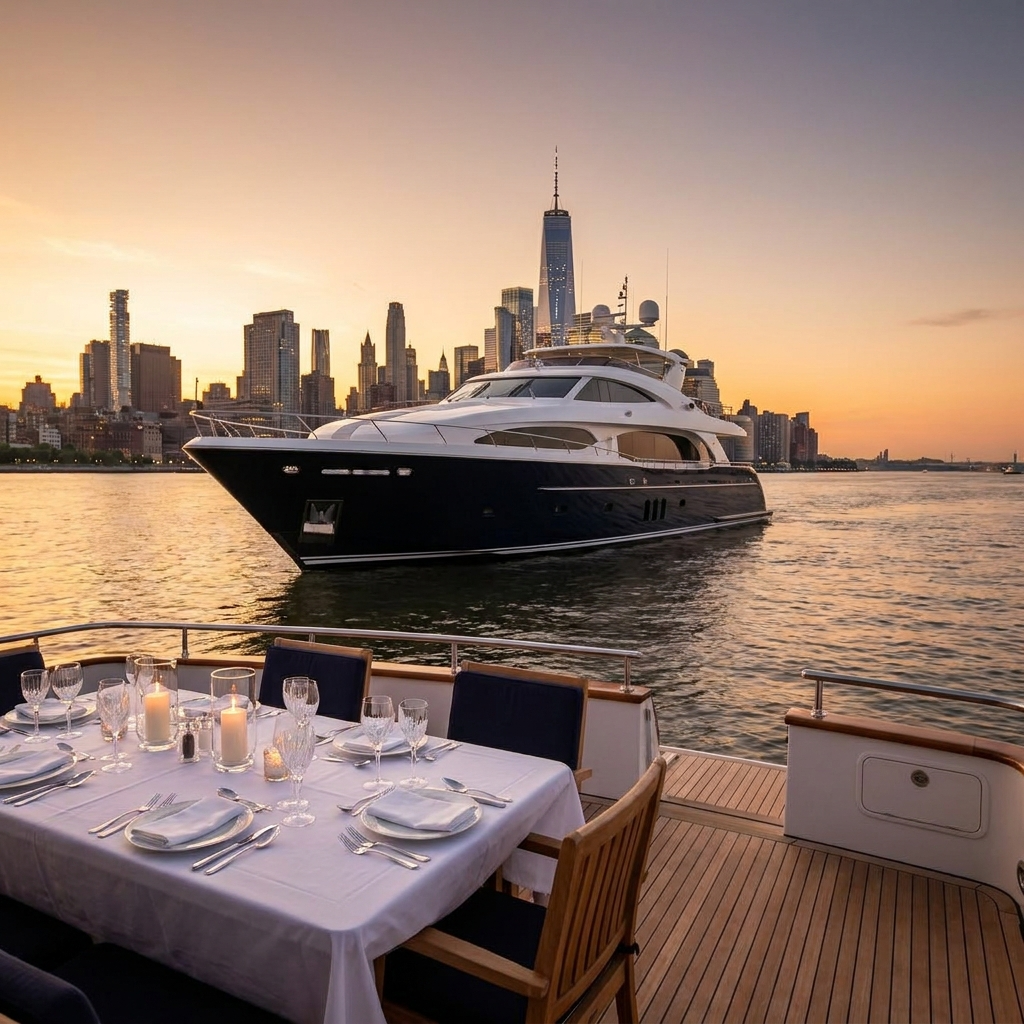
The Ultimate New York City Steakhouse Guide: 14 Best Steakhouses in NYC for 2025

From century-old institutions to bold new players, this New York City steakhouse guide covers the 14 best steakhouses in NYC for 2025 — including 9 venues ranked on the World’s 100 Best Steakhouses list. Whether you’re after a dry-aged porterhouse in Brooklyn or a Michelin-starred Korean BBQ feast in Flatiron, this guide has you covered.

If there’s one city in the world where the steakhouse is more than just a meal, it’s New York. A great steakhouse here isn’t simply about the cut of beef — it’s a living archive of the city’s social history, culinary ambition, and neighborhood identity. This New York City steakhouse guide brings you the definitive list of the 14 best steakhouses in NYC for 2025, including nine venues that made the prestigious World’s 100 Best Steakhouses list — more than any other city on the planet.

Whether you’re a first-time visitor seeking the iconic or a seasoned New Yorker hunting your next great reservation, read on.


A Brief History of the NYC Steakhouse

The roots of New York’s steakhouse culture run deep. In the late 19th century, chophouses emerged alongside the booming meatpacking industry, offering workers hearty slabs of beef at communal tables. By the mid-20th century, the steakhouse had evolved into the backdrop of power lunches, Broadway nights, and Mob bosses’ favorite booths.

Today, the best steakhouses in NYC span a remarkable spectrum: classic wood-paneled institutions with tuxedoed waiters, experimental chef-driven concepts, Korean BBQ hybrid dining rooms, and intimate neighborhood gems with no-reservation policies. Dry-aging techniques have become increasingly refined, USDA Prime beef is the baseline, and celebrated chefs now apply fine-dining rigor to the genre. New York’s steakhouse scene in 2025 is arguably at its most diverse and exciting ever.


The 14 Best Steakhouses in NYC for 2025

1. Peter Luger Steak House – Brooklyn ⭐ World’s 100 Best

best steakhouses in NYC

No New York City steakhouse guide would be complete without Peter Luger. Open since 1887, this Williamsburg institution is the gold standard of dry-aged porterhouse. The broiled, butter-basted slab arrives on a sizzling tilted plate, sliced tableside, served with schlag and a famously brusque service style that has become part of its charm. Despite occasional critical debate, the pilgrimage remains essential.

best steakhouses in NYC
  • Must Order: Porterhouse (minimum 2 people)
  • Reservation Tip: Weekend tables book weeks out; lunch is more accessible
  • Wine Pairing: Old-vine Zinfandel or Cabernet Sauvignon
  • ⚠️ Note: Cash or debit only — no credit cards accepted
  • Address: 178 Broadway, Brooklyn | peterluger.com

2. Keens Steakhouse – Midtown ⭐ World’s 100 Best

best steakhouses in NYC

Founded in 1885, Keens is a genuine time capsule. The ceiling is hung with over 90,000 clay churchwarden pipes, each belonging to a historical patron — from Babe Ruth to Teddy Roosevelt. The star of the menu is the mutton chop (actually a 26-oz saddle of lamb), one of New York’s most singular dishes. The whisky collection is world-class, and the atmosphere is as close to Victorian Manhattan as you’ll find.

best steakhouses in NYC
Mutton Chop
  • Must Order: Mutton Chop, Porterhouse, King’s Cut Prime Rib
  • Reservation Tip: Near the Theater District — book early around show times
  • Wine/Spirit Pairing: Syrah, or explore the legendary whisky list
  • Address: 72 W 36th St, Manhattan | keens.com

3. Smith & Wollensky – Midtown ⭐ World’s 100 Best

best steakhouses in NYC

Since 1977, Smith & Wollensky has been the definitive power-lunch steakhouse. The USDA Prime dry-aged ribeye is deeply flavorful, and the wide, amber-lit dining room hums with the energy of deal-making. It’s the kind of place where the waiter has been there 20 years and knows exactly how you want your steak.

best steakhouses in NYC
  • Must Order: Dry-Aged Ribeye
  • Reservation Tip: Strong for business lunches — book the midday slot
  • Wine Pairing: Napa Valley Cabernet Sauvignon
  • Address: 797 3rd Ave, New York | smithandwollenskynyc.com

4. Wolfgang’s Steakhouse – Multiple Locations ⭐ World’s 100 Best

best steakhouses in NYC

After 40 years as a head waiter at Peter Luger, Wolfgang Zwiener opened his eponymous steakhouse in 2004 — and the DNA shows. The same expert dry-aging process, similar porterhouse-forward menu, but with a broader geographic footprint across Tribeca, Park Avenue, Midtown, and beyond. The raw bar — featuring fresh oysters, lobster cocktail, and jumbo crab — makes an excellent opener.

best steakhouses in NYC
  • Must Order: Porterhouse for Two, Crusted Ribeye
  • Reservation Tip: Check multiple locations; Park Avenue feels the most authentic
  • Wine Pairing: Napa Cabernet, or pair the German potatoes with a glass of Riesling
  • Website: wolfgangssteakhouse.net

5. Gallaghers Steakhouse – Theater District ⭐ World’s 100 Best

best steakhouses in NYC

Originally opened as a speakeasy during Prohibition in 1927, Gallaghers became the first steakhouse on Broadway after repeal. The glass-enclosed dry-aging locker, visible from the street, is still a showstopper. The kitchen fires over real hickory charcoal, delivering a distinct smoky character you won’t find at most New York steakhouses.

best steakhouses in NYC
Three-Course Lunch Special
  • Must Order: Ribeye, NY Strip, Lunch Special
  • Reservation Tip: A Broadway pre-show staple — avoid peak show times if you want a calm meal
  • Wine Pairing: Malbec or Zinfandel
  • Address: 228 W 52nd St, New York | gallaghersnysteakhouse.com

6. 4 Charles Prime Rib – Greenwich Village ⭐ World’s 100 Best

NYC’s most sought-after prime rib reservation. This intimate, candlelit West Village room serves a California-style prime rib — slow-roasted for 12 hours in a salt crust — that has earned a fanatical following. The room is moody and romantic, the portions absurdly generous, and the reservation process notoriously competitive.

  • Must Order: Prime Rib (12-hour slow roast with salt crust)
  • Reservation Tip: Reservations open on Resy at 9:00 AM EST, 21 days in advance — they sell out within minutes
  • Wine Pairing: Bordeaux or red Burgundy
  • ⚠️ Note: Tables of 4 are easier to book than 2-tops
  • Address: 4 Charles St, New York | nycprimerib.com

7. American Cut – Tribeca

Chef Marc Forgione’s modern steakhouse brings genuine creativity to the genre. The standout is the Pastrami Ribeye — a ribeye cured and seasoned with pastrami spices before hitting the broiler — a New York-on-New York mashup that completely works. The atmosphere skews younger and louder than classic steakhouses, with craft cocktails holding their own against the wine list.

  • Must Order: Pastrami Ribeye
  • Wine Pairing: Zinfandel, or opt for one of the craft cocktails
  • Vibe: Casual-chic social dining; perfect for groups
  • Address: 363 Greenwich St, New York | americancutsteakhouse.com

8. The Bazaar by José Andrés – NoMad

best steakhouses in NYC

Located on the second floor of the Ritz-Carlton NoMad, José Andrés’ dining room approaches steak through a Spanish avant-garde lens. The Vaca Vieja — a dry-aged “old cow” cut served Spanish-style — is extraordinary, as is the tasting menu that blends tapas-style experimentation with serious beef. Nothing here looks like a conventional steakhouse, but that’s entirely the point.

best steakhouses in NYC
Vaca Vieja
  • Must Order: Vaca Vieja (dry-aged old cow), tasting menu
  • Wine Pairing: Strong Spanish wine list; Ribera del Duero is ideal with the beef
  • Vibe: Fine dining with theatrical presentation
  • Address: 35 W 28th St, 2nd Floor, New York | thebazaar.com

9. Bourbon Steak by Michael Mina – Central Park South

Set inside the JW Marriott Essex House, Michael Mina’s steakhouse is famous for its butter-poaching technique — steaks are gently finished in clarified butter before hitting a high-heat broiler, resulting in an extraordinarily tender, silky texture. The Central Park views elevate an already impressive experience.

  • Must Order: Butter-Poached Filet, Prix Fixe menu
  • Reservation Tip: Request a Central Park view table when booking
  • Wine Pairing: Bordeaux blends, Napa Valley selections
  • Address: 160 Central Park S, New York | bourbonsteak.com

10. La Tête d’Or – Flatiron (New for 2025)

The newest headline addition to NYC’s steakhouse landscape comes from Daniel Boulud’s culinary group. La Tête d’Or applies classic French technique to American prime beef, resulting in a room that feels instantly refined and comfortable — designed for long dinners and serious conversation. The Côte de Boeuf is the centerpiece, served with classic French accompaniments.

  • Must Order: Côte de Boeuf
  • Reservation Tip: Being new, reservations fill quickly — book well ahead
  • Wine Pairing: French-focused list; Burgundy is the natural match
  • Address: 318 Park Ave S, New York | latetedorbydaniel.com

11. Gage & Tollner – Brooklyn ⭐ World’s 100 Best

Originally opened in 1879 and triumphantly revived in 2020, Gage & Tollner is one of the great second acts in New York dining. The gas-lit Victorian dining room in Downtown Brooklyn is breathtaking, and the kitchen strikes an ideal balance between steakhouse tradition and modern sensibility. Notably, the seafood — including soft-shell crab in season — rivals the beef.

  • Must Order: Ribeye, Prime Sirloin, seasonal Soft-Shell Crab
  • Reservation Tip: The Victorian interior is a genuine highlight — come for the ambiance as much as the food
  • Wine Pairing: Classic American wine list
  • Address: 372 Fulton St, Brooklyn | gagetollner.com

12. Cote Korean Steakhouse – Flatiron ⭐ World’s 100 Best

best steakhouses in NYC

The world’s first Michelin-starred Korean BBQ restaurant, Cote opened in 2017 and hasn’t stopped winning awards since. Tabletop charcoal grills anchor a room that combines the warmth of a Korean BBQ joint with the polish of a fine-dining steakhouse. Servers grill the beef tableside; the Butcher’s Feast — four USDA Prime and American Wagyu cuts with banchan, kimchi jjigae, and a savory egg soufflé — is one of NYC’s great dining experiences. The wine program, with 1,200+ labels and a James Beard Outstanding Wine Program award, is exceptional.

best steakhouses in NYC
  • Must Order: Butcher’s Feast (4-cut tasting course)
  • Reservation Tip: Very popular — book at least 2 weeks in advance
  • Wine Pairing: Natural wine or choose from the award-winning 1,200+ label list
  • Address: 16 W 22nd St, New York | cotenyc.com

13. Hawksmoor NYC – Flatiron ⭐ World’s 100 Best

London’s beloved steakhouse brand arrived in New York in 2021, setting up in the landmarked former United Charities Building with its soaring ceilings and original crown molding. The charcoal-grilled British-style steaks — T-Bone, Porterhouse, and thick-cut sirloin — use American prime beef to great effect. The Sunday Roast has become a NYC institution of its own in just a few short years.

  • Must Order: T-Bone, Porterhouse, Sunday Roast (weekends)
  • Reservation Tip: Weekend brunch and the Sunday Roast are particularly popular — book ahead
  • Wine Pairing: British-influenced wine list; excellent whisky bar alongside
  • Address: 109 E 22nd St, New York | hawksmoornyc.com

14. St. Anselm – Williamsburg

The scrappiest entry on this list — and proud of it. St. Anselm takes no reservations, the room is loud, the tables are close together, and the whole experience is joyfully unpretentious. The Butcher’s Steak (hanger steak) arrives drowning in butter and herbs, and the natural wine list punches well above the restaurant’s casual register. Arrive right at opening or on a weekday evening to minimize the wait.

  • Must Order: Butcher’s Steak (hanger steak)
  • ⚠️ No Reservations — walk-in only; best on weekday early evenings
  • Wine Pairing: Natural wine, craft beer
  • Vibe: Casual, loud, neighborhood gem with outstanding value
  • Address: 355 Metropolitan Ave, Brooklyn | stanselm.net

Best Steakhouses in NYC by Category

Looking for something specific? Here’s a quick breakdown to help you navigate the best steakhouses in NYC by occasion and vibe:

CategoryBest Pick
Classic Old-School ExperiencePeter Luger, Keens, Gallaghers
Best for Business DiningSmith & Wollensky, Wolfgang’s
Most Romantic4 Charles Prime Rib, Gage & Tollner
Most Creative / ModernAmerican Cut, The Bazaar by José Andrés
Best Hotel SteakhouseBourbon Steak by Michael Mina
Best for GroupsCote Korean Steakhouse
Best ValueSt. Anselm
Best New Opening 2025La Tête d’Or
Best Brooklyn SteakhousePeter Luger, Gage & Tollner, St. Anselm

NYC Steakhouse Practical Tips

Reservations: For most restaurants on this New York City steakhouse guide — especially 4 Charles Prime Rib and Cote — book as far in advance as possible. Use Resy or OpenTable. For St. Anselm, simply show up early.

Budget: Expect to spend $80–$200+ per person at the higher-end establishments, including wine. St. Anselm and American Cut offer the best value on the list.

Dress Code: Most classic steakhouses (Keens, Smith & Wollensky, Bourbon Steak) appreciate smart-casual attire. Newer spots like Hawksmoor and American Cut are more relaxed.

Timing: For the most iconic names — Peter Luger, 4 Charles, Keens — aim for a weekday dinner or weekend lunch to avoid the peak Saturday night rush.

Payment: Peter Luger remains famously cash-or-debit only. Come prepared.


Final Thoughts: Why NYC Leads the World in Steakhouses

The fact that New York City claimed 9 spots on the World’s 100 Best Steakhouses list in 2025 — more than any other city globally — reflects the sheer range and quality this metropolis offers. From the 138-year-old institution of Peter Luger to the world’s first Michelin-starred Korean BBQ at Cote, from the Victorian grandeur of Gage & Tollner to the French elegance of La Tête d’Or, the best steakhouses in NYC collectively tell the story of a city that never stops reinventing itself.

Whatever your preference — old school or avant-garde, Brooklyn neighborhood gem or Midtown power room — one truth holds: in New York, a great steak is never just a steak. It’s a piece of the city.


Last updated: April 2026. Always check individual restaurant websites for current hours, menus, and reservation availability.

Related posts you might enjoy:

Keith Haring Exhibition 2026: Subway Drawings and Early Works Return to NYC’s East Village

The Keith Haring exhibition 2026 at The Brant Foundation brings the artist’s formative years back to the East Village neighborhood where it all began. From chalk subway drawings to blacklight rooms, here’s everything you need to know before you visit.

If you’ve been waiting for a Keith Haring exhibition that goes beyond the familiar merchandise and poster-print nostalgia, the 2026 show at The Brant Foundation in New York’s East Village is the one. On view from March 11 through May 31, 2026, this tightly focused survey takes you back to the years 1980–1983 — the moment when a young artist from Pennsylvania transformed New York’s subway system into the world’s most electrifying open-air gallery. And it does so in the very neighborhood where Haring first made his name.

Source: The Brant Foundation

For anyone interested in street art, Pop art, or the history of downtown New York, this is not just an exhibition worth seeing — it’s an experience that puts you in direct contact with the origins of a visual language that now belongs to the whole world.


Why the Keith Haring Exhibition 2026 Is Different From Past Retrospectives

Over the past decade, Keith Haring’s name has appeared on the walls of major institutions worldwide. Most of those shows cast a wide net — covering his full career arc from subway guerrilla to global activist, from the AIDS crisis to his Pop Shop. They are comprehensive, respectful, and often moving.

But the Brant Foundation show, curated by Dr. Dieter Buchhart and Dr. Anna Karina Hofbauer, makes a different choice. Rather than surveying everything, it narrows its focus to the three-year window when Haring’s visual language was still being invented. This is not the polished icon. This is the artist in the act of becoming one.

The curators have cited Haring’s own journals as a guiding framework: his early entries are inseparable from New York — its streets, its clubs, its subway stations. It is only from the mid-1980s onward that his diary fills with destinations like Tokyo, Paris, and Amsterdam. This exhibition catches him before the world came calling.

The show features approximately 50 works, including:

Keith Haring Exhibition 2026
Source: The Brant Foundation
  • Nine large-scale tarp paintings displayed together on a single wall
  • Eight surviving subway chalk drawings in their original fiberglass frames
  • Works from the landmark 1982 Tony Shafrazi Gallery exhibition (including pieces from the legendary Blacklight Room)
  • Works shown at the FUN Gallery in 1983, a pivotal venue on the Lower East Side
  • Early enamel paintings on metal from 1981
  • A portrait of Haring by Jean-Michel Basquiat, on display as a rare document of their friendship

Press coverage since opening has been unanimous: this is a rare show that pushes beyond the deeply familiar surface of Haring’s work into something rawer and more urgent.


Keith Haring’s Subway Drawings: Where It All Began

To understand the Brant Foundation exhibition, you need to understand what Keith Haring’s subway drawings were and why they mattered.

In December 1980, Haring noticed something on the platforms of the New York City subway system: the black matte paper panels used as placeholders when advertisement spaces went unfilled. These blank rectangles, scattered across hundreds of stations, struck him immediately. He went above ground, bought chalk, came back down, and drew.

“It seemed obvious to me when I saw the first empty subway panel that this was the perfect situation,” he later wrote in his book Art in Transit.

What followed was one of the most unusual public art campaigns in American history. Haring rode the subway daily, scanning platforms for empty panels, and drew with white chalk directly onto the black paper — quickly, without preparation, always beginning with a border and working inward. He created more than 5,000 of these drawings between 1980 and 1985, possibly making it the largest sustained public art project ever undertaken by a single artist.

The figures that emerged — a radiant crawling baby, a barking dog, dancing human outlines, flying saucers, pulsating hearts — were drawn flat, without spatial depth, close to the surface like cartoons. Simplicity was not just an aesthetic choice; it was a practical one. Haring needed to finish each drawing before the transit police arrived. The urgency of potential arrest shaped the visual economy of every line.

Commuters stopped. People watched him work. Some drawings were stolen from their frames within hours of being made — a measure of how quickly his reputation spread. Photographer Tseng Kwong Chi followed Haring through the system, documenting what would eventually amount to over 22,000 photographs of the subway project. In 1982, one of Haring’s arrests was filmed and broadcast on a CBS News special, turning a downtown phenomenon into a national story.

The Brant Foundation exhibition displays eight surviving original subway drawings, many of which have never before been shown publicly. Standing in front of them — chalk on black paper, still in their Metropolitan Transit Authority frames — is as close as you can get to those platform moments.


The East Village Setting: Why Location Matters for This Show

Keith Haring Exhibition 2026

The Brant Foundation’s New York space sits at 421 East 6th Street, between Avenue A and First Avenue in the East Village — just blocks from the clubs, galleries, and streets where Haring built his reputation in the early 1980s.

When Haring arrived in New York in 1978 to study at the School of Visual Arts (SVA), the East Village and Lower East Side were a laboratory of creative energy. Cheap rents and abandoned storefronts had attracted an unlikely convergence: graffiti writers, punk musicians, underground gallery owners, poets, and painters. This was the world of Club 57, of early hip-hop, of zines and word-of-mouth exhibition openings. Art happened in the streets before it happened in any gallery.

Haring moved through all of it — befriending Kenny Scharf and Jean-Michel Basquiat, working out ideas at P.S. 122 and Club 57, drawing on subway walls and then showing in galleries. The East Village was not simply where he worked; it was the ecosystem that produced his aesthetic.

Showing this work a few blocks from its origin point is not incidental. It changes how the work reads. The industrial rawness of the Brant Foundation building — a former Con Edison substation built in 1920, later used as a studio by Minimalism pioneer Walter De Maria — amplifies rather than sanitizes what you’re looking at. The building’s preserved gantry crane, steel staircases, and exposed structure feel closer to a subway platform than to a white-cube museum. That friction is exactly right.


Key Works and Exhibition Highlights

Keith Haring Subway Drawings on View

The subway drawings are the emotional core of the show. Eight original examples survive in the exhibition, displayed in their original fiberglass frames. Watching the figures emerge from black paper — radiant babies, barking dogs, abstracted human forms — it’s easy to understand why subway riders in 1981 stopped mid-commute to look. These are not sketches. They are complete, confident statements made in minutes.

The Blacklight Room (Tony Shafrazi Gallery, 1982)

Among the most talked-about elements of the early Haring career, the Blacklight Room from his 1982 Tony Shafrazi Gallery show turned a gallery basement into something between a painting and a dance floor. Under ultraviolet light, works painted in fluorescent Day-Glo pigments glowed and pulsed. The division between art space and nightclub dissolved. The Brant Foundation show includes works from this period, allowing visitors to understand Haring not just as a graphic artist but as an environmental designer — someone who thought in terms of total experience.

The FUN Gallery, 1983

The FUN Gallery on the Lower East Side was one of the key venues that collapsed the barrier between graffiti culture and the contemporary art world. Haring’s 1983 show there was a defining moment — not only for his career, but for the broader legitimacy of street art as a gallery practice. Works from that exhibition are included here.

Early Enamel Paintings and Tarp Works

A group of small baked enamel on metal paintings from 1981 read like the physical precursors to digital emoji — condensed, iconic, immediately legible. They demonstrate how early Haring was thinking about universal visual communication systems.

The nine large tarp paintings — made from the kind of industrial canvas used to cover trucks — are displayed together on a single wall, creating one of the exhibition’s most striking visual experiences. Originally made when Haring was pushing against the limitations of standard canvas sizes, they have an outdoor, public-space energy that feels entirely at home in the Brant Foundation’s industrial setting.


Keith Haring’s Legacy in New York City Today

The Brant Foundation exhibition exists in dialogue with Haring’s surviving public presence in New York. Two murals remain embedded in the city’s daily life:

“Crack is Wack” (1986) — Painted without permission on a handball court wall along Harlem River Drive at 128th Street, this mural was Haring’s response to the crack cocaine epidemic devastating New York communities. City park authorities moved to protect it almost immediately after it appeared, a measure of the public response it generated. It remains on view today.

Carmine Street Pool Mural (1987) — The exterior wall of the public pool in the West Village continues to greet swimmers every summer with Haring’s figures in motion.

These two works demonstrate something essential about Haring’s practice: he did not leave the street behind when galleries came calling. Throughout his career, he moved fluidly between the commercial art world and free public space, seeing the two not as contradictions but as different registers of the same commitment.

Haring died of AIDS-related complications on February 16, 1990. He was 31 years old. In the years before his death, he had founded the Keith Haring Foundation to support AIDS organizations and programs for children — ensuring that the activist dimension of his work would outlast him.


What Makes This Exhibition Especially Relevant Right Now

Curator Dieter Buchhart has described Haring’s work as “a positive humanist virus” that lives on in collective memory, continuing to fight against ignorance, fear, and silence. That framing feels pointed.

Haring worked in a moment of political tension — the Reagan era, the AIDS crisis, the crack epidemic, the debates over censorship that would eventually produce the culture wars. His response was not retreat into abstraction or irony but a doubled commitment to clarity, accessibility, and public presence. He made art that anyone could read, and he put it where anyone could see it.

In today’s visual culture — saturated with iconography, skeptical of sincerity, alert to the politics of representation — Haring’s early work reads with unexpected freshness. These are not comfortable, decorative images. They were made in a state of urgency, on stolen time, for an audience of strangers.


Practical Visitor Information

Venue: The Brant Foundation, 421 East 6th Street, New York, NY 10009

Exhibition Dates: March 11 – May 31, 2026

Hours:

  • Wednesday – Friday: 11:00 AM – 6:00 PM
  • Saturday – Sunday: 11:00 AM – 5:30 PM
  • Closed Monday and Tuesday

Admission:

  • General: $20
  • Students / East Village residents / Visitors with disabilities (+ care partner): $15
  • Seniors (65+): $18
  • Children under 12: Free (with adult)

Digital Guide: Available free via the Bloomberg Connects app

Group Visits: Guided tours available for groups of 10 or more; contact the Foundation directly

Note: Photography is permitted for personal use in most galleries (no flash, no tripods, no selfie sticks). Some works contain mature imagery.

Website: brantfoundation.org


Before You Go: How to See This Exhibition Well

The temptation with Keith Haring is to move quickly — the images are familiar, the lines are bold, the rhythm is immediate. Resist that. The point of this show is to slow down inside work you think you already know.

Look at the subway drawings first and notice what it would have felt like to encounter them underground, made in minutes, on your morning commute in 1981. Then move through the exhibition tracking how that same visual energy — the condensed line, the anonymous figure, the symbol designed to carry meaning across barriers of language and class — migrated from black paper to painted tarp to enamel metal to Day-Glo canvas.

By the time you reach the large tarp paintings, you are looking at the same impulse that started on a subway platform, scaled up to the size of a building wall. That continuity is what the Brant Foundation show is really about: not the celebrity Haring, not the T-shirt Haring, but the artist who believed that a line drawn in the right place, for the right reason, could change how a person moves through a city.


The Keith Haring exhibition at The Brant Foundation is on view through May 31, 2026. Tickets are available at brantfoundation.org.

Related posts you might enjoy:

5 Best Hidden Picnic Spots in NYC for Slow Travel (Beyond Central Park)

New York moves fast — but it doesn’t have to. Whether you’re a visitor or a local craving a real pause, these 5 hidden picnic spots in NYC offer the quiet, the views, and the breathing room you’ve been looking for. This is slow travel, New York-style.

New York City doesn’t always let you breathe. The subway rushes, the sidewalks push, and even Central Park — for all its 843 acres — can feel like a crowded freeway on a sunny Saturday afternoon. But here’s the secret that locals have quietly kept to themselves: the city is full of hidden picnic spots where you can spread a blanket, exhale slowly, and actually see New York instead of just surviving it.

This is the essence of slow travel in New York City. Not racing between the Empire State Building and Times Square, but letting the city reveal itself at your pace — over a cheese board by the East River, or under a Manhattan Bridge arch with the sound of the water below.

In this guide, we’ve rounded up 5 of the best hidden picnic spots in NYC that most tourists never find, each chosen for its views, its calm, and its potential to turn an afternoon into a memory. Pack your blanket, grab your favorite takeout, and leave the crowds behind.


Why Slow Travel NYC Works Better Than You Think

The concept of slow travel — lingering longer, moving with less urgency, and connecting with a place rather than consuming it — couldn’t be more counterintuitive in a city nicknamed “the city that never sleeps.” And yet New York rewards slowness like few other places on earth. Its waterfront parks, hidden green spaces, and car-free islands offer a version of the city that the average tourist itinerary completely misses.

The spots below are that version. Most are free. All are stunning. And every single one will give you a different angle on a skyline you thought you already knew.


1. Roosevelt Island — FDR Four Freedoms State Park

Best for: Architectural beauty, solitude, and sweeping river views

picnic spots

The Hidden Picnic Spot in NYC That Starts With a Tram Ride

Getting to this hidden gem is half the magic. Board the Roosevelt Island Tramway — a red aerial cable car that floats you across the East River from 59th Street — and by the time you land, you’ve already left the city’s noise behind. Alternatively, you can hop off the F train at Roosevelt Island station or take the free Red Bus to Southpoint Park.

At the southern tip of this thin island sits FDR Four Freedoms State Park, a masterwork of landscape architecture designed by Louis I. Kahn as a tribute to President Franklin D. Roosevelt. The park takes its name from FDR’s landmark 1941 State of the Union speech, in which he articulated four essential human freedoms — speech, worship, freedom from want, and freedom from fear. Those very words are carved into the granite walls of the open-air plaza at the park’s tip, which looks directly south toward the United Nations Secretariat Building across the water.

The park’s design is deliberately meditative: a double row of trees narrows as it approaches the river’s edge, drawing your gaze outward toward the Manhattan skyline and the harbor. The entire space culminates in a 3,600-square-foot granite plaza surrounding a 1933 bronze bust of Roosevelt by sculptor Jo Davidson — a room without a roof, open to the sky.

Slow travel tip: Arrive mid-morning on a weekday and walk straight to the southern tip. Sit on one of the granite ledges and look west toward the Empire State Building, Chrysler Building, Freedom Tower, and the UN — arguably one of the most historically layered views in all of New York. It’s a natural spot for reading, journaling, or simply doing nothing.

📍 Getting there: Roosevelt Island Tram from 59th St & 2nd Ave (MetroCard accepted), or F train to Roosevelt Island. 🕘 Hours: Open daily 9am–5pm; closed Tuesdays. 💰 Cost: Free to enter. Tram fare uses your MetroCard. 🐾 Note: Pets are not permitted in the park.


2. Governors Island — Picnic Point & The Hills

Best for: Car-free escape, Statue of Liberty views, and hammock naps

picnic spots

The 172-Acre Island That Feels Like a Different City

Few hidden picnic spots in NYC come with their own ferry ride, their own hills, and a front-row view of the Statue of Liberty — but Governors Island does. Just a short ferry from Lower Manhattan’s Battery Maritime Building (10 South Street), this 172-acre car-free oasis in New York Harbor has steadily grown into one of the best-kept secrets for slow travel in New York.

Picnic Point, at the island’s southern tip, offers exactly what its name promises: a dedicated picnic lawn where you can sit face-to-face with Lady Liberty and the downtown Manhattan skyline simultaneously. For the most dramatic panorama, climb to the top of The Hills — a series of earthen mounds that rise 70 feet above sea level and were built using materials from the Second Avenue Subway excavation. From the top, you get a sweeping 360-degree view of New York Harbor, Brooklyn, Manhattan, and the Verrazano-Narrows Bridge in the distance.

The island’s Hammock Grove — a shaded grove strung with dozens of hammocks — is exactly what you need after that climb. Lie back, close your eyes, and let the harbor breeze do the rest. Bike rentals are available from Blazing Saddles (with Free Bike Mornings on weekdays from 10am–12pm), and CitiBike docks sit at each ferry landing, including Picnic Point itself.

Slow travel tip: The island is technically open year-round, but the full experience unfolds from Memorial Day through Labor Day, when extended summer hours run until 10pm Sunday–Thursday and 11pm Friday–Saturday. Arrive early on a weekend morning — ferry tickets are free before 11am on Saturdays and Sundays.

📍 Getting there: Trust for Governors Island ferry from Battery Maritime Building, 10 South Street, Lower Manhattan. Ferries run approximately every 30 minutes. 🕘 Hours: Daily 7am–6pm (off-season); extended summer hours from Memorial Day through Labor Day. 💰 Ferry cost: $5 round trip (free for children under 12, IDNYC holders, seniors 65+, and military).


3. Long Island City, Queens — Hunter’s Point South Park

Best for: Iconic skyline views, golden hour photography, and local atmosphere

The Locals’ Favorite Hidden Picnic Spot in NYC

Across the East River from Midtown Manhattan, just one stop on the 7 train from Grand Central, sits one of the city’s most underrated outdoor spaces. Hunter’s Point South Park in Long Island City is where New Yorkers go when they want the best view of the Manhattan skyline without paying for a rooftop bar to see it.

This former post-industrial waterfront was transformed into a stunning 10-acre park featuring a central green, waterside promenade, picnic terraces, and a 30-foot cantilevered viewing platform that juts out over the East River. From the platform and the picnic terraces, you can see an unobstructed lineup of Midtown icons: the Empire State Building, the Chrysler Building, the UN Building, 432 Park Avenue, and the Queensboro Bridge. On a clear evening, the view is nothing short of cinematic.

This park is widely considered one of NYC’s best sunset spots, and the rhythm of a typical visit proves it: locals arrive with blankets, some local takeout from the nearby café or restaurants on Vernon Boulevard, and they simply sit. The golden hour light here — with the sun setting behind the Manhattan skyline — is extraordinary, and the park’s restored wetlands add a surprising layer of natural beauty along the water’s edge.

Slow travel tip: Come on a weekday evening around an hour before sunset. The park is noticeably quieter than weekends, and you’ll have the best picnic terraces to yourself. Take the 7 train to Vernon Blvd–Jackson Ave, then walk five minutes west to the waterfront. Alternatively, arrive by East River Ferry for a scenic approach.

📍 Address: Center Blvd, Long Island City, NY 11101 🚇 Subway: 7 train to Vernon Blvd–Jackson Ave 🌅 Best time: One hour before sunset on weekdays 💰 Cost: Free


4. SoHo / NoLIta — Elizabeth Street Garden

Best for: European atmosphere, intimate scale, urban poetry

picnic spots

The Secret Garden Hidden in Plain Sight

In the middle of one of Manhattan’s most hectic shopping neighborhoods, on a narrow lot between Spring Street and Prince Street in NoLIta, there is a garden that feels like it fell through a crack in the space-time continuum and landed in 1970s Rome.

Elizabeth Street Garden is unlike any other green space in New York. It isn’t a manicured park. It’s a wonderfully eccentric outdoor sculpture garden filled with aging statues, mismatched stone benches, overgrown ivy, and a collection of antique garden ornaments that seem to have their own stories. Lions, angels, urns, and figures from another era populate this half-wild space, giving it a quality that is rare in a city as relentlessly new as New York: the feeling of time passing slowly.

This is one of the best examples of slow travel in New York — a place that rewards the visitor who stumbles upon it without a plan. The garden is run by community volunteers and has long been a beloved neighborhood sanctuary. It is small enough to feel intimate but surprising enough to hold your attention for longer than you expect.

Slow travel tip: Pick up a coffee from one of the nearby cafés along Mulberry Street or Spring Street and bring it here. Find a bench, let the city noise fade to background hum, and spend an hour watching the light shift over the sculptures. It’s one of the few spots in SoHo where slowing down feels completely natural.

📍 Address: Elizabeth St, between Spring St and Prince St, Manhattan (NoLIta) 🚇 Subway: 6 to Spring St; N/R/W to Prince St 🕘 Hours: Open most days; check the Elizabeth Street Garden website for current seasonal hours. 💰 Cost: Free


5. DUMBO, Brooklyn — Pebble Beach Under the Manhattan Bridge

Best for: Industrial romance, river sounds, and a one-of-a-kind New York experience

picnic spots

The Brooklyn Picnic Spot That Doesn’t Look Like One

Most people who visit DUMBO head straight to the famous cobblestone street framing the Manhattan Bridge for a photograph, then move on. The locals know to keep walking down to the water’s edge, where Pebble Beach — a small, pebbly riverfront strip tucked beneath the massive towers of the Manhattan Bridge — offers one of the most atmospheric and unusual picnic settings in the entire city.

There is no grass here. The ground is a mix of smooth river stones and sand, which is precisely what makes this spot feel distinct from every other park in New York. You sit at the river level, with the bridge’s steel structure rising above you, the water lapping just feet away, and the Brooklyn Bridge visible a short distance downstream. At sunset, the combination of warm light on the steel cables, the reflections on the East River, and the silhouette of Lower Manhattan creates a scene that feels more like a painting than a park.

The contrast is part of what makes DUMBO so compelling for slow travel in New York: a neighborhood simultaneously industrial and beautiful, busy and quiet, always more layered than it first appears. After your picnic, the Brooklyn Bridge Park promenade stretches for over a mile northward and southward along the waterfront, offering a natural path for an evening walk as the city lights come on.

Slow travel tip: For your picnic provisions, head to the nearby Time Out Market (just a short walk away in DUMBO’s Archway) for everything from high-quality sandwiches to local pastries. Then walk down to Pebble Beach about an hour before sunset and claim your spot on the stones.

📍 Address: Pebble Beach, DUMBO, Brooklyn (at the base of the Manhattan Bridge, accessible via Main Street Park) 🚇 Subway: F to York St; A/C to High St 🌅 Best time: 1 hour before sunset 💰 Cost: Free


Practical Slow Travel NYC Picnic Tips

Before you head out to these hidden picnic spots in NYC, a few things worth knowing:

What to bring:

  • A waterproof-backed blanket (parks can be damp even on dry days)
  • Sunscreen, sunglasses, and a light layer for river breezes
  • Reusable bags and containers — pack everything out
  • A portable water bottle; not all parks have fountains

Best times to visit:

  • Weekday late afternoons and early evenings are almost always quieter than weekends
  • Spring (April–May) and early fall (September–October) offer the best weather with fewer crowds
  • For island destinations (Governors Island, Roosevelt Island), check ferry schedules in advance

Food sourcing near each spot:

  • Roosevelt Island: Pick up provisions from Manhattan before boarding the tram; options on the island itself are limited.
  • Governors Island: Food vendors operate seasonally on the island; you can also bring your own.
  • Hunter’s Point South Park: Several excellent cafés and restaurants line Vernon Boulevard in LIC.
  • Elizabeth Street Garden: Mulberry Street and Spring Street offer independent cafés and bakeries.
  • DUMBO Pebble Beach: Time Out Market and the many restaurants of DUMBO are within easy walking distance.

Final Thoughts: The Best of NYC Belongs to the Slow Traveler

Central Park will always be there, and it has its own magic. But the hidden picnic spots in NYC described in this guide offer something more elusive: the feeling of having discovered a city that most visitors never quite reach. A city where a tram ride over the East River leads to granite and silence, where a ferry deposits you on a car-free island facing the Statue of Liberty, and where a handful of smooth river stones under a bridge becomes the most memorable place you’ve sat all year.

Slow travel in New York isn’t about doing less — it’s about paying attention differently. Grab your blanket, put your phone down (or at least point it at the view), and let one of these spots show you what New York looks like when you stop rushing past it.


Have a favorite hidden picnic spot in NYC we missed? Share it in the comments below — we’d love to add it to the map.


Last updated: April 2026. Always verify park hours and ferry schedules directly with official park websites before visiting, as seasonal hours can change.

Related posts you might enjoy:

Mother’s Day NYC: The Best Family-Friendly Museums and Rooftop Parks in 2026

May in New York City is pure magic — and Mother’s Day (May 10, 2026) is the perfect excuse to explore the city’s finest museums and outdoor spaces with the whole family. Here’s your complete guide to the best family-friendly museums and rooftop parks in NYC this spring.

May is one of New York City’s most luminous months — the trees are in full bloom, the days stretch longer, and the city hums with a particular kind of energy that only comes with spring. And right in the heart of it all: Mother’s Day, falling on Sunday, May 10, 2026. Whether you’re a local family looking for something new or visiting the city for the occasion, NYC offers an extraordinary mix of culture, outdoor beauty, and shared moments to make the day truly special.

This guide covers the best Mother’s Day NYC family activities — from world-class museum programs designed with kids in mind to open-air rooftop parks where the whole family can breathe, laugh, and take in some of the most iconic views on the planet. Bookmark it, share it, and start planning now — the best spots fill up fast.


🏛️ Family-Friendly Museums in NYC for Mother’s Day

1. MoMA (Museum of Modern Art) — Where Art Meets Curiosity for All Ages

Mother's Day NYC

When it comes to family-friendly museums in NYC, MoMA consistently leads the pack. The museum’s Heyman Family Programs are specifically designed so that children can engage with modern and contemporary art in ways that feel intuitive, playful, and genuinely exciting — not intimidating.

Kids 16 and under enjoy free admission year-round, and on select dates the museum hosts Family Gallery Talks, hands-on activity guides, and in-person creative workshops that walk young visitors through the galleries with purpose. During peak spring weekends, keep an eye on MoMA’s calendar for educator-led gallery tours and drop-in creative labs — both perennial favorites with NYC families.
Best For: Families with kids aged 5 and up who love making things and exploring ideas visually.

Pro Tip: After your gallery time, head down to the Abby Aldrich Rockefeller Sculpture Garden on the ground floor. It’s one of the great secret exhales in Manhattan — open sky, modernist sculptures, and room for kids to wander freely while parents decompress. It’s also one of the best photo spots in Midtown. The garden is included with museum admission.

📍 11 W 53rd St, Midtown Manhattan | moma.org/visit/families


Recommended item you might want:


2. AMNH & The Gilder Center — A Day of Discovery on the Upper West Side

Mother's Day NYC

For science-loving families, the American Museum of Natural History offers an almost overwhelming richness — and since the opening of the Richard Gilder Center for Science, Education, and Innovation, it has become one of the most exciting destinations for kids in the entire country.

The Gilder Center is a stunning 230,000-square-foot expansion designed by Studio Gang, with a five-story atrium inspired by canyons of the American Southwest. It adds more than 30 new connections to the museum’s existing buildings, and houses some of the most hands-on, family-forward experiences in New York.

Here’s what to prioritize with kids:

Mother's Day NYC
butterfly vivarium

Davis Family Butterfly Vivarium — A 2,500-square-foot tropical micro-climate on the second floor where up to 1,000 free-flying butterflies from 80 different species flutter freely among lush vegetation. There’s a pupae incubator where you can watch chrysalises split and adult butterflies emerge in real time. Kids can use magnifying glasses at the feeding dishes for a close-up view. It’s warm (about 80°F), humid, and genuinely magical — especially in May. Note: an additional timed ticket is required beyond general admission, and spots sell out, so book in advance.

Susan and Peter J. Solomon Family Insectarium — On the ground floor, this 5,000-square-foot space brings visitors face-to-face with 18 live insect species, including leafcutter ants carrying leaves across a skybridge. Insectarium access is included with general museum admission.

Invisible Worlds

Invisible Worlds Immersive Experience — A 12-minute, 360-degree immersive journey through the connections that link all life on Earth, from rainforest canopies to the human brain. A timed ticket is required in addition to general admission.

Best For: Families with curious kids of all ages — toddlers through teens will find something riveting here.

Pro Tip: NY, NJ, and CT residents can purchase general admission on a pay-what-you-wish basis, though ticketed exhibitions (Butterfly Vivarium, Invisible Worlds) still require purchased timed tickets. Book everything online well ahead of Mother’s Day weekend.

📍 Central Park West at 79th St, Upper West Side | amnh.org


🌿 Family-Friendly Rooftop Parks in NYC for Mother’s Day

New York’s rooftops aren’t just for cocktails and skyline selfies. The city has invested meaningfully in open, public green spaces with panoramic views — and in spring, they are some of the finest places to simply be. Here are the top picks for families.


3. Pier 57 Sky Park — NYC’s Largest Rooftop Park

This is the crown jewel of Mother’s Day NYC family activities that most tourists haven’t discovered yet. Opened in spring 2022, the Pier 57 Sky Park spans nearly two acres of rooftop parkland above the historic Chelsea waterfront — making it the largest public rooftop park in New York City.


Recommended item you might need for a picnic:

  • ATTRACTIVE DESIGN – Our sophisticated and attractive outdoor blanket is tartan & creative stripe design is fashion forwa…
  • WATERPROOF & DURABLE – This picnic blanket is constructed with a waterproof PEVA backing in order to keep out moisture, …
  • USE IT ANYWHERE – Simply fold up this picnic mat and use its handy strap to conveniently carry it over your shoulder and…

Designed by landscape firm !melk, the park offers sweeping panoramic views of the Hudson River, Lower Manhattan, the New Jersey waterfront, and a perfect vantage point over Little Island, the neighboring floating park designed by Heatherwick Studio (whose unusual tulip-stem architecture is best appreciated from above). Open grass lawns give kids room to run freely, while bleacher seating makes it easy for the whole family to settle in for a picnic or a front-row Hudson sunset.

The park is completely free and open to the public daily from 6 AM to 1 AM.

Downstairs, Market 57 — curated by the James Beard Foundation — solves the family lunch problem elegantly: 15+ independent vendors covering everything from dim sum (Nom Wah) to Vietnamese, Thai, Japanese, and more. There’s also a unique Oda sound installation in the indoor “Living Room” that streams live audio from a Costa Rican rainforest, including a dawn chorus from the Macaw Sanctuary. It’s a small sensory surprise that kids absolutely love.

Best For: All ages; especially great for families with toddlers and young children who need open space to run.

Pro Tip: Arrive around 5:30–6 PM for the golden hour light on the Hudson. The sunset views from the rooftop are genuinely spectacular and completely free — one of the most romantic and relaxed ways to end Mother’s Day.

📍 25 11th Ave (at W 15th St), Chelsea | pier57nyc.com/rooftop


4. Javits Center Rooftop Orchard & Farm — Urban Agriculture Meets Family Wonder

One of Manhattan’s most unexpected and underrated outdoor spaces sits on top of the Jacob K. Javits Convention Center on the Far West Side. The Javits Center’s rooftop farm and orchard is a genuine working green space — part pollinator habitat, part urban garden — covering more than 6.75 acres atop the convention center.


Recommended item you might want:

  • AMERICAS #1 DIGITAL FRAME: Join 4 million connected Americans through moments that matter. Featured by Rolling Stone, Op…
  • EFFORTLESS SETUP WITHIN SECONDS: Download the Nixplay app, plug in your frame, and follow simple on-screen steps—no tech…
  • A GIFT STRAIGHT FROM THE HEART: Preload photos, videos, and a personalized message using your phone before gifting. The …

In May, the apple and pear trees are often in bloom, creating a fragrant, almost countryside atmosphere that feels nothing short of surreal with the Hudson River and Manhattan skyline as your backdrop. The rooftop is part of a broader sustainability initiative that has turned the building into a model for urban ecological design, home to beehives, native plantings, and migratory bird habitats.

Best For: Families interested in nature, sustainability, and a conversation-starter about urban ecology and food systems.

Pro Tip: Rooftop access at Javits is primarily available through special events and tours — check their schedule in advance for any spring programs. Even a guided look at the farm is a memorable and educational experience for kids curious about where food comes from and how cities can support wildlife.

📍 429 11th Ave, Hell’s Kitchen | javitscenter.com


⚠️ A Note on The Met’s Cantor Roof Garden

Many guides still recommend The Met’s Iris and B. Gerald Cantor Roof Garden for spring in NYC — and historically, it has been one of the city’s great seasonal highlights. However, the roof garden closed in October 2025 and will remain closed until approximately 2030 as part of the $500 million Oscar L. Tang and H.M. Agnes Hsu-Tang Wing expansion. The annual Roof Garden Commission series has also paused during construction.

The good news: the Tang Wing, designed by Mexican architect Frida Escobedo, will expand the rooftop space from 7,500 to 10,000 square feet with new terraces overlooking Central Park. When it reopens, it will be extraordinary. For now, The Met’s interior galleries — including the new “Raphael: Sublime Poetry” exhibition (on view through June 28, 2026) — remain very much open and worth a visit on Mother’s Day weekend.

📍 1000 Fifth Ave, Upper East Side | metmuseum.org


💡 Planning Tips for Mother’s Day Weekend in NYC

Book Early. The Butterfly Vivarium at AMNH requires a timed ticket in addition to general admission, and slots on the May 10 weekend will sell out. MoMA’s workshops can also reach capacity. Reserve online at least 2–3 weeks ahead.

Start with Museums, End Outdoors. A morning at MoMA or AMNH, followed by an afternoon at Pier 57’s Sky Park, makes for a beautifully paced day. You get the cultural richness in the cooler morning hours, and the outdoor magic in the warm afternoon light.

Consider a Museum Membership. If you’re a frequent NYC family, an AMNH membership makes the Butterfly Vivarium free and removes the pay-what-you-wish limitation. MoMA family memberships include free admission for the whole family year-round.

Pack for the Rooftops. Bring sunscreen, a light layer for early evenings, and a blanket if you plan to picnic at Pier 57. May weather in NYC is gorgeous but can shift — layers are your friend.


What’s Your Favorite NYC Family Spot?

Whether you’re a lifelong New Yorker or planning your first Mother’s Day trip to the city, we’d love to know — what’s your go-to NYC destination for a family day out? Drop it in the comments below. And if this guide helped you plan something special, share it with another family who deserves a beautiful May Sunday.

Happy Mother’s Day. 🌸


Last updated: April 2026. Always verify current hours, ticket availability, and programming directly with each venue before your visit.

Related post you might enjoy:

Grace Farms New Canaan: The Ultimate Visitor’s Guide to the SANAA River Building & Beyond

Tucked into 80 wooded acres just over the Connecticut border, Grace Farms New Canaan is one of the most quietly spectacular day trips from New York City. From the award-winning SANAA River Building that seems to float above the landscape to world-class permanent art installations and free community programming, this is a place that slows you down in the best possible way. Here’s everything you need to know before you go.

Tucked into 80 wooded acres on the Connecticut–New York border, Grace Farms New Canaan is one of the most quietly extraordinary destinations within reach of New York City — and remarkably, admission is completely free. Part architectural landmark, part art space, part nature sanctuary, and part humanitarian center, Grace Farms defies easy categorization. What it offers, instead, is something harder to find: an invitation to slow down, look closely, and think deeply.

Grace Farms New Canaan

At the heart of it all stands the SANAA River Building — a sinuous, glass-and-aluminum structure that seems to flow across the landscape rather than sit upon it. Whether you’re an architecture enthusiast, an art lover, a nature walker, or simply someone in need of a mindful escape from the city, Grace Farms rewards every kind of visitor. This guide covers everything you need to plan your visit.


What Is Grace Farms? A Cultural Center Unlike Any Other

Grace Farms is owned and operated by Grace Farms Foundation, a nonprofit organization founded by Sharon Prince whose mission is to pursue peace through five interconnected initiatives: nature, arts, justice, community, and faith. The Foundation also leads the Design for Freedom movement — a global effort to eliminate forced labor from building materials supply chains.

Grace Farms New Canaan

Grace Farms was established with the idea that space communicates and can inspire people to collaborate for good. That philosophy shapes every inch of the property, from the architecture to the programming to the landscaping.

Grace Farms officially opened to the public in 2015, and it sits on 80 acres in New Canaan, near the New York state border. Approximately 77 of those acres are being retained as open meadows, woods, wetlands, and ponds.


The SANAA River Building: Architecture That Disappears Into Nature

The beating heart of Grace Farms New Canaan is the SANAA River Building — a structure so elegantly integrated into its surroundings that it almost seems reluctant to be called a building at all.

The River Building was SANAA’s first project completed in the United States following the firm’s receipt of the Pritzker Prize. The Pritzker Prize is architecture’s highest honor, and the Tokyo-based firm — led by principals Kazuyo Sejima and Ryue Nishizawa — is known internationally for projects including the New Museum of Contemporary Art in New York and the Rolex Learning Centre in Lausanne.

Grace Farms New Canaan

Structurally, the building of glass, concrete, steel and wood is in essence a single long roof, which seems to float above the surface of the ground as it twists and turns across the landscape.

Natural light flows through more than 200 floor-to-ceiling glass panels in the River Building, generating 360-degree views of the landscape. The undulating pathways under a curvilinear roof follow the flow and elevation of the land.

The numbers are impressive: the roof design consists of standard-sized sheets of exterior anodized aluminum, featuring a dual curvature panel system. Balancing the glass and steel enclosure, SANAA specified a hybrid structure made of steel columns and timber beams. Even the furniture tells a story — wood for the custom pieces was harvested from trees cleared during construction, including oak, ash, birch, and black locust.

The SANAA River Building has earned an extensive collection of design awards, including the 2017 AIA National Architecture Honor Award, the Architect’s Newspaper Best of Design Award for Building of the Year (East, 2016), and the AIA Connecticut Design Honor Award. It is also a LEED Silver-certified project.

What SANAA Said About the Design

SANAA believes that one of the most interesting and enticing aspects of this project is the opportunity to foster a sense of community and place — to create a place that invites people from all walks of life into a space of comfort, and to open the boundaries between interior and exterior because the site and nature facilitate an understanding of an individual’s place in the cosmos.


Inside the Five Pavilions of Grace Farms New Canaan

Beneath the River Building’s continuous undulating roof, five distinct glass-enclosed volumes each serve a different purpose — and each offers a different relationship with the surrounding landscape.

1. The Sanctuary

Grace Farms New Canaan

A 700-seat amphitheater-style hall flooded with natural light. This is where concerts, lectures, meditation events, and nondenominational worship services take place. The transparency of the glass walls means the forest is always present, even during performances.

2. The Library

Grace Farms New Canaan

A curated, staffed library focused on art, social justice, and the humanities. Reading sessions and discussion groups are held regularly. It’s a rare space where a library visit feels like a genuinely contemplative act.

3. The Commons

Grace Farms New Canaan

The social hub of the SANAA River Building, the Commons features a café with sweeping views of the surrounding meadow through floor-to-ceiling glass. On any given day, you’ll find travelers taking photos and enjoying a cup of coffee or a bite to eat in the Commons Café. It’s also home to Teresita Fernández’s permanent installation Double Glass River (more on that below).

4. The Pavilion

Grace Farms New Canaan

A flexible multi-purpose space used for workshops, small exhibitions, educational programming, and the beloved Afternoon Tea series. The Pavilion’s interior merges seamlessly with the outdoor landscape — on a clear day, it’s difficult to tell where the building ends and the meadow begins.

5. The Court

Grace Farms New Canaan

An indoor recreational space with a gym floor used for community sports and the Imagination Playground program for young children. It may be the most unexpected room in this architectural gem — and a reminder that Grace Farms is, above all, a gift to the local community.


  • 80*80 Oversized for 4-8 Adults: ZAZE Picnic blankets unfolded size is 80”x 80”, it’s large enough to fit for 6-8 adult…
  • Soft and Durable with 5-Layers: Made of 5 layers, our picnic mat has thickened and sturdy fabric on the top, soft 100 % …
  • Easy to Clean & Machine Washable: Outdoor picnic blanket is super easy to clean due to its double-sided waterproof surfa…

Permanent Art Installations at Grace Farms New Canaan

One of the lesser-known pleasures of visiting Grace Farms New Canaan is its collection of permanent, site-specific contemporary artworks. These aren’t works displayed in a building — they’re works woven into it.

Teresita Fernández — Double Glass River

Installed in the Commons, this piece uses over 100 silvered glass panels to visually dissolve the boundary between architecture and nature. Light catches the panels differently at every hour of the day, making each visit feel distinct.

Beatriz Milhazes — Moon Love Dreaming

A vivid, large-scale painting installation that runs along the Commons corridor, transforming an entire wall — and the space around it — into a single immersive artwork.

Olafur Eliasson

The internationally celebrated Danish-Icelandic artist contributed a site-specific textile piece at the opening of Grace Farms in 2015, part of the original permanent collection.

Thomas Demand & Susan Philipsz

Permanent contemporary art installations by Thomas Demand, Olafur Eliasson, Teresita Fernández, Beatriz Milhazes, and Susan Philipsz are located around Grace Farms. These works were unveiled alongside the building’s opening and were announced by Kazuyo Sejima at a lecture at the Metropolitan Museum of Art in New York.

Alicja Kwade — ParaPosition

A large-scale metal sculpture at the entrance to the River Building exploring the nature of time, matter, and human perception.


Current Exhibitions and Programs

Grace Farms runs a rich calendar of programming throughout the year, blending art, education, justice, and community in equal measure. Here are some highlights:

With Every Fiber: Pigment, Stone, Glass and Peace Forest (West Barn)

A long-running exhibition examining the ethics of building material supply chains — a direct extension of the Foundation’s Design for Freedom mission. Participating artists include Hannah Rose Thomas, John Sabraw, and Nina Cooke John.

Pop-up Talk | A Room with an Equal View

An accessible, on-site talk series hosted by Grace Farms’ education team exploring the relationships between space, architecture, and the natural world. Open to all ages — no prior knowledge required.

Afternoon Tea at the Pavilion

One of Grace Farms’ most beloved traditions: free herbal tea served in the glass Pavilion, overlooking the landscape. Pre-registration is required and space fills quickly, so book ahead via gracefarms.org/events.

Imagination Playground — Court Pavilion

A hands-on play program for children aged 8 and under, using oversized modular blocks to explore nature and creativity. A rare offering for families visiting architectural and cultural spaces.

For the full up-to-date events calendar, visit gracefarms.org/events.


How to Get to Grace Farms New Canaan from New York City

Grace Farms New Canaan is located at 365 Lukes Wood Road, New Canaan, CT 06840 — approximately 50 miles from Midtown Manhattan.

By Car

Take I-95 North or the Merritt Parkway (Route 15) to New Canaan. The drive from Manhattan takes approximately 1 hour 10 minutes without heavy traffic. Parking on-site is free.

By Train (Recommended)

Depart from Grand Central Terminal or Stamford on the Metro-North New Haven Line to New Canaan Station — approximately 1 hour. From the station, take a taxi or rideshare (Uber/Lyft) for the final 5-minute journey to the property. This is the more relaxed option and one that puts you in the right mindset before arrival: the train ride through Fairfield County’s rolling wooded landscapes is a gentle introduction to the quieter pace Grace Farms embodies.


Suggested Itinerary: A Full Day at Grace Farms New Canaan

10:00 AM — Arrive and take a slow walk along the River Building exterior and surrounding meadow trails. Let the architecture reveal itself gradually — resist the urge to rush inside.

11:00 AM — Enter the River Building and explore the permanent art installations at your own pace. Spend time in the Sanctuary and Library.

12:00 PM — Lunch at the Commons Café, with views of the meadow and the Double Glass River installation overhead.

1:30 PM — Visit the West Barn exhibitions. If a Pop-up Talk is scheduled, join it — they’re free, short, and consistently thought-provoking.

3:00 PM — Afternoon Tea at the Pavilion (pre-register in advance).

4:00 PM — Final walk through the nature trails or a quiet sit in the Library before closing time.


Nearby: What Else to See in New Canaan

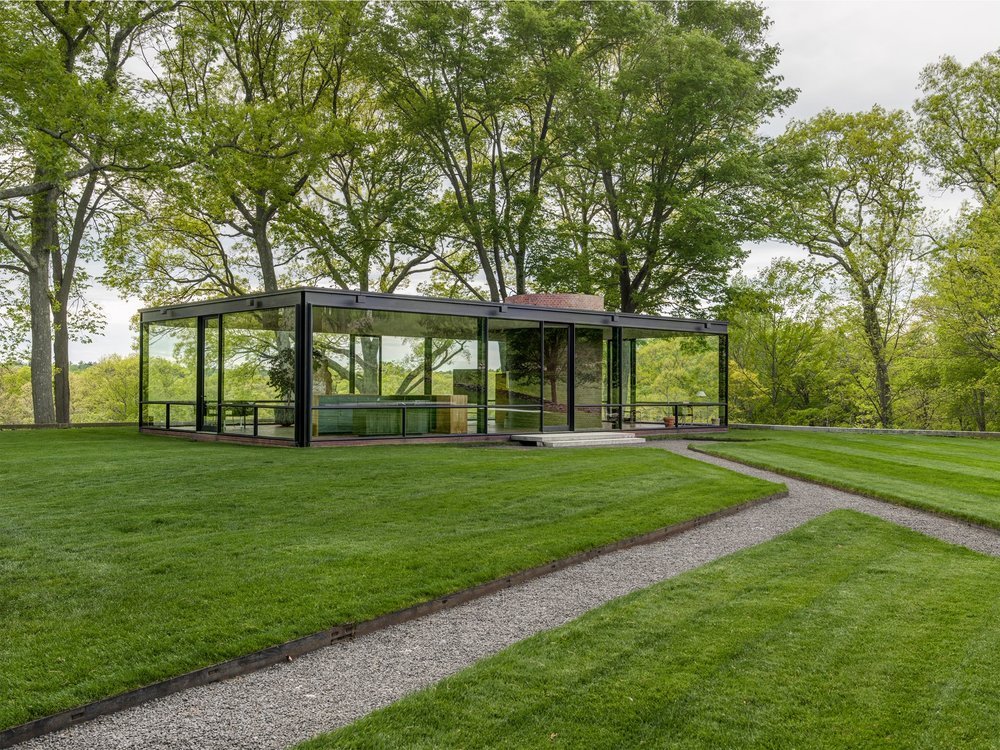
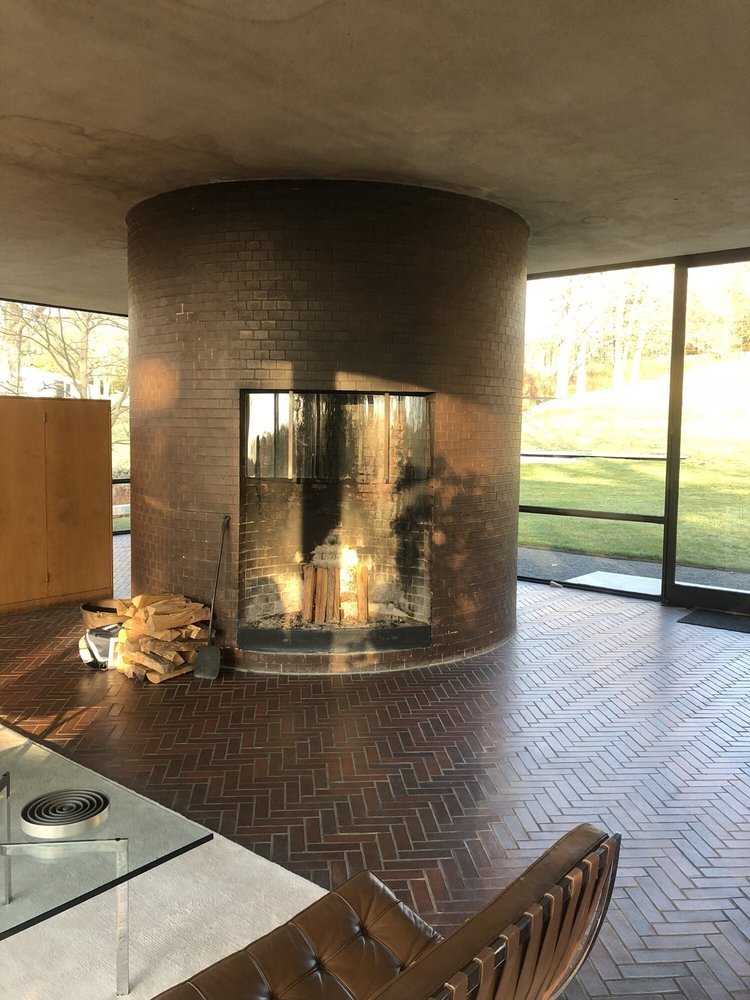
New Canaan has an unexpectedly rich architectural heritage — it was a cradle of mid-century Modernism in the postwar era. Only a short drive from Philip Johnson’s Glass House, and not far from seminal projects by Marcel Breuer and Eliot Noyes, the SANAA River Building is a latter-day reflection on the elegant simplicity of the early modern masters.

The Philip Johnson Glass House (199 Elm St) is the obvious companion visit — a National Trust Historic Site and one of the most important works of American architecture. Tours must be booked in advance at theglasshouse.org.


  • MOLESKINE ART COLLECTION: From sketchbooks and sketchpads to watercolor notebooks with heavy paper, to music notebooks w…
  • DURABLE COVER & ELASTIC CLOSURE: Hold writing projects & notes in your Moleskine notebook with an elastic closure band &…
  • DURABLE COVER & ELASTIC CLOSURE: Hold writing projects & notes in your Moleskine notebook with an elastic closure band &…

Dining Near Grace Farms

Elm Restaurant — A Michelin-recommended restaurant in downtown New Canaan serving seasonally driven dishes made from local ingredients. 73 Elm St, New Canaan | elmrestaurant.com

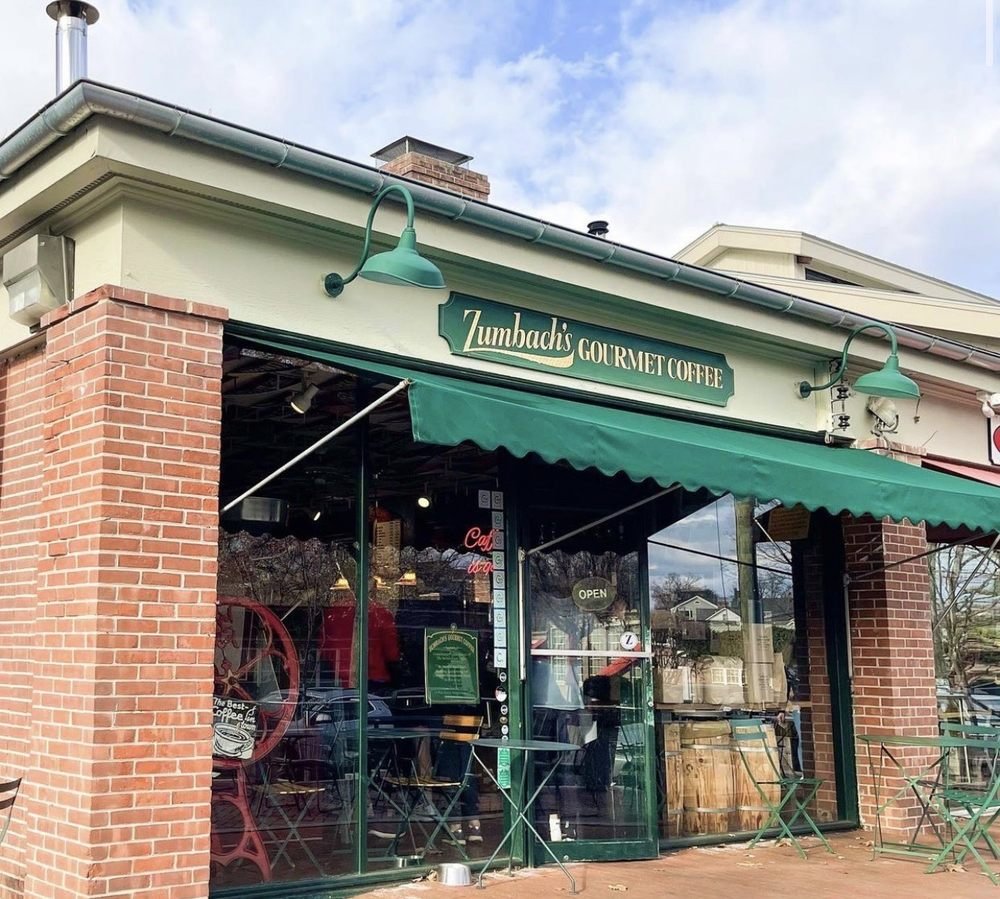
Zumbach’s Gourmet Coffee — A beloved local institution known for its small-batch roasted coffee and house-made pastries. The perfect stop before or after your visit. 77 Pine St, New Canaan | zumbachsgourmetcoffee.com


Essential Visitor Information

DetailInfo
Address365 Lukes Wood Road, New Canaan, CT 06840
HoursTue–Sat: 10am–5pm / Sun: 12pm–5pm / Mon: Closed
AdmissionFree — advance registration required
Registrationgracefarms.org
Getting ThereMetro-North New Haven Line to New Canaan Station, then 5 min by rideshare

Important: Grace Farms requires all visitors to register online in advance, even for general admission. Slots can fill up, especially on weekends. Register at gracefarms.org before you go.


Why Grace Farms New Canaan Belongs on Your List

There is no other place quite like Grace Farms New Canaan in the northeastern United States. It is simultaneously a work of world-class architecture, a free public art space, a nature preserve, and a quietly radical humanitarian institution. The SANAA River Building alone is worth the journey from New York — but what keeps visitors returning, season after season, is something harder to articulate: the feeling that here, the building and the land and the people inside it are all in conversation with one another.

The architecture feels totally natural in its pastoral setting. It feels unique in every season — when there is snow, or peak fall, it’s a must see.

That’s perhaps the highest compliment you can pay a piece of architecture. Go in spring when the meadows bloom, go in autumn when the glass reflects October gold, go in winter when the aluminum roof shimmers like a frozen brook. Just go.


Last updated: April 2026. Always verify hours and programming at gracefarms.org before your visit.

Related posts you might enjoy:

Inside K-Beauty NYC: Best Skincare Shops and Korean Spas in Manhattan

Skip Sephora. New York’s Koreatown is home to the most exciting K-Beauty NYC scene in America — and a handful of Korean spa Manhattan retreats that will reset your body and mind after a long day of city living. Here’s where to go, what to buy, and how to make the most of it.

If you’ve spent more than a week in New York City, you’ve probably noticed something: the wind here is ruthless. That relentless winter chill that whips down the avenues doesn’t just mess with your hair — it strips your skin dry, breaks down your moisture barrier, and leaves you looking like you haven’t slept since October.

New Yorkers in the know have a secret weapon: K-Beauty NYC, specifically the cluster of Korean skincare shops and wellness spaces tucked into Manhattan’s Koreatown, centered around 32nd Street between Fifth and Broadway. This isn’t just a shopping district. It’s a fully functioning slow travel wellness corridor — one where you can walk in with flaky, wind-burned skin and walk out glowing.

Whether you’re a longtime K-beauty devotee or someone who’s only heard the term “glass skin” on TikTok, this guide will walk you through the best K-Beauty NYC stores, the cult products locals actually buy, and the Korean spa Manhattan experiences that make this one of the city’s most underrated self-care rituals.


Why New Yorkers Are Skipping Sephora for K-Beauty NYC

This isn’t a trend — it’s a shift. K-beauty has become more and more popular over the years, moving from a niche Queens phenomenon into mainstream Manhattan, and now you can find dedicated K-beauty stores scattered across the city. But the real magic still happens in Koreatown.

The reason locals keep coming back isn’t just price (though the value is genuinely hard to beat). It’s the curation. K-beauty stores in this neighborhood stock brands and formulas that are months or even years ahead of what Sephora carries. The staff actually know their ingredients. And the philosophy behind Korean skincare — layered hydration, barrier protection, prevention over correction — is perfectly suited to life in a city that brutalizes your skin daily.

The K-Beauty NYC scene also offers something big-box beauty retailers can’t: the experience of trying before you buy, getting a genuine recommendation, and leaving with samples you didn’t ask for. That’s just the culture.


Step 1: The K-Beauty NYC Shops Worth Knowing

Besfren Beauty — The One-Stop Skincare Heaven

K-Beauty NYC

If you only have time for one stop, make it Besfren Beauty (315 5th Ave, Koreatown). This is essentially a Sephora for all things K-beauty — the workers know the products, the prices are reasonable, and the inside is clean and pleasing to be in. The curatorial team includes biochemists and beauty merchandisers, so the shelves aren’t just stocked with whatever’s trending — they stock what works.

K-Beauty NYC

They regularly run deals like buy-one-get-one, 30% off, and $1 sheet masks, and the associates are genuinely helpful when you’re lost choosing between brands. If you tell them your skin concerns, expect a proper consultation — and a handful of samples on your way out.

Pro tip: There’s a café right next door. More on that in Step 4.


Kosette Beauty Market — Curated, Trend-Forward, Direct from Seoul

K-Beauty NYC

Also in the heart of Koreatown, Kosette Beauty Market is the place to go if you want the freshest product drops. It’s a multi-branded K-beauty shop that offers an on-trend blend of skincare, cosmetics, and wellness items sourced directly from South Korea, including brands like COSRX and Beauty of Joseon.

K-Beauty NYC

The shelves here feel more editorial than retail — tightly curated, regularly refreshed, and stocked with items that are often sold out everywhere else. Perfect for the traveler who wants to bring home something genuinely special.


Senti Senti — The Chinatown Hidden Gem

K-Beauty NYC

For the slow traveler who likes to discover places off the main path, head to Senti Senti (formerly oo35mm) in Chinatown. This second-floor beauty cave on Mott Street is a best-kept secret for editors in the know, with cleverly curated shelves and a knowledgeable, dewy-skinned staff who can help you find that dream product you never knew you were missing.

The narrow space is lined with brightly lit cubbies filled with rare products — including brands you’ve only heard about in beauty YouTube rabbit holes. Tell the staff what you want to improve about your skin. Chances are, they’ve got just the thing.


Step 2: The Glass Skin Products New Yorkers Are Actually Buying

“Glass skin” — that Korean ideal of luminous, translucent, perfectly hydrated skin — is more than a hashtag. It’s a framework for how you treat your skin. And the products that deliver it are increasingly available right here in K-Beauty NYC shops without the markup of Amazon or the guesswork of buying online.

Here are the products locals actually queue up for:

COSRX Advanced Snail 96 Mucin Power Essence

K-Beauty NYC

Even in 2025, this bottle of snail mucin continues to reign supreme. It’s formulated with 96% snail secretion filtrate — lightweight, absorbs instantly, and leaves a plump, dewy finish. It works for acne-prone skin, dry skin, and aging concerns alike. It’s the single most versatile first step into K-beauty, and you can test the texture in-store before committing.

  • The Real Snail Essence: Formulated with 96.3% Snail Secretion Filtrate, this essence repairs and rejuvenates the skin fr…
  • Simple Yet Effective Light-weight Essence: A lightweight essence which fastly absorbs into the skin and gives you a natu…
  • Key Ingredient: Snail Secretion Filtrate contains “Mucin”- an EFFECTIVE ingredient for enhanced moisturization. It insta…

Beauty of Joseon Relief Sun: Rice + Probiotics (SPF 50+)

K-Beauty NYC

This sunscreen went absolutely viral for feeling more like a luxurious moisturizer than a sun protectant. Drawing from hanbang (traditional Korean herbal medicine), it uses rice extract and grain fermented extracts — the same ingredients women in the Joseon Dynasty used as brightening toners. The texture is unmatched: creamy but light, leaves zero white cast even on deeper skin tones, and gives a subtle, healthy glow.

It also doubles as a primer. New Yorkers who’ve discovered it tend to stop buying anything else for SPF.

  • 1.Korean Rice Probiotics Anti-black frost offers , ideal for all skin types.
  • 2.Enriched with nourishing ingredients for superior skin protection and deep hydration.
  • 3.Provides long-lasting moisture to keep skin supple and hydrated.

Anua Heartleaf 77% Soothing Toner

K-Beauty NYC

Anua’s 77% Soothing Toner is arguably the single most recommended Korean skincare product of the last three years — zero fragrance, unmatched hydration, and built around heartleaf extract for sensitive, reactive skin. If NYC wind has left your skin red and irritated, this is your reset button.

  • [Heartleaf 77% Calm Hydration] – Powered by 77% Heartleaf (Houttuynia Cordata) plus Hyaluron to help soothe stressed, se…
  • [Low-Irritation Daily Redness Care] – Primary irritation tested, to support everyday use when skin feels reactive; helps…
  • [Instant Cooling Temperature Drop] – Delivers a skin cooling effect (temperature decrease) on contact for a refreshed fe…

Laneige Water Sleeping Mask

K-Beauty NYC

A classic for a reason. This overnight mask has become a global phenomenon — and it’s particularly beloved by New Yorkers who wake up every morning to heated, dry apartment air. Apply it as the last step in your nighttime routine and let the water-based formula do the work while you sleep.

  • A Korean sleeping mask to deeply hydrate and brighten skin while you sleep. The lightweight, refreshing gel formula wrap…
  • Packed with squalane, niacinamide, ceramides, and a special blend of 3 hyaluronic acids for deep hydration overnight.
  • Suggested Use: Apply 2-3 times a week after moisturizer, as the last step of your PM routine. Rinse off in the AM.

Local tip: Buying in-store from K-town shops means you’re getting authenticated product you can test before purchasing — something that matters more than ever given counterfeit K-beauty flooding online marketplaces.


Step 3: Korean Spa Manhattan — An Unexpected Oasis

Here’s the thing about New York apartments: they don’t have bathtubs. Or if they do, the bathtub is approximately the size of a large salad bowl. Which makes the Korean spa Manhattan experience not just a luxury — it’s a genuine antidote to the city’s physical and psychological compression.

Korean jjimjilbang (찜질방) culture — the tradition of communal bathhouses with hot pools, saunas, body scrubs, and rest areas — translates beautifully to Manhattan. You don’t need to know anything about Korean wellness traditions to appreciate it. You just need to walk in.

Juvenex Spa — 24 Hours, Right in Koreatown

K-Beauty NYC

Address: 25 W 32nd St, 5th Floor, New York, NY 10001

Juvenex Spa, tucked away in an office building in the center of Koreatown, is open 24/7. It’s ladies-only during the day, but the spa becomes coed in the evening — making it a popular late-night spot for Broadway actors and dancers winding down after a performance.

The signature experience here is the four-step jade journey. You begin in the thermal phase to de-stress and detoxify in the igloo sauna, then move to the Diamond Herbal Steam Sauna and cold rainforest shower. Next, you soak in Japanese-style tubs filled with sake, ginseng, seaweed, and noni. Finally, you rest in a baked-clay low-temperature sauna to draw out toxins.

But the real showstopper? The Korean body scrub (seshin, 세신). After going through the saunas and soaking pools, a skilled attendant scrubs, sloughs, washes, and conditions you from head to toe. The process takes a while, but your skin afterward has never felt so soft. It genuinely feels like a reset.

After the scrub, expect fresh fruit and hot tea at the small bar. Because that’s how it’s done.

Practical notes:

  • Open 24/7 — great for late-night visits after shows or dinners
  • Body scrub packages start around $92
  • Book in advance on weekends

A Note on Spa Etiquette (That No One Tells You)

If you’ve never been to a Korean spa before, a few things will feel unfamiliar — and they’re half the fun:

  • You go in without clothes in the gender-segregated wet areas. It’s not awkward. Everyone’s in the same boat. Literally.
  • The towel-turban (yang-meori, 양머리) — a spiral towel wrap balanced on your head — is a cultural staple you’ll see everywhere. Try it. Own it.
  • 식혜 (sikhye) and 구운 계란 (roasted eggs) are the traditional snacks of the jjimjilbang — sweet rice punch and eggs baked in the sauna. Order both. It’s a rite of passage.
  • Don’t rush. The entire philosophy of the Korean spa is slow, intentional restoration. You’re not supposed to be in and out in 45 minutes. Give yourself at least two hours.

Step 4: Inner Beauty — Finishing the Loop at a Korean Café

A wellness ritual isn’t complete without nourishing from the inside. Conveniently, Koreatown’s dining and café scene makes it easy to close the loop.

Explore the wider Koreatown block for bingsu (Korean shaved ice), traditional teas, or a proper Korean meal to end what is, by now, a full-body reset experience.

The message, and the spirit of slow travel at its best: You came to New York to experience it deeply — and this is as deep as it gets.


K-Beauty NYC Gift Guide — What to Bring Home

If you’re visiting New York and want to bring back something memorable (and genuinely useful), skip the Magnolia Bakery cookies and the I ♥ NY magnets. Here’s what actually travels well and delights people:

  • Sheet masks in bulk — $1 single masks from Besfren are a crowd-pleaser and pack flat
  • Beauty of Joseon Relief Sun SPF 50+ — often cheaper in-store than on Amazon, and easy to travel with
  • COSRX Snail Mucin Essence — universally loved, converts skeptics on first use
  • Laneige Lip Sleeping Mask — a perennial bestseller and great as a small gift
  • Anua Heartleaf Toner — currently impossible to find in most US retail stores outside of K-beauty specialty shops

Plan Your K-Beauty NYC Day: A Slow Travel Itinerary

Time Stop What to Do 11:00 AM Koreatown (32nd St) Start at Besfren Beauty — browse, consult, sample 12:00 PM Kosette Beauty Market Pick up trending drops and restocks 1:00 PM Korean lunch on 32nd St Refuel at one of the many excellent BBQ or bibimbap spots 2:30 PM Juvenex Spa Two-hour spa ritual: sauna, soak, body scrub 5:00 PM Besfren Café Ginseng latte + yakgwa to decompress 6:00 PM Depart glowing Genuinely


Final Thoughts: Why K-Beauty NYC Belongs on Every Slow Traveler’s List

Koreatown is one of Manhattan’s most compressed, most alive neighborhoods — packed into barely three blocks, but containing multitudes. The K-Beauty NYC shopping scene here isn’t just about buying skincare. It’s about engaging with a wellness philosophy that prioritizes consistency, gentleness, and long-term care over quick fixes.

And the Korean spa Manhattan experience? It’s the closest thing New York has to a genuine pause. A place where you’re asked to slow down, soak, breathe, and exist without urgency.

In a city that rarely stops, that’s not just a spa treatment. That’s a radical act.


Related posts you might enjoy:

2026 World Cup Final Transportation Guide: Fastest Ways to Get to MetLife Stadium from New York

The 2026 World Cup Final at MetLife Stadium on July 19, 2026 will draw over 80,000 fans. Don’t let transportation chaos ruin your experience. Here’s the definitive guide to the fastest, smartest ways to get there — from NJ Transit rail to official shuttles and rideshare tips.

If you’re lucky enough to have tickets to the 2026 World Cup Final transportation event of the century, the last thing you want is to miss kickoff stuck in traffic on Route 3. On Sunday, July 19, 2026, at 3:00 p.m. ET, over 80,000 fans from every corner of the globe will converge on MetLife Stadium (officially renamed “New York New Jersey Stadium” for the tournament) in East Rutherford, New Jersey — and every single one of them needs to figure out how to get there.

2026 World Cup Final Transportation

This MetLife Stadium transit guide breaks down every official option, tells you what to book right now, and gives you the realistic insider tips that will save your match day.


⚡ The Most Important Thing You Need to Know First

Before diving into transport options, here’s the game-changing rule for 2026: there will be no general spectator parking at MetLife Stadium on matchdays. This is not a typical NFL game-day situation. FIFA and the NYNJ Host Committee have completely rethought stadium access for this event.

According to the official Regional Mobility Plan announced by NJ TRANSIT and the FIFA World Cup 2026™ New York New Jersey Host Committee on April 17, 2026, access to the stadium will be limited exclusively to official transportation options. Private buses, charter operators, and walk-up parking are all off the table. You must use one of the approved methods below — and you must have a valid FIFA match ticket to even purchase transportation.

FIFA recommends arriving at least 3 hours before kickoff due to enhanced security screening, credential checks, and bag inspections.


🚆 Option 1 (Most Recommended): NJ Transit Rail — The 2026 World Cup Final Transportation Backbone

For anyone traveling from Manhattan or across New Jersey, NJ Transit rail is the primary and highest-capacity transport option for 2026 World Cup Final transportation. The agency has committed to carrying 40,000 attendees per matchday — that’s roughly half the stadium capacity moved entirely by train.

2026 World Cup Final Transportation

How It Works

The route is straightforward:

NY Penn Station → Secaucus Junction (transfer) → Meadowlands Station (stadium)

Trains run on an expanded, matchday-specific schedule. Travel time including the transfer is approximately 30–40 minutes from Manhattan.

Critical Booking Rules — Read This Carefully

This is where things differ significantly from a regular NJ Transit trip:

  • Starting 4 hours before kickoff, NJ Transit rail service between Penn Station New York and Secaucus Junction will be restricted to FIFA ticket holders only.
  • Tickets must be purchased in advance via the NJ Transit mobile app. They will NOT be available at station ticket offices or vending machines on the day of the match.
  • Tickets are limited to 40,000 per matchday and are expected to sell out fast.
  • Tickets are non-refundable and non-transferable, and will be checked before boarding.

Pro Tips for the Train

  • Download the NJ Transit app now and create an account before ticket sales open.
  • For a 3:00 p.m. kickoff on July 19, plan to board a train no later than 10:30–11:00 a.m. to clear security comfortably.
  • Trains will also run enhanced return service after the match and trophy ceremony — factor in at least 30–60 minutes of post-match hold before the station area clears.

🚌 Option 2: Official NYNJ Stadium Shuttle — The Direct One-Seat Ride

2026 World Cup Final Transportation

If you prefer not to transfer trains, the Official New York New Jersey Stadium Shuttle is your best alternative for 2026 World Cup Final transportation from Manhattan. This is operated directly by the NYNJ Host Committee — not a private operator — making it one of the only approved bus options on matchdays.

Pickup Locations in New York City

From NYC, two official pickup points are available:

  1. Port Authority Bus Terminal — 42nd St & 8th Ave (the classic Meadowlands bus hub)
  2. Midtown East Shuttle — Located east of Grand Central Station

Both provide direct, round-trip service straight to the stadium — no transfers needed.

In New Jersey

A park-and-ride shuttle also operates from the Hackensack Meridian School of Medicine, ideal for fans driving in from New Jersey suburbs who want to avoid stadium parking chaos.

Pricing & Booking

  • Round-trip tickets: $80 per person
  • Tickets are on sale now at nynjfwc26.com
  • Like rail tickets, shuttle tickets are non-refundable, non-transferable, and require a valid FIFA match ticket to purchase
  • These are expected to sell out — book as early as possible

Travel Time Estimate

  • From Port Authority: approximately 30 minutes under normal conditions
  • Important caveat: On Final day, Lincoln Tunnel congestion could add 30–60 minutes. Budget extra time and board at least 3–4 hours before kickoff.

🚗 Option 3: Rideshare (Uber / Lyft) — Use With Caution

Rideshare remains an option for the MetLife Stadium transit guide, but comes with serious caveats unique to the 2026 World Cup Final.

Key Facts

  • No rideshare drop-off on stadium property. Rideshare services will operate through a designated drop-off zone at Meadowlands Racing & Entertainment, accessed via geofencing technology.
  • From the drop-off zone, you’ll need to walk or take additional transport to the stadium gates.
  • Surge pricing is expected to be extreme — post-match rides could cost 3x–5x normal rates when 80,000 fans request rides simultaneously.
  • Cell tower congestion in the area may make app booking unreliable near kickoff and immediately after the match.

Who Should Consider Rideshare

  • Fans staying in Hoboken, Jersey City, or northern NJ hotels who want a one-way morning trip before traffic peaks
  • Groups willing to walk the additional distance from the Meadowlands drop zone
  • Anyone with a backup plan if their car gets stuck in gridlock

Honest advice: Rideshare is the least predictable option for the 2026 World Cup Final. It’s a viable supplement, not a primary strategy.


🅿️ Option 4: Premium Parking at American Dream

For those who must drive, there is one official parking option: premium parking at American Dream mall, located adjacent to the stadium complex.

2026 World Cup Final Transportation
  • Available by advance purchase only — no walk-up parking
  • Passes are limited and expected to sell out weeks in advance
  • Parking at American Dream is a short walk or shuttle ride to the stadium gates
  • Traffic approaching the complex will be heavily managed, with Route 3 and NJ Turnpike exits subject to lane restrictions and checkpoint delays

If you go this route, plan to arrive 4–5 hours before kickoff to beat the worst of the congestion.


🗺️ Bonus: The Ferry + Rail Combo (The Smart Crowd-Dodger)

For fans staying on Manhattan’s West Side or in Hoboken, there’s an underrated option worth exploring:

2026 World Cup Final Transportation
  1. Take the NY Waterway Ferry from West 39th Street across the Hudson River to Weehawken or Hoboken
  2. Connect to NJ Transit rail at Hoboken Terminal or Secaucus Junction toward Meadowlands Station

This route sidesteps the worst of Midtown pedestrian congestion and gives you a scenic, less-crowded path to the train network. It’s a classic New Yorker move for major events — and on a day this big, every bit of crowd-splitting helps.


📊 Quick Comparison: 2026 World Cup Final Transportation Options at a Glance

OptionRouteEst. TimeCostBest For
NJ Transit RailPenn Station → Secaucus → Meadowlands30–40 minTBD (app only)Everyone from Manhattan & NJ
Official Shuttle (NYC)Port Authority or Grand Central East → Stadium30–60 min$80 round tripThose who prefer no transfer
Official Shuttle (NJ)Hackensack park-and-ride → Stadium20–40 min$80 round tripNJ drivers avoiding parking
RideshareVarious → Meadowlands drop zoneHighly variableSurge pricingNJ-based fans, backup option
Premium ParkingDrive → American DreamVariableTBD (advance only)Groups with no other option
Ferry + RailWest 39th St Ferry → NJ Transit~50–60 minFerry + rail fareWest Side Manhattan, Hoboken

🏟️ What’s Different About MetLife Stadium for the 2026 World Cup?

It’s worth understanding just how much this stadium has been transformed for the tournament:

  • The venue is temporarily renamed “New York New Jersey Stadium” to comply with FIFA naming standards
  • Approximately 1,740 seats have been removed to widen the playing field to FIFA regulation dimensions
  • The artificial turf has been replaced with natural grass grown in Hammonton, New Jersey, complete with a new irrigation system
  • The New York/New Jersey region projects a $3.3 billion economic boost from the tournament, with visitor spending alone forecast at $1.7 billion

This isn’t just another big game at MetLife. The infrastructure, security, and logistics have been overhauled at a scale the stadium has never seen.


✅ Your 2026 World Cup Final Transportation Checklist

Use this before July 19:

  • [ ] Download the NJ Transit mobile app and set up your account
  • [ ] Purchase NJ Transit matchday rail tickets as soon as they go on sale (limited to 40,000)
  • [ ] Alternatively, book Official NYNJ Stadium Shuttle tickets at nynjfwc26.com ($80 round trip)
  • [ ] Note your FIFA match ticket QR code — required to purchase ALL transportation
  • [ ] Plan to leave at least 3–4 hours before the 3:00 p.m. kickoff (i.e., depart by 10:30–11:00 a.m.)
  • [ ] Identify a post-match meeting point away from main gates — main entrances will be extremely congested
  • [ ] Check NJ Transit and NYNJ Host Committee channels in the days before the match for real-time updates

Final Word

The 2026 World Cup Final at MetLife Stadium is a once-in-a-generation event. The transportation logistics are unprecedented in scale — but the official plan is well-organized if you act early. The single biggest mistake you can make is waiting to book transport or assuming you can wing it on the day.

Book your NJ Transit rail ticket or Official Stadium Shuttle as soon as they’re available, leave earlier than you think you need to, and let the trains handle what no car or Uber can guarantee: getting you there on time.


Sources: NJ TRANSIT Regional Mobility Plan (April 17, 2026), FIFA World Cup 2026™ NYNJ Host Committee, MetLife Stadium official transportation page

Related post you might enjoy:

2026 World Cup Final Hotels in New York & New Jersey: 5 Best Places to Stay Near MetLife Stadium

The 2026 FIFA World Cup Final is set for July 19 at MetLife Stadium in East Rutherford, NJ — and securing a hotel is nearly as competitive as getting a ticket. Here are the 5 best hotels near MetLife Stadium for the World Cup, plus everything you need to know about transportation, pricing, and how to book smart before rates skyrocket.

The countdown to the most anticipated soccer match on Earth is nearly over. The 2026 World Cup Final hotels in New York and New Jersey are filling up fast — and if you’re still without accommodation, this guide is exactly what you need.

On Sunday, July 19, 2026, at 3:00 PM EDT, the FIFA World Cup Final will kick off at MetLife Stadium (officially renamed “New York New Jersey Stadium” for the tournament) in East Rutherford, New Jersey. With a capacity of approximately 82,500 fans and the eyes of the world watching, this is not just a soccer match — it’s a once-in-a-generation event in one of the most expensive real estate markets on the planet.

2026 World Cup Final Hotels in New York

Whether you’re a die-hard fan flying in from overseas or a domestic traveler making the pilgrimage, choosing where you stay will define your entire experience. Below, we break down the best hotels near MetLife Stadium for the World Cup Final, the smartest booking strategies, and everything you need to know about getting to the game.


What You Need to Know About the 2026 World Cup Final in New York/New Jersey

MetLife Stadium — the largest NFL venue in the United States — will host a total of eight World Cup matches, including the Final on July 19. The stadium underwent specific renovations to widen the pitch to meet FIFA’s official dimensions and upgraded to a premium natural grass surface for the tournament.

Choosing where to stay comes down to one core trade-off: the energy and amenities of Manhattan vs. the logistical convenience of New Jersey. Both have clear advantages, and the right choice depends on your priorities, group size, and budget.

2026 World Cup Final Hotels

Key fact: There is no parking at MetLife Stadium for World Cup matches. FIFA has banned traditional parking entirely. Getting to the game means mastering the regional transit network — which makes your hotel’s proximity to transit lines arguably more important than anything else.


The 2026 World Cup Hotel Pricing Reality: What to Expect

Before diving into our hotel recommendations, let’s address the elephant in the room: cost.

According to hospitality data, the average nightly hotel rate in New York during the week of the World Cup Final is around $624, roughly a 50% increase compared to the same period in 2025. Some properties near key transit hubs are commanding $400–$1,000+ per night depending on location and tier.

That said, there’s a surprising silver lining. As of April 2026, reports indicate that some host city room rates have actually dropped by around a third from their earlier peaks, driven by elevated ticket prices, inflation concerns, and international travel hesitancy. This means savvy travelers may still find windows of relative value — but they are closing fast.

Bottom line: Book now with a free cancellation policy wherever possible. If rates drop closer to the Final, you can always rebook at a lower price.


5 Best Hotels Near MetLife Stadium for the 2026 World Cup Final

1. Envue, Autograph Collection — Weehawken, NJ

Best for: Stadium access + Manhattan skyline views

Located steps from the Port Imperial Ferry Terminal in Weehawken, the Envue is arguably the single best-positioned hotel for Final day logistics. The NY Waterway ferry puts you directly on the Manhattan waterfront in minutes, and the hotel sits along shuttle and transit routes toward East Rutherford.

2026 World Cup Final Hotels in New York

Beyond logistics, the Envue’s design is genuinely impressive — modern interiors, spacious rooms ideal for families or groups, and terrace views of the Manhattan skyline that will make your pre-match photos unforgettable. Book as early as possible: Weehawken’s limited hotel inventory means this property will sell out.

Transit tip: NY Waterway ferry from Port Imperial → Manhattan / World Cup shuttle routes.


2. Renaissance New York Midtown Hotel — Manhattan, NY

Best for: Transit efficiency from Penn Station

If you want to maximize transit convenience, it’s hard to beat the Renaissance New York Midtown Hotel. Situated within walking distance of Penn Station, this is the natural home base for fans riding NJ Transit to the game.

2026 World Cup Final Hotels in New York

Here’s the critical update for 2026: NJ Transit has announced that round-trip train tickets to MetLife Stadium will cost $150, limited to 40,000 tickets per match. These must be purchased in advance via the NJ Transit mobile app — they will not be available on the day of the match. Additionally, Penn Station will be partially closed to non-ticketholders for four hours before kickoff, restricted to match ticket holders only.

The Renaissance balances practical access with style — think artistic lighting, thoughtful furniture design, and a rooftop bar to decompress after what promises to be a historic afternoon.

Transit tip: Walk to Penn Station → NJ Transit to Secaucus Junction → Meadowlands Rail Line to NYNJ Stadium.


3. Element New York Times Square West — Manhattan, NY

Best for: Long stays, groups, and budget-conscious travelers

The 2026 World Cup Final hotels in New York that offer the best value for multi-night stays are extended-stay properties — and the Element New York Times Square West leads that category.

2026 World Cup Final Hotels in New York

Every room comes with a kitchenette, making it a game-changer for groups managing food costs across a multi-day trip. The bright, airy design with wood-tone finishes and smart storage solutions overcomes the classic New York hotel space constraint. Its location near Times Square also puts you within the beating heart of NYC’s World Cup fan zone atmosphere, with Rockefeller Center’s official FIFA Fan Village easily accessible.

Transit tip: Subway or walk to Penn Station → NJ Transit to the stadium. PATH train from 33rd St also accessible for alternate routing.


4. W Hoboken — Hoboken, NJ

Best for: Young fans, atmosphere, and dual transit access

Hoboken is having a moment during World Cup 2026, and the W Hoboken puts you right at the center of it. With bold color contrasts, personality-driven design, and a buzzing hotel bar scene, this is the base camp for fans who want their stay to feel as electric as the match itself.

2026 World Cup Final Hotels in New York

What makes the W Hoboken strategically excellent: it offers access to both the PATH train to Manhattan and NJ Transit, giving you flexibility that most other locations can’t match. Hoboken’s walkable waterfront and dense bar and restaurant scene also means you’ll have no trouble finding a pre-match crowd.

New Jersey hotels near transit lines like the W Hoboken represent some of the best value in the region, with rates forecasted at $400–700/night during Final week — lower than comparable Manhattan properties.

Transit tip: NJ Transit from Hoboken Terminal or PATH train to Manhattan → Penn Station → NJ Transit to stadium.


5. Moxy NYC Times Square — Manhattan, NY

Best for: Solo travelers and budget-minded fans

The Moxy NYC Times Square epitomizes the micro-hotel movement: compact rooms, an industrial-chic aesthetic, and communal spaces designed for socializing. For solo travelers or groups who plan to spend most of their time out exploring the city and attending matches, the Moxy punches well above its price point.

2026 World Cup Final Hotels in New York

Its Times Square location also drops you into the thick of New York’s World Cup street energy — fan zones, pop-up events, and the sheer electricity of the city in tournament mode. If you’re coming for the experience and don’t need a large room, this is one of the smartest budgetary choices among 2026 World Cup Final hotels in New York.

Transit tip: Walk or subway to Penn Station → NJ Transit to the stadium (pre-purchased transit tickets required).


Getting to MetLife Stadium on Final Day: The Complete Transport Guide

Understanding how to get to the game is just as important as where you sleep. Here’s everything confirmed for July 19, 2026:

NJ Transit Rail (Primary Option)

  • Tickets: $150 round-trip, limited to 40,000 per match, available only via the NJ Transit mobile app
  • Route: Penn Station New York → Secaucus Junction → Meadowlands Rail Line to NYNJ Stadium
  • Restriction: Penn Station will be partially closed to non-ticketholders for 4 hours before kickoff. Only match ticket holders may access NJ Transit boarding areas during this window.
  • Key rule: Fans staying in New York City (all five boroughs) must use Penn Station for rail travel on matchdays.

Shuttle Bus (Alternative)

  • Tickets: $80 per person
  • Departure point: Hackensack Meridian School of Medicine in Clifton, NJ
  • Drop-off is approximately 1 mile from the stadium at Meadowlands Racetrack — expect a walk.

NY Waterway Ferry

  • Operates from Weehawken/Port Imperial to Manhattan piers
  • Ideal for those staying in the New Jersey waterfront corridor
  • No parking at MetLife Stadium — rideshare drop-off is in Lot E, with a 15–20 minute walk to the gates

What NOT to Do

  • Do not drive and expect to park at MetLife Stadium — parking is banned for World Cup matches
  • Do not show up at Penn Station without transit tickets on the day of the match — they will not be sold on-site
  • Do not underestimate travel time — plan for 2–3 hours door-to-gate on Final day

5 Expert Booking Tips for the World Cup Final in New York

1. Book with Free Cancellation Now The market is still in flux. Lock in a room with a free cancellation policy today and monitor rates as the Final approaches. If prices dip — as some data suggests they may — you can rebook at a lower rate.

2. Buy Your NJ Transit Ticket the Moment They Go on Sale Only 40,000 transit tickets will be issued per match. They are sold exclusively through the NJ Transit mobile app, are non-transferrable, non-refundable, and include specific boarding time windows. Missing these means scrambling for a $225 parking spot or an expensive rideshare.

3. Prioritize Hotels Near PATH or NJ Transit Lines Even if you’re staying in Manhattan, proximity to PATH stations (33rd St, 23rd St, 14th St) gives you routing flexibility around Penn Station restrictions. New Jersey waterfront properties in Hoboken, Jersey City, and Weehawken offer the best of both worlds.

4. Consider Extended-Stay Properties for Multi-Night Trips If you’re attending more than one World Cup match in the NY/NJ region (MetLife hosts 8 total), extended-stay hotels with kitchenettes dramatically cut your daily costs. The Element brand is designed precisely for this scenario.

5. Download Your Transit Apps Before You Land Install the NJ Transit app, NY Waterway app, and a major rideshare app before you arrive. On Final day, connectivity near the stadium and Penn Station will be strained. Pre-downloaded tickets and pre-set routes will save you significant stress.


Final Thoughts: Your 2026 World Cup Final Accommodation Strategy

The 2026 World Cup Final hotels in New York and New Jersey are not just logistical necessities — they’re the backdrop to one of the greatest sporting events you’ll ever experience. The right base camp, chosen strategically near the region’s transit network, will make the difference between a chaotic scramble and a seamless, memorable Final day.

To recap the best hotels near MetLife Stadium for the World Cup:

HotelLocationBest ForTransit
Envue, Autograph CollectionWeehawken, NJFamilies, skyline viewsFerry + shuttle
Renaissance NY MidtownManhattanPenn Station accessNJ Transit rail
Element Times Square WestManhattanLong stays, groupsNJ Transit / PATH
W HobokenHoboken, NJAtmosphere, valueNJ Transit + PATH
Moxy NYC Times SquareManhattanSolo travelers, budgetNJ Transit rail

Whether you’re rooting for a European powerhouse or a South American giant, one thing is certain: July 19, 2026, at MetLife Stadium will be an afternoon that echoes for decades. Make sure your home base is ready.


Related post you might enjoy:

New York Coffee Culture: A Guide to the City’s Best Specialty Coffee Shops

New York coffee culture is more than caffeine — it’s the city’s rhythm. From 19th-century espresso bars in Little Italy to Brooklyn roasteries pouring single-origin pour-overs, this guide traces the history and takes you to the 12 best specialty coffee shops in NYC you shouldn’t miss.

The City That Never Sleeps (Without a Coffee Cup in Hand)

If there’s one image that defines New York City more than any skyline, it might be this: a person moving fast down the sidewalk, one hand gripping a paper cup of coffee. Not sitting. Not lingering. Moving.

New York coffee culture is inseparable from the city’s pace, its immigrant history, and its restless identity. From a diner counter in 1930s Brooklyn to a minimalist Bushwick roastery in 2025, coffee in New York has always been more than a drink — it’s a daily ritual shared by millions across one of the world’s most diverse and driven cities.

This guide traces that story from its 19th-century roots all the way to the best specialty coffee shops NYC has to offer today, with stops along the way for a legendary paper cup, the rise of third-wave roasters, and a few tips on pairing your brew with the city’s food.


A History of New York Coffee Culture: From Little Italy to Brooklyn Roasteries

The Italian Roots (1892–1920s)

New York coffee culture didn’t begin at Starbucks — it began with Italian immigrants in Lower Manhattan. In 1892, Ferrara Bakery & Café opened in Little Italy, billing itself as America’s first espresso bar. It’s still there today, more than 130 years later.

As the 20th century began, Italian immigrants steadily wove espresso culture into the fabric of New York. The city got its first espresso machine in 1911, installed at Barbetta, an Italian restaurant on West 46th Street. Then in 1927, Domenico Parisi, another Italian immigrant, opened Caffè Reggio in Greenwich Village — widely credited as the first café to introduce the cappuccino to the United States. It remains one of New York’s oldest operating coffee houses.

Running parallel to the espresso tradition was American diner culture, where bottomless, no-frills black coffee fueled factory workers, cab drivers, and office clerks alike. Two different traditions, both called coffee, coexisting comfortably in the same city.

The Anthora Cup: How a Paper Cup Became a New York Icon (1963)

No object captures New York coffee culture more completely than a humble paper cup. The Anthora is a design for a disposable paper cup for coffee, originally designed by Leslie Buck of the Sherri Cup Company in 1963 to appeal to Greek-owned coffee shops in New York City.

New York Coffee Culture

Leslie Buck was born Laszlo Büch into a Jewish family in Czechoslovakia. His parents were murdered during the Holocaust, and Buck survived captivity at Auschwitz and Buchenwald concentration camps before emigrating to the United States and settling in New York City, where he adopted the anglicized name Leslie Buck.

The cup he designed became one of the most recognizable objects in American urban life. Its blue-and-white colors pay homage to the Greek flag, with a font inspired by Ancient Athenian lettering and the words “WE ARE HAPPY TO SERVE YOU” printed on the side — flanked by ancient amphora urns and framed with a Greek Key pattern.

The name “Anthora” is said to come from Buck’s Eastern European-accented pronunciation of the word “amphora.” Sales of the cup reached 500 million in 1994 at its peak, and one New York Times writer in 1995 called it “perhaps the most successful cup in history.”

Today, the Anthora has been displayed in the Design Department of the Museum of Modern Art and has appeared in TV shows like The Sopranos, Mad Men, and Law & Order — used, as one writer put it, to evoke New York at a glance. Along with yellow taxis and the Statue of Liberty, it remains an enduring symbol of the city.


  • Enjoy a whimsical ceramic coffee cup in the fun, retro “We are Happy to Serve You” Greek anthora design style, just like…
  • Yes! You found it! This is the original authentic ceramic cup designed by ExceptionLab and crafted purposely to feel lik…
  • Measures 3-3/4″ high x 3-1/4″ wide and comfortably holds 8-9 oz of coffee with just enough room for a dash of milk! Maxi…

The Specialty Coffee Revolution (1990s–2000s)

When the first Starbucks opened in Manhattan in 1993, the New York Times felt compelled to explain to its readers how to pronounce “latte.” By 1996, there were more than 200 specialty coffee cafés across the city.

But the deeper shift came in the late 2000s, when West Coast roasters like Stumptown (Portland) and Blue Bottle (Oakland) arrived in New York, bringing with them the ethos of the so-called “third wave” of coffee: an emphasis on single-origin beans, transparent sourcing, careful roasting, and deliberate brewing. Brooklyn, with its industrial spaces and adventurous food culture, became the natural home for this new movement.

Roasters like SEY Coffee in Bushwick prioritize Nordic-style roasting and ethical sourcing, emphasizing transparency and sustainability — a philosophy now shared by a growing number of New York’s independent cafés.

Today, the global specialty coffee market is projected to grow at a 7.1% CAGR through 2025–2029, driven by sustainability trends and a broader appetite for gourmet experiences. New York is at the center of that story.


Understanding Coffee: Terroir, Roast, and Extraction

Before diving into the best specialty coffee shops NYC has to offer, it helps to know what separates a great cup from a forgettable one. It comes down to three things.

Terroir is where the bean grows. Ethiopian highland coffees carry floral, blueberry-like notes. Colombian volcanic soil produces caramel and nutty richness. Panamanian high-altitude farms — like those behind some of New York’s most talked-about roasters — yield clean, complex flavors that can rival fine wine in their range.

Roast determines how much of those natural flavors survive the heat. A light roast preserves acidity and fruit; a dark roast builds body and bitterness. Freshness matters enormously — coffee begins oxidizing right after roasting and loses much of its aroma within two to four weeks. Always check the roast date.

Extraction is how water draws flavor from the ground bean. Espresso uses high pressure for concentration. Pour-over uses slow, controlled pouring to highlight delicacy. Cold brew steeps in cold water for hours, producing a low-acid, naturally sweet result. The method you choose should match both the bean and your mood.


New York Coffee Culture Today: The Best Specialty Coffee Shops NYC

1. Stumptown Coffee Roasters — Midtown / Greenwich Village

New York Coffee Culture

A pioneer of American specialty coffee, Stumptown launched in Portland in 1999 and brought its philosophy to New York in 2009 through a café inside the Ace Hotel in Midtown. A second flagship location followed in 2013 in Greenwich Village, featuring a dedicated brew bar. Their Hair Bender espresso blend — with notes of chocolate, cherry, and toffee — has become something of a New York institution.

📍 30 W 8th St, New York, NY | stumptowncoffee.comSignature: Hair Bender Espresso


2. Blue Bottle Coffee — Bryant Park / Williamsburg + more

New York Coffee Culture
First Blue Bottle in Williamsburg, New York

Blue Bottle began in Oakland in 2002 and opened its first New York outpost in Williamsburg in 2010. Known for clean, bright acidity and a commitment to freshness — they don’t sell coffee older than 48 hours after roasting — Blue Bottle’s Bryant Park location makes it one of the more accessible best specialty coffee shops NYC offers for Midtown visitors.

📍 54 W 40th St, New York, NY | bluebottlecoffee.comSignature: New Orleans Iced Coffee


3. La Colombe — SoHo / NoHo + more

New York Coffee Culture

The Philadelphia-born roaster is beloved for its full-bodied espresso and the Draft Latte — a nitrogen-infused canned latte that the brand essentially invented. La Colombe’s roasting facility in Philadelphia supplies all NYC locations with beans roasted within four days, with each bag including roast date and batch tracking information.

📍 400 Lafayette St, New York, NY | lacolombe.comSignature: Draft Latte


4. Arcane Estate Coffee — West Village ⭐ Emerging Standout

New York Coffee Culture

One of the most exciting names in current New York coffee culture, Arcane Estate on Cornelia Street in the West Village is a Panama single-origin specialist. Founder Edgar Acosta-Masferrer works exclusively with beans from his family’s farm in the Chiriquí highlands of Panama — one of the world’s most prized coffee regions. Less than a year after opening, Arcane Estate was named among the world’s top 100 coffee shops for 2026, ranking 12th globally. A must-visit for serious coffee drinkers.

New York Coffee Culture

📍 37 Cornelia St, New York, NY | arcaneestatecoffee.comSignature: Single Origin Espresso


5. Devoción — Williamsburg / Flatiron + more

New York Coffee Culture

Devoción has a compelling origin story: founded by a Colombian entrepreneur, it imports beans directly from Colombian farms and roasts them on-site within days of harvest. The result is an unusually fresh cup — you can often see the roastery behind glass as you order. Their Williamsburg flagship, with its greenhouse-like interior and living wall of plants, is one of the most beautiful café spaces in the city.

New York Coffee Culture

📍 148 Grand St, Brooklyn, NY | devocion.comSignature: Single Origin Pour Over


6. Café Grumpy — Greenpoint / Lower East Side + more

New York Coffee Culture
In Chinatown

Café Grumpy helped define the early Brooklyn specialty coffee scene when it opened in Greenpoint in 2005. It practices direct-trade sourcing — working directly with farmers rather than through importers — and long before it was fashionable. The Greenpoint flagship became familiar to many as a filming location for HBO’s Girls. Simple, consistent, and community-rooted.

📍 193 Meserole Ave, Brooklyn, NY | cafegrumpy.comSignature: Espresso


7. Culture Espresso — Bryant Park area + more

A popular refuge for Midtown workers, Culture Espresso draws on Australian café culture — think strong espresso served without attitude, in a relaxed space. Their house-made cookies have developed their own following. An ideal stop between meetings.

📍 72 W 38th St, New York, NY | cultureespresso.comSignature: Latte


8. Abraço — East Village

Abraço is tiny — a handful of bar stools, an open counter, and no room to linger — but it punches well above its weight. The espresso is exceptional, and the olive oil cake has been written about in publications far beyond the neighborhood. It’s a direct echo of the Italian standing bar tradition: you come, you drink, you go. In the best possible way.

📍 81 E 7th St, New York, NY | abraconyc.comSignature: Cappuccino


9. SEY Coffee — Bushwick, Brooklyn

SEY (spelled backward: YES) is about as serious as specialty coffee gets in New York. Founders Tobin Polk and Lance Schnorenberg started roasting in 2011 in a fourth-floor loft near their current location. A glass wall separates the café from the roastery, allowing visitors to watch the roasting process while they drink. The Nordic-style light roasts are brewed exclusively via Aeropress. SEY also runs gratuity-free — a European model that’s rare in New York and speaks to their overall philosophy.

📍 18 Grattan St, Brooklyn, NY | seycoffee.comSignature: Single Origin Aeropress


10. Partners Coffee — Williamsburg / Park Slope + more

Brooklyn-rooted Partners Coffee has built a reputation for well-calibrated roasting with a focus on bright, clean flavors. Their flat white is consistently praised as among the best in the city, and the West Village location on Charles Street has become a neighborhood anchor.

📍 44 Charles St, New York, NY | partnerscoffee.comSignature: Flat White


11. Ninth Street Espresso — East Village

One of the earliest entries in New York’s specialty coffee scene, Ninth Street Espresso opened in 2001. More than two decades later, it still operates with a refreshingly minimal philosophy — a tight menu, carefully sourced beans, and no frills. This East Village institution isn’t just surviving — it continues to be a reference point for baristas and coffee professionals across the city.

📍 700 E 9th St, New York, NY | ninthstreetespresso.comSignature: Espresso


12. Coffee Project New York — East Village / Chelsea + more

Founded in 2015 by Chi Sum Ngai and Kaleena Teoh — two women of color who remain among the most respected voices in American specialty coffee — Coffee Project NY is an East Village favorite that has won Time Out New York’s “most beloved coffee shop” distinction three times. They operate the first SCA-certified training campus in New York State and are deeply committed to coffee education at all levels. Their signature Deconstructed Latte — espresso, milk, and sparkling water served separately for tasting in sequence — is one of the most inventive café experiences in the city.

📍 239 E 5th St, New York, NY | coffeeprojectny.comSignature: Deconstructed Latte


New York Coffee Pairings: What to Eat With Your Cup

New York coffee culture has always been as much about food as it is about the drink. Here’s a quick guide to pairing by origin:

  • Ethiopian beans (floral, blueberry notes) → Pair with a sesame bagel and cream cheese, or a fruit Danish
  • Colombian beans (caramel, nuts) → Pair with New York cheesecake or banana bread
  • Brazilian beans (chocolate, dark fruit) → Pair with a brownie or pecan pie
  • Kenyan beans (wine-like acidity, complexity) → Pair with a savory dish — a buffalo mozzarella salad or a grain bowl with vinaigrette

Any of these pairings is vastly improved by eating while walking, ideally in the direction of somewhere interesting.


The New York Coffee Scene in 2025: What’s Changing

New York coffee culture continues to evolve at speed. In 2025, new additions to the city’s best coffee lists include community-forward spaces like Harlem’s The Oma Shop II Coffee+ Lifestyle and Danish imports like La Cabra, which has expanded to multiple Manhattan locations and opened a North American roasting hub in Bushwick.

Sustainability and visual design are increasingly central to the city’s café scene, with Instagrammable interiors and ethical sourcing becoming baseline expectations rather than differentiators. Meanwhile, a growing number of shops are adopting gratuity-free pricing models, transparent sourcing, and in-house education programs.

The New York Coffee Festival, the city’s flagship annual coffee event, regularly draws over 12,000 coffee lovers and industry professionals from across the United States and abroad — a testament to how seriously New York now takes its coffee.


Final Thoughts: Coffee Is the City’s Rhythm

The story of New York coffee culture begins in 1892, in a bakery in Little Italy, and it runs through a paper cup designed by a Holocaust survivor, a cappuccino served for the first time in the New World in a Greenwich Village café, and a Bushwick roastery where you can watch your beans being roasted while you drink them.

Coffee here is not a luxury. It’s not a trend. It’s the rhythm of the city — the thing in your hand while you’re already somewhere else, already thinking about what comes next.

Whether you’re visiting for the first time or you’ve lived here for decades, the best specialty coffee shops NYC has to offer are worth seeking out, one cup at a time.


Related posts you might enjoy: