2026 World Cup Final Hotels in New York & New Jersey: 5 Best Places to Stay Near MetLife Stadium

The 2026 FIFA World Cup Final is set for July 19 at MetLife Stadium in East Rutherford, NJ — and securing a hotel is nearly as competitive as getting a ticket. Here are the 5 best hotels near MetLife Stadium for the World Cup, plus everything you need to know about transportation, pricing, and how to book smart before rates skyrocket.

The countdown to the most anticipated soccer match on Earth is nearly over. The 2026 World Cup Final hotels in New York and New Jersey are filling up fast — and if you’re still without accommodation, this guide is exactly what you need.

On Sunday, July 19, 2026, at 3:00 PM EDT, the FIFA World Cup Final will kick off at MetLife Stadium (officially renamed “New York New Jersey Stadium” for the tournament) in East Rutherford, New Jersey. With a capacity of approximately 82,500 fans and the eyes of the world watching, this is not just a soccer match — it’s a once-in-a-generation event in one of the most expensive real estate markets on the planet.

2026 World Cup Final Hotels in New York

Whether you’re a die-hard fan flying in from overseas or a domestic traveler making the pilgrimage, choosing where you stay will define your entire experience. Below, we break down the best hotels near MetLife Stadium for the World Cup Final, the smartest booking strategies, and everything you need to know about getting to the game.


What You Need to Know About the 2026 World Cup Final in New York/New Jersey

MetLife Stadium — the largest NFL venue in the United States — will host a total of eight World Cup matches, including the Final on July 19. The stadium underwent specific renovations to widen the pitch to meet FIFA’s official dimensions and upgraded to a premium natural grass surface for the tournament.

Choosing where to stay comes down to one core trade-off: the energy and amenities of Manhattan vs. the logistical convenience of New Jersey. Both have clear advantages, and the right choice depends on your priorities, group size, and budget.

2026 World Cup Final Hotels

Key fact: There is no parking at MetLife Stadium for World Cup matches. FIFA has banned traditional parking entirely. Getting to the game means mastering the regional transit network — which makes your hotel’s proximity to transit lines arguably more important than anything else.


The 2026 World Cup Hotel Pricing Reality: What to Expect

Before diving into our hotel recommendations, let’s address the elephant in the room: cost.

According to hospitality data, the average nightly hotel rate in New York during the week of the World Cup Final is around $624, roughly a 50% increase compared to the same period in 2025. Some properties near key transit hubs are commanding $400–$1,000+ per night depending on location and tier.

That said, there’s a surprising silver lining. As of April 2026, reports indicate that some host city room rates have actually dropped by around a third from their earlier peaks, driven by elevated ticket prices, inflation concerns, and international travel hesitancy. This means savvy travelers may still find windows of relative value — but they are closing fast.

Bottom line: Book now with a free cancellation policy wherever possible. If rates drop closer to the Final, you can always rebook at a lower price.


5 Best Hotels Near MetLife Stadium for the 2026 World Cup Final

1. Envue, Autograph Collection — Weehawken, NJ

Best for: Stadium access + Manhattan skyline views

Located steps from the Port Imperial Ferry Terminal in Weehawken, the Envue is arguably the single best-positioned hotel for Final day logistics. The NY Waterway ferry puts you directly on the Manhattan waterfront in minutes, and the hotel sits along shuttle and transit routes toward East Rutherford.

2026 World Cup Final Hotels in New York

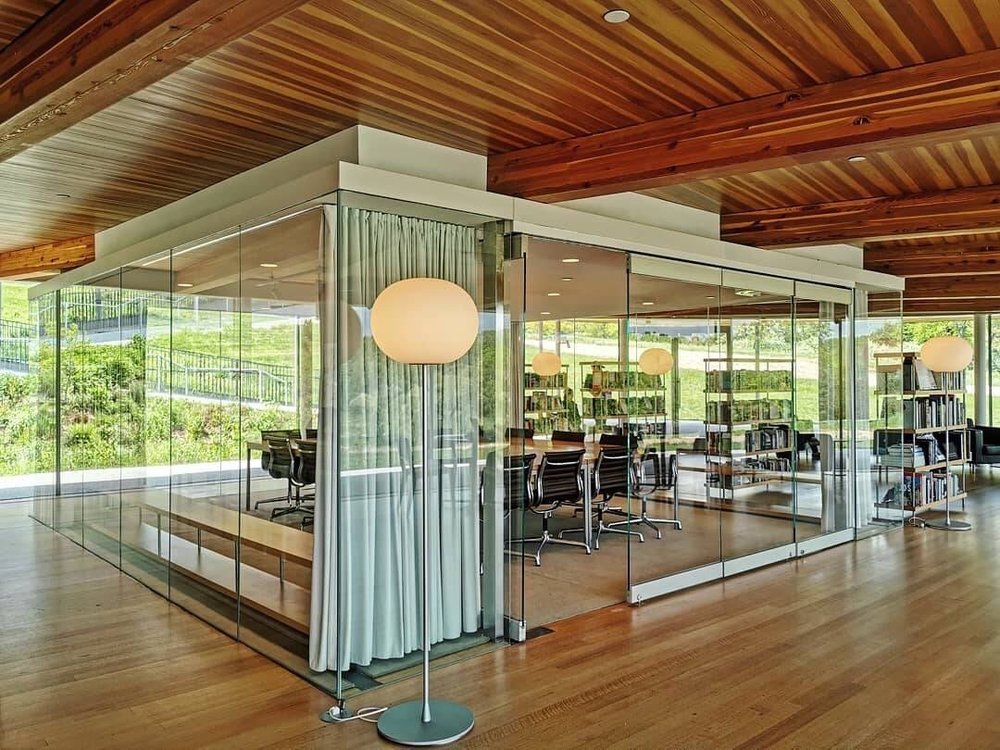
Beyond logistics, the Envue’s design is genuinely impressive — modern interiors, spacious rooms ideal for families or groups, and terrace views of the Manhattan skyline that will make your pre-match photos unforgettable. Book as early as possible: Weehawken’s limited hotel inventory means this property will sell out.

Transit tip: NY Waterway ferry from Port Imperial → Manhattan / World Cup shuttle routes.


2. Renaissance New York Midtown Hotel — Manhattan, NY

Best for: Transit efficiency from Penn Station

If you want to maximize transit convenience, it’s hard to beat the Renaissance New York Midtown Hotel. Situated within walking distance of Penn Station, this is the natural home base for fans riding NJ Transit to the game.

2026 World Cup Final Hotels in New York

Here’s the critical update for 2026: NJ Transit has announced that round-trip train tickets to MetLife Stadium will cost $150, limited to 40,000 tickets per match. These must be purchased in advance via the NJ Transit mobile app — they will not be available on the day of the match. Additionally, Penn Station will be partially closed to non-ticketholders for four hours before kickoff, restricted to match ticket holders only.

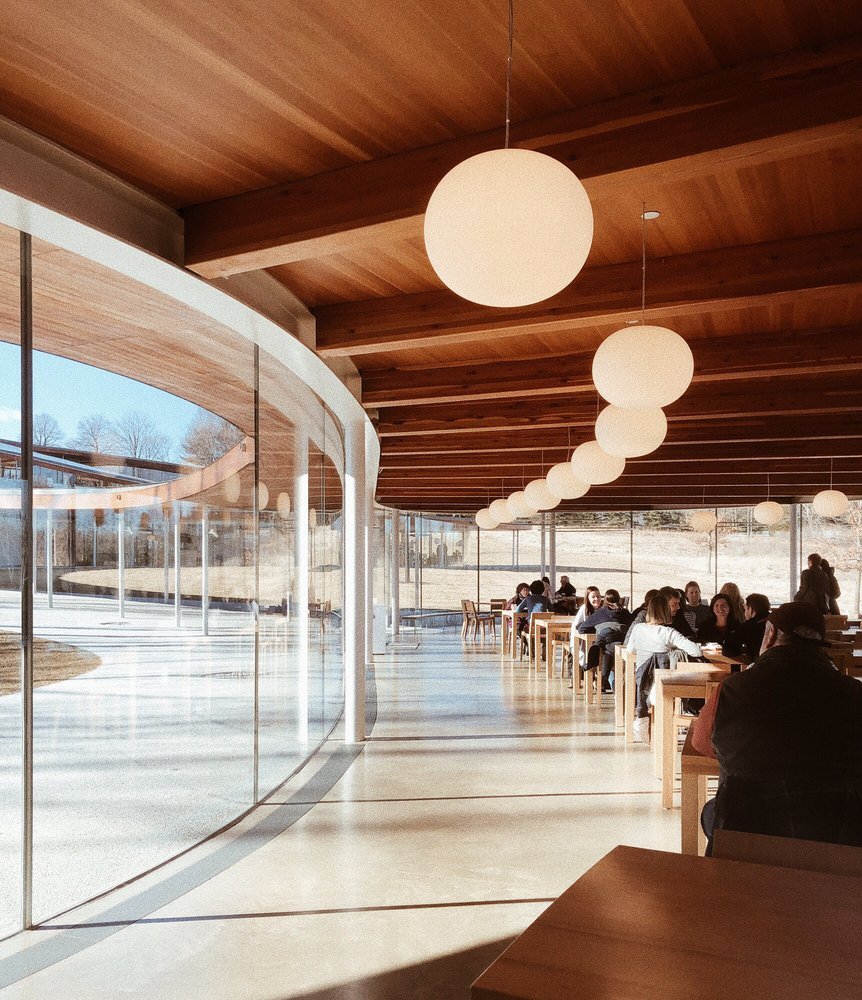
The Renaissance balances practical access with style — think artistic lighting, thoughtful furniture design, and a rooftop bar to decompress after what promises to be a historic afternoon.

Transit tip: Walk to Penn Station → NJ Transit to Secaucus Junction → Meadowlands Rail Line to NYNJ Stadium.


3. Element New York Times Square West — Manhattan, NY

Best for: Long stays, groups, and budget-conscious travelers

The 2026 World Cup Final hotels in New York that offer the best value for multi-night stays are extended-stay properties — and the Element New York Times Square West leads that category.

2026 World Cup Final Hotels in New York

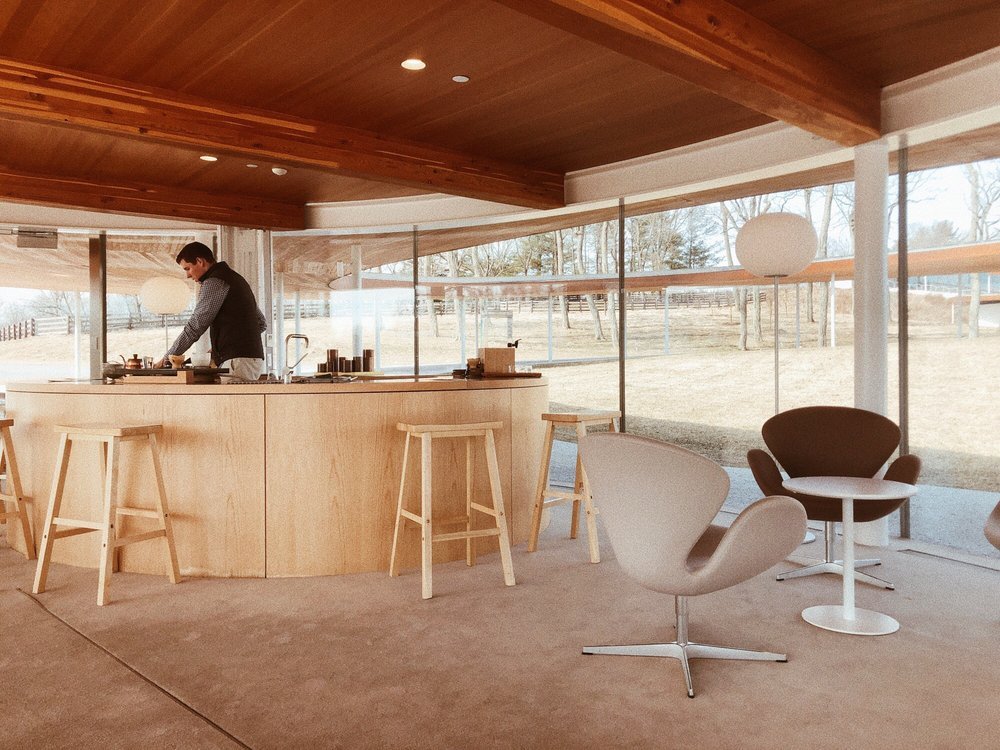
Every room comes with a kitchenette, making it a game-changer for groups managing food costs across a multi-day trip. The bright, airy design with wood-tone finishes and smart storage solutions overcomes the classic New York hotel space constraint. Its location near Times Square also puts you within the beating heart of NYC’s World Cup fan zone atmosphere, with Rockefeller Center’s official FIFA Fan Village easily accessible.

Transit tip: Subway or walk to Penn Station → NJ Transit to the stadium. PATH train from 33rd St also accessible for alternate routing.


4. W Hoboken — Hoboken, NJ

Best for: Young fans, atmosphere, and dual transit access

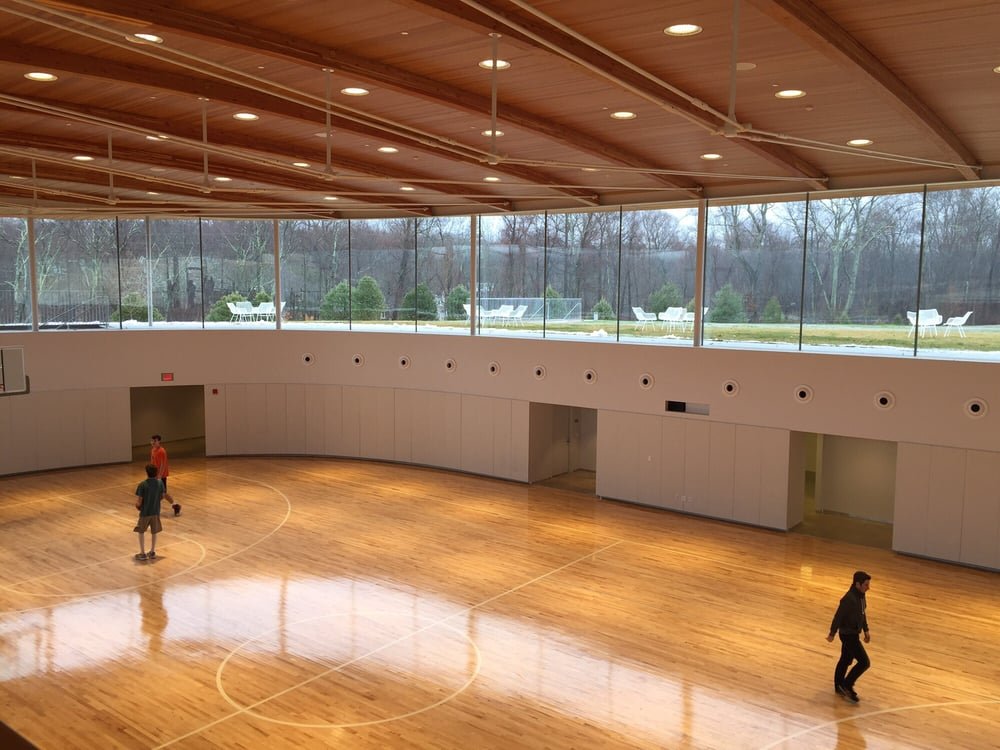
Hoboken is having a moment during World Cup 2026, and the W Hoboken puts you right at the center of it. With bold color contrasts, personality-driven design, and a buzzing hotel bar scene, this is the base camp for fans who want their stay to feel as electric as the match itself.

2026 World Cup Final Hotels in New York

What makes the W Hoboken strategically excellent: it offers access to both the PATH train to Manhattan and NJ Transit, giving you flexibility that most other locations can’t match. Hoboken’s walkable waterfront and dense bar and restaurant scene also means you’ll have no trouble finding a pre-match crowd.

New Jersey hotels near transit lines like the W Hoboken represent some of the best value in the region, with rates forecasted at $400–700/night during Final week — lower than comparable Manhattan properties.

Transit tip: NJ Transit from Hoboken Terminal or PATH train to Manhattan → Penn Station → NJ Transit to stadium.


5. Moxy NYC Times Square — Manhattan, NY

Best for: Solo travelers and budget-minded fans

The Moxy NYC Times Square epitomizes the micro-hotel movement: compact rooms, an industrial-chic aesthetic, and communal spaces designed for socializing. For solo travelers or groups who plan to spend most of their time out exploring the city and attending matches, the Moxy punches well above its price point.

2026 World Cup Final Hotels in New York

Its Times Square location also drops you into the thick of New York’s World Cup street energy — fan zones, pop-up events, and the sheer electricity of the city in tournament mode. If you’re coming for the experience and don’t need a large room, this is one of the smartest budgetary choices among 2026 World Cup Final hotels in New York.

Transit tip: Walk or subway to Penn Station → NJ Transit to the stadium (pre-purchased transit tickets required).


Getting to MetLife Stadium on Final Day: The Complete Transport Guide

Understanding how to get to the game is just as important as where you sleep. Here’s everything confirmed for July 19, 2026:

NJ Transit Rail (Primary Option)

  • Tickets: $150 round-trip, limited to 40,000 per match, available only via the NJ Transit mobile app
  • Route: Penn Station New York → Secaucus Junction → Meadowlands Rail Line to NYNJ Stadium
  • Restriction: Penn Station will be partially closed to non-ticketholders for 4 hours before kickoff. Only match ticket holders may access NJ Transit boarding areas during this window.
  • Key rule: Fans staying in New York City (all five boroughs) must use Penn Station for rail travel on matchdays.

Shuttle Bus (Alternative)

  • Tickets: $80 per person
  • Departure point: Hackensack Meridian School of Medicine in Clifton, NJ
  • Drop-off is approximately 1 mile from the stadium at Meadowlands Racetrack — expect a walk.

NY Waterway Ferry

  • Operates from Weehawken/Port Imperial to Manhattan piers
  • Ideal for those staying in the New Jersey waterfront corridor
  • No parking at MetLife Stadium — rideshare drop-off is in Lot E, with a 15–20 minute walk to the gates

What NOT to Do

  • Do not drive and expect to park at MetLife Stadium — parking is banned for World Cup matches
  • Do not show up at Penn Station without transit tickets on the day of the match — they will not be sold on-site
  • Do not underestimate travel time — plan for 2–3 hours door-to-gate on Final day

5 Expert Booking Tips for the World Cup Final in New York

1. Book with Free Cancellation Now The market is still in flux. Lock in a room with a free cancellation policy today and monitor rates as the Final approaches. If prices dip — as some data suggests they may — you can rebook at a lower rate.

2. Buy Your NJ Transit Ticket the Moment They Go on Sale Only 40,000 transit tickets will be issued per match. They are sold exclusively through the NJ Transit mobile app, are non-transferrable, non-refundable, and include specific boarding time windows. Missing these means scrambling for a $225 parking spot or an expensive rideshare.

3. Prioritize Hotels Near PATH or NJ Transit Lines Even if you’re staying in Manhattan, proximity to PATH stations (33rd St, 23rd St, 14th St) gives you routing flexibility around Penn Station restrictions. New Jersey waterfront properties in Hoboken, Jersey City, and Weehawken offer the best of both worlds.

4. Consider Extended-Stay Properties for Multi-Night Trips If you’re attending more than one World Cup match in the NY/NJ region (MetLife hosts 8 total), extended-stay hotels with kitchenettes dramatically cut your daily costs. The Element brand is designed precisely for this scenario.

5. Download Your Transit Apps Before You Land Install the NJ Transit app, NY Waterway app, and a major rideshare app before you arrive. On Final day, connectivity near the stadium and Penn Station will be strained. Pre-downloaded tickets and pre-set routes will save you significant stress.


Final Thoughts: Your 2026 World Cup Final Accommodation Strategy

The 2026 World Cup Final hotels in New York and New Jersey are not just logistical necessities — they’re the backdrop to one of the greatest sporting events you’ll ever experience. The right base camp, chosen strategically near the region’s transit network, will make the difference between a chaotic scramble and a seamless, memorable Final day.

To recap the best hotels near MetLife Stadium for the World Cup:

HotelLocationBest ForTransit
Envue, Autograph CollectionWeehawken, NJFamilies, skyline viewsFerry + shuttle
Renaissance NY MidtownManhattanPenn Station accessNJ Transit rail
Element Times Square WestManhattanLong stays, groupsNJ Transit / PATH
W HobokenHoboken, NJAtmosphere, valueNJ Transit + PATH
Moxy NYC Times SquareManhattanSolo travelers, budgetNJ Transit rail

Whether you’re rooting for a European powerhouse or a South American giant, one thing is certain: July 19, 2026, at MetLife Stadium will be an afternoon that echoes for decades. Make sure your home base is ready.


Related post you might enjoy:

New York Coffee Culture: A Guide to the City’s Best Specialty Coffee Shops

New York coffee culture is more than caffeine — it’s the city’s rhythm. From 19th-century espresso bars in Little Italy to Brooklyn roasteries pouring single-origin pour-overs, this guide traces the history and takes you to the 12 best specialty coffee shops in NYC you shouldn’t miss.

The City That Never Sleeps (Without a Coffee Cup in Hand)

If there’s one image that defines New York City more than any skyline, it might be this: a person moving fast down the sidewalk, one hand gripping a paper cup of coffee. Not sitting. Not lingering. Moving.

New York coffee culture is inseparable from the city’s pace, its immigrant history, and its restless identity. From a diner counter in 1930s Brooklyn to a minimalist Bushwick roastery in 2025, coffee in New York has always been more than a drink — it’s a daily ritual shared by millions across one of the world’s most diverse and driven cities.

This guide traces that story from its 19th-century roots all the way to the best specialty coffee shops NYC has to offer today, with stops along the way for a legendary paper cup, the rise of third-wave roasters, and a few tips on pairing your brew with the city’s food.


A History of New York Coffee Culture: From Little Italy to Brooklyn Roasteries

The Italian Roots (1892–1920s)

New York coffee culture didn’t begin at Starbucks — it began with Italian immigrants in Lower Manhattan. In 1892, Ferrara Bakery & Café opened in Little Italy, billing itself as America’s first espresso bar. It’s still there today, more than 130 years later.

As the 20th century began, Italian immigrants steadily wove espresso culture into the fabric of New York. The city got its first espresso machine in 1911, installed at Barbetta, an Italian restaurant on West 46th Street. Then in 1927, Domenico Parisi, another Italian immigrant, opened Caffè Reggio in Greenwich Village — widely credited as the first café to introduce the cappuccino to the United States. It remains one of New York’s oldest operating coffee houses.

Running parallel to the espresso tradition was American diner culture, where bottomless, no-frills black coffee fueled factory workers, cab drivers, and office clerks alike. Two different traditions, both called coffee, coexisting comfortably in the same city.

The Anthora Cup: How a Paper Cup Became a New York Icon (1963)

No object captures New York coffee culture more completely than a humble paper cup. The Anthora is a design for a disposable paper cup for coffee, originally designed by Leslie Buck of the Sherri Cup Company in 1963 to appeal to Greek-owned coffee shops in New York City.

New York Coffee Culture

Leslie Buck was born Laszlo Büch into a Jewish family in Czechoslovakia. His parents were murdered during the Holocaust, and Buck survived captivity at Auschwitz and Buchenwald concentration camps before emigrating to the United States and settling in New York City, where he adopted the anglicized name Leslie Buck.

The cup he designed became one of the most recognizable objects in American urban life. Its blue-and-white colors pay homage to the Greek flag, with a font inspired by Ancient Athenian lettering and the words “WE ARE HAPPY TO SERVE YOU” printed on the side — flanked by ancient amphora urns and framed with a Greek Key pattern.

The name “Anthora” is said to come from Buck’s Eastern European-accented pronunciation of the word “amphora.” Sales of the cup reached 500 million in 1994 at its peak, and one New York Times writer in 1995 called it “perhaps the most successful cup in history.”

Today, the Anthora has been displayed in the Design Department of the Museum of Modern Art and has appeared in TV shows like The Sopranos, Mad Men, and Law & Order — used, as one writer put it, to evoke New York at a glance. Along with yellow taxis and the Statue of Liberty, it remains an enduring symbol of the city.


  • Enjoy a whimsical ceramic coffee cup in the fun, retro “We are Happy to Serve You” Greek anthora design style, just like…
  • Yes! You found it! This is the original authentic ceramic cup designed by ExceptionLab and crafted purposely to feel lik…
  • Measures 3-3/4″ high x 3-1/4″ wide and comfortably holds 8-9 oz of coffee with just enough room for a dash of milk! Maxi…

The Specialty Coffee Revolution (1990s–2000s)

When the first Starbucks opened in Manhattan in 1993, the New York Times felt compelled to explain to its readers how to pronounce “latte.” By 1996, there were more than 200 specialty coffee cafés across the city.

But the deeper shift came in the late 2000s, when West Coast roasters like Stumptown (Portland) and Blue Bottle (Oakland) arrived in New York, bringing with them the ethos of the so-called “third wave” of coffee: an emphasis on single-origin beans, transparent sourcing, careful roasting, and deliberate brewing. Brooklyn, with its industrial spaces and adventurous food culture, became the natural home for this new movement.

Roasters like SEY Coffee in Bushwick prioritize Nordic-style roasting and ethical sourcing, emphasizing transparency and sustainability — a philosophy now shared by a growing number of New York’s independent cafés.

Today, the global specialty coffee market is projected to grow at a 7.1% CAGR through 2025–2029, driven by sustainability trends and a broader appetite for gourmet experiences. New York is at the center of that story.


Understanding Coffee: Terroir, Roast, and Extraction

Before diving into the best specialty coffee shops NYC has to offer, it helps to know what separates a great cup from a forgettable one. It comes down to three things.

Terroir is where the bean grows. Ethiopian highland coffees carry floral, blueberry-like notes. Colombian volcanic soil produces caramel and nutty richness. Panamanian high-altitude farms — like those behind some of New York’s most talked-about roasters — yield clean, complex flavors that can rival fine wine in their range.

Roast determines how much of those natural flavors survive the heat. A light roast preserves acidity and fruit; a dark roast builds body and bitterness. Freshness matters enormously — coffee begins oxidizing right after roasting and loses much of its aroma within two to four weeks. Always check the roast date.

Extraction is how water draws flavor from the ground bean. Espresso uses high pressure for concentration. Pour-over uses slow, controlled pouring to highlight delicacy. Cold brew steeps in cold water for hours, producing a low-acid, naturally sweet result. The method you choose should match both the bean and your mood.


New York Coffee Culture Today: The Best Specialty Coffee Shops NYC

1. Stumptown Coffee Roasters — Midtown / Greenwich Village

New York Coffee Culture

A pioneer of American specialty coffee, Stumptown launched in Portland in 1999 and brought its philosophy to New York in 2009 through a café inside the Ace Hotel in Midtown. A second flagship location followed in 2013 in Greenwich Village, featuring a dedicated brew bar. Their Hair Bender espresso blend — with notes of chocolate, cherry, and toffee — has become something of a New York institution.

📍 30 W 8th St, New York, NY | stumptowncoffee.comSignature: Hair Bender Espresso


2. Blue Bottle Coffee — Bryant Park / Williamsburg + more

New York Coffee Culture
First Blue Bottle in Williamsburg, New York

Blue Bottle began in Oakland in 2002 and opened its first New York outpost in Williamsburg in 2010. Known for clean, bright acidity and a commitment to freshness — they don’t sell coffee older than 48 hours after roasting — Blue Bottle’s Bryant Park location makes it one of the more accessible best specialty coffee shops NYC offers for Midtown visitors.

📍 54 W 40th St, New York, NY | bluebottlecoffee.comSignature: New Orleans Iced Coffee


3. La Colombe — SoHo / NoHo + more

New York Coffee Culture

The Philadelphia-born roaster is beloved for its full-bodied espresso and the Draft Latte — a nitrogen-infused canned latte that the brand essentially invented. La Colombe’s roasting facility in Philadelphia supplies all NYC locations with beans roasted within four days, with each bag including roast date and batch tracking information.

📍 400 Lafayette St, New York, NY | lacolombe.comSignature: Draft Latte


4. Arcane Estate Coffee — West Village ⭐ Emerging Standout

New York Coffee Culture

One of the most exciting names in current New York coffee culture, Arcane Estate on Cornelia Street in the West Village is a Panama single-origin specialist. Founder Edgar Acosta-Masferrer works exclusively with beans from his family’s farm in the Chiriquí highlands of Panama — one of the world’s most prized coffee regions. Less than a year after opening, Arcane Estate was named among the world’s top 100 coffee shops for 2026, ranking 12th globally. A must-visit for serious coffee drinkers.

New York Coffee Culture

📍 37 Cornelia St, New York, NY | arcaneestatecoffee.comSignature: Single Origin Espresso


5. Devoción — Williamsburg / Flatiron + more

New York Coffee Culture

Devoción has a compelling origin story: founded by a Colombian entrepreneur, it imports beans directly from Colombian farms and roasts them on-site within days of harvest. The result is an unusually fresh cup — you can often see the roastery behind glass as you order. Their Williamsburg flagship, with its greenhouse-like interior and living wall of plants, is one of the most beautiful café spaces in the city.

New York Coffee Culture

📍 148 Grand St, Brooklyn, NY | devocion.comSignature: Single Origin Pour Over


6. Café Grumpy — Greenpoint / Lower East Side + more

New York Coffee Culture
In Chinatown

Café Grumpy helped define the early Brooklyn specialty coffee scene when it opened in Greenpoint in 2005. It practices direct-trade sourcing — working directly with farmers rather than through importers — and long before it was fashionable. The Greenpoint flagship became familiar to many as a filming location for HBO’s Girls. Simple, consistent, and community-rooted.

📍 193 Meserole Ave, Brooklyn, NY | cafegrumpy.comSignature: Espresso


7. Culture Espresso — Bryant Park area + more

A popular refuge for Midtown workers, Culture Espresso draws on Australian café culture — think strong espresso served without attitude, in a relaxed space. Their house-made cookies have developed their own following. An ideal stop between meetings.

📍 72 W 38th St, New York, NY | cultureespresso.comSignature: Latte


8. Abraço — East Village

Abraço is tiny — a handful of bar stools, an open counter, and no room to linger — but it punches well above its weight. The espresso is exceptional, and the olive oil cake has been written about in publications far beyond the neighborhood. It’s a direct echo of the Italian standing bar tradition: you come, you drink, you go. In the best possible way.

📍 81 E 7th St, New York, NY | abraconyc.comSignature: Cappuccino


9. SEY Coffee — Bushwick, Brooklyn

SEY (spelled backward: YES) is about as serious as specialty coffee gets in New York. Founders Tobin Polk and Lance Schnorenberg started roasting in 2011 in a fourth-floor loft near their current location. A glass wall separates the café from the roastery, allowing visitors to watch the roasting process while they drink. The Nordic-style light roasts are brewed exclusively via Aeropress. SEY also runs gratuity-free — a European model that’s rare in New York and speaks to their overall philosophy.

📍 18 Grattan St, Brooklyn, NY | seycoffee.comSignature: Single Origin Aeropress


10. Partners Coffee — Williamsburg / Park Slope + more

Brooklyn-rooted Partners Coffee has built a reputation for well-calibrated roasting with a focus on bright, clean flavors. Their flat white is consistently praised as among the best in the city, and the West Village location on Charles Street has become a neighborhood anchor.

📍 44 Charles St, New York, NY | partnerscoffee.comSignature: Flat White


11. Ninth Street Espresso — East Village

One of the earliest entries in New York’s specialty coffee scene, Ninth Street Espresso opened in 2001. More than two decades later, it still operates with a refreshingly minimal philosophy — a tight menu, carefully sourced beans, and no frills. This East Village institution isn’t just surviving — it continues to be a reference point for baristas and coffee professionals across the city.

📍 700 E 9th St, New York, NY | ninthstreetespresso.comSignature: Espresso


12. Coffee Project New York — East Village / Chelsea + more

Founded in 2015 by Chi Sum Ngai and Kaleena Teoh — two women of color who remain among the most respected voices in American specialty coffee — Coffee Project NY is an East Village favorite that has won Time Out New York’s “most beloved coffee shop” distinction three times. They operate the first SCA-certified training campus in New York State and are deeply committed to coffee education at all levels. Their signature Deconstructed Latte — espresso, milk, and sparkling water served separately for tasting in sequence — is one of the most inventive café experiences in the city.

📍 239 E 5th St, New York, NY | coffeeprojectny.comSignature: Deconstructed Latte


New York Coffee Pairings: What to Eat With Your Cup

New York coffee culture has always been as much about food as it is about the drink. Here’s a quick guide to pairing by origin:

  • Ethiopian beans (floral, blueberry notes) → Pair with a sesame bagel and cream cheese, or a fruit Danish
  • Colombian beans (caramel, nuts) → Pair with New York cheesecake or banana bread
  • Brazilian beans (chocolate, dark fruit) → Pair with a brownie or pecan pie
  • Kenyan beans (wine-like acidity, complexity) → Pair with a savory dish — a buffalo mozzarella salad or a grain bowl with vinaigrette

Any of these pairings is vastly improved by eating while walking, ideally in the direction of somewhere interesting.


The New York Coffee Scene in 2025: What’s Changing

New York coffee culture continues to evolve at speed. In 2025, new additions to the city’s best coffee lists include community-forward spaces like Harlem’s The Oma Shop II Coffee+ Lifestyle and Danish imports like La Cabra, which has expanded to multiple Manhattan locations and opened a North American roasting hub in Bushwick.

Sustainability and visual design are increasingly central to the city’s café scene, with Instagrammable interiors and ethical sourcing becoming baseline expectations rather than differentiators. Meanwhile, a growing number of shops are adopting gratuity-free pricing models, transparent sourcing, and in-house education programs.

The New York Coffee Festival, the city’s flagship annual coffee event, regularly draws over 12,000 coffee lovers and industry professionals from across the United States and abroad — a testament to how seriously New York now takes its coffee.


Final Thoughts: Coffee Is the City’s Rhythm

The story of New York coffee culture begins in 1892, in a bakery in Little Italy, and it runs through a paper cup designed by a Holocaust survivor, a cappuccino served for the first time in the New World in a Greenwich Village café, and a Bushwick roastery where you can watch your beans being roasted while you drink them.

Coffee here is not a luxury. It’s not a trend. It’s the rhythm of the city — the thing in your hand while you’re already somewhere else, already thinking about what comes next.

Whether you’re visiting for the first time or you’ve lived here for decades, the best specialty coffee shops NYC has to offer are worth seeking out, one cup at a time.


Related posts you might enjoy: